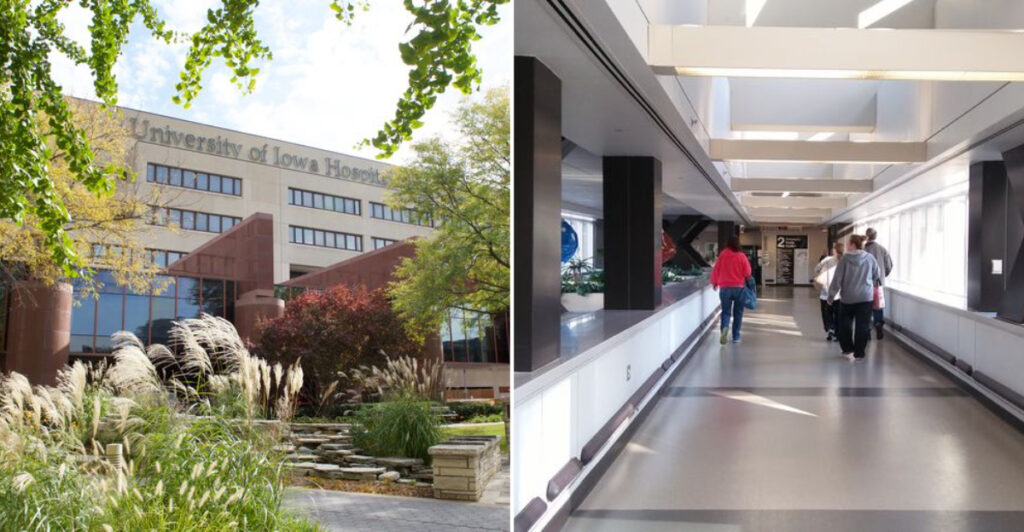
I grew up hearing that big medical breakthroughs only happen in giant coastal cities, so imagine my surprise when a modest college town in the middle of the Midwest kept popping up on lists of the country’s finest hospitals.
The hospital here has built a reputation that reaches well beyond the city limits, drawing patients who need highly specialized care.
What surprised me just as much was everything surrounding it. Museums sit close to campus, the river cuts through town, and a presidential library waits a short drive away.
Still, the medical center is the part that changes the whole feel of the community. It is huge, closely tied to the university, and impossible to ignore once you arrive.
A Medical Powerhouse With A Real Address
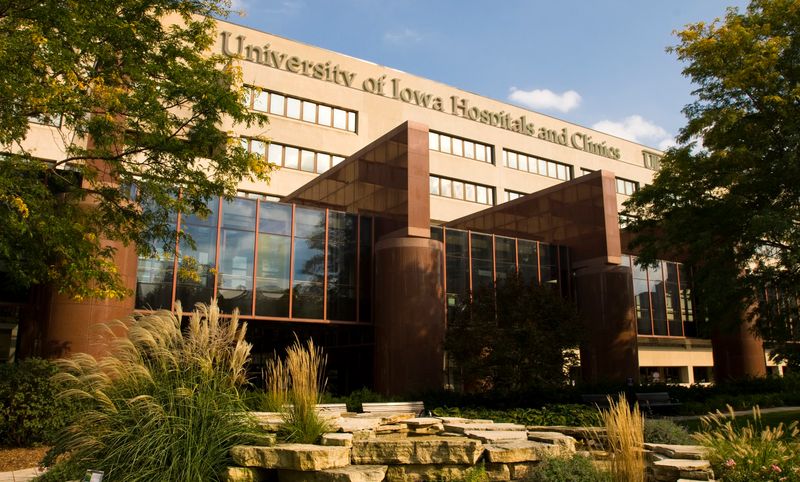
The mystery hospital I kept teasing has a name that carries weight far past the cornfields. It is UI Health Care Medical Center University, and it feels less like a single building and more like a small city with its own rhythm.
I spent an afternoon wandering the connected corridors, watching staff, students, and visitors move with a purpose that never felt rushed. Signs pointed toward specialty clinics I had never heard of, and each one seemed to have a waiting room full of people who had traveled a long way.
What struck me most was how welcoming everyone was, even at the busy information desks near the main entrance.
The teaching hospital ties directly to the university, so bright medical students mix with seasoned physicians every single day. That blend keeps the place curious and forward-thinking.
You will find this remarkable center at 200 Hawkins Dr, Iowa City, IA 52242, right in eastern Iowa. Tuck that address away, because once you see how the rest of the town wraps around it, the location starts to make perfect sense to visitors and patients alike.
How A College Town Became A Healing Hub
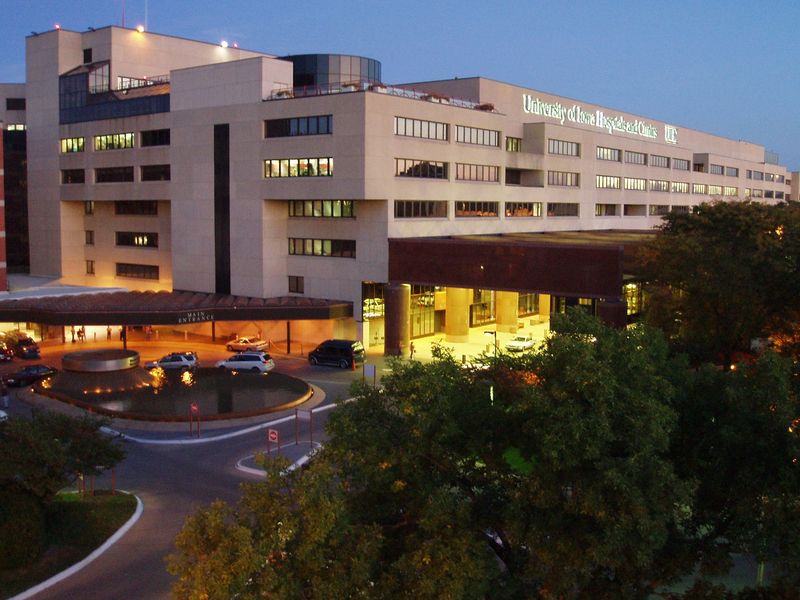
Long before the shiny towers arrived, this was simply a place built around learning. The university planted roots here in the 1800s, and medicine grew alongside classrooms and libraries.
I love thinking about how one decision to train doctors locally slowly turned into a nationally respected system. Each generation of students stayed, taught, and pushed the standards a little higher.
Chatting with a few longtime residents, I learned that families here often have multiple relatives who either worked at or were cared for by the medical center. That kind of loyalty tells you something real.
The town and the hospital seem to have grown up together, feeding each other energy and ideas.
Walking past older brick buildings near campus, I could picture early physicians studying by lamplight, dreaming bigger than their surroundings suggested.
Now that dream shows up in advanced surgeries and research that reaches patients across the region. History here is not locked behind glass; it is still being written in operating rooms and lecture halls.
Understanding that backstory made every hallway I later explored feel richer and far more meaningful to me.
Specialty Care That Draws Patients From Everywhere
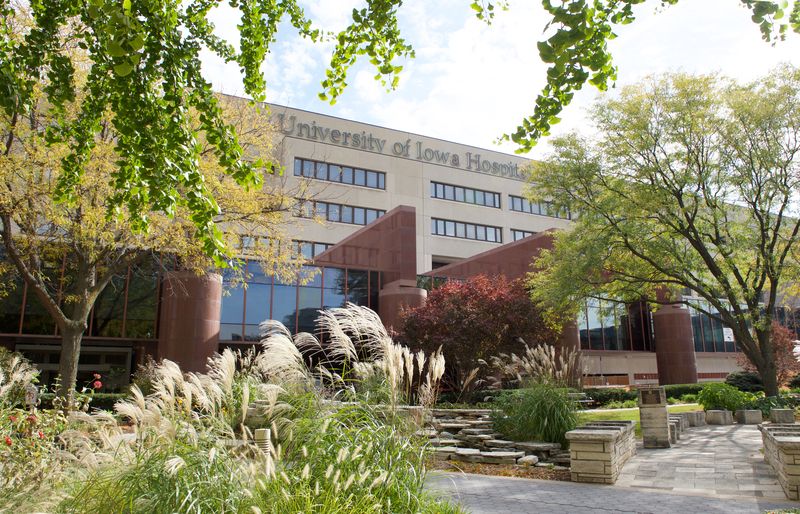
One thing became crystal clear during my visit: this is not an ordinary community hospital. People arrive here specifically because the specialists handle cases that smaller places simply cannot.
I met folks in the waiting areas who had driven hours, some crossing state lines, just to see a particular doctor. Cancer care, heart programs, children’s medicine, and complex surgeries are all available within the larger UI Health Care medical campus and system.
The sheer range of departments genuinely amazed me as I studied the directory boards.
What impressed me even more was the calm confidence of the staff. Nobody seemed frazzled, even when the schedule looked packed tight.
Nurses greeted patients by name, and I overheard doctors explaining tricky treatments in plain, patient words. That gentle communication style matters when someone feels scared.
Because the hospital ties directly to the university, eligible patients may have access to clinical trials involving promising new treatments. That gives hope a real head start.
Seeing so many people place their trust in one Iowa institution reminded me why national rankings keep pointing here. It is not hype; it is a steady, earned reputation built patient by patient over many decades.
The Old Capitol Building Standing Guard Nearby
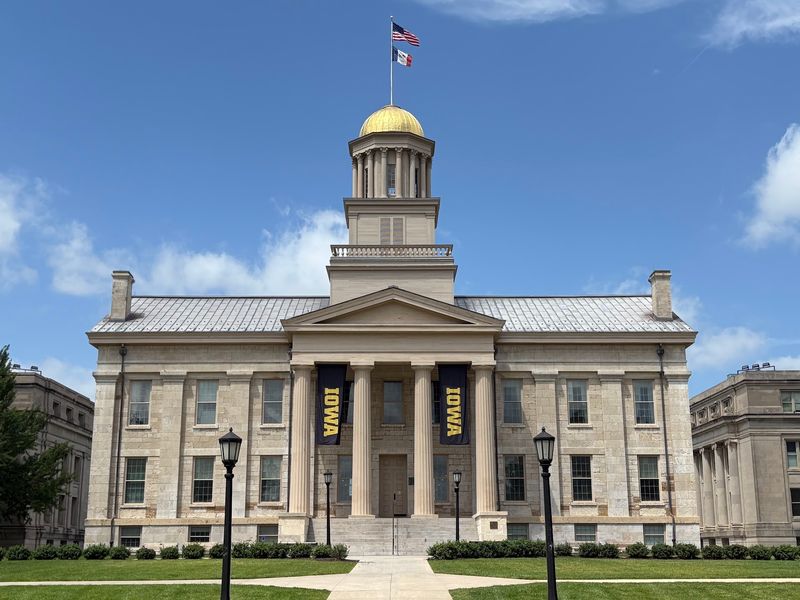
Just a short stroll from the medical corridors sits a landmark that anchors the town’s identity. The Old Capitol Building, topped with its shining gold dome, once served as the state’s very first capitol.
I climbed the steps and immediately felt the pull of history in the polished wood and echoing halls. Today it houses a museum exploring Iowa history and the building’s own past, and admission is free.
Wandering the restored chambers, I imagined early lawmakers debating the future of a young state.
The building sits right in the heart of the university campus, so students crisscross the lawn around it all day long. That mix of old and young keeps the spot lively rather than stuffy.
I appreciated how the exhibits explain the region’s roots without drowning you in dates.
For anyone visiting a patient at the nearby hospital, this makes a soothing break between appointments. A quiet hour among historic artifacts can calm the nerves surprisingly well.
I left with a deeper respect for how much this compact town packs into a few walkable blocks near the riverbank, blending healing and heritage seamlessly.
Natural History Treasures Right Next Door

Curiosity got the better of me, so I ducked into the University of Iowa Museum of Natural History sitting adjacent to the Old Capitol. What waited inside genuinely surprised me.
Glass cases held prehistoric stone tools shaped by hands thousands of years ago, plus rows of carefully preserved taxidermy animals. Kids darted between displays, pointing and asking a hundred questions.
The place manages to feel both educational and playful, which is a tricky balance to strike.
I lingered in front of the wildlife dioramas, admiring how detailed the scenes looked. Each one told a small story about the creatures that once roamed this landscape.
Best of all, the museum welcomes visitors without charging a fee, so families can explore freely.
Being so close to the medical center, it offers weary caregivers a peaceful, low-key escape. I noticed a few visitors clearly using it exactly that way, taking a breather among the exhibits.
The combination of ancient artifacts and lifelike animals gave me a fuller picture of the region’s deep past. I walked out feeling smarter and oddly refreshed, ready to see whatever this town offered next.
City Park Along The Riverbank
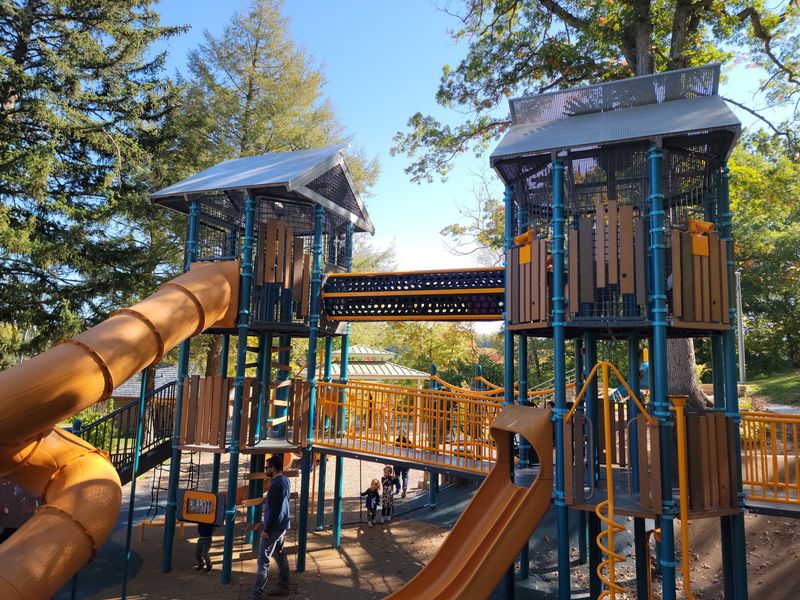
After all that indoor exploring, my feet begged for open air, and City Park delivered. Spread along the Iowa River, it offers ponds, shady paths, and plenty of room to breathe.
Families spread out picnic blankets while joggers looped the trails at an easy pace. I found a bench near the water and simply watched the day roll by for a while.
The sports facilities looked well loved, with kids chasing balls across the fields.
Something about a riverside park makes stress melt right off your shoulders. Ducks paddled across the ponds, and the breeze carried the sound of laughter from nearby playgrounds.
I could easily see why locals treat this green space as a shared backyard.
For visitors spending long days at the medical center, the park sits close enough for a restorative walk. Fresh air and gentle scenery do wonders for a tired mind.
I wandered until the light turned golden, reluctant to leave such a peaceful pocket of town. City Park proved that this community values wellness in every form, not just the kind found inside hospital walls, and that stuck with me long afterward.
The Herbert Hoover Presidential Library Just East
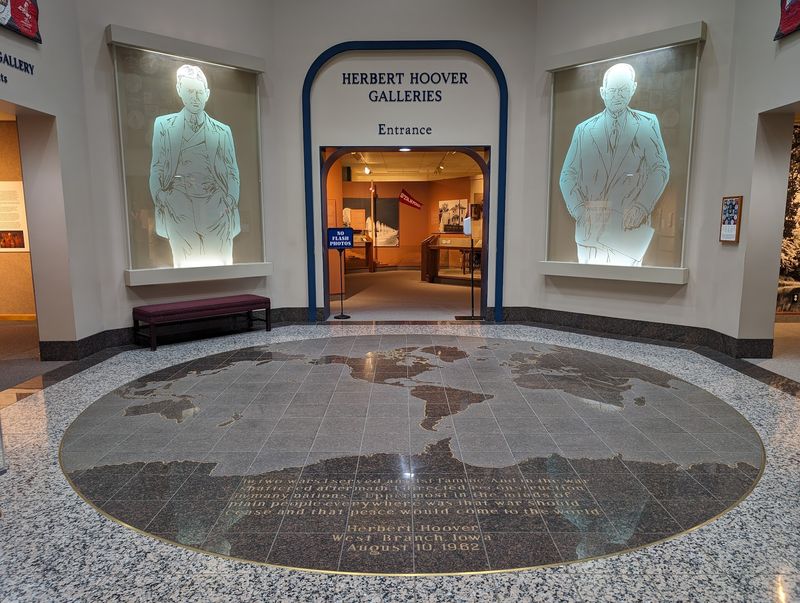
My curiosity pulled me a short drive east of town toward an unexpected slice of American history. The Herbert Hoover Presidential Library and Museum honors the 31st president, who has deep roots in this corner of Iowa.
Inside, photographs and personal objects trace his long and eventful life. I moved slowly through the galleries, fascinated by how much one person shaped both national and world events.
The exhibits felt honest, showing triumphs alongside tougher chapters.
The surrounding grounds are beautifully kept, with quiet walking areas that invite reflection. I strolled the paths and appreciated the peaceful setting away from busier streets.
It amazed me that such a significant national site sits so close to a hospital campus of equal ambition.
Together they say a lot about this region’s outsized influence. A small area produced both a president and a top-ranked medical system, which is no small boast.
Anyone visiting for medical reasons could easily fold this stop into a slower day of sightseeing. I left feeling that Iowa City punches well above its size, quietly collecting achievements that bigger cities might envy without ever bragging too loudly about them.
Practical Tips For Visiting The Medical Center
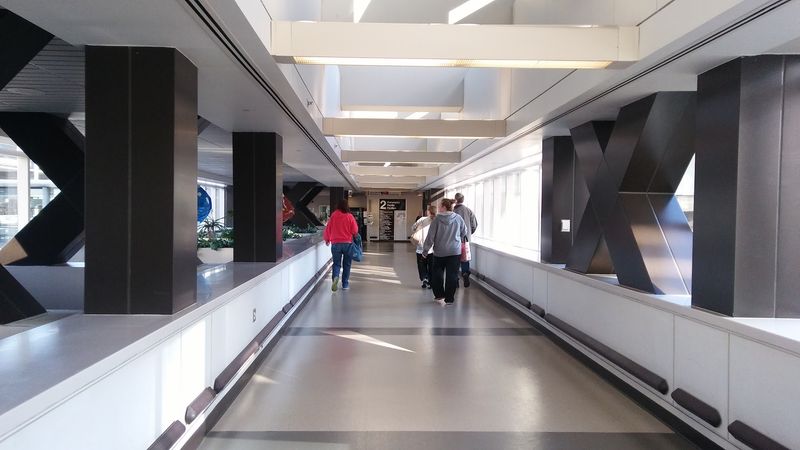
Before you plan your own trip, let me share a few things I wish I had known walking in. The medical campus is large, so give yourself extra time to find the right entrance and clinic.
Parking garages sit close to the main doors, and the signage does a solid job guiding first-timers. I still recommend snapping a photo of where you park, because the buildings blur together fast.
Comfortable shoes are your best friend on these long hallways.
The staff at information desks were happy to point me in the right direction whenever I looked lost. Do not hesitate to ask; that is exactly what they are there for.
Cafes and quiet lounges give visitors places to rest between appointments, which caregivers will truly appreciate.
Since the town wraps so many attractions around the hospital, plan a museum stop or park stroll to break up medical days. That little balance keeps the whole trip from feeling heavy.
Book appointments early, check the website ahead of time, and arrive with patience in your pocket. Doing that small homework turned my visit into something smooth, memorable, and honestly kind of inspiring.