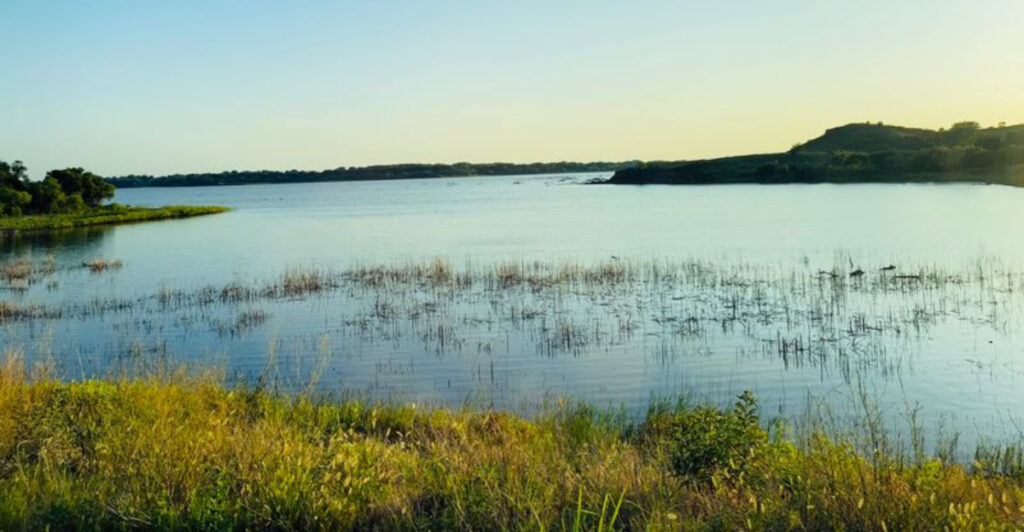
Some places change so quickly that returning years later can feel like visiting somewhere completely new. This Kansas state park has taken the opposite approach.
That is part of what makes it interesting. The landscape still carries the same rugged, unhurried character that has drawn people here for generations. There is no need for flashy upgrades when the setting already does most of the work.
Time has moved on, but the park has managed to keep much of its old personality intact. That kind of consistency can be surprisingly refreshing.
In a world where everything seems to get redesigned, expanded, or rebranded, finding a place that still feels familiar is almost a novelty. I have always liked returning to places that seem to remember themselves.
Give me an old Kansas park, a quiet afternoon, and a view that has barely changed in decades, and I will happily spend a little time wondering how many other people have stood in the same spot thinking exactly the same thing.
The First Park Kansas Ever Opened
In 1955, Kansas created its State Park and Resources Authority, and Kanopolis opened as the state’s first modern state park just three years later.
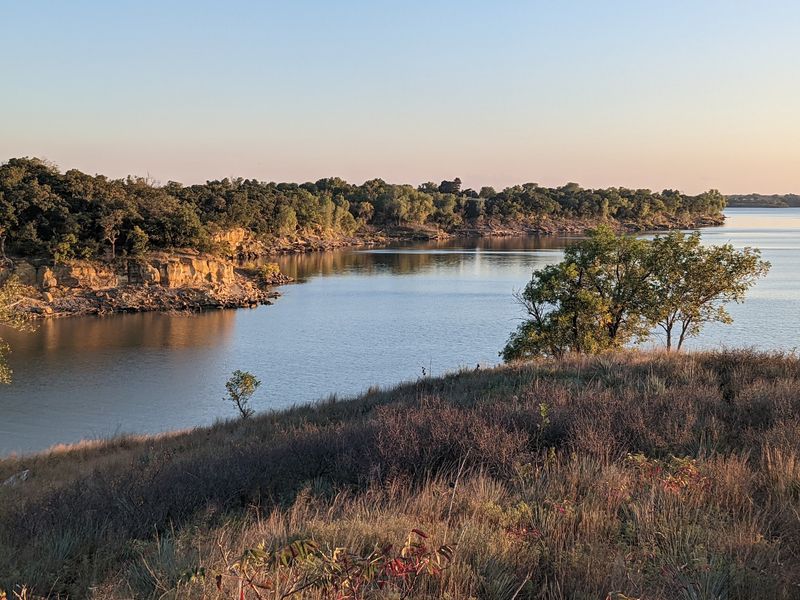
Walking the older loops, I could feel that history in the layout. Roads curve gently around the shoreline, picnic shelters sit in shady groves, and the whole design puts scenery ahead of flashy attractions.
What struck me most is how little has been paved over. Newer parks often add splash pads and gift shops, but here the draw is still rock, water, grass, and sky.
The dam that created the reservoir came first, finished in 1948 by the Army Corps of Engineers. The park grew around it a few years later.
Standing on a bluff above the water, I understood why officials picked this place. In a state known for open plains, these cliffs and canyons genuinely stand out.
Thirty-One Miles Of Trails That Wander, Not Rush
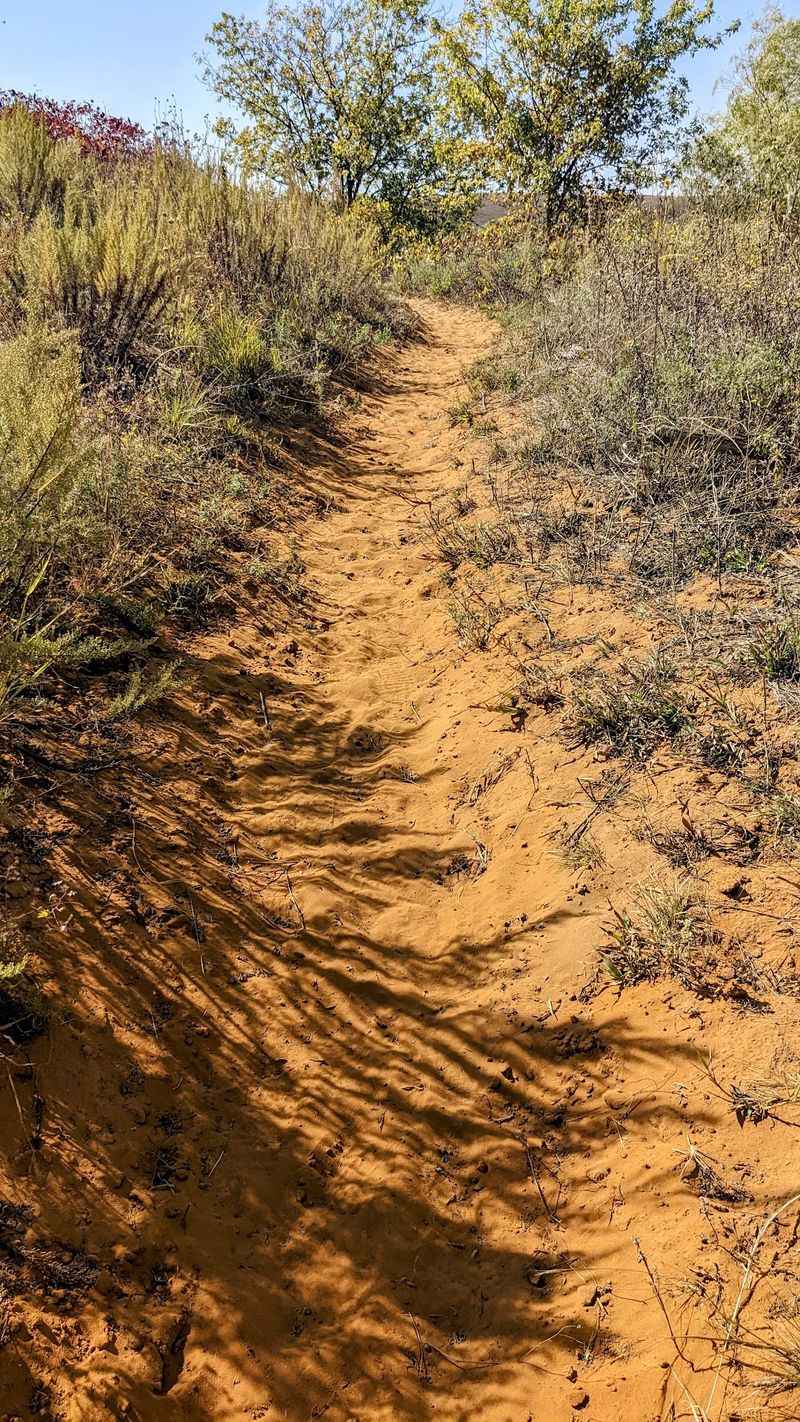
Lace up before you arrive, because the trail system here stretches roughly 31 miles across woods, bluffs, and creek bottoms.
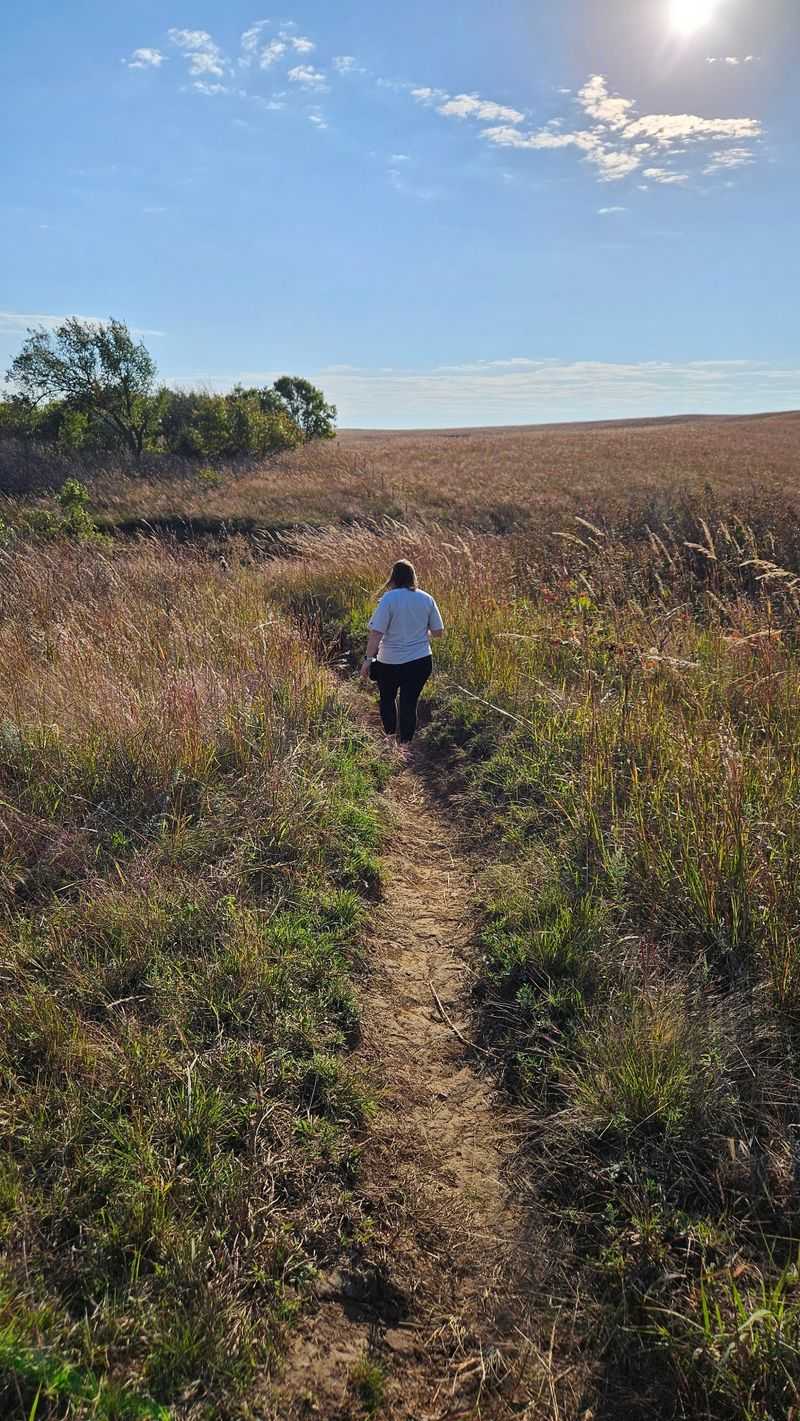
I picked up a color-coded route on the west side and looped blue into orange into green, which added up to about seven miles and three hours of easy pacing.
The footing surprised me. Long stretches are loose sand, sometimes several inches deep, so your legs work harder than the elevation numbers suggest.
Trail markers are clear and frequent, which helped when side paths appeared. Still, I recommend downloading a map before you lose signal.
Some crossings require stepping through shallow creek water, and after rain those spots widen considerably. Waterproof boots earn their keep.
What I loved most was the quiet. On a weekday I passed only two other hikers, and the rest of the morning belonged to turkeys, deer, and circling vultures.
Horsethief Canyon And Its Hidden Caves
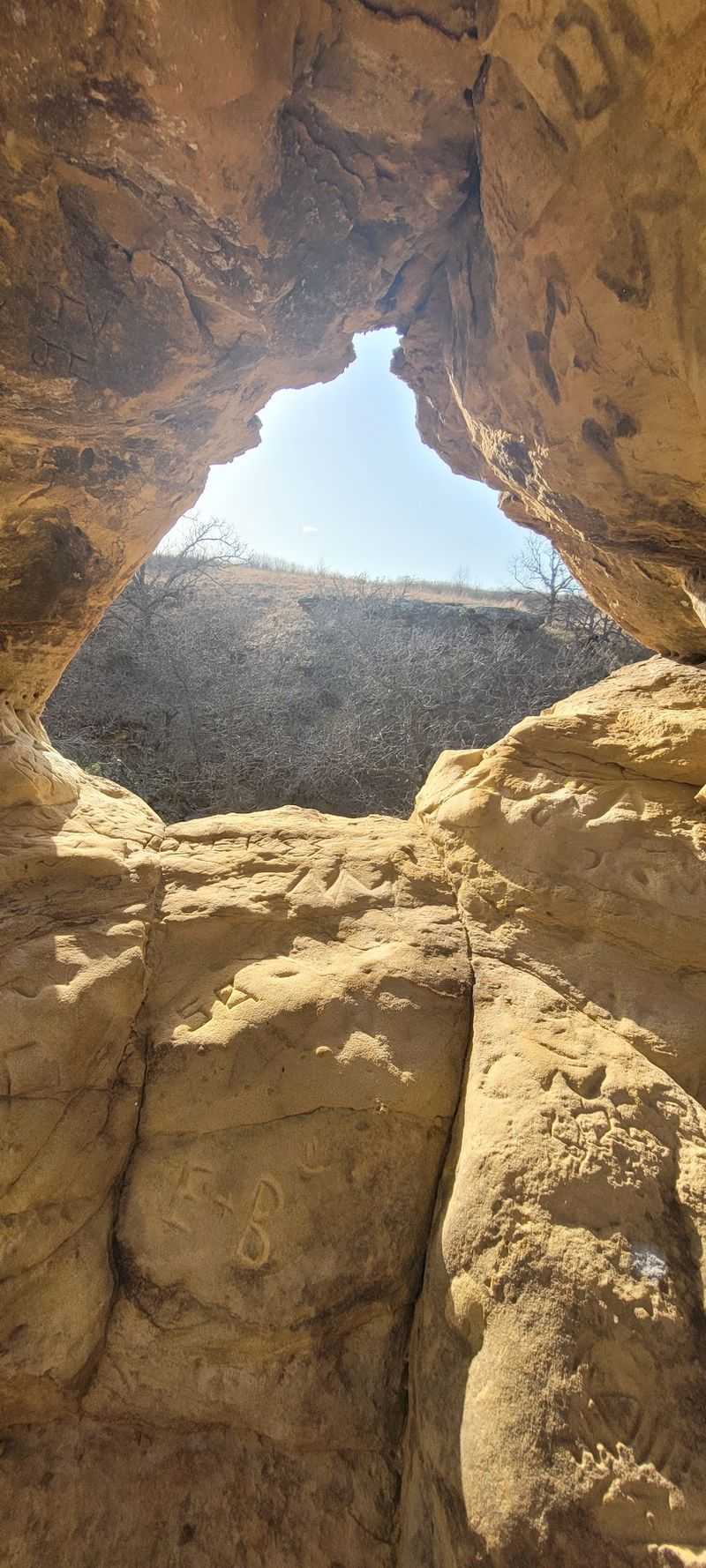
The true origin of Horsethief Canyon’s name is uncertain, although local stories tie it to horse thieves here, and once you walk it, the legend makes sense.
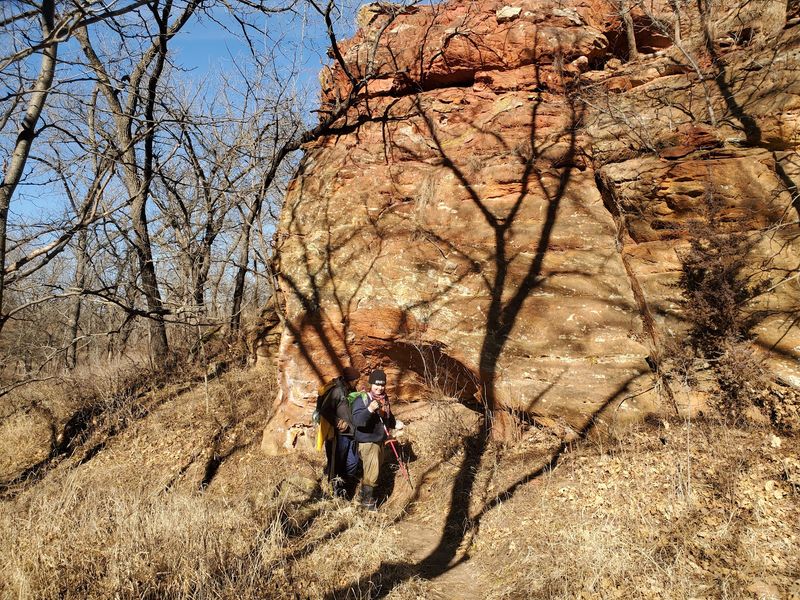
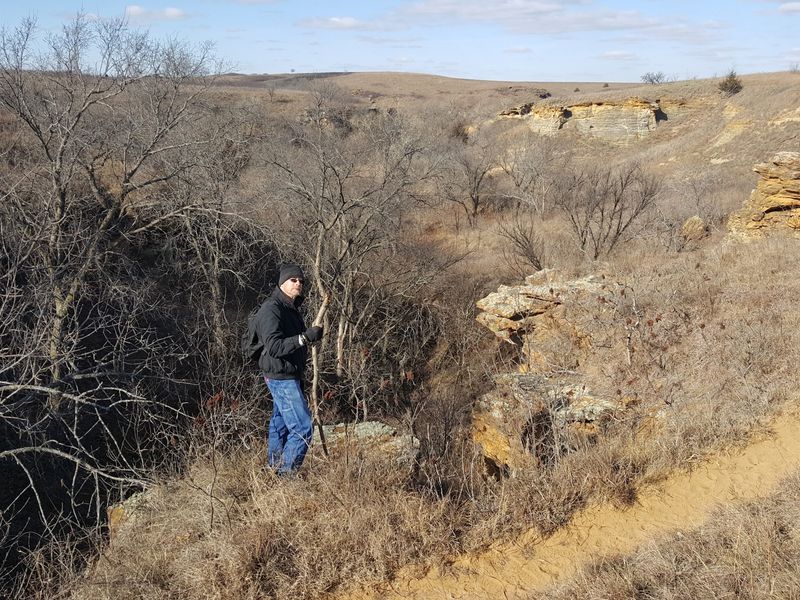
Soft Dakota sandstone has eroded into alcoves, small caves, and ledges that beg to be explored. I scrambled up to one opening and found initials carved by visitors from decades past.
A word of caution from experience. Poison ivy grows thick near the cave approaches, so watch every handhold and step.
Rattlesnakes also live here, particularly around sunny rock. Keeping my eyes down and my pace slow felt like simple common sense.
The canyon walls hold cool air even on warm afternoons, which makes this stretch a welcome break during summer hikes.
Photographers should aim for morning light, when the sandstone glows orange and shadows stay soft inside the narrow passages.
A Reservoir Built For Boats, Kayaks, And Lazy Afternoons
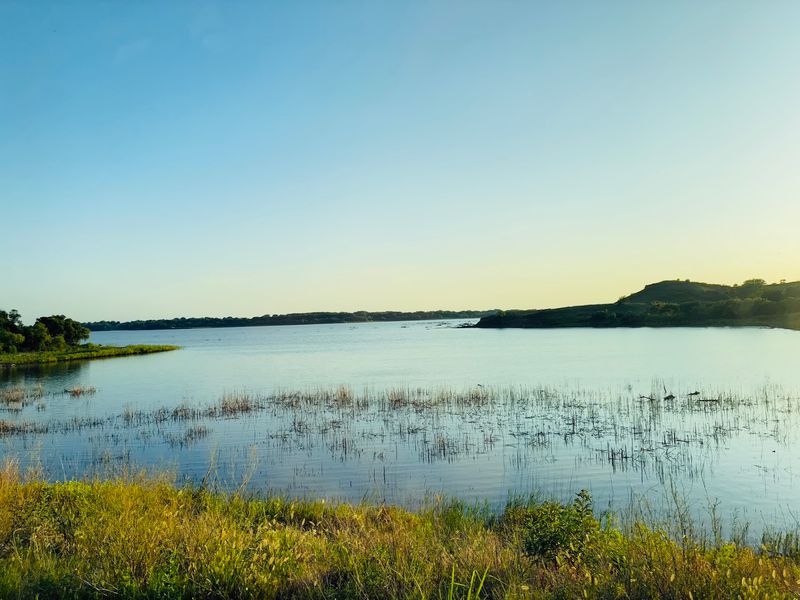
Roughly 3,500 acres of water sit at the heart of the park when levels run full, and that surface keeps boaters, paddlers, and swimmers busy all summer.
I brought a kayak and spent a morning tracing the shoreline, sliding past low bluffs and sandy coves that felt private even on a holiday weekend.
There is a marina and several boat ramps, plus swimming beaches managed separately by the state and Corps, with different vehicle permit and day-use fee systems.
Water levels fluctuate quite a bit. During my visit the lake sat low, which exposed wide mudflats and moved the shoreline noticeably outward.
Check current conditions before hauling a big boat, since ramps can become tricky in dry years.
Fishing here focuses mainly on saugeye, white bass, and catfish. Expectations should stay modest, but the sunsets over open water never disappoint.
Rockin’ K Equestrian Camp Keeps The Old West Alive
Few campgrounds in Kansas treat horses as well as the Rockin’ K equestrian area does.
I wandered through on foot and counted rows of oversized covered pens, hitching posts, and a wash rack, all kept remarkably tidy.
Riders I saw unloading described the trail network as one of the best in the region, with sandy footing that stays kind to hooves.
Shower houses and flush toilets sit close by, and a dump station waits just down the road. For a park that opened in 1958, the facilities feel thoughtfully updated without losing their plain, practical character.
Weekdays run especially quiet out here. Midweek visitors often have entire loops nearly to themselves.
One heads-up worth remembering: horse traffic churns the trails into deep ruts, which frustrates mountain bikers hoping for smooth singletrack. Riders and cyclists share the same paths.
Camping Loops With Names You Will Remember
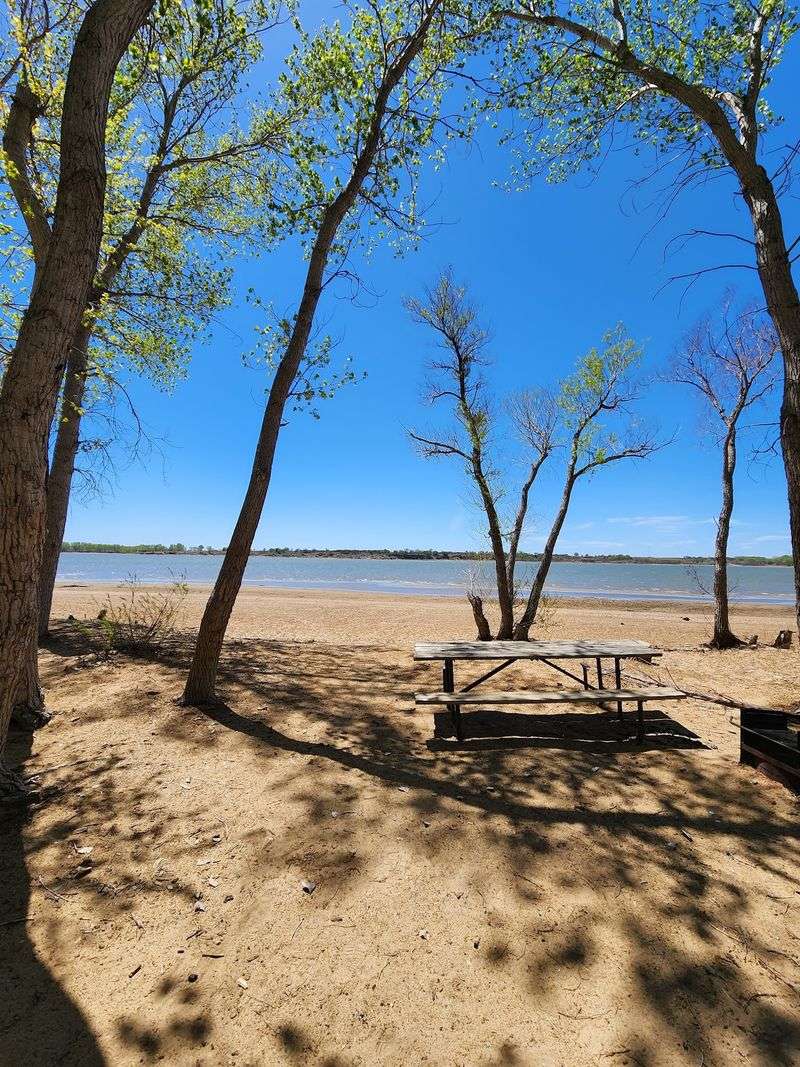
Yucca, Sumac, Cottonwood, Eagle Point, Caving Banks. The camping loops here carry names pulled straight from the landscape.
I pitched a tent in a shaded spot with a peekaboo view of the water, and the fire ring came with a sturdy cooking grate already in place.
Not every loop offers the same amenities, and that catches people off guard. Sumac, for example, has no showers or flush toilets, so campers there drive over to Cottonwood.
Book carefully and read the fine print. Campsite fees cover the camping unit, while state park vehicle permits are sold separately for each vehicle.
Camp hosts patrol most loops and answer questions cheerfully. Their advice on which sites catch the best breeze proved genuinely useful.
Cabins are available too, giving families a solid roof option when Kansas weather decides to show off.
Wildlife Shows Up Without An Invitation
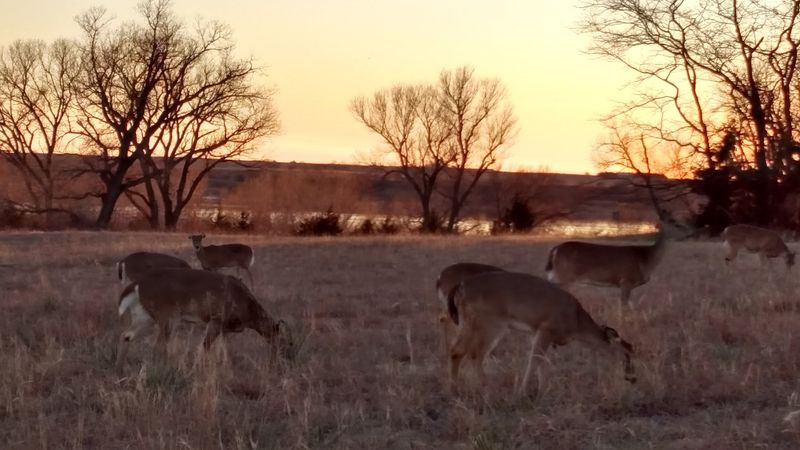
Within my first hour on the trails I counted deer, wild turkeys, and a largemouth bass hanging motionless in a shallow creek.
The reservoir sits along a migratory corridor, so spring and fall bring pelicans, geese, ducks, and shorebirds in impressive numbers.
Binoculars belong in your daypack. Early morning near the water produced the best sightings for me, before boat engines started humming.
Less charming residents deserve mention as well. Ticks can be thick from late spring through summer, and I sprayed my socks and pant cuffs before every hike.
Rattlesnakes live in the rocky areas, and while encounters stay rare, watching where you place your hands and feet matters.
Raccoons and other clever critters raid coolers overnight, so lock food inside a vehicle. My neighbors learned that lesson the noisy way.
Sandstone Country And The Nearby Mushroom Rocks
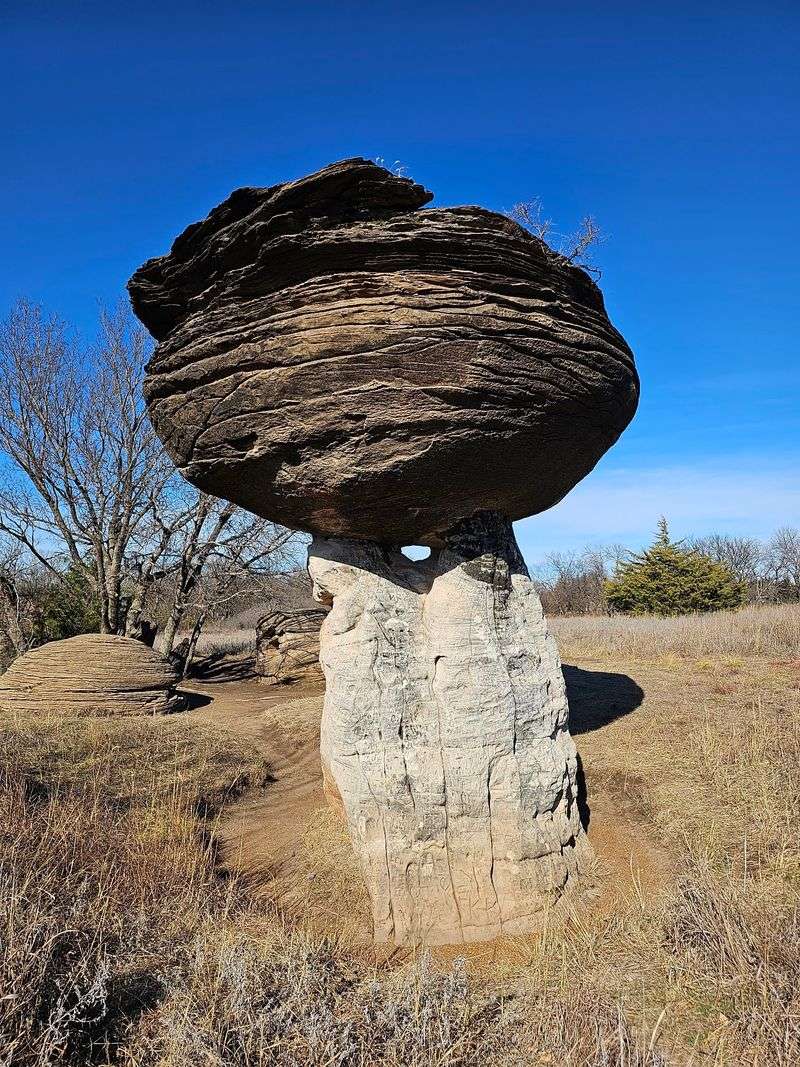
Geology fans get a real treat in this corner of Kansas. Dakota sandstone shapes nearly everything here, from canyon walls to the sandy trail surface underfoot.
Split Boulder became one of my favorite stops, a massive cracked rock sitting where the prairie meets the woods.
Drive a short distance beyond the main park and you reach the famous mushroom-shaped formations, oddly balanced stones that look sculpted by a very patient artist.
Walking the shoreline, I noticed sections glittering in the sun and picked up small pieces of quartz. Rock hunters routinely leave with pockets full.
Erosion continues shaping these features slowly, which means the park you photograph today differs slightly from what visitors saw in 1955.
Please climb carefully and avoid carving into soft rock. These formations took millions of years and break far more easily than they look.
Timing Your Trip Around Kansas Weather
Late spring and early fall gave me the most comfortable conditions, with mild temperatures and trails that stayed passable.
Summer hiking here demands respect. Heat builds fast, shade disappears on open stretches, and vegetation grows tall enough to swallow narrower paths.
Bugs peak in June and July. Long sleeves, repellent, and a willingness to hike early make a real difference.
Autumn might be the sweet spot. Cottonwoods turn gold, waterfowl stream overhead, and campgrounds thin out after Labor Day.
Wind is a constant character in this part of Kansas. I staked my tent thoroughly and still woke to flapping fabric more than once.
Winter brings solitude and clear views through bare branches, though services shrink considerably. Anyone visiting the office should note that hours run Sunday through Friday, 8 AM to 4 PM.
Practical Notes Before You Point The Car West
A vehicle permit is required, and buying an annual pass saves money quickly if you plan repeat trips.
Water availability along the trails is essentially zero, so I carried more than I thought necessary and finished every drop.
Cell service worked reasonably well near the campgrounds during my stay, though canyon bottoms swallowed the signal completely.
Grab a printed trail map at the office if you can, since online versions have historically been hard to track down.
Roads through the developed areas are paved and easy on passenger cars. Vault toilets, picnic areas, playgrounds, and trash cans appear frequently throughout.
Marquette sits close by for basic supplies, and Salina offers fuller options roughly half an hour away.
My last piece of advice: give the place two days. Kanopolis State Park rewards visitors who slow down and actually explore its corners.