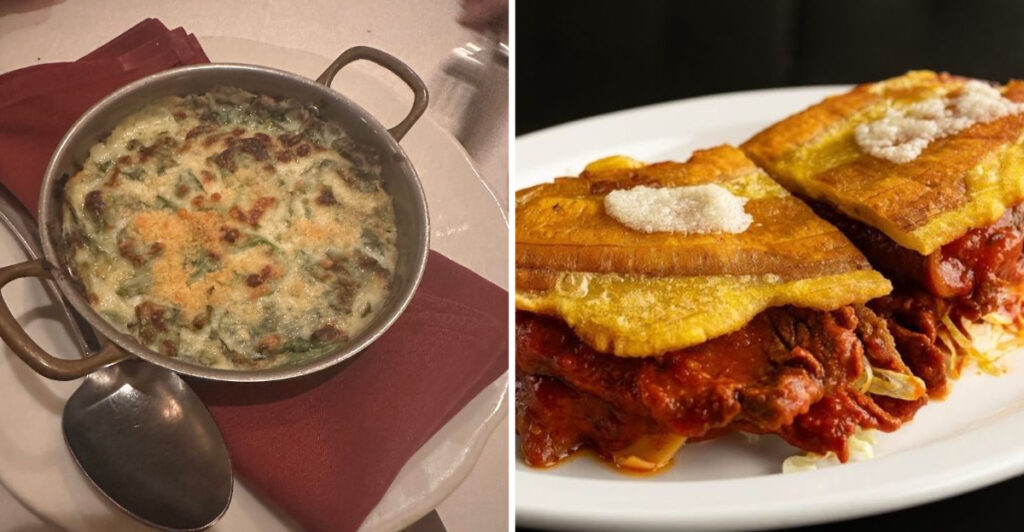
Deep dish gets the fame, but Illinois has more tricks on the menu.
Some local favorites started as practical meals, while others grew from neighborhood kitchens and happy accidents that simply refused to disappear.
A few have traveled well beyond the state, but their roots still point back here. You can eat a horseshoe near where it began, stop for a Cozy Dog along Route 66, or discover South Side sandwiches that rarely get the same spotlight as Chicago pizza.
That is what makes this kind of food trip fun. You are not chasing one famous dish. You are following the stories that helped shape how Illinois eats.
So, which Illinois classic are you tracking down first?
1. Horseshoe Sandwich
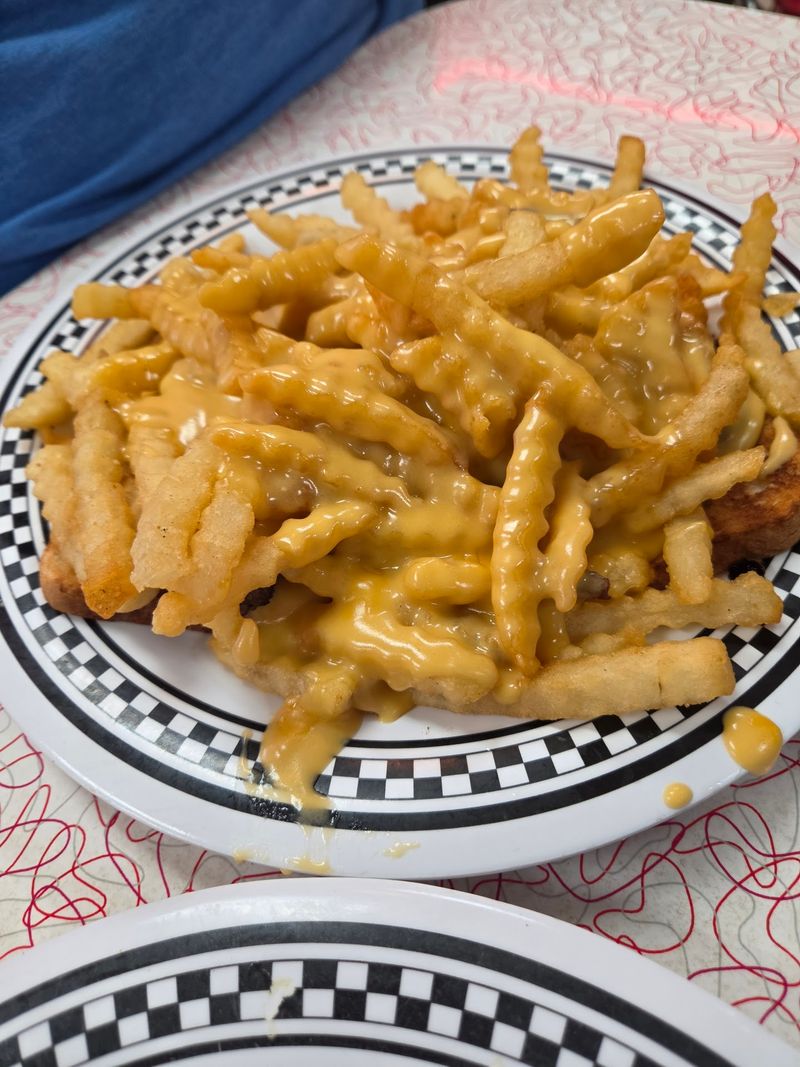
Springfield’s horseshoe sandwich dates to 1928, when chef Joe Schweska developed the open-faced dish at the city’s Leland Hotel with help from his wife, Elizabeth.
The original presentation was more literal than today’s versions: ham was cut into a horseshoe shape, potatoes represented the nails, and the hot platter stood in for an anvil.
The basic structure survived even as the details changed. Thick toast sits underneath meat, a pile of fries, and a generous coating of cheese sauce.
Modern Springfield menus may offer hamburger, ham, chicken, pork tenderloin, or breakfast variations, but the cheese-covered stack is what makes the dish immediately recognizable.
If the full version sounds like too much for one lunch, look for a pony-shoe. It follows the same idea in a smaller portion, giving you the Springfield experience without committing to quite as much toast, meat, potato, and cheese on one plate.
Charlie Parker’s Diner serves both the city’s food history and its own breakfast-minded spin on the format. The diner is also known for a breakfast horseshoe built around morning ingredients.
Address: 700 North St, Springfield, IL 62704.
2. Cozy Dog
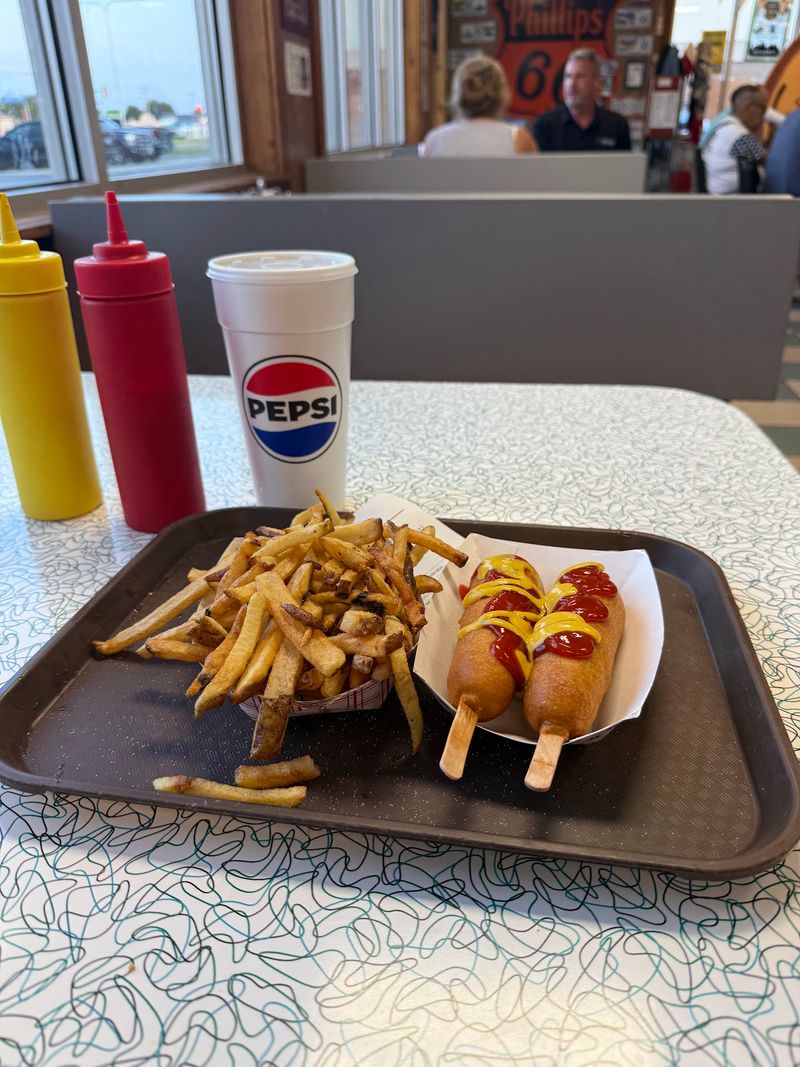
Route 66 has plenty of roadside food stories, but Springfield has one with a very specific date. On June 16, 1946, the first food sold under the Cozy Dog name debuted at the Lake Springfield Beach House.
Later that year it appeared at the Illinois State Fair, and by 1949 the family’s drive-in was operating on South Sixth Street along Route 66.
Ed Waldmire Jr. had encountered an earlier baked sausage-in-batter idea while traveling, then worked with Don Strand on a batter that would cling to a hot dog and survive deep frying.
The 1946 launch places the Cozy Dog among the early fried hot-dog-on-a-stick traditions in the United States.
The food itself stays uncomplicated: a hot dog goes on a stick, gets coated in batter, and is fried. The current drive-in still uses the batter recipe developed in 1946.
Cozy Dog Drive In remains at the Route 66 address it has occupied since moving to its current building in 1996. Pair the stop with Springfield’s other roadside history and you can turn one snack into a compact Route 66 detour.
Address: 2935 S 6th St, Springfield, IL 62703.
3. Chicago Italian Beef
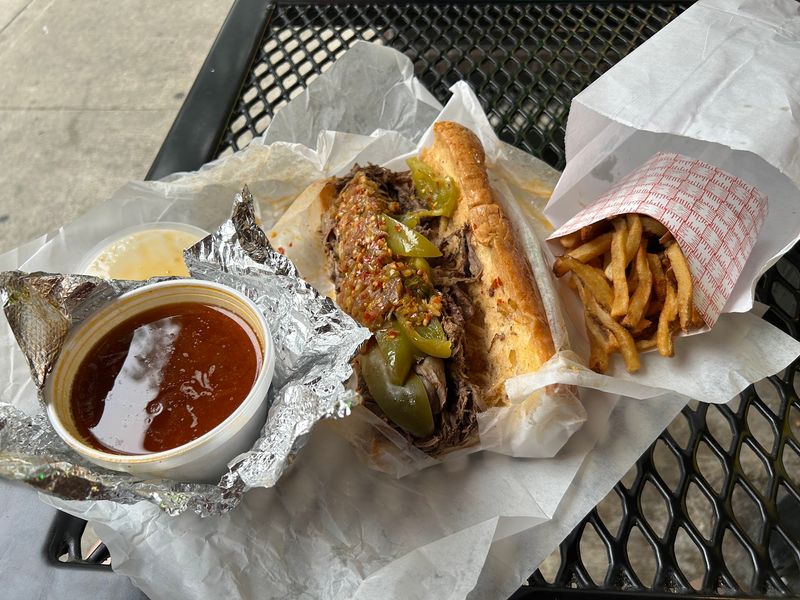
Thin beef, sturdy bread, savory jus, and peppers form one of Chicago’s most recognizable sandwich combinations.
The Chicago Italian beef grew from the city’s Italian community in the early twentieth century, when slow cooking and slicing meat very thin helped a modest amount of beef feed far more people.
The exact inventor is still debated. Italian wedding meals and neighborhood food businesses both helped spread the idea, and by the late 1930s Al’s was among the stands turning the sandwich into a commercial Chicago staple.
Ordering gives you control over how far the jus goes. A dry sandwich keeps the bread relatively firm, a wet one gets extra liquid, and a dipped version sends the whole roll into the jus.
Sweet peppers bring a softer vegetable note, while giardiniera adds pickled heat and crunch.
For a direct link to the sandwich’s early commercial history, the original Al’s #1 Italian Beef location still operates on Taylor Street in Little Italy. Decide on sweet or hot peppers before you reach the counter, then choose how wet you want the bread.
Address: 1079 W Taylor St, Chicago, IL 60607.
4. Chicago-Style Hot Dog
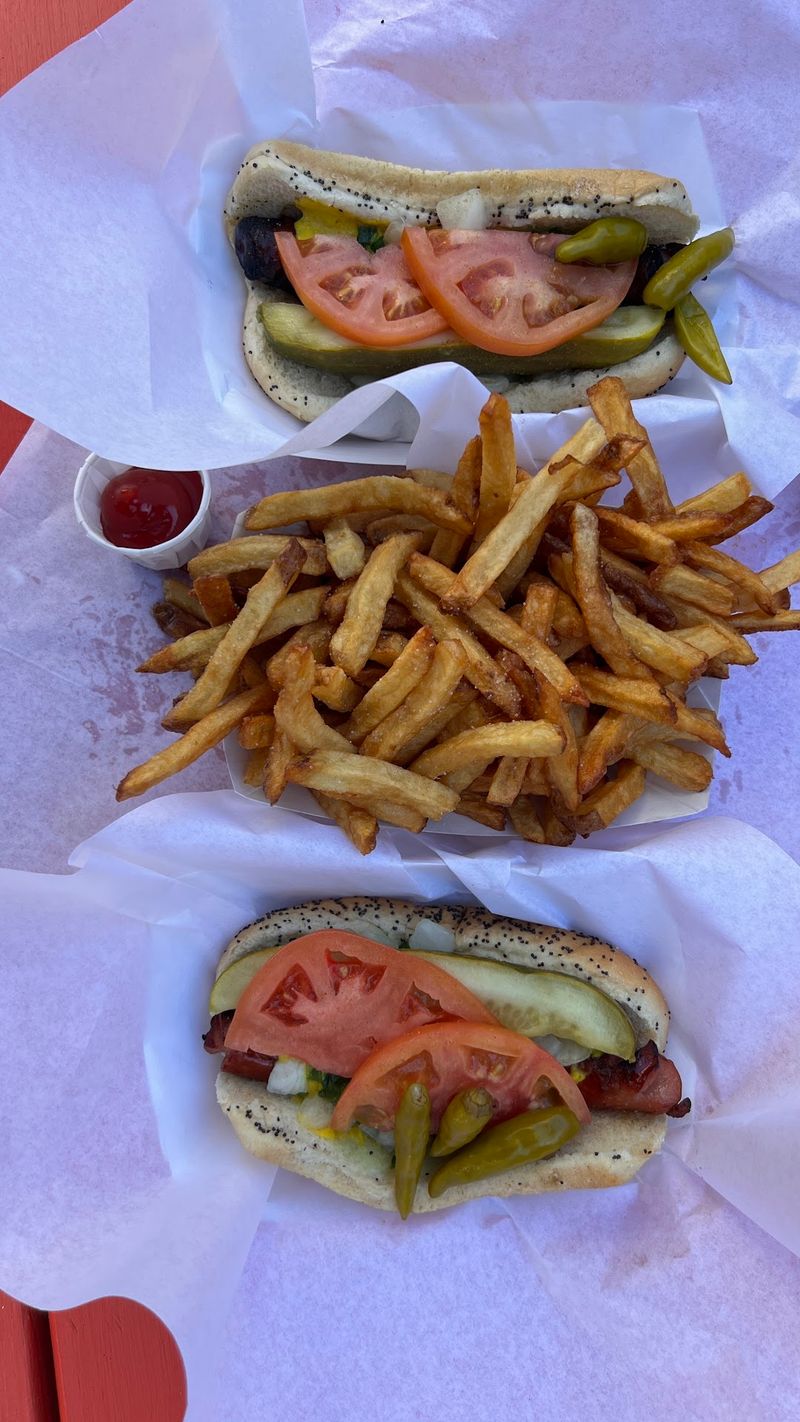
An all-beef frank in a poppy seed bun is only the beginning. A Chicago-style hot dog is traditionally finished with yellow mustard, chopped onion, bright relish, tomato, a dill pickle spear, sport peppers, and celery salt.
The loaded style took shape during the Great Depression, when Chicago street vendors could turn an inexpensive hot dog into a more substantial meal by piling on condiments and vegetables.
Vienna Beef’s Chicago history stretches back to the 1893 World’s Columbian Exposition, while the fully dressed dog became a Depression-era institution.
Ketchup is the topping most closely associated with the city’s long-running hot dog argument, but you do not need to perform the debate to enjoy the food.
The practical challenge is keeping tomato, pickle, peppers, and relish inside the bun long enough to get a balanced bite.
The Wieners Circle in Lincoln Park remains a current place to order a Chicago dog and see how much can fit on one bun. Keep it level, start at one end, and let the celery salt and peppers do their jobs.
Address: 2622 N Clark St, Chicago, IL 60614.
5. Maxwell Street Polish
Long before Maxwell Street became shorthand for a particular sausage sandwich, the area was a dense commercial district filled with market stalls, pushcarts, shops, and inexpensive food.
Jim’s Original began there in 1939, first with founder Jimmy Stefanovic working at a relative’s stand and then taking over the operation.
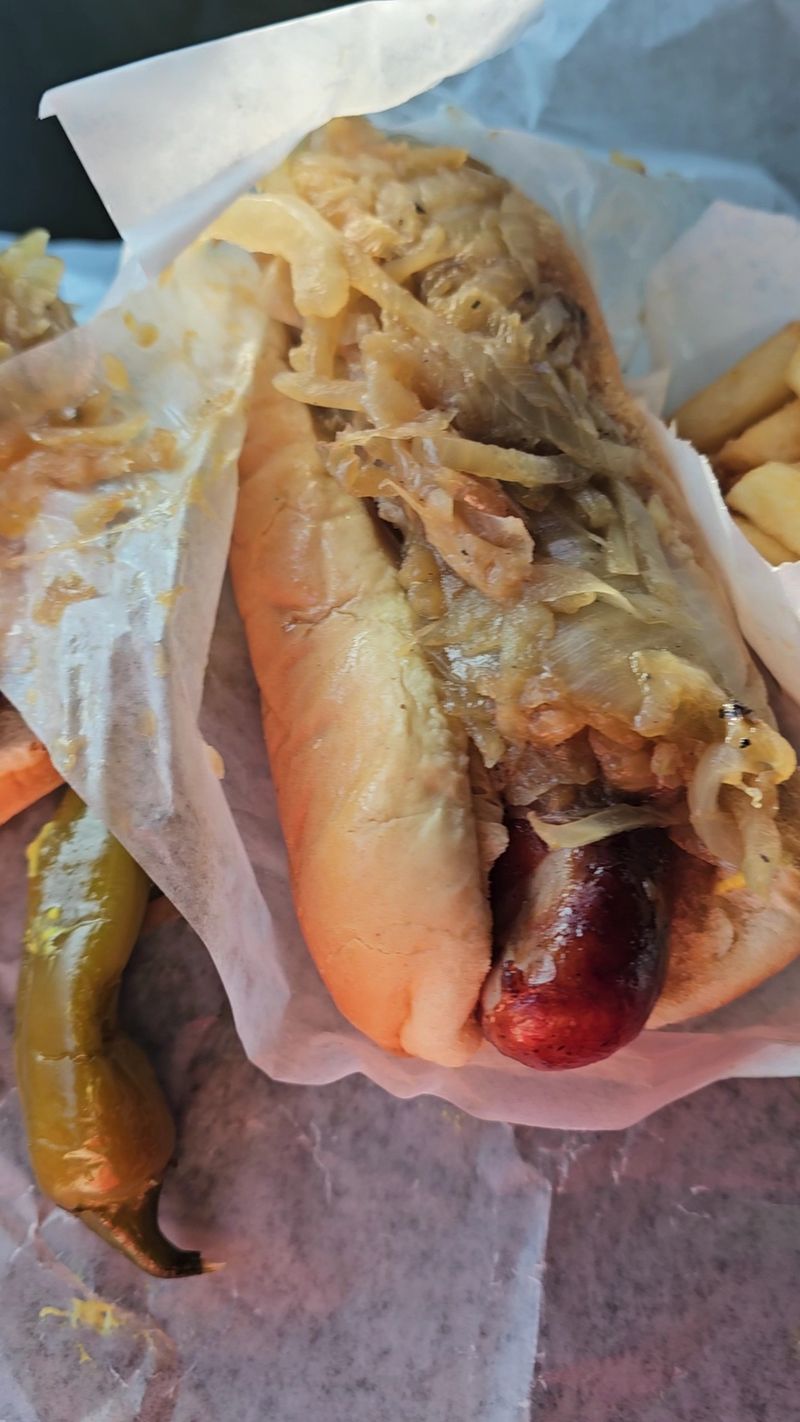
By 1943, the Maxwell Street Polish had taken its defining form at Jim’s: a prepared Polish sausage in a bun with grilled onions and mustard.
The combination is deliberately short on extras. Sweet, browned onions carry much of the flavor, mustard cuts through the richness, and sport peppers can add heat.
The original stand had to move as the University of Illinois Chicago expanded, but the food stayed close to its old neighborhood. Jim’s current Union Avenue location still serves the sausage around the clock.
Order the Polish before adding anything else to the plan. The sandwich is built to be eaten standing up or on the move, and its simplicity makes it a useful reset between Chicago foods that arrive buried under far more toppings.
Address: 1250 S Union Ave, Chicago, IL 60607.
6. Jibarito
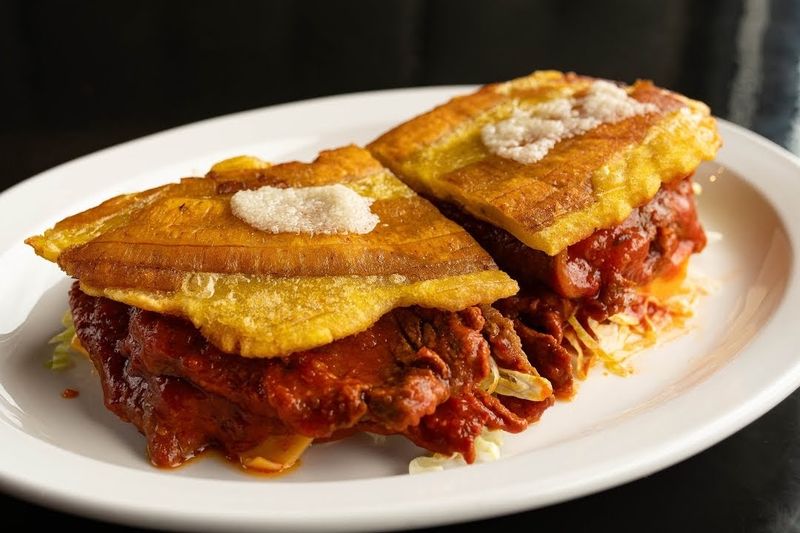
Bread disappears completely from this Chicago sandwich. Flattened green plantains are fried and used as the top and bottom, giving the filling a crisp, garlicky frame instead of a roll.
The jibarito emerged in Chicago’s Puerto Rican community in the mid-1990s. Juan C. Figueroa encountered an idea for using fried plantains as sandwich bread in a Puerto Rican newspaper and adapted it at his Humboldt Park restaurant.
He added: steak, mayonnaise, cheese, garlic oil, lettuce, and tomato.
That original format opened the door to many fillings. Steak remains closely associated with the sandwich, but chicken, pork, seafood, and meatless versions now appear around Chicago. The plantain is not merely a substitute for bread.
Its crisp edges and dense interior change the texture of the entire meal.
Jibaritos y Mas on Fullerton Avenue serves numerous versions today, making it a practical stop if you want to compare the familiar steak build with a different filling. Hold the sandwich firmly and expect the plantain to resist more than soft bread would.
Address: 3400 W Fullerton Ave, Chicago, IL 60647.
7. Pizza Puff
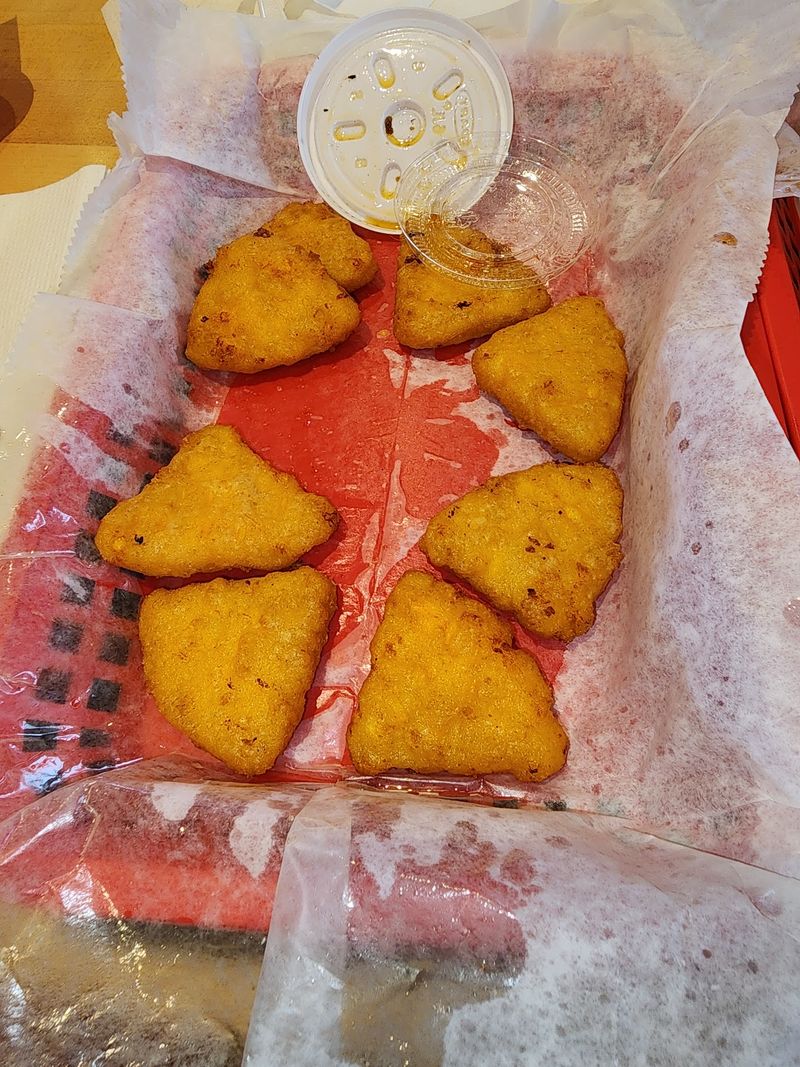
A Pizza Puff looks a little like a sealed pocket, but frying gives it a character that is much closer to Chicago hot-dog-stand food than to a bakery turnover.
The crisp wrapper holds pizza-style sauce, cheese, and seasoned meat, with the filling staying extremely hot after it leaves the fryer.
Its commercial story runs through Iltaco Foods, the Chicago company that began in 1927 as the Illinois Tamale Company.
In 1976, Iltaco introduced the Original Pizza Puff to Chicago, adding a new handheld item to a business that had already spent decades supplying tamales to local vendors.
The Pizza Puff eventually traveled far beyond Illinois. Iltaco now distributes products in dozens of states, so this Chicago-born snack has a much wider footprint than it did during its early years.
Its Illinois connection comes from where it was created and first sold, not from being confined to the state today.
Fabulous Freddie’s Italian Eatery currently keeps a Pizza Puff on its Bridgeport menu, with fried preparation available. Give the filling a moment before the first bite unless you enjoy learning about molten cheese the hard way.
Address: 701 W 31st St, Chicago, IL 60616.
8. Mother-In-Law Sandwich
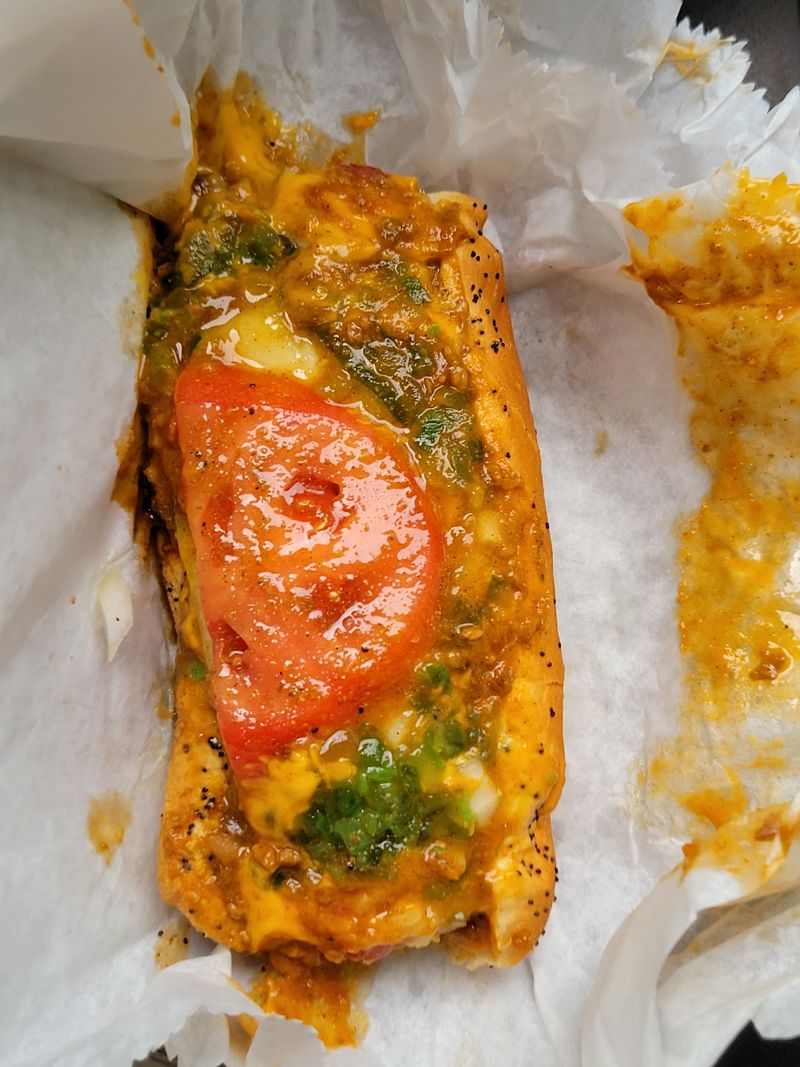
The Mother-In-Law sandwich is one of Chicago’s stranger exercises in putting one starch inside another.
A cornmeal tamale goes into a hot dog bun and gets covered with chili, with onions, peppers, mustard, or other hot-dog-stand condiments appearing depending on the shop.
Its exact beginning is difficult to pin to one cook or one counter. The combination was already part of South Side food culture decades ago, and Fat Johnnie’s Famous Red Hots has served it since the early years of the stand.
The restaurant opened in the early 1970s and still lists the Mother-In-Law on its menu.
The appeal is easier to understand once you stop expecting a conventional sandwich. The tamale provides a soft cornmeal center, the bun makes the whole thing portable, and chili pulls the two together into the kind of inexpensive counter food Chicago excels at inventing.
Fat Johnnie’s on Western Avenue remains a direct place to try the combination. If you want to keep exploring the same family of ideas, Chicago stands also serve tamales in chili bowls and versions that add a hot dog.
Address: 7242 S Western Ave, Chicago, IL 60636.
9. Jim Shoe Sandwich
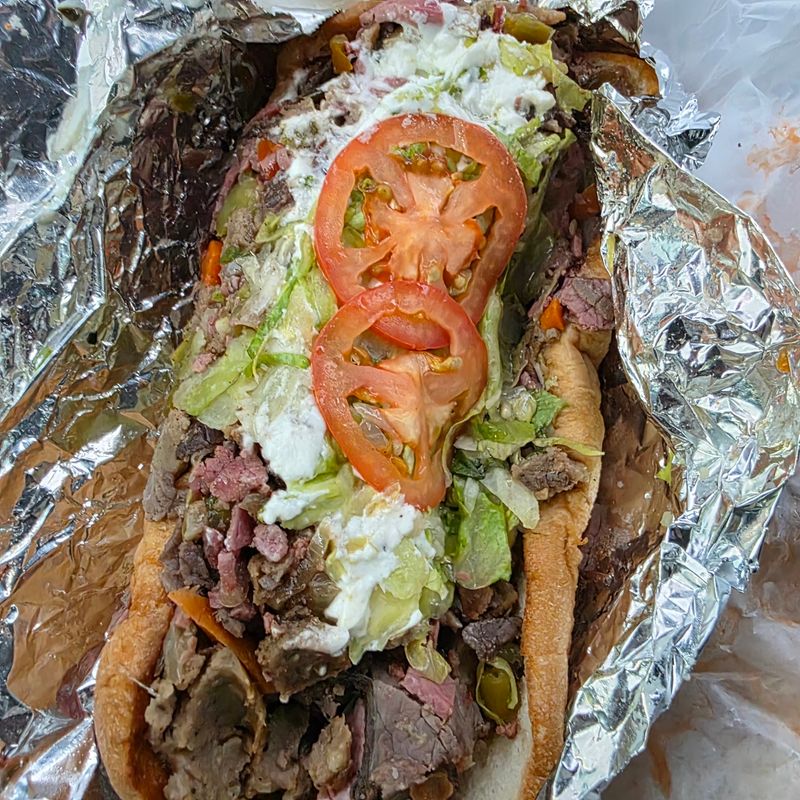
Roast beef, corned beef, and gyro meat sharing one sub roll sounds like three lunch orders colliding, which is essentially the point. Lettuce, cheese, giardiniera, onions, and a creamy gyro-style sauce can join the meats depending on the shop.
The Jim Shoe, also written Gym Shoe and several other ways, appears to have developed on Chicago’s South Side during the 1970s or 1980s. No single inventor has been established with enough certainty to give the sandwich a tidy origin story.
What is clear is the mix of food traditions inside one roll. Corned beef brings deli influence, gyro meat brings the Greek fast-food tradition, roast beef adds another Chicago sandwich staple, and giardiniera supplies the city’s familiar pickled heat.
The result makes more sense as South Side counter food than as something designed from a formal recipe.
Stony Sub on Stony Island Avenue currently serves a Jim Shoe and stays open around the clock. This is one sandwich where sharing is a practical choice if you are attempting several Illinois foods in the same day.
Address: 8440 S Stony Island Ave, Chicago, IL 60617.
10. Freddy Sandwich
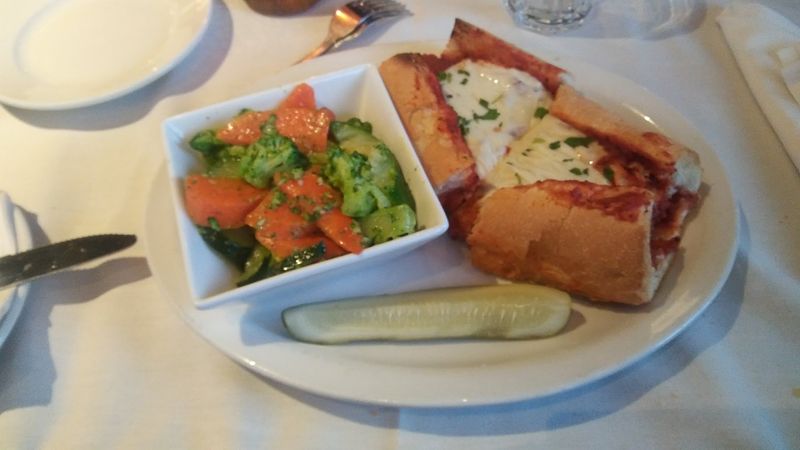
Some Chicago sandwiches spread across the country. This one remained far more concentrated on the Southwest Side and nearby suburbs, even though the ingredients are immediately understandable.
The basic build starts with Italian sausage shaped into a flat patty rather than left as a link. Red sauce, melted mozzarella, and peppers go on top before everything lands on French bread.
That flatter sausage shape changes the sandwich by putting meat across more of the roll instead of creating one thick center line.
The Freddy sandwich is commonly traced to Chuck’s Pizza, where owner Benny Russo named it after his son Freddy. The exact number of shops serving it has changed over the years, but the format remains part of Chicago’s Southwest Side sandwich vocabulary.
Barraco’s Pizza in Beverly currently lists a Freddy with a sausage patty, red sauce, mozzarella, and peppers. If Italian sausage is usually your order, this is an easy way to see how much the shape and toppings can change a familiar ingredient.
Address: 2105 W 95th St, Chicago, IL 60643.
11. Big Baby Burger
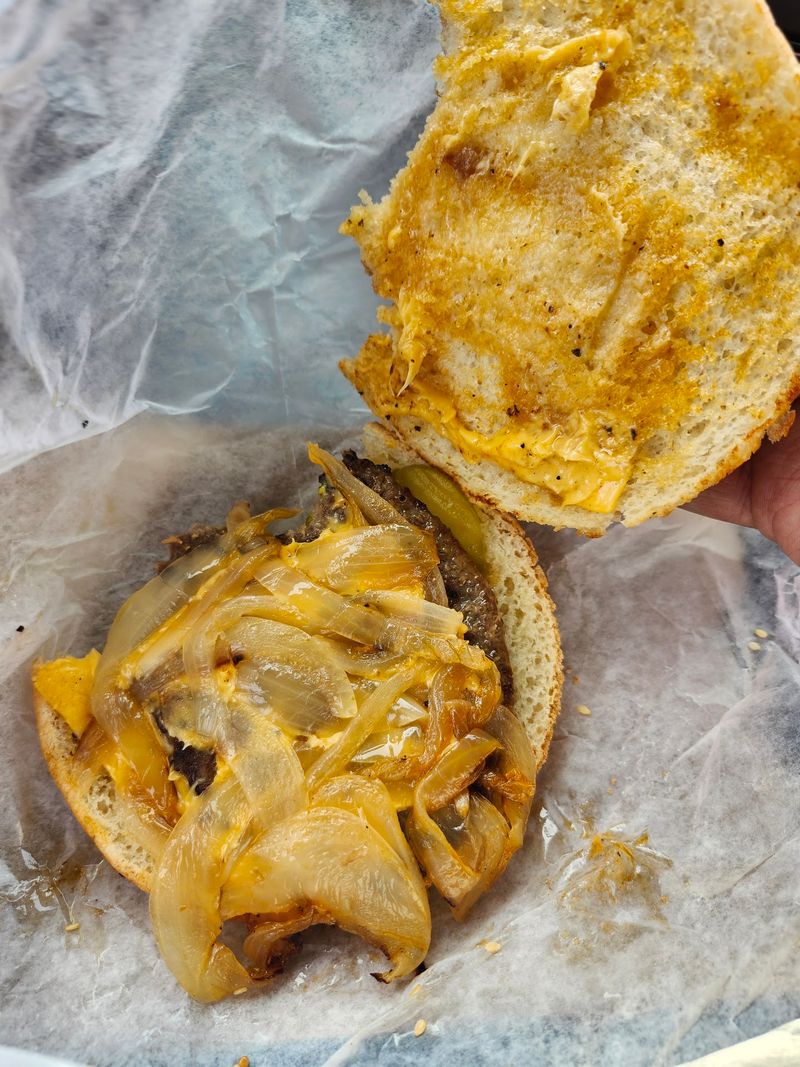
Two thin patties, one layer of cheese, grilled onions, pickles, mustard, and ketchup make a South Side and Southwest Side burger that looks simple until you notice the order of the stack.
The Big Baby took shape around the Nicky’s group of Chicago fast-food stands in the late 1960s.
The patties are griddled thin rather than built into one thick burger. Cheese sits between them, while grilled onions go above the meat. Mustard, ketchup, and pickles stay closer to the bottom of the bun.
That arrangement gives the burger a different balance from a generic double cheeseburger even though the ingredient list is short.
Several Nicky’s-branded stands have existed over the decades, which makes the family tree less tidy than the burger itself. The Archer Avenue Nicky’s dates to 1967 and still calls itself the home of the Big Baby.
Order it there if you want the current version tied most directly to that history. The menu still uses two beef patties with ketchup, mustard, pickle, cheese, and grilled onions.
Address: 6142 S Archer Ave, Chicago, IL 60638.
12. Shrimp DeJonghe
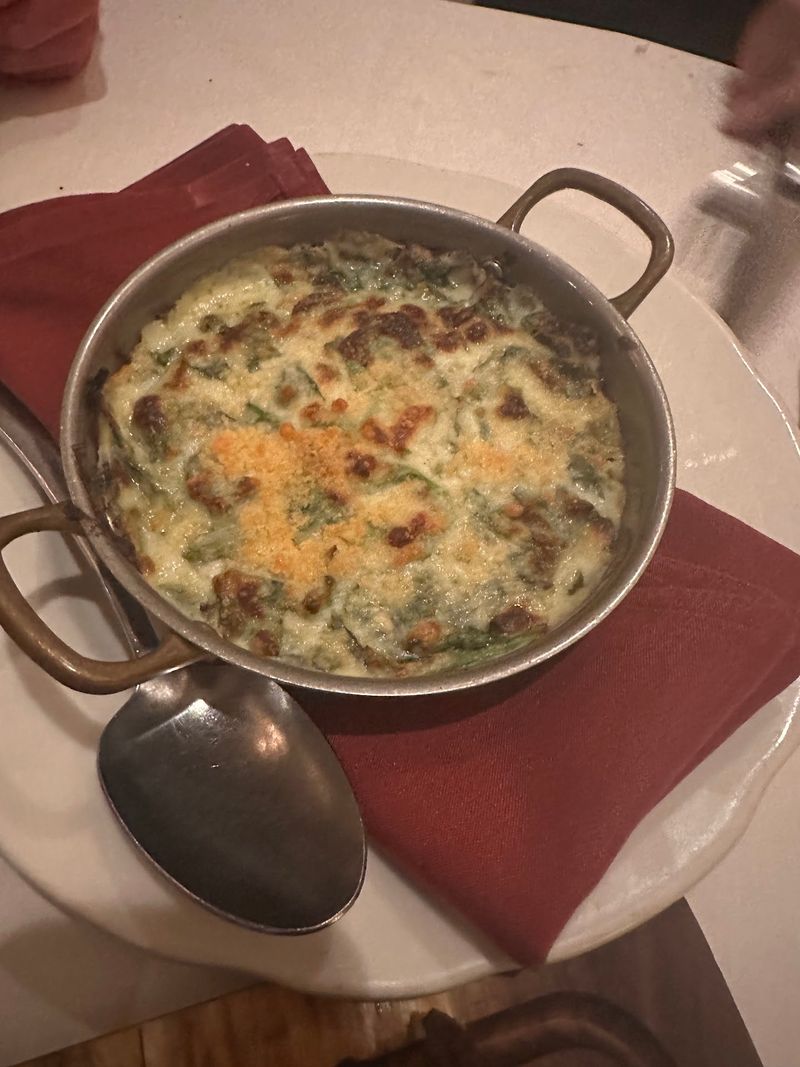
Not every Illinois original began at a hot dog stand. Around the turn of the twentieth century, De Jonghe’s restaurant in Chicago became associated with a baked shrimp casserole layered with butter, garlic, herbs, and breadcrumbs.
Shrimp DeJonghe carries the family’s name, although the exact cook who first created the recipe remains uncertain. The dish is firmly tied to De Jonghe’s Chicago restaurant, where it became a house specialty and one of the city’s early restaurant dishes.
The breadcrumb topping browns in the oven while the garlic-and-butter mixture seasons the shrimp underneath. Compared with the city’s sandwiches and fried counter foods, it belongs to a very different chapter of Chicago dining.
Gene & Georgetti still serves Shrimp DeJonghe at its Franklin Street restaurant, keeping the old Chicago dish available in a dining room that has operated since 1941.
It gives you a sit-down contrast to the paper-wrapped sandwiches that define much of Chicago’s street-food history.
Address: 500 N Franklin St, Chicago, IL 60654.