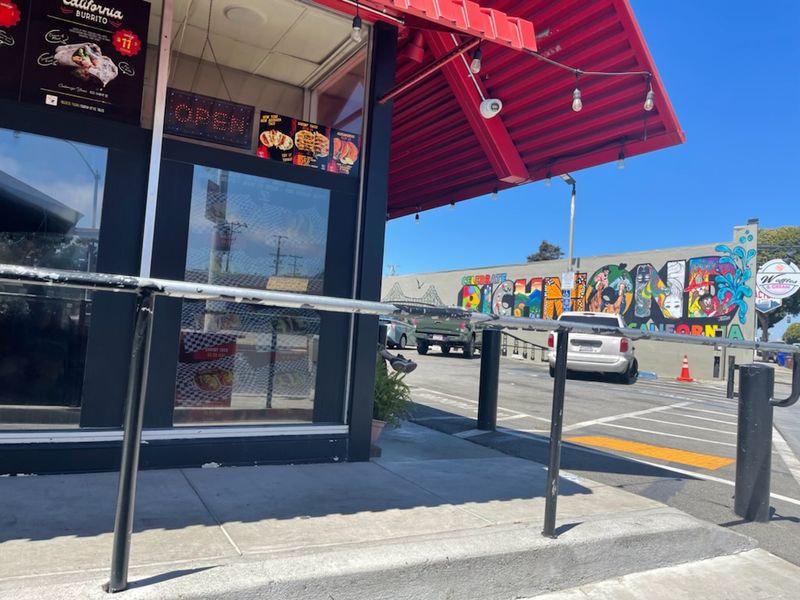
Some of the most memorable meals in California happen in places that look like they shouldn’t be that good. You pass a small, brightly colored building on a busy street, notice a cluster of people waiting near the entrance, and wonder what everyone knows that you don’t.
That curiosity is exactly what draws food lovers to a certain East Bay taco spot that has earned a steady following without a flashy sign or a famous chef’s name above the door. Whether you’ve heard whispers about it or are stumbling across it for the first time, the story behind the lines is worth understanding before you make the drive.
The clues point to an A-frame taco spot in Richmond
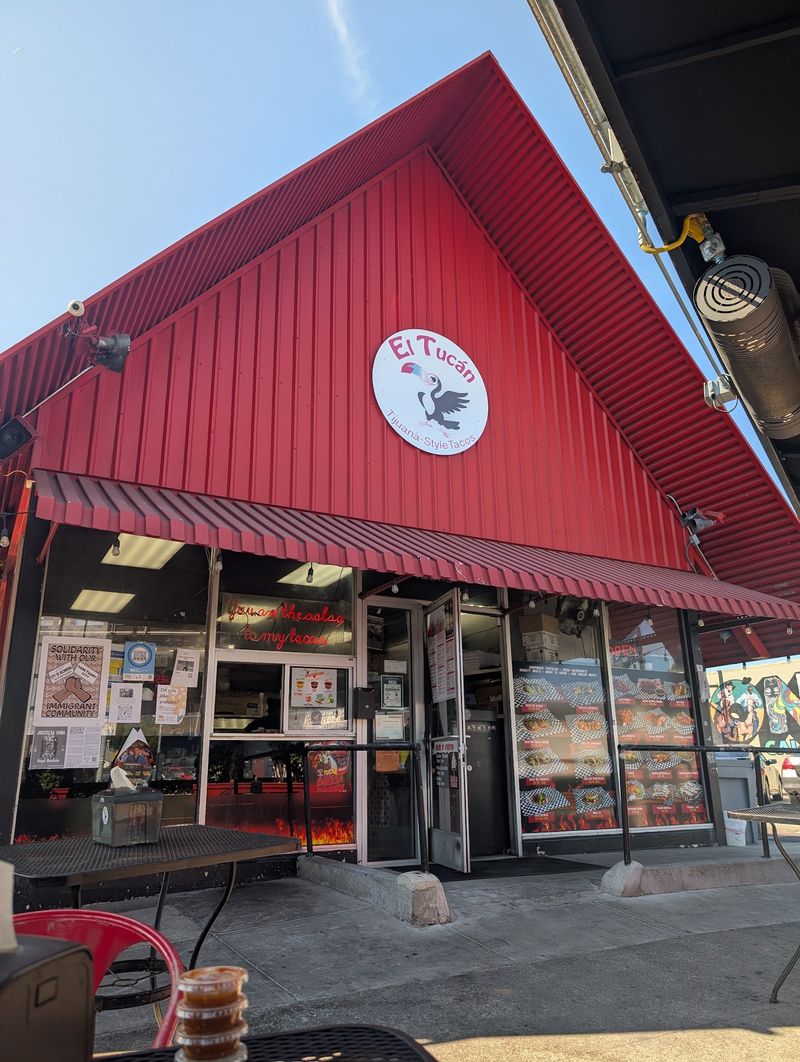
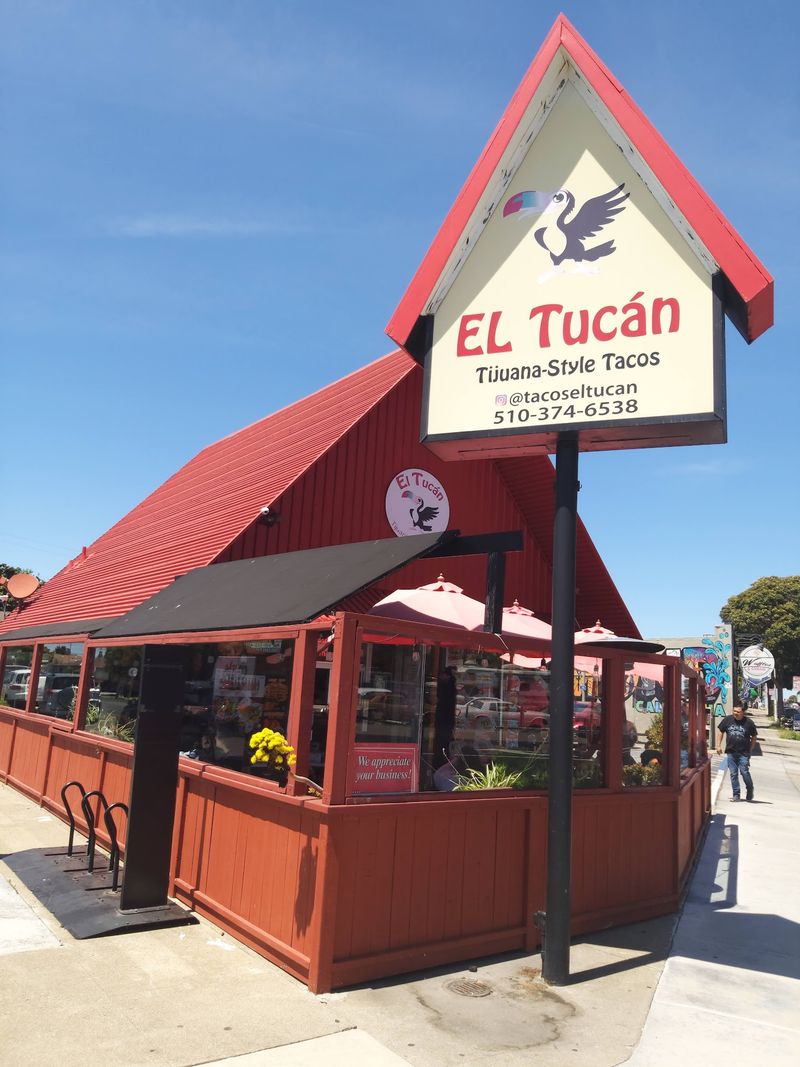
Picture a stretch of San Pablo Avenue in Richmond, California, where a small, bright-red A-frame building sits roadside with a line of customers stretching along its front ramp. Nothing about the structure screams destination dining.
Yet the consistent presence of people waiting outside has made it one of the more talked-about taco spots in the East Bay, and the best available evidence points to Tacos El Tucan as the place behind the buzz.
The identification is not absolute, but the combination of clues lines up well. San Francisco Chronicle reporting describes the Richmond location as a bright-red A-frame building where customers often wait along the front ramp, with tortillas made to order and a menu rooted in Tijuana-style tacos.
That specific combination of physical setting, preparation style, and regional taco tradition makes El Tucan the strongest match among the possibilities.
Calling it a temporary roadside cart or a pop-up stand would be inaccurate. Reporting consistently describes a restaurant operating out of a fixed A-frame structure with regular hours and a full menu.
The building’s color and shape make it easy to spot from the street, which may be part of why passing drivers stop to investigate in the first place.
Tijuana-style tacos have a distinct identity: bigger tortillas, generous toppings, and fillings that reflect northern Mexican cooking traditions. El Tucan brings that style to the East Bay, and the customer lines suggest the approach resonates.
Whether those lines mean the tacos are objectively superior to every other option in the region is a separate question, and a harder one to answer fairly.
The line is real, but the hourslong claim is not
A line outside Tacos El Tucan is a real thing. On a busy afternoon or a late Friday night, customers do wait along that front ramp, and the crowd is visible enough to catch the attention of anyone driving past.
What the available reporting does not support is the idea that people routinely stand outside for hours at a stretch.
The San Francisco Chronicle’s East Bay taco guide puts the documented wait at up to roughly 30 minutes, describing a short but persistent line rather than a marathon queue. That’s a meaningful distinction for anyone planning a trip.
Expecting a 30-minute wait and finding one is a manageable inconvenience. Expecting a two-hour wait and finding 20 minutes feels like a bonus.
The original framing that people wait “for hours” may reflect exceptionally busy periods, special events, or a blending of stories from different California taco spots. Without a current firsthand account or a source specifically documenting multi-hour waits at El Tucan, treating that claim as a routine feature of the experience would be misleading.
The line is real; the exaggeration is where the story gets fuzzy.
A line also tells you something specific and something limited. It tells you that demand is real and that the food has attracted a following.
It does not tell you that the tacos are the best in California, that no other spot is worth visiting, or that the wait itself guarantees a particular result. Popularity is evidence of interest, and interest is worth taking seriously, but it works best as a starting point for your own visit rather than a verdict handed down by a crowd.
The tortillas bring the process into focus
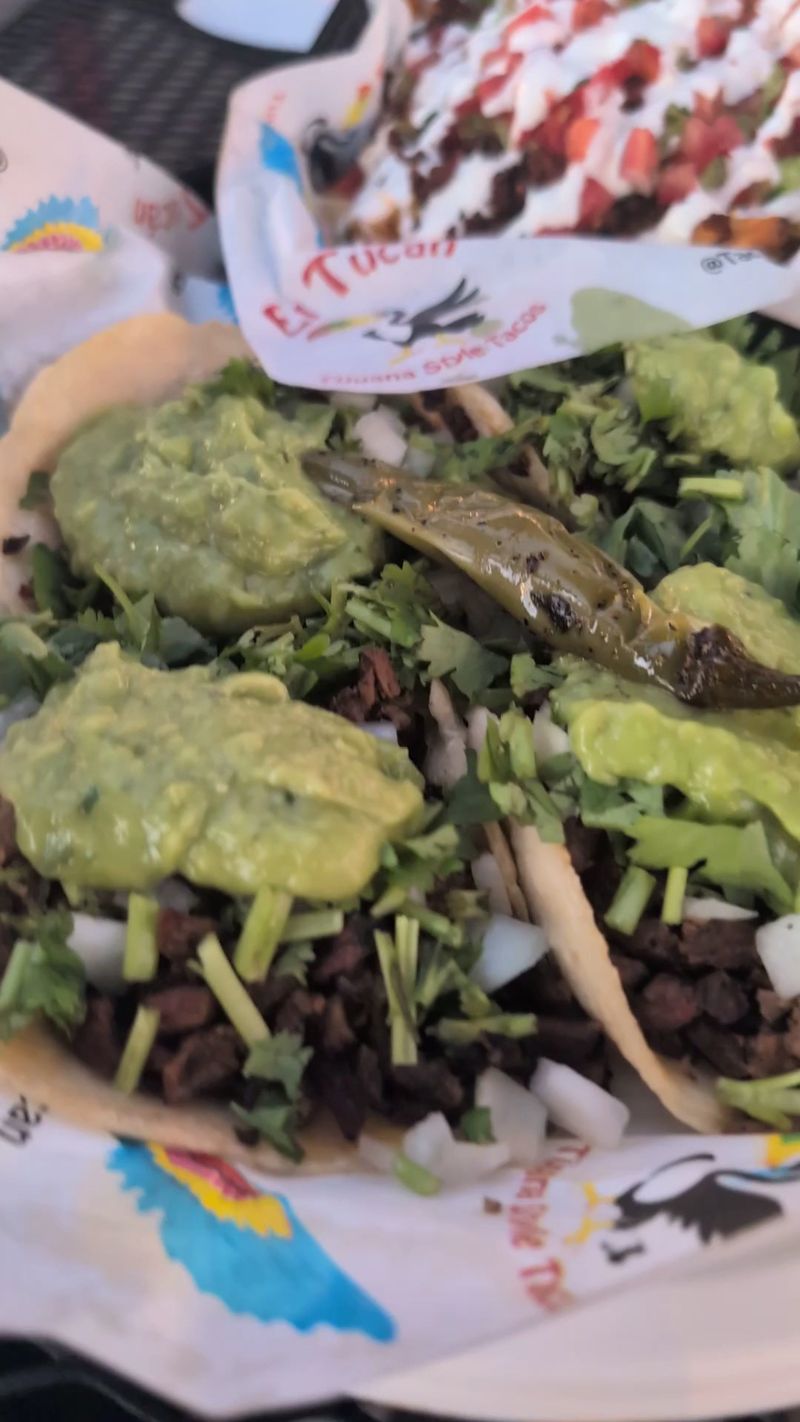
One detail that separates El Tucan from many taco spots in the Bay Area is the tortillas. Reporting from the San Francisco Chronicle specifically notes that tortillas at the Richmond location are made to order, which is a meaningful process distinction in a landscape where pre-made, packaged tortillas are the norm at many casual spots.
A tortilla prepared fresh for your taco behaves differently than one that has been sitting. It folds with more pliability, holds heat longer, and carries a softer, slightly thicker texture that can make the filling feel like part of a single cohesive bite rather than a separate ingredient resting on top of a flat surface.
That sensory description is an interpretation of what fresh preparation tends to produce, not a guaranteed outcome or a universal rule, but it reflects what many taco eaters notice when they compare the two experiences side by side.
What the sources do not establish is a more detailed picture of the tortilla-making process. Claims about specific corn varieties, on-site nixtamalization, or individual pressing for every order are not supported by the available reporting, and adding those details would go beyond what the evidence actually shows.
The documented fact is simply that the tortillas are handmade or made to order, and that alone is a notable quality signal in a region where shortcuts in this area are common.
Axios San Francisco connects the made-to-order tortilla directly to the quesabirria, describing how the handmade tortilla becomes the vessel for everything that follows. The tortilla is not a wrapper here; it is a structural and textural part of the dish itself.
What the quesabirria actually involves
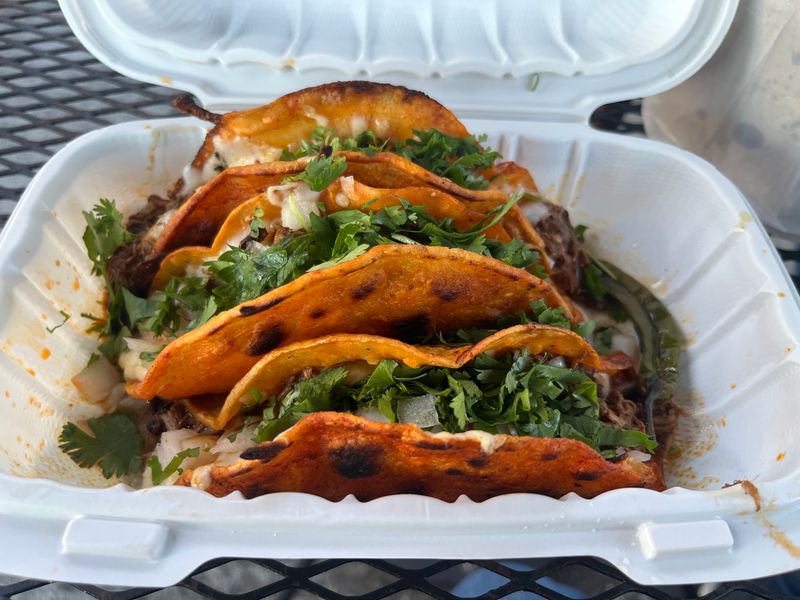
Quesabirria is the menu item most associated with El Tucan’s reputation, and understanding what goes into it helps explain why the dish gets as much attention as it does. Axios San Francisco describes the preparation this way: beef birria is slow-cooked for eight hours, packed into a handmade tortilla, dipped in a mild chile sauce, and then fried.
The result is a taco with a crispy, chile-stained exterior and a soft, beef-rich interior.
Eight hours is a long time for a single filling to cook. That kind of extended, low-and-slow cooking tends to break down the tougher fibers in beef, producing meat that is tender and deeply flavored rather than chewy or dry.
Whether that preparation is the specific reason customers seek out El Tucan is a harder claim to make, but it may help explain why the quesabirria has a different texture profile than a taco assembled from quickly cooked proteins.
The chile dip adds another layer. Before the assembled taco hits the cooking surface, it gets submerged in a mild chile sauce that soaks into the tortilla and coats the outside.
When the tortilla fries, that coating crisps up and concentrates the chile flavor into the exterior, giving each bite a combination of crunch, warmth, and a subtle earthiness that carries through to the beef inside.
Melted cheese binds the beef to the tortilla and adds a fatty richness that softens the chile’s heat. The overall package is messy in the best way: crispy outside, tender inside, warm throughout.
It is worth noting that this eight-hour preparation applies specifically to the beef birria. Other proteins on the menu follow different preparation methods, and the quesabirria should not be read as a description of the entire kitchen’s approach.
The menu includes more than quesabirria
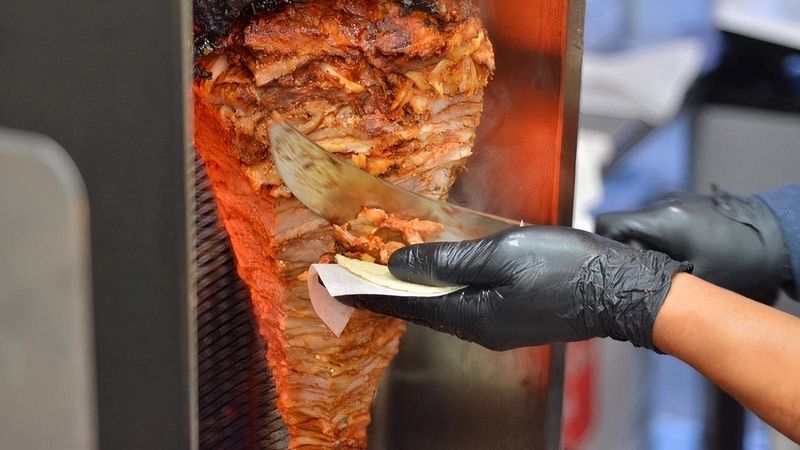
Quesabirria gets most of the headlines, but El Tucan’s menu extends well beyond that one item. San Francisco Chronicle coverage places the restaurant squarely in the Tijuana-style tradition, which typically means a range of filling options rather than a single signature item.
Carne asada, adobada, tripas, and suadero are among the documented choices available to diners.
Each of those fillings has its own character. Carne asada brings the familiar char of grilled beef.
Adobada offers marinated pork with a reddish color and a spiced, slightly tangy flavor profile. Tripas, which are beef intestines, have a crispy texture when cooked properly and a richness that regular cuts don’t quite replicate.
Suadero is a softer beef cut, often from the area between the belly and the leg, that tends to be tender and mild.
The eight-hour slow-cooking detail applies specifically to the beef birria used in the quesabirria. How the other proteins are prepared is not specified in the available reporting, so drawing conclusions about their method would go beyond what the sources establish.
What is clear is that a first-time visitor has genuine options and doesn’t need to commit to the signature dish if their preferences point elsewhere.
The restaurant’s own website provides current menu information and is the most reliable place to check what’s available on a given visit. Menus at taco spots can shift seasonally or based on supply, so a quick check before ordering is always a practical move.
The variety itself is worth knowing about, even if it doesn’t automatically make El Tucan a destination for every type of taco eater.
Plan the Richmond visit around current information
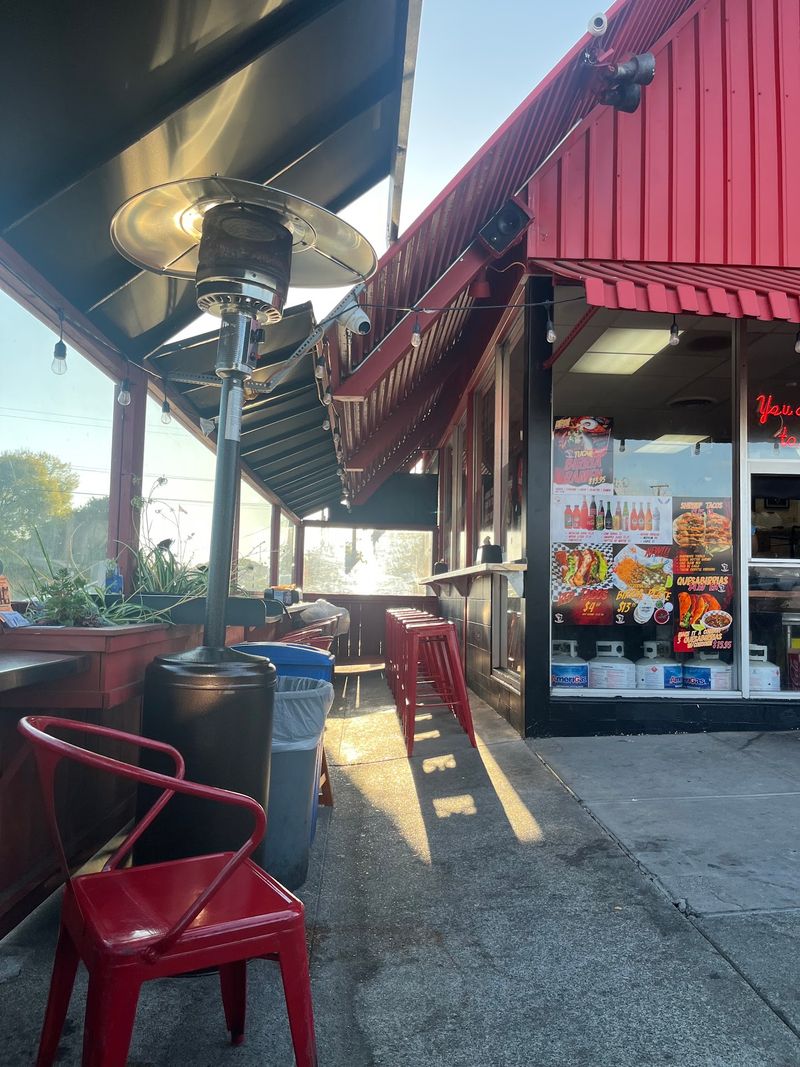
Getting the most out of a trip to Tacos El Tucan starts with knowing the basics before you leave. The restaurant’s Richmond page lists the address as 12505 San Pablo Avenue in Richmond, California.
Published hours are Tuesday through Thursday from 11 a.m. to 9 p.m., Friday and Saturday from 11 a.m. to 2 a.m., and Sunday from 11 a.m. to 9 p.m. The restaurant is closed on Mondays.
Those late Friday and Saturday hours are notable. A taco spot open until 2 a.m. on weekends serves a different kind of crowd than a lunch-only operation, and the extended hours may be part of why the lines on those nights can feel more pronounced.
If a shorter wait is the goal, a weekday lunch visit is a reasonable strategy, though no timing guarantees a line-free experience.
Restaurant hours change, sometimes without much public notice, so confirming the schedule before making the drive is a smart habit. The website is the most direct place to check.
The Chronicle’s East Bay taco guide documents waits of up to about 30 minutes at busy periods, so building a small buffer into your plan is worth doing rather than assuming you’ll walk straight up to the window.
Online ordering may be an option through the restaurant’s ordering platform. The Toast ordering page for the San Pablo Avenue location is worth checking before your visit, though availability and pickup logistics can vary.
Treating online ordering as a confirmed convenience rather than a guaranteed shortcut is the more reliable approach until you’ve confirmed it works for the visit you’re planning.
The evidence supports a stop, not an exaggeration
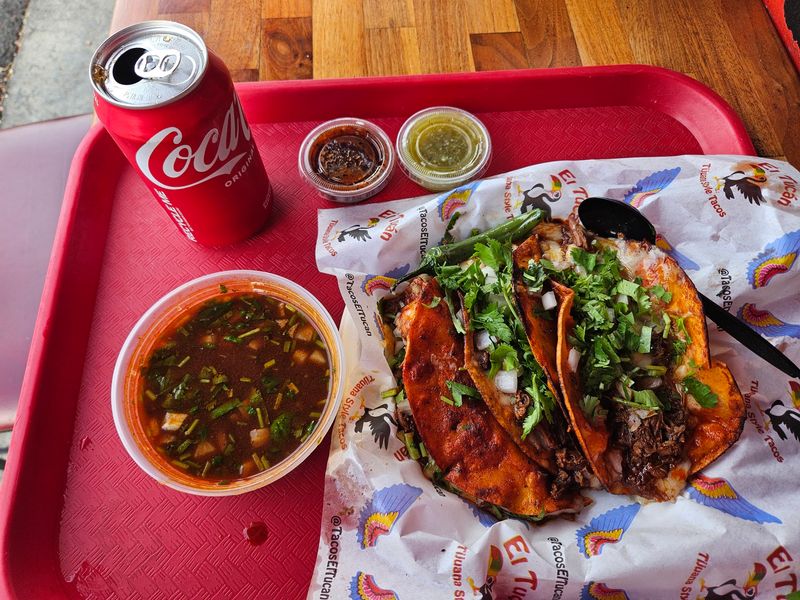
Stripped of the headline hype, what the reporting actually shows is a fixed A-frame restaurant in Richmond with tortillas prepared to order, a beef birria filling slow-cooked for eight hours, and a customer base that has grown steadily enough to produce regular lines. The San Francisco Chronicle’s description of the setting and preparation is specific enough to give the place real credibility without needing to oversell it.
The honest version of this story is quieter than the viral version. Axios San Francisco’s coverage of El Tucan focuses on the food itself rather than the mythology around the wait, which is the more useful frame for a reader deciding whether to go.
The quesabirria is a specific, carefully assembled dish. The menu offers real variety.
The building is easy to find, and the hours are broad enough to fit most schedules.
Whether the tacos are the best in California is a question nobody can answer objectively, and the lines outside don’t settle it either. What a visit to Tacos El Tucan can offer is a well-documented taco experience in an unpretentious setting, built around a preparation style that has clearly connected with the people who keep coming back.
That’s a reasonable reason to show up, taste for yourself, and form your own opinion, which is ultimately the only verdict that matters when you’re the one eating.