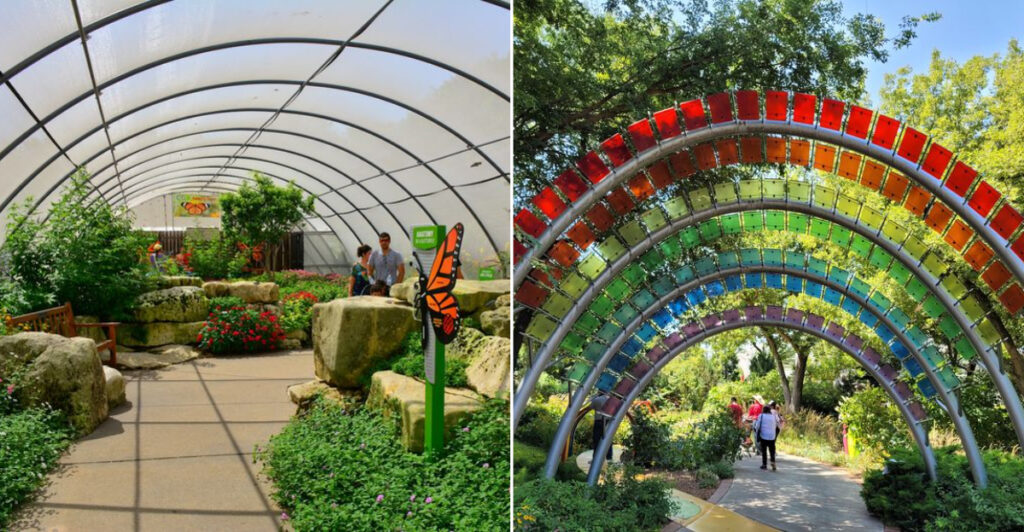
Walking into a room full of butterflies is the kind of experience that makes you slow down without even trying. A seasonal butterfly house in Kansas gives visitors a rare chance to be surrounded by hundreds of delicate wings moving freely around them. It is the type of attraction that feels less like a quick stop and more like stepping into a completely different world for a while.
The magic comes from the unexpected. You arrive thinking you are just going to look around, then find yourself standing quietly and watching every movement. Moments like that are easy to remember because they feel so different from an average day out.
I have always found myself getting strangely calm around places like this. I once visited a butterfly exhibit expecting to stay only a few minutes, but I ended up standing in the same spot far longer than planned. There was something about watching them move around that made leaving feel like the hardest part.
A Seasonal Window That Opens With The Warm Months
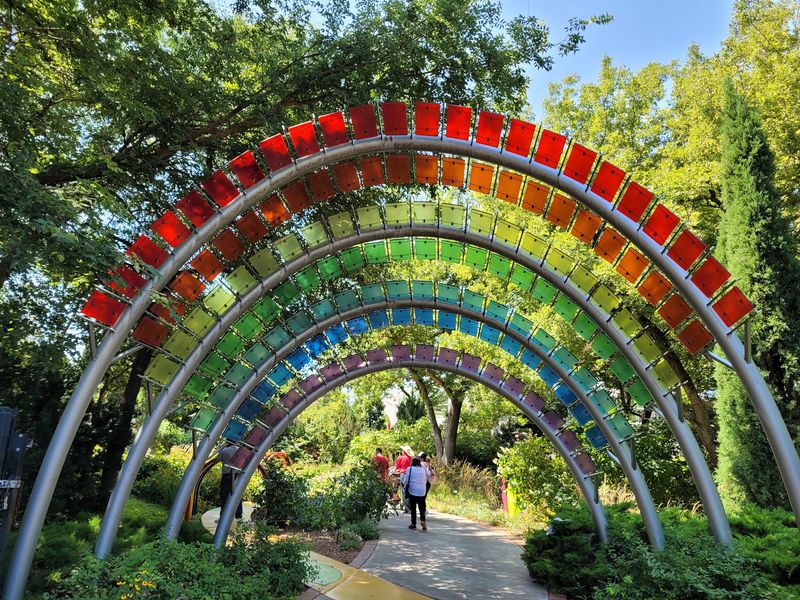
Timing matters more here than at almost any other stop in the gardens.
The Butterfly House operates on a warm-weather schedule, generally opening in late spring and running through early fall or October depending on conditions.
I learned that the hard way on an early-season visit, when the doors were shut and the greenhouse sat quiet behind its glass.
Nothing dramatic, just a reminder that living exhibits follow the calendar rather than my travel plans.
Checking the current season before driving over saves disappointment, especially if the butterflies are the whole reason for the trip.
Spring visitors often arrive during tulip season instead and find the house still preparing.
My advice is simple. Aim for the heart of summer through early autumn, when the population peaks and the plants inside are thick with blooms.
Kansas weather cooperates best in those months, and the greenhouse feels alive rather than dormant.
Nearly 400 Winged Residents Sharing One Small Room
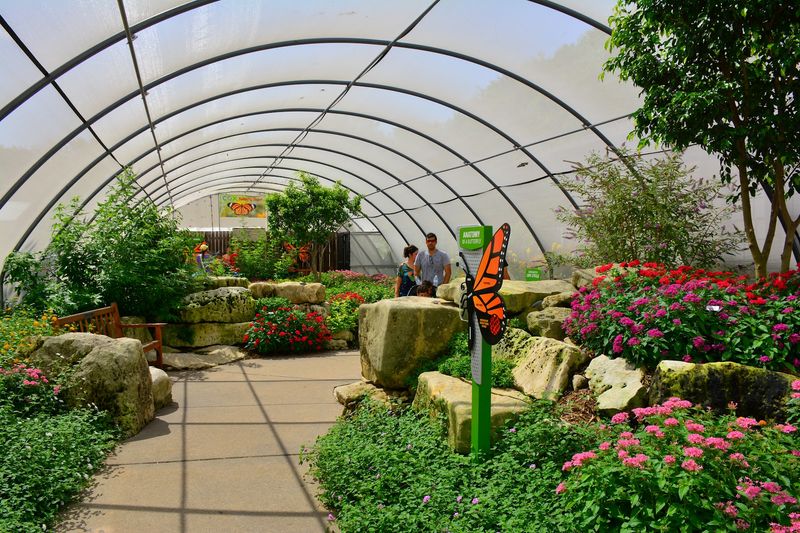
Somewhere close to four hundred butterflies live inside during peak season, and that number changes the whole feeling of the space.
Instead of hunting for one insect on one flower, I found myself surrounded by constant motion in every direction.
Wings crossed in front of my face. Others rested on leaves at knee height, completely unbothered.
Because butterflies are short-lived, the population turns over regularly, which means the mix of species shifts through the season. Two visits a month apart can look surprisingly different.
What surprised me most was the sound, or rather the lack of it. Hundreds of insects in flight make almost no noise, so the room stays oddly peaceful.
Standing near the flowering plants gave me the best view, since that is where the feeding happens. Patience paid off far more than chasing.
Where To Find It Among The Gardens
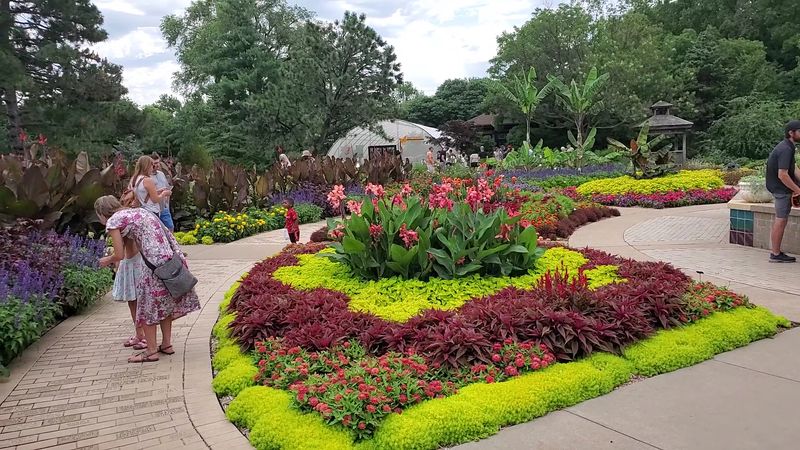
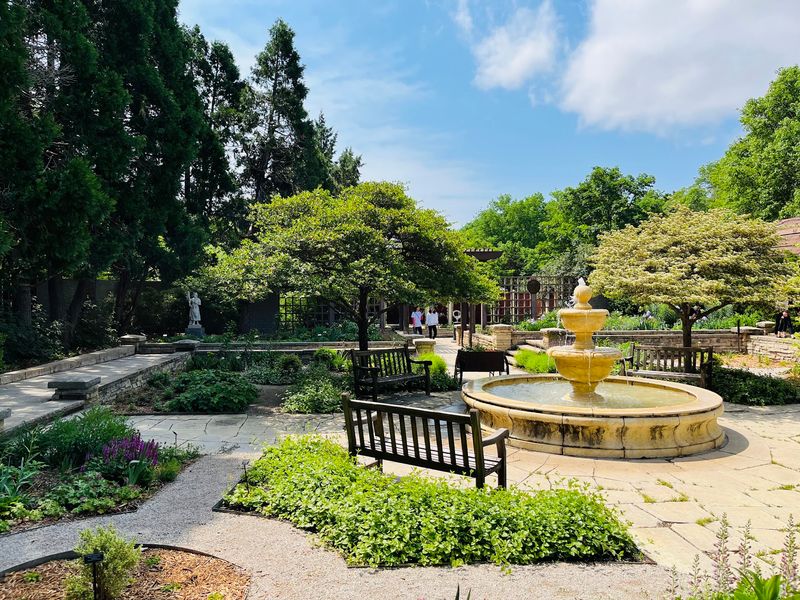
The greenhouse sits within the wider grounds at 701 Amidon Street in Wichita, Kansas, so reaching it means a short walk through flower beds first.
I actually appreciated that approach, because it eased me into the whole experience.
Paved paths lead the way, and the printed map handed out at the entrance makes the route obvious. Signage along the route keeps guessing to a minimum.
Since the property covers several acres with dozens of themed areas, some visitors accidentally save the Butterfly House for last and run short on time. I would flip that order on a hot day.
Getting there early means fewer people crowding the narrow interior walkway. It also means cooler air outside for the rest of your loop.
Plan on roughly a five minute stroll from the front gates, depending on how often the flowers distract you.
Double Doors And The Great Escape Prevention System
Getting inside involves a small ritual that I found unexpectedly charming. Two sets of doors form a little airlock, and staff ask that only one open at a time so nobody flutters out into Kansas airspace.
There is usually a mirror near the exit too. The idea is to check your hat, bag and shoulders for stowaways before you leave.
I genuinely had to brush one off my sleeve, which felt like a strange privilege rather than a chore. Kids take this job extremely seriously, which is half the entertainment.
Rules inside are straightforward. No touching, no picking up, and no grabbing at anything that lands on you.
Watching where you step matters just as much, since butterflies sometimes rest right on the walkway. Slow feet keep everyone safe, including the residents with the fancy wings.
Chrysalis Cases Where New Wings Appear
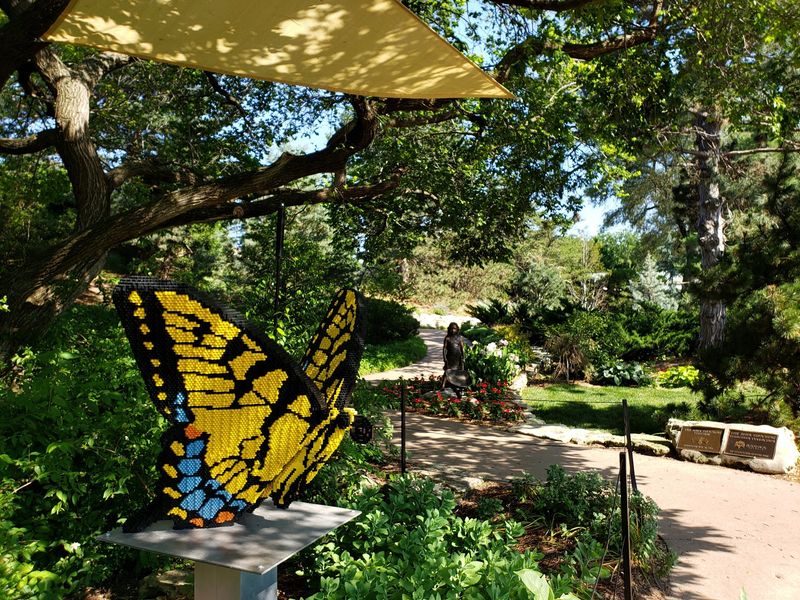
My favorite corner had nothing to do with flying at all. A glass emergence case holds rows of chrysalises, each one pinned in place and waiting.
Some hang still and quiet. Others darken and split while you watch, releasing a butterfly with crumpled, damp wings that need an hour or so to stiffen.
I stood there far longer than I expected, completely absorbed. The newly emerged ones cling to the case wall, pumping fluid into their wings before their first flight.
Kids gathered around this spot more than anywhere else, and honestly so did the adults. It turns an abstract science lesson into something you can point at.
Because butterflies emerge at unpredictable times, catching one mid-transformation comes down to luck. Lingering for a few extra minutes improves your odds considerably.
Nectar Plants Doing The Heavy Lifting

Every plant packed into the greenhouse has a job.
Bright nectar producers like lantana, pentas and milkweed fill the beds, chosen because butterflies actually feed on them rather than simply looking pretty beside them.
Host plants matter too, since caterpillars only eat specific leaves. The whole interior functions as a working habitat instead of decoration.
I noticed how clustered the activity was, with a dozen butterflies crowding one flowering shrub while a neighboring plant sat ignored. Learning which blooms draw traffic makes the room easier to read.
Sliced fruit sometimes appears on small feeding platforms as well. Overripe oranges and bananas attract species that prefer fermented sugars to flower nectar.
Gardeners in the region can borrow the idea directly. Many of these plants thrive in Kansas summers and pull pollinators into backyard beds.
Dressing For A Landing Strip

Here is the trick nobody tells you until it is too late. Butterflies investigate bright colors, so wearing floral prints, pink, orange or yellow dramatically raises your odds of getting a visitor.
I wore a plain gray shirt on my first pass and got completely ignored. Lesson learned.
Strong perfumes and lotions can have the opposite effect, sometimes confusing the insects rather than attracting them. Going scent-free is the safer bet.
Movement matters more than clothing though. Fast walking and waving hands send everything scattering, while standing still for a minute or two turns you into furniture worth landing on.
The greenhouse also runs warm and humid to suit its residents, so light layers you can peel off make sense. I ducked outside for cooler air after fifteen minutes, then went back in.
Photography Without The Frustration
Anyone hoping for a crisp butterfly portrait should prepare for a workout in patience.
These subjects rarely hold still, and the ones that do usually pick the shadiest leaf in the room. Flash is discouraged, and honestly unnecessary.
Natural light pours through the glass and does the job better.
My best shots came from picking one flowering cluster, framing it, then waiting for something to land rather than chasing wings around the walkway. Burst mode helped enormously.
Phones do surprisingly well here since you can get close without spooking anything, provided you move slowly. Wiping condensation off the lens is a real step, given the humidity.
Early in the day tends to bring calmer, slower butterflies still warming up. Midafternoon means peak activity and far more blurry results.
Small Space, Steady Stream Of Visitors
Compact is the honest word for it. The interior walkway fits a modest number of people comfortably, which means summer weekends and school field trips can create a slow shuffle.
Weekday mornings felt noticeably calmer during my visit. Fewer bodies also means less disturbance for the butterflies, so everyone wins.
Staff and volunteers often stand near the entrance answering questions, and they clearly enjoy the topic. I picked up more about caterpillar diets in three minutes than I had in years.
Because the exhibit is small, some visitors expect an hour and find they need fifteen minutes. I would counter that the reward comes from repeated slow laps rather than one quick pass.
Paved, level access serves wheelchairs and strollers well throughout this part of the grounds. Comfortable shoes still help for the wider garden walk.
Pairing The Butterflies With Everything Else On Site
Treating the greenhouse as a single destination sells the trip short.
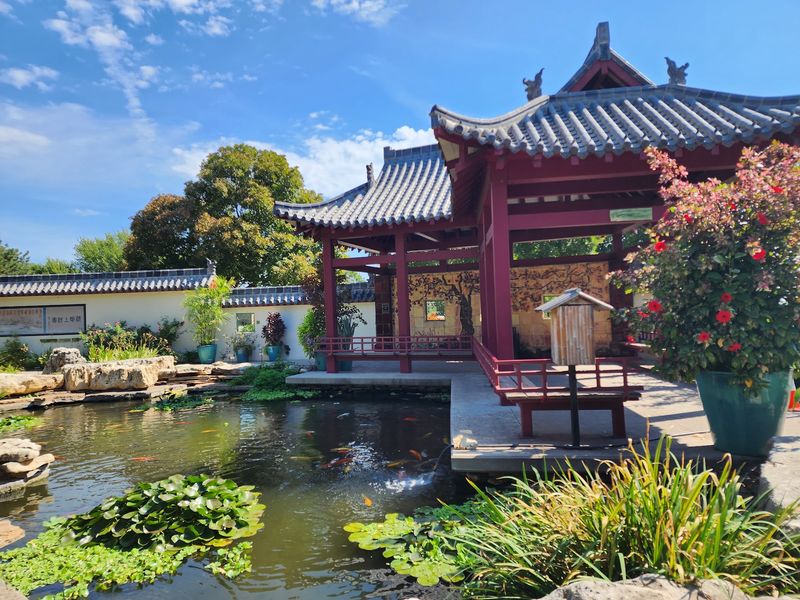
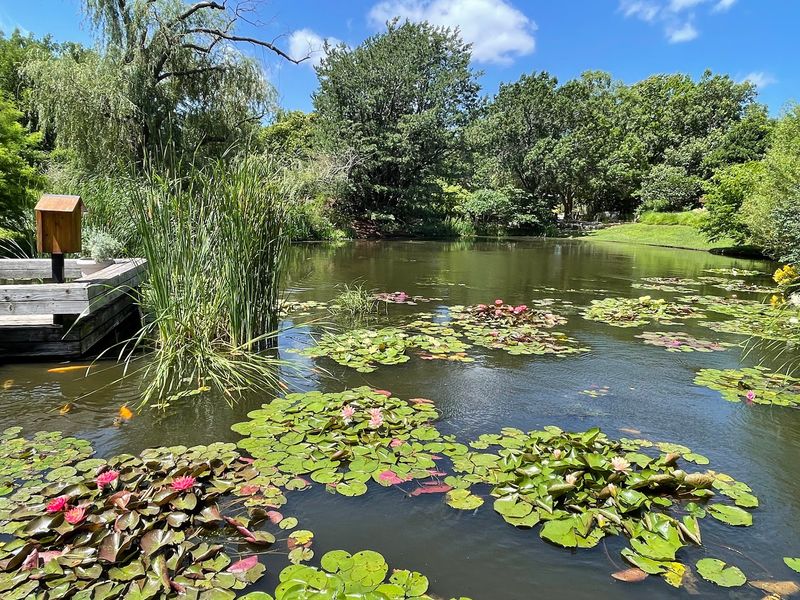
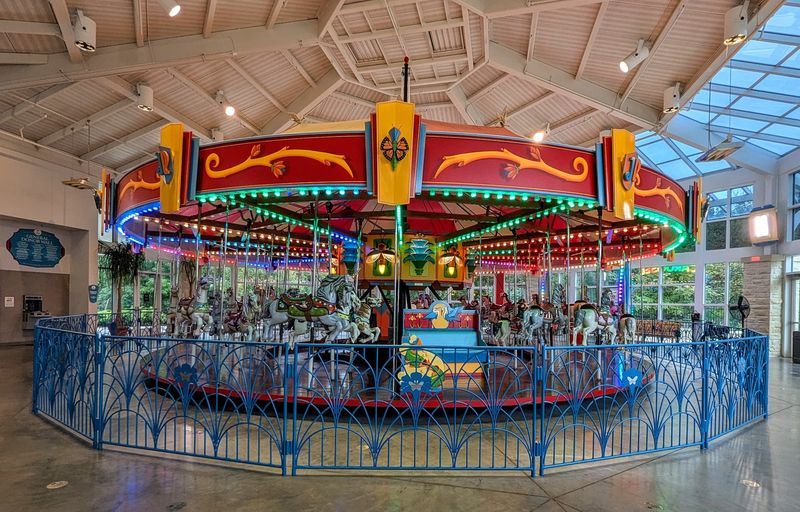
Admission covers the whole property, and the surrounding acres hold a carousel, a treehouse, a koi pond, a Chinese garden and a children’s area that eats up afternoons.
I combined the butterflies with a slow loop of the flower beds and easily filled two hours. Shade and benches appear often enough to make the heat manageable.
Snacks are available on site, though a full sit-down meal is not really the setup, so eating beforehand is smart. Water bottles are close to essential in a Kansas July.
Seasonal events layer on top of everything, including spring tulip displays and holiday light nights later in the year.
Botanica, The Wichita Gardens rewards return visits precisely because the butterflies represent just one chapter of a much longer story.