A grocery cart can reveal a lot about how you shop.
This Texas supermarket takes a different approach, built around low prices, bulk buying, and a warehouse-style layout that puts the focus on getting more out of each trip.
The Fort Worth location helped introduce the employee-owned chain to Texas in 2014, opening alongside the company’s first store in McKinney.
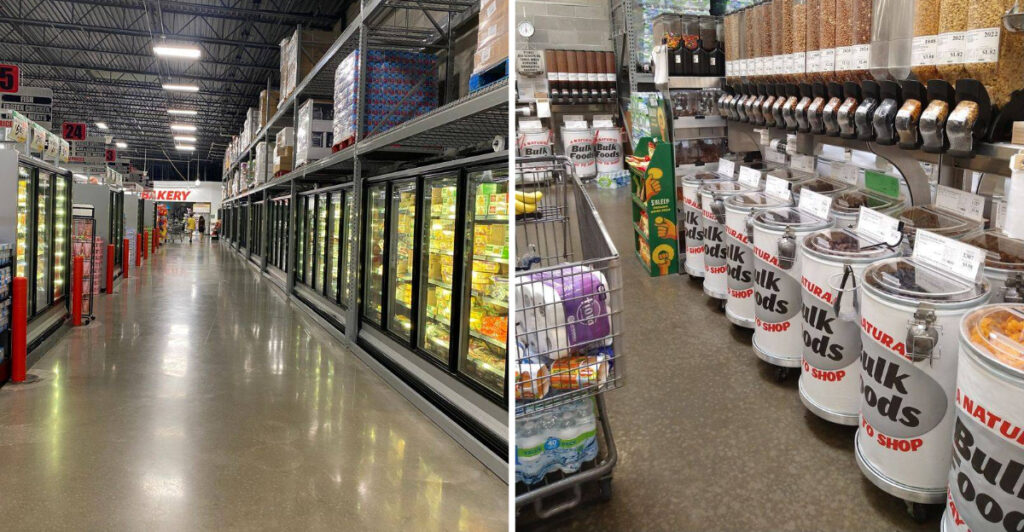
Inside, the setup keeps things practical. Fresh departments, everyday groceries, and a large bulk section give you plenty of ways to stock up without needing a membership or rewards card for advertised deals.
There is just one thing to remember before you reach the register.
Bring another way to pay. Credit cards are not part of the plan.
Ninety-Five Thousand Square Feet Gives The Grocery List Plenty Of Room
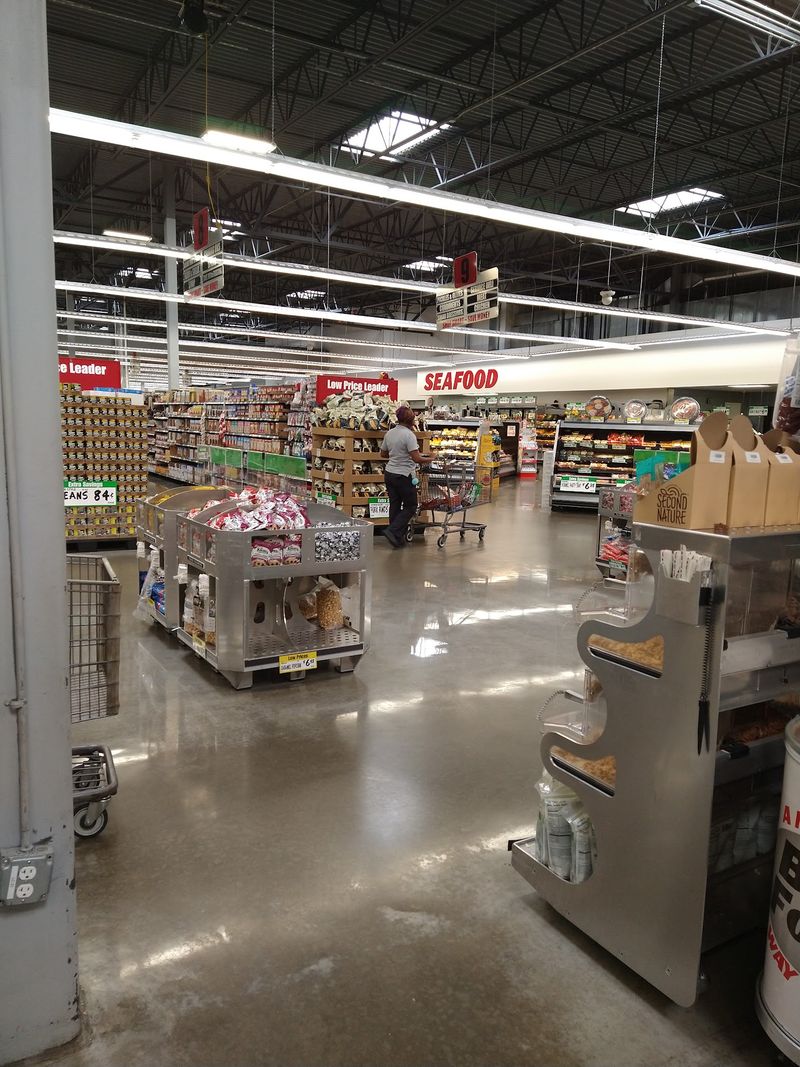
WinCo made a substantial entrance into Texas.
When the Fort Worth and McKinney stores opened in February 2014, each measured approximately ninety-five thousand square feet. The Fort Worth location began with about 180 employees, including roughly 170 people hired locally.
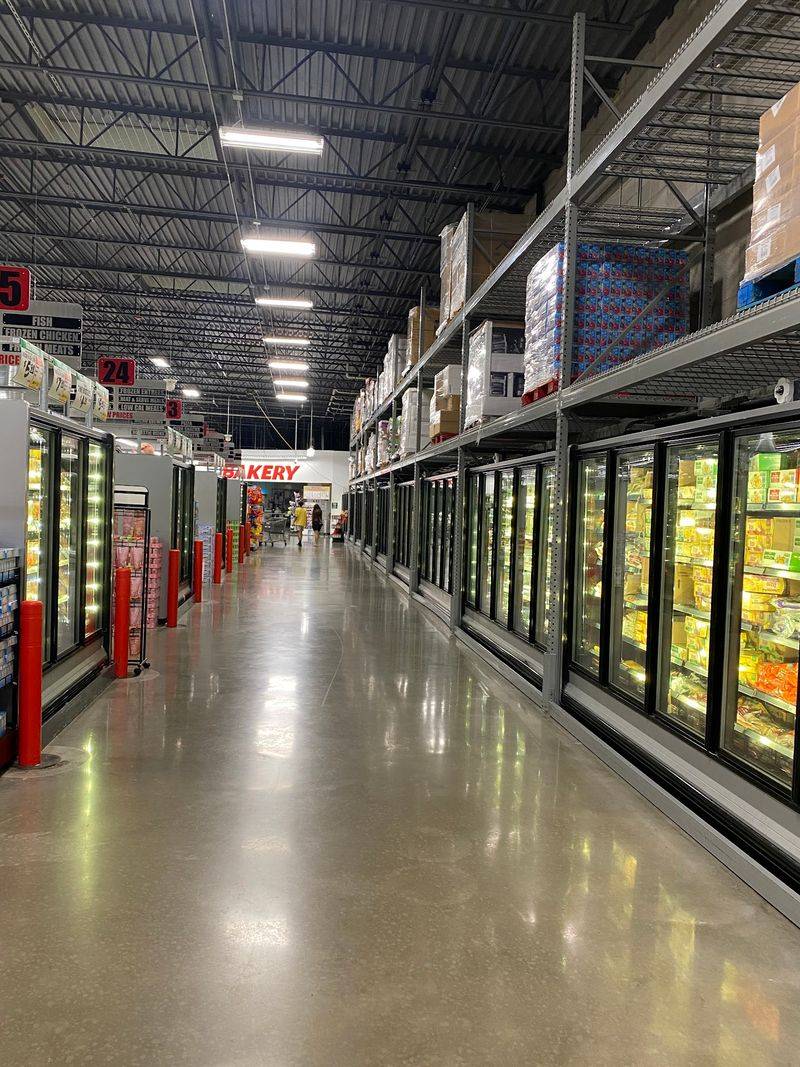
The size allowed several grocery departments to operate under the same roof.
At opening, the main sales floor included fresh produce, meat, seafood, deli, bakery, bulk foods, and the broader grocery selection.
That remains consistent with the large supermarket format WinCo operates across its chain.
The company actually began with this general idea long before Texas entered the picture. Its predecessor, Waremart, opened in Boise in 1967 as a no-frills, warehouse-style grocery store focused on keeping prices down.
The modern store is considerably different from that original operation, but the practical approach is still visible.
You are not wandering through a tiny specialty market where three missing ingredients mean another stop somewhere else.
The store gives you room to handle produce, meat, pantry goods, baking supplies, frozen foods, prepared items, and bulk ingredients during one grocery run.
Of course, ninety-five thousand square feet comes with one small consequence.
Realizing you forgot something after reaching the opposite side of the store can become an unexpected second lap. At least you can count it as exercise.
Fort Worth Helped Launch The Store In Texas In 2014
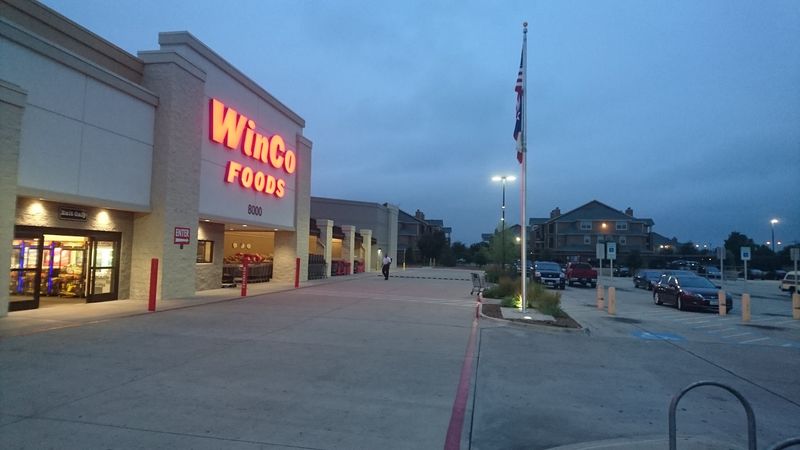
WinCo’s Texas story began on February 6, 2014.
At eight that morning, the company opened its first two Texas supermarkets simultaneously, one in Fort Worth and another in McKinney.
The Fort Worth store remains at 8000 Crowley Rd, Fort Worth, TX 76134. The address continues to appear on WinCo’s location records, and the store currently operates twenty-four hours a day.
That round-the-clock schedule gives you considerably more flexibility than a typical supermarket closing in the evening.
An early-morning grocery run works. So does stopping after a late shift.
And if you suddenly remember at an unusual hour that tomorrow morning’s breakfast plan requires eggs, you are not necessarily out of luck.
Holiday schedules are the exception. WinCo says most of its full-size stores operate twenty-four hours a day but close for Christmas Day and have reduced operations around Thanksgiving and Christmas Eve.
Texas did not stop with those first two stores.
WinCo continued expanding around the Dallas-Fort Worth area, opening four Texas stores during 2014. Two years later, it added a large distribution center in Denton to support the state’s growing network.
That makes the Crowley Road store more than another location on a long list. It was there at the beginning.
The Wall Of Values Starts The Deal Hunting
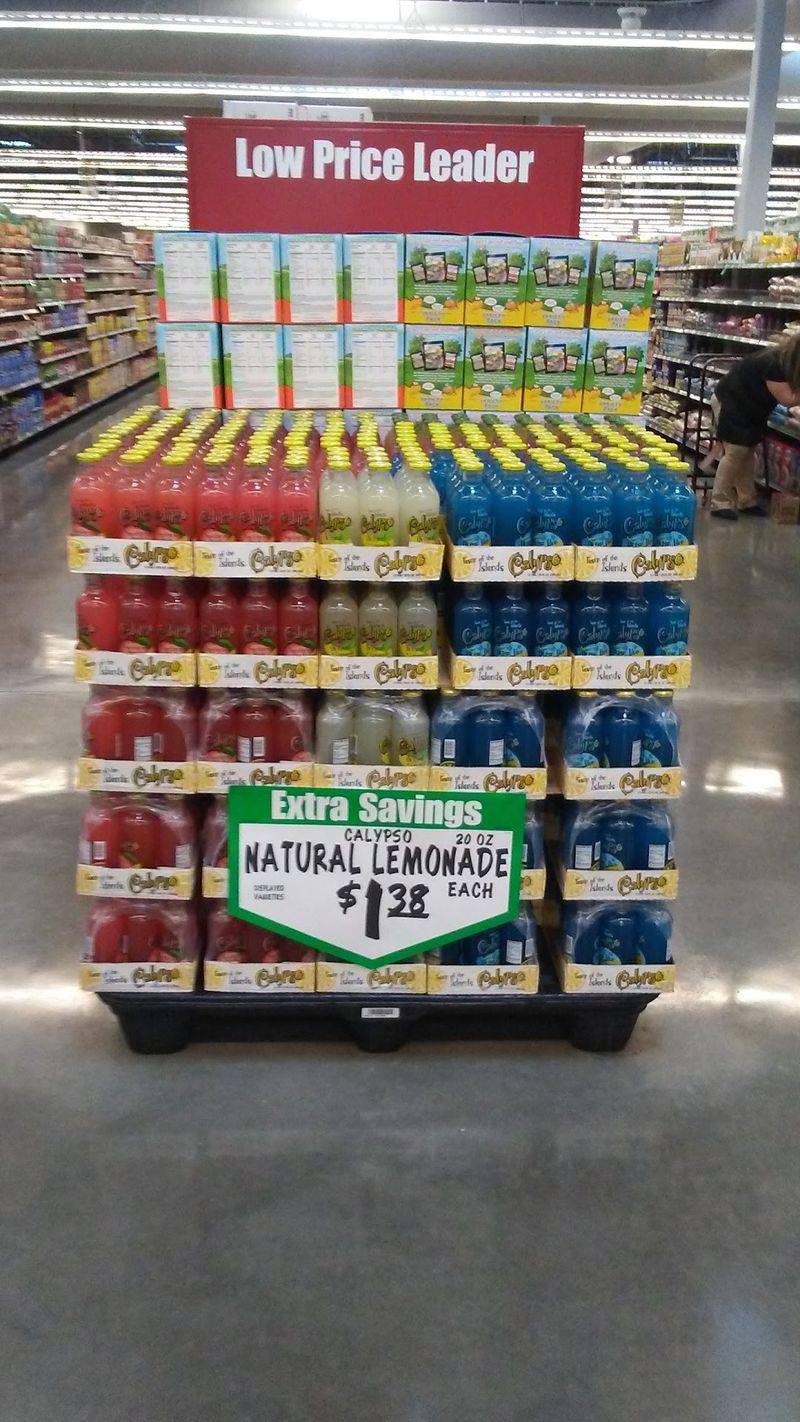
You do not have to wander deep into WinCo before encountering one of its signature shopping features.
The Wall of Values sits along the main aisle near the entrance and highlights selected products with special pricing.
WinCo also uses pallet displays, aisle ends, and other parts of the store for additional specials.
The company makes those deals easy to identify through its price-tag system.
Yellow tags represent WinCo’s regular everyday prices.
Green tags mark sales and specials.
That distinction means you can look at the tag rather than wondering whether you forgot to load an offer onto an app before leaving home.
WinCo specifically says its green-tag specials do not require a rewards or savings card. There is generally no minimum purchase requirement either, although individual promotions can have their own terms or quantity limits.
The Wall of Values gives you a natural place to start.
If something there was already on your list, the decision becomes straightforward. If not, you can keep moving.
That might be the most useful rule in any grocery store. A special is only helpful when you actually need what is being sold.
The green tags point out the opportunity. Your cart still gets the final vote.
More Than Eight Hundred Bulk Items Let You Control The Amount
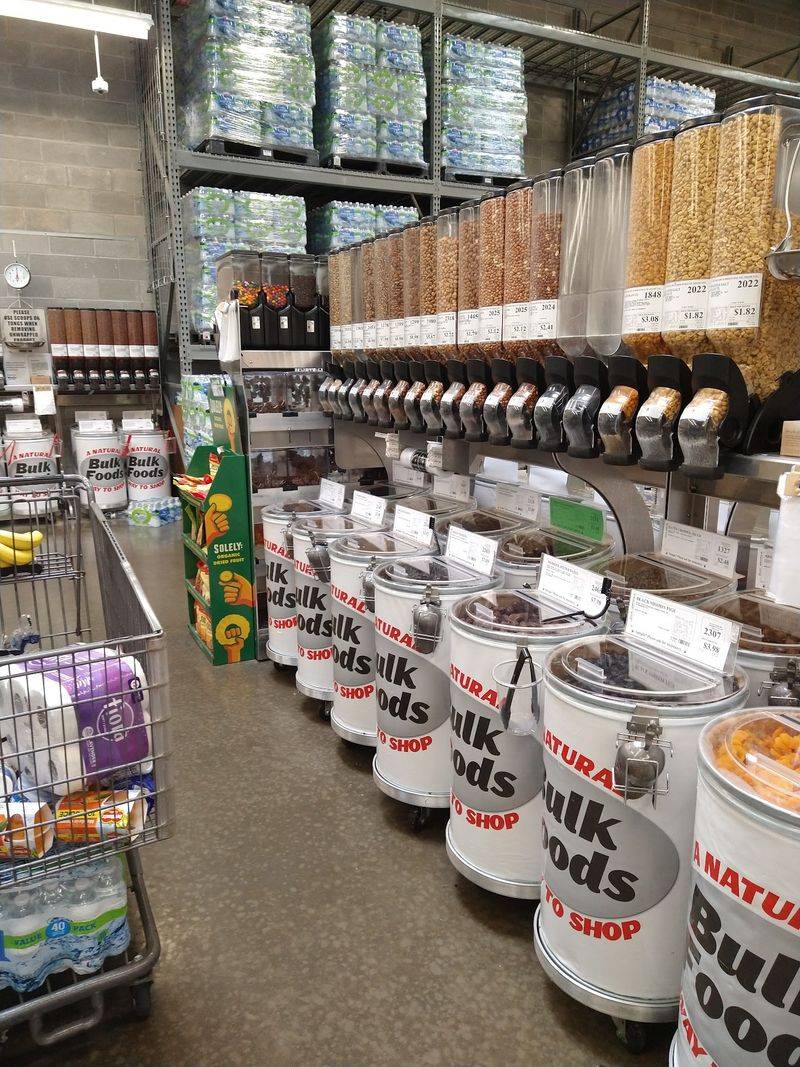
WinCo’s bulk department is one of the chain’s defining features.
The company currently describes its bulk selection as containing more than eight hundred items sold by the pound.
When the Fort Worth store originally opened, WinCo actually advertised more than nine hundred bulk items there, including snacks, candies, cereals, flour, pasta, spices, natural foods, and some organic products.
The exact selection can change, so the current chain-wide figure is the safer number to use when describing the store today.
What matters most is how the department works.
Instead of buying only a manufacturer-selected package size, you can choose an amount that suits what you are making.
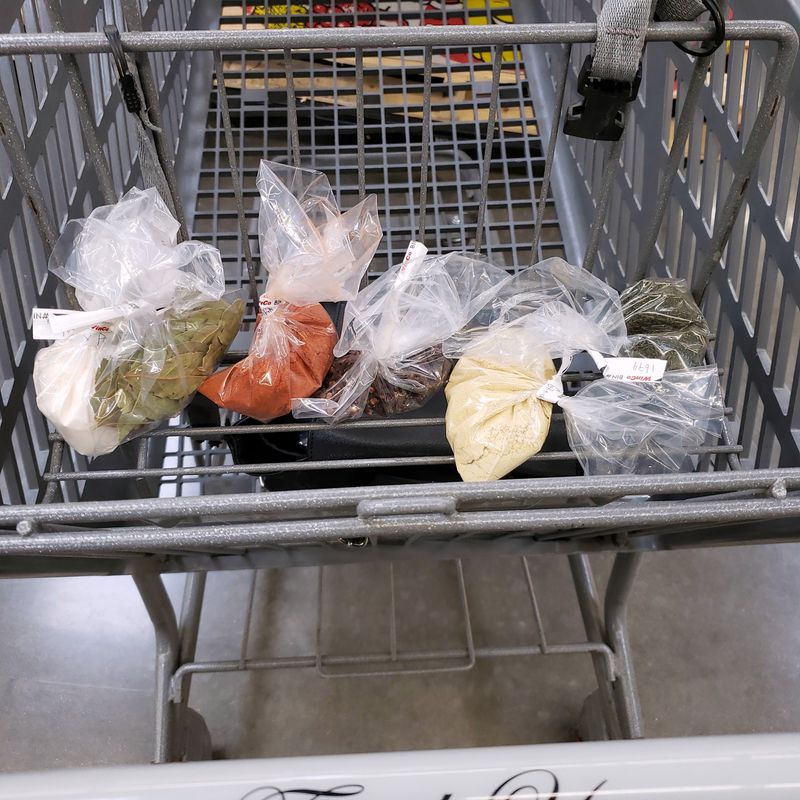
Need a small quantity of a spice for one recipe? You do not necessarily need an entire jar.
Use a particular grain constantly? Buying more may make more sense.
The same logic applies to nuts, candy, baking ingredients, pasta, snacks, and other products sold from the department.
That flexibility can also make trying an unfamiliar ingredient simpler because you are not forced to commit to a full package before knowing whether you will use it again.
Just remember that bulk shopping rewards restraint as much as enthusiasm.
A little goes into the bag surprisingly quickly.
Then you look down and realize your modest scoop has somehow become enough trail mix to cross Texas on foot.
Green Price Tags Make The Specials Easy To Spot
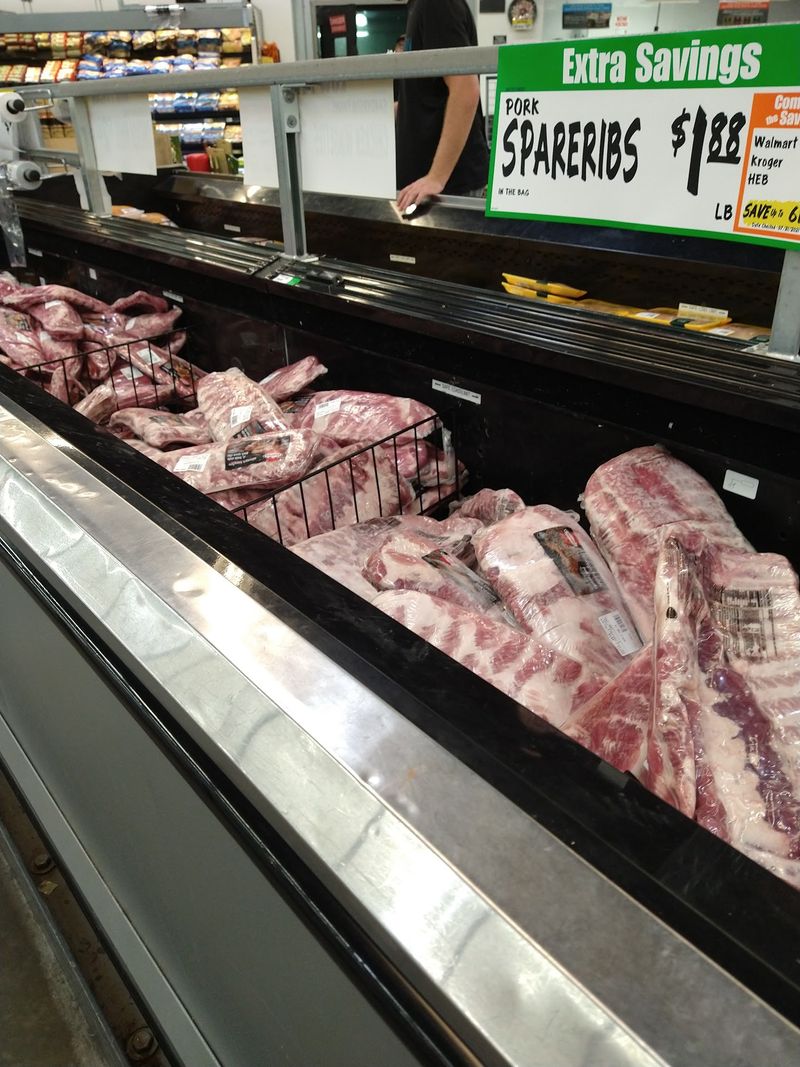
WinCo uses color to make the distinction between everyday shelf prices and temporary specials straightforward.
Green price tags mark sales. Yellow tags indicate the company’s regular everyday prices.
That system appears throughout the store rather than being confined to one promotional corner.
Green tags can show up in different departments, while the Wall of Values and pallet displays provide additional places to check current deals.
WinCo also says no rewards or savings card is required to receive its green-tag sale prices.
That does not mean the company has abandoned digital discounts completely.
WinCo offers digital coupons as an additional option, but those are separate from the general green-tag specials available in stores.
For a shopper, the distinction is useful.
You can walk into the store without joining a membership program and still identify current specials simply by looking at the shelf tags.
If you enjoy comparing prices aisle by aisle, there is plenty to inspect.
If you would rather keep things moving, green gives you the shortcut. It is grocery-store navigation in its simplest form.
Yellow means regular. Green means take another look. Your phone can stay in your pocket unless you actually want it.
Self-Bagging And No Credit Cards Are Part Of The WinCo Model
The checkout lane is where WinCo’s operating model becomes especially noticeable.
Customers bag their own groceries.
WinCo says this arrangement reduces operating costs and helps support its pricing approach. Its checkout lanes use separate bagging areas so one shopper can handle groceries while another transaction moves forward.
The other major difference is payment.
WinCo does not accept credit cards at its registers because of the processing fees associated with them.
The company generally accepts cash, debit cards requiring a PIN, qualifying checks, EBT, and WIC.
That is worth knowing before a cart full of groceries reaches the register.
An ATM is available in WinCo stores near customer service, but relying on that after checkout has already begun is probably not the most relaxing way to discover the policy.
Self-bagging has one practical advantage. You decide exactly how the cart gets reorganized.
Frozen items can stay together. Bread does not have to share a bag with canned goods. Produce can get its own section.
You may discover that you have strong opinions about grocery-bag architecture only after being handed complete control.
The system asks a little more from the shopper at the end.
In return, WinCo says both self-bagging and avoiding credit-card processing are part of how it keeps operating expenses lower.
Employee Ownership Sits Behind The Discount Grocery Model
The employee-owned part of WinCo is not a recent marketing idea.
Its roots go back to 1985.
At the time, the company still operated under the Waremart name. Employees established an Employee Stock Ownership Plan and purchased a controlling interest in the business from the Ward family.
WinCo describes that moment as the beginning of its employee-owned structure.
The company later changed its name to WinCo Foods in 1999 after an employee contest and vote.
Today, WinCo says it operates more than 140 employee-owned stores and employs more than 20,000 people.
The company has also built its own network of distribution centers over the years. WinCo says those facilities help it manage costs, product pricing, and daily store deliveries. A Denton distribution center opened in 2016 to support Texas and regional growth.
For the person pushing a cart through Fort Worth, that corporate history shows up in simpler ways.
There are bulk bins, green-tag specials.
You bag your own groceries. You do not need a membership fee to enter or a rewards card to receive ordinary green-tag sale prices.
And when checkout arrives, the credit card stays put.
The Fort Worth location has been using that formula since WinCo first entered Texas in 2014.
A ninety-five-thousand-square-foot supermarket gives you plenty to remember.
Fortunately, the rules themselves are pretty simple. Bring the grocery list. Watch for green. And bring the right card.