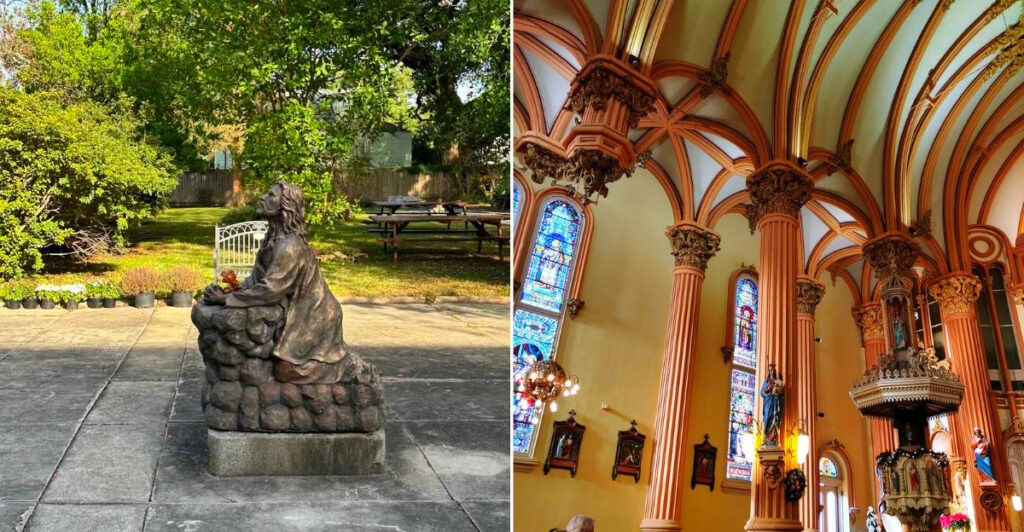
Churches in Louisiana have personality. This one has gravity. The shrine sits on a residential street, unassuming from the sidewalk, and inside it holds the remains of a priest who stayed behind during a yellow fever outbreak to comfort the dying.
He contracted the disease himself and did not survive. The interior is smaller than you expect and quieter than any church I have visited in the state.
Light reaches the altar through tall windows, and the pews are close enough together that you feel the presence of the space rather than its decoration. I sat for twenty minutes without checking my phone.
The story behind the walls matters more than the architecture itself.
The building that holds his memory reflects that sacrifice in every detail. A Louisiana shrine holds the remains of a priest who died comforting yellow fever victims, and the silence inside tells the rest.
Spend Time At The Reliquary
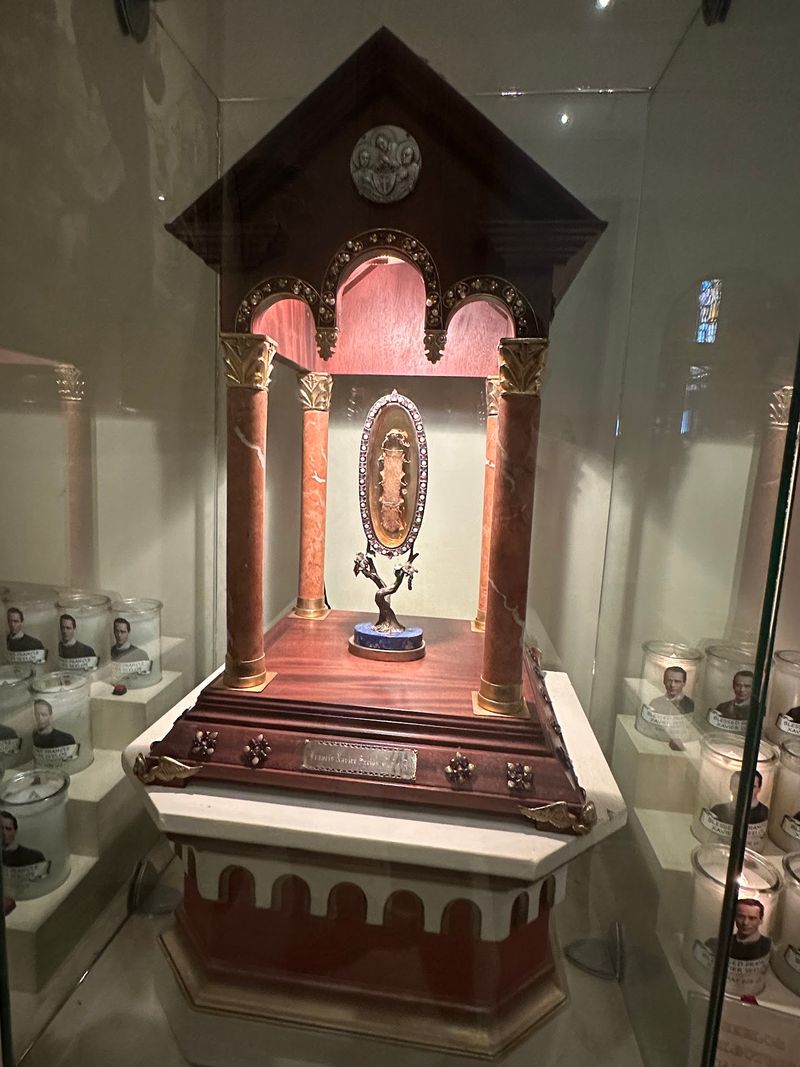
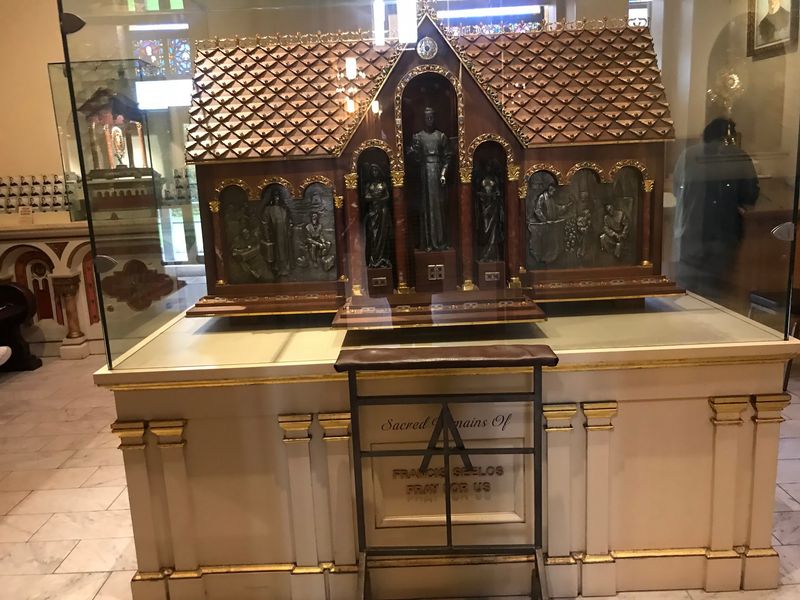
The heart of the shrine is wonderfully direct. Blessed Francis Xavier Seelos’ remains are kept here, making the story of his life feel immediate instead of far away in a history book.
He died in New Orleans in 1867 after ministering to people suffering during a yellow fever epidemic, and that fact changes the whole room. You are not just learning about compassion.
You are standing near someone who practiced it until the end.
Spend time at the reliquary without rushing. The original lead coffin is also displayed, and it gives a sobering sense of the era’s danger.
For many visitors, this is the moment when the shrine becomes less of a museum stop and more of a personal encounter with sacrifice. It is quiet, plain, and unforgettable in a way flashy attractions never are for most people who visit.
Josephine Street Leaves Magazine For The Shrine
The National Shrine of Blessed Francis Xavier Seelos is located at 919 Josephine Street in New Orleans, Louisiana, within St. Mary’s Assumption Church in the historic Irish Channel. Magazine Street is the main neighborhood approach, with the shrine sitting about two blocks away on Josephine Street.
Turn from Magazine Street toward Josephine and continue into the surrounding residential blocks. St. Mary’s Assumption Church, the Seelos Welcome Center, and the shrine occupy the same campus, so the church complex becomes the clearest landmark for the final approach.
Use the visitor parking lot marked on the shrine’s official campus map, then walk first to the Seelos Welcome Center to check in. From there, continue across the grounds to the shrine entrance inside St. Mary’s Assumption Church.
Start With The Welcome Center Museum
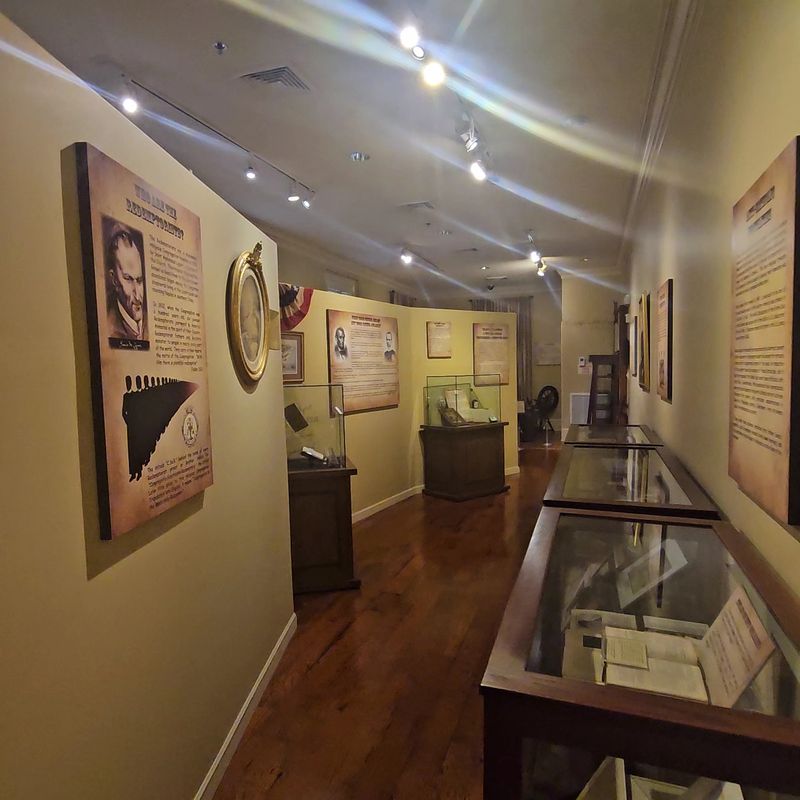
Past the prayer spaces, the Welcome Center adds useful context. Its museum explains Seelos’ journey from Bavaria to the United States and shows how his missionary work shaped the city around him.
The short film is worth your full attention, even if you usually skip visitor-center videos. It gives a clear timeline, and the exhibits help you connect names, places, and events without making the history feel heavy.
Objects from his life, including devotional and penitential items, are displayed with care. Seeing them up close makes Seelos seem less like a distant holy figure and more like a disciplined, hardworking priest with habits, struggles, and a daily routine.
That human scale is what stayed with me after I left. Plan at least twenty minutes here, because the small museum carries more emotional weight and historical detail than its size suggests.
Look Up Inside St. Mary’s Assumption Church
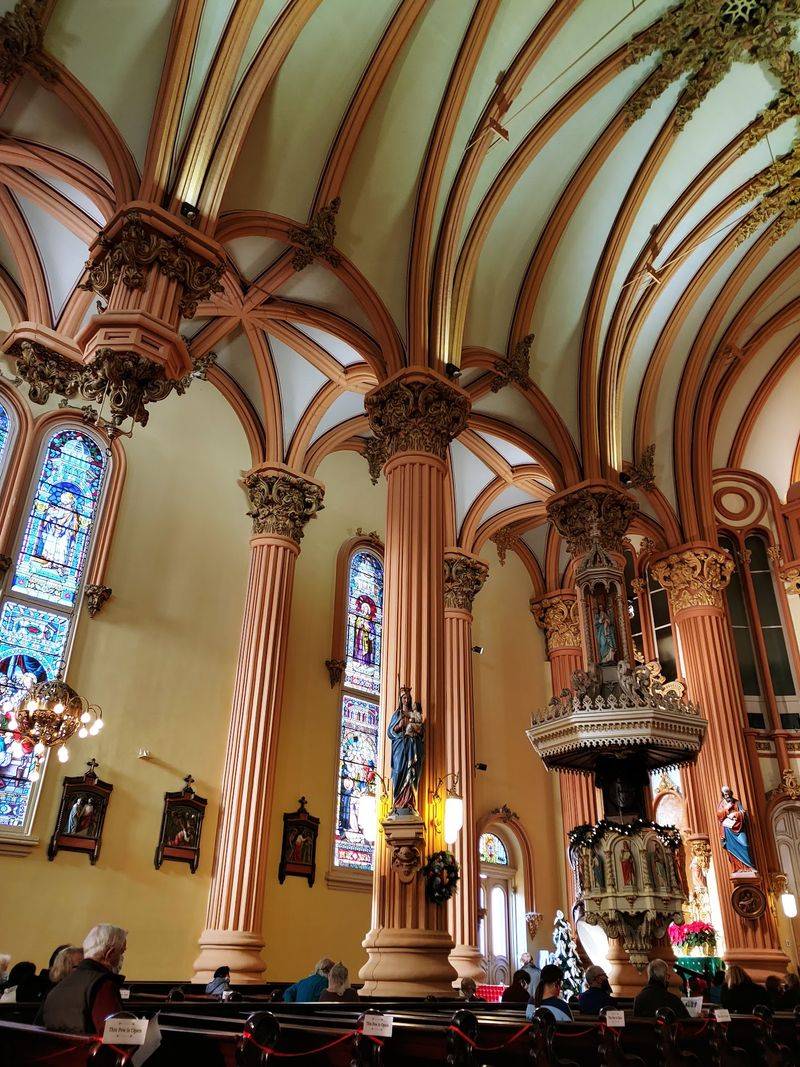
Look up as soon as you enter St. Mary’s Assumption Church. The building’s scale, carved details, stained glass, and old-world style create a strong sense that the shrine belongs to a living church, not a staged exhibit.
That matters because Seelos served real families here in the city’s first German Catholic church. The architecture carries the memory of immigrant faith, community effort, and the kind of craftsmanship that asked people to raise their eyes and think beyond daily trouble.
Bring enough time to wander slowly through the interior. Small details appear late, not all at once, and the church rewards patient looking.
Even travelers who come mainly for history often leave talking about the beauty first, then the story attached to it. Morning light through the windows can be especially lovely, so if the church is open, do not hurry past.
Understand The Yellow Fever Story
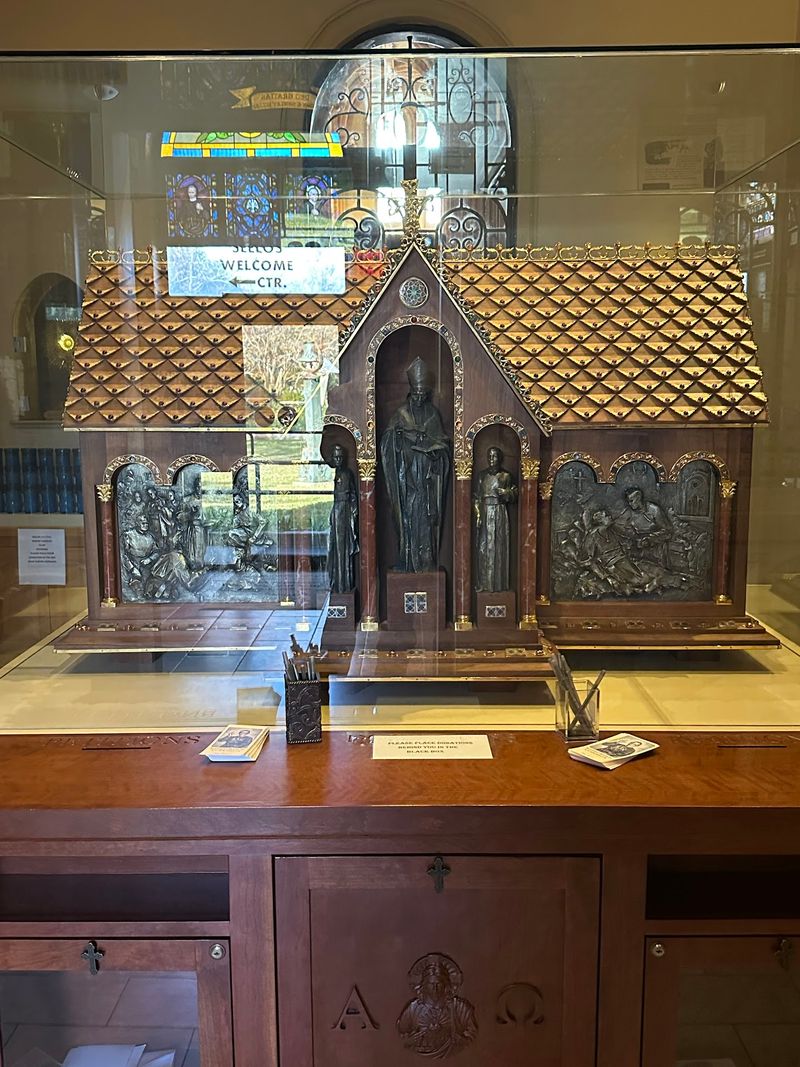
A hard piece of New Orleans history sits at the center of this visit. Seelos contracted yellow fever while caring for the sick in 1867, and the shrine never lets that sacrifice become a vague, polished legend.
Instead, the story stays rooted in the city’s real suffering. Yellow fever shaped life and death across nineteenth-century New Orleans, so his final illness belongs not only to church history but also to the wider history of the place.
Read the interpretive material with that bigger picture in mind. You will understand why people still speak of Seelos with affection and gratitude, and why his resting place feels connected to public memory as much as private devotion.
The lesson is simple and demanding: compassion can be costly, and still worth choosing. That thought lingers long after you step back into the street outside.
Notice How Hope Shapes The Shrine
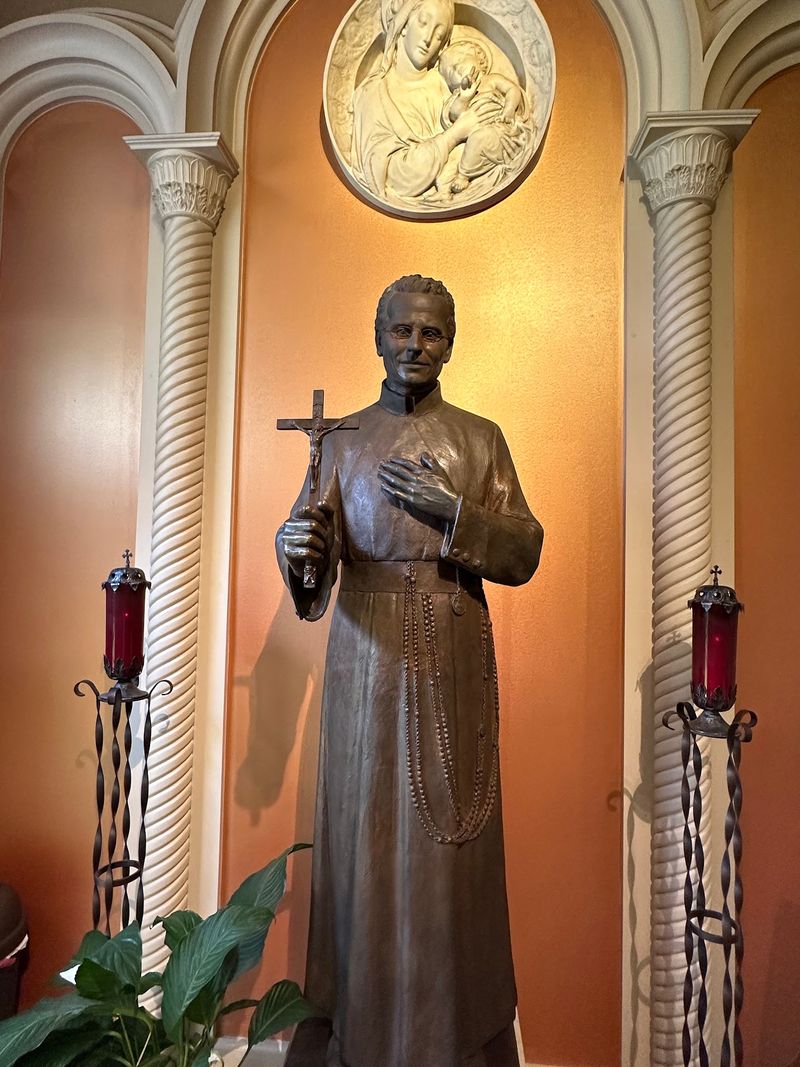
Hope has a very specific shape here. The shrine does not only remember Seelos’ death.
It also explains why he was beatified in 2000 and why devotion to him continues to grow.
One key part of that story is the healing of Angela Boudreaux, the miracle recognized in the process that led to his beatification by Pope John Paul II. Knowing that background helps visitors understand why prayer petitions and candles feel central here, not decorative.
Even if you arrive mainly for history, pay attention to the living devotion around you. People come because they believe Seelos still intercedes for them.
Whether you see that through faith, culture, or curiosity, the shrine becomes more interesting once you realize it is not just about the past. That sense of expectation gives the rooms an energy quieter than excitement, yet surprisingly strong.
Try One Simple Act Of Devotion
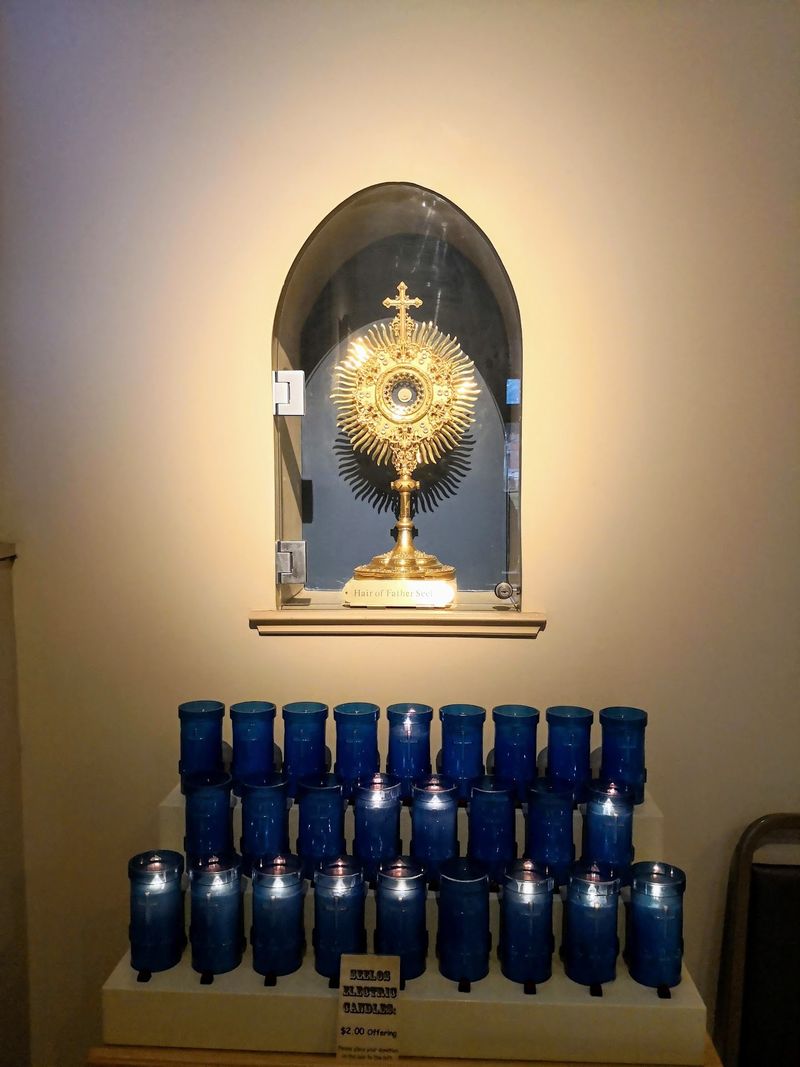
Small rituals stand out more than you might expect. Writing a petition, lighting a candle, or simply sitting still for a few minutes gives the shrine a hands-on quality that balances its history.
Nothing feels forced. The practices are easy to understand, even for visitors who are unfamiliar with Catholic devotion, and they offer a respectful way to join the atmosphere instead of only observing it from the edges.
If you want a more reflective visit, build in time for one simple act of intention. Choose a candle, write a prayer, or sit quietly near the reliquary.
Those gestures can focus your attention better than taking more photos, and they help the visit land in memory as an experience, not just another stop. In a city famous for sensory overload, that plain spiritual pause feels almost startling, and very welcome.
Ask For Help If You Need Direction
One of the nicest surprises here is the human scale of the welcome. The shrine is not huge, and that works in its favor because questions can lead to real conversation instead of a hurried handout.
Volunteers and staff help visitors navigate the museum, church, prayer areas, and devotional materials. Some guests also seek prayer support, which fits the shrine’s mission and keeps the place feeling active rather than frozen behind glass.
Ask for guidance if you are unsure where to begin. A short conversation can point you toward the film, the reliquary, or the church interior in a sensible order.
I appreciated that the atmosphere stayed warm without becoming pushy. In a city crowded with attractions competing for attention, that steady kindness feels refreshingly out of fashion, in the best way.
It gives the visit a grounded, neighborly tone.
Plan Around The Short Visiting Hours
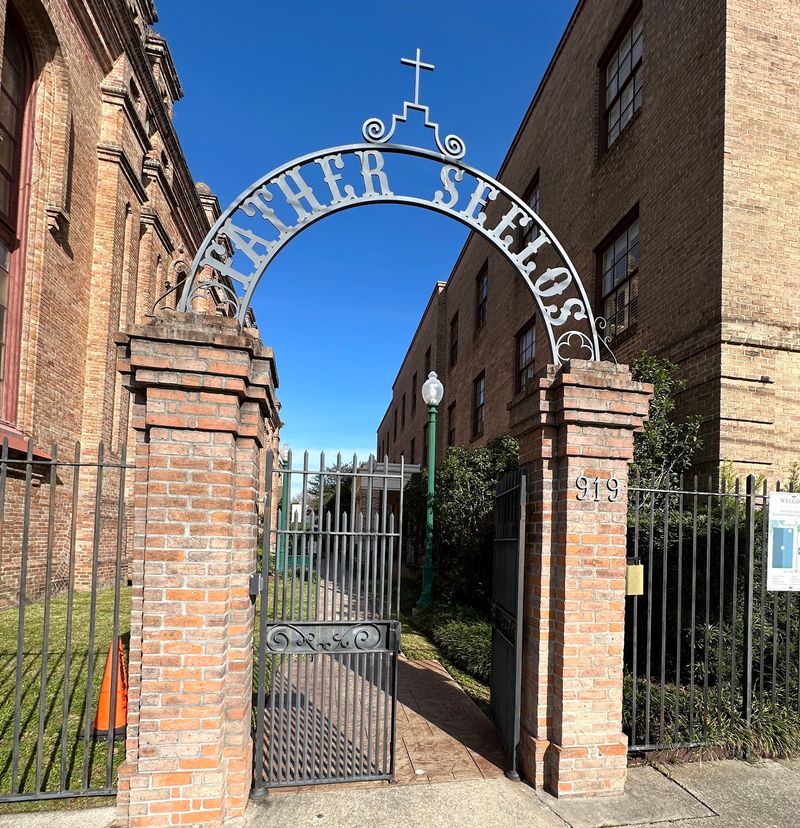
Practical planning matters more here than at many big attractions. The shrine generally keeps short daytime hours, usually 10 AM to 2 PM Monday through Saturday, so showing up late can shrink your visit fast.
Because the stop includes a church, museum, shrine spaces, and a gift shop, it helps to arrive with a rough plan. I would place the museum first, then the reliquary, then the church, because the story deepens as you move through the property.
The address on Josephine Street puts you close to Magazine Street and the Irish Channel’s walkable surroundings. That makes it easy to pair a visit here with nearby neighborhood exploring.
Just remember that sacred places move at a gentler pace, and they are best enjoyed when you do too. If traveling with a group, contacting the shrine in advance is wise for timing.
Do Not Skip The Smaller Spaces
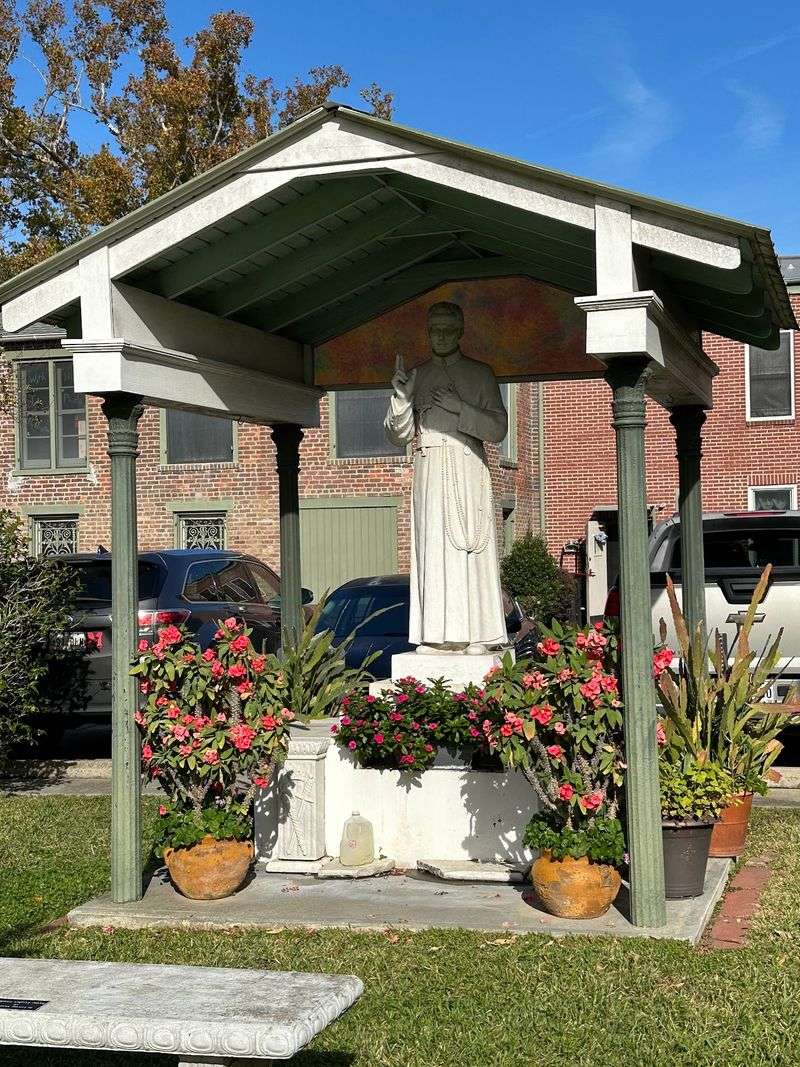
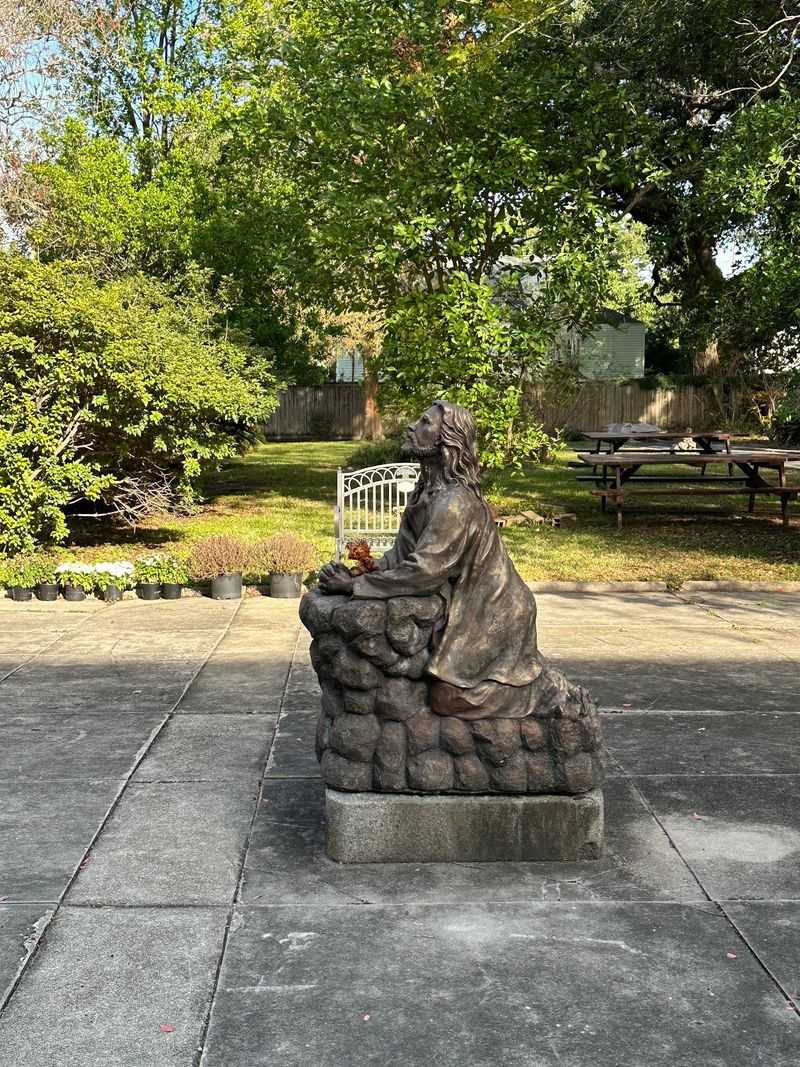
Do not rush past the smaller spaces around the main story. The courtyard, gardens, and gift shop sound secondary on paper, yet they help the shrine feel cared for, usable, and woven into ordinary devotional life.
The gift shop is especially helpful if you want prayer cards, religious items, or reading material connected to Seelos. Even visitors who buy nothing can learn a lot by seeing what themes, images, and prayers are emphasized there.
I like places that understand mood, and this one does. After the intensity of the reliquary and museum, stepping into a calmer outdoor corner or browsing a shelf creates breathing room.
That change of pace keeps the visit from feeling overly solemn and makes the whole experience easier to absorb. It is a gentle reminder that remembrance lives through daily habits, not only grand historical moments either.
Leave Room For Quiet Reflection
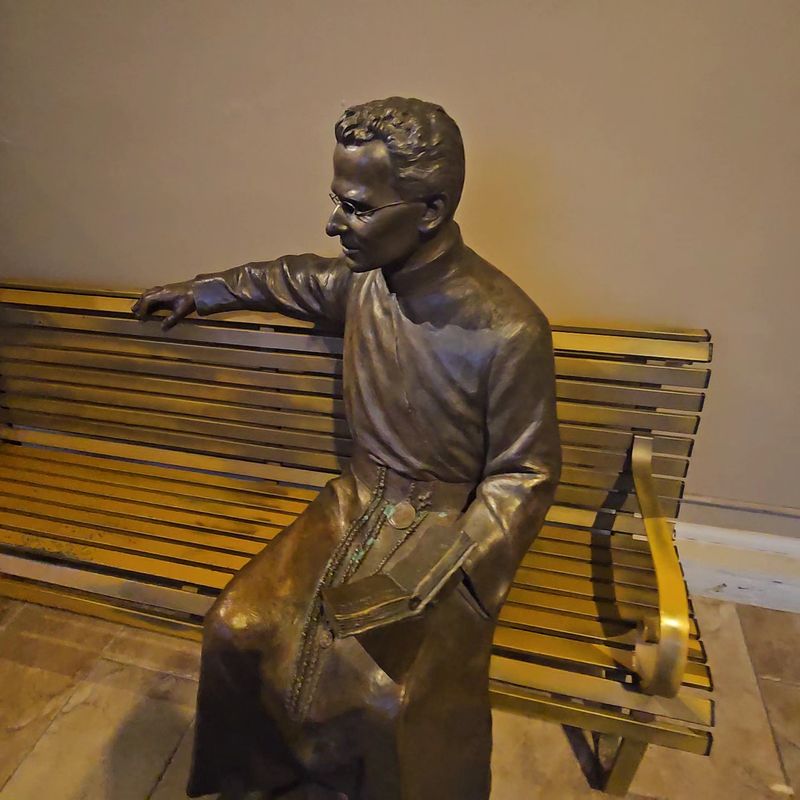
Perhaps the best tip is the least flashy one: slow down enough to let the place speak in its own register. The shrine is moving, but it does not perform its meaning for distracted visitors.
Read the plaques, notice the preserved objects, and think about what it meant for Seelos to remain with the sick during a deadly epidemic. New Orleans offers many dramatic stories, yet this one lands through restraint, prayer, and physical nearness to a life of service.
Keep your voice low, allow extra time, and resist treating the stop like a quick checklist item. When you leave, the memory that follows is not only of a priest’s remains in a Louisiana shrine.
It is of courage made visible in a very quiet room. For travelers tired of noise, that steadiness can feel surprisingly rare and deeply restorative.