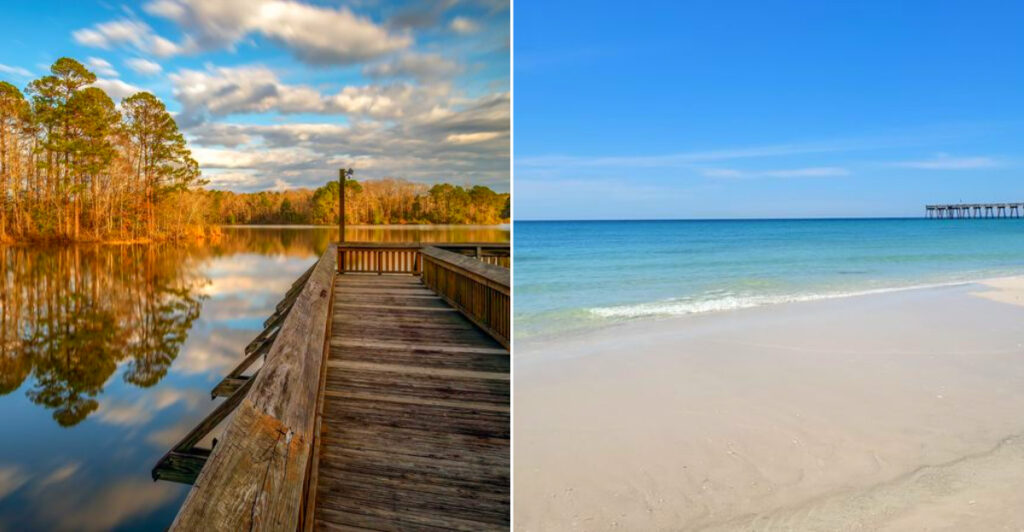
Nobody believes me when I say Louisiana has beaches. The mental image is always swamps and bayous, which is fair, but it misses an entire stretch of coastline where the sand meets the Gulf and the nearest neighbor is a pelican.
I have driven to enough of these beaches to know which ones have parking lots and which ones require a leap of faith down a gravel road. The quiet ones are the ones worth the drive.
No boardwalks. No t-shirt shops. No DJ playing music I did not ask for. Just sand, salt air, and the kind of silence that makes your ears ring for the first ten minutes because they forgot what quiet sounds like.
These twelve beaches range from state parks with cabins to stretches of Gulf sand so empty you will check your phone to make sure you did not drive somewhere you should not be.
12. Holly Beach
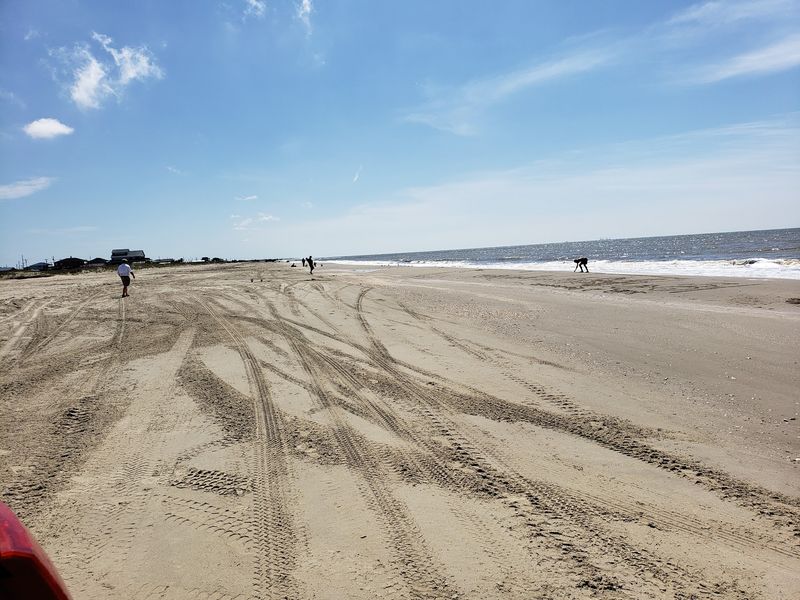
Morning at Holly Beach feels pleasantly unhurried. Locals call it the Cajun Riviera, but the charm is more homemade than flashy, with colorful camps on stilts facing a broad sweep of sand and Gulf water.
You can drive on parts of the beach, which still feels unusual if you are used to boardwalk towns. Crabbing, shell hunting, and simple shoreline walks fit the mood better than packed itineraries, and the open view makes bird spotting easy, especially for gulls, terns, and waders cruising the surf line.
Amenities are limited, so bring water, snacks, and shade if you plan to stay awhile. Wind and weather can change quickly here, and that rawness is part of why Holly Beach feels honest, quiet, and memorable long after your shoes are full of sand.
11. Constance Beach
A narrow ribbon of coast can feel remarkably remote when there is almost nothing competing with the horizon. Constance Beach lies along LA 82 west of Holly Beach in Cameron Parish, part of the 26-mile collection of natural Gulf beaches promoted across southwestern Louisiana.
The landscape is uncomplicated: Gulf water, sand, shells, marsh nearby, and enough open sky to make a pair of binoculars earn its place in the car.
Shelling tends to improve around low tide and after rough weather has moved material onto the beach. The broader Creole Nature Trail shoreline can produce whelks, cockles, coquinas, olives, periwinkles, and other finds carried and rearranged by Gulf currents.
Birding benefits from the same lack of development. Cameron Parish sits along the Mississippi Flyway, and the southwestern Louisiana coast can experience major concentrations of neotropical migrants from late March into early May.
The beaches also provide habitat for shorebirds, seabirds, and nesting coastal species.
Constance is not where to arrive expecting rentals, restaurants, or a packed activities calendar. Bring supplies and treat the undeveloped character as the attraction.
Water quality can change quickly here. Constance is part of Louisiana’s official beach-monitoring network, so consult the latest advisory status before swimming.
Even without entering the Gulf, there is plenty to watch from shore.
10. Gulf Breeze Beach
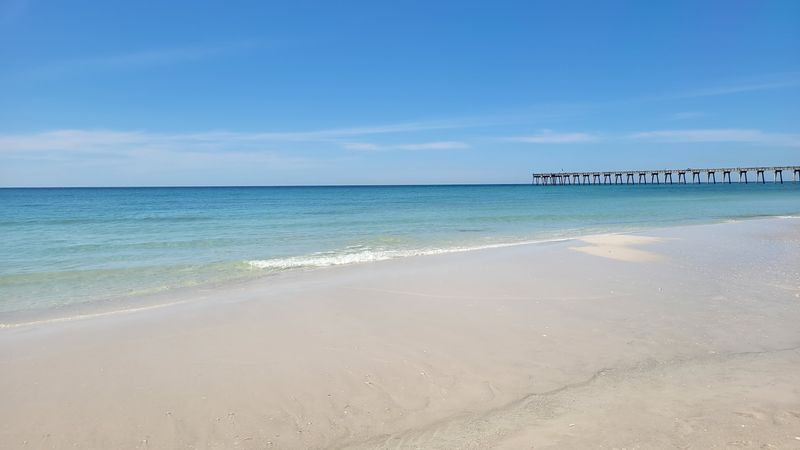
The name sounds like somewhere in Florida, but this Gulf Breeze belongs firmly to Louisiana. Gulf Breeze Beach sits along LA 82 in western Cameron Parish, west of Holly Beach and among the seven natural Gulf beaches identified by regional planners along this remote stretch of coast.
Its appeal lies partly in how little has been added.
There is no elaborate promenade separating you from the shoreline. Instead, the drive south and west passes through a landscape dominated by marsh, coastal grasslands, open water, and wildlife habitat before the Gulf takes over the view.
That location makes the beach useful for much more than sitting in the sand. Southwestern Louisiana occupies a particularly productive section of the Mississippi Flyway, where spring migration can bring waves of warblers, buntings, vireos, and grosbeaks through the coastal ridges while shorebirds and seabirds remain active along the water.
Bring binoculars and scan both directions. The marsh behind the beach can be every bit as interesting as the Gulf ahead.
Gulf Breeze is also one of the Louisiana coastal sites monitored for swimming-water quality. Advisories can appear and disappear as new samples are taken, so the current Louisiana Department of Health report is more useful than anything remembered from a previous trip.
9. Little Florida / Oceanview Beach
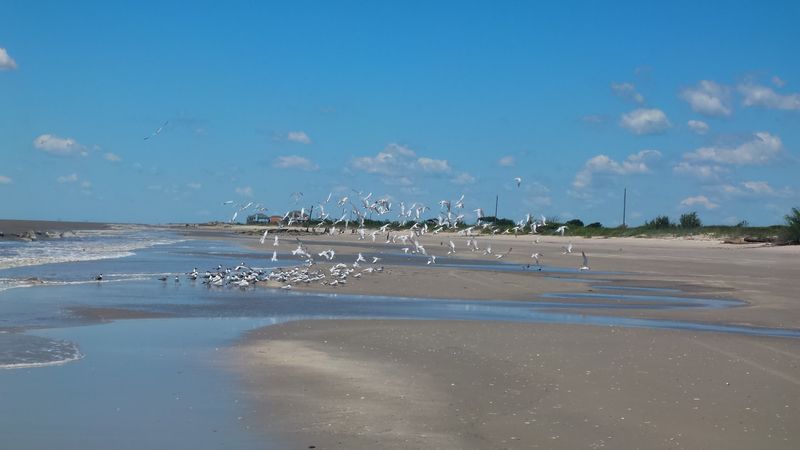
The name Little Florida sets up one expectation, then the beach gives you something calmer and more Louisiana. Oceanview Beach, also called Little Florida, sits at the western end of the Creole Nature Trail and feels refreshingly uncrowded.
Bird lovers have a strong reason to stop, since nearby Peveto Woods is a noted place for migrants during seasonal movement. On the beach itself, you can drive with care, though the speed limit matters, and the mood is much better when everyone treats the sand as shared space rather than a shortcut.
Swimming advisories can appear here because of bacteria concerns, so check current conditions before planning a water day. Even without getting in, the beach rewards visitors with open views, sea air, and the kind of quiet that makes every gull call sound sharper.
8. Long Beach
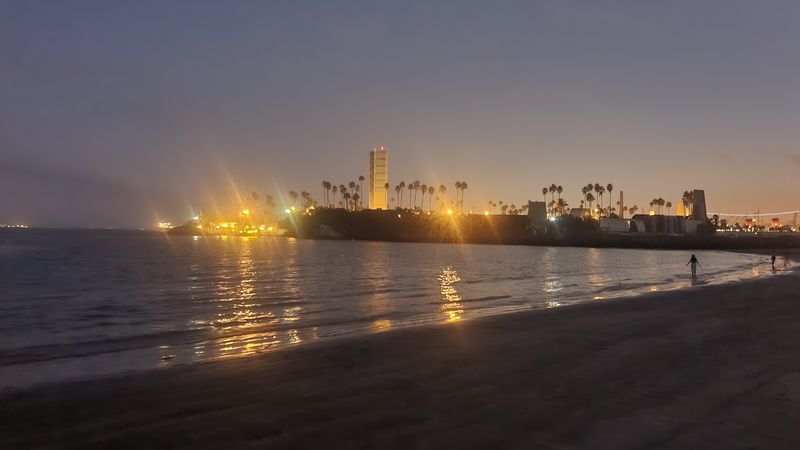
Long Beach begins before you reach the water. The access road passes marsh, grassland, and tidal ponds, and that approach already feels like a bird list waiting to happen, with waders and ducks often showing up before the Gulf does.
Once the shoreline opens, the beach keeps its off-the-map feeling. There are no polished resort touches here, just space, wind, and a sense that migration matters more than schedules, especially when warblers move through and turn a simple stop into a careful scan of every patch of cover.
Drivers can use the beach, but loose sand is a real concern, not just a casual warning. Bring what you need, go slowly, and pay attention to where you park, because getting stuck would be a loud ending to a place that deserves quiet attention.
7. Mae’s Beach
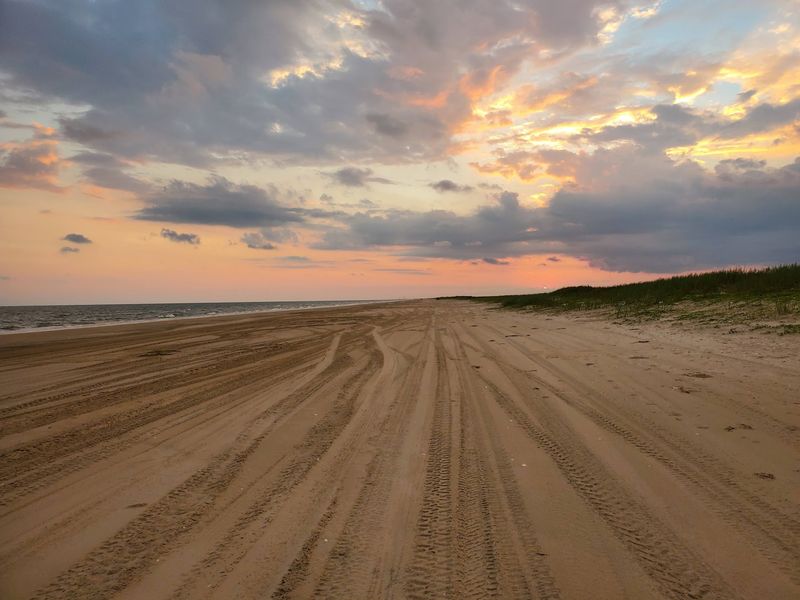
Mae’s Beach has a thoughtful kind of wildness. It is one of the more rustic stops along the Creole Nature Trail, and its plain, open shoreline feels shaped more by weather and wildlife than by anyone trying to dress it up.
One detail gives the place special weight: rescued Kemp’s ridley sea turtles have been released here back into the Gulf. That conservation role changes how you look at the sand, the dunes, and the open water, making careful driving and respectful distance from wildlife feel less like rules and more like common sense.
Birding is especially strong, with well over a hundred species recorded in the area. Pets are allowed, and vehicles may use the beach, but the best visit comes from treading lightly and letting the coast keep its rough, unbothered voice.
6. Rutherford Beach
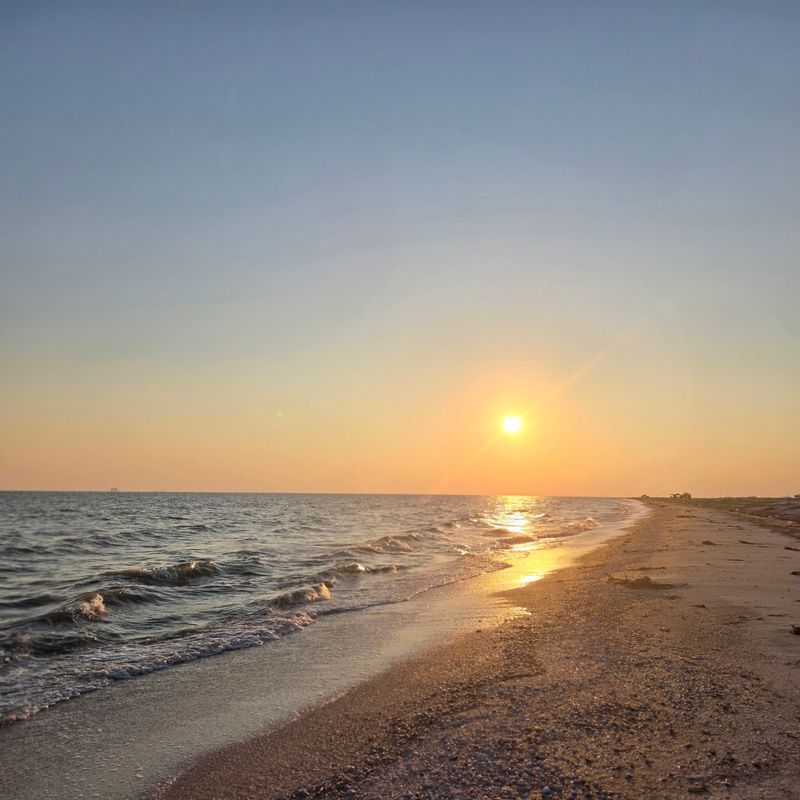
Rutherford Beach wears its shelling reputation proudly. The sand here is thick and tawny, and after low tide or rough weather, the shoreline can turn into a patient treasure hunt where every few steps offer a different shape or color.
Set near the mouth of the Mermentau River, the beach has a roomy, relaxed feel that works well for kayaking, walking, or simply setting up camp and listening to the surf. Free camping on the sand is part of its appeal, and the bird life is impressive too, with a long list of species recorded in the area.
That combination makes Rutherford feel welcoming without feeling busy. Bring the basics, respect changing conditions, and give yourself more time than expected, because this is the sort of place where a short stop has a habit of stretching into sunset.
5. Cypremort Point State Park
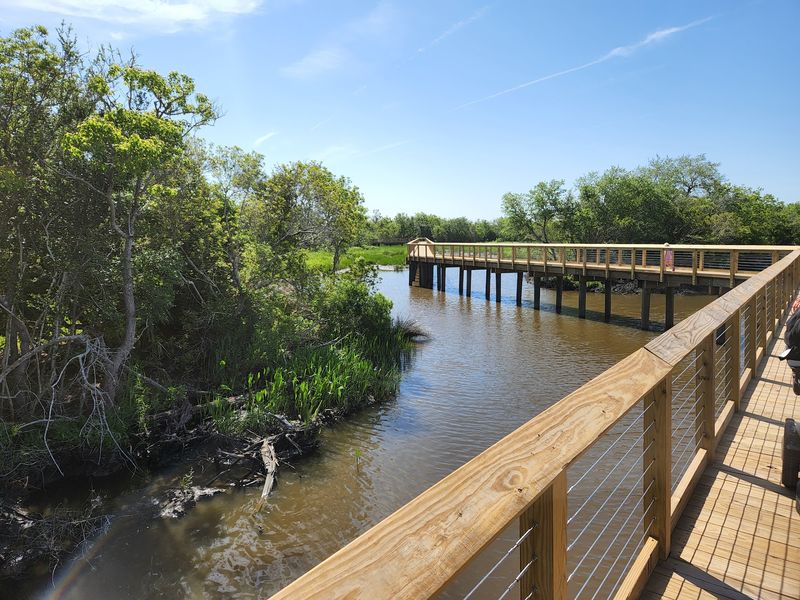
Cypremort Point feels like Louisiana making its own version of a beach day. The half-mile man-made beach is unusual for this stretch of coast, and the setting mixes sandy shoreline with marsh views in a way that never lets you forget where you are.
The name comes from French words meaning dead cypress, a small clue to the area’s layered natural history. What stands out most on foot, though, is the boardwalk, where marsh birds, nutria, deer, and even alligators can turn an ordinary stroll into a steady series of pauses and pointed fingers.
Fishing facilities here are especially practical, with lighting, rod holders, and a fish-cleaning station. Families who want amenities without losing contact with wildlife usually settle in easily, and early morning is my favorite time to hear the park wake up.
4. Jimmie Davis State Park
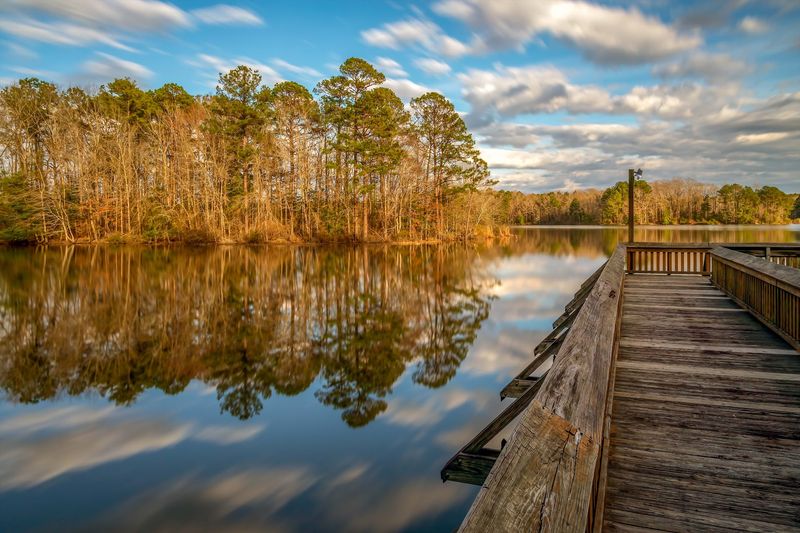
Pines, open water, and a sandy swimming area give Jimmie Davis State Park a very different rhythm from the Gulf beaches farther south. The park sits on a peninsula along Caney Lake, so water seems to follow you from one view to the next.
There is a bit of state history here too. The park was renamed in honor of Governor Jimmie H.
Davis, remembered by many for writing Louisiana’s state song, and that backstory gives the place a gentle, old-fashioned note that suits its easy pace.
Fishing and boating are major draws, especially on a lake famous for largemouth bass, but birders should not rush past the woods. Mixed pine and hardwood habitat supports plenty of species, and the beach itself offers a calm base for a simple, low-noise North Louisiana getaway.
3. Lake Bruin State Park
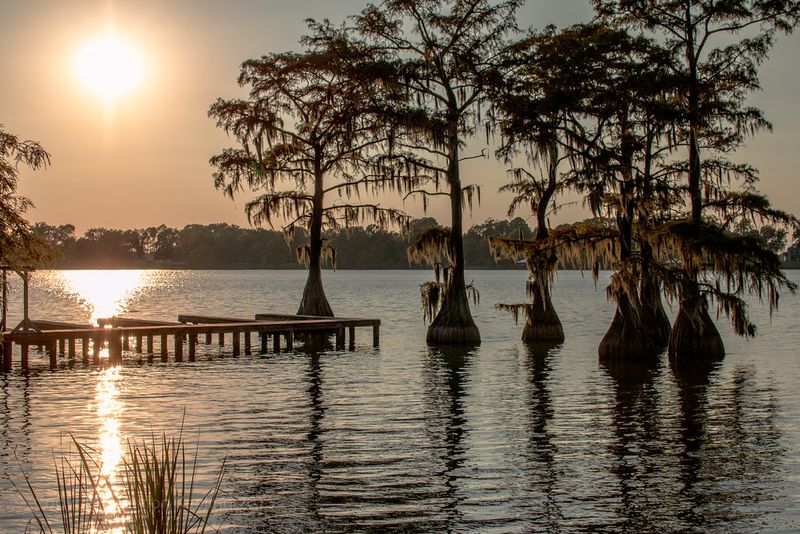
Cypress trees frame the water at Lake Bruin State Park, 201 State Park Road, St. Joseph, LA 71366, giving this compact northeastern Louisiana park a completely different personality from the exposed Gulf beaches farther south. The 53-acre park sits beside more than 3,000 acres of lake and includes swimming, paddling, fishing, camping, and designated wildlife viewing.
There is enough open water here to make simply sitting beside the shore surprisingly absorbing.
Birders can work the lake edge, wooded portions of the park, piers, and quieter corners rather than depending on one designated observation point. Waterbirds are the obvious targets, but the surrounding vegetation gives woodland species plenty of cover too.
Lake Bruin began as a state fish hatchery in 1928, and fishing still dominates much of its identity. That history also means piers and water access are integrated into the park rather than treated as decorative extras.
The swimming area works well for visitors who want a beach day without a long Gulf Coast drive. Louisiana State Parks currently lists Lake Bruin among its year-round beach swimming areas, with swimming permitted from sunrise to sunset.
Come on a weekday if silence matters most.
2. Lake Claiborne State Park
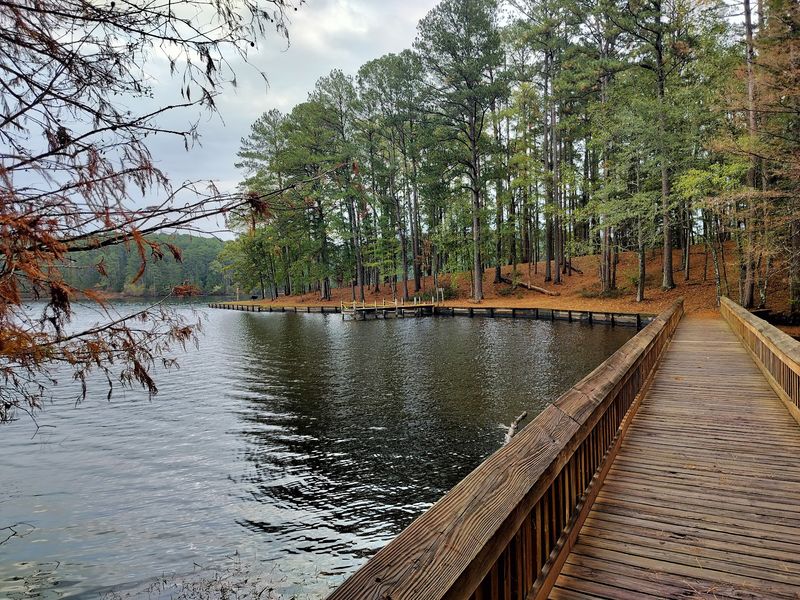
Clear water is not the first thing many people picture in Louisiana, which makes Lake Claiborne State Park quietly surprising. The protected sandy beach on this large man-made lake looks especially inviting on a warm day, with enough room to swim without feeling crowded.
Spring brings one of the park’s best secrets: migrating woodland songbirds moving through from March to May. Waterfowl season has its own appeal from late fall into early spring, and the mix of beach, woods, and open lake creates plenty to watch even on a casual walk.
The park also has two well-regarded disc golf courses, which gives restless travelers something active to do between swims and birding breaks. A naturalist leads programs and hikes at times, so checking the schedule can add extra depth to an already easygoing visit.
1. South Toledo Bend State Park
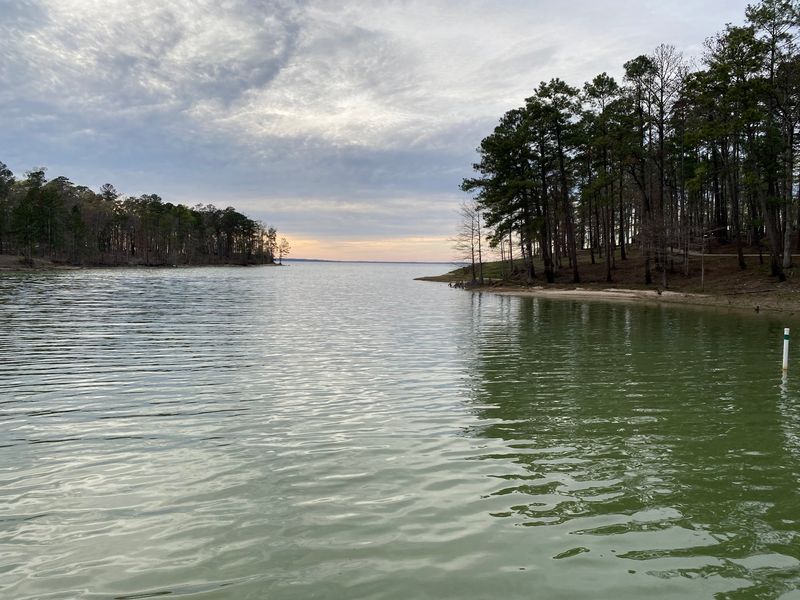
A beach beneath wooded bluffs gives South Toledo Bend State Park, 120 Bald Eagle Road, Anacoco, LA 71403, one of the more dramatic freshwater settings in Louisiana. The park occupies high ground along Toledo Bend Reservoir, creating wide views across the lake before visitors ever reach the swimming area.
The address even hints at the star bird.
Louisiana State Parks identifies the area as a common nesting ground for Bald Eagles, which take advantage of the reservoir’s abundant fish. Birding, hiking, wildlife viewing, and cycling all share the park with the nationally known bass fishery.
An open-air breezeway leads to an observation deck overlooking the reservoir and nearby islands, while a surfaced nature trail makes it easy to leave the beach briefly and search the surrounding pine-hardwood habitat. Longer trails provide more room for walkers willing to trade sandals for proper shoes.
The designated beach swimming area is open year-round from sunrise to sunset, with no lifeguard on duty.
Bring binoculars even if swimming is the original plan.
A Bald Eagle crossing Toledo Bend has a way of immediately becoming the main event.