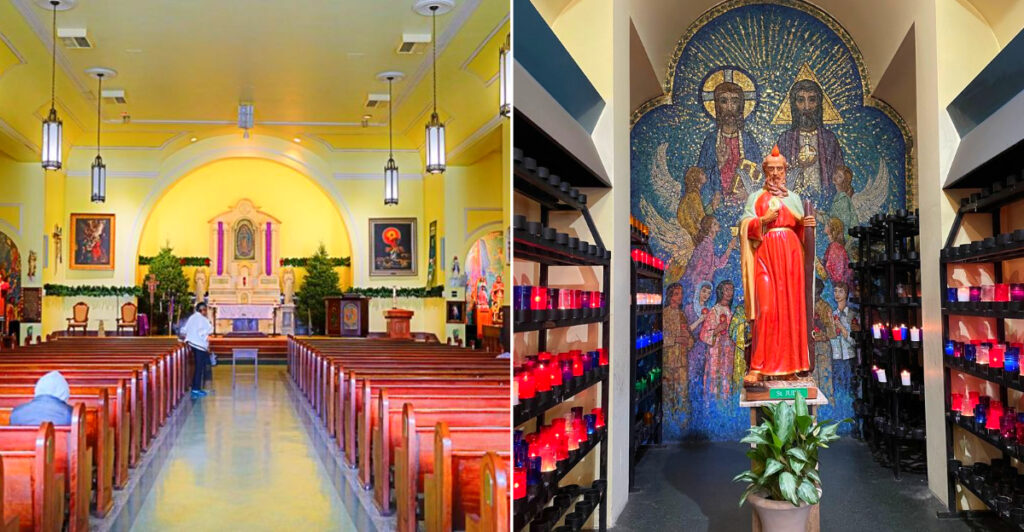
The neighborhood outside is loud. Music spills from every doorway, and tourists crowd the sidewalks in waves.
Then you step through the doors of this small church, and the silence hits you like a wall. The shrine is candlelit, and the walls are covered with crutches. Braces.
Letters. Photographs. Ex-voto offerings from people who came here with nothing left to try. St. Jude is the patron saint of hopeless causes, and this church has been holding that weight since the Great Depression.
I am not particularly religious, but standing in that dim space surrounded by evidence of raw human hope, I felt something I was not expecting.
The crutches stay with you. Each one belonged to someone who walked in and, by their own account, walked out.
In Louisiana, a shrine covered in centuries of desperate hope proves that people never stop believing, and the walls prove it.
Look Carefully At The Crutches
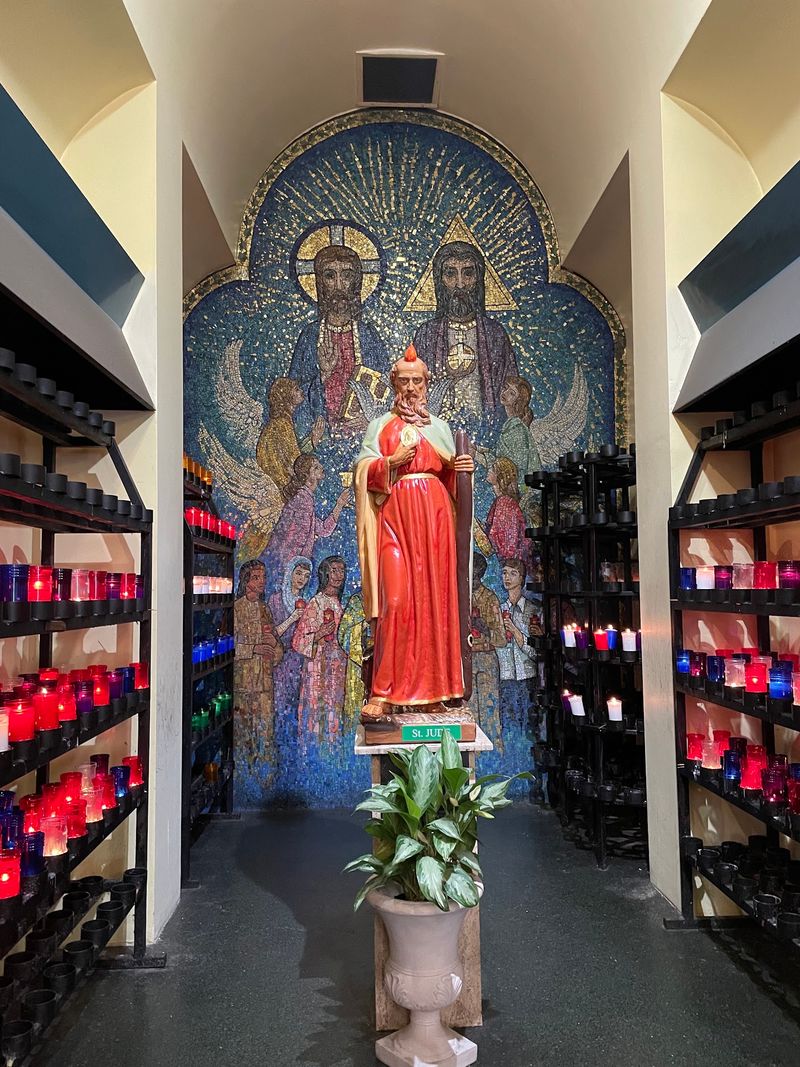
Nothing in the building prepares you for the sight of crutches, braces, and canes left behind as signs of answered prayer. They are startling at first, then deeply moving.
Instead of polished museum labels, you get something plainer and stronger: physical proof that people came here desperate enough to ask for help with their whole lives.
Do not rush past them to take a quick photo and move on. Read them as testimony.
Each object suggests pain, waiting, recovery, and gratitude, which is why the display feels more personal than dramatic.
The best approach is simple respect. Stand back, look carefully, and remember that many visitors arrived here when medicine, money, or courage felt thin.
The crutches tell the shrine’s story better than any brochure because they show faith in a form you can actually see with your own eyes.
The Shrine Waits Where Conti Meets Rampart
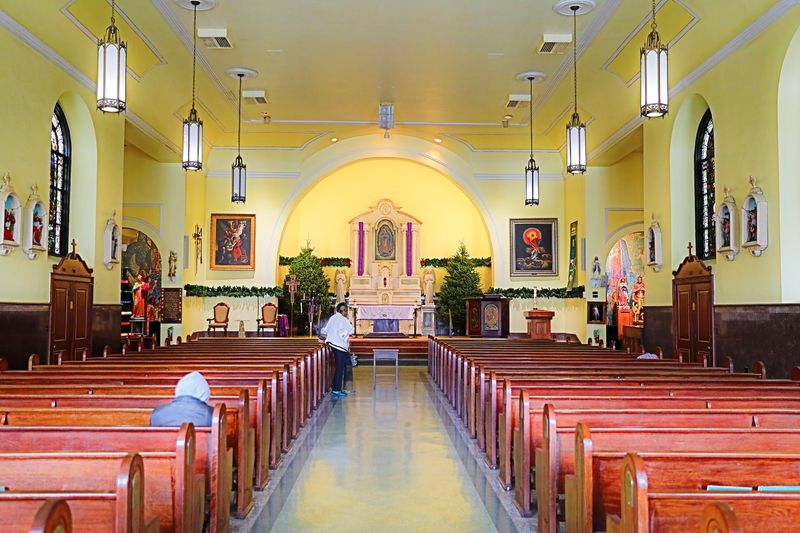
Our Lady of Guadalupe Church & International Shrine of St. Jude sits at 411 N Rampart Street in New Orleans, Louisiana, along the French Quarter’s inland edge. North Rampart Street provides the clearest approach, with the church standing where Rampart meets Conti Street.
Stay on North Rampart as you move past the blocks north of Canal Street, then look for the church at the Conti Street corner. The location is directly on the main corridor, so the final approach does not require threading through the narrower interior streets of the French Quarter.
The church identifies a parking lot at the corner of North Rampart and St. Louis streets, a short walk from the sanctuary. Parking access and rules can change during major New Orleans events, so check posted restrictions before leaving the car, then walk south along Rampart to the church entrance.
Learn The Mortuary Chapel Story
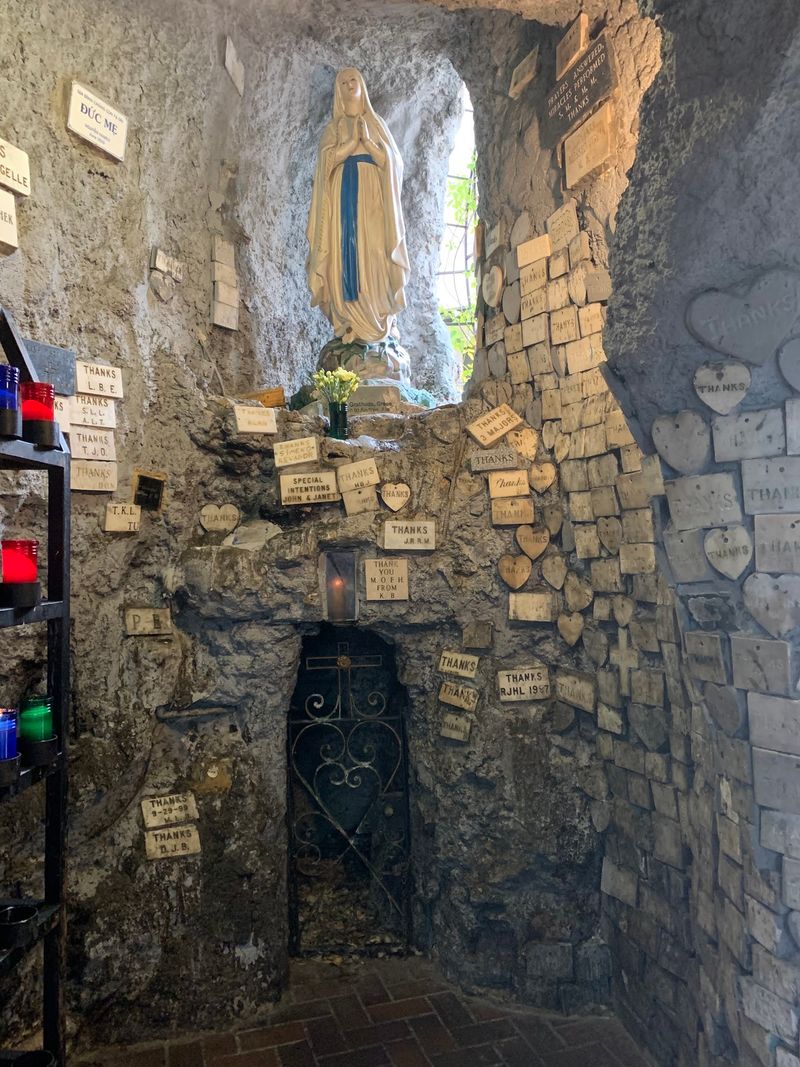
A strange hush hangs over the church once you learn why it was built. The structure began in 1826 as a mortuary chapel tied to yellow fever burials, not as a neighborhood church in the usual sense.
That origin matters because it explains the building’s solemn mood and its place near what were once the city’s burial grounds.
Knowing the backstory changes what you notice. The brick walls feel less decorative and more protective, almost as if they were made to carry grief without collapsing under it.
New Orleans has plenty of dramatic history, but this story feels especially close to the skin.
Before you leave, pause near the entrance and imagine funeral processions arriving here in another century. It is a useful reminder that the shrine’s hope grew out of a place first shaped by loss for many people.
Take In The St. Jude Shrine Slowly
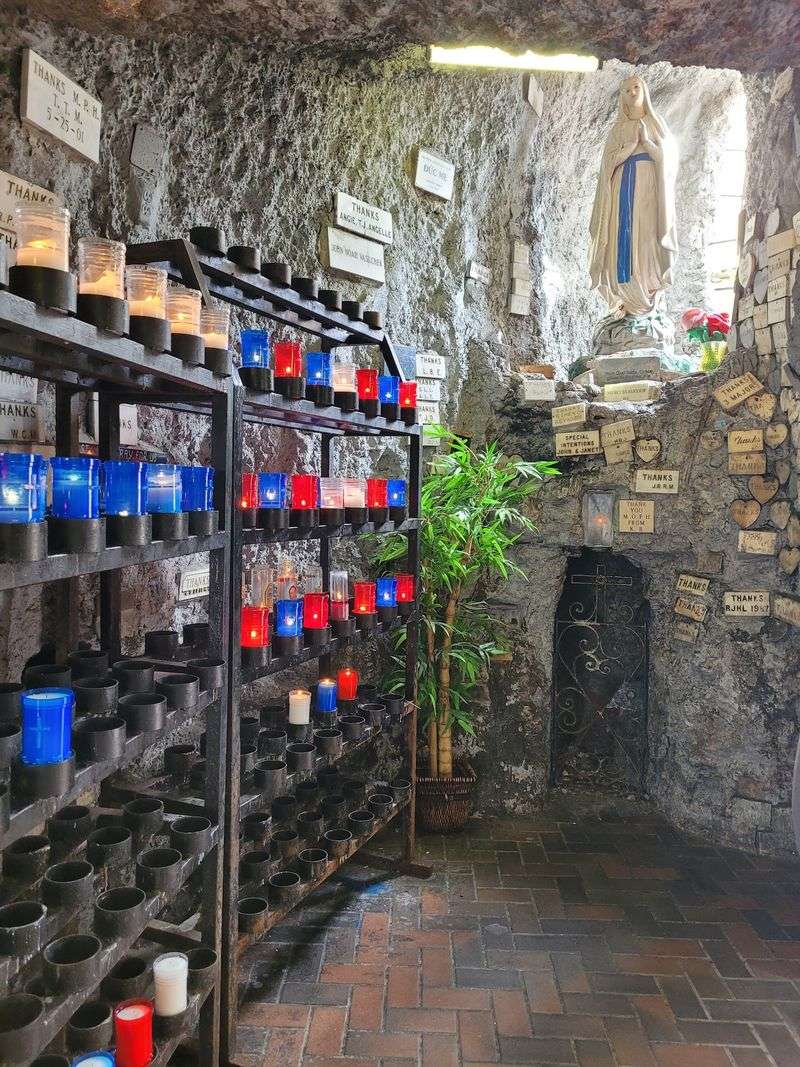
People do not usually come to Saint Jude because life is going smoothly. As patron of desperate causes, he draws visitors carrying worries that feel stuck, expensive, frightening, or painfully private.
The shrine inside the church honors that reality without making a show of it, which is part of why it feels so steady.
Start at a respectful pace instead of circling fast. Look at the statue, the petitions, the candles, and the small signs of trust gathered around them.
Even if you are not Catholic, the honesty of the place is easy to understand.
I would also give yourself a minute to notice other people without staring. Some arrive chatty, some silent, some tearful.
That range is the lesson: the shrine works as a refuge because it makes room for trouble without asking anyone to explain it first there.
Light A Candle With A Clear Intention
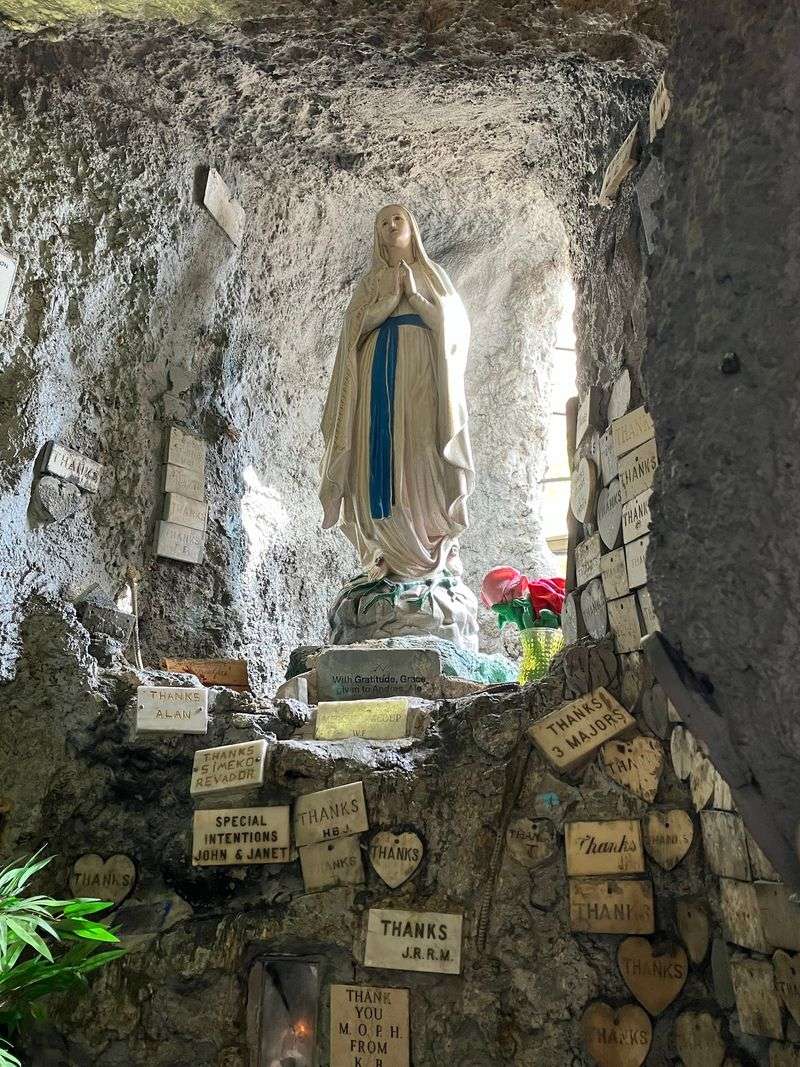
A candle here does more than brighten a corner. It turns a wish, a memory, or a hard problem into an action you can actually complete with your hands.
That small act is part of the shrine’s power, because visitors are not only thinking hopeful thoughts, they are marking them in a visible, old-fashioned way.
If you light one, keep the moment simple. Choose a person, a need, or a thank you and stay with it for a breath or two.
The church shop often has candles and devotional items, so you do not need to arrive prepared.
What stays with me is how ordinary the ritual feels. No big speech, no performance, just flame against old walls and the quiet understanding that plenty of other people have stood in the same spot asking for mercy, healing, or peace there.
Step Into The Marian Grotto
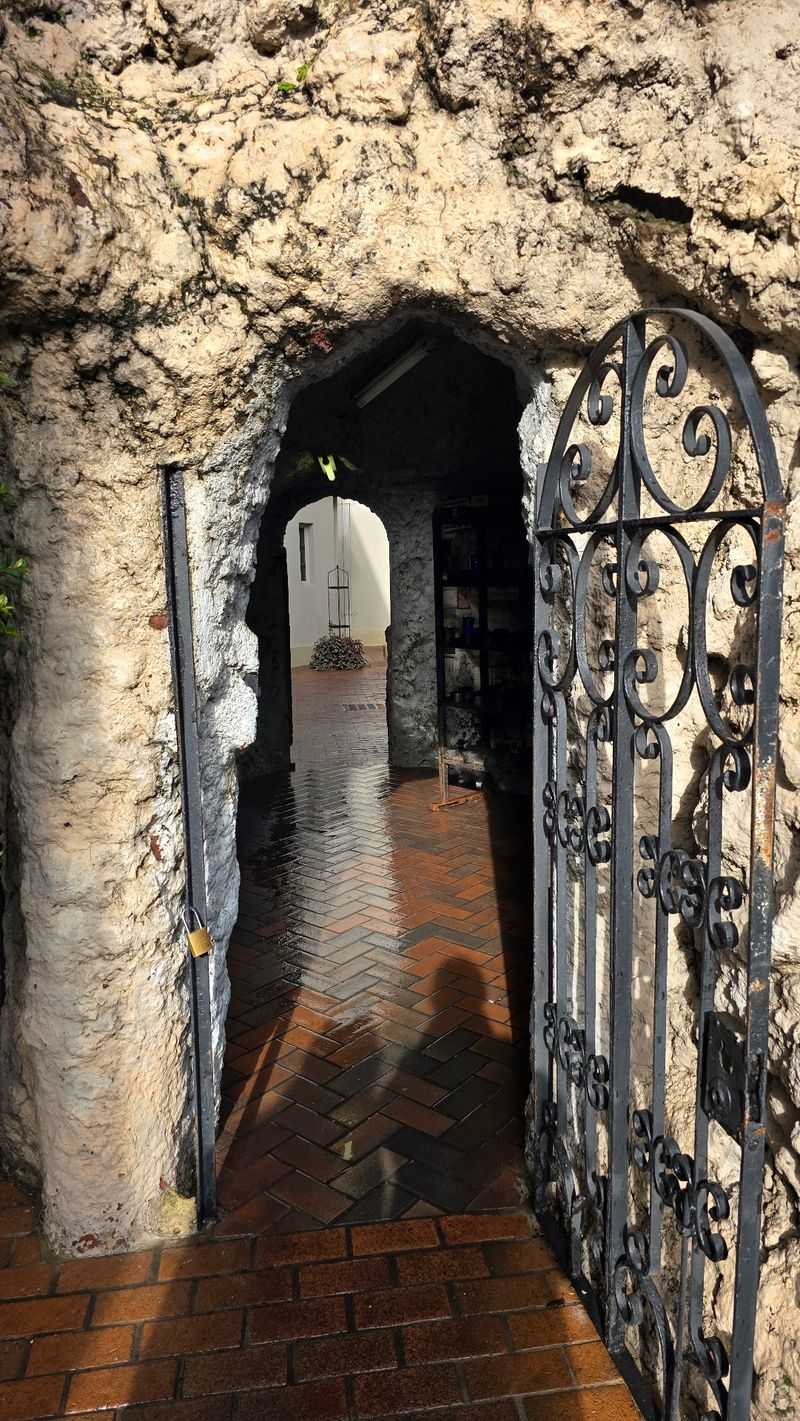
Between the church and rectory, the Marian grotto feels like a hidden pocket in a busy part of town. The space is smaller than some visitors expect, yet that is part of its pull.
Candles glow against stone, prayers gather in layers, and the city noise seems to step back a few feet.
Come here when you need a pause but do not want to leave the grounds. The grotto offers holy water, a place to kneel, and a different kind of stillness than the main sanctuary.
Outdoors, even a brief breeze can make the moment feel freshly awake.
Its history carries weight too, since the chapel grounds were tied to New Orleans’ yellow fever past. Knowing that, the grotto reads less like decoration and more like a quiet answer to a long memory of suffering for the city today.
Hear The Sunday Gospel Jazz Mass
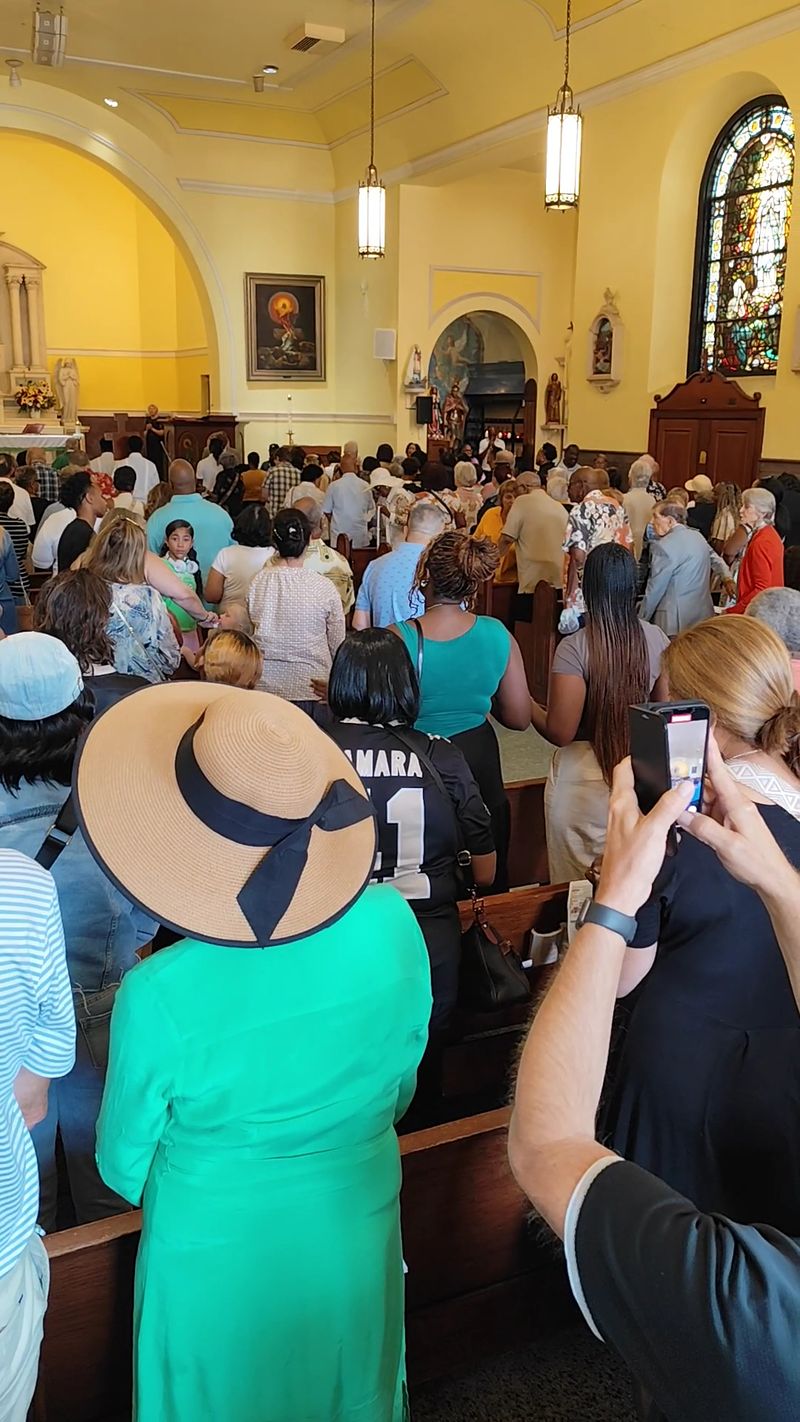
Sunday morning can surprise you here. Instead of feeling stiff or distant, worship often rises with gospel warmth and New Orleans swing, filling the old church with music that suits its acoustics beautifully.
Even if you come mainly for history, the service shows how the building is still used as a living parish, not preserved behind glass.
Arrive early if you want a seat and a few minutes to settle in before the music begins. The energy can be joyful and full, especially at popular Mass times.
That liveliness is part of the character, not a side show.
I liked how the sound bounced off the old interior without losing its human scale. You hear the city in the music, but you also hear devotion, which is a harder thing to fake than recorded charm in a travel brochure ever.
Notice The Thick Brick Strength
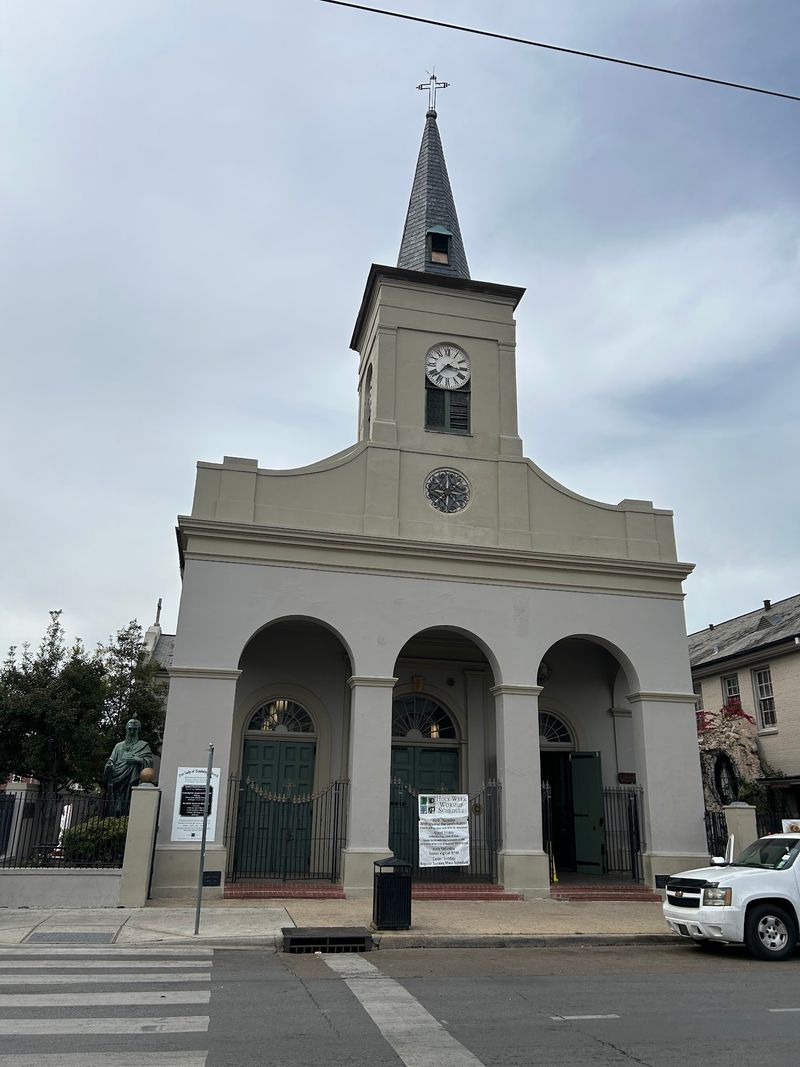
Twenty-inch brick walls are not subtle, and neither is the feeling they create. The church has the stout, grounded look of a building made to last through heat, storms, crowds, and grief.
Its early nineteenth-century construction, with brick walls and a cypress-and-brick foundation, gives the place a muscular kind of beauty that grows on you.
Instead of searching only for pretty details, notice scale and texture. The walls rise high, the roofline is simple, and the proportions feel practical before they feel ornate.
That plain strength fits the chapel’s original purpose.
Stand still for a moment and listen. Old materials shape sound as much as sight, which helps explain why music and prayer both feel intimate here.
Architecture is not background at this shrine. It quietly directs the whole experience from doorway to altar and back again for visitors.
Watch For Blended Local Devotions
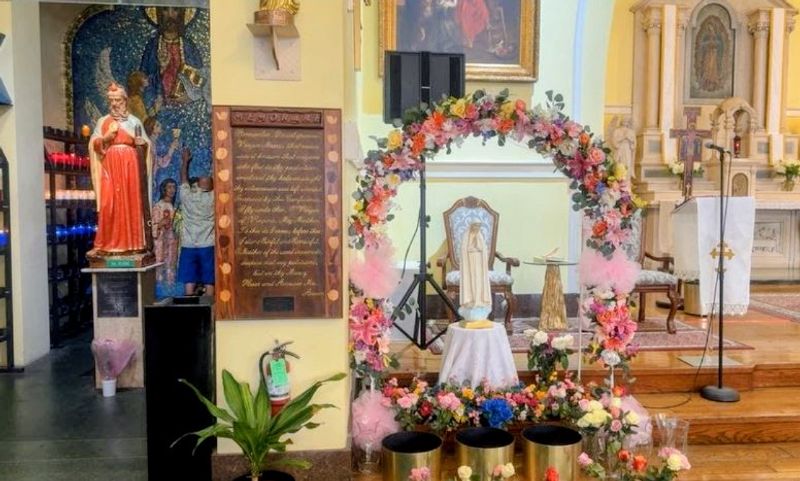
One of the most New Orleans things about the church is how formal devotion and local custom sit side by side without looking nervous about it. Along with Saint Jude, visitors often seek Saint Expedite for urgent needs.
That pairing tells you a lot about the city’s spiritual imagination, which tends to be practical, heartfelt, and unafraid of asking quickly for help.
Pay attention to what people leave behind. Paper prayers, candles, and thankful offerings can say as much as any plaque on the wall.
The church remains Catholic, but its atmosphere also reflects local habits of petition and gratitude.
For visitors, the lesson is not to treat these practices like odd theater. They make more sense if you see them as ordinary tools people use when life becomes messy, sudden, or painfully time-sensitive and they need hope right away.
Treat It Like A Working Parish
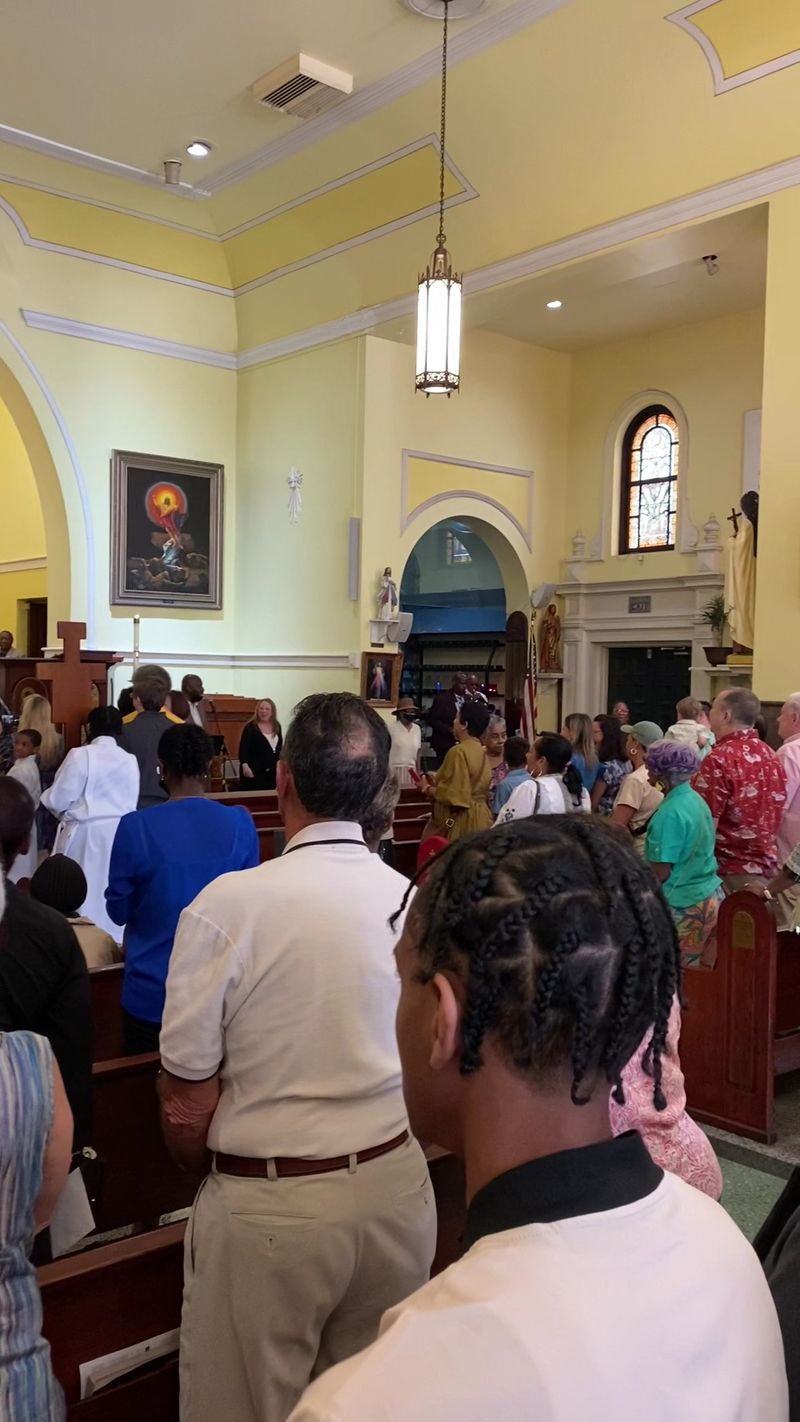
It helps to remember that you are entering a working church, not a themed historic stop. People come here for Mass, funerals, prayer, weddings, candles, and hard conversations with God.
That everyday use keeps the place honest. Nothing feels frozen for tourists, which is exactly why the atmosphere can be so affecting.
Dress simply, speak softly, and let parish life set the tone. If a service is underway, step in with care or wait until it ends before exploring.
The building’s meaning comes from worship as much as age.
What impressed me most was how many different needs fit inside one address. A visitor can admire art and history, while someone two pews away may be carrying grief, fear, or gratitude.
Good manners matter more here than any perfect itinerary especially on busy Sundays near the French Quarter edge today.
Bring A Prayer And Leave Unhurried
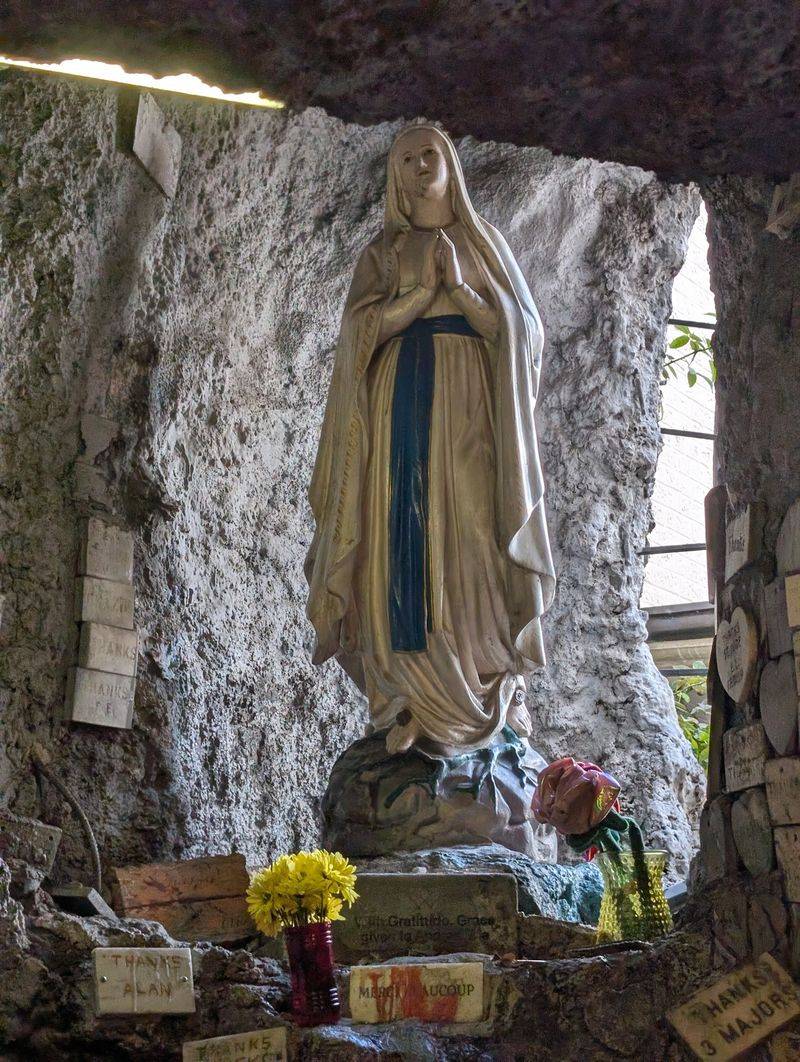
You do not need to arrive with perfect belief to get something real from this place. A name in your pocket, a worry on your mind, or a simple thank you is enough to begin.
The shrine has a way of meeting people where they are, and that may be why so many tokens of gratitude stay behind on its walls.
Try visiting without stacking the stop between too many louder plans. Give the church a little room to work on you.
Read a plaque, sit through a song, light a candle, or stand near the crutches and let the story sink in.
By the time you step back onto Rampart Street, the traffic usually feels a touch less bossy. That is a useful souvenir in New Orleans: not an object, but a steadier heart for a good long while.