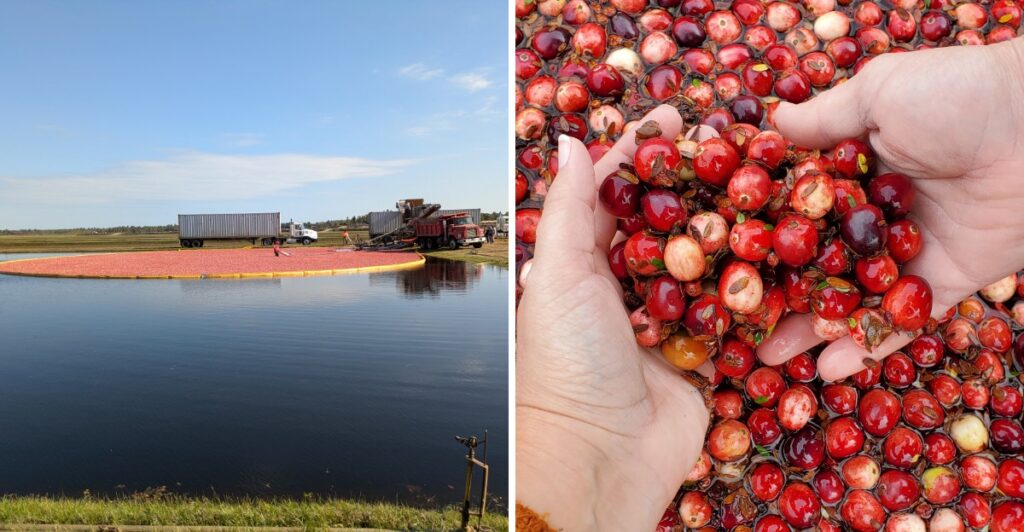
Cranberries don’t actually grow underwater, no matter what those old juice commercials tried to tell us. They grow on low vines in dry, sandy soil, and the floating trick shows up only at harvest time.
One family farm lets you pull on hip boots and wade into a flooded bed of bobbing red berries. My inner kid is doing cartwheels over that one, because it looks straight out of a TV commercial.
Six generations of the same family have worked this soggy little marsh for more than a hundred years now. I tip my hat to that kind of staying power, since I can barely keep a single houseplant alive.
In Wisconsin, this humble side dish gets giant water reels and sorting machines. Now Canned cranberry sauce has a whole lot of explaining to do.
A Century Of Cranberries Is Hiding Behind That Sauce Can
Back in 1903, a cranberry farm took root in the sandy soil of central Wisconsin. That farm is Wetherby Cranberry Company, and it’s still going strong today.
The family started packing fresh cranberries in 1905. That means they’ve been boxing berries longer than most towns have had paved roads.
Early growers shipped wild cranberries by train from Warrens to friends and relatives in Chicago.
Today the work is shared across three generations. Jim and Nodji VanWychen lead the way, joined by their son Henry. Son-in-law Mike Gnewikow and grandson Kade Gnewikow round out the crew.
Nodji earned the Master Agriculturist Award in 2014. That’s a big honor in farming circles, and it tells you this family takes its craft seriously.
The marsh covers roughly 200 acres of cranberry vines. That’s a lot of tart fruit waiting for its big holiday debut.
What makes this place special is the family’s love of teaching. They host international visitors, school groups, travel groups, and regular families throughout the year.
So when you visit, you’re not just seeing a farm. You’re getting a lesson from people who have lived and breathed cranberries for over a hundred years. That kind of know-how doesn’t come from a textbook.
Your Cranberry Myths Are About To Get Busted
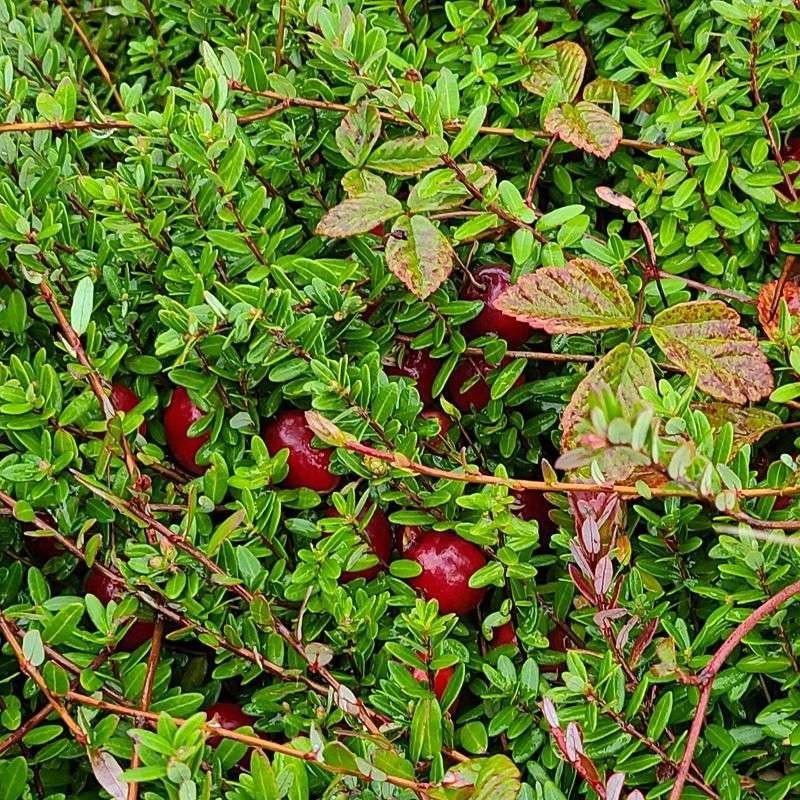
Surprise! Cranberries spend most of their lives on dry land. They grow on low, creeping vines planted in sandy soil.
So why do we always see them floating? Water is a helper here, not a home. Farmers use it for irrigation, frost protection, harvesting, and even winter care.
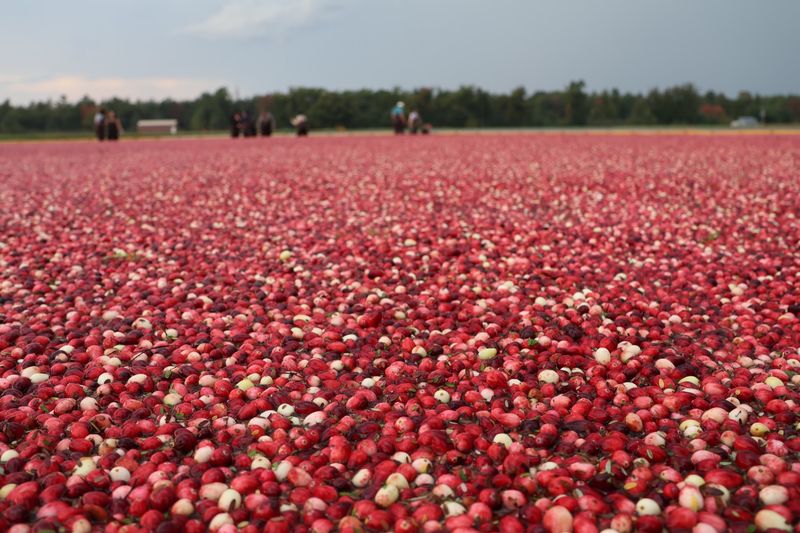
During wet harvest, water reels loosen berries from vines, and air pockets inside the fruit help them float.
In spring and fall, cold nights can harm tender buds and berries. Growers spray water to protect the plants from frost. It sounds backward, but it works.
Winter brings another clever trick. The beds get flooded and allowed to freeze, creating an icy blanket over the vines. Think of it as a cranberry sleeping bag.
Wetherby Cranberry Company pulls its water from the East Fork of the Lemonweir River. After use, the water flows through wetlands that filter it. It returns to nature cleaner than before.
That’s a pretty thoughtful system for a fruit most people only think about once a year. Sustainability matters a lot to this family.
Next time someone at dinner says cranberries grow in ponds, you’ll have a fun fact ready. Just try not to sound too smug while passing the sauce.
Mark the First Weekend in October Like It’s A Holiday
Every year, the first weekend of October turns this marsh into a red-carpet event. Well, a red-berry event. It’s called Cranberry Harvest Days.
For 2026, the dates are October 3 and 4. Saturday is the big one, with live harvesting from 9 AM to noon.
Sunday runs from 10 AM to 2 PM. There’s no live harvest that day, but the hip boot experience and farm store are open.
The farm store also carries dried cranberries, honey, and cookbooks for visitors looking beyond fresh fruit.
Plan your trip around what you want most. If seeing machines work the flooded beds is your dream, Saturday morning is your window. Early birds win this one.
Reservations aren’t required, which makes things easy. Just show up ready for a fall day outside.
One practical tip matters here. The farm appreciates cash or check payments, so consider bringing either when visiting Warrens.
Kids five and under get in free. Older kids and adults pay a modest admission, which feels fair for a hands-on farm day.
Dress for Wisconsin weather in October. Layers are smart, since mornings can be crisp before the sun warms up the marsh.
Pull On Those Hip Boots And Wade Into A Sea Of Red
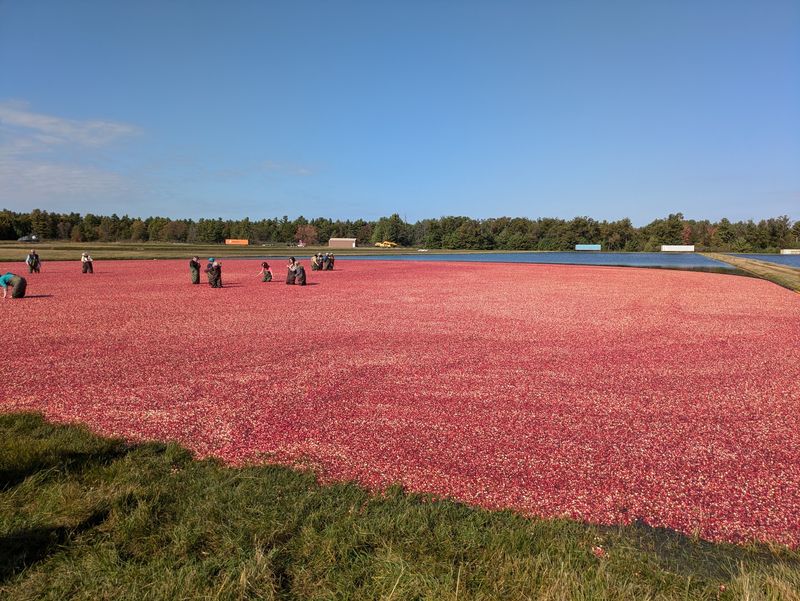
Ever wanted to star in a cranberry juice commercial? Here’s your shot, and nobody even needs to yell action.
During Harvest Days, visitors can slip into waders and step right into a flooded cranberry bed. You’ll stand surrounded by thousands of floating red berries.
The farm compares it to those famous Ocean Spray ads. Honestly, that’s exactly the picture that pops into everyone’s head.
Bring your phone or camera for this part. The bright red against blue water makes for photos your friends will definitely ask about.
A quick heads-up for families with little ones. Hip boots aren’t available for children five and under, so plan the day with that in mind.
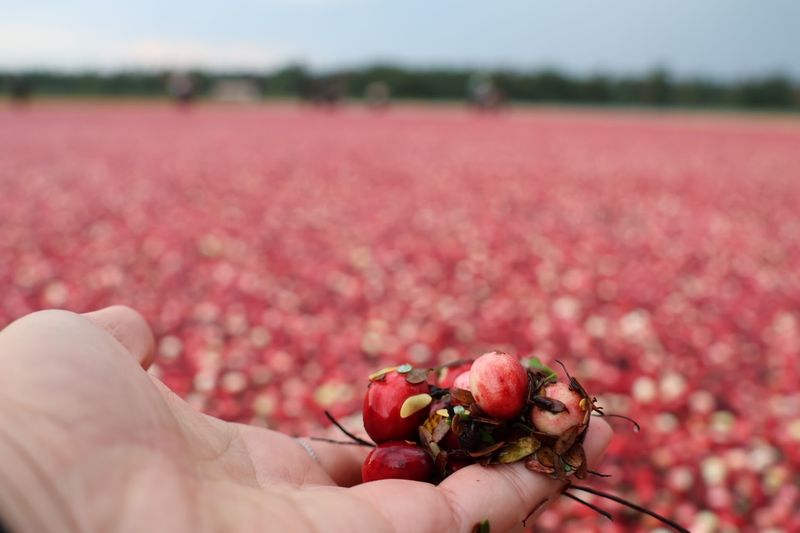
Older kids, though, will probably beg to go twice. Tossing handfuls of cranberries into the air is weirdly satisfying.
The berries float because of tiny air pockets inside them. That’s the same science that makes wet harvesting possible.
So while you’re grinning for the camera, you’re also learning something. That’s sneaky education at its finest. Teachers everywhere would approve of this field trip upgrade.
Fresh Berries Get The Gentle, Hand-Picked Treatment
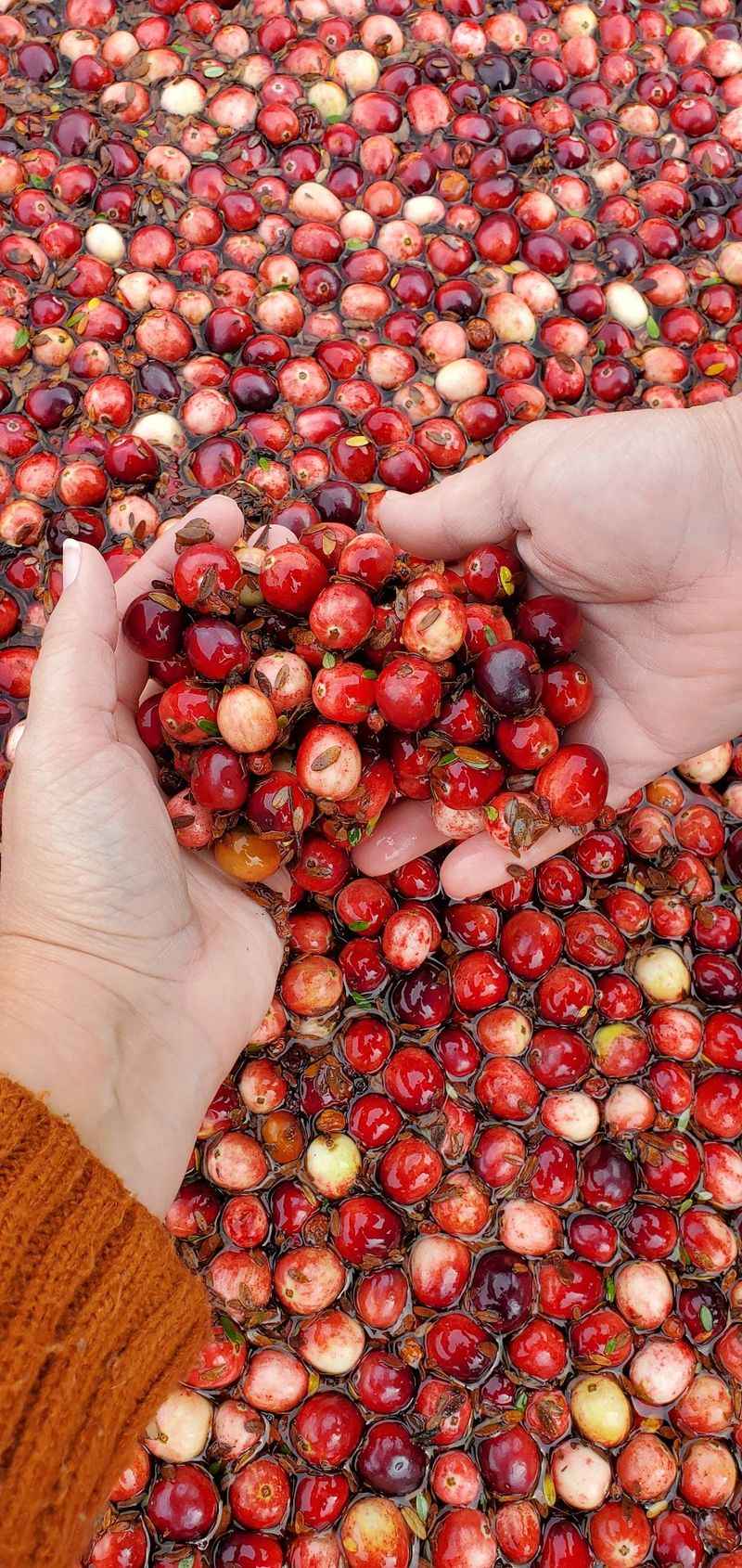
Not every cranberry takes a swim. The ones headed for your kitchen as fresh fruit get dry harvested instead.
Special walk-behind machines comb the berries right off the vines. The fruit drops into burlap bags, staying dry and firm.
Here’s what sets this farm apart. Wetherby Cranberry Company grows, harvests, sorts, and packages its own fresh fruit.
Fresh cranberries are sorted by hand to check quality. The goal is large, firm, red berries with fewer bruises.
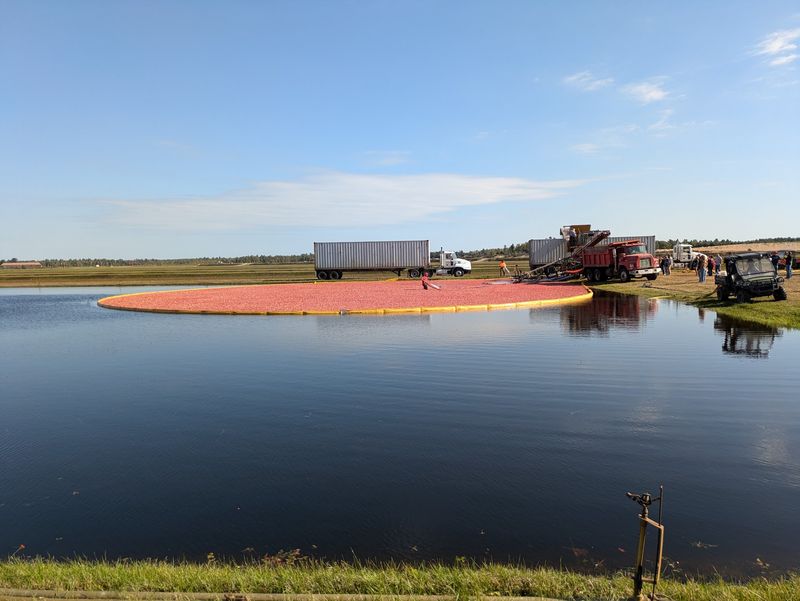
After wet harvesting, berries head to a gravity sorter for sizing. Then they’re sorted again and packaged for stores and direct sales.
That careful attention matters when you’re making homemade sauce. Firm berries pop nicely in the pot and hold up well in baking.
It’s a lot of hands on a tiny fruit. But that’s how a family keeps its reputation going for over a century.
If you’ve only ever bought cranberries in a plastic bag, this part might change how you shop. You’ll start squeezing berries like a pro inspector.
A Private Tour Puts You Right Inside The Bed
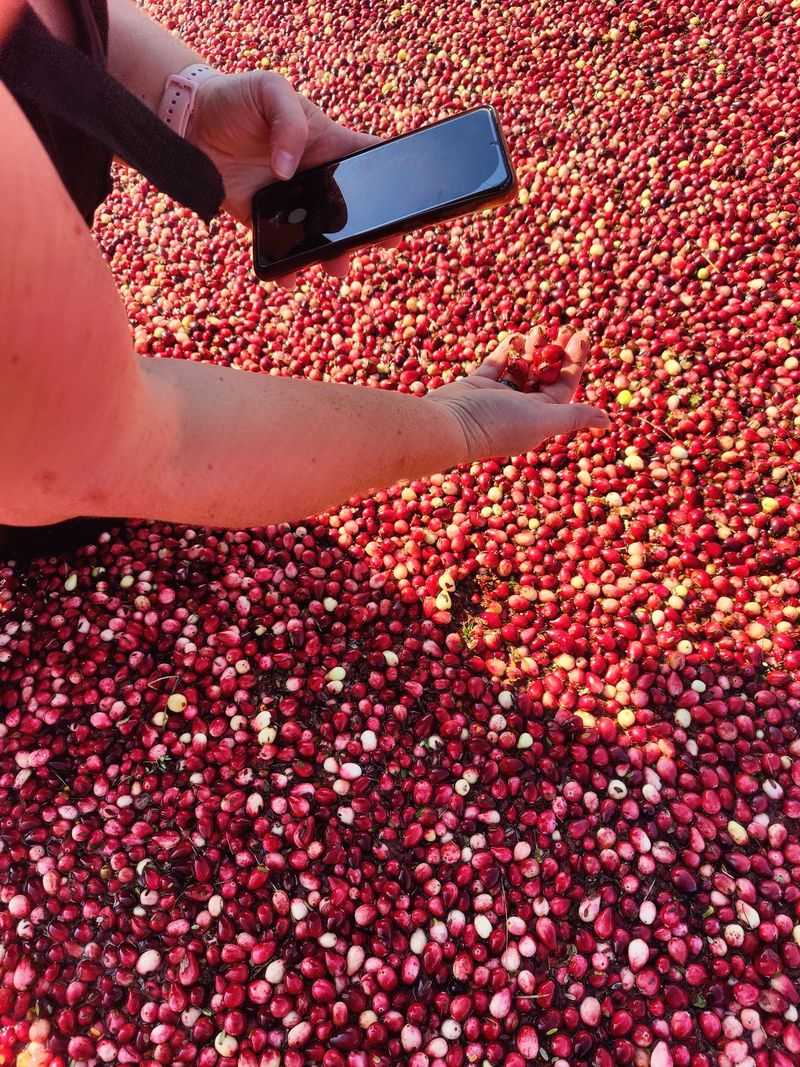
Crowds not your thing? The farm offers Personalized VIP Cranberry Tours that feel much more relaxed.
These tours run by reservation from late September through the end of October. They’re available Monday through Friday, between 9 AM and 4 PM.
Each tour lasts about an hour to an hour and a half. A third-generation grower leads the way, so your guide truly knows this marsh.
Groups of up to five people can join. That small size means plenty of room for questions, even the silly ones.
The best part might be stepping into a dry cranberry bed. You’ll walk among the vines and watch real farm work happening around you.
Since it’s harvest season, there’s always something going on. No two visits are exactly alike.
The tour has a flat fee for the group. Split among a few friends or family members, it’s a fun way to spend a weekday.
This option works great for curious grandparents, homeschool families, or anyone who loves farm stories. Book early, because fall weekdays fill up fast.
Warrens Is the Cranberry Capital You Didn’t Know You Needed
Wisconsin grows about 60 percent of the United States’ cranberries. No wonder the cranberry is the official state fruit.
You’ll find this farm at 3365 Auger Road, Warrens, WI 54666. It sits in Monroe County, right in the heart of cranberry country.
Warrens hosts its Annual Cranberry Festival, which started in 1973. Wetherby Cranberry Company has taken part since the very first one.
The family also sells its fresh cranberries at Madison’s Dane County farmers market on Saturdays during the busy autumn harvest season.
Fall isn’t the only time to visit. The farm holds Cranberry Blossom Day on the last Saturday of June.
That’s when the vines show off their delicate pink blossoms. It’s a totally different look from the bold red harvest.
Visiting in both seasons gives you the full story of the berry. You’ll see the flower first, then the fruit it becomes.
Wisconsin road trips don’t get much more seasonal than this. Pack snacks, a camera, and maybe some spare socks.
By the time you sit down for Thanksgiving, that bowl of cranberry sauce will mean more. You’ll know the marsh, the family, and the splashy journey behind every tart bite.