Washington food comes with a pronunciation test, and visitors do not always pass.
The state is packed with local foods whose names can make newcomers hesitate before ordering. Locals barely think twice, but one unfamiliar clam, onion, or regional specialty can turn a grocery-counter conversation into a guessing game.
The funny part is that learning the names gives you more than bragging rights. Many are tied directly to the place and food traditions that shaped Washington.
I would rather learn the pronunciation before confidently inventing my own in public. So consider this your cheat sheet for sounding a little more local before the next bite.
1. Geoduck
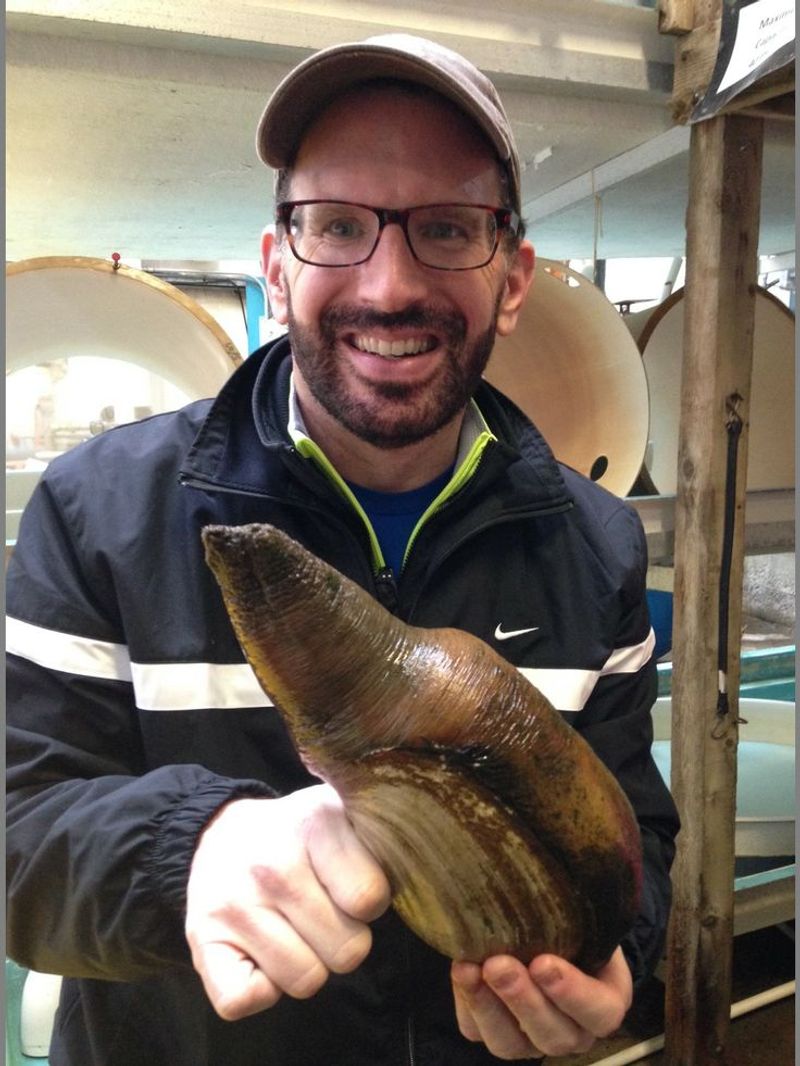
Say it with me: GOO-ee-duck, not gee-oh-duck. This name fools nearly everyone who sees it written on a menu.
Washington’s giant burrowing clam looks wild, with a long neck poking out of its shell. It buries itself deep in the sandy tidal flats along Puget Sound.
These clams can live for well over a hundred years, quietly filtering water beneath the mud. That makes them some of the oldest creatures many diners will ever eat.
Locals treasure geoduck for its crisp texture and sweet, briny flavor. Chefs slice it thin for chowder, stir-fries, or fresh raw preparations.
Digging one up takes real effort, since they hide surprisingly far below the surface. Harvesters use tubes and buckets to reach these hidden giants.
Visitors often laugh at the odd appearance before their first bite. Then they understand why Washington folks are so proud of this strange treasure.
If you want to blend in on the coast, drop the spelling from your mind. Just remember the sound gooey, and you will nail it.
Order it confidently, and watch the server nod with quiet respect. That single word marks you as someone who did their homework.
2. Dungeness Crab
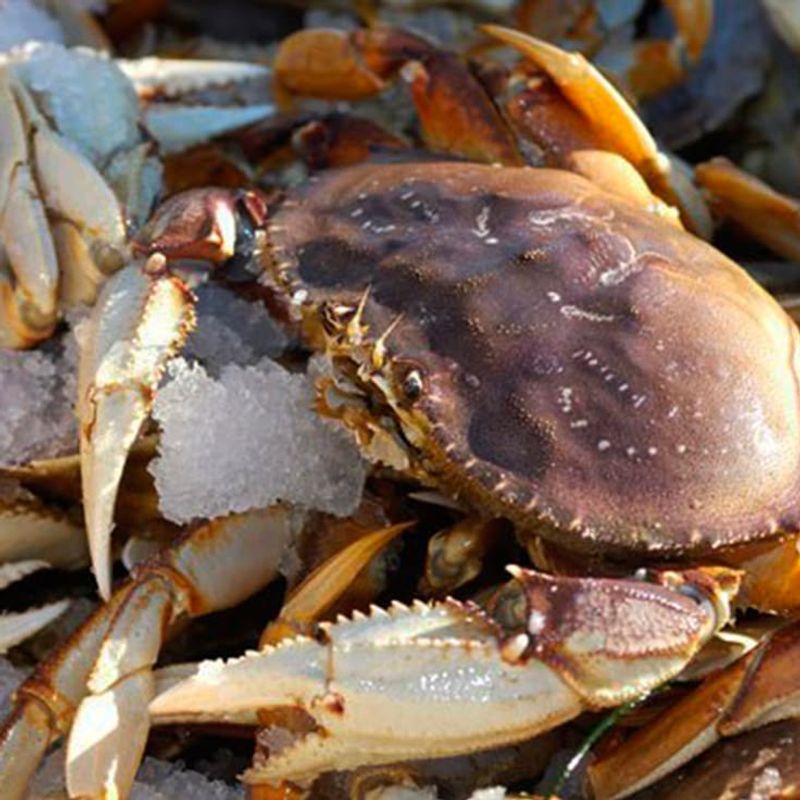
Crack open a fresh Dungeness crab and you taste the whole Pacific Northwest in one bite. Just be sure you say DUN-juh-ness, not dun-jen-ess.
The name comes from Dungeness, a spot on the Olympic Peninsula where these crabs thrive. That little detail trips up plenty of hungry travelers.
Sweet, tender, and slightly nutty, this crab meat needs almost no dressing up. A squeeze of lemon and a bit of melted butter do the trick.
Washington families gather around big tables to crack shells together during crab season. The tradition feels warm and messy in the best possible way.
Fishermen catch these crabs in cold coastal waters, prized for their generous portions of meat. Each one delivers plenty for a satisfying meal.
Restaurants along the coast serve them steamed, chilled, or piled into rolls. The flavor speaks loudly without any fancy help.
Getting the name right earns you instant credit at any seafood shack. Mispronounce it, and locals politely correct you with a grin.
Next time you spot it on a menu, order like a pro. Your taste buds and your reputation will both thank you.
3. Puyallup Fair Scones (pew-AL-up)
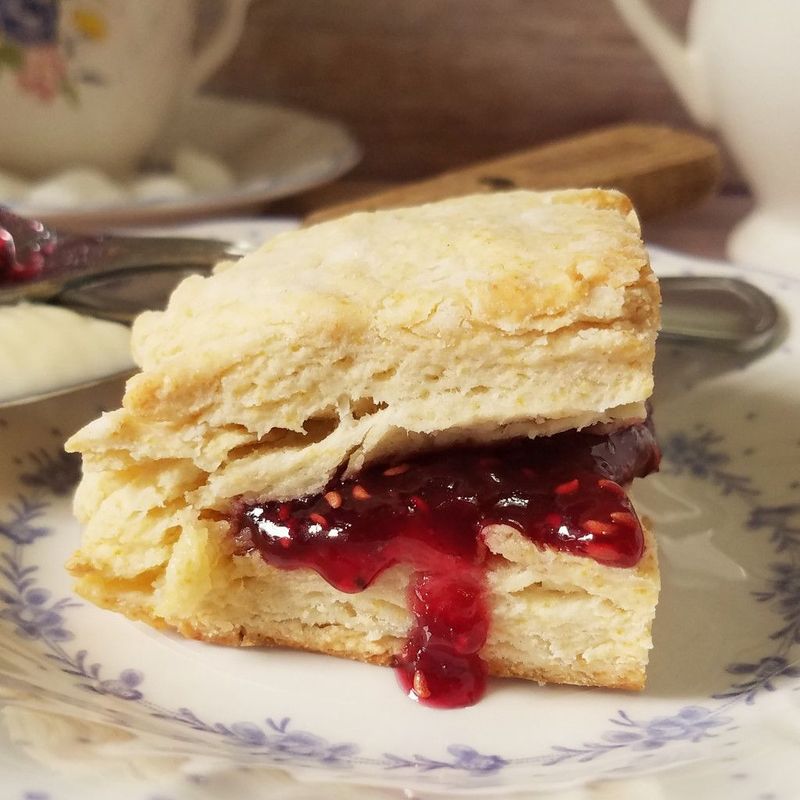
Nothing says Washington State Fair like a warm scone dripping with raspberry jam. First, though, you must master the word pew-AL-up.
Outsiders often stretch it into poo-yal-up or worse, drawing amused looks from booth workers. Locals say it smoothly, like they were born saying it.
These famous Fisher scones have been a fair tradition for generations. Families line up every year just to grab a fresh batch.
Each scone arrives warm, split open, and stuffed with cool butter and sweet jam. The mix of soft and gooey makes people close their eyes and sigh.
Volunteers scoop the jam quickly, keeping the line moving through hungry crowds. The smell alone pulls people across the fairgrounds.
Kids clutch these treats with sticky fingers and enormous grins. Grown-ups quietly buy a second one for the road.
The recipe stays simple, and that is exactly the point. Comfort food does not need to be complicated.
So practice the name before you visit, and order with confidence. A perfectly pronounced request feels almost as satisfying as the scone itself.
4. Walla Walla Sweet Onions
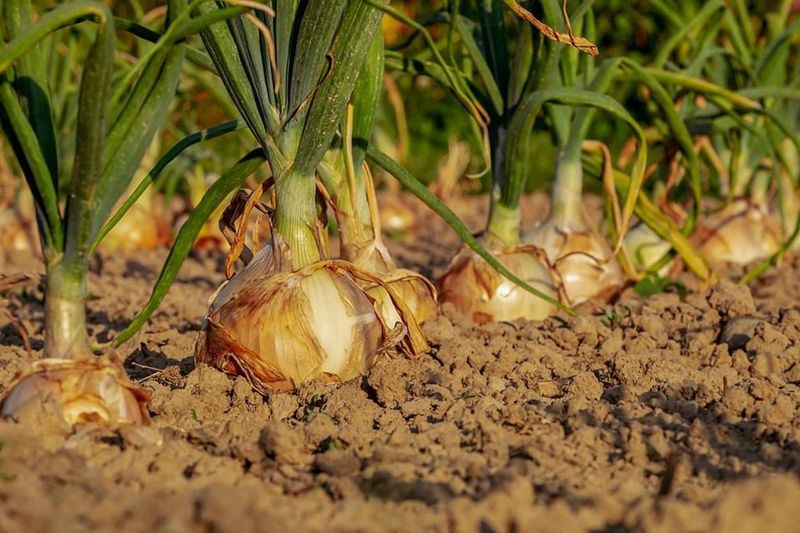
Two identical words, one super sweet onion, and endless fun to say out loud. It goes WAH-luh WAH-luh, rolling off the tongue like a song.
This gem holds the title of Washington’s official state vegetable. That honor tells you how much locals adore it.
Unlike sharp everyday onions, these are so mild you could almost eat them like an apple. Their gentle sweetness surprises first timers every time.
Cooks slice them raw onto sandwiches or grill them until soft and caramel colored. Either way, they add flavor without the harsh bite.
The famous name comes from the Walla Walla area in the southeast corner of the state. Rich soil and careful farming give them their special taste.
Farmers harvest them in early summer, and shoppers snap them up fast. Once you try one, ordinary onions feel a little sad by comparison.
Saying the name twice feels playful, almost like a happy chant. That doubling is exactly what confuses newcomers at first.
Practice it a few times before your trip to onion country. You will sound cheerful and local all at once.
5. Rainier Cherries
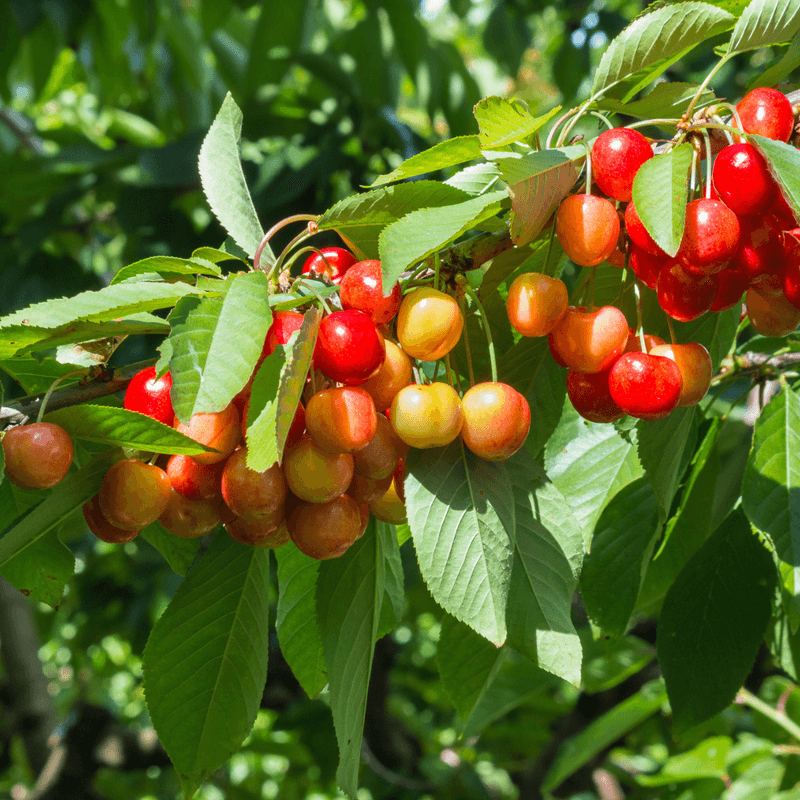
Golden with a rosy blush, Rainier cherries look almost too pretty to eat. Say them right as ray-NEER, and skip the rain-ee-er trap.
Washington scientists developed this variety and named it after towering Mount Rainier. That mountain connection makes the cherry feel extra special.
These beauties taste honey sweet with a delicate, almost creamy flavor. Many people call them the finest cherries they have ever tried.
Their thin skin bruises easily, so pickers handle them with careful hands. That gentle care is one reason they cost a bit more.
Summer is their short, glorious season, and fans wait all year for it. When they appear at markets, they vanish quickly.
Snacking on them fresh is the classic way to enjoy their sweetness. No pie or topping can improve on nature’s work here.
The soft yellow color makes them stand out among ordinary red cherries. Kids often reach for them first because they look like little jewels.
Order a bag, pronounce the name smoothly, and enjoy the reward. Few summer treats capture Washington quite this perfectly.
6. Chelan Cherries
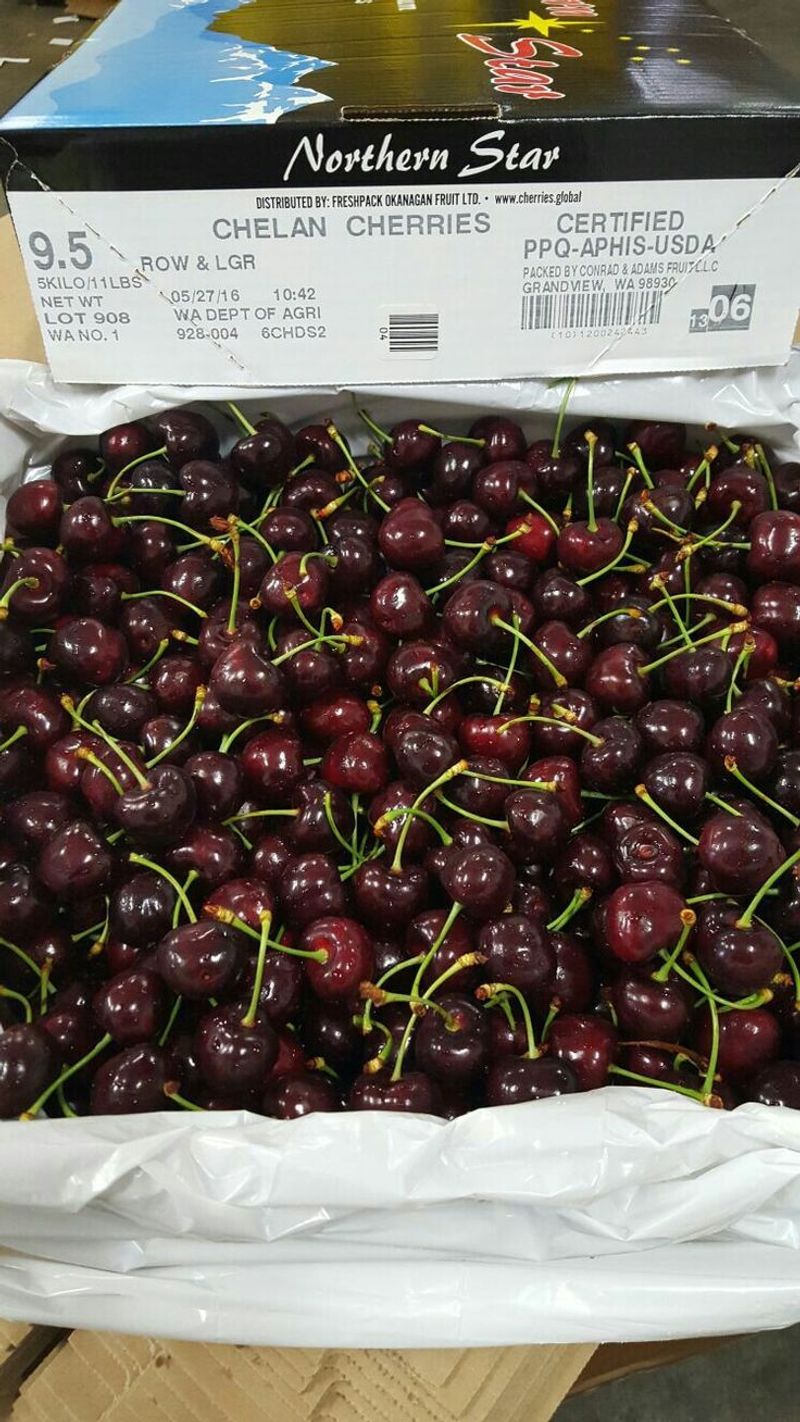
Beat the crowd to cherry season with the early ripening Chelan variety. First, lock in the sound shuh-LAN, not chee-lan or chay-lan.
This sweet cherry was developed right in Washington, and its name honors the Chelan area. That lakeside region shapes so much of the state’s fruit fame.
Because it ripens early, this cherry kicks off the whole cherry season. Eager fans celebrate its arrival like a summer holiday.
Firm and deeply flavored, it holds up well and travels nicely. That toughness makes it a favorite for shipping and snacking alike.
The dark, glossy fruit looks rich and inviting straight off the branch. One bite delivers a burst of classic cherry sweetness.
Orchardists prize it for producing a strong early crop each year. Getting fresh cherries sooner keeps everyone happy.
Visitors often confuse the pronunciation with the mountain-loving Rainier. Keep the two straight, and you will impress the farm stand crew.
Say shuh-LAN with a relaxed second syllable and you are golden. Then grab a handful and taste why Washington cherries earn their reputation.
7. Wenatchee Valley Apples
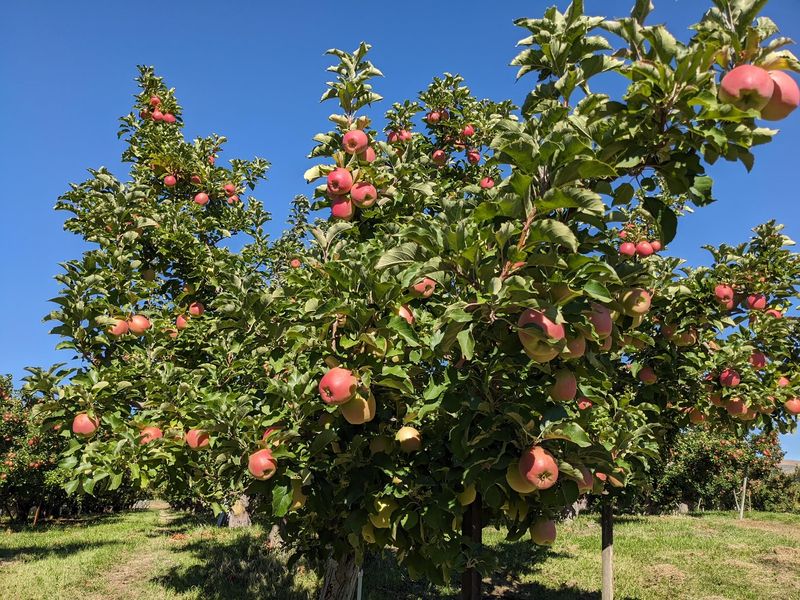
Welcome to the apple capital of the world, where crisp fruit rules everything. Just remember to say weh-NATCH-ee before you brag about it.
Wenatchee sits at the heart of Washington apple country, surrounded by endless orchards. That location makes it central to the state’s huge apple industry.
The valley grows apples in staggering amounts, feeding shoppers all over the globe. Rows of trees stretch across the hills like a green ocean.
Cool nights and warm days give these apples their perfect crunch and balance. That mix of sweet and tart keeps people coming back.
Local families have worked these orchards for generations, passing down their skills. Apple growing here is more than a job, it is a way of life.
Fall brings harvest festivals, fresh cider stands, and baskets brimming with fruit. The whole valley smells sweet during picking season.
The name looks scary written down, with all those bunched-up letters. Break it into three easy beats and it clicks right away.
Nail the pronunciation, then bite into a fresh Wenatchee apple. That crisp snap tastes like pure Washington pride.
8. Yakima Valley Apples
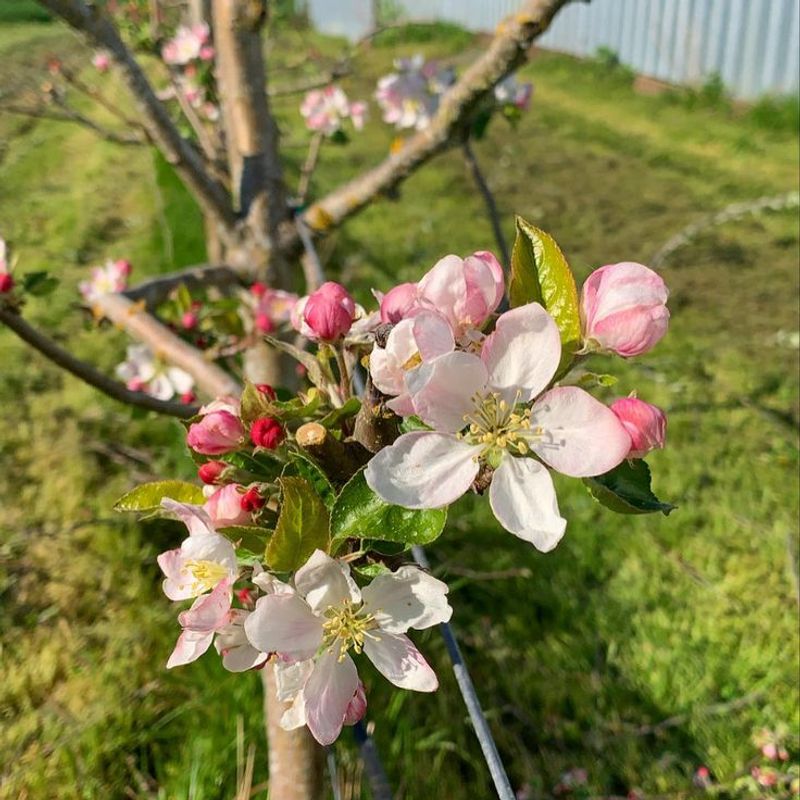
Another apple powerhouse, another name that leaves visitors stumbling. Lock in YAK-ih-mah and you will sound like a seasoned grower.
The Yakima Valley ranks as Washington’s largest apple-growing region. That title means a lot in a state famous for its fruit.
Mile after mile of orchards blanket this sunny valley in the south-central part of the state. The scale is honestly hard to picture until you see it.
Warm summer sun and rich soil combine to grow especially flavorful apples. Growers here take serious pride in their harvest quality.
Many popular apple varieties fill these orchards, offering something for every taste. Sweet, tart, crunchy, or soft, the valley has it covered.
Trucks and trains carry Yakima apples to markets far beyond Washington. Chances are you have eaten one without even knowing it.
People sometimes squish the name into yah-kee-mah or add extra sounds. Keeping it to three crisp beats fixes that quickly.
With the pronunciation handled, you can chat apples like an insider. Grab a fresh one from the valley and savor that homegrown flavor.
9. Skagit Valley Strawberries
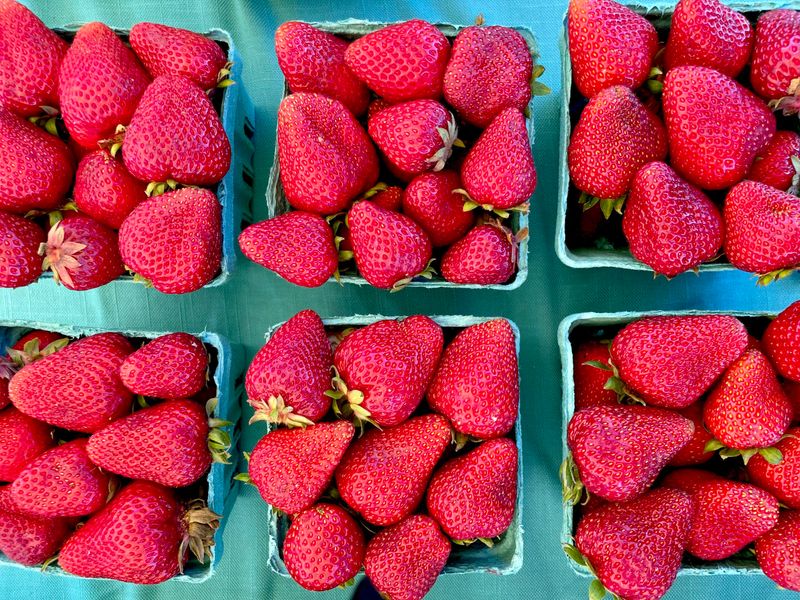
Bright red, juicy, and bursting with flavor, Skagit strawberries steal the show each spring. But first, say it right: SKA-jit, not ska-gitt.
Skagit County holds a long and proud strawberry-growing tradition. Farmers here have raised prized berry varieties for many years.
The rich valley soil and mild climate help these berries develop deep, sweet flavor. Fans say they taste like sunshine in fruit form.
Unlike some grocery store berries, these are grown for taste above all else. That focus makes every bite worth savoring.
Locals eagerly await berry season, marking it as a true sign of spring. Roadside stands fill with baskets of fresh, ruby-colored fruit.
People fold them into shortcakes, jams, and simple bowls with a sprinkle of sugar. Honestly, they need very little help to shine.
The valley also bursts with tulips in the same season, making visits doubly beautiful. Flowers and berries together create a perfect spring outing.
Newcomers often add a hard g where none belongs. Keep it soft and quick, like SKA-jit, and you fit right in.
Grab a basket, get the name right, and taste Washington springtime.
10. Shuksan Strawberries
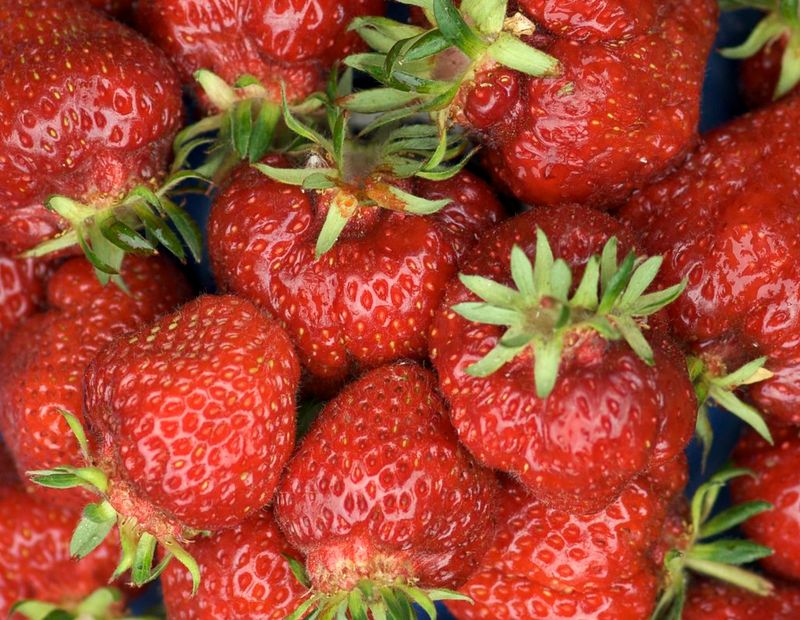
Deep red inside and out, Shuksan strawberries pack a bold, memorable flavor. Say SHUCK-san with confidence and you have already won.
Washington State University developed this variety, and it carries a distinctly local pedigree. That homegrown origin makes it a point of pride.
Known for their rich color and strong taste, these berries stand out in any bunch. Bakers love how vividly they brighten pies and jams.
Their intense flavor holds up well in cooking, making them ideal for preserves. A jar of Shuksan jam tastes like summer captured in glass.
Farmers appreciate how reliably this variety performs in the Washington climate. Sturdy plants and flavorful fruit make a winning combination.
People often fumble the name, guessing shoo-can or shook-sahn instead. The trick is a quick shuck sound followed by san.
The berry shares its name with a striking peak in northern Washington. That mountain link gives it an outdoorsy, adventurous feel.
Slice a few over morning cereal or blend them into a smoothie. Their deep flavor turns simple snacks into something special.
Learn the name, taste the fruit, and celebrate a true Washington creation with every bite.
11. Palouse Lentils
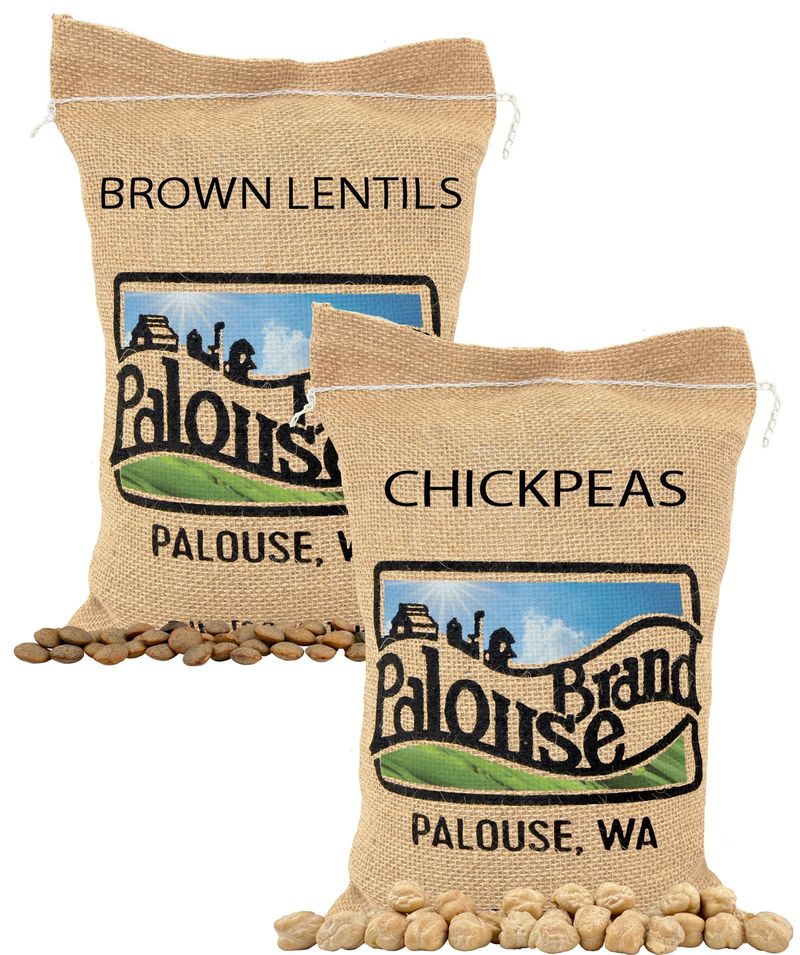
Time to swap fruit and seafood for something hearty and earthy. The Palouse gives us wonderful lentils, and you say it puh-LOOSE.
Eastern Washington’s rolling Palouse region is strongly tied to lentil farming. Those gentle green hills produce a big share of these little legumes.
Lentils cook quickly, taste nutty, and fill you up without much fuss. They make soups, stews, and salads deeply satisfying.
The Palouse landscape looks like a painting, with hills that ripple for miles. That beauty hides some seriously productive farmland.
Packed with protein and fiber, lentils have long been a smart, budget-friendly food. Cooks around the world rely on their versatility.
Local farmers take pride in growing crops that nourish families everywhere. The humble lentil rarely gets the spotlight it deserves.
Visitors often say pah-loose or pal-owse, missing the smooth ending. Just picture the word loose, and the pronunciation falls into place.
Try them in a warm bowl of soup on a chilly Washington evening. Their cozy flavor pairs perfectly with the region’s misty weather.
Master the name, stock your pantry, and enjoy a taste of the Palouse hills anytime you cook.
12. Chukar Cherries
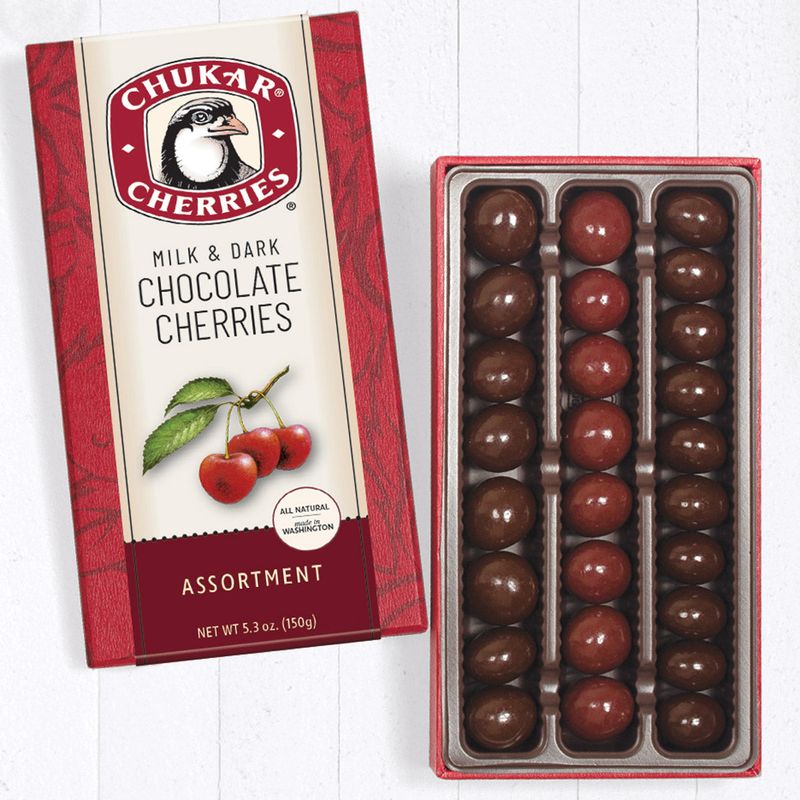
Sweet, chewy, and often dipped in chocolate, Chukar cherries are a snacking dream. Say CHUCK-er, and you will sound right at home.
This beloved Washington brand began on a family cherry orchard. That humble start grew into a treat known across the Northwest.
Dried and chocolate-covered cherries are their claim to fame, and for good reason. Each bite balances tart fruit with smooth, rich sweetness.
The name comes from a bird that roams the dry eastern hills of the state. That quirky origin makes the brand even more memorable.
Snackers love keeping a pouch handy for road trips, lunches, or afternoon cravings. The mix of chewy and creamy is hard to resist.
These treats also make thoughtful gifts, showing off local Washington flavor. Visitors often carry them home as edible souvenirs.
People frequently guess choo-kar or chuh-kar, missing the mark completely. Keep it simple with a solid chuck plus er.
Beyond chocolate, the dried cherries brighten oatmeal, trail mix, and baked goods. Their bold flavor adds a Northwest twist to everyday snacks.
Nail the pronunciation, grab a handful, and savor a true taste of Washington cherry country in every bite.