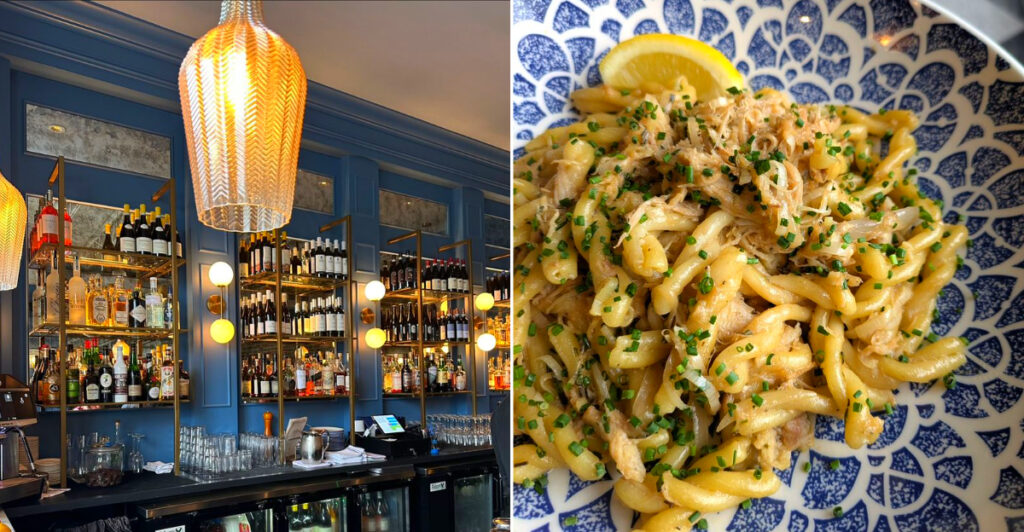
Pasta arrived al dente, the sauce restrained in a way that told me the kitchen trusted its ingredients enough to let them stand on their own.
That is exactly what I found at this spot, plus it was enough. The dining room held maybe ten tables, each one close enough to the next that conversation felt communal rather than private. I did not come in expecting simplicity.
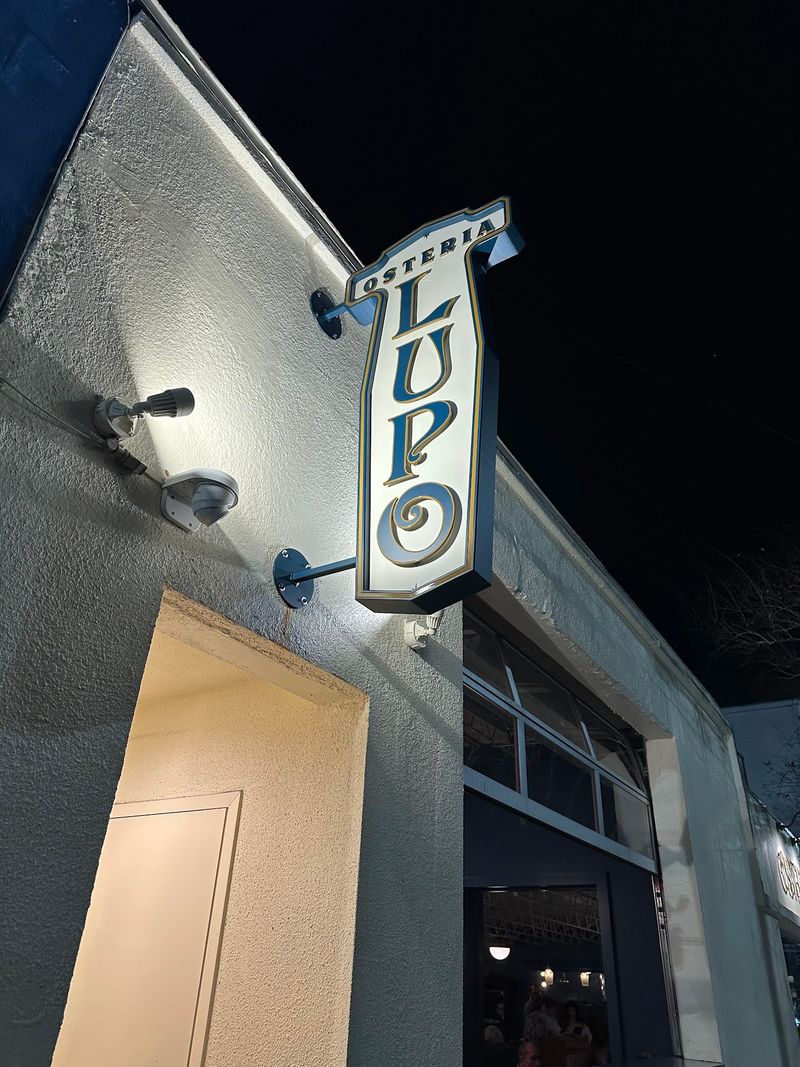
The entrance was easy to miss. I walked past it twice before I noticed the small sign above a wooden door that looked like it belonged on a house, not a restaurant.
The chef behind this kitchen carries credentials that would let him charge triple in a different city. Instead he chose a neighborhood, a modest space, plus a menu that fits on one page. A chef with Michelin experience opened an Italian spot in Louisiana where the food does all the talking.
Understand The Chef Connection
The headline needs one useful bit of unpacking: Chef Brian Burns worked at Michelin-starred restaurants rather than personally holding a Michelin star. His French experience includes Joël Robuchon and Château Cordeillan-Bages, serious kitchens where precision matters.
He also studied at École Grégoire-Ferrandi after attending Tulane’s A.B. Freeman School.
Burns created Osteria Lupo with Reno De Ranieri, his partner at the Spanish-inspired restaurant Costera. That background helps explain why Lupo feels polished without becoming stiff or fussy.
The cooking follows Northern Italian ideas while welcoming Louisiana ingredients and the direct heat of a wood-fired oven. Osteria Lupo later earned recognition as a Michelin Guide restaurant in 2025, an honor belonging to the establishment.
Knowing that distinction makes the story more accurate and the meal more interesting. Watch the kitchen closely, since careful training appears in small details, from shaped pasta to controlled charring on vegetables and crusts.
Magazine Street Keeps Dinner On The Main Drag
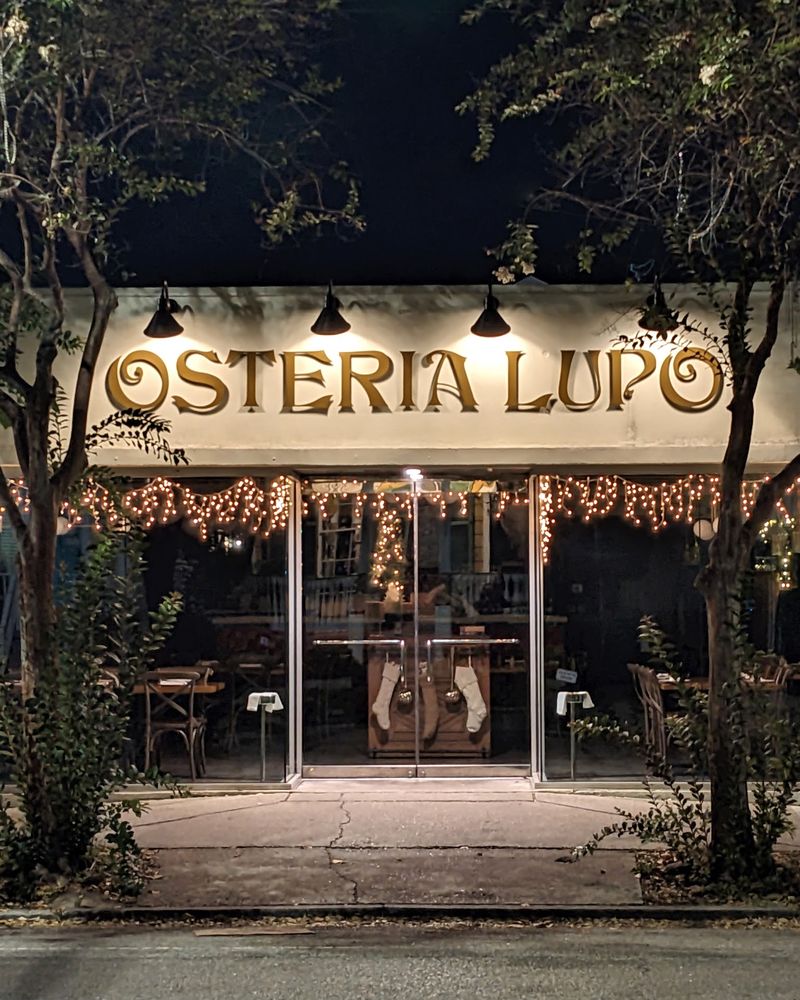
Osteria Lupo sits at 4609 Magazine Street in Uptown New Orleans, Louisiana. Magazine Street itself is the road to aim for, running through this restaurant-heavy stretch of the neighborhood and bringing you directly to the correct block.
Stay on Magazine Street as you approach the address and look for the restaurant’s storefront along the commercial strip rather than a separate complex or side-street entrance. The final approach stays entirely on the main corridor, making the street number the most useful cue once you are nearby.
Street parking is available around Osteria Lupo, so find a legal space along Magazine Street or the surrounding neighborhood blocks and finish the trip on foot. Read posted restrictions carefully before leaving the car, since New Orleans parking rules can vary by block.
Start With Burrata And Focaccia
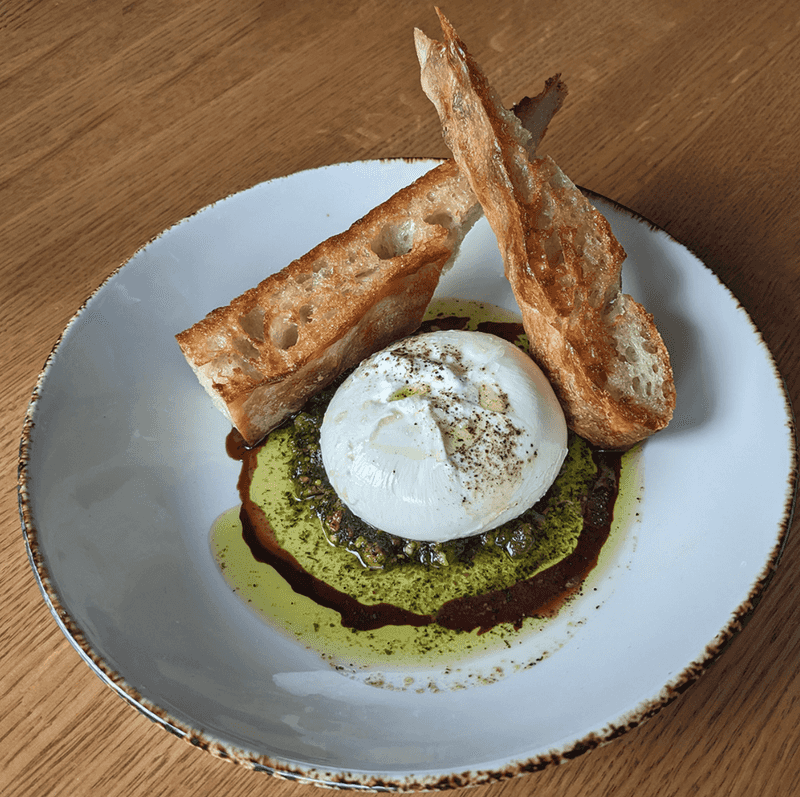
Few beginnings feel more welcoming than creamy burrata meeting warm, grilled bread. Osteria Lupo serves its Burrata con Panna with pistachio, aged balsamic, and focaccia, building contrast without crowding the cheese.
The nuts add crunch, while the dark balsamic gives sweetness and tang to each soft bite.
Order it for the table rather than guarding it like buried treasure. Cutting the burrata early lets the creamy center spread across the plate, making every piece of focaccia more useful.
Take a little pistachio and balsamic with each portion instead of eating the toppings separately. Since the dish is rich, pairing it with a lighter seafood starter or vegetable preparation can keep the opening round balanced.
House-made bread is part of pastry chef Sara Martin’s work, so notice its texture as well as its char. Save one final piece for the remaining cheese, because spoons seem terribly formal here.
Make Room For Truffle Arancini
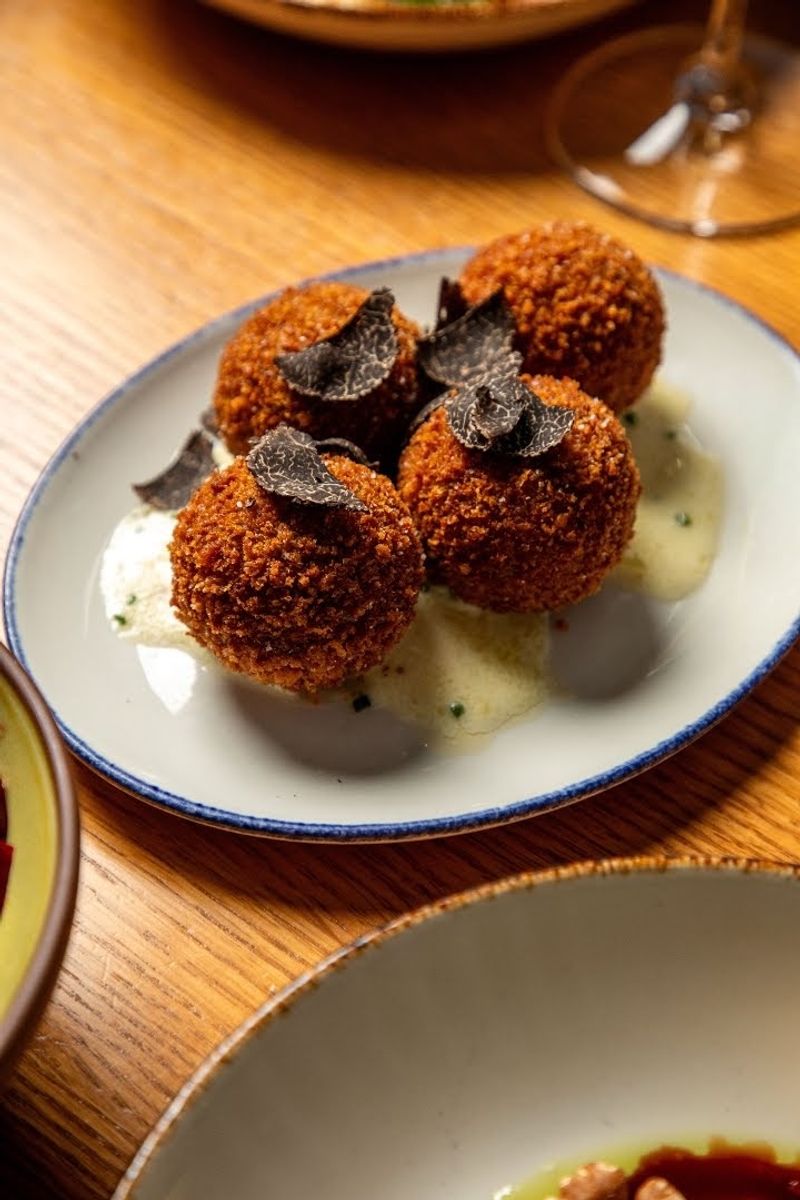
Crack through the crisp shell of a black truffle arancino, and the tidy little sphere becomes wonderfully untidy. Osteria Lupo fills its fried risotto balls with fresh Umbrian truffle and Val D’Aosta fonduta.
The result combines an earthy aroma, a crunchy coat, and a molten cheese center in several compact bites.
Share an order if pasta, pizza, or roasted meat is still ahead. Arancini can be surprisingly filling because rice and cheese carry more weight than their small shape suggests.
Eat one while it remains warm, but pause briefly after it arrives so the center does not punish an eager tongue. A clean cut also reveals the filling and makes dividing each piece easier.
For diners new to truffle, the dish offers a friendly introduction because the ingredient sits within familiar comfort food. Its round shape looks modest, yet the flavor arrives wearing rather expensive shoes to dinner.
Try Louisiana Crab In Fresh Pasta
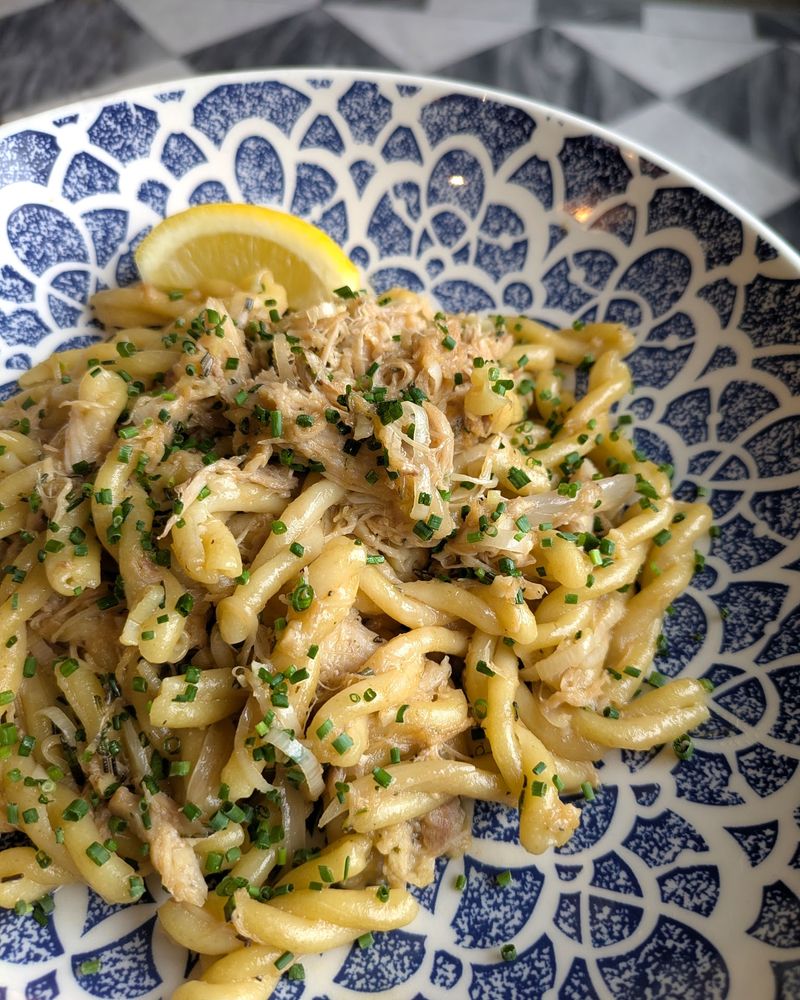
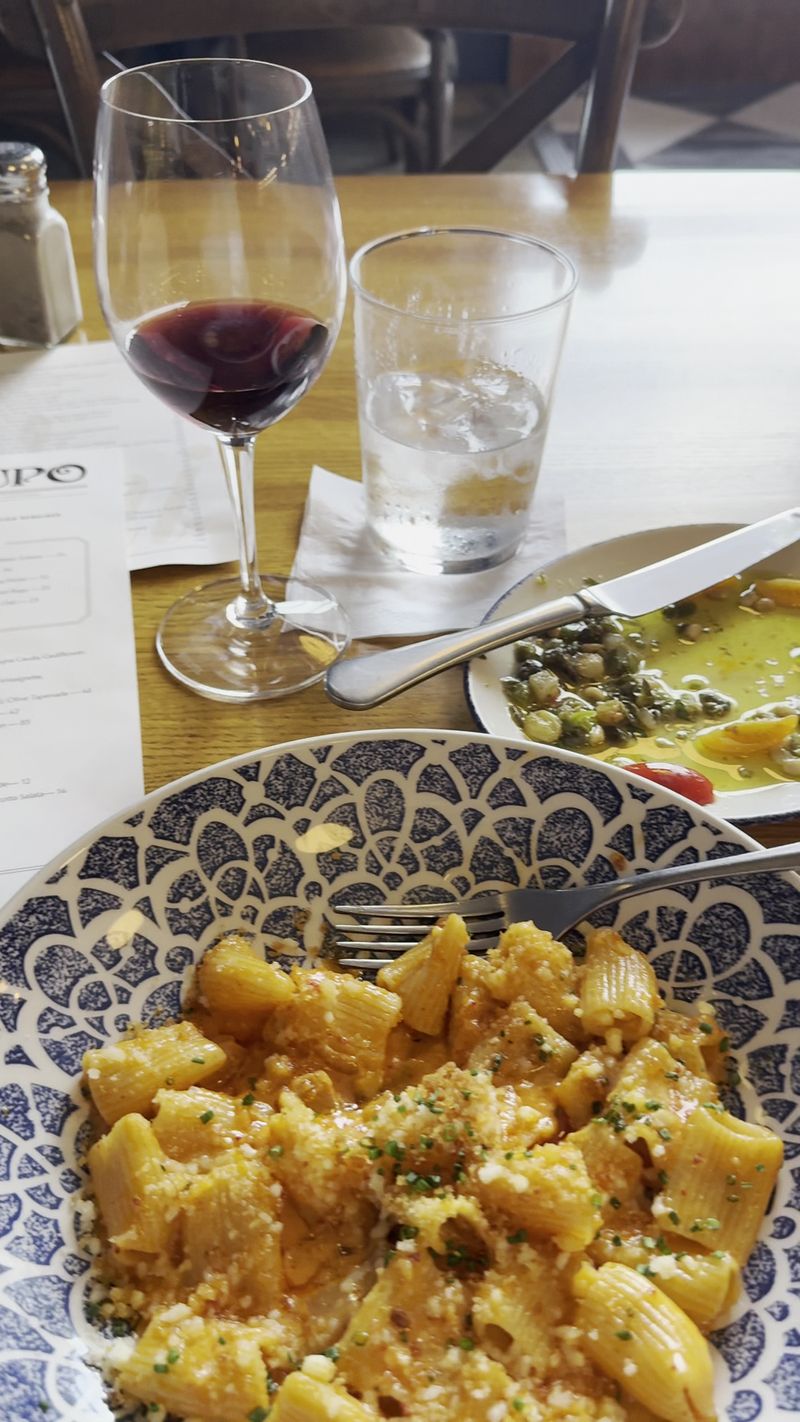
Radiator-shaped noodles may sound like hardware, but their ridges are excellent tools for catching sauce and bits of seafood. Osteria Lupo pairs radiatori with Louisiana blue crab, basil, and Parmesan, connecting Northern Italian pasta craft with the Gulf region.
The local crab gives the plate a clear sense of place.
Fresh pasta is made in-house daily, and this shape rewards slower eating. Turn each forkful gently so crab stays with the ridged noodles rather than collecting at the bottom of the bowl.
Parmesan brings savory depth, while basil keeps the combination from feeling too heavy. Menu preparations can follow seasonal supply, so confirm availability instead of treating any single pasta as permanent.
If several people want pasta, ordering different shapes and sharing a few tastes reveals how texture changes a sauce. Radiatori proves that noodle design is not decoration.
Here, every tiny groove has a practical and delicious job.
Watch The Wood-Fired Oven Work
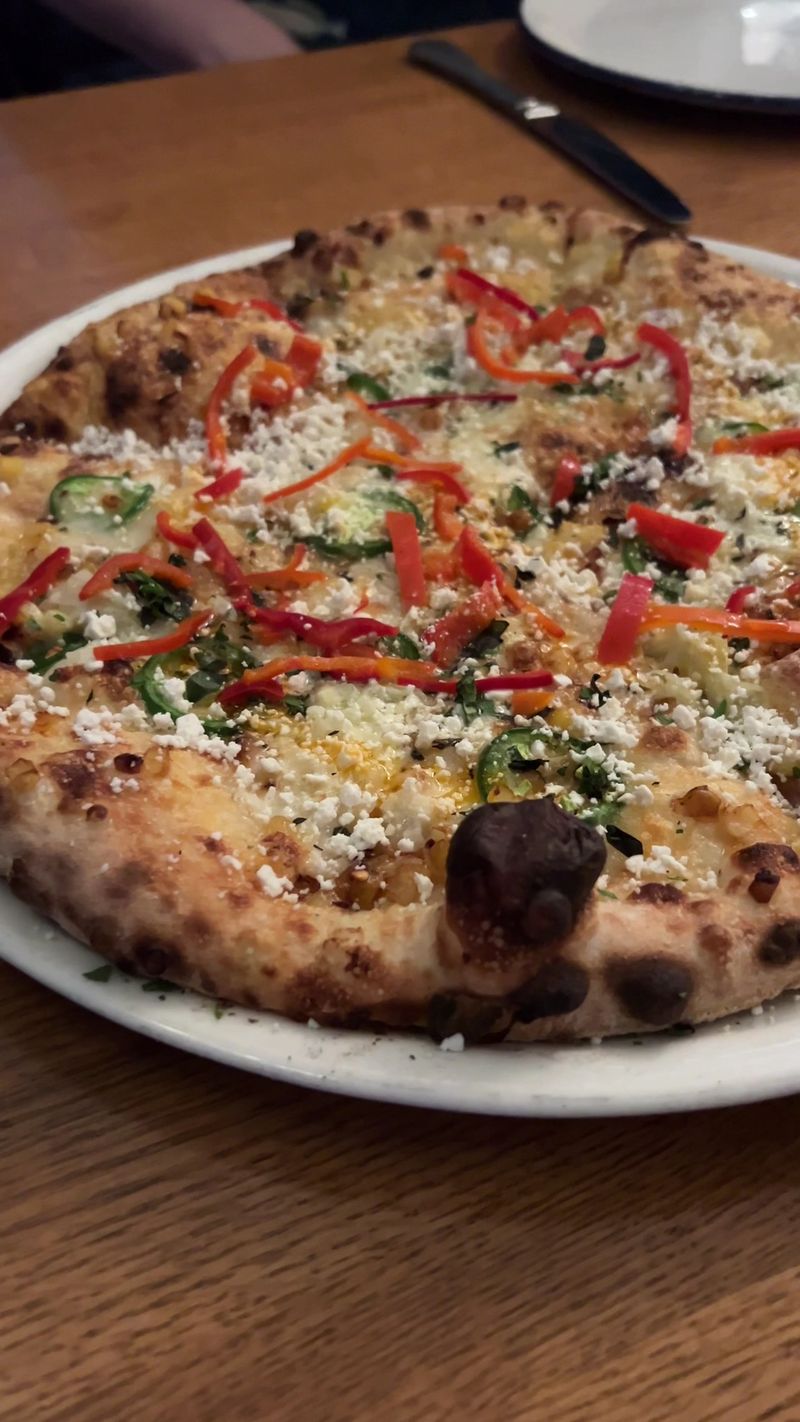
The colorful mosaic oven is not merely a handsome backdrop for dinner photos. High heat gives pizza crust its blistered spots, often called leoparding, while also roasting meats and vegetables.
From many seats, flames and kitchen movement create a quiet show that keeps the room interesting between courses.
Request a sightline toward the exhibition kitchen if watching cooks stretch dough sounds appealing. Pastry chef Sara Martin oversees the house-made pizza dough, breads, and desserts, bringing careful fermentation to the crust.
A properly handled base should appear bubbly and textured rather than flat or cracker-like. Wood firing may produce uneven char, which is part of the technique, not a kitchen mistake.
Let a pizza rest briefly before cutting into it, since cheese and toppings settle as steam escapes. The oven also ties the whole interior together, supplying warmth to a space built with concrete, exposed ceilings, wood, and deep blue tones.
Choose Pizza For The Table
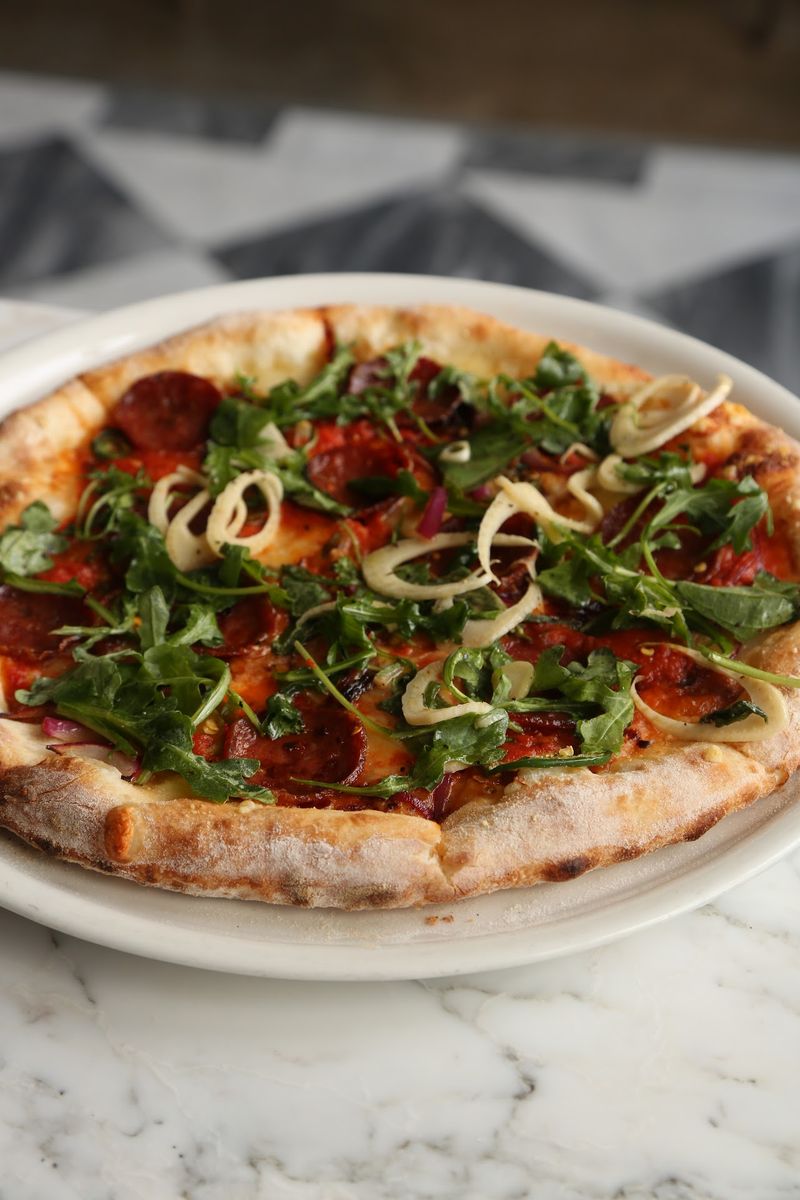
A bubbly crust with scattered dark spots often reaches the table looking cheerfully rumpled. That irregular edge comes from fermented house-made dough meeting intense oven heat.
Osteria Lupo’s pizzas make an easy shared course, particularly when diners cannot agree between pasta, seafood, and roasted dishes.
Slice strategy matters more than anyone likes to admit. Divide the pizza while it is hot, then move pieces apart slightly so the base does not soften under trapped steam.
Ask about current toppings because menus may change with ingredients and seasons. Some combinations can feature chilies or spicy cured meat, so guests sensitive to heat should speak with the server before ordering.
A milder selection can balance stronger starters and preserve room for later courses. Notice the crust before reaching for another slice: it should be airy inside, crisp in places, and pleasantly chewy.
Even the bare edge earns attention when the dough is handled carefully.
Let The Kitchen Pick
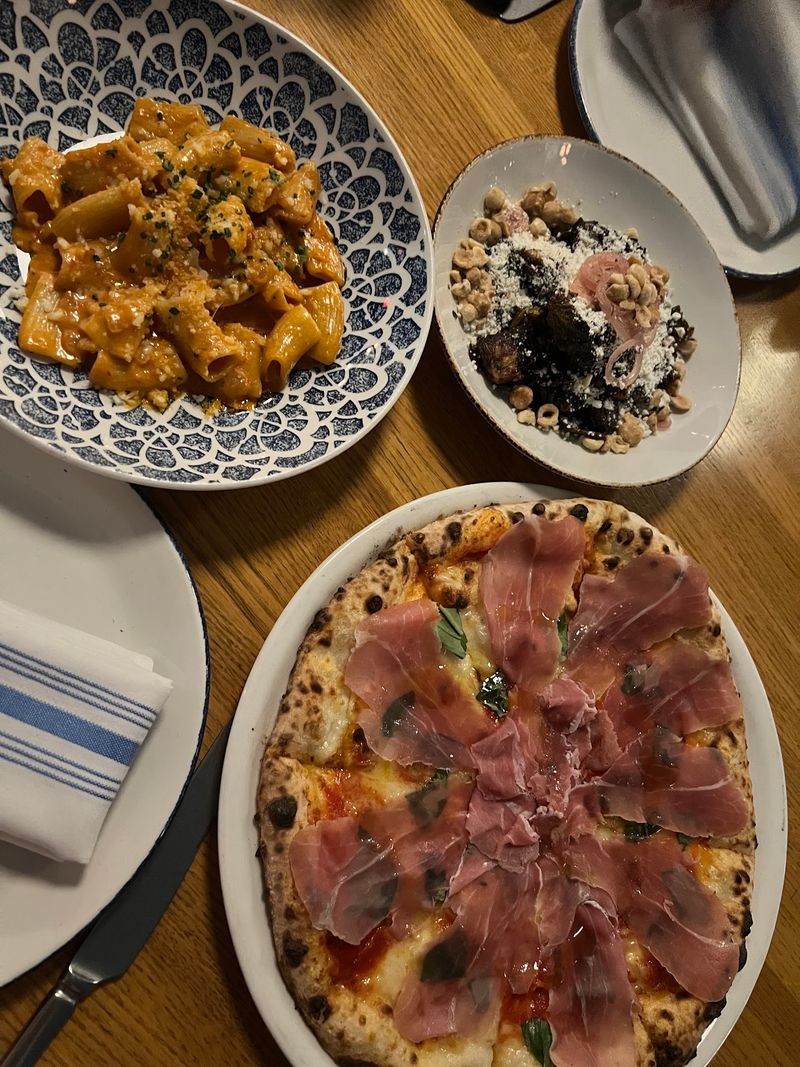
Decision fatigue arrives quickly when burrata, pasta, pizza, seafood, and roasted plates all compete for attention. Osteria Lupo answers with a chef-curated Feed Me option based on fresh, seasonal offerings.
It suits adventurous diners and groups that would rather follow the kitchen’s rhythm than negotiate every plate.
Tell the staff about allergies, dietary needs, and strong dislikes before the first course is chosen. Curated dining works best when the kitchen has useful boundaries, not last-second surprises.
Arrive hungry, allow enough time, and resist ordering several extras at the start. Courses can add up faster than expected, even when early portions look modest.
Ask how the experience is structured that evening, since selections and pacing may vary. I find the format most enjoyable when everyone at the table agrees to share and stays curious.
If you become full midway, request guidance about remaining courses rather than silently losing a contest against fresh pasta.
Read The Room’s History
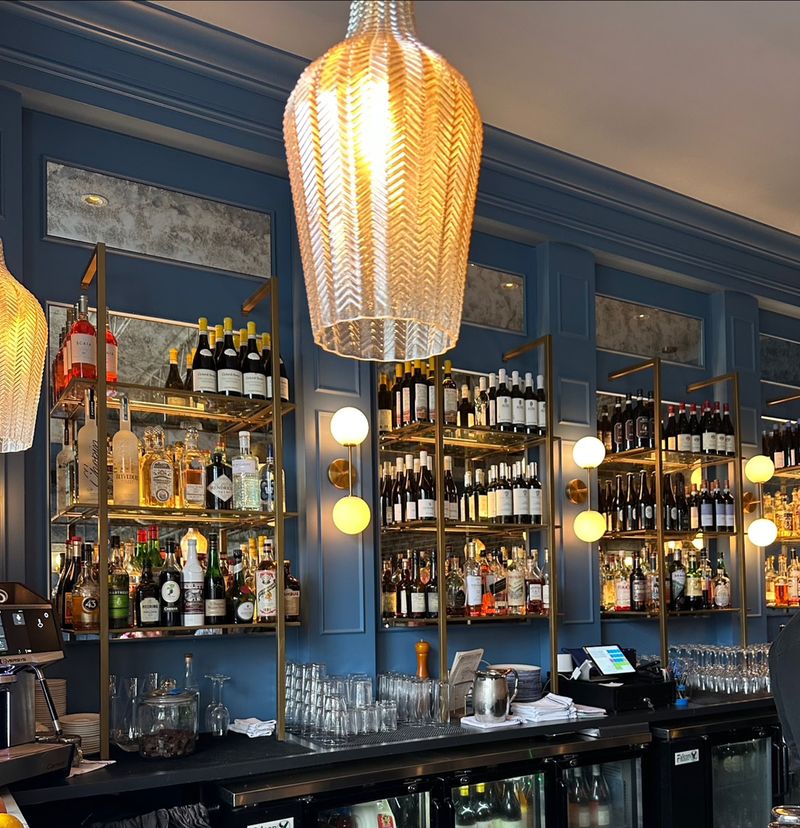
Before pasta filled the room, the building served rather different purposes. The reimagined Magazine Street space once held a yoga studio and, earlier, the original depot for Elmer’s Chocolate.
That history adds a curious layer beneath an interior now shaped by architect Brooks Graham.
Look around before settling entirely into the menu. Polished concrete floors and exposed ceilings give the restaurant an industrial backbone, while natural wood, deep blue walls, paneled surfaces, and antique brass globe pendants soften the effect.
A dramatic Carrera marble bar and mosaic oven provide brighter focal points. Conversation levels can rise when the dining room becomes busy, so earlier reservations may suit guests seeking a quieter meal.
When weather permits, an adapted 12-by-12-foot garage door can open the space to outside air. The room feels modern without erasing its past, as if an old warehouse learned excellent table manners over time.
Save Space For Chocolate
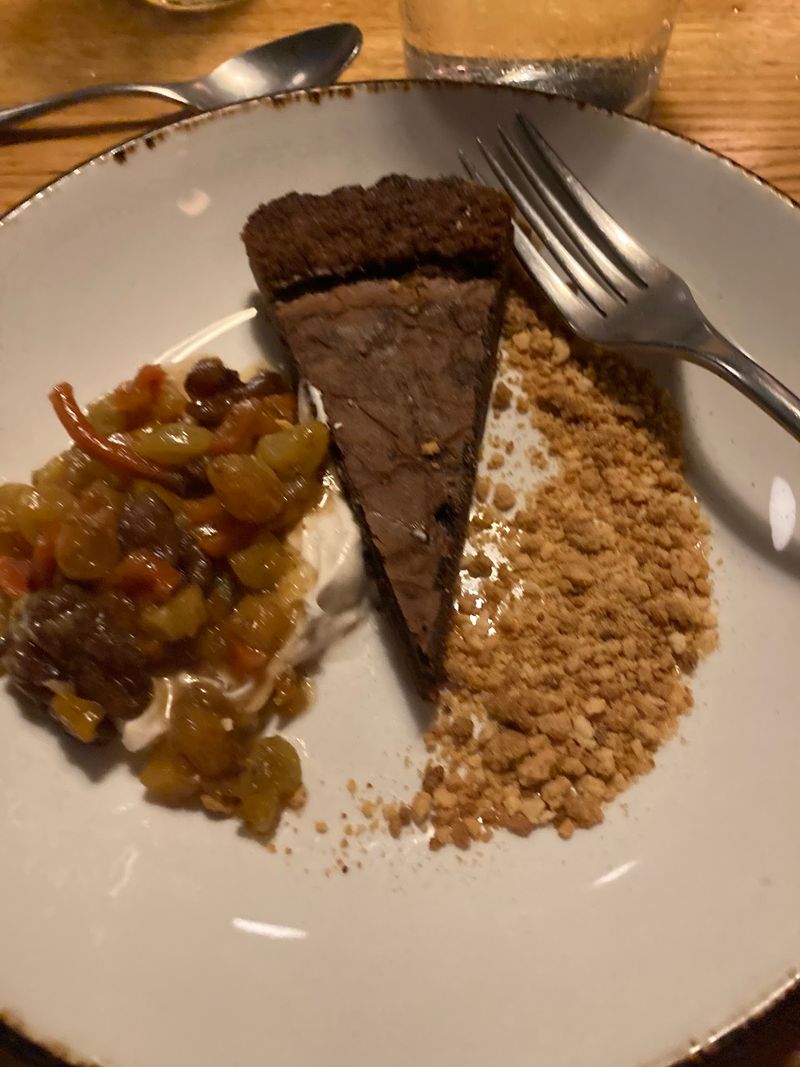
Rich chocolate has a sneaky habit of finding space after everyone declares dinner finished. Osteria Lupo’s flourless chocolate cake is served with Anglaise and hazelnut brittle, pairing a dense center with creamy sauce and crisp caramelized nuts.
The contrasting textures keep the dessert from becoming one long, heavy note.
Share it after a large tasting menu or claim it alone following a lighter meal. Drag each forkful through a small amount of Anglaise, then add brittle when you want crunch.
Because the cake contains no flour, guests may assume it automatically meets every dietary need, but recipes and kitchens involve other ingredients and possible cross-contact. Always ask the staff directly about allergens.
Pastry chef Sara Martin leads the restaurant’s dessert work, so the final course receives the same attention as dough and bread. A short pause before ordering dessert helps, although chocolate has little patience for sensible plans at the table.
Finish Bright With Lemon Cake
After roasted flavors, cheese, and fresh pasta, lemon can feel like someone opened a window. Osteria Lupo’s limoncello layer cake offers a moist crumb and clear citrus flavor, making it a brighter finish than the restaurant’s dense flourless chocolate cake.
Its layered form also makes sharing neat portions fairly simple.
Ask whether the cake is available, since dessert choices can change and seasonal specials may appear. A table split between chocolate lovers and citrus fans could order both desserts, then compare bites without turning the decision into a family dispute.
Eat the lemon cake slowly enough to notice how sweetness and tartness trade places. Sara Martin, the pastry chef responsible for desserts, also crafts the restaurant’s breads and pizza dough, giving her work a presence throughout the meal.
Coffee or another nonalcoholic drink can provide a gentle closing partner. Leaving one final citrus bite is difficult, so volunteer to divide the slice carefully.