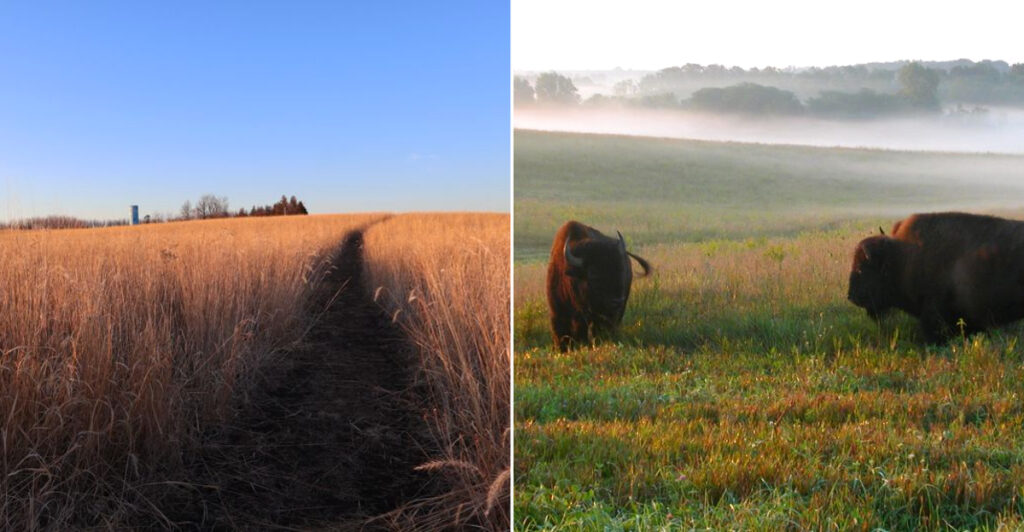
September is when Iowa nature starts whispering instead of shouting.
The prairies turn gold, river bluffs soften in the afternoon light, monarchs drift south, and quiet trails feel made for walking slowly on purpose. Across the state, these peaceful spots offer bison, wetlands, wildflowers, overlooks, ancient mounds, and wide-open skies without the heavy heat or summer crowds.
For a calm Iowa road trip with room to breathe, these prairie and nature escapes make September feel like the perfect month to wander.
1. Doolittle Prairie State Preserve, Story City
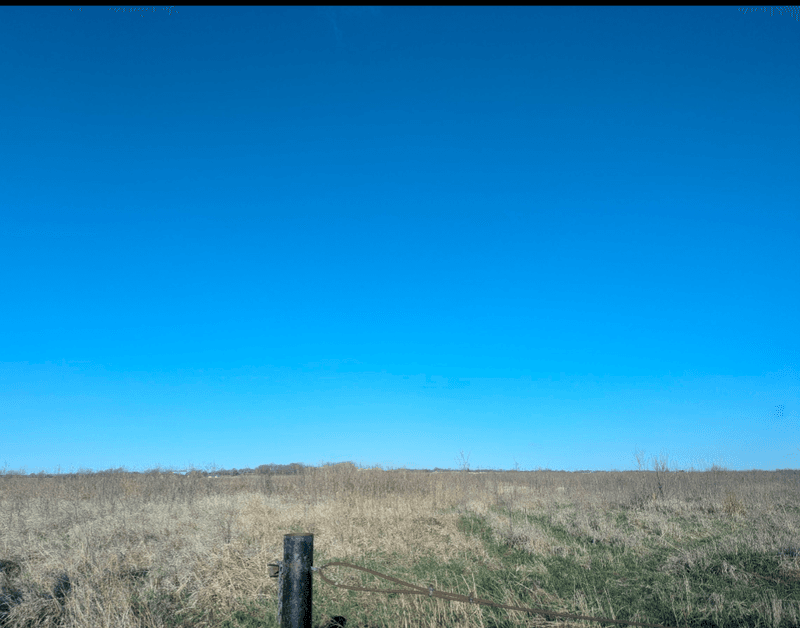
Tucked near Story City sits one of Iowa’s rare surviving prairie-pothole landscapes.
The northern portion includes prairie that was never plowed, while other parts of the property have a more complicated history of grazing, farming, and restoration.
The preserve is compact, so a visit fits easily into an afternoon. There are no maintained trails, so visitors explore carefully through the prairie and around its seasonal pothole wetlands.
September paints the place with purple blazing star, yellow sunflowers, and seed heads that catch the low sun. Frogs and dragonflies keep the wetlands busy.
Because it stays quiet, this is a lovely spot for careful nature study or slow photography. Botanists come here to count the surprising variety of native plants packed into a few acres.
Wear boots if recent rain has left the ground soggy. There are no big facilities, so plan your snacks and water before arriving.
Keep your voice low and your eyes open, and you may spot butterflies working the last blooms of the season.
It is the kind of small, honest place that rewards visitors who slow down and really look around.
2. Neal Smith National Wildlife Refuge, Prairie City
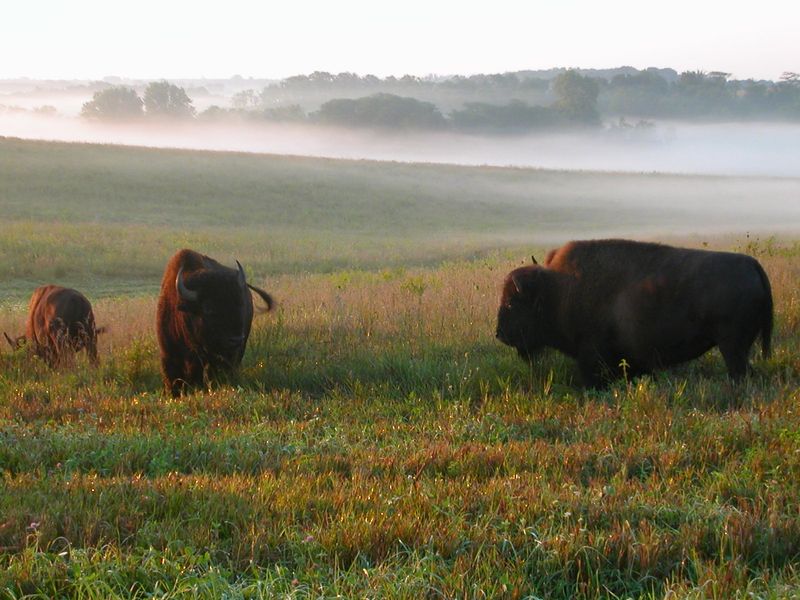
Bison roaming across wide grasslands is not something you expect a short drive from Des Moines, yet that is exactly what waits at this refuge in Prairie City.
The herd shares an 800-acre enclosure with elk, giving visitors a glimpse of two animals that once played important roles on Iowa’s prairie.
The Prairie Learning Center normally offers indoor exhibits about the restored landscape, but it is currently closed because of storm damage. September still brings late-blooming prairie plants and plenty to see outdoors.
I like the refuge for slow wildlife spotting, though the road through the bison enclosure is currently closed because of road construction. The Overlook and Tallgrass trails remain open and provide opportunities for prairie views and wildlife watching.
Butterflies drift everywhere this time of year, and monarch migration peaks in September before the long trip south. Bring binoculars for the best look at grazing herds in the distance.
Mornings tend to be quiet and cool, which suits the animals and the photographers alike. A vault toilet is available at the Oak Savanna Trail parking area, and bringing your own water is a smart idea while the visitor center is closed.
You leave feeling like you glimpsed Iowa the way it looked long before fences and farms carved it up.
3. Irvine Prairie, Dysart
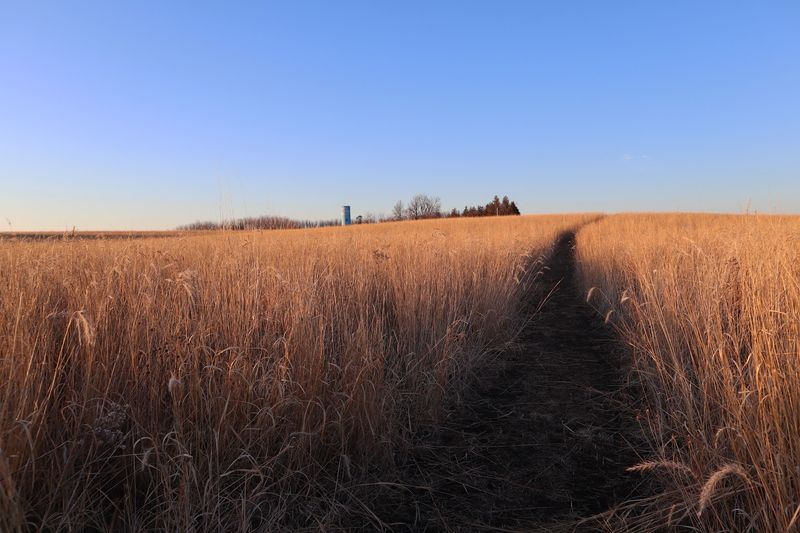
Watching a prairie grow back from farm field is a slow, hopeful thing, and Irvine Prairie near Dysart lets you see it happening.
This restoration project turns old cropland into living grassland one season at a time.
The land rolls gently, so walking here feels easy on the legs. Mowed paths wind through young stands of big bluestem and scattered wildflowers.
By September the grasses stand tall and turn coppery, and the seed heads sway with every breeze. It is a peaceful place to think about how patience changes a landscape.
Because the site is still filling in, you can spot new species arriving each year. Volunteers and researchers help track the progress.
Bring water and a hat, since shade is scarce out on the open grass. The quiet here is real, broken mostly by wind and birdsong.
Sunrise and sunset both put on a show with warm light across the stems. Photographers love those golden hours.
Leaving Irvine Prairie, you carry a small dose of optimism about what careful hands can bring back to Iowa.
4. Chichaqua Bottoms Greenbelt, Maxwell
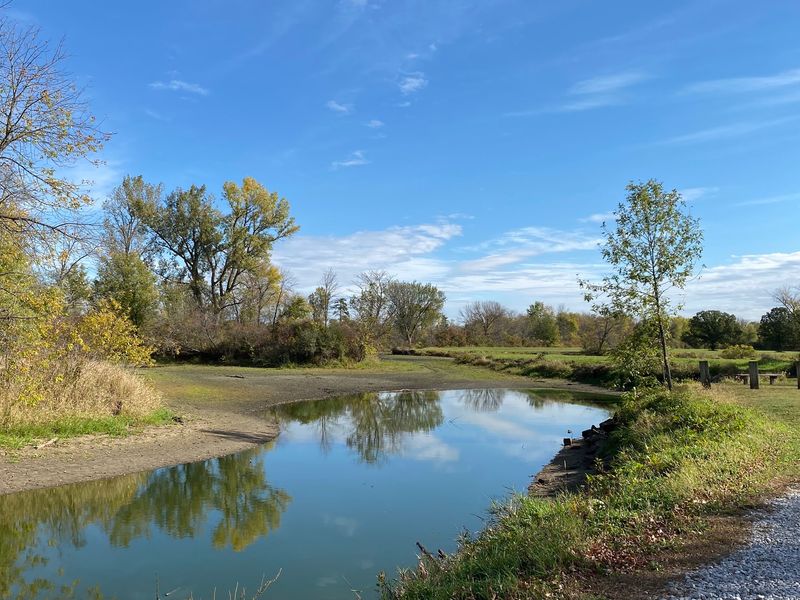
Old river channels curl through Chichaqua Bottoms like ribbons someone dropped and forgot.
This greenbelt near Maxwell follows an ancient path of the Skunk River, leaving behind oxbows, marshes, and shady woods.
The mix of water and grassland makes it a magnet for birds. In September you might catch migrating flocks resting on the still ponds.
Miles of trails let you choose a short stroll or a longer ramble. Some paths hug the water while others cut across sandy prairie.
Morning mist over the oxbows gives the place a hushed, dreamy feeling. Bring a camera and a little patience.
Cottonwoods and oaks start showing early color as the month rolls on. Turtles bask on logs when the sun warms things up.
Paddlers can explore parts of the water too, so bring a canoe if you have one. Bug spray helps near the marshes.
Restrooms and parking areas are scattered along the drive-through route. Take your time and let the winding land set the pace.
Few places feel this wild while sitting so close to central Iowa towns.
5. Mines of Spain State Recreation Area, Dubuque
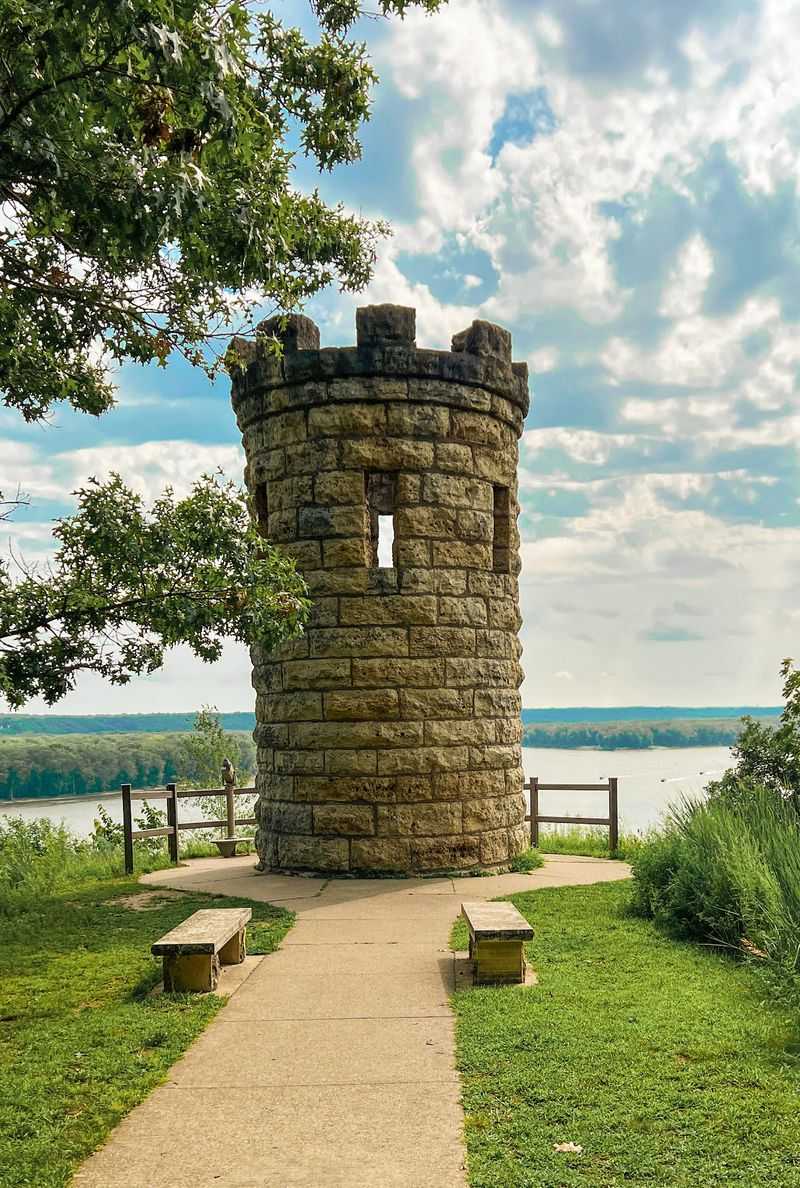
History and hiking blend together at the Mines of Spain near Dubuque, where old lead mining land became a peaceful preserve.
Trails climb bluffs above the Mississippi River and dip through cool, shady forest.
The Julien Dubuque Monument stands guard over the water, offering a wide overlook worth the short climb. September breezes make the view even better.
More than twenty miles of trails wind through prairie patches, wetlands, and woods. You can pick an easy loop or a steeper challenge.
Early fall brings the first flashes of red and orange to the maples. Songbirds and hawks are easy to spot from the ridges.
The E.B. Lyons Interpretive Center helps explain the area’s mining past and natural life.
It is a good first stop for maps and tips.
Pack sturdy shoes, because some paths get rocky near the bluff edges. Water fountains and restrooms sit near the center.
Photographers should aim for late afternoon when the river glows. Benches along the way invite you to sit and just watch the current.
It is a spot where the land tells stories if you listen.
6. Effigy Mounds National Monument, Harpers Ferry
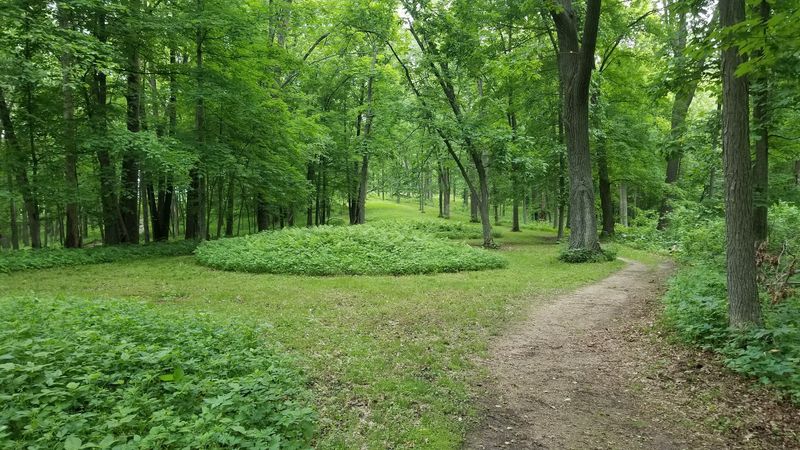
Ancient hands shaped the earth here into the forms of bears and birds, and those mounds still rise softly from the forest floor.
This monument near Harpers Ferry protects sacred ground built by Native peoples long ago.
Walking the trails feels quiet and respectful, like stepping into a place that asks for gentle footsteps. The mounds are best seen from the marked paths.
Trails climb wooded bluffs to overlooks above the Mississippi River. The Fire Point loop is a favorite for its views and its cluster of mounds.
September cools the climb and starts the leaves turning. Eagles and hawks ride the wind currents along the valley.
Start at the visitor center to learn the stories behind the shapes. Rangers share knowledge that makes the hike far richer.
Bring water and steady shoes, since the paths gain real elevation. Take breaks at the overlooks to catch your breath and the view.
Photography is welcome, but stay on trails to protect the mounds. Please treat the ground as the sacred place it is.
You leave with deep respect for the people who cared for this land.
7. Pikes Peak State Park, McGregor
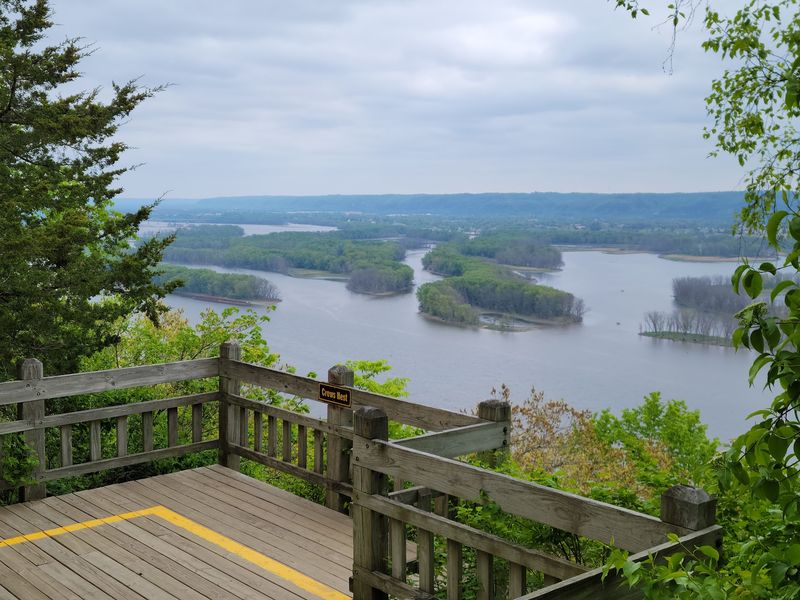
Some of the finest river views in the Midwest wait at Pikes Peak State Park near McGregor. From the high bluff you look down on the wide Mississippi where it meets the Wisconsin River.
A boardwalk trail leads to overlooks and a small waterfall called Bridal Veil Falls. The walk is gentle and family friendly.
September dresses the valley in early color, making the panorama even more striking. Bring a camera with plenty of memory.
Forest trails branch off for those who want more distance and solitude. Wildflowers and mushrooms pop up along the shady paths.
The overlook platforms have railings and benches for easy, safe viewing. Sunrise here is worth the early alarm.
Picnic areas and restrooms make it easy to spend a whole day. Pack lunch and settle in at a table with a view.
Fall breezes keep the bluff comfortable even under afternoon sun. Layers help, since it can feel cool up high.
Watch for barges gliding along the river far below, a slow and steady show.
It is one of those places that makes you glad you climbed a little higher.
8. Hitchcock Nature Center, Honey Creek
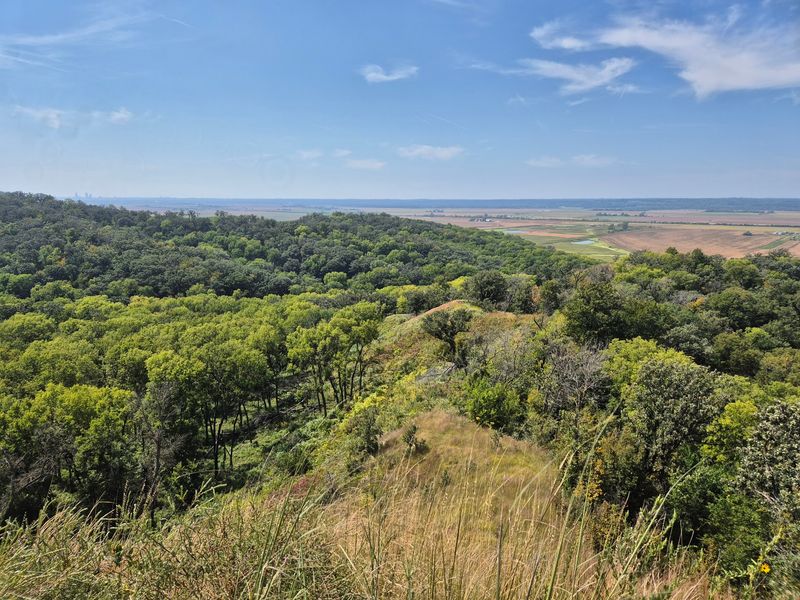
Hawks by the hundreds streak across the sky above Hitchcock Nature Center near Honey Creek. Perched in the rare Loess Hills, this spot becomes a front row seat for fall raptor migration.
A wooden observation tower lets you scan the horizon for eagles, falcons, and hawks. Volunteers often count birds and happily point out species.
The hills themselves are unusual, built from wind-blown soil piled up over ages. Trails climb and dip across grassy ridges.
September offers cooler hikes and busy skies as birds head south. Pack binoculars to make the most of it.
The lodge has exhibits, restrooms, and big windows for lazy watching on chilly days. It is a comfy home base.
Several miles of trails suit both quick walks and longer treks. Some paths reward you with wide views over the valley.
Wear layers, because ridge tops catch the wind. Water and snacks are smart to carry along.
Golden hour lights the grasses and makes the whole ridge glow. Stick around for it.
Few corners of Iowa feel this open and this alive with wings overhead.
9. Broken Kettle Grasslands Preserve, Westfield
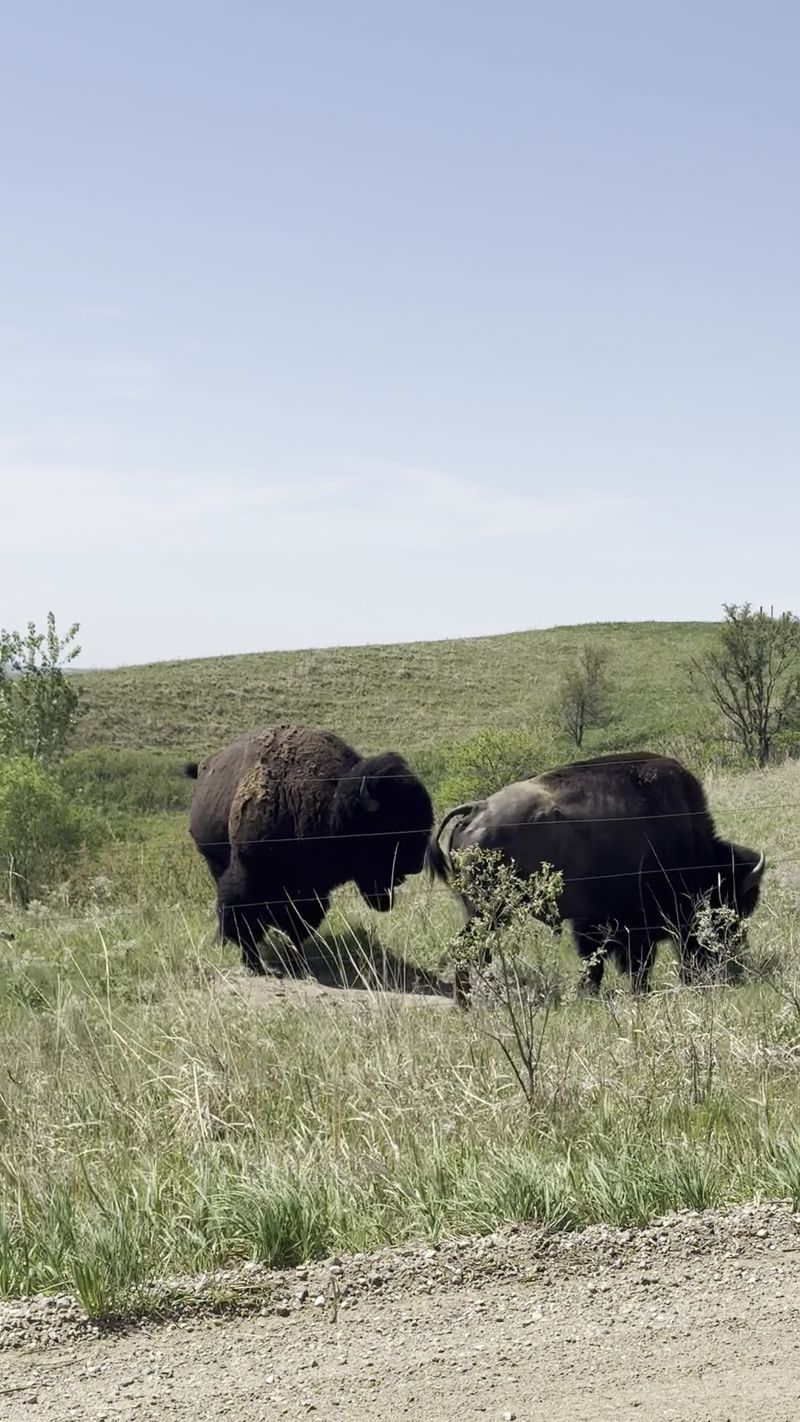
The largest remaining tallgrass prairie in the state spreads across Broken Kettle Grasslands near Westfield. This wide, wild place rolls over the Loess Hills with barely a fence in sight.
A bison herd grazes here, helping keep the prairie healthy the old-fashioned way. Watch them from a safe distance and let them lead their day.
September turns the hills into waves of amber and rust. The quiet out here is deep and steady.
Trails and gravel roads let you explore, though services are few. Come prepared with everything you need.
Bring plenty of water, sun protection, and sturdy boots for the uneven ground. Watch your step, since prairie rattlesnakes live here too.
Bird lovers can spot grassland species that are hard to find elsewhere. Early morning is the best time for wildlife and cool air.
There are no big buildings, so this trip suits folks who like true open space. Cell signal can be spotty.
The views stretch for miles with nothing to block the horizon. Sunset paints the whole scene gold.
You come away feeling how vast and gentle the old prairie once was.
10. Prairie Heritage Center, Peterson
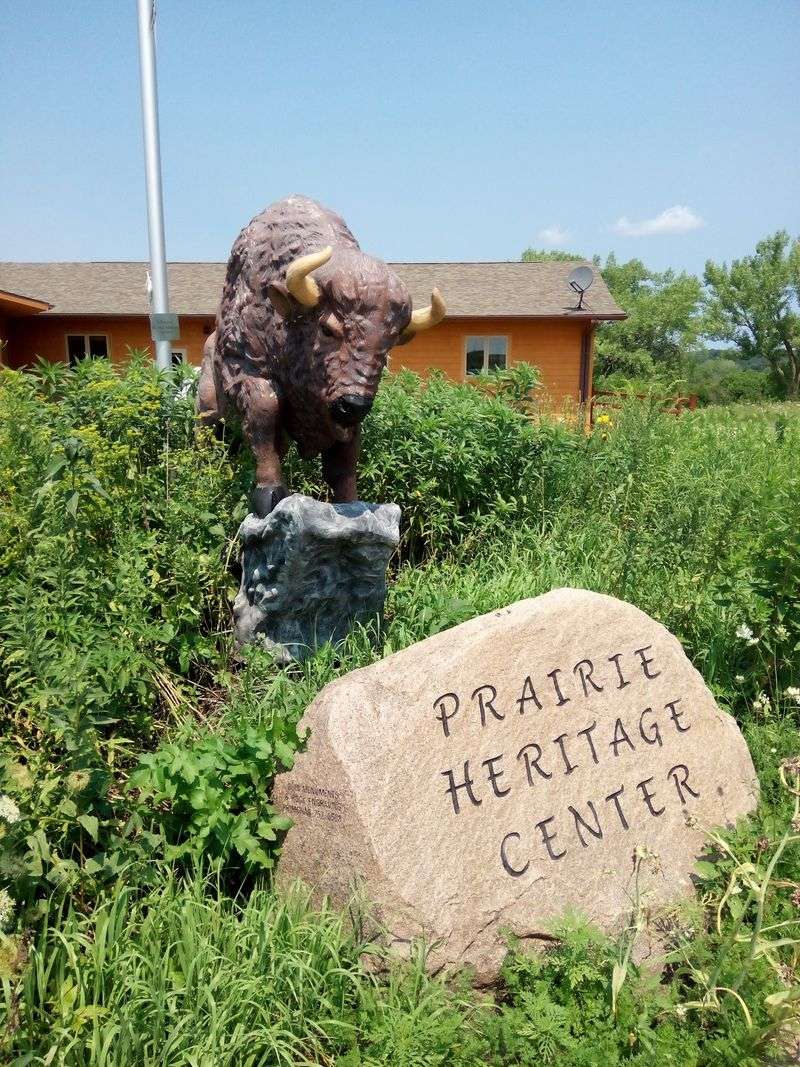
Learning and wandering come together nicely at the Prairie Heritage Center near Peterson. This hilltop spot sits among restored grasslands with sweeping views over the countryside.
Inside, hands-on exhibits explain prairie plants, animals, and the people who shaped this land. It is a friendly place for kids and curious grown-ups.
Outside, trails loop through native grasses that glow in September light. A small bison herd grazes on nearby land.
The center hosts events and guided walks, so check the calendar before you go. Staff love to share their prairie know-how.
Benches and overlooks give you spots to rest and soak up the wide sky. Bring a jacket for breezy afternoons.
Trails are gentle enough for a relaxed stroll after your indoor visit. Water and restrooms are available at the center.
Fall wildflowers add color along the paths, and butterflies flit between blooms. Keep an eye out for hawks riding the wind.
The quiet setting makes it easy to slow down and notice small details. Photographers find plenty to frame.
It is a warm, welcoming stop that leaves you smarter and calmer than when you arrived.
11. Whiterock Conservancy, Coon Rapids
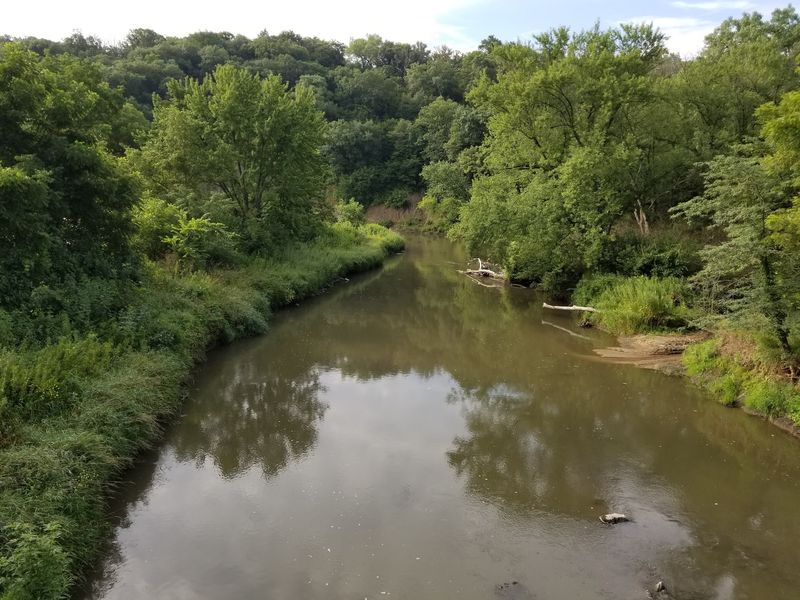
Room to roam is the whole idea at Whiterock Conservancy near Coon Rapids. This huge nonprofit landscape blends prairie, oak savanna, and the winding Middle Raccoon River.
Miles of trails welcome hikers, bikers, and horseback riders alike. You can plan a short loop or spend the whole day exploring.
September cools the air and starts the oaks turning bronze. The river adds a calm, gentle soundtrack.
Stargazing is famous here, since the skies stay dark and clear at night. Bring a blanket and look up after sunset.
Campsites let you stretch a visit into an overnight adventure. Reserve ahead during busy fall weekends.
Wildlife is easy to spot, from deer in the meadows to birds along the water. Bring binoculars and patience.
Trails vary in difficulty, so check maps and pick what fits your group. Water and restrooms are found near main areas.
The mix of habitats means every path shows you something new. Photographers love the golden savanna light.
It is a big, generous place that invites you to unplug and wander freely.
You leave feeling refreshed and ready to come back soon.
12. DeSoto National Wildlife Refuge, Missouri Valley
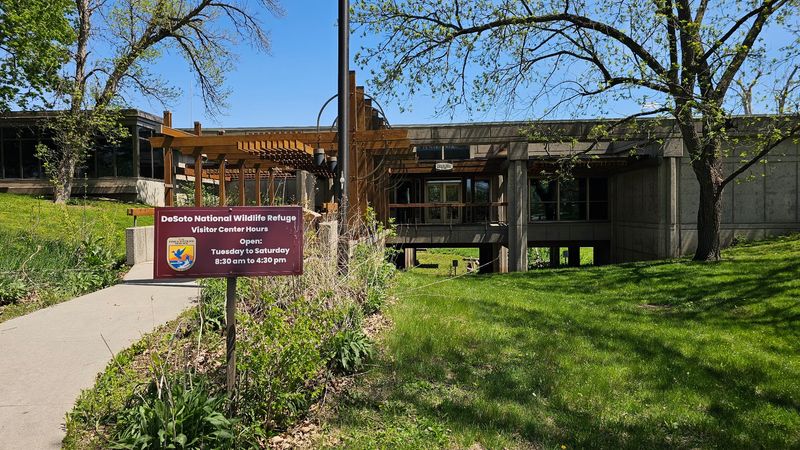
Fall migration begins building at DeSoto National Wildlife Refuge near Missouri Valley as September moves along.
The big oxbow lake attracts pelicans, geese, ducks, and other migrating birds, although the refuge’s largest fall waterfowl concentrations usually arrive later in the season.
An auto tour route lets you watch wildlife right from your car window. It is a comfy way to see a lot without a long hike.
Walking trails give closer looks at wetlands, grasslands, woods, and the shoreline. Bring binoculars for the best views.
The visitor center houses wildlife exhibits and the Bertrand Steamboat Museum, which displays thousands of artifacts recovered from the historic vessel. It is a fine place to start your trip.
September light glows across the water in the early morning and late day. Photographers should plan around those hours.
Cottonwoods lining the shore begin turning gold as the month goes on. Deer and other animals move through the woods nearby.
Restrooms, picnic spots, and parking make a family visit easy. A valid refuge entrance permit is required, with daily vehicle passes available.
Keep your voice low near the water so the birds stay relaxed. Patience often rewards you with migrating birds moving across the lake.
It is a peaceful finish to any Iowa nature tour.