Eastern Iowa has the kind of quiet places that reward you for slowing down.
This wildlife refuge is one of them.
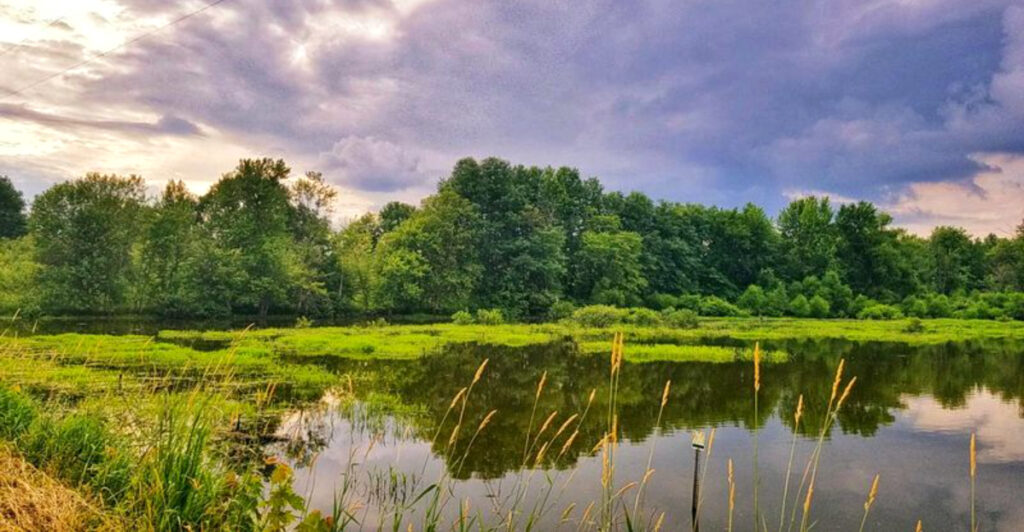
At first, it feels simple. Gravel roads, open water, cottonwood trees, and a small visitor building near the wetlands.
Then the birds start showing up.
Bald eagles perch above the backwaters. Pelicans drift across the sky.
Herons lift from the shallows like they were waiting for the perfect moment.
That is what makes this refuge feel so generous. It gives you big wildlife moments without crowds, noise, or much fuss.
This eastern Iowa escape is perfect for anyone who likes binoculars, quiet roads, and the thrill of spotting one more eagle than expected.
The Little Building At The End Of A Gravel Road
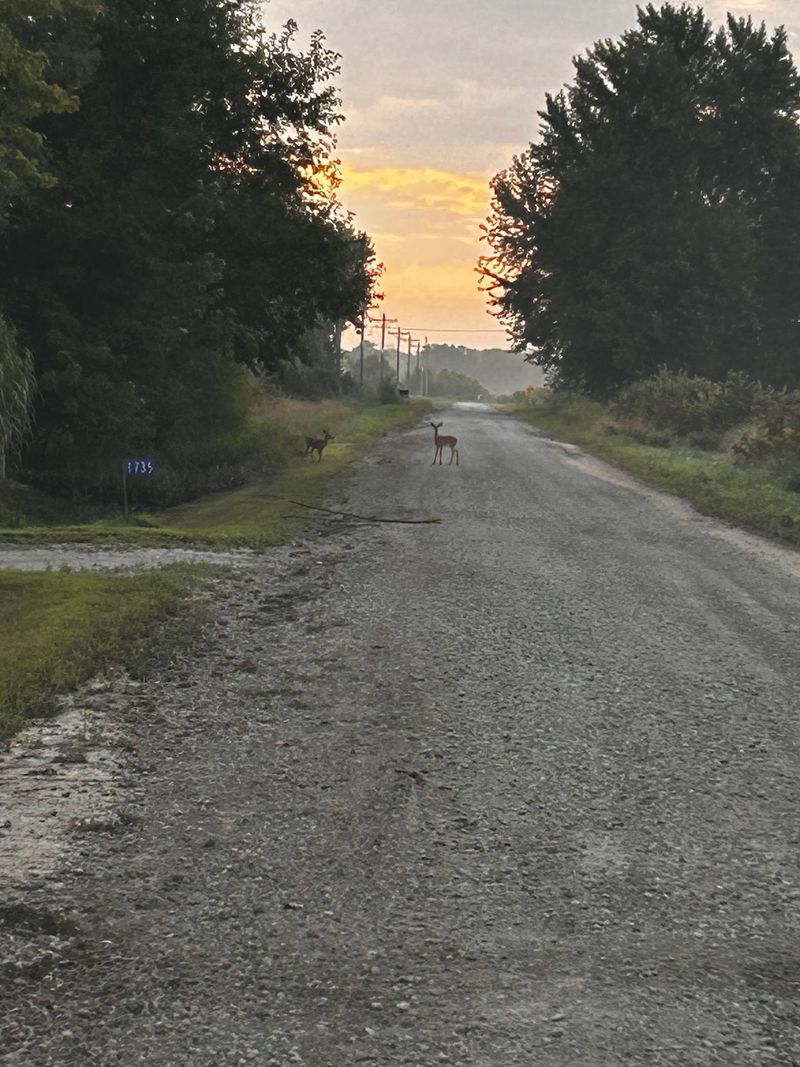
My GPS lost its nerve about two miles out, which felt like a decent sign that I was headed somewhere genuinely quiet.
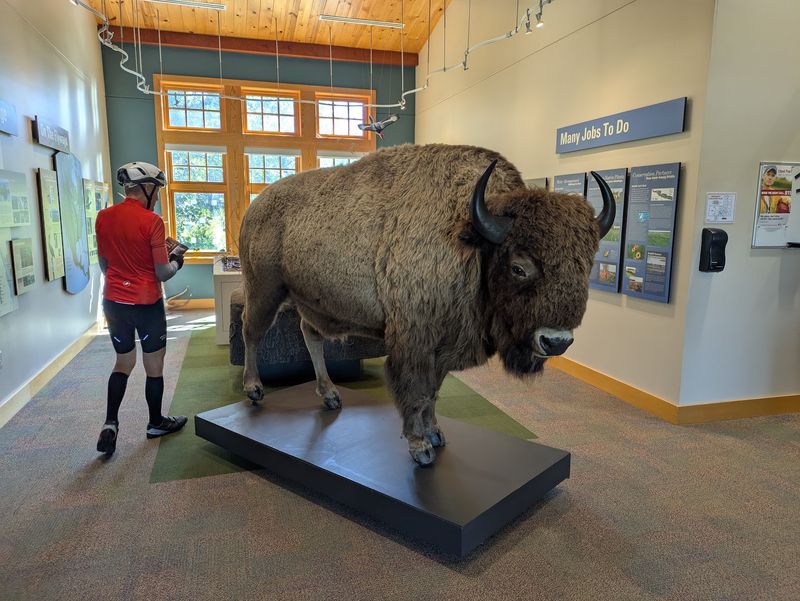
The Visitor Contact Station is modest on purpose. Think a handful of rooms, fairly new interpretive displays, a taxidermy exhibit or two, maps you can actually take with you, and restrooms that travelers consistently describe as clean and adequate.
What surprised me was the staff. I planned a ten minute stop and stayed close to an hour because a refuge employee started explaining how the water levels here are managed for migrating birds, and suddenly I cared deeply about pool elevations.
They keep binoculars and bird checklists handy, and they will point out exactly which pull-off has been producing eagle sightings that week. That kind of local intel beats any app.
Grab a brochure before you head out, because cell service gets thin fast once you drive deeper into the unit.
You will find it at 10728 Co Rd X61 in Wapello, Iowa, tucked into Louisa County in the southeastern corner of the state, close enough to the Mississippi River that you can smell the water on humid mornings.
Why The Eagles Show Up In Bulk Here
Eagles are opportunists, and this refuge sets a very generous table for them.
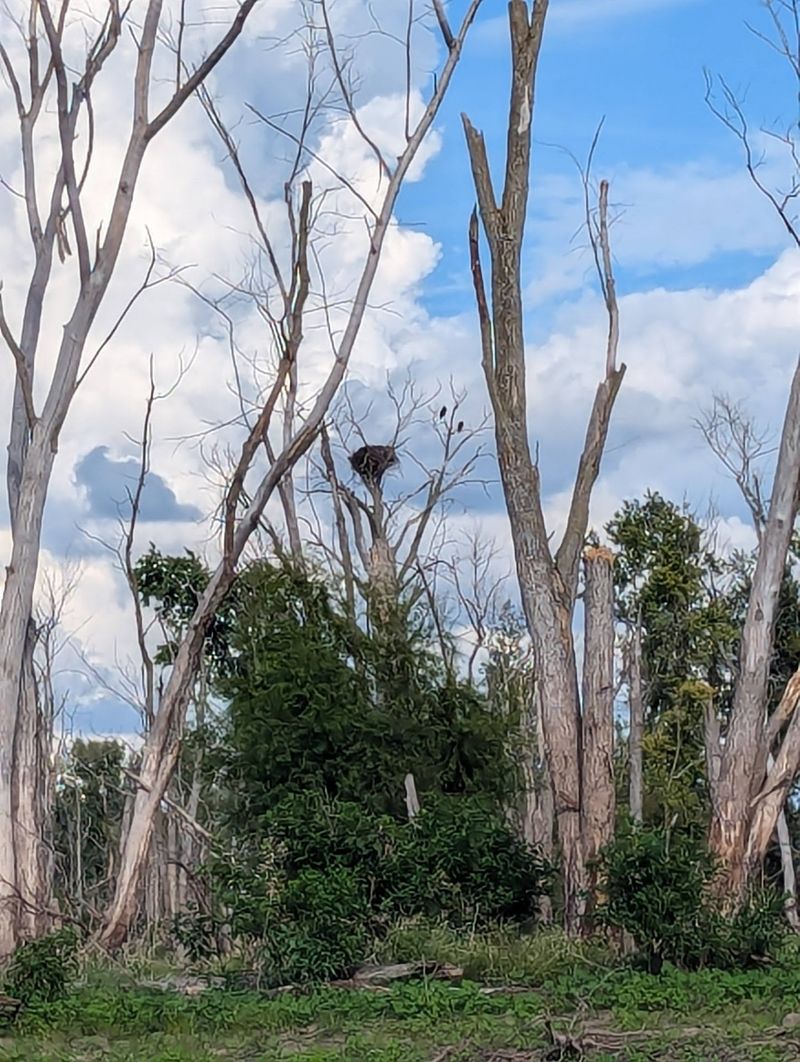
Shallow backwaters full of fish, tall trees for perching, and stretches of open water along the Mississippi River corridor add up to excellent bald eagle habitat.
Winter is when the numbers become especially impressive. The U.S.
Fish and Wildlife Service says large numbers of bald eagles winter along this stretch of the Mississippi, roosting in shoreline trees and feeding wherever open water gives them access to fish.
Nesting eagles use the broader refuge too. Official water-trail information even tells paddlers to watch for bald eagles and their nests high in the trees, though nest locations and activity can change from year to year.
My best viewing came from the car. Eagles often tolerate a stationary vehicle better than someone walking directly toward them, so I used my windows as a blind and gave every bird plenty of space.
Some birds sit quietly for long stretches, while others begin soaring once conditions encourage them into the air.
Bring binoculars with at least eight-power magnification, and expect to see immature eagles too. Their brown and mottled plumage makes them look very different from the white-headed adults.
Counting them became a small competition between me and my passenger, and I lost badly.
Short Trails That Respect Your Schedule
Nobody comes here expecting an all-day mountain hike, and honestly that is part of the charm.
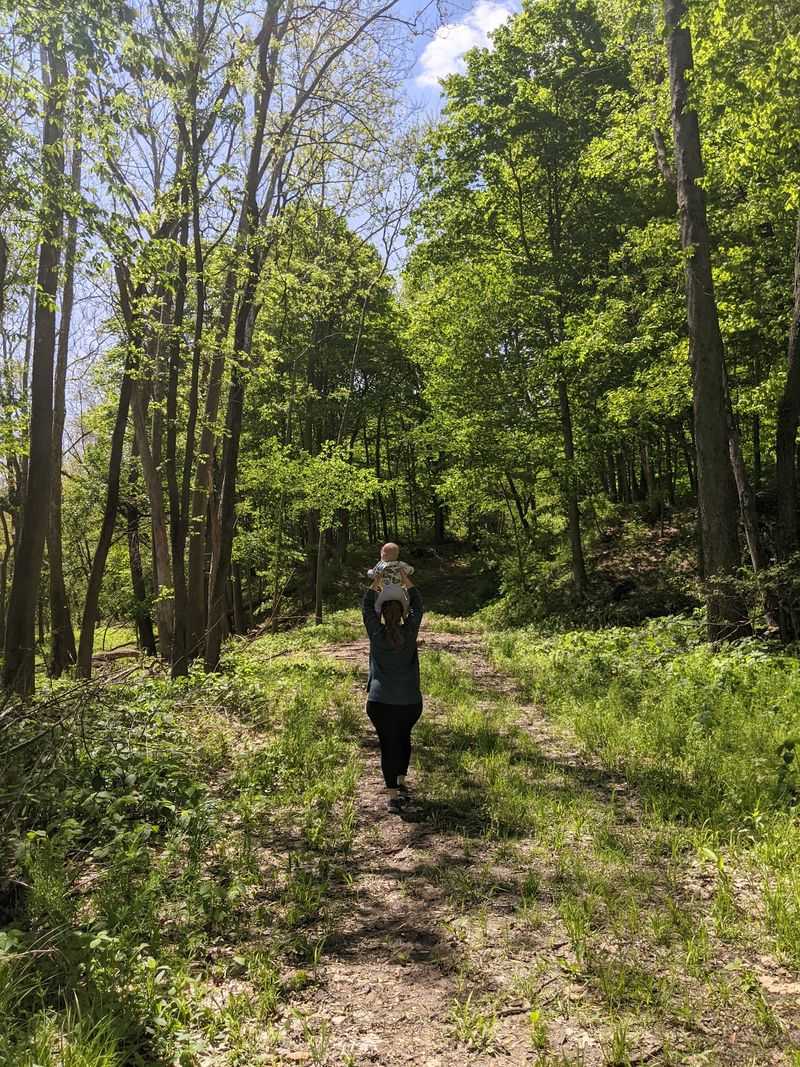
Two of the easiest trails to add to a visitor-center stop are the Sycamore Loop and Bluff Trail Loop. Sycamore is only about 0.3 mile, while Bluff Trail runs roughly 0.66 mile.
Do not mistake short for completely effortless, though. Both are officially rated moderate, and their surfaces are mowed grass or bare soil rather than smooth pavement.
That means conditions matter. Wet weather can leave the ground soft or muddy, and these are not trails where I would automatically promise an easy stroller ride.
Winter walking has its own appeal. Bare branches improve sightlines, while the quiet woods make it easier to hear woodpeckers and other birds before you spot them.
Longer options exist elsewhere in the refuge, including trails that stretch for several miles and areas that can close or become difficult because of water levels.
Check current trail conditions and seasonal access before committing to a longer route.
Bug spray earns its place in the bag during the warmer months.
The short loops still make it easy to add a genuine walk in the woods without turning a birding stop into an expedition.
Paddling The Backwaters Without A Crowd
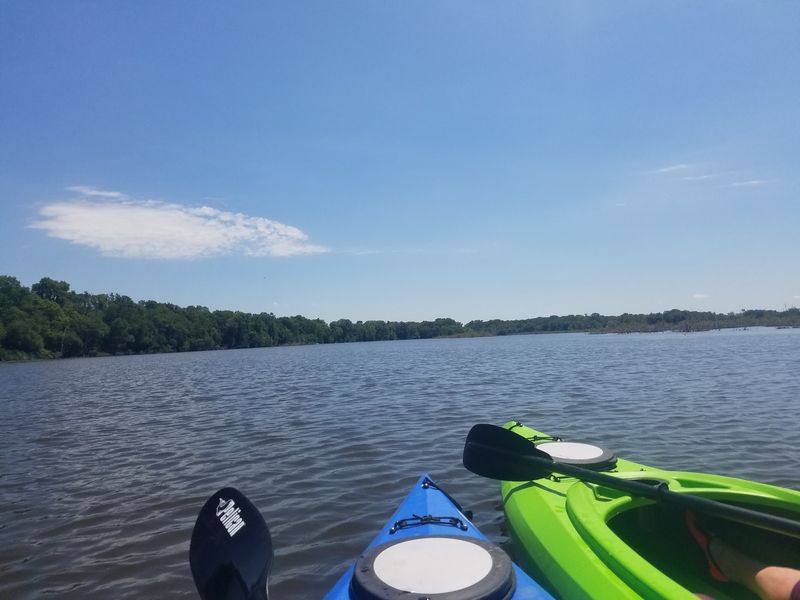
Paddlers have been quietly obsessed with this place for years, and I understand why after one morning on the water.
The refuge includes a designated canoe and kayak route through floodplain channels, and the water sits calm enough that beginners can manage it without much drama.
Longtime visitors call the area around the south side of Lake Odessa massive, with enough water to paddle for hours. That is exciting and also a real reason to pay attention to your route.
I marked my launch point on a paper map before starting, since the channels branch and loop and start looking identical after a while. Isolation is a feature until you want to find your car.
Access can be the trickiest part. Some ramps are basic gravel affairs without floating docks, so plan on getting your shoes wet.
Herons lifted off ahead of me repeatedly, always just far enough away to feel like they were teasing me.
A dry bag, water, sunscreen, and a whistle covered my essentials. Tell someone your plan, because help is not close by out there.
Fishing Spots That Locals Actually Use
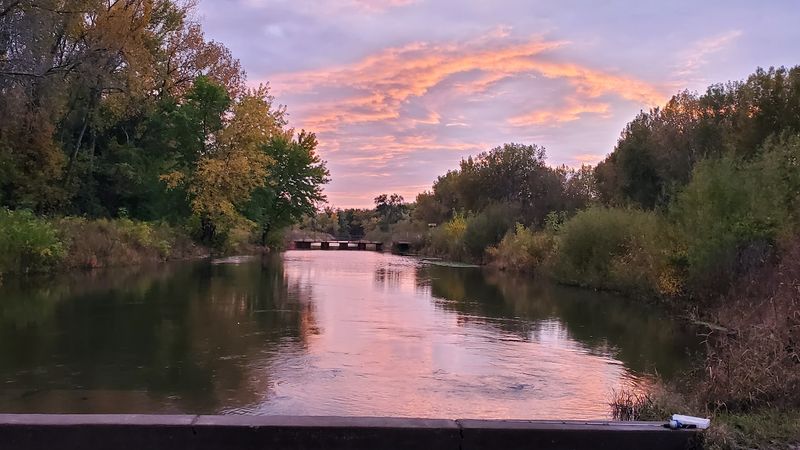
Ask around Louisa County about fishing and this refuge comes up fast.
Anglers work the Mississippi River channels, the culverts locals call the tubes, and the quieter backwater pools. Catfish, crappie, bluegill, and bass all make appearances depending on season and water levels.
I watched a father and daughter pull in panfish from a gravel bank while an eagle sat in a tree above them, entirely unbothered. That felt like a fair summary of the place.
Boat ramps here are functional rather than fancy. There is no floating dock at the main access, and the approach roads include a narrow one vehicle bridge, so slow driving is genuinely necessary.
Parking lots are small to medium sized, and weekends fill up. Arrive early or plan to be flexible.
You will need a valid Iowa fishing license, and refuge specific rules apply, including seasonal closures that protect resting waterfowl. Check the current regulations at the contact station rather than guessing.
Sand bars along the river make surprisingly good picnic spots, and I ended one afternoon sitting on one while the sun went down orange over the water.
Hours That Will Trip You Up If You Wing It
Here is the mistake I nearly made, so you do not have to.
The Visitor Contact Station keeps a weekday-heavy schedule. It is currently open Tuesday through Friday from 7:30 AM to 4 PM, except on federal holidays.
Yes, that means the building is normally closed Saturday, Sunday, and Monday. If you want the exhibits, maps, brochures, and a chance to talk with refuge staff, plan around that window.
Outdoor restrooms are available near the contact station after the building closes, which makes a weekend visit a little easier than it first sounds.
The refuge itself follows a separate access schedule, and this is where planning really matters. The Louisa and Keithsburg divisions close to public access from September 15 through December 31 to give migrating waterfowl room to rest and feed.
Horseshoe Bend also closes from September 15 through November 30.
Other trails and areas have their own seasonal schedules and water-level restrictions, so never assume that an open visitor-center parking lot means every part of the refuge is accessible.
Calling 319-523-6982 or checking the current Fish and Wildlife Service page before leaving home is the safest move.
A few minutes of planning can save a surprisingly long drive to a locked gate.
Bird Feeders And Easy Wins For Beginners
Not every wildlife moment requires hiking boots and grit.
The feeder setup near the contact station pulls in cardinals, chickadees, nuthatches, woodpeckers, and whatever else is hungry that week. Visitors mention it fondly, along with a fair suggestion that it could use a roomier spot.
Kids love it, and I saw why. Small birds come close, move constantly, and give young watchers something to identify within seconds instead of after an hour of scanning treetops.
Winter is the feeder’s best season. Natural food gets scarce, activity spikes, and the birds show up in numbers that make identification practice easy.
I used the feeders as a warm-up. Learning to notice wing bars and beak shapes on a chickadee made me much quicker at picking out details on bigger birds later.
The staff will lend you a field guide or checklist if you ask, and they seem genuinely pleased when someone new gets interested.
Educational programs run here periodically, and families have called those days both fun and genuinely instructive.
Ten minutes at a feeder turned my nine year old nephew into someone who now points at every hawk on the highway.
The Quiet Is The Main Attraction
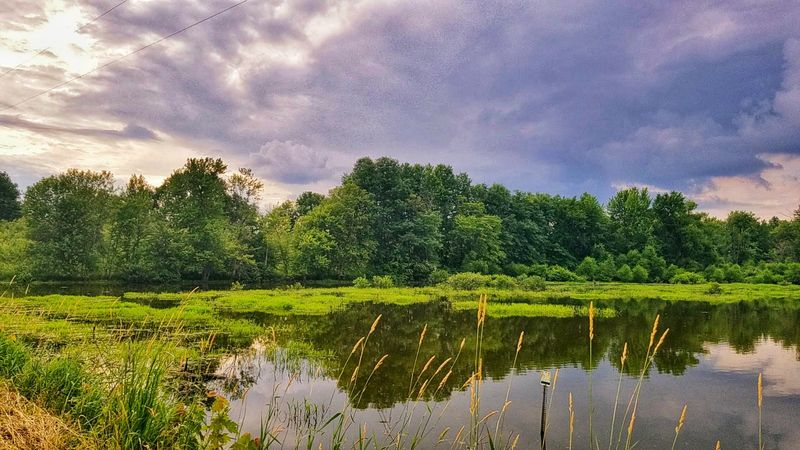
Silence out here has weight to it.
Once I got a few hundred yards from the parking area, the loudest sounds were wind through cottonwood leaves, frogs, and the occasional splash of something I never identified.
People who have been coming for twenty five years still describe the place as calm and magical, and one family even has a memorial plaque here honoring a relative. Places do not earn that kind of loyalty by accident.
Evenings deliver the best of it. Sunsets over the water get genuinely striking, and the mosquitoes are a small price for that show.
I sat on a bench for twenty minutes without checking my phone, which is not something I manage often.
Photographers should note that low angle light hits the wetlands beautifully in the last hour before sunset, turning the water copper colored.
Weekdays amplify the solitude. I had entire pull-offs to myself on a Wednesday afternoon in October.
If your version of a good day involves fewer notifications and more herons, this refuge delivers without asking much from you in return.
Planning A Smooth Trip From Nearby Towns
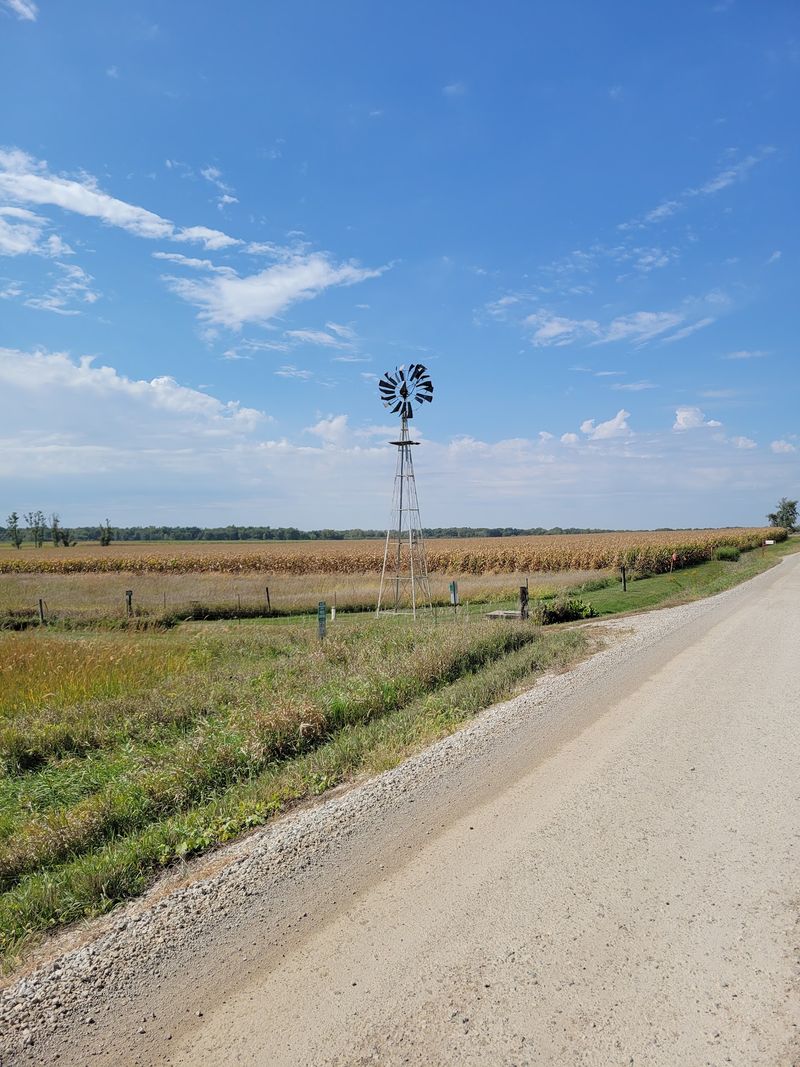
Getting to the Visitor Contact Station is simpler than the wild setting might make you expect.
Wapello sits along the Iowa River in Louisa County, roughly half an hour south of Muscatine and within a reasonable day-trip drive of the Quad Cities and Burlington.
From U.S. Highway 61 just north of Wapello, follow County Road G56 east for about four miles, then turn south onto County Road X61.
The refuge office is about another mile down the road, with signs directing visitors from the highway.
Exploring the deeper refuge units can involve narrower roads, gravel, basic boat accesses, and changing conditions, so that is where slower driving and a little extra preparation become more important.
I packed water, snacks, bug spray, binoculars, and a hat because services are limited once you leave town.
Half a day is enough for the contact station and a short trail. Paddlers, anglers, and serious birders can easily stretch the trip much longer.
Spring and fall bring major migration activity, while winter is especially good for bald eagles along the Mississippi River corridor.
Seasonal refuge closures matter just as much as weather, so check which division is open before choosing your route.
My best advice is to start early and leave enough flexibility for a good wildlife sighting to change the rest of your plans.
What Stayed With Me After The Drive Home
Some places sell themselves with gift shops and crowds. This one sells itself with wingbeats.
My notebook from that trip lists eagles, pelicans, herons, six duck species I had to look up, and one very confident raccoon.
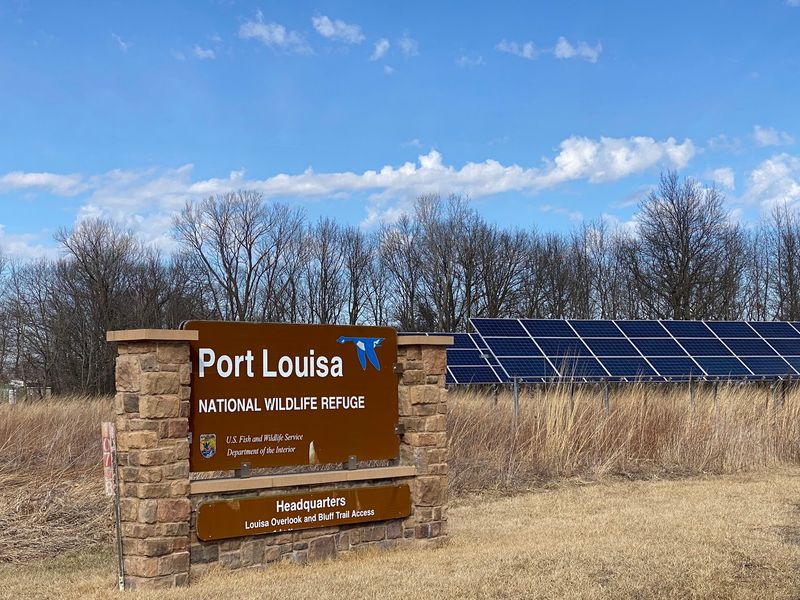
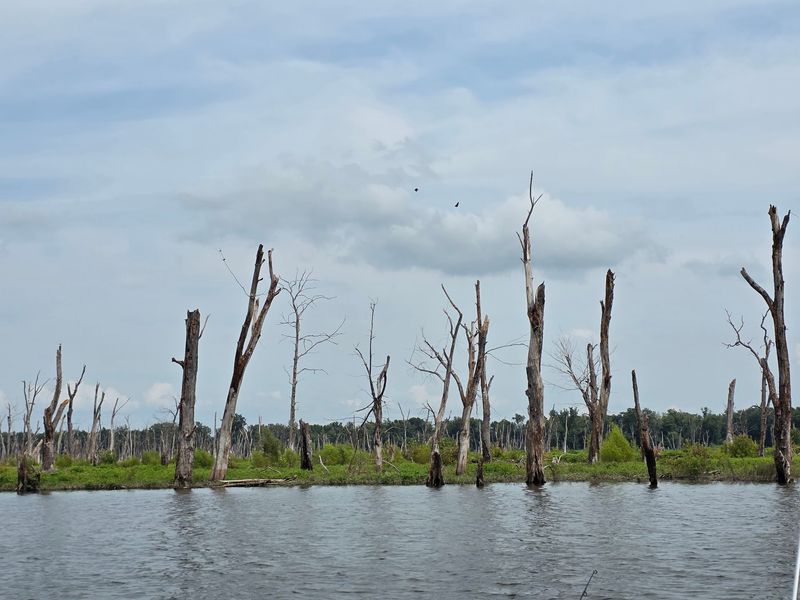
The refuge exists because floodplain habitat along the Mississippi is enormously important to wildlife. Port Louisa protects wetlands, forests, and shallow-water habitat along one of North America’s major migration routes, giving waterfowl and other birds places to rest and refuel.
During spring and fall, hundreds or even thousands of geese and ducks can use the refuge as they move through the Mississippi Flyway.
Nothing about the visit was polished, and that is exactly why it stuck. Quiet roads, a small visitor station, helpful staff, and a lot of sky.
Bring patience, binoculars, and a willingness to sit still. The refuge rewards all three.
Check both the visitor-station hours and current refuge closures before you go, because the building and the surrounding wildlife areas follow different schedules.
I left with dust on my shoes and a slightly better ability to tell a mature eagle from a young one at distance.
Eastern Iowa hides a lot of good water behind unassuming signs, and this stretch near Wapello ranks among the most generous I have found.