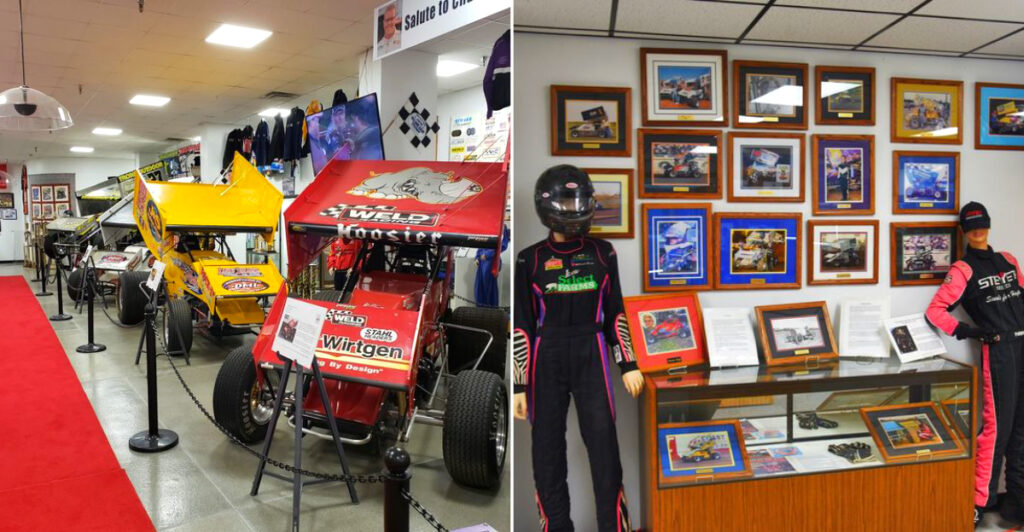
I walked in expecting a quick look at a few old race cars. Two hours later, I was still reading placards and wondering how my schedule had disappeared so completely.
This small-town Iowa museum packs two floors with real sprint cars, racing suits, trophies, photographs, and stories from decades of dirt-track history. Upstairs, huge windows look directly onto one of the country’s best-known dirt ovals.
I came in knowing very little about sprint car racing and left with a long list of names to look up. Here is why this surprisingly deep Iowa museum can turn a short stop into an entire afternoon.
The Building Hiding Behind Turn Two
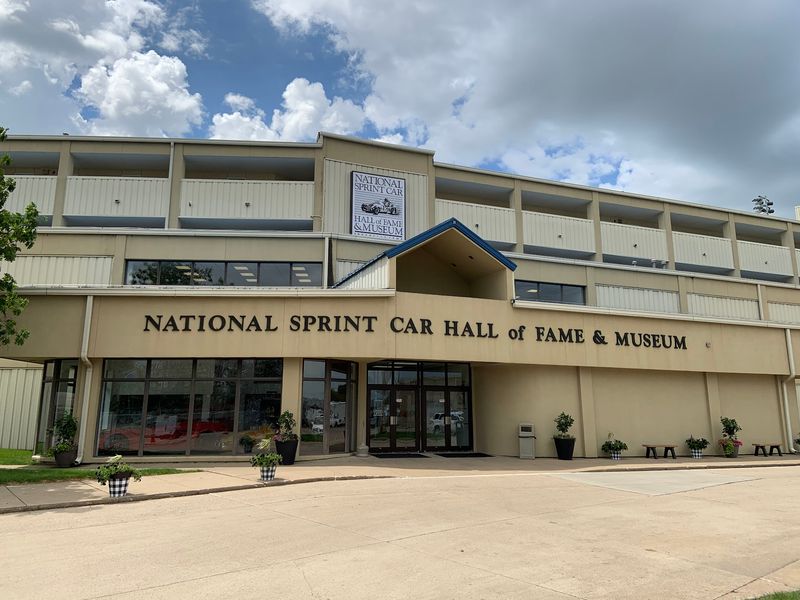
Most people drive past this place on their way to something else, which feels almost criminal once you have been inside.
The building sits tucked right up against a half-mile dirt oval, close enough that you can hear the grandstand chatter on race nights.
My first clue that I had underestimated it came in the parking lot, where the sign reads Sprint Capital Place. That is not marketing fluff.
Knoxville really does carry the nickname, and the museum exists because the sport needed a permanent home for its history.
Two floors hold cars, uniforms, photographs, plaques, and enough small artifacts that I kept doubling back to shelves I had already passed.
The layout runs tight and dense rather than airy and spacious. I actually prefer it that way, since you are never more than a few steps from something worth reading.
Staff greeted me at the counter and immediately asked whether I had been before, then pointed out where to start. Friendly does not quite cover it.
You will find the National Sprint Car Hall of Fame & Museum at 1 Sprint Capital Pl, Knoxville, IA 50138, right beside the famous raceway.
Rows Of Real Race Cars, Not Replicas
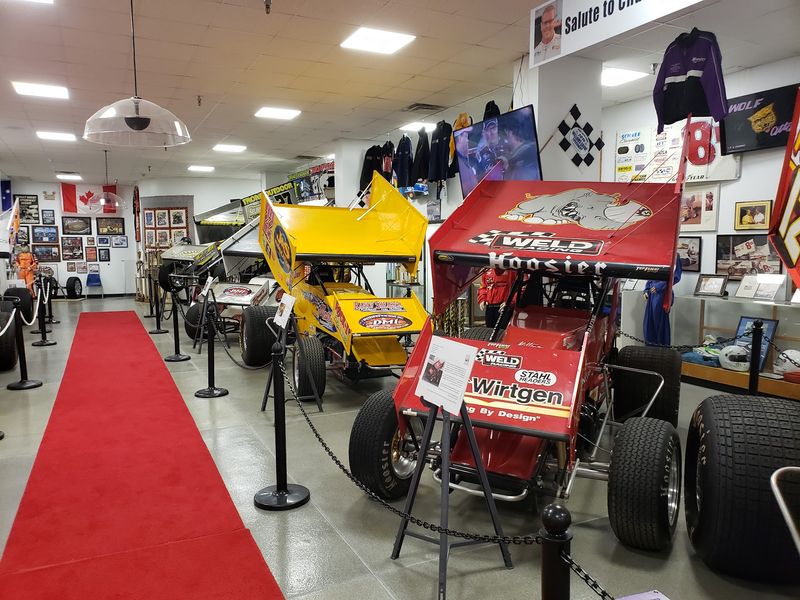
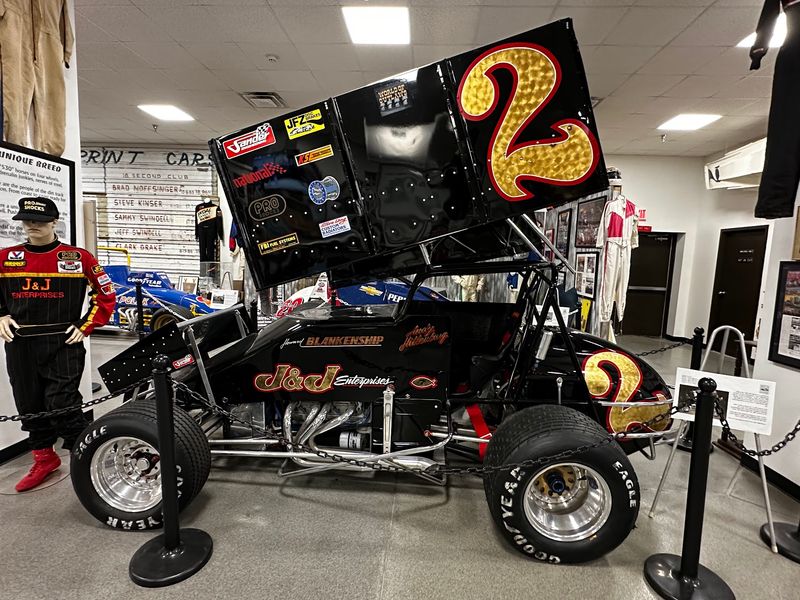
The cars got me first. Not photographs of cars, not scale models, but actual machines from the history of open-wheel racing.
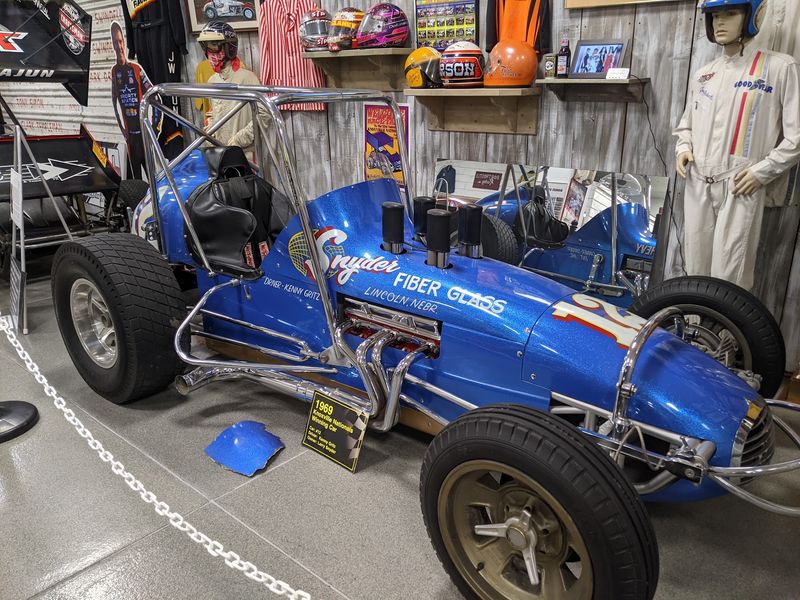
Some wear wings the size of a dining table on top. Others come from decades before wings existed, sitting low and bare with exposed frame rails and skinny tires that look completely unbothered by the idea of safety.
I counted dozens across the first-floor museum, arranged so you can trace how the sport changed. Bodies got sleeker, roll cages got sturdier, and paint schemes went from simple hand-lettered numbers to full commercial artwork.
Each car carries its own story, connecting the machine to the drivers, teams, and eras it represents. I kept stopping to read, which explains why my visit ran long.
A few displays are set up as garage scenes complete with tool chests, fuel cans, and jacks. Those staged corners are my favorite part, because they show the unglamorous work behind the trophies.
Racing fans will recognize names instantly. Everyone else will still walk out understanding why people devote their lives to this.
A Second-Floor View Straight Onto The Dirt
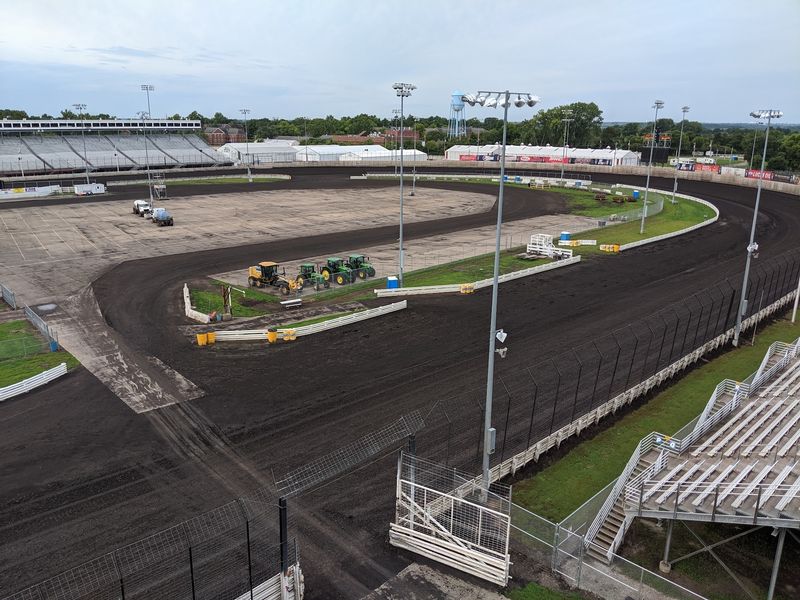
Upstairs is where I stopped talking for a minute. Big windows open onto the Knoxville Raceway oval, and you can see the banking, the grandstands, and the whole shape of the track from above.
Standing there on a quiet weekday, the place felt enormous and strangely peaceful. No engines, no dust, just an empty clay surface waiting for Saturday.
Staff told me the suites along that level become prime seating during big events. I believe it, because the sightline covers every corner without a single obstruction.
On the day I visited, a museum employee walked me out for a better angle and let me take photos looking down at the racing surface. That kind of gesture turns a good stop into a memorable one.
Seeing the track from up high changed how I understood the cars downstairs. Suddenly the wings and the wide tires made sense as tools built for a specific patch of dirt.
If you only have twenty minutes, spend ten of them at these windows. The exhibits are excellent, but the view is the thing you will describe to people later.
Ten Dollars Well Spent
Admission ran me ten dollars, which struck me as almost too cheap for what sits inside. I have paid more for parking at attractions with half the content.
Hours change slightly with the season. From April through September, the museum runs Monday through Friday from 8 AM to 6 PM, Saturday from 10 AM to 5 PM, and Sunday from noon to 5 PM, with extended hours on race days.
From October through March, weekday hours shift to 9 AM to 5 PM, while Saturday remains 10 AM to 5 PM and Sunday runs noon to 5 PM. Checking the current schedule before a race-weekend visit is still a smart move.
Phone ahead at 641-842-6176 if you are traveling far, especially around big race weekends when schedules can stretch later.
The facility is clean, well lit, and easy to move through, including for visitors using wheelchairs or strollers. Restrooms are on site and the floors are smooth throughout.
Budget at least ninety minutes. I told myself forty and blew right past it, mostly because I kept reading placards I had promised to skip.
For ten dollars, you get an afternoon inside a sport most people never see up close.
Where The Hall Of Fame Names Live
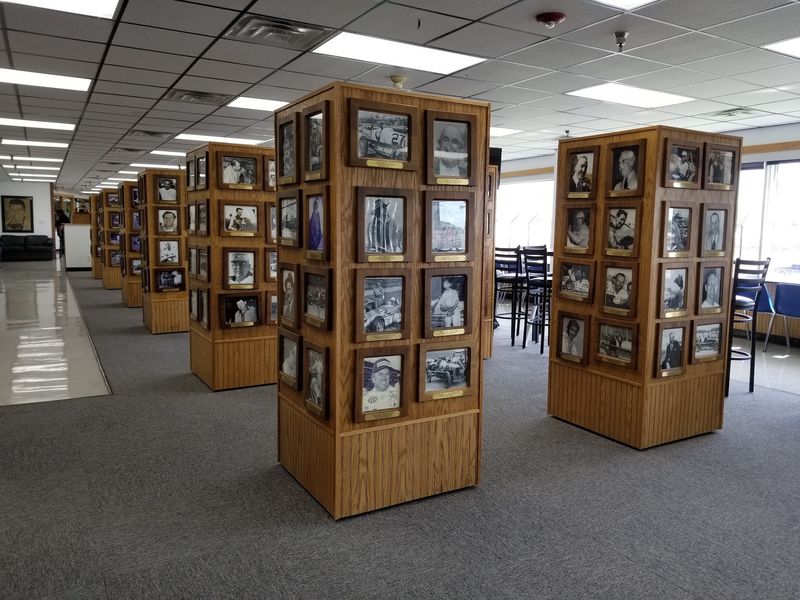
Beyond the cars sits the part that gives the building its name. Rows of induction plaques honor drivers, owners, mechanics, promoters, and announcers who shaped open wheel racing.
I expected a wall of names and got something far more human. Each plaque includes a portrait and a summary of what the person actually accomplished, sometimes over forty or fifty years of work.
What surprised me most was how many honorees never sat behind the wheel. Chief mechanics, track owners, and photographers share the same walls as champions.
Reading through them, patterns start showing up. Families appear more than once, and certain small towns produced a startling number of talented racers.
An older visitor near me was pointing out names to his grandson and explaining which ones he had watched compete in person. I eavesdropped shamelessly and learned more from him than from any sign.
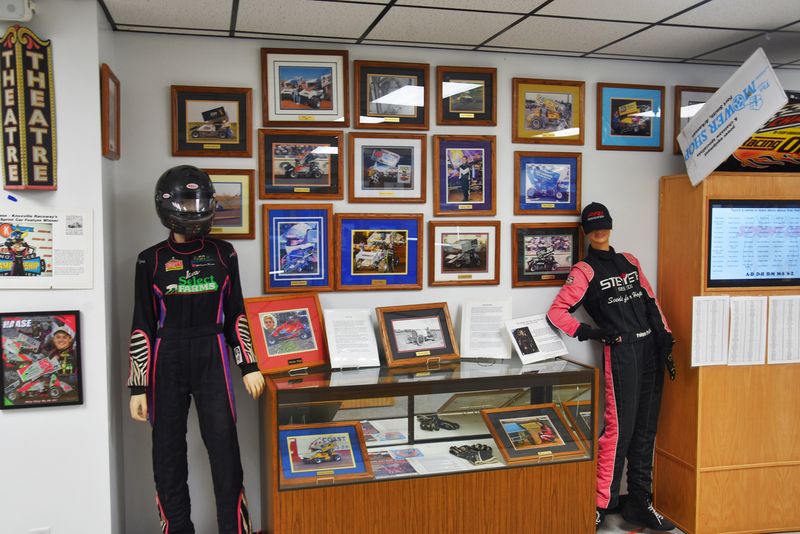
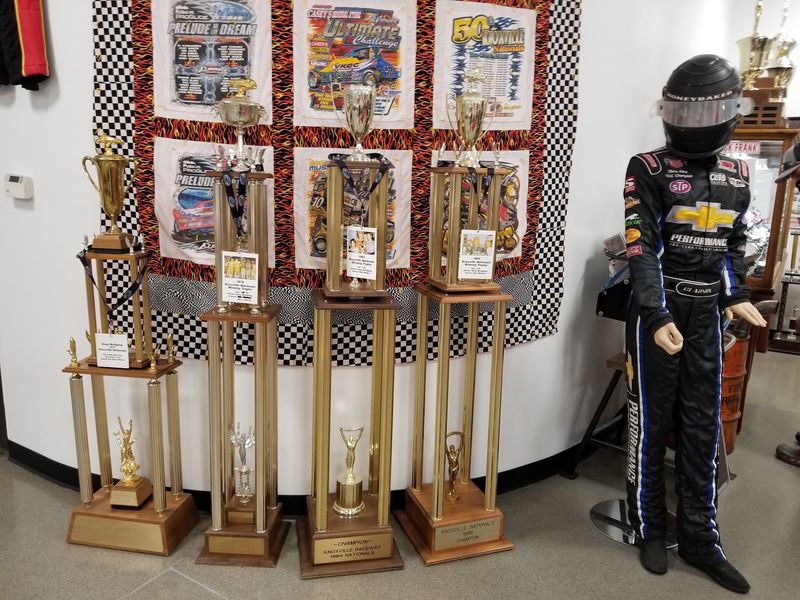
Uniforms, helmets, and awards fill nearby cases, adding faces and fabric to the names on the wall.
Give this section real attention rather than a quick pass. The plaques hold the heartbeat of the whole place.
Movie Theater, Research Corners, And Small Surprises
Upstairs holds a theater that I nearly walked right past. Sitting down for a film turned out to be one of the smartest things I did all day.
Racing films and special programs bring old dirt-track footage and sprint car stories onto the screen. Watching them after seeing the actual machines downstairs connects everything.
The second floor also holds a library and research center, giving visitors who want to dig deeper into the sport another reason to slow down.
Artwork lines several walls, including prints from graphic artists who have built careers illustrating this sport. I spent longer than expected studying paint schemes rendered in ink.
Photographs cover eras I knew nothing about, showing tracks that no longer exist and crowds dressed in hats and ties.
Little details reward slow walkers. A worn glove, a piece of bodywork, or an old racing document can pull your attention away from whatever you planned to see next.
Bring your camera and let yourself wander without a plan. I found the best stuff by ignoring the suggested route and following whatever caught my eye next.
That is how a forty minute stop becomes an afternoon you did not schedule.
Nationals Week And Autograph Sessions
Timing your visit changes the whole experience. During the big Nationals event in August, the museum becomes a gathering spot for fans from all over the country.
Drivers hold autograph sessions on multiple days that week. Meeting someone whose car you just studied in a display case is a genuine thrill.
Crowds do get thick then. Aisles that feel comfortable on a Tuesday in April turn shoulder to shoulder in August.
I would go both times if I could. Race week brings energy, while an ordinary weekday lets you read everything without shuffling around anyone.
Car shows and special events pop up on the grounds throughout the year as well. Checking sprintcarhof.com before you drive out saves disappointment.
Fans who plan a race night at the adjacent track often pair the two, hitting the museum in the afternoon and the grandstands after dark. Smart move, and the walk between them is short.
Families fit in easily here. Kids get real cars to look at, parents get history, and nobody is stuck waiting in long lines.
Pick your date deliberately and the visit pays you back twice over.
The Gift Shop And Getting There
My exit route ran straight through the gift shop, and my wallet noticed. Shirts, hats, die-cast models, posters, and books fill the shelves.
Selection can thin out after busy weekends, so popular sizes sometimes disappear. If you spot something you want, grab it rather than circling back.
Purchases here support the museum directly, which made the decision easier for me. Keeping a place like this running takes steady help.
Getting there is simple. Knoxville sits roughly 40 minutes southeast of Des Moines, an easy detour off a longer Iowa road trip.
Parking is free and plentiful on non-event days. Follow the signs toward the raceway and you cannot miss the building.
Downtown Knoxville is a few minutes away with places to eat, so you can build a half-day around the stop without much planning.
I left with a shirt, about two hundred photos, and a much longer list of drivers I wanted to read about later.