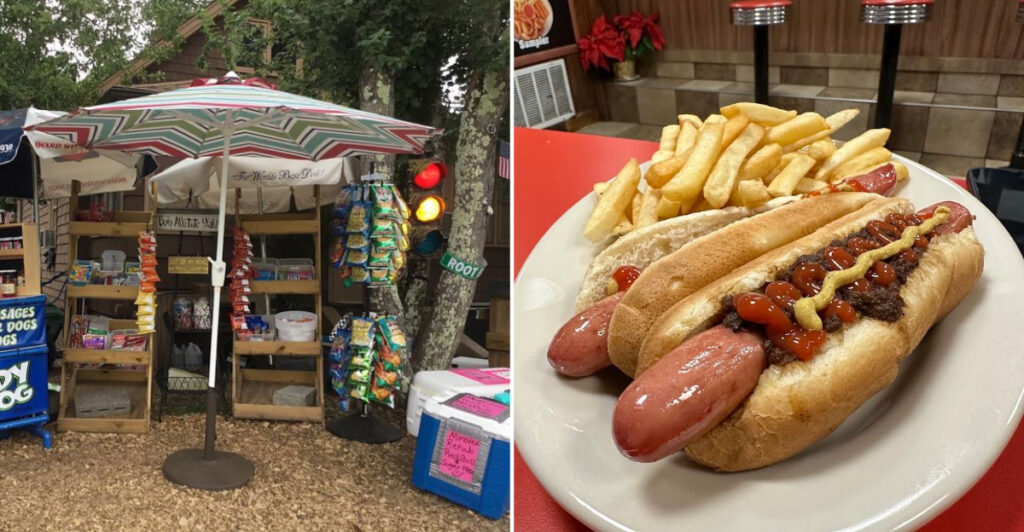
Frankly, New Jersey never needed a food trend to make the hot dog worth crossing town for.
These stands prove that longevity can be its own recommendation, especially when recipes, routines, and neighborhood loyalty survive decade after decade.
You are not coming for reinvention, delicate plating, or a menu that needs explaining.
You are coming because the old playbook still delivers, and because some foods become more satisfying when nobody has tried to modernize them.
The state’s hot dog tradition carries regional pride, family memory, and enough strong opinions to turn lunch into debate.
Call it a link to the past with mustard on the side. Each stop keeps its identity clear, its purpose simple, and its regulars deeply attached.
New Jersey has changed plenty over the years, but these counters keep proving that a classic cooked with confidence can outlast almost anything the trend sends down the road.
1. Hot Grill
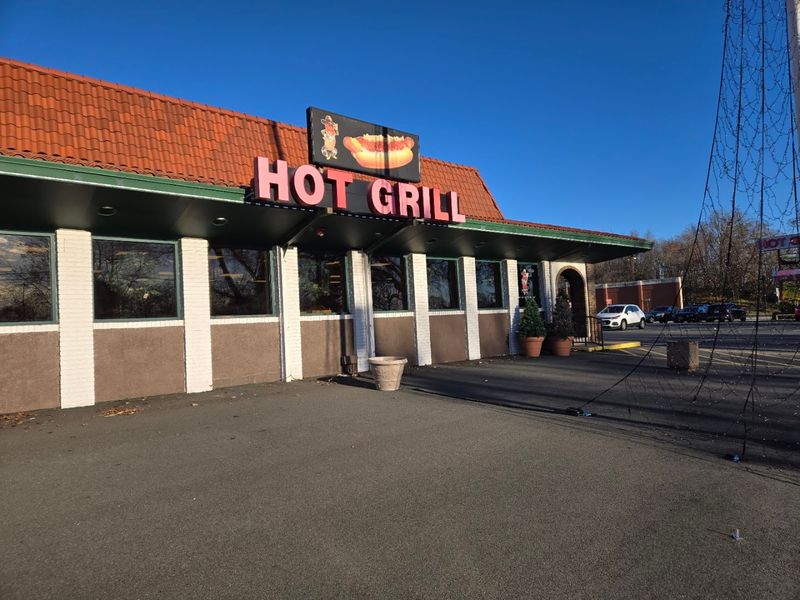
Hot Grill has spent decades proving the Texas wiener belongs to North Jersey, despite a name pointing much farther south.
The formula begins with a deep-fried frank, then adds finely ground meat sauce, mustard, and chopped onions. Each layer needs restraint because an overloaded dog loses its balance quickly.
The sauce brings mild spice and enough richness to coat the frank without turning the bun into a chili bowl. Mustard adds sharpness, while onions bring a fresh bite.
Counter service keeps orders moving even when the dining room fills. I love watching an old system handle a modern lunch rush without losing its rhythm.
Burgers and diner staples appear on the menu, but the Texas wiener controls the conversation. Six decades of repetition have given the kitchen unusual precision.
The dining room rewards decisiveness because the classic order needs little explanation. One glance at nearby trays usually confirms what most first-time customers should request.
Some recipes benefit from reinvention, while this one benefits from leaving the proportions alone. Hot Grill is located at 669 Lexington Avenue, Clifton, New Jersey.
2. Hiram’s Roadstand
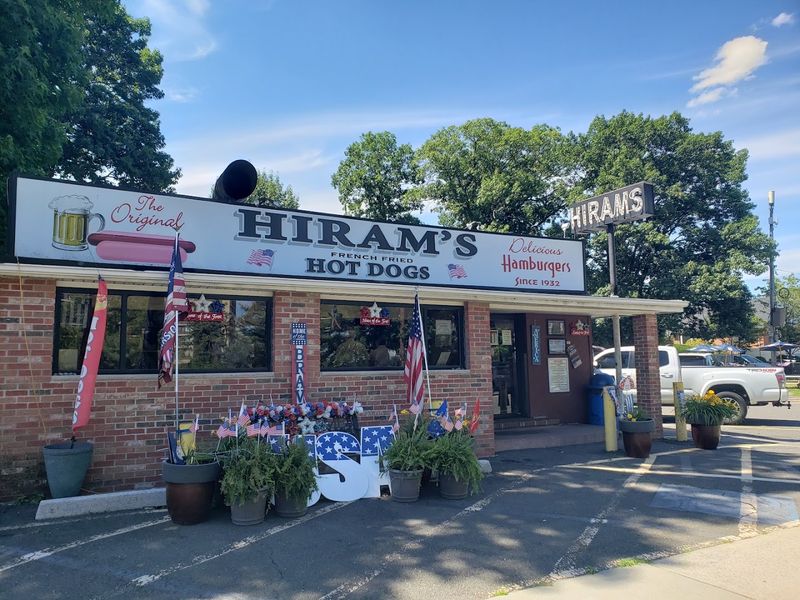
Hiram’s Roadstand has served deep-fried hot dogs near the George Washington Bridge for more than nine decades.
Hiram’s Roadstand is located at 1345 Palisade Avenue, Fort Lee, New Jersey.
The bridge traffic may rush nearby, but the stand follows a much older pace. Orders arrive fast because the method has been practiced for decades.
The house style pushes the casing toward blistered crispness while keeping the inside juicy. A full ripper takes the fry until the skin opens dramatically.
Fries and onion rings support the main order without turning the menu into a distraction. The short lineup helps the kitchen protect speed and consistency.
I like roadside stands that still operate according to their original purpose. The building is compact, the counter moves quickly, and the hot dog receives nearly all the attention.
Fort Lee has changed enormously around this small operation. Hiram’s survived because its cooking method stayed clear, recognizable, and worth repeating.
A ninety-year-old stand does not need elaborate storytelling when the fryer keeps producing the same crisp result. One bite supplies the historical argument.
3. Johnny & Hanges
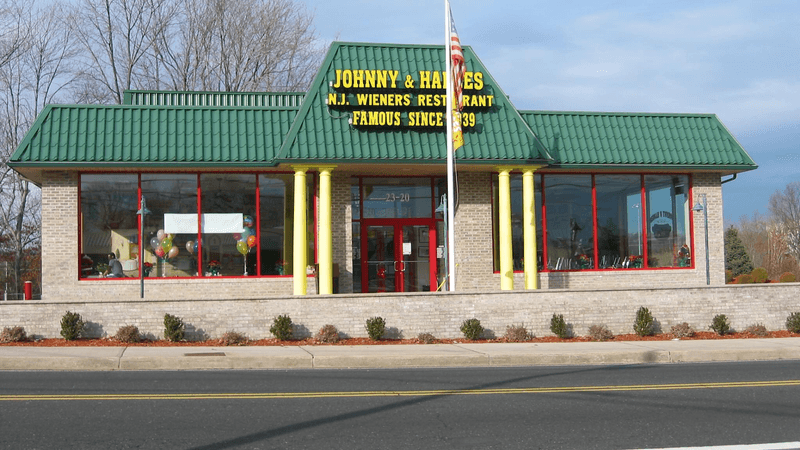
Johnny and Hanges follows the North Jersey Texas wiener playbook with a deep-fried frank, meat sauce, mustard, and onions.
The difficult part is not naming those ingredients. The difficult part is keeping their proportions balanced during every lunch rush.
Its meat sauce stays finely ground and lightly spiced, supporting the frank without overwhelming the casing. Years of repetition help the kitchen keep that texture consistent.
Johnny and Hanges is located at 23-20 Maple Avenue, Fair Lawn, New Jersey.
A warm bun keeps the toppings contained while preserving enough softness against the crisp frank. Every texture supports the sauce instead of competing with it.
Counter service gives the room a quick, practical rhythm suited to solo diners, families, and regulars already prepared to order.
Burgers and basic sides add options, but the hot dog defines the stand. Local loyalty grew through family recommendations and repeat visits instead of constant promotion.
I love places that make confidence look quiet. Nothing on the plate needs decoration when the sauce, mustard, and onions already know their roles.
Fair Lawn has plenty of dining choices, yet this counter keeps its place by repeating one regional combination with unusual discipline.
4. Rutt’s Hut
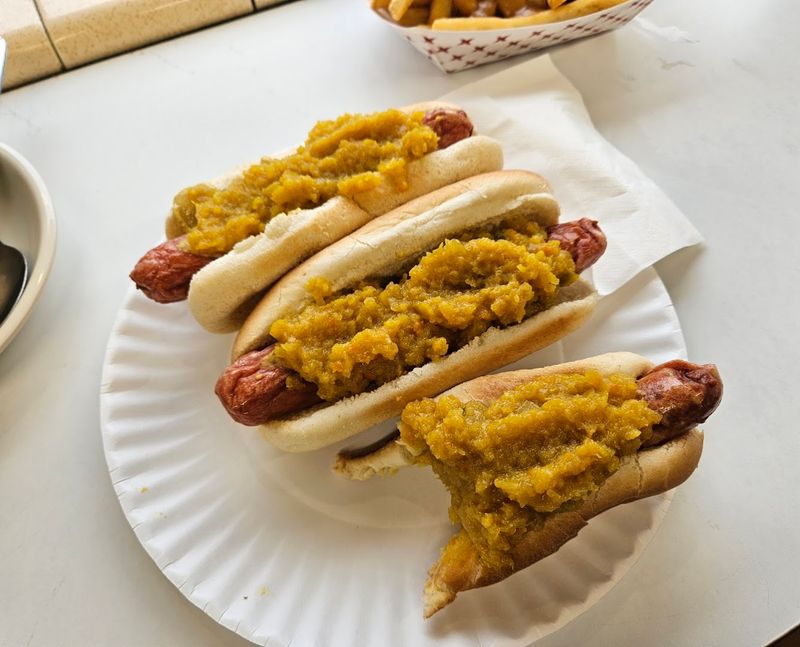
Deep-frying a hot dog sounds basic until the casing splits, curls, and develops the crisp edge locals expect.
Rutt’s Hut turned that moment into the ripper, a frank cooked until the skin opens under the heat. The result brings snap, juiciness, and charred flavor in one compact order.
Regulars can choose lighter or darker frying, depending on how far they want the casing pushed. An in-and-outer keeps more softness, while a weller takes the exterior further.
Rutt’s Hut is located at 417 River Road, Clifton, New Jersey.
Steam rises from fresh orders while the fryer keeps the casing moving toward each requested level. Regulars often know their preferred finish before reaching the counter.
Mustard and the house relish complete the classic order without burying the dog. The relish carries a tangy, mustard-driven flavor that customers recognize immediately.
The low roadside building still faithfully preserves the atmosphere of an earlier dining era. Nothing distracts from the counter, fryer, and steady parade of paper-wrapped orders.
I like places where one small cooking choice becomes regional vocabulary. Nearly a century later, the ripper still explains why families keep returning across generations.
5. Jimmy Buff’s
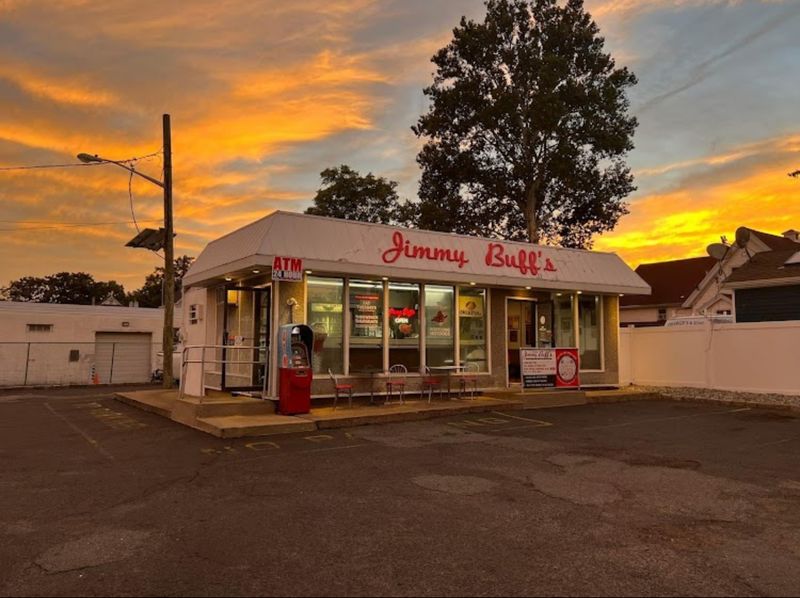
Jimmy Buff’s holds a special place in state food history because the Italian hot dog began with this family operation.
Jimmy Buff’s is located at 60 Washington Street, West Orange, New Jersey.
Watching the sandwich come together explains why assembly matters almost as much as frying. Potatoes need even distribution, or one side becomes an unexpected endurance test.
The peppers soften without disappearing, while onions add sweetness around the salty frank. Together, those fillings make the sandwich surprisingly balanced despite its considerable size overall.
The sandwich uses round pizza bread filled with a deep-fried frank, fried potatoes, peppers, and onions. Calling it a hot dog almost understates the workload inside that bread.
The sturdy loaf is essential because a standard bun would collapse beneath the fried fillings. Its shape also turns the order into a handheld meal rather than a quick snack.
James Racioppi, known as Jimmy Buff, created the combination after opening the original Newark location in 1932. Later generations carried the format forward.
I like regional foods with a clear origin story and a structure nobody can casually change. Remove the pizza bread, and the whole identity disappears.
Other stands now serve versions across the state, but this name still points back to the beginning. One order delivers potatoes, peppers, onions, history, and enough food for a serious appetite.
6. Max’s Grill
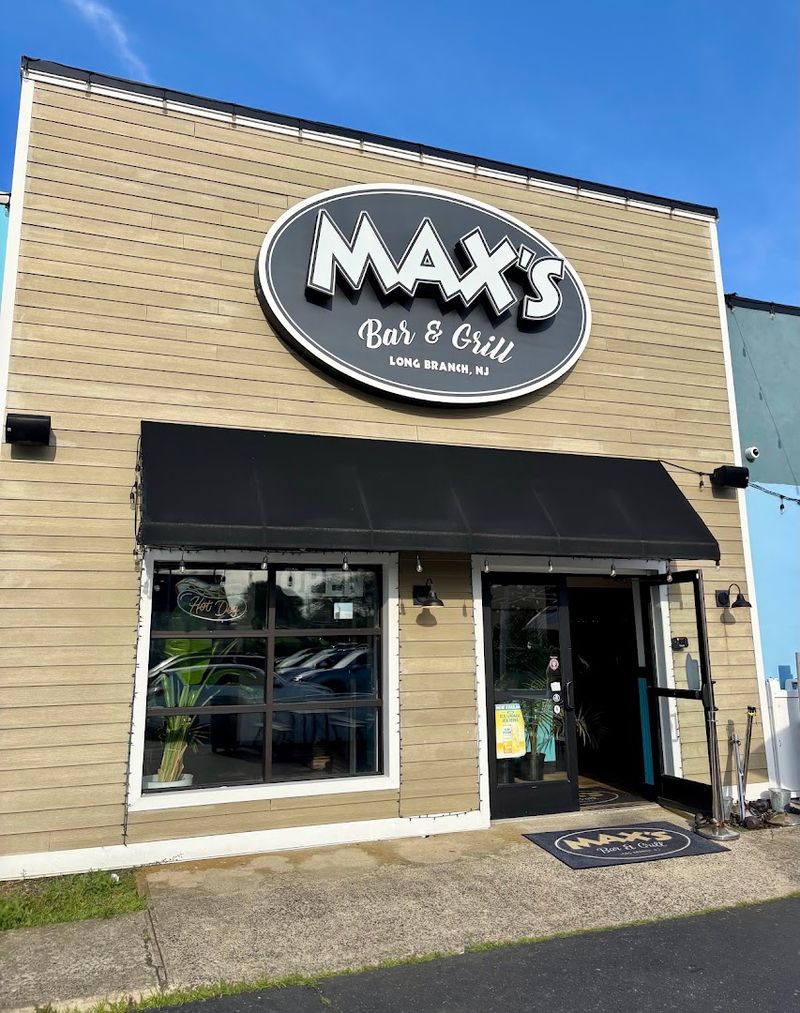
Max’s takes a different route from North Jersey’s deep-fried stands by placing its hot dogs directly on the grill.
That method builds char across the casing while preserving a familiar roadside simplicity. Basic toppings let the grilled flavor stay at the center.
The menu also includes burgers and other American staples, but the frank has anchored the operation since 1928.
Long Branch gives this stand a Shore-town rhythm shaped by summer visitors and year-round regulars. The surrounding city changed, while the grill kept working through every era.
I love how one cooking method can define a location for almost a century. Max’s does not need to imitate the ripper or Texas wiener traditions farther north.
Shore air and grill smoke create a combination locals have connected with summer for generations. The stand also works outside peak season, when quieter visits bring the regular crowd forward.
The debate between grilled and fried dogs will never settle, which keeps the state’s hot dog map interesting. Max’s Grill is located at 25 Matilda Terrace, Long Branch, New Jersey.
7. Dickie Dee’s
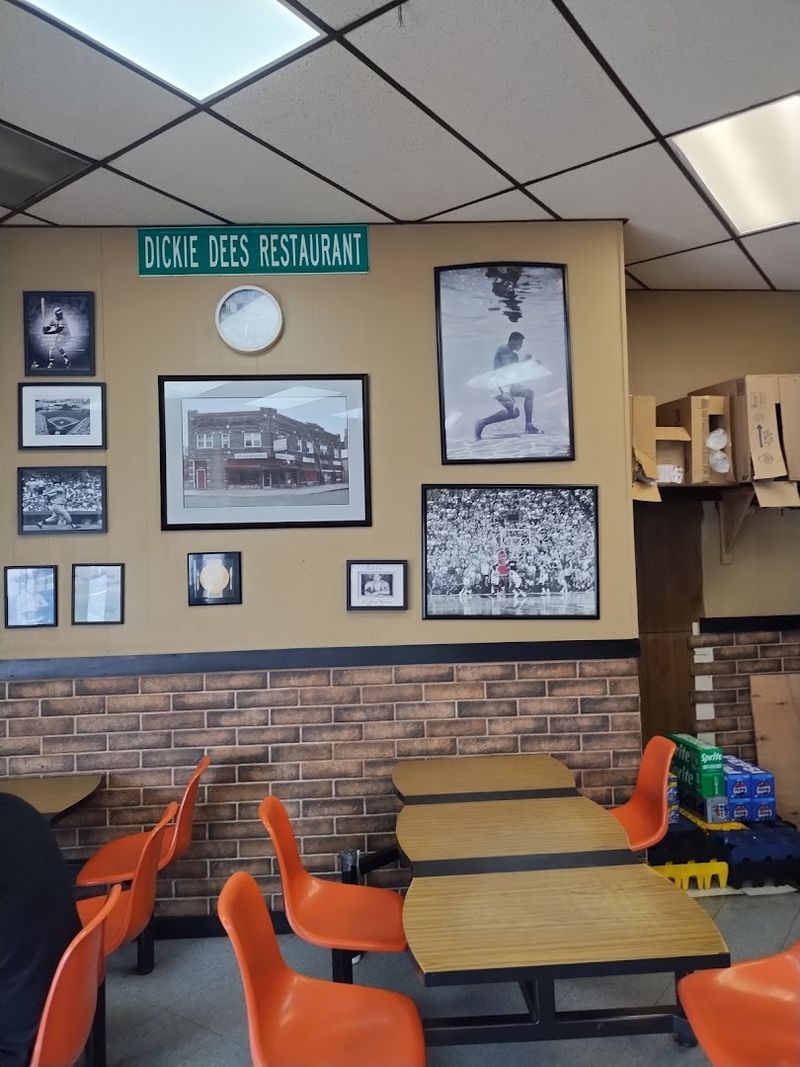
Dickie Dee’s represents Newark’s Italian hot dog tradition through fried franks, potatoes, peppers, onions, and round pizza bread.
The broad structure follows the style created by Jimmy Buff’s, but seasoning and proportions give every stand its own identity.
Bread carries enormous responsibility here. It must hold hot potatoes and vegetables without becoming soggy, dense, or impossible to bite.
Dickie Dee’s is located at 380 Bloomfield Avenue, Newark, New Jersey.
Fried potatoes give the sandwich bulk, but peppers and onions keep that richness moving. The best bites gather every filling inside one piece of bread.
The Bloomfield Avenue corridor has long supported Italian-American food businesses, making this sandwich part of a larger neighborhood story.
I like how the order combines several familiar ingredients yet produces something unmistakably regional. A standard hot dog bun could never manage the assignment.
The menu keeps its focus on hot dogs and supporting sides. That restraint lets the kitchen concentrate on frying, assembly, and the balance between bread and filling.
Newark often gets overlooked in statewide dining conversations. This counter keeps serving one of the city’s most distinctive contributions with confidence.
8. Texas Wiener I
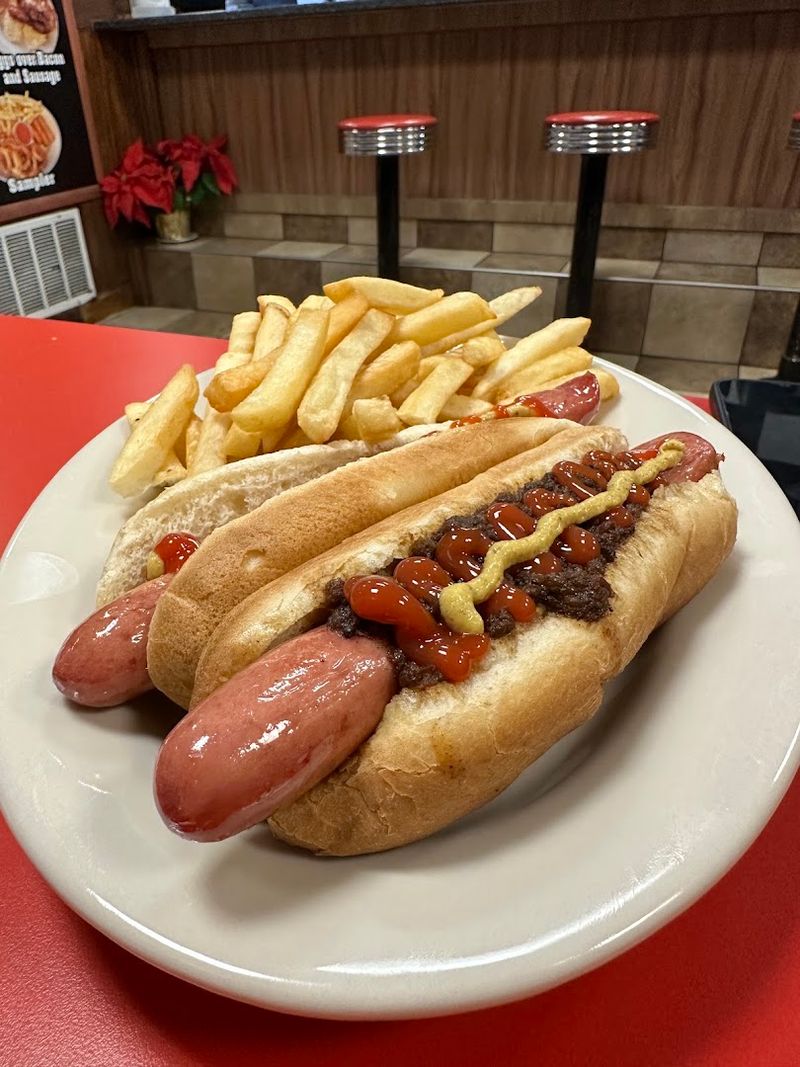
Texas Wiener I keeps Plainfield connected with a regional dish shaped by Greek-American lunch-counter culture.
The name may suggest another state, but the deep-fried frank, meat sauce, mustard, and onions belong firmly to New Jersey.
Texas Wiener I is located at 100 Watchung Avenue, Plainfield, New Jersey.
The bun must catch sauce without becoming heavy before the final bite. That small structural success separates a satisfying order from a very messy lunch.
Its sauce carries a distinct spice blend, giving the stand a personality separate from Clifton and Paterson competitors. Texture matters just as much as heat.
The menu stays tight because the main attraction already provides enough reason to visit. Extra choices would only distract from the combination regulars expect.
I love regional naming quirks that make complete sense locally and confuse nearly everyone else. The Texas wiener has no real Texas connection, yet nobody here needs clarification.
Watchung Avenue gives the stand a neighborhood base that has supported it through years of city change. Central Jersey deserves more space in the statewide hot dog argument.
9. Galloping Hill Inn
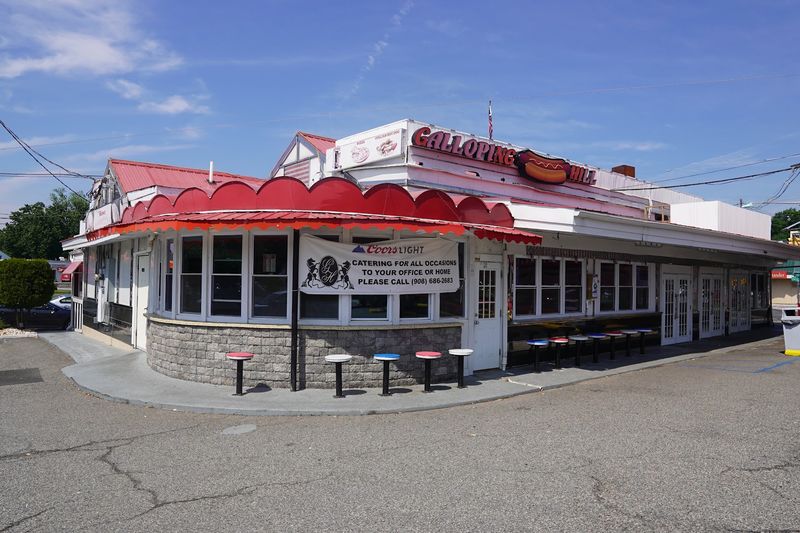
Galloping Hill Inn represents the old roadside tradition with grilled hot dogs, hamburgers, and straightforward sides.
Galloping Hill Inn is located at 1085 Galloping Hill Road, Union, New Jersey.
The familiar roadside setting makes the order seem connected with the drive itself. Pulling in, choosing toppings, and leaving with a hot dog form one easy ritual.
Its grilled franks provide a different profile from the deep-fried dogs dominating Clifton and Paterson. Char replaces blistered casing, while simple toppings preserve the meat’s flavor.
Union County sits between several stronger hot dog regions, giving this stand a useful middle position on the map.
The building and menu have stayed recognizable while suburban development changed the surrounding roads. That continuity matters in a business vulnerable to rising costs and shifting tastes.
I love roadside counters that refuse to become generic fast-food replicas. A hot grill, paper wrapping, and a familiar order can still build stronger loyalty.
Galloping Hill Inn survived because its promise stayed clear. The grill keeps moving, the menu stays practical, and Union keeps showing up.
10. Hot Diggidy Dog
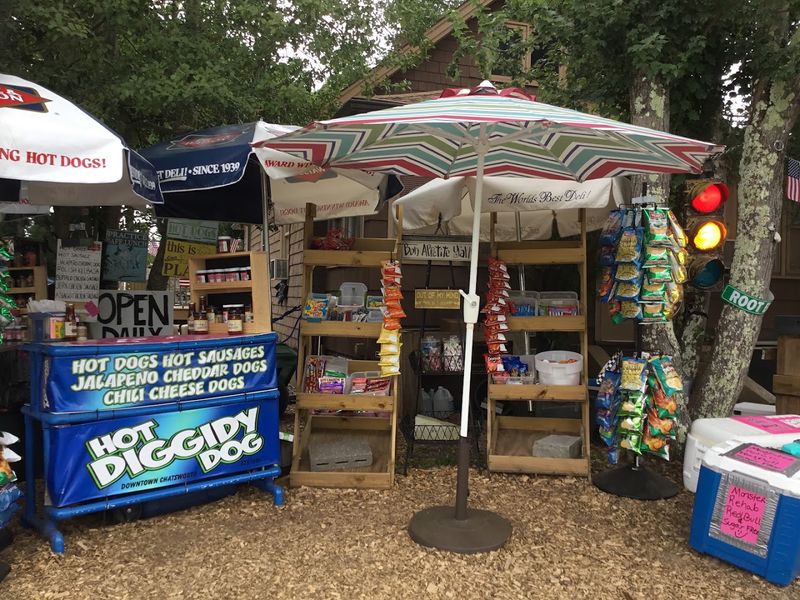
Hot Diggidy Dog brings roadside simplicity to the Pine Barrens, where the menu stays focused and the surroundings do the talking.
Hot Diggidy Dog is located at the intersection of Routes 532 and 563, Chatsworth, New Jersey.
The stand has operated for more than thirty years and still cooks its hot dogs and sausages by boiling them. That method keeps the casing tender while preserving the straightforward character of a classic roadside order.
Its franks use a beef-and-pork blend, giving each bite a familiar snap and savory depth. Mustard, sauerkraut, and other traditional toppings keep the finished dog connected with the old playbook.
The seasonal setup adds another layer of personality.
Cash-only service, picnic-table eating, and a weather-dependent schedule make the stop seem tied to the road itself. I like places where lunch depends on sunshine and a handwritten plan.
Chatsworth sits deep inside the Pine Barrens, so arriving here can seem like finding lunch between long stretches of forest. One hot dog may handle the drive, although ordering two avoids a predictable return to the counter.
No complicated concept is required. A boiled frank, simple toppings, and more than three decades of practice give this small stand plenty to say.