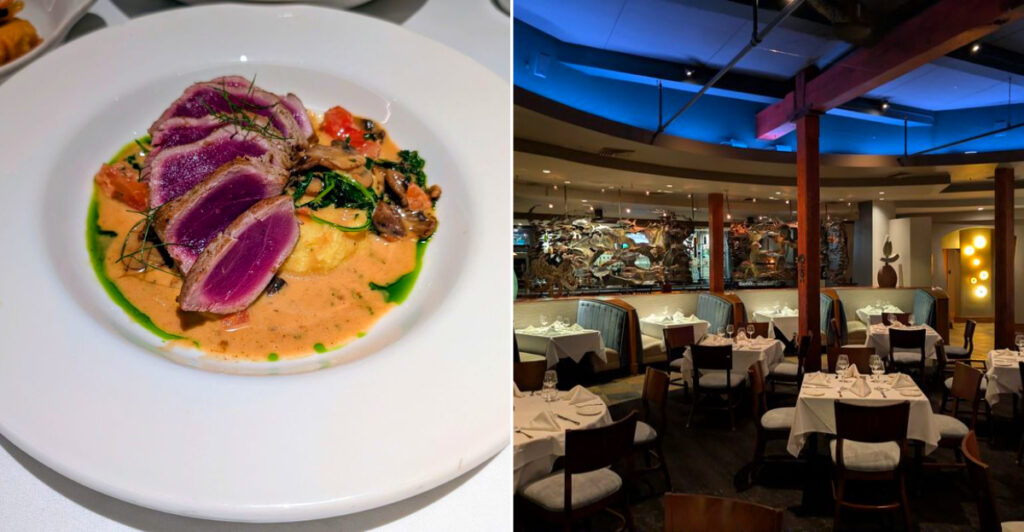
New Orleans is not exactly short on restaurants with reputations, which makes it impressive when one still feels like a discovery. In the French Quarter, this locally owned seafood destination balances polished cooking with enough warmth to keep dinner from turning into a ceremony.
The menu changes with the catch, allowing Gulf seafood and other fresh arrivals to dictate what appears on the plate. Then the warm biscuits show up, and suddenly restraint becomes somebody else’s problem.
Fresh Gulf seafood, an ever-changing menu, and nationally recognized cooking make this one of New Orleans’ standout seafood restaurants.
Recent honors, including a 2025 James Beard Restaurant semifinalist nod, have only added to the attention, but the appeal feels pleasantly grounded.
Creative fish dishes arrive without unnecessary theatrics, service stays welcoming, and every course seems designed around what is freshest rather than what photographs best. In a city overflowing with memorable meals, that confidence goes a long way.
Study The Daily Menu
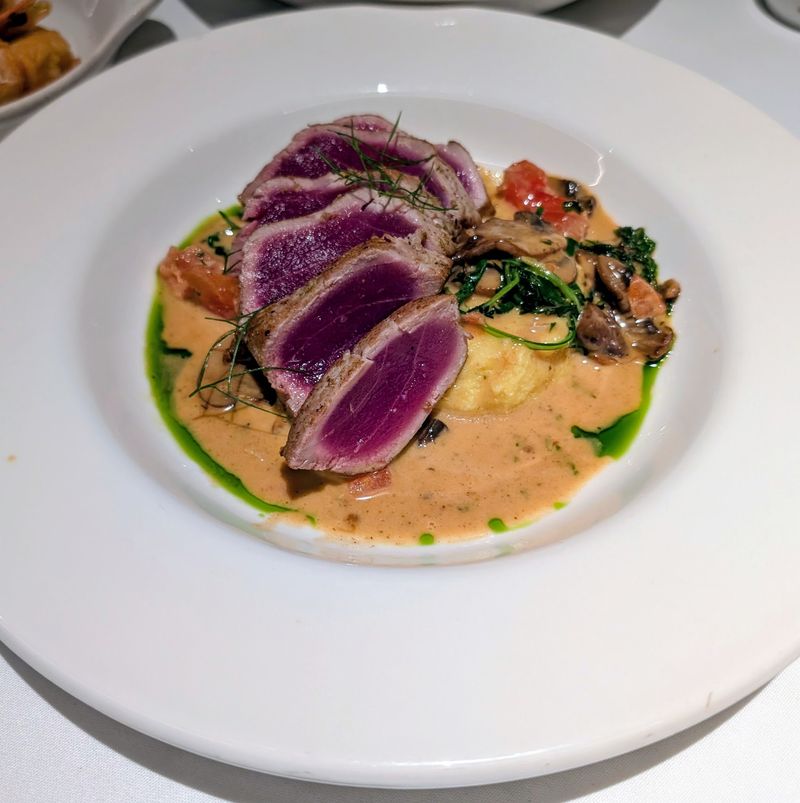
Here, the menu behaves more like a tide chart than a fixed promise. GW Fins follows the idea that nature writes the menu, so available fish and preparations can change daily.
Local Gulf catches share space with carefully sourced seafood from other regions, depending on freshness, season, and quality.
Read the current menu with curiosity rather than arriving attached to one entrée. Some signature preparations return often, but a fish delivered that morning may create the night’s most interesting choice.
Ask which catches are especially fresh and how each one is cooked. The staff can explain texture, richness, sauces, and portion size in plain terms.
Guests who prefer mild fish should mention that, while adventurous diners can ask about less familiar species or specialty cuts. Choosing from what is strongest that evening captures the restaurant’s main purpose: serving seafood when it tastes and feels its best, without forcing nature into a permanent lineup.
Park On Iberville, Dine On Bienville
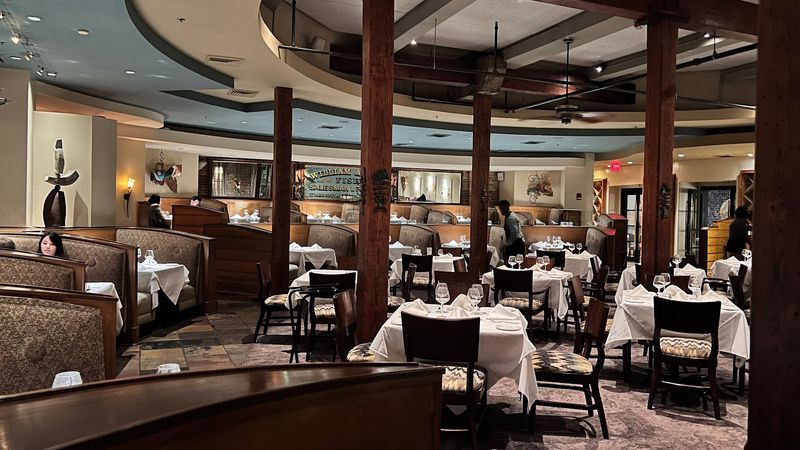
GW Fins sits at 808 Bienville Street in the French Quarter of New Orleans, Louisiana, between Bourbon and Dauphine streets. Bienville handles the final approach through the neighborhood, with the restaurant tucked into the busy central Quarter.
Once you reach the Bourbon Street area, the restaurant is only a short distance down Bienville, so there is little reason to keep circling the narrow Quarter streets looking for curb space. Aim for the surrounding garages and make the last block on foot.
GW Fins recommends Premium Parking at 911 Iberville Street, at Iberville and Dauphine, roughly one block away. The restaurant validates up to three hours of self-parking there; photograph your license plate, leave the car in a non-reserved space above the ground floor, and present the plate number to the hostess when you arrive.
Begin With Lobster Dumplings
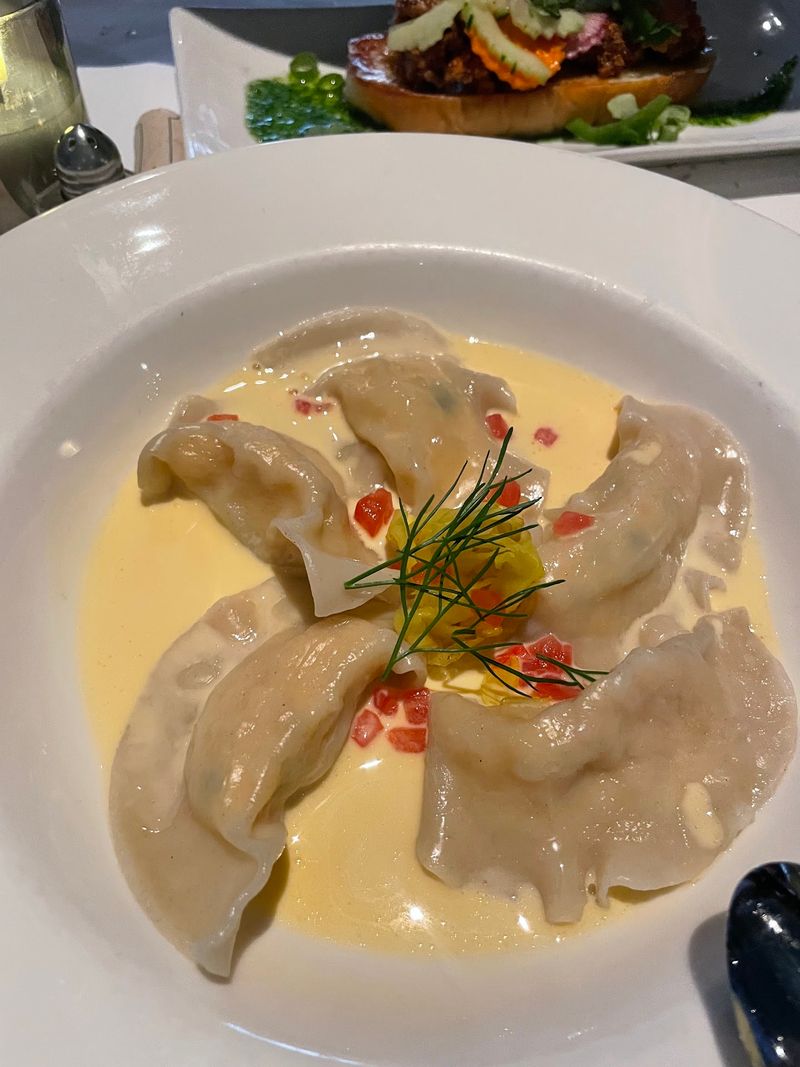
Silky sauce and tender dumplings make an excellent opening argument for staying awhile. The lobster dumplings combine white fish mousseline, tomatoes, and a rich lobster butter sauce.
Unlike many dishes on the shifting menu, this popular appetizer appears often enough to become a familiar favorite for returning guests.
Order one serving for the table if you want to sample several starters, although sauce enthusiasts may resist sharing. The dumplings are soft rather than fried, allowing their delicate filling to remain the focus.
Spoon up the tomato and lobster butter with each bite instead of treating the sauce as decoration. Their richness also makes them useful for balancing a lighter entrée later.
Fresh biscuits may tempt you to fill up early, so pace yourself and leave room for the main catch. For a first visit, this dish offers a clear look at the kitchen’s style: refined technique, recognizable flavors, and seafood placed firmly at center stage.
Try The Tempura Fin Wings
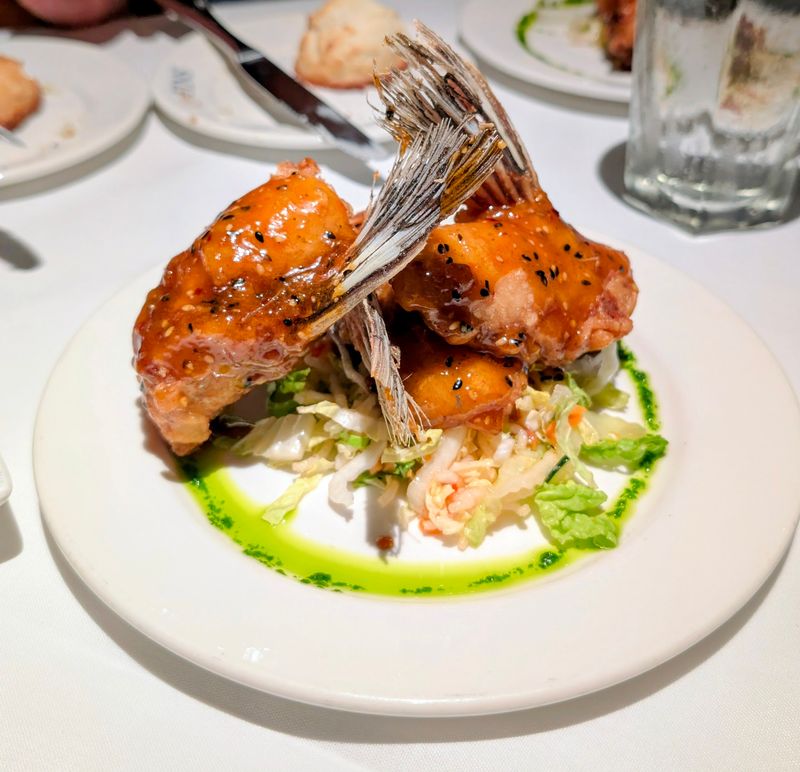
Few appetizers arrive with a better story than something called a fin wing. Chef Michael Nelson developed ocean conservation cuts to use more of each fish, including the flavorful section behind the gills.
The pieces are fried in light tempura and finished with a sweet, spicy Korean-style glaze.
Pick them up and eat them much like chicken wings, watching carefully for bones as you work around the cut. Their shape may look unusual, but the reward is moist meat protected by a crisp coating.
Sharing is sensible because the glaze carries enough personality to wake up the whole table. More importantly, the dish demonstrates that conservation can feel generous rather than restrictive.
Parts once ignored become a signature plate through careful butchering and lively seasoning. Anyone curious about the restaurant’s approach should place this order early, since it links flavor, craft, and responsible fish use in one pleasantly messy little package.
Look For The Scalibut
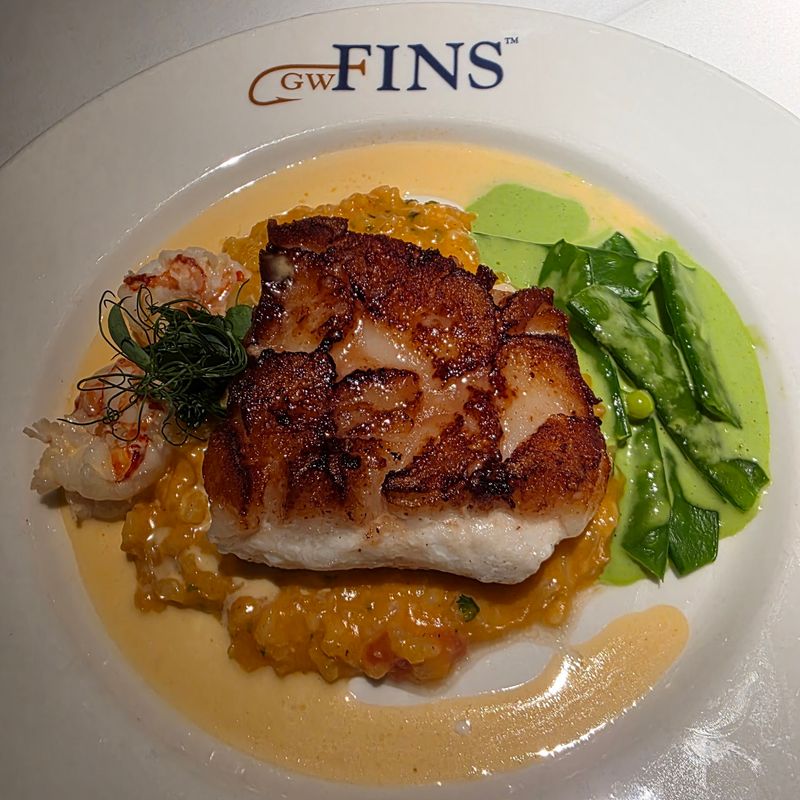
A clever name would mean little without solid cooking, and Scalibut delivers both. The kitchen presses scallops onto halibut, creating a single entrée with two distinct seafood textures.
A properly seared surface brings gentle crispness, while the halibut underneath remains moist and mild.
Because the surrounding ingredients may change, listen closely when the server describes the evening’s version. Seasonal vegetables, sauces, and seafood-based sides can shift the plate’s mood without altering its central idea.
Order an appetizer beforehand if you have a large appetite, since the presentation favors balance over sheer weight. When available, Scalibut is an ideal choice for diners who want invention without strange flavors or heavy seasoning.
Each bite shows how technique can add interest while still respecting the fish. Cut through the scallop layer and halibut together rather than separating them.
That combined forkful explains why the dish has become closely associated with GW Fins.
Ask About Dry-Aged Fish
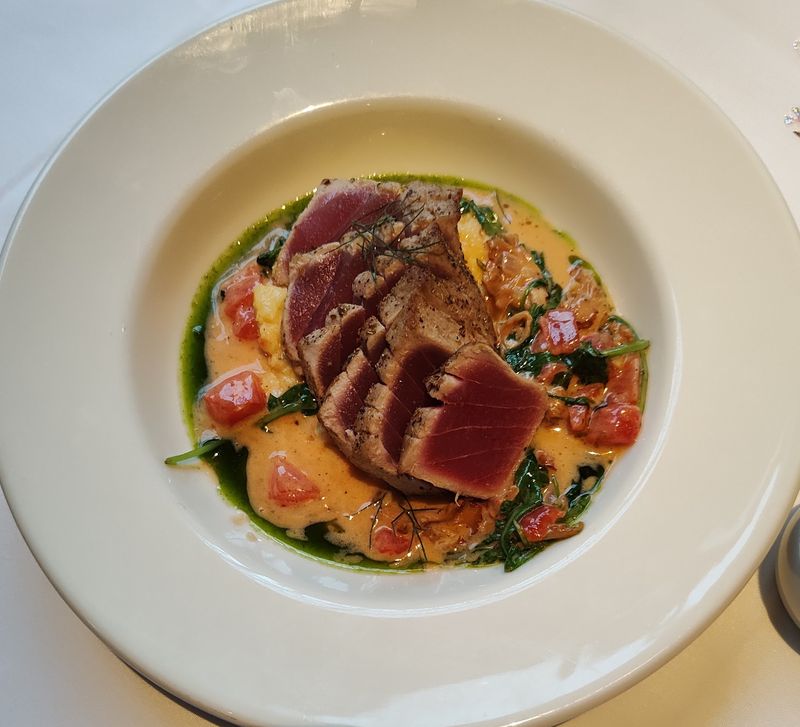
Dry aging usually brings steak to mind, yet the cabinets at GW Fins hold a saltier surprise. Chef Michael Nelson uses controlled TenderChef equipment to deepen flavor and improve tenderness in selected fish.
The process can produce specialty cuts such as a substantial dry-aged swordfish chop, sometimes finished over wood.
Availability depends on the daily menu, so ask whether any dry-aged preparation is being served. If swordfish appears, expect a meatier texture than delicate Gulf fish and choose sides accordingly.
Past versions have included Yukon gold potatoes, roasted fall vegetables, and black garlic bordelaise, though accompaniments may change. Diners nervous about aged seafood should know that this is a careful professional technique, not fish left casually waiting.
The goal is concentrated character and a cleaner, firmer bite. Ordering one of these cuts also reveals how the restaurant keeps evolving after opening in 2001.
Tradition sits at the table, but experimentation gets a proper chair too.
Explore Swordfish In New Forms
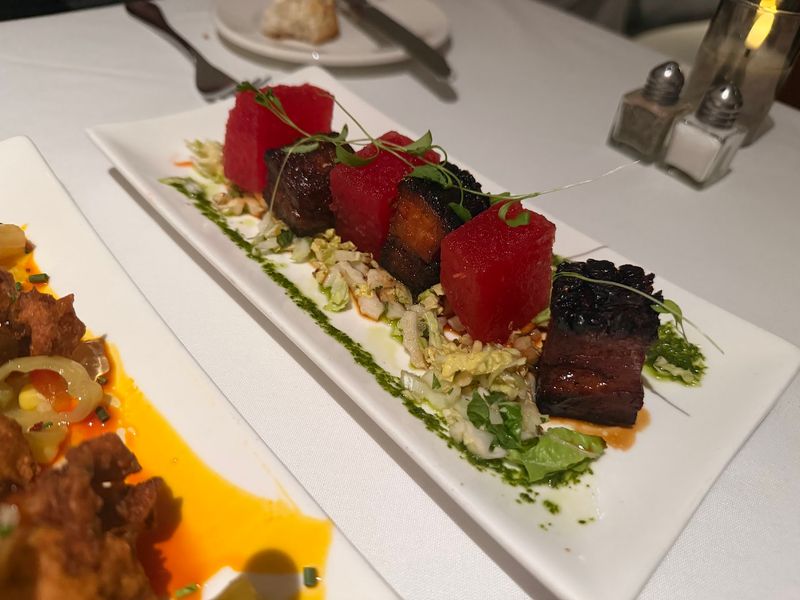
Swordfish can become far more than a grilled steak in Chef Nelson’s hands. His playful pork of the sea concept transforms the fish into preparations inspired by pastrami, bacon, Bolognese, and mortadella, sometimes called Swordella.
Such dishes use technique to uncover textures diners may not expect from seafood.
Check the menu rather than assuming every version will appear during your visit. Swordfish Bolognese is an approachable starting point when offered because its familiar format makes the kitchen’s experiment easy to understand.
Ask how the featured preparation uses the fish and whether it works best as a shared course or full entrée. Curiosity pays off here, but no one needs to order blindly.
The staff can describe richness and seasoning before you commit. Choosing an unfamiliar swordfish dish also supports broader use of the catch, reducing the focus on standard fillets alone.
It is resourceful cooking with a sly sense of fun.
Save Space For Sheepshead
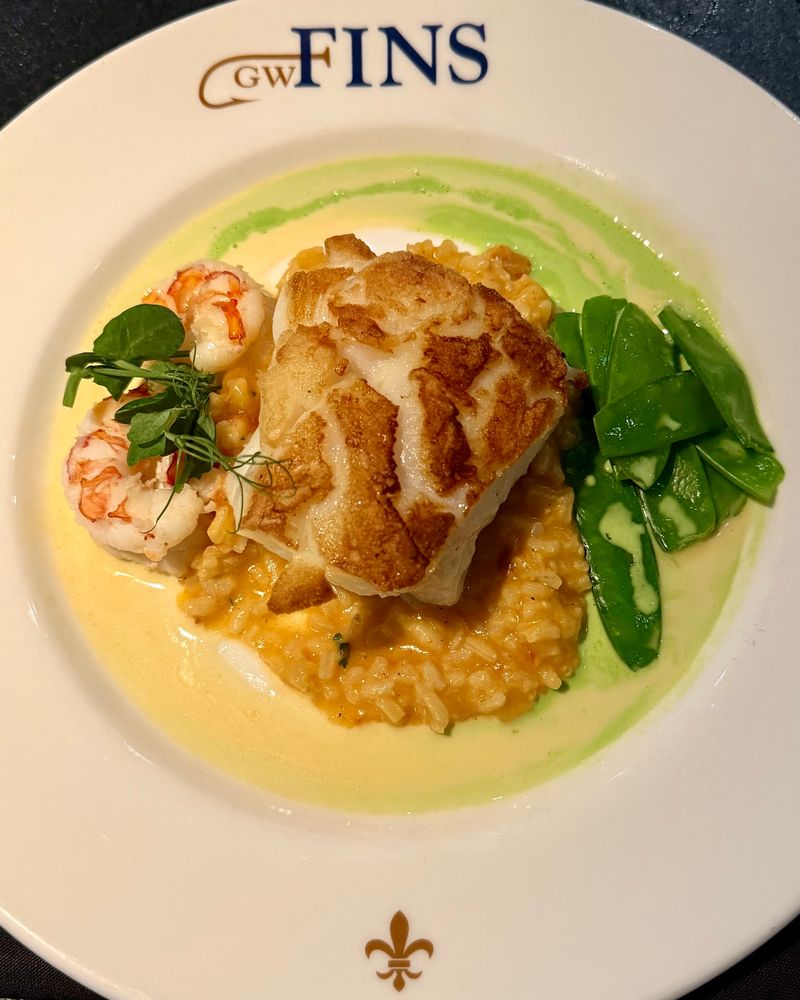
Beneath a golden Parmesan crust, sheepshead turns into the sort of entrée that silences table conversation briefly. The Gulf fish has firm, flaky flesh that stands up well to a savory topping.
GW Fins has paired versions with asparagus and jumbo lump crab, though the complete presentation may vary.
Consider sheepshead when you want a local catch with more structure than very soft white fish. The crust adds richness and texture, so lighter starters can keep the meal from feeling crowded.
Ask whether sheepshead, drum, or another regional species carries the Parmesan treatment that evening because the menu responds to supply. The best choice may be the fish that arrived in peak condition rather than a specific name.
I would also resist covering the plate with extra seasoning before tasting it. The kitchen uses subtle methods to support natural flavor, and the first unaltered bite usually shows why restraint matters in seafood cooking.
Notice The Whole-Fish Thinking
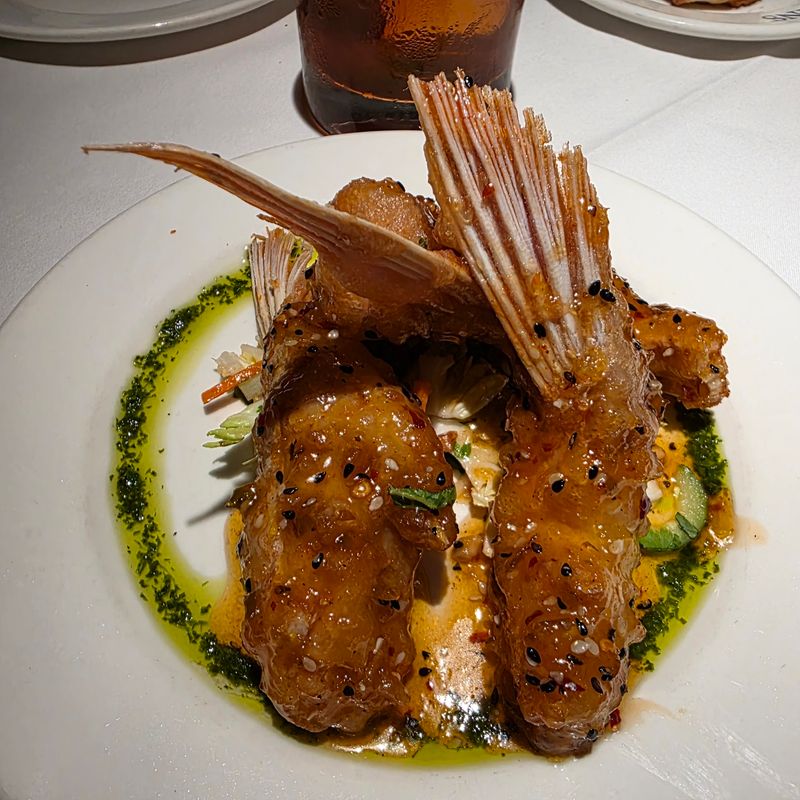
Behind the polished plates sits a practical question: how much of each fish can the kitchen actually use? Executive Chef Michael Nelson answers with ocean conservation cuts, a butchering system designed to turn overlooked sections into appealing dishes.
Fin wings are the clearest example, but the broader idea shapes the restaurant’s creative direction.
Pay attention to menu terms describing collars, specialty chops, seafood charcuterie, or unusual cuts. Asking about them opens a useful conversation about texture and preparation, not a lecture at the table.
Nelson, promoted to executive chef in 2015, is a nationally recognized Gulf seafood specialist and a Food Network Chopped Champion. His technical background helps explain why experimental plates still feel controlled.
Ordering beyond the standard fillet can be rewarding for both appetite and resource use. It also gives you a better understanding of the animal behind dinner, something easily forgotten when seafood arrives as a tidy rectangle.
Dress For The Dining Room
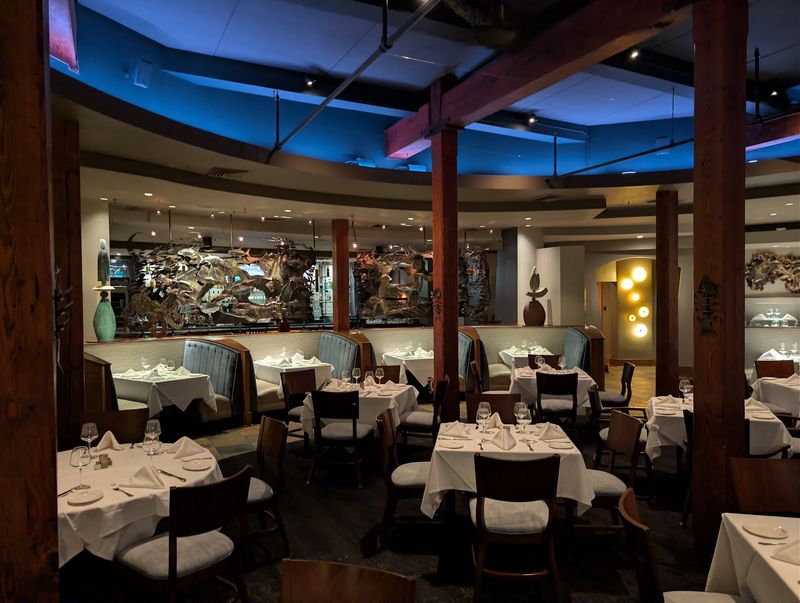
Soaring ceilings and padded banquettes give the dining room polish without making it feel like a museum. Large windows, a spacious layout, and contemporary details soften the formality with recognizable Southern warmth.
GW Fins suits a date night or celebration, but guests can still relax and enjoy their biscuits.
A little wardrobe planning prevents an awkward entrance. The restaurant requires gentlemen to wear a collared shirt, and it does not permit T-shirts, cut-off shorts, or athletic wear.
Smart casual clothing is a safe approach, particularly after a hot day walking through the French Quarter. Change at your hotel rather than hoping sightseeing clothes will pass.
Comfortable dress shoes are sensible because nearby streets can be uneven, and parking may require a short walk. Following the policy helps preserve the room’s special-occasion mood without demanding theatrical formality.
Think neat, comfortable, and dinner-ready, then let the seafood provide the evening’s brightest decoration.
Understand Why The Awards Matter
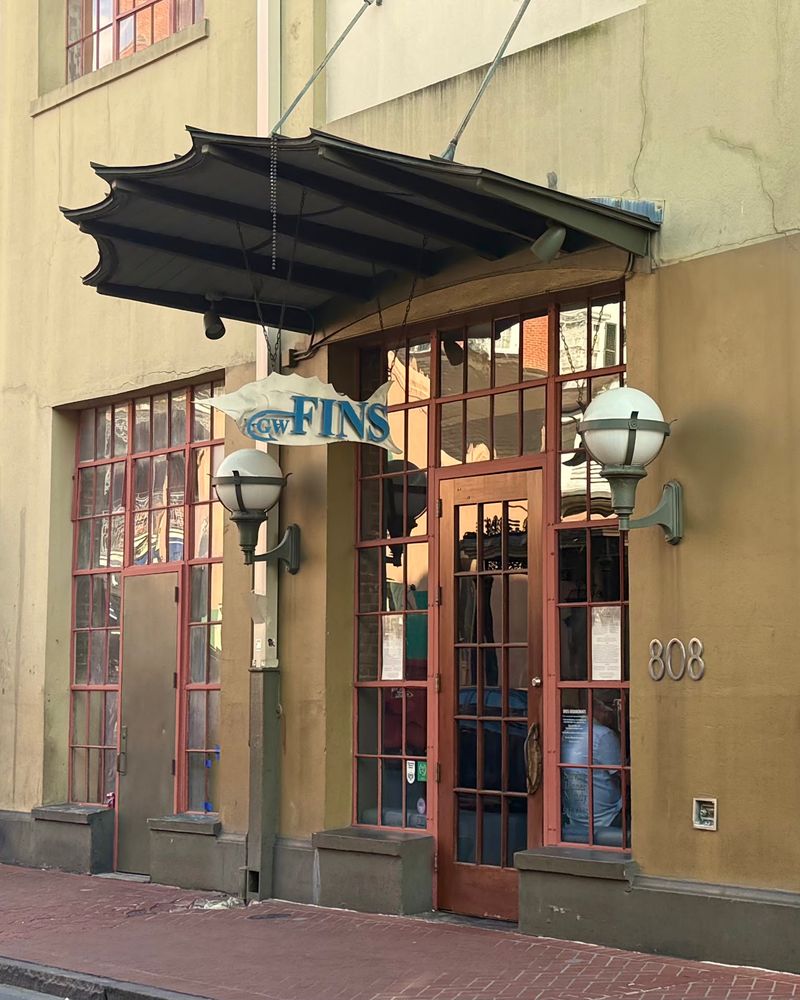
Awards can create noise, but GW Fins has earned recognition from several independent dining programs. It was a 2025 James Beard Restaurant semifinalist for Outstanding Restaurant and received 2025 honors from OpenTable and the Travelers’ Choice Best of the Best fine-dining category.
Local recognition covered seafood, fine dining, date nights, and French Quarter restaurants.
Yelp also placed GW Fins at No. 8 on its Top 100 Best Restaurants of 2026 list. Rather than treating those titles as instructions to praise every plate, use them as evidence of steady performance across different audiences.
The locally owned Wollerman family restaurant opened in 2001, giving it decades to refine service and seafood sourcing while continuing to experiment. High expectations are reasonable, but the smartest visit remains personal.
Pick fish that matches your taste, ask useful questions, and notice the cooking. The awards bring attention; careful choices reveal why the attention lasted.