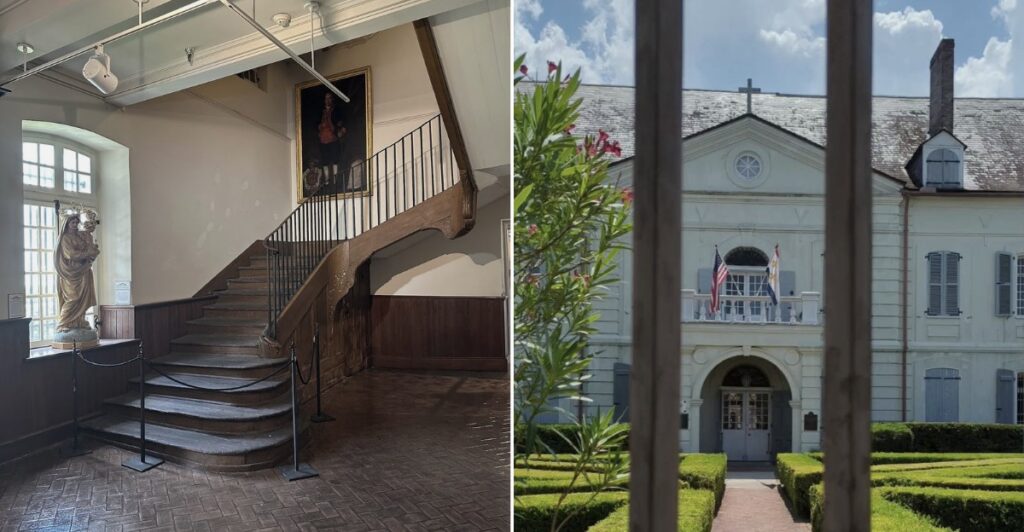
The French Quarter rarely whispers, which makes this historic building feel immediately unusual. Step inside and the street noise seems to fall away, replaced by shaded courtyards, old walls, and the slightly eerie calm of a place carrying nearly three centuries of stories.
The most famous tale involves the mysterious “Casket Girls,” whose arrival in New Orleans eventually inspired one of the city’s strangest vampire legends.
For travelers drawn to Louisiana history with a supernatural edge, few places blend colonial architecture, convent life, and vampire folklore so intriguingly.
The real story is fascinating enough without the fangs. The building served as a convent, school, and refuge, and it remains the oldest documented structure in the Mississippi River Valley.
Still, knowing the legend changes the atmosphere.
Every shuttered window suddenly seems more suspicious, every quiet hallway a little more cinematic. History does the heavy lifting here; the vampire story simply gives it sharper teeth.
Learn The Casket Girls Story Carefully
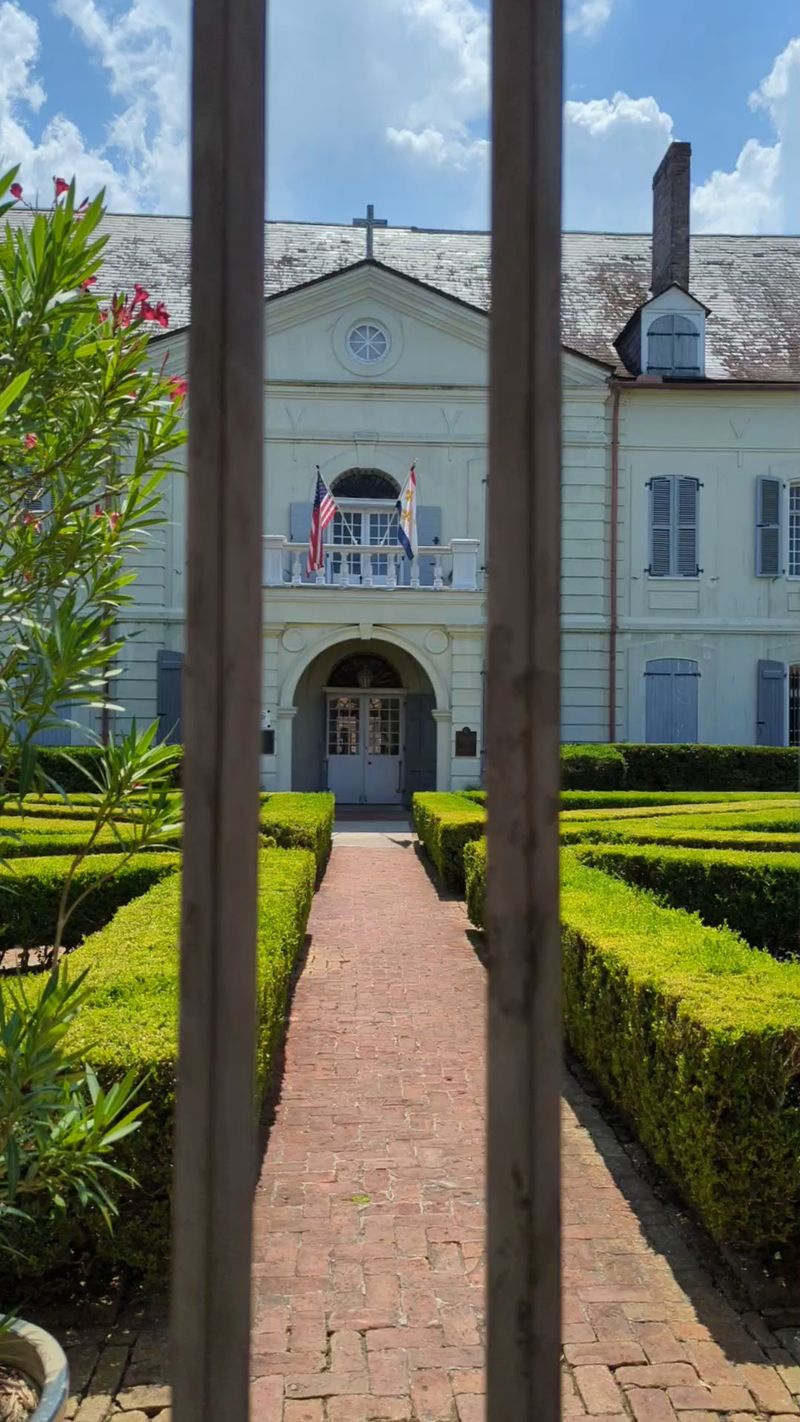
The famous tale here is stranger than a simple ghost story. In local legend, the Casket Girls were young women sent from France with small cassettes, or chests, holding their belongings, and their pale faces after a long sea voyage fed fearful gossip.
Over time, that gossip twisted into a vampire story, which says the girls or something linked to them needed to be contained inside the convent.
The useful tip is to separate folklore from record without losing the fun. The girls were real, and the convent’s connection to them is part of New Orleans history, but the bloodsucking version belongs to legend, not proven fact.
Reading the story that way makes the visit richer. You get a lesson in how rumors grow, how language changes, and why this city turns history into something unforgettable after dark for visitors.
Ursulines Avenue Means The Convent Is Close
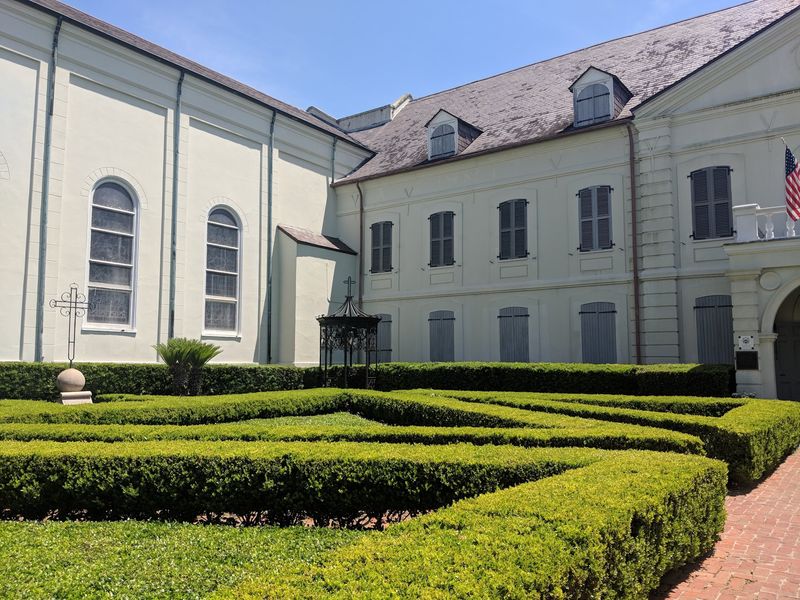
Old Ursuline Convent Museum sits at 1112 Chartres Street in the French Quarter of New Orleans, Louisiana, near Ursulines Avenue. Aim for the quieter downriver end of Chartres Street rather than the busier blocks closer to Canal Street.
As Ursulines Avenue comes into view, the long historic convent complex begins to dominate the Chartres Street block, with neighboring St. Mary’s Church at 1116 Chartres providing another useful landmark. The museum entrance is directly along Chartres, so there is no separate courtyard address to track down.
Regular visitor parking is not provided inside the convent grounds. Use legal metered street parking or a public French Quarter lot, then finish the final blocks on foot to the Chartres Street entrance.
Look Up At The Attic Legend
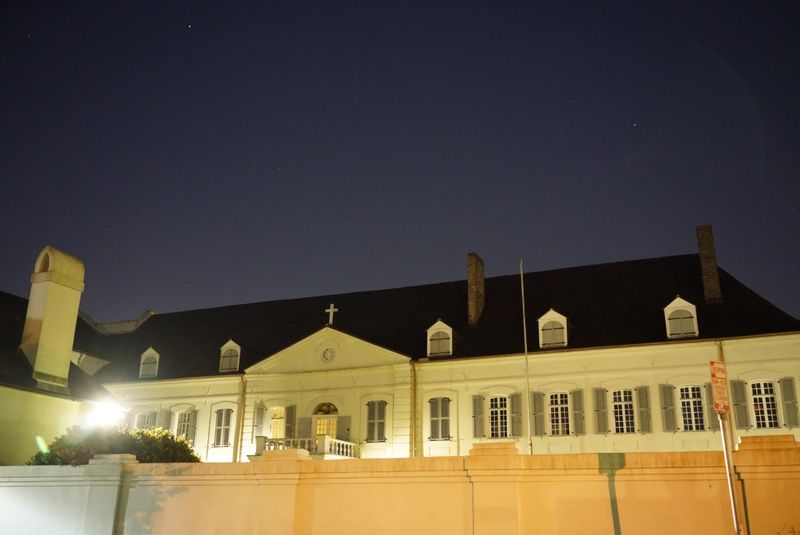
Few details stir the imagination like the attic story. Guides and exhibit notes often mention the long-running claim that the third-floor shutters were secured with hundreds of nails, sometimes said to be blessed silver ones, to keep evil trapped above.
Whether you believe a supernatural version or not, the tale shows how strongly New Orleans loves a mystery with a dramatic prop.
Instead of hunting for proof that cannot be verified, use the legend as a lens for noticing the building itself. Look up at the roofline, study the top floor from the courtyard, and pay attention to how easily old architecture invites stories.
Age, shadow, and silence do half the work. The other half comes from local storytelling, which has kept the attic rumor alive far longer than most ordinary facts survive in a city crowded with legends already.
Notice The French Colonial Design
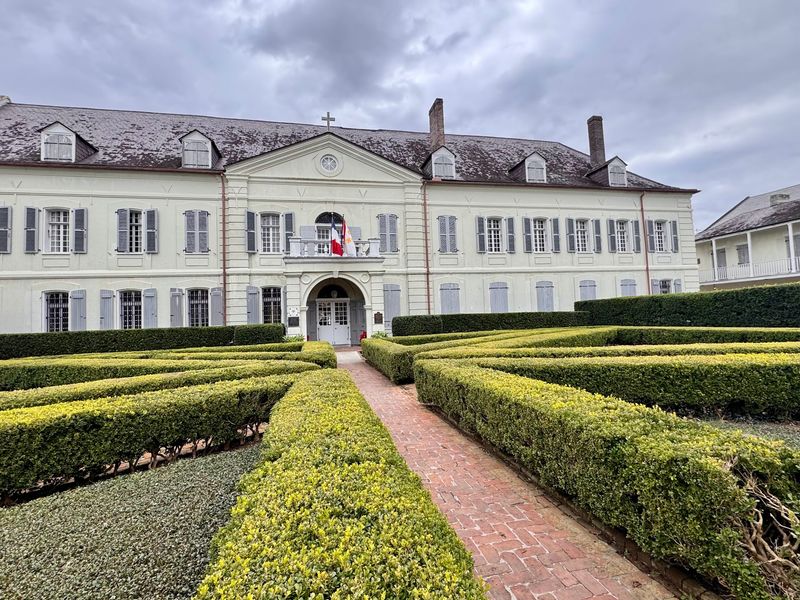
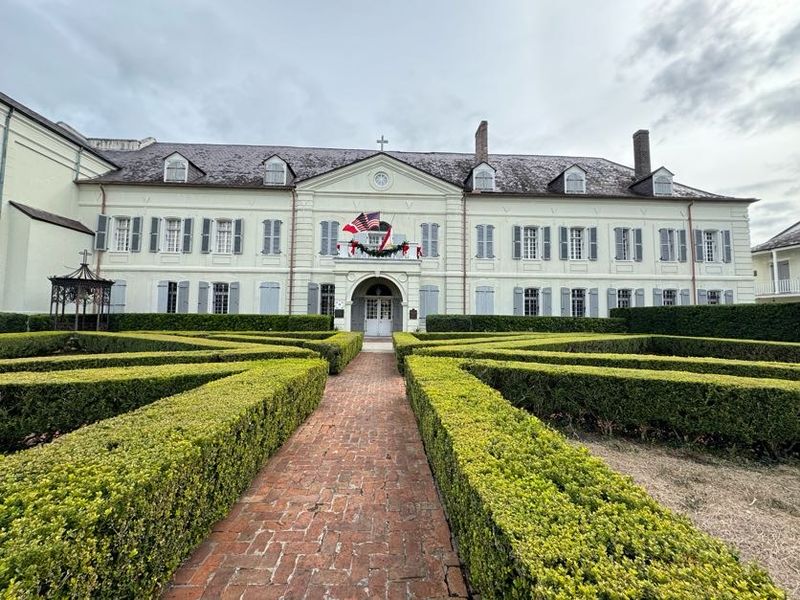
From the street, the convent looks steady rather than flashy, and that is part of its charm. Built in the French Colonial period and completed in 1753, the structure uses thick materials, symmetry, and practical design choices that helped people handle heat, storms, and daily life in a young city.
Doors and windows placed across from each other encouraged cross-ventilation long before air conditioning existed.
Take a slow lap outside before rushing indoors. The white plaster, deep openings, and balanced facade explain as much about survival in New Orleans as any label inside.
This building also endured the great French Quarter fires of 1788 and 1794, which makes every preserved detail feel harder won. Architecture is not background here.
It is evidence, and it quietly proves why the convent still commands attention nearly three centuries later for careful modern visitors.
Stand With The Cypress Staircase
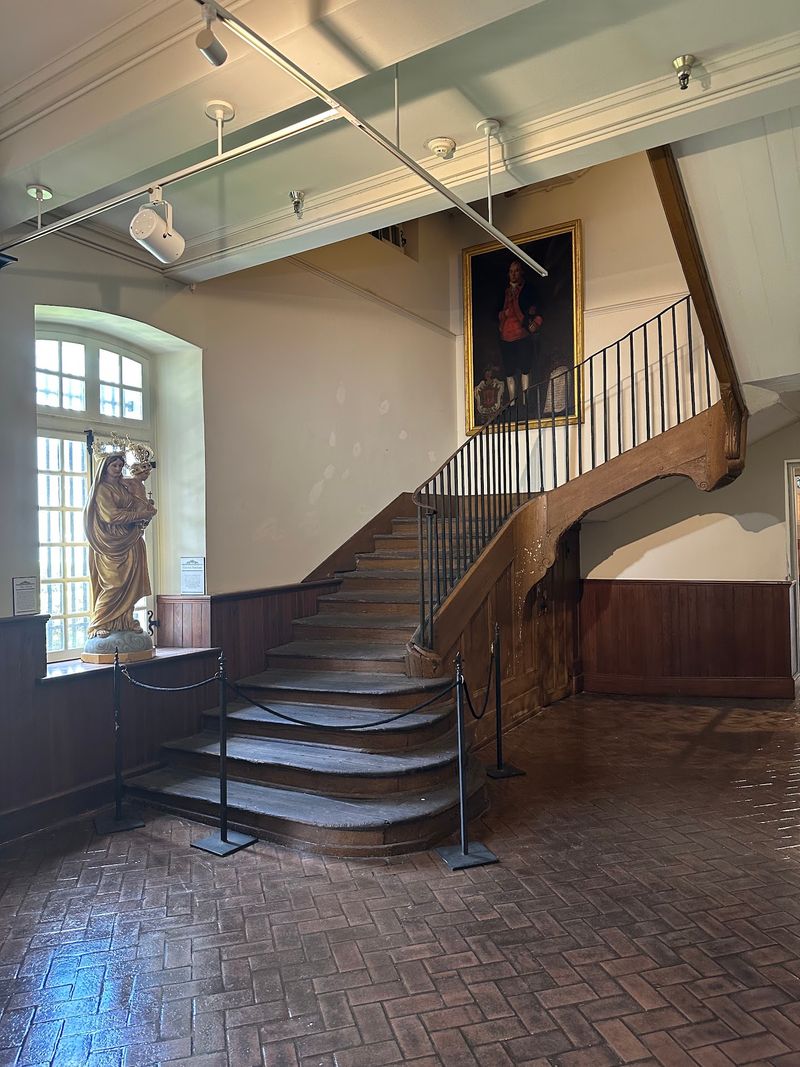
The cypress staircase is the kind of detail that sneaks up on you. Inside a place full of dates, legends, and religious objects, a stair built without nails can become the thing people remember most, because it turns craftsmanship into something almost magical.
Wood grain, curves, and joinery do the talking better than any dramatic speech could.
Pause here longer than you think you need to. The staircase offers a practical reminder that historic buildings were once busy workplaces and homes, shaped by skilled hands rather than museum planning.
It also balances the vampire chatter with something real and touchable: eighteenth-century construction that still holds its dignity. Looking closely at how it was made helps anchor the visit.
Mystery gives the convent its spark, but workmanship gives it weight, and both deserve equal attention from patient visitors with curious eyes.
Sit Quietly In The Chapel
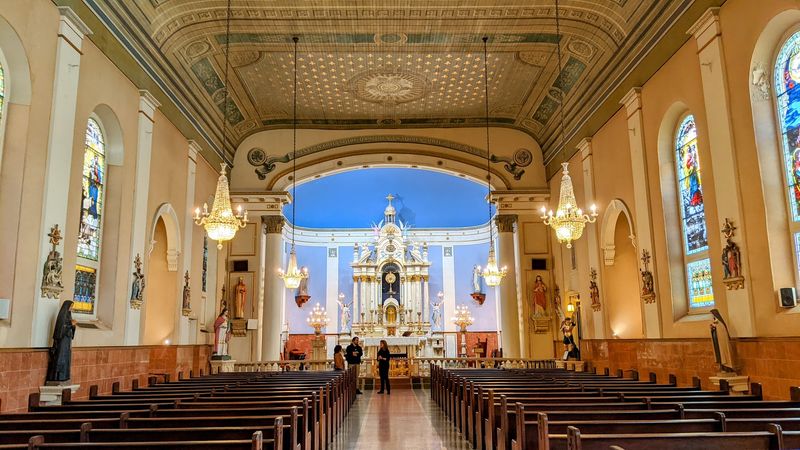
Step into the chapel and the temperature of the visit seems to change. The rooms of the museum teach, but the church space asks for a slower kind of attention, with filtered light, polished surfaces, and the hush that comes when people instinctively lower their voices.
Even visitors who are not religious often feel the place becoming more personal here.
That shift matters because the convent was never only a container for legends. It was part of a living religious community that educated girls, cared for children, and served the city in hard times.
Sit for a minute if seating is allowed, then look carefully at the details before moving on. The chapel grounds the experience.
After hearing rumors about vampires and sealed attics, a room made for prayer restores the building’s human scale in a surprisingly gentle, lasting way.
Follow The Nuns’ Real Legacy
Long before ghost tours noticed this address, the Ursuline nuns were shaping New Orleans in practical ways. They arrived in 1727, ran a hospital, opened a school for girls, and cared for people during disease outbreaks and wartime emergencies.
Knowing that history changes the mood of the museum because the building stops feeling like a spooky set piece and starts feeling like a working center of early community life.
Focus on that legacy as you move through the exhibits. The most memorable rooms are often the ones that show service, education, and daily discipline rather than drama.
In a city that loves spectacle, the convent’s deeper story is about steadiness. That may sound less flashy than vampires, but it is ultimately more impressive.
Real devotion and labor left marks here that legend alone never could on these old, guarded walls.
Choose A Guided Tour When Possible
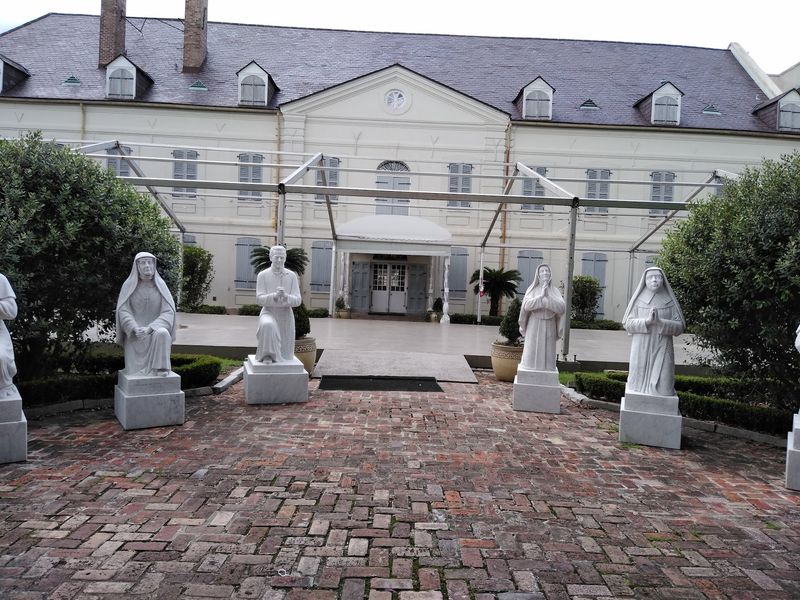
A good guide can untangle the place in ways signs alone cannot. Because the museum covers religion, colonial politics, architecture, daily life, disaster survival, and the Casket Girls legend, a spoken tour helps connect those threads without flattening the building into a single spooky anecdote.
When staff or docents are available, taking that option usually makes the visit fuller and less confusing.
Self-guided visits still work well, especially if you like reading room by room, but do not be shy about asking questions. The convent rewards curiosity more than speed.
A guide can explain why the building matters beyond folklore and point out details easy to miss, from construction choices to objects tied to New Orleans history. The best practical tip is simple: let someone knowledgeable set the pace before you wander on your own through the galleries and courtyard.
Plan Around The Short Hours
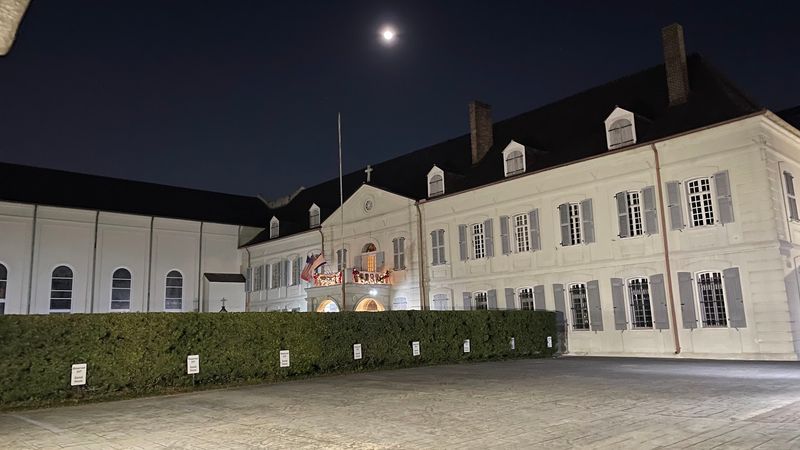
The museum keeps short public hours, and that small fact shapes the whole outing. It is generally open Tuesday through Saturday from 10 AM to 2 PM, with Monday and Sunday closed, so casual wandering can turn into disappointment if you do not check the schedule first.
Because occasional day-of closures can happen, confirming online or by phone before heading over is a smart move.
Planning ahead also helps you enjoy the neighborhood without stress. The convent sits at 1112 Chartres Street in the French Quarter, making it easy to pair with a walk through nearby historic blocks before or after your visit.
Give yourself about an hour, longer if you read every label or join a tour. A little structure suits this place.
Its atmosphere is calm, but your logistics should be crisp to match its disciplined old soul.
Read Beyond The Vampire Angle
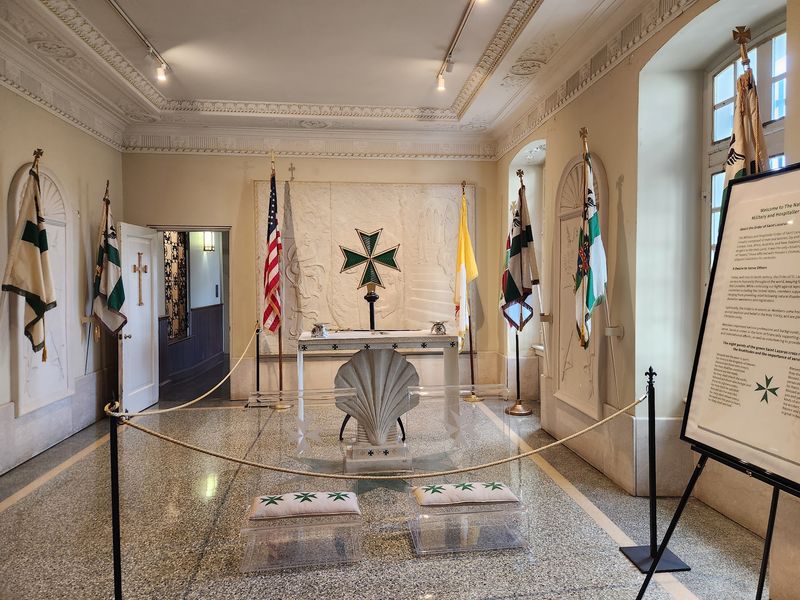
The ghost legend may get you through the door, but the exhibits do the real work. Room labels, artifacts, documents, and period furnishings reveal how the convent functioned across changing eras, from French colonial days to later civic use, including a period when the Louisiana Legislature met here.
That layered history keeps the museum from becoming a one-note stop built only on atmosphere.
Read more than you usually would. Small museums often hide their best material in plain sight, and this one rewards patient attention with stories about education, faith, illness, survival, and the growth of New Orleans itself.
A relic, an old clock, a family record, or a faded image can suddenly sharpen the larger picture. The practical lesson is clear: if you only chase the vampire angle, you miss the richer and stranger truth inside those old rooms.
Respect The Mystery And The Place
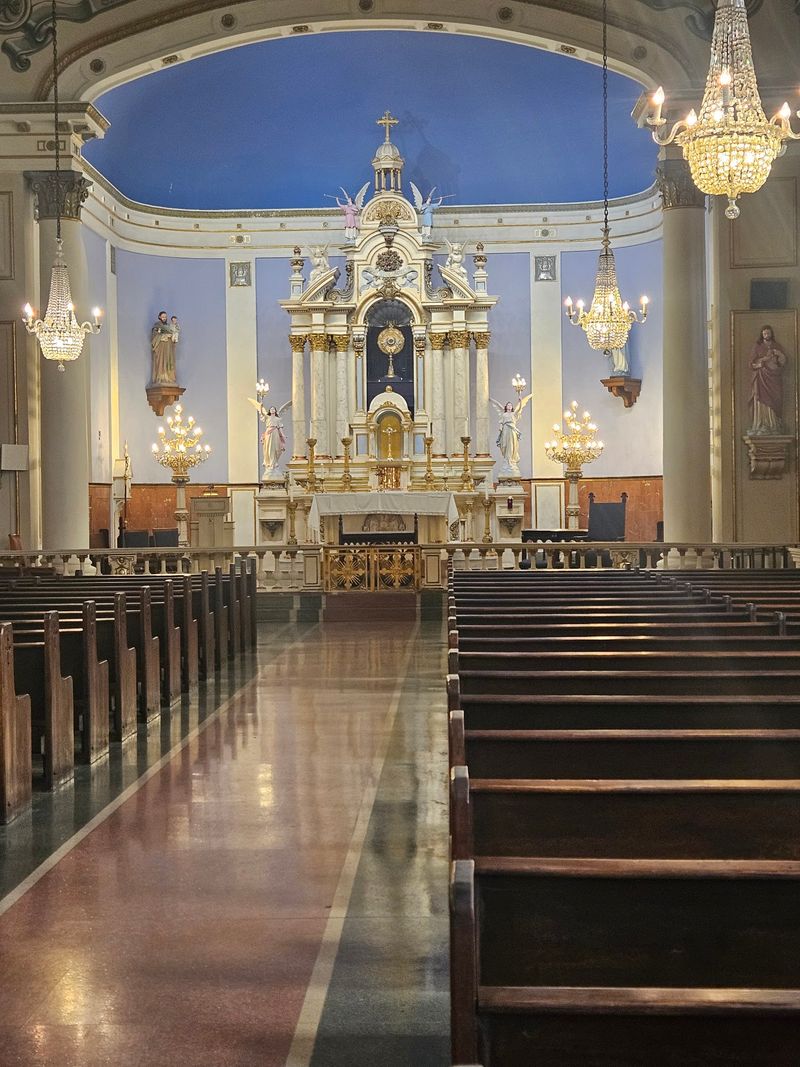
Legends tempt people to treat the convent like a haunted set, but the place asks for better manners than that. It remains a religious and historical site, with chapel spaces, preserved objects, and a long story tied to real women whose work mattered in Louisiana.
Keeping voices low, following photography rules, and resisting the urge to turn every corner into a joke helps you experience the building on its own terms.
Oddly enough, respect makes the spooky side stronger. When you slow down and stop performing for the legend, small details become more unsettling: a shutter high above, a dim hall, a silence that lingers half a beat too long.
I found that the museum feels memorable when curiosity and courtesy travel together. New Orleans has louder haunted tales everywhere.
The convent stands out because it never needs to shout.