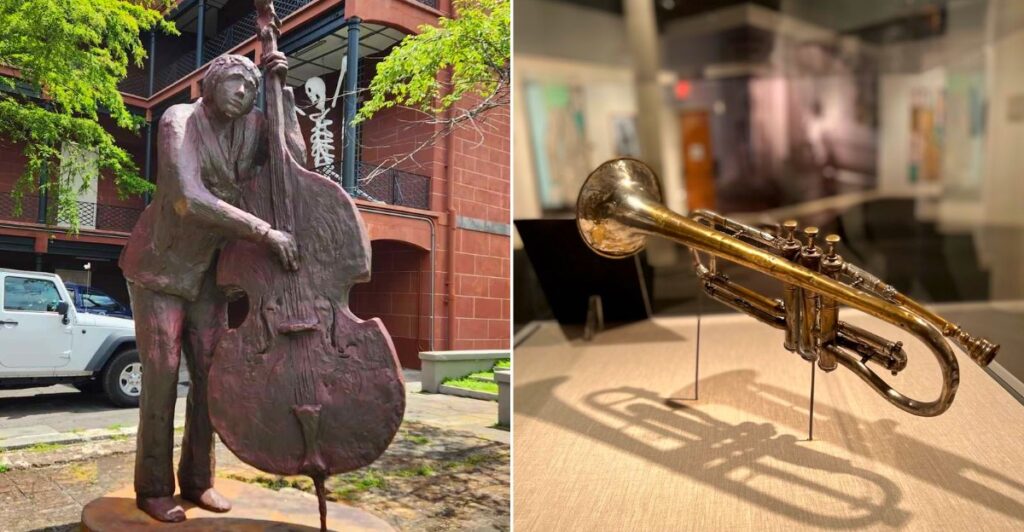
New Orleans has never been especially interested in separating history from a good time, and this riverfront festival proves why.
Set inside and around the old U.S. Mint at the edge of the French Quarter, it pairs the Mississippi River with live music, local food, conversations, and stories that make the city feel a little more legible.
I like events where you can wander in for a song and accidentally learn something before lunch. Here, indoor talks spill naturally into outdoor performances, while the river sits nearby doing its usual impressive backdrop work.
This free New Orleans riverfront festival blends live music, Louisiana food, and local history into one of the city’s most culturally rewarding events.
Its location also makes it wonderfully easy to fold into a French Quarter day. Come for the music, linger for the details, and expect to leave knowing more about New Orleans than when you arrived.
Follow The Second Line If You Can
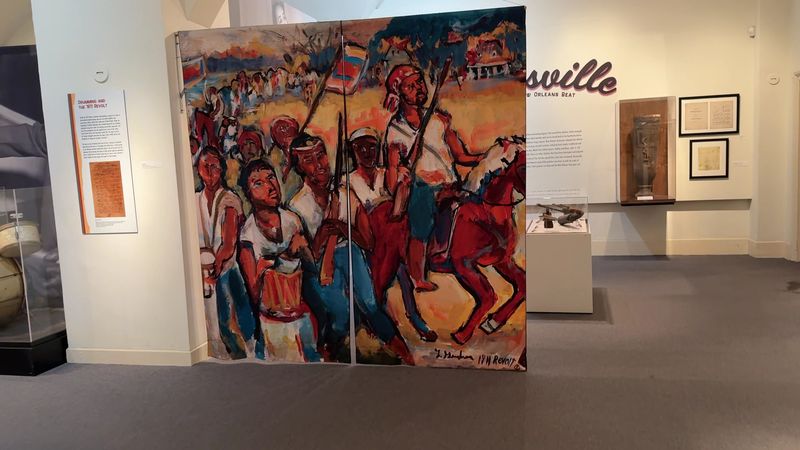
Nothing announces the spirit of this festival better than the Second Line. When it rolls from Jackson Square through the Moon Walk and Goldring Woldenburg Riverfront Park toward the museum, the city suddenly feels like it has become its own soundtrack.
You are not just watching a parade. You are seeing a living New Orleans tradition that brings together brass bands, dance, neighborhood pride, and riverfront movement in one long, happy line.
If your timing works, build your day around it. Wear comfortable shoes, keep your phone charged for photos, and leave yourself room to walk slowly with the crowd.
The route is part of the experience, and reaching the museum with the music still ringing in your ears feels wonderfully right.
The Old U.S. Mint Is Where The River Fest Lands
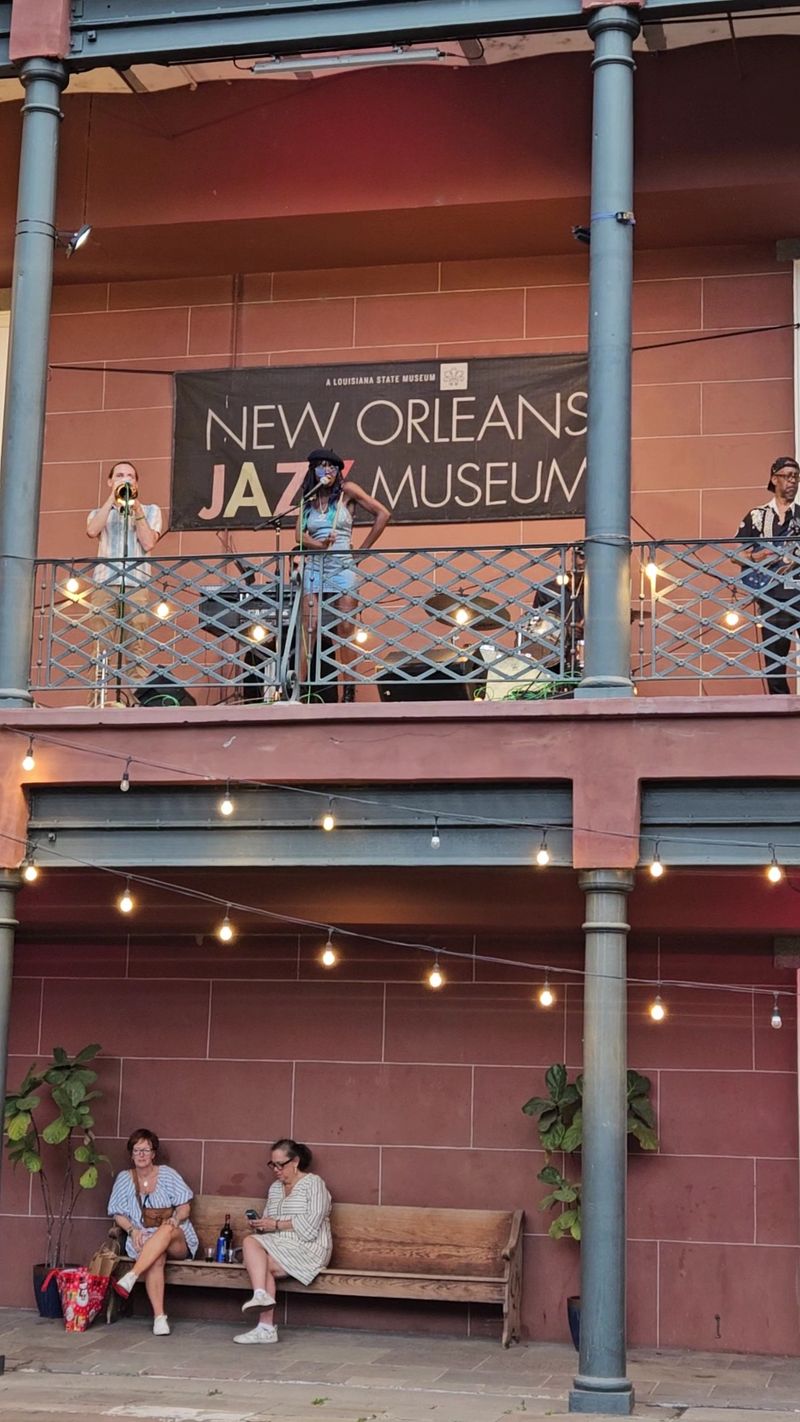
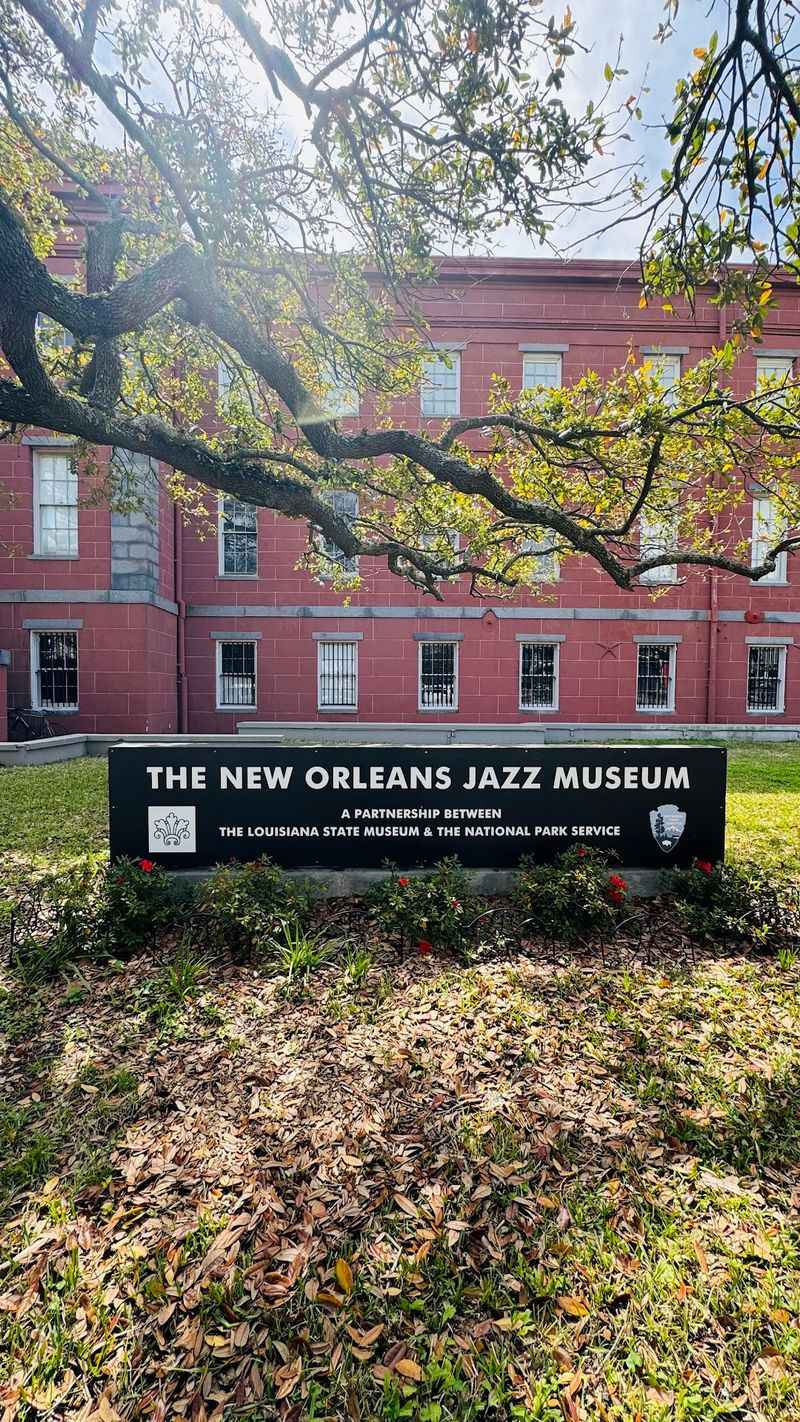
NOLA River Fest takes over the New Orleans Jazz Museum at 400 Esplanade Avenue in New Orleans, Louisiana, right where the French Quarter meets the Frenchmen Street corridor. Esplanade Avenue and Decatur Street are the useful landmarks for reaching the Old U.S.
Mint at the river end of the neighborhood.
The 2026 festival runs September 12, with an opening Second Line beginning at Jackson Square at 11 a.m. before the celebration continues at the museum. Expect festival traffic and pedestrians around the lower French Quarter, so approaching from the Esplanade side and finishing the busiest blocks on foot is easier than driving deeper into the Quarter.
For nearby parking, use the French Market Farmers Market Lot at 2150 Decatur Street, then walk toward Esplanade and the Jazz Museum. The French Market also operates other public lots nearby, but parking before reaching the museum block keeps the final arrival simple.
Use The Museum As Your Home Base
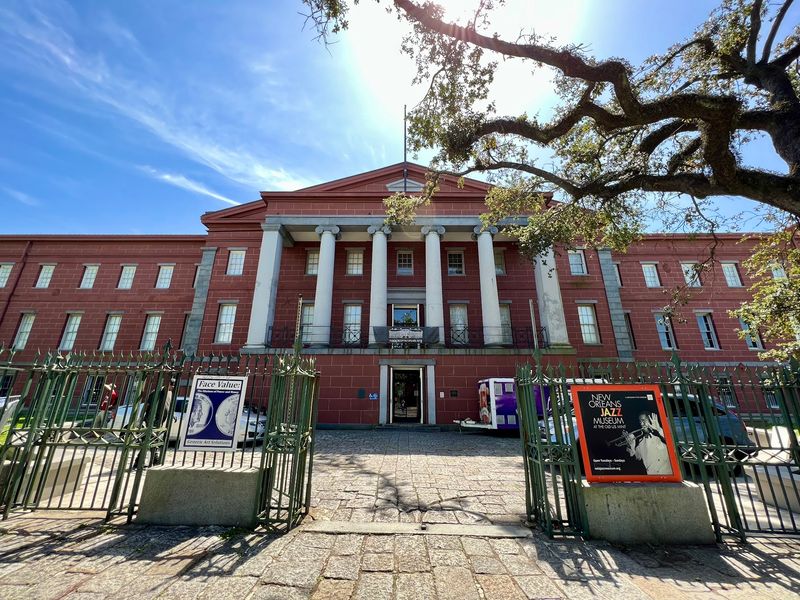
The smartest move here is treating the New Orleans Jazz Museum as your anchor, not just your backdrop. The festival is hosted at 400 Esplanade Avenue, inside the historic Old U.S.
Mint, and that location gives the day a strong sense of place.
Step outside and you get festival motion, river air, and food smells. Step inside and the mood shifts toward exhibits, performance spaces, and discussions that explain why the Mississippi River matters so much to New Orleans and the Gulf South.
That balance is useful when the weather turns hot or your feet need a pause. I liked bouncing between the museum interior and the outdoor grounds because it kept the day from feeling one-note.
The building really helps the festival tell its story.
Balance Outdoor Music With Indoor Talks
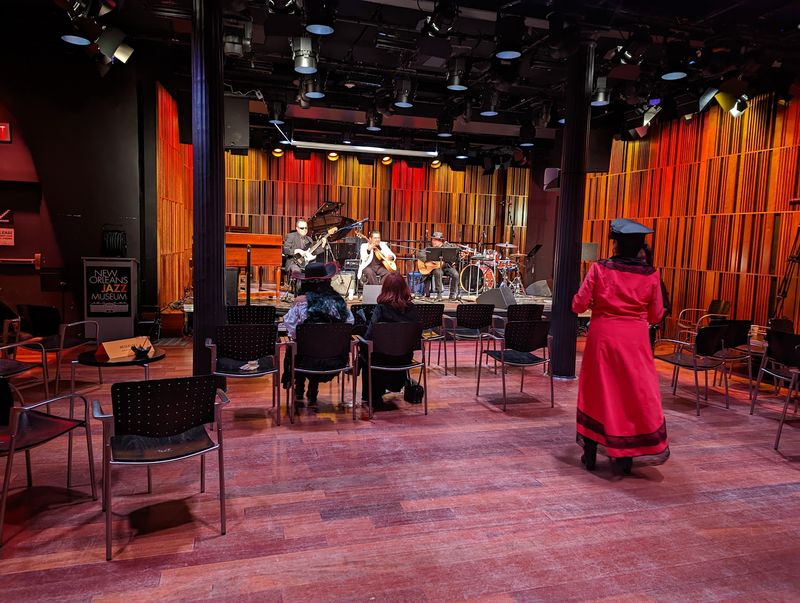
Plenty of people come for the live music, then realize the indoor talks are where the festival quietly gets deeper. NOLA River Fest includes panel discussions and lectures about the Mississippi River, its history, and the challenges that shape Louisiana now.
That mix keeps the event from becoming background entertainment. One hour you might be outside hearing a brass band, and the next you are inside learning how the river has influenced work, culture, neighborhoods, and the future of the region.
My advice is simple: do not stack your day with nonstop music only. Save room for one discussion that sounds a little unexpected.
Those sessions often give the songs, food, and parade more meaning because you start noticing how much of New Orleans life flows from the river itself.
Listen For The River In The Music
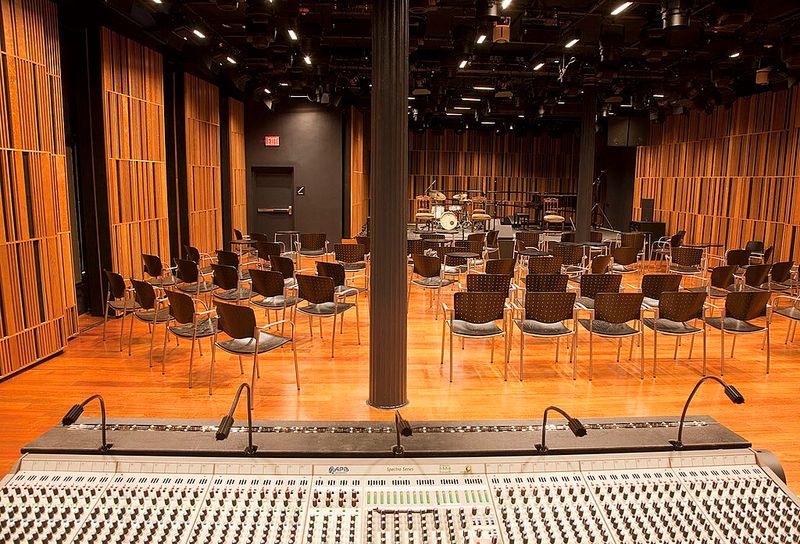
Some festivals book music as decoration. Here, the sound is part of the message.
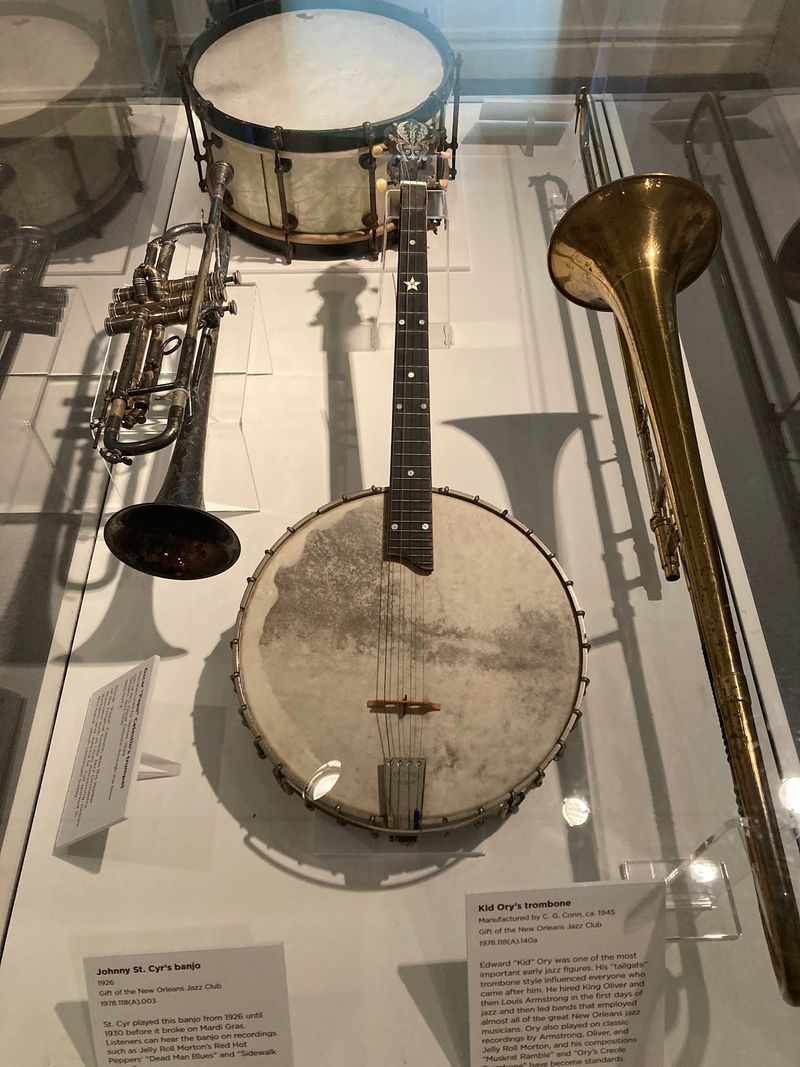
NOLA River Fest brings together local artists whose styles can include brass band traditions, contemporary jazz, New Orleans funk, and Mardi Gras Indian chants.
That range matters because the Mississippi River has always carried people, stories, and influences through the city. The lineup reflects movement, exchange, and memory instead of sticking to one neat genre box.
Even if you do not know every performer, listen for how the songs connect to place. Rhythms can feel streetwise, ceremonial, playful, or deeply rooted all at once.
Stand close for one set and farther back for another. Changing your distance changes what you notice, and that is part of the fun at a festival built around culture instead of just volume.
Come Hungry For Louisiana Foodways
The food here is not an afterthought tucked beside the music. Festival vendors and demonstrations focus on Louisiana foodways, including Indigenous harvests and Creole and Cajun traditions tied to the river and Gulf.
That means eating can also be a kind of learning. Ingredients, cooking methods, and even the spice table tell a story about land, water, trade, and survival in this part of the state.
Try something unfamiliar if you get the chance, especially if a cooking demo or educational station explains where it comes from. I always think festivals reveal themselves through snacks first, and this one backs up that theory nicely.
Instead of chasing only the shortest line, pause at booths that teach something about native plants or local ingredients. You leave fuller, yes, but also better tuned to what the festival celebrates.
Dress For Heat And Walking
New Orleans in September does not play around. Light clothes, comfortable walking shoes, and a plan for the heat will help more than any last-minute scramble once you are already on the museum grounds.
The festival spreads across indoor and outdoor spaces, and the Second Line route adds even more walking if you join it. A small bag with water, sunscreen, and a portable phone charger can save your mood by midafternoon.
Skip anything fussy that turns a free day of music into a balancing act. The riverfront breeze is lovely when it shows up, but do not count on it to do all the work.
I also recommend taking short shade breaks between sets. They sound boring on paper, yet they make it easier to stay for the strongest music and late-day programming.
Notice The Old U.S. Mint Details
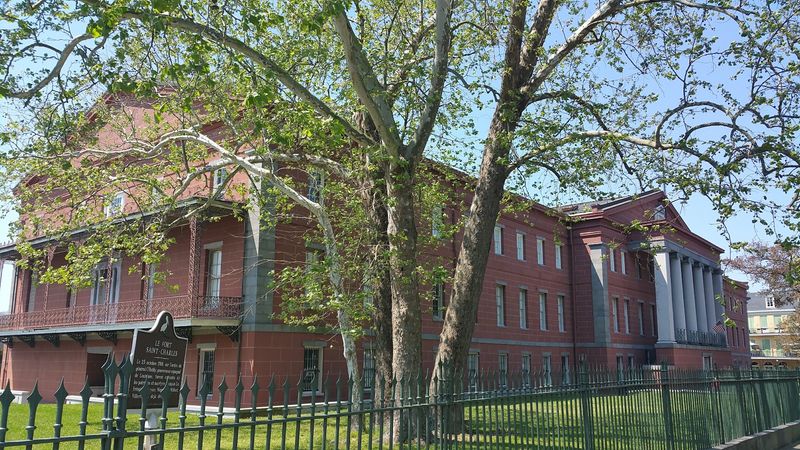
Before the first note even reaches you, the building sets the mood. The New Orleans Jazz Museum sits inside the Old U.S.
Mint, a historic structure from the 1830s at the edge of the French Quarter and the riverfront.
That location is not just convenient. It quietly explains why this festival works so well here.
A river celebration staged in a place tied to commerce, history, and movement feels grounded before any program begins.
Take a minute to look up at the architecture instead of rushing straight toward the nearest stage. The walls, windows, and formal shape of the building give the day a strong frame, almost like a steady bass line under everything else.
For younger visitors especially, it is a good reminder that history in New Orleans often lives inside places still being used right now.
Make Time For Riverfront Park Views
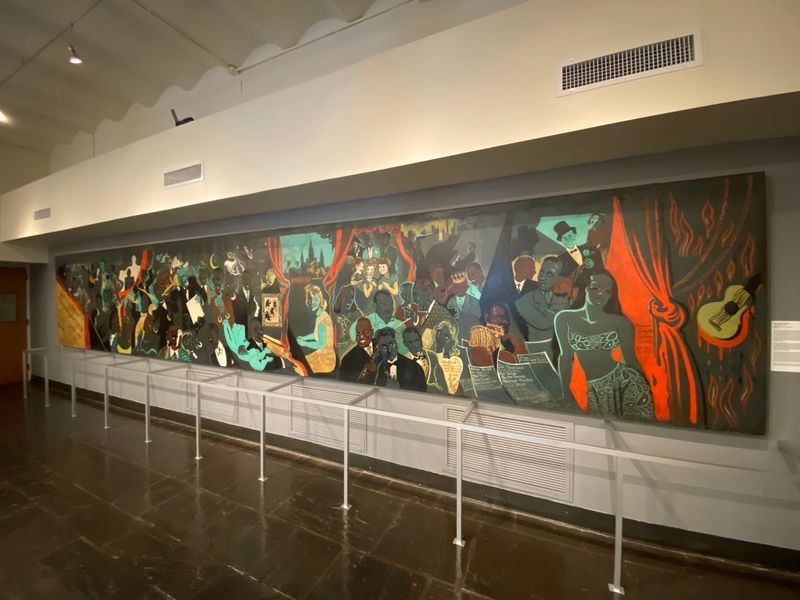
A short walk toward the river can reset your whole afternoon. With festival activity extending to the grounds near Goldring Woldenburg Riverfront Park, it is easy to step aside for a wider view of the Mississippi and then return refreshed.
That break matters because the festival is really about the river’s cultural and economic pull. Looking at the water while hearing music behind you makes the theme feel less abstract and much more real.
Try this between sets, especially if the crowd grows thick near a stage. The view opens things up, and the moving ships and broad current add a slow, powerful rhythm of their own.
I liked using the park edge as a breathing space, not an exit route. It gave the day a stronger shape and reminded me why this celebration exists in the first place.
Stay Flexible With The Schedule
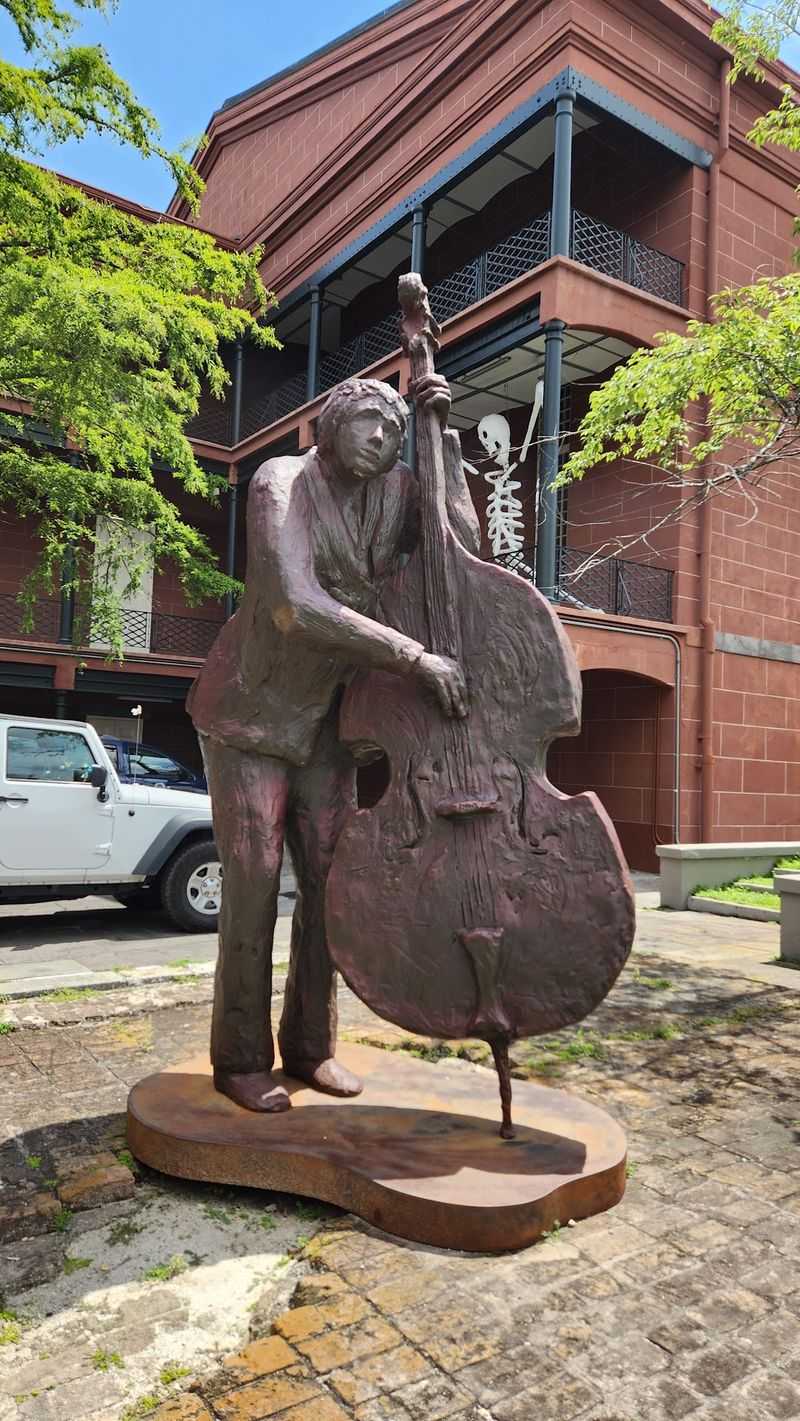
The best plan is a loose plan. For 2026, NOLA River Fest runs on Saturday, September 12, from 11 AM to 6 PM, with some programming continuing until 7:45 PM, so the day offers more than one rhythm.
You can build a careful schedule, but leave space for detours. A band may pull you closer than expected, a panel might start a useful conversation, or a food demo could turn out to be more interesting than the set you marked first.
Because admission is free, the mood stays open and welcoming rather than pressured. That makes it easier to wander a little and still feel you are doing the festival correctly.
Check the latest program when you arrive, circle two or three priorities, then let the rest unfold. River cities teach patience, and this festival follows that lesson nicely.
Use The Livestream If You Miss It
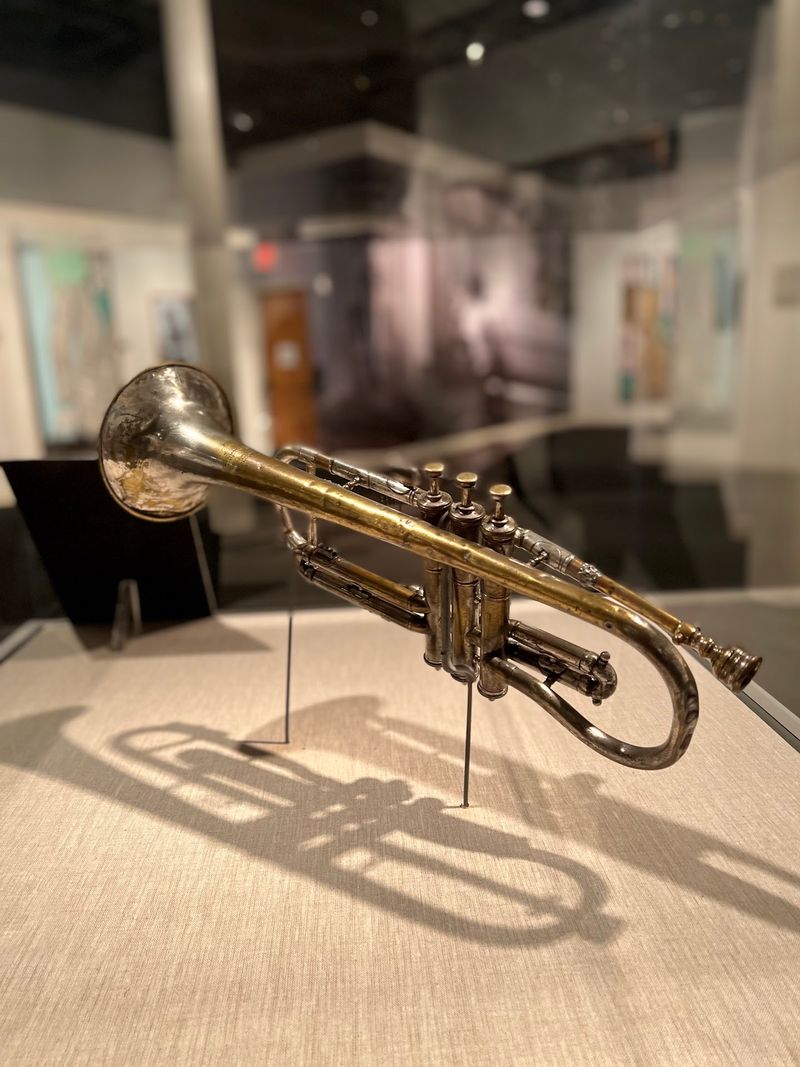
Not every good festival tip requires standing on the grounds. NOLA River Fest also offers a Facebook livestream, which is a helpful option if you cannot make it to 400 Esplanade Avenue or if you want to revisit parts of the day later.
That digital piece feels fitting for an event about a river. The festival is rooted in one place, yet its stories travel outward, reaching people beyond the museum and riverfront park.
Use the livestream as a backup, not a replacement, if you can attend in person. The parade movement, the building, and the changing sound across the grounds are stronger on site.
Still, remote access is valuable for families, curious music fans, and anyone tracking specific speakers or performers. A festival that shares itself this openly understands something essential about public culture: it should circulate.