Some historic houses impress you immediately. Others wait until you have been standing under the old trees for a few minutes before the atmosphere starts doing strange things to your imagination.
This late-eighteenth-century Louisiana landmark belongs to the second category.
Its broad veranda, weathered architecture, and quiet grounds are beautiful enough on their own, but the stories attached to the house give every hallway and shadow a little extra weight.
History, Southern architecture, ghost legends, and an unmistakably eerie atmosphere make this one of Louisiana’s most intriguing historic places to explore.
What I find most compelling is the tension between beauty and unease. Sunlight falls across the porch, moss hangs softly from the trees, and everything can look almost peaceful, until you remember the stories.
Whether you come for architecture or the paranormal reputation, the place has a way of making both feel inseparable by the time you leave.
Study The Veranda Before You Step Inside
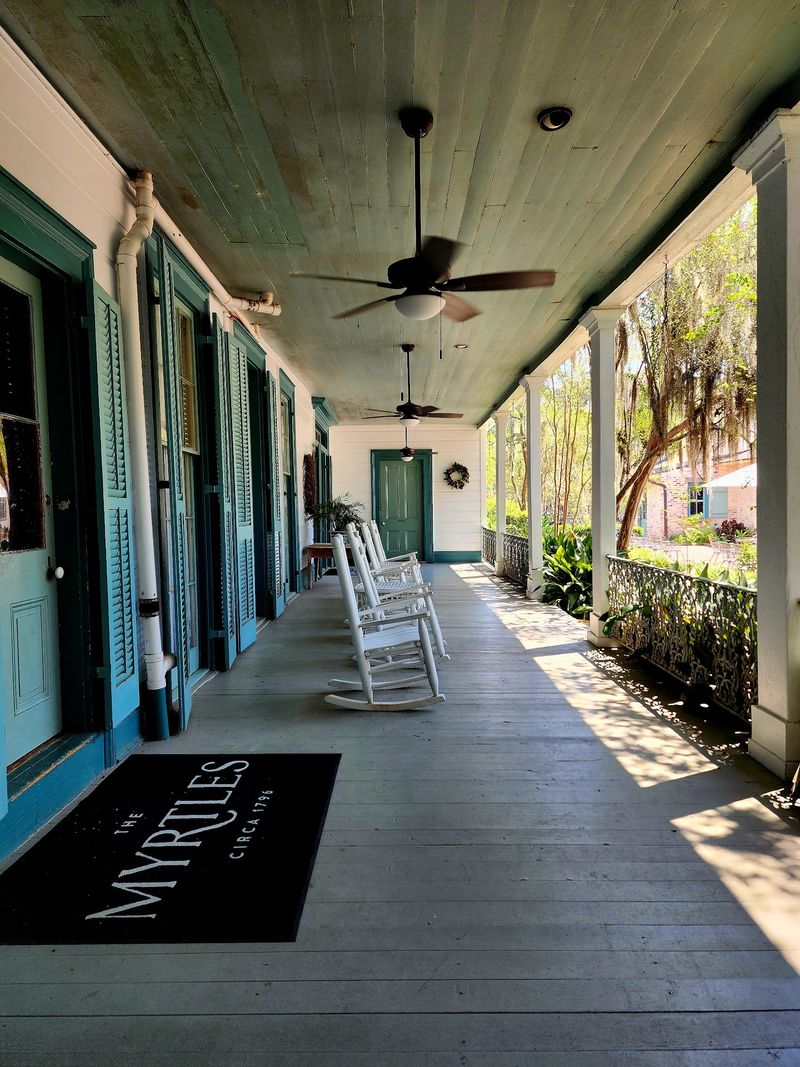
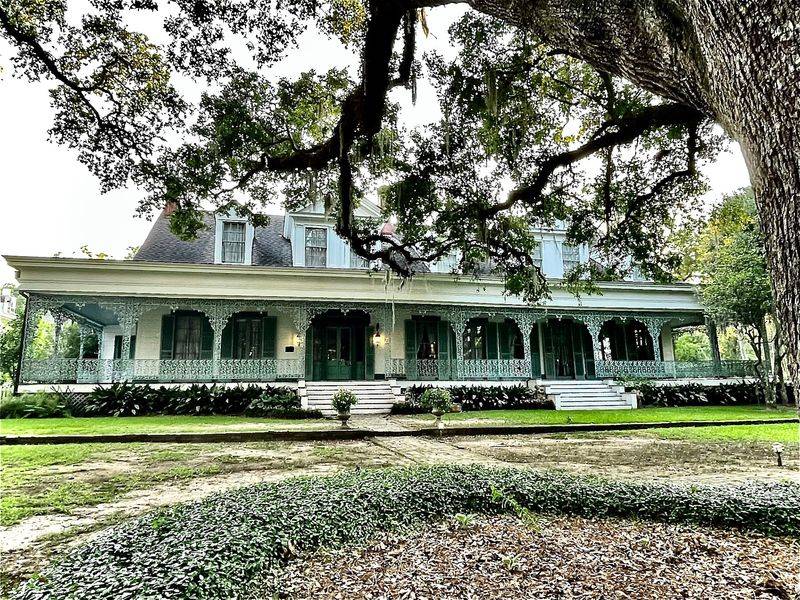
Long before the ghost tales start, the veranda steals the show. Stretching across the front of the house, it gives The Myrtles a graceful, almost theatrical look, the kind that makes you pause halfway up the path.
The house sits with real presence, but it does not feel stiff.
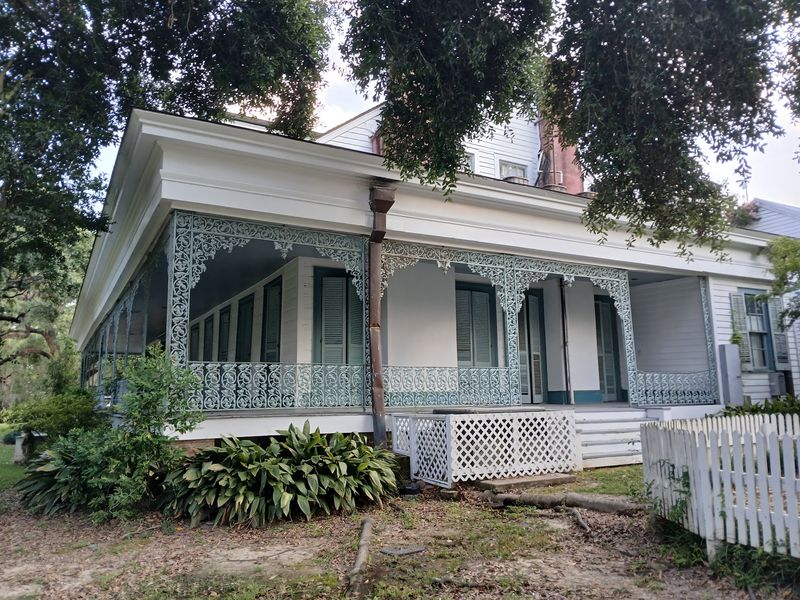
Architecturally, this is part of what makes the property memorable. The broad porch, clapboard walls, and later expansion reflect its Creole cottage roots and its mid-1800s changes.
Even the entrance, with hand-painted stained glass, invites close attention.
Stand outside for a few extra minutes instead of rushing in. The porch helps you notice proportions, materials, and the way beauty and unease can share the same frame.
At this address, the exterior is not a warm-up. It is part of the story, and one of the strongest parts too.
Arrive In Daylight For The Full Effect
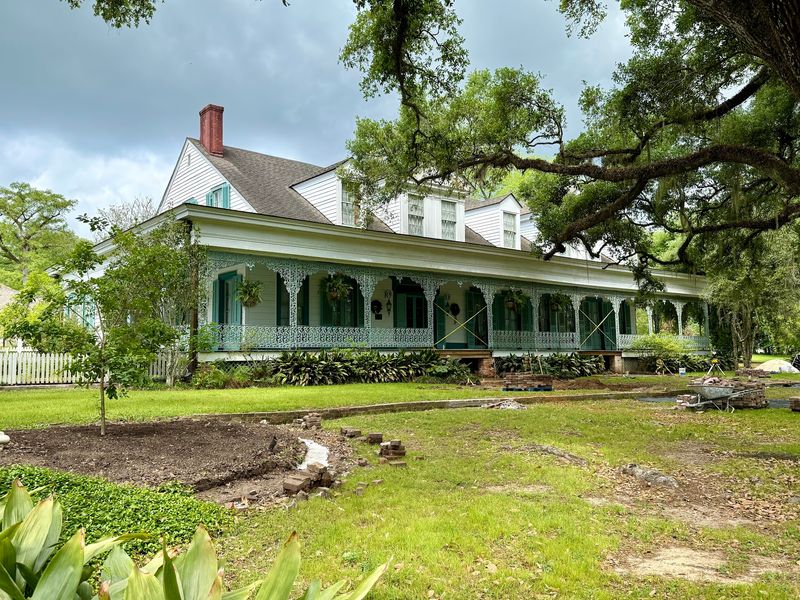
The Myrtles sits at 7747 U.S. Highway 61 just outside St. Francisville, Louisiana.
US-61 is the road to stay with for the final approach, carrying you directly past the historic property rather than into downtown St. Francisville.
As you near the address, look for the entrance to The Myrtles along US-61 and turn into the estate grounds. The property sits directly off the highway, so there is no separate back road or neighborhood entrance to find.
Continue along the driveway to the visitor parking area and leave the car on the property. Free self-parking is currently available, and from there you can continue on foot toward the main house, tour check-in, restaurant, or overnight accommodations.
Take The History Tour Before The Mystery Tour
A good rule here is simple: history first, mystery second. The daytime tour gives shape to the house by walking you through rooms, furnishings, ownership changes, and the confirmed events that anchor the wilder legends.
Without that grounding, the spooky material can float past too easily.
The Myrtles has a documented past that deserves attention on its own. William Winter was shot on the porch in 1871, and the house itself changed over time from Laurel Grove into the expanded estate people know today.
Taking the historical tour first made the later ghost stories more interesting, not less. Once you know what is verified, you can better judge which tales are folklore, which are local tradition, and which simply grow stronger in a dim hallway.
That order gives the visit more depth and far more honesty.
Look Closely At The Famous Mirror
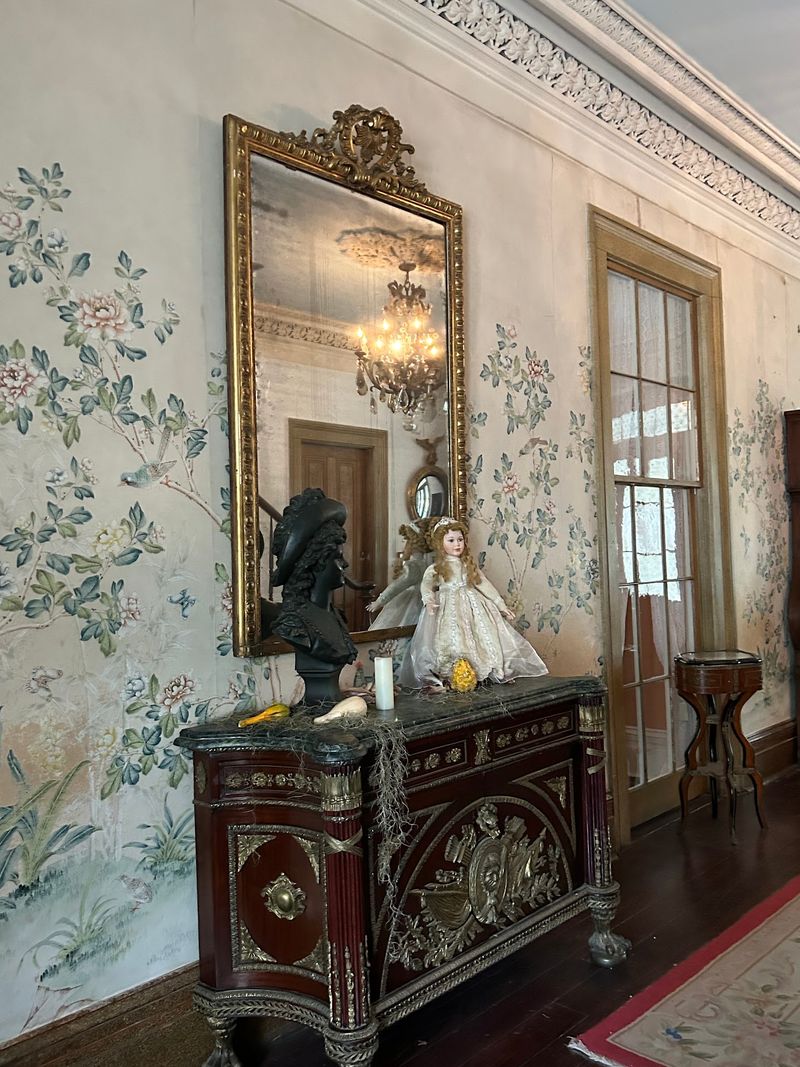
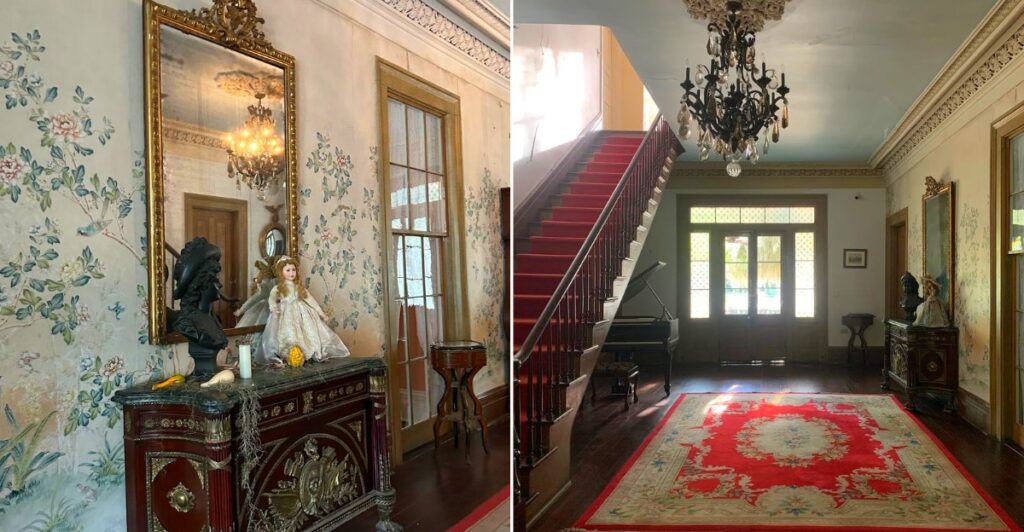
Few objects at The Myrtles get more attention than the old mirror. It sits there like any antique might, until someone tells you the story attached to it, and suddenly every smudge seems loaded with meaning.
That shift in your own brain is part of the experience.
Local legend says members of the Woodruff family remain trapped in the glass because a traditional mirror-covering custom after death was missed. Reports of handprints and drip marks have helped make it the house’s best-known haunted object.
What helps most is slowing down instead of trying to force a spooky moment. Notice the frame, the placement, the age, and the quiet around it.
Whether you leave convinced or skeptical, the mirror works because it combines material history, household custom, and storytelling in one unforgettable stop inside the main house.
Pay Attention To The Staircase Story
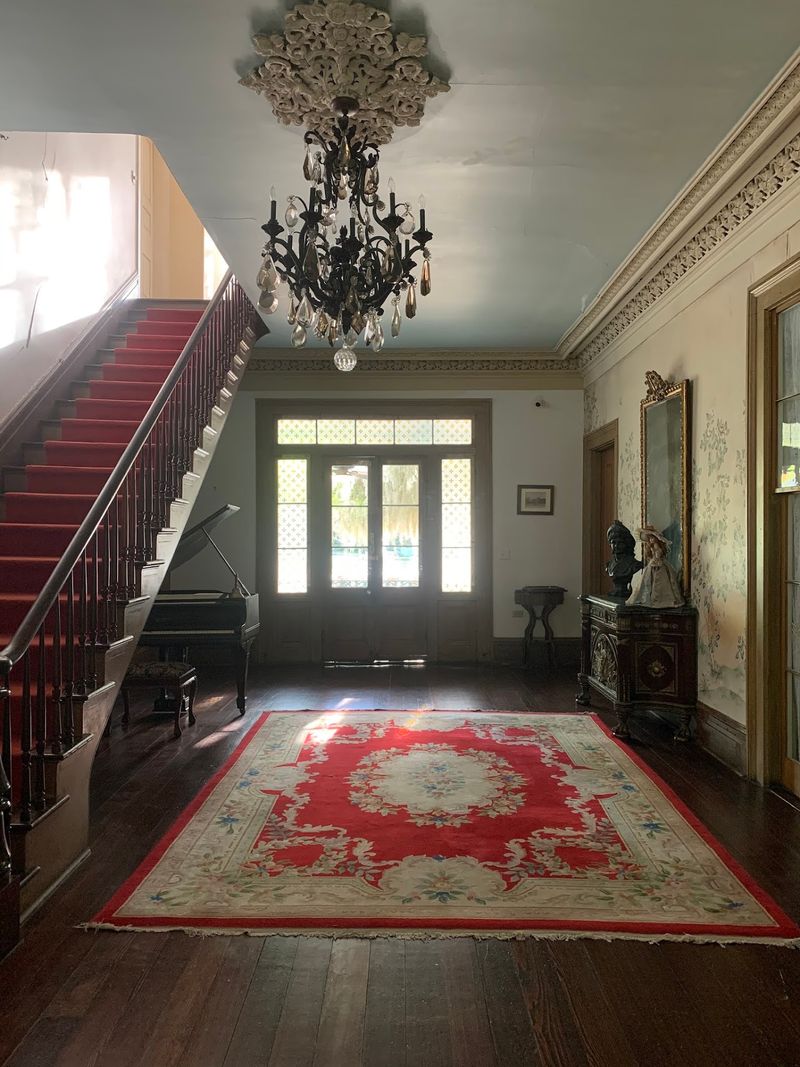
Staircases in old houses often feel dramatic, but this one carries a specific story. Visitors usually hear about William Winter, who was shot on the front porch in 1871 and is said to have stumbled inside before collapsing.
The tale fixes your eyes on the steps in a way few design features can.
Even without the legend, the staircase deserves attention for what it reveals about the house’s layout and formal style. The entry hall, molding, and chandelier give the interior a polished look that contrasts with the grim story attached to it.
Try not to rush past after hearing the account. Stand back and look at the staircase as architecture first, then as memory.
At The Myrtles, many of the most lasting impressions come from that tension between craftsmanship and tragedy, beauty and the stories people cannot stop retelling.
Walk The Grounds As Slowly As The House
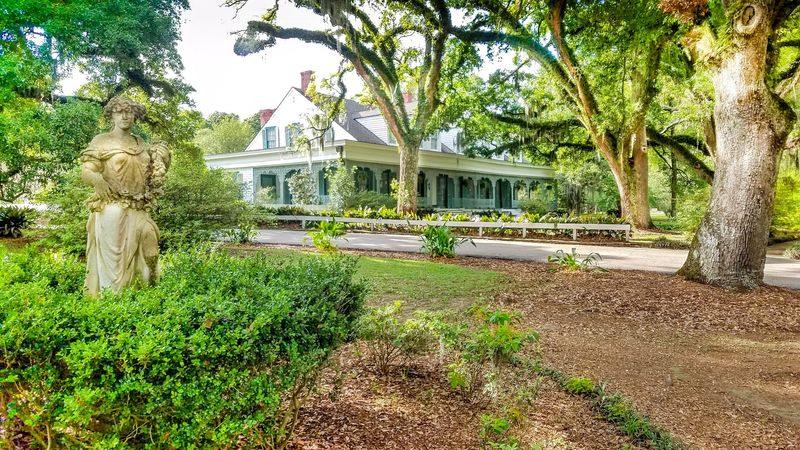
Outside, the mood loosens without ever turning ordinary. The grounds spread across a lovely Southern setting of big oaks, hanging moss, gardens, and reflective water, and it is easy to forget for a moment how much tension the house itself holds.
Then a quiet corner catches you and the feeling returns.
The outdoor spaces matter because they show why the estate’s reputation is bigger than one hallway or one room. Beauty is everywhere here, and that beauty makes the darker folklore feel sharper, not softer.
Give yourself time to wander instead of treating the grounds as filler between tours. I liked the shift from enclosed rooms to open air because it let the place breathe.
You notice birds, shadows, tree shapes, and distance. At The Myrtles, the landscape is part stage set, part history lesson, and part reset button.
Treat The Chloe Story With Care
Some stories attached to The Myrtles travel faster than facts, and the Chloe tale is the biggest example. You will likely hear versions involving eavesdropping, punishment, poisoning, and a green head covering.
It is gripping, but it is also debated, and that matters.
Historical records do not cleanly support the popular version repeated in ghost lore. Because of that, it helps to hear the story as folklore shaped over time, not as settled truth.
The plantation setting also asks visitors to think carefully about the lives of enslaved people and how their stories get retold.
Approach this part of the visit with curiosity and restraint. The strongest response is not gasping on cue, but listening closely and noticing what is certain, what is uncertain, and what may have been sensationalized.
Respect improves the experience, especially in a place carrying such serious historical weight.
Notice The House As Architecture, Not Just Legend
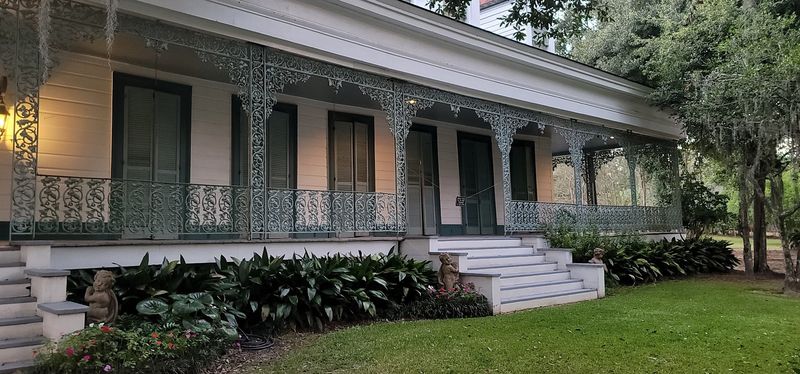
Ghost stories may get the headlines, but the building itself earns your attention. The Myrtles began in 1796 and later expanded in the mid-1800s, and those changes are visible in the scale, layout, and decorative details.
Looking for those clues turns the visit into something richer than a scare-filled walk-through.
Inside, features like the molding, old windows, and preserved rooms reveal the house’s age without feeling frozen. Outside, the larger facade and broad veranda show how the property evolved over time rather than appearing all at once.
One useful trick is to ask what seems original, what seems added, and what each choice says about the era. That keeps your eyes active.
I came away thinking the architecture is not a backdrop for the legends. At The Myrtles, it is the main evidence that the past still has physical shape.
Choose Night Tours Only If You Want The Mood Shift
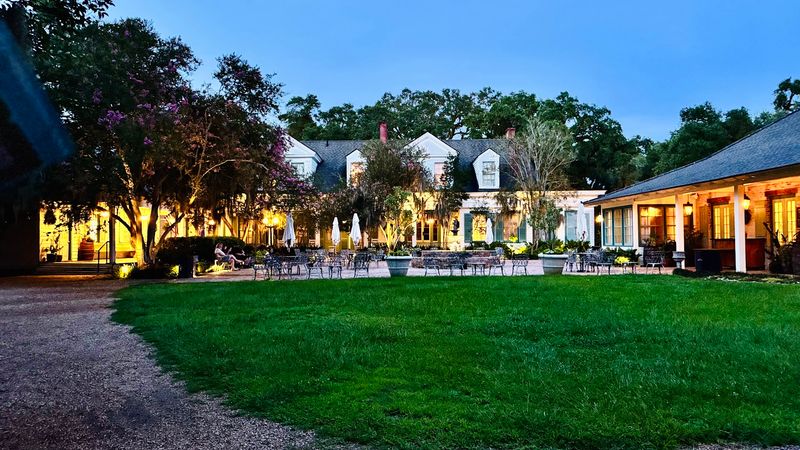
After sunset, the property changes character fast. Sounds seem sharper, distances feel longer, and even the porch looks less welcoming than it does in late afternoon.
If you are easily spooked, know that the mood alone can do plenty of work before a single ghost story is told.
The Myrtles offers evening mystery tours, and many visitors choose them specifically for that after-dark atmosphere. The quiet around the grounds becomes part of the experience, especially when you already know the house’s documented history and famous legends.
Practical planning helps more than bravery. Wear comfortable shoes, expect low light, and decide in advance whether you want folklore-heavy storytelling or a calmer daytime experience.
Some locals still avoid the place after dark, which tells you something about its reputation. Whether you believe the legends or not, night changes the whole emotional temperature.
Use The On-Site Amenities To Pace Your Visit
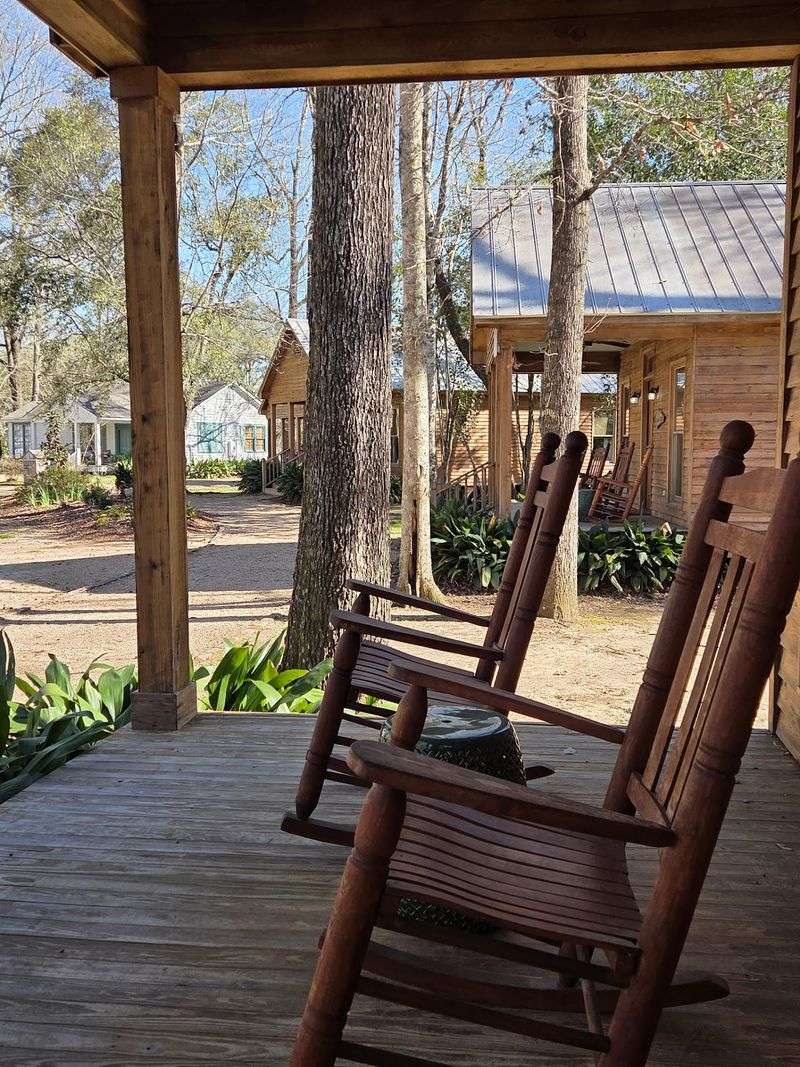
Not every minute at The Myrtles has to be intense. The property also works as an inn, with rooms and cottages, and it includes practical stops like a gift shop, cafe, restaurant, restrooms, and places to sit.
That mix softens the visit in a useful way.
Because the estate can feel emotionally heavy, short breaks help you absorb more. Stepping from old rooms and legends into a courtyard or coffee stop gives your brain time to sort architecture, history, and atmosphere without everything blurring together.
Plan your visit with pauses instead of trying to consume it all in one sweep. A slower pace makes the day more memorable and far less tiring.
If you are staying overnight, the extra time changes your relationship to the place completely. The Myrtles is strongest when treated as an experience to settle into, not a quick box to check.
Leave Room For Both Beauty And Unease
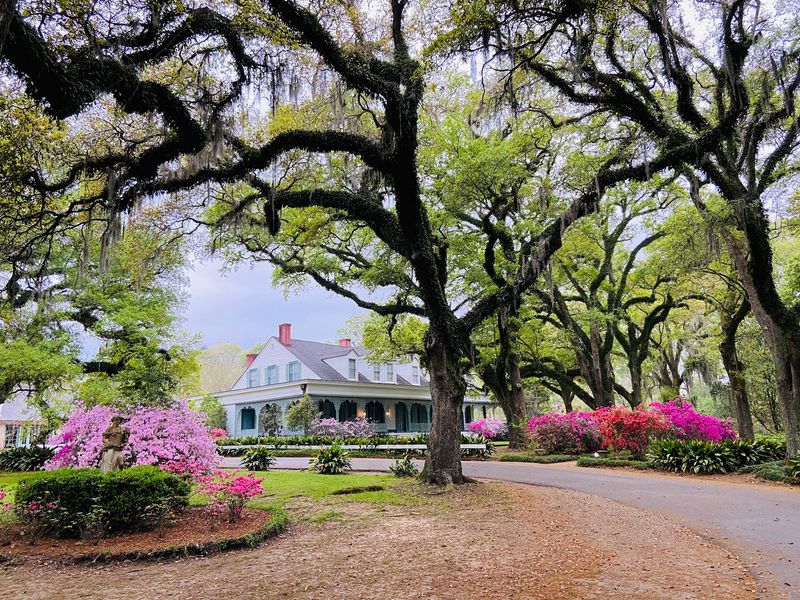
What stays with most visitors is not one ghost claim or one historical detail. It is the strange blend of prettiness and pressure, where a graceful house, ancient trees, and careful furnishings coexist with stories of violence, grief, and unexplained happenings.
Very few places hold both moods so tightly.
That is why The Myrtles feels larger than a typical tour stop. It asks you to admire craftsmanship, question folklore, and remember that plantation beauty always sits beside harder truths.
The contrast is not a flaw. It is the entire point.
My best advice is to resist picking only one frame for the place. Do not flatten it into a haunted attraction, but do not strip away the mystery either.
Let the estate be complicated. When you leave, that layered feeling is usually what follows you down US-61 long after the veranda disappears.