A virtual reality simulator here lets you fly the Hump, the brutal World War II air route over the Himalayas. Admission is free, so the only thing you risk is your pride as a pilot.
The building itself is a survivor. It’s one of the last remaining structures from what was once the largest navigation school in the country. I love that the history isn’t just on display. You’re standing inside it.
Then there’s the collection. More than 11,000 artifacts fill the galleries, and the world’s largest collection tied to one famous Louisiana-born general lives here too. A major airline’s crop-dusting roots show up in the story as well.
I can’t imagine leaving without testing my skills in that cockpit. So how long do you think you’d last over those mountains?
Meet The Louisiana General Who Led The Flying Tigers
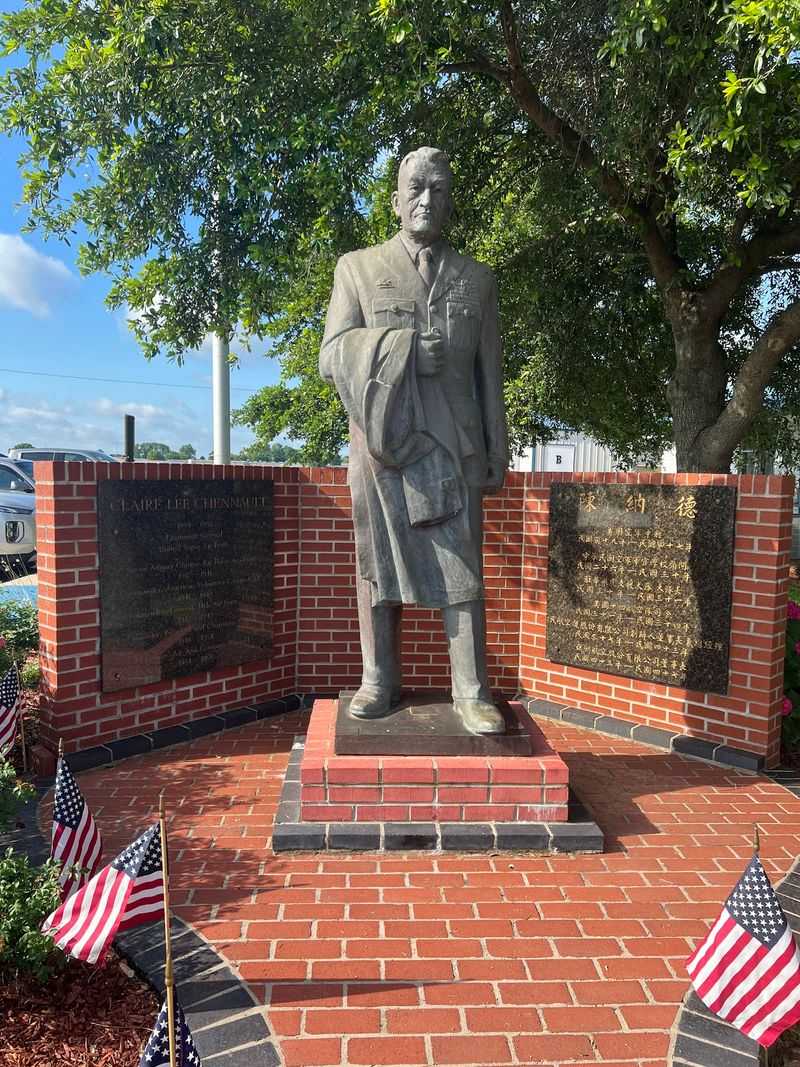
Shark teeth painted on fighter planes made the Flying Tigers famous. The man behind them, General Claire Lee Chennault, was a Louisiana native, and his story sits at the center of this museum.
The museum holds the world’s largest collection of Chennault artifacts. That’s a big claim, and it gives you a reason to slow down and actually read the displays.
Chennault led the Flying Tigers during World War II. His pilots became legends for their daring work in the skies over Asia.
One standout exhibit is called Way of a Fighter. It’s based on his 1949 book of the same name. The exhibit is bilingual, which reflects his deep connection to China and Taiwan.
Outside, a statue of the general stands at a memorial honoring fallen soldiers. Taiwan donated that statue, which says a lot about how he’s remembered overseas.
Even if you’ve never heard his name, you’ll leave knowing it well. Plenty of folks show up curious and head home feeling like they met the man.
Give yourself extra time here. This part is the heart of the whole place.
The Airport Entrance Is The Museum Clue
Chennault Aviation & Military Museum is at 701 Kansas Lane in Monroe, Louisiana. Head toward Monroe Regional Airport and follow the airport access area to Kansas Lane.
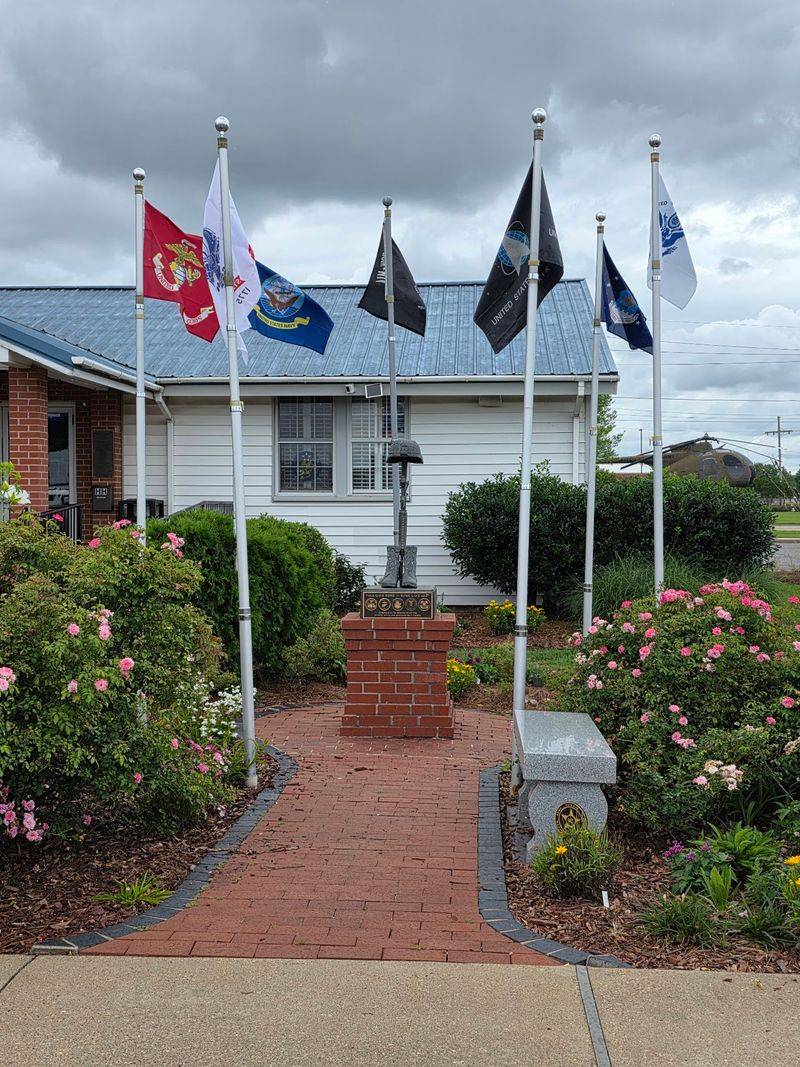
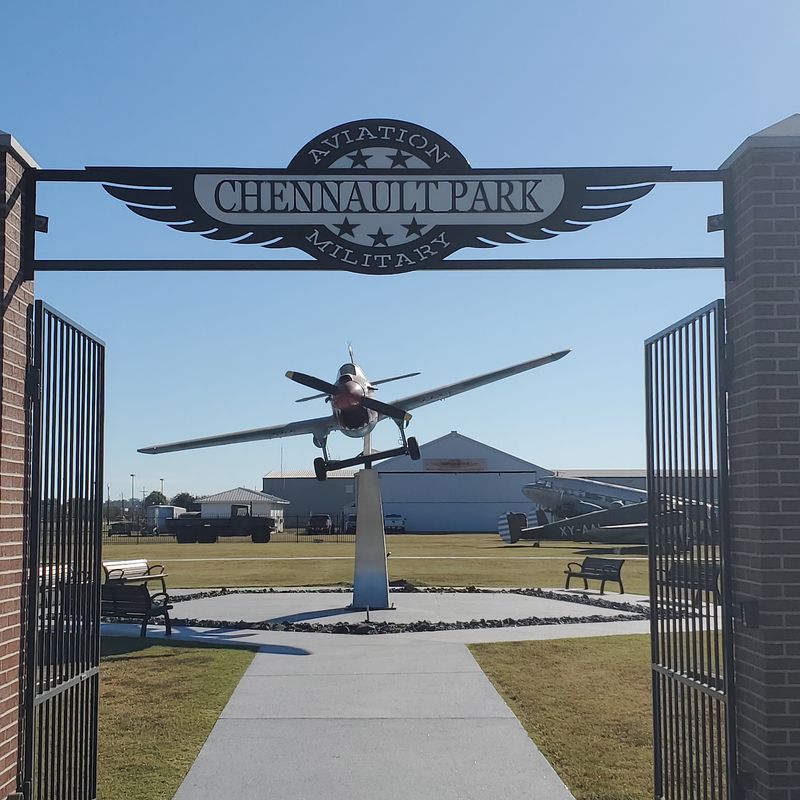
The museum stands at the airport entrance in a surviving building connected to the former Selman Field navigation school. Look for museum signage near the airport rather than searching inside the passenger terminal.
Use the museum’s designated visitor entrance and parking area off Kansas Lane. Admission is free, and visitors can begin in the exhibition spaces before exploring the aviation displays.
You’re Standing Inside A Piece Of World War II Training History
Back during World War II, thousands of young airmen learned to find their way across the sky right here. The grounds once belonged to Selman Army Airfield and its Navigation School.
Selman Field ran the largest navigation school in the United States during the war. Navigators were the human GPS of their time, using maps, math, and stars to guide bombers to targets and home again.
Today the museum lives in one of the last remaining buildings from that school. So the walls around you aren’t a recreation. They’re the real thing.
The museum’s own story started with those airmen. In 1986, men who trained at Selman Field held a reunion, and the idea for a museum grew from there.
It opened on November 11, 2000, as The Aviation Historical Museum of Louisiana. In August 2008, it became the Chennault Aviation & Military Museum.
Ask about the airfield while you’re there. The staff can fill in details that make the building feel alive.
It’s a neat feeling, knowing young navigators once studied where you’re standing. History rarely gets this close.
Walk Right Up To Seven Restored Military Aircraft Outside
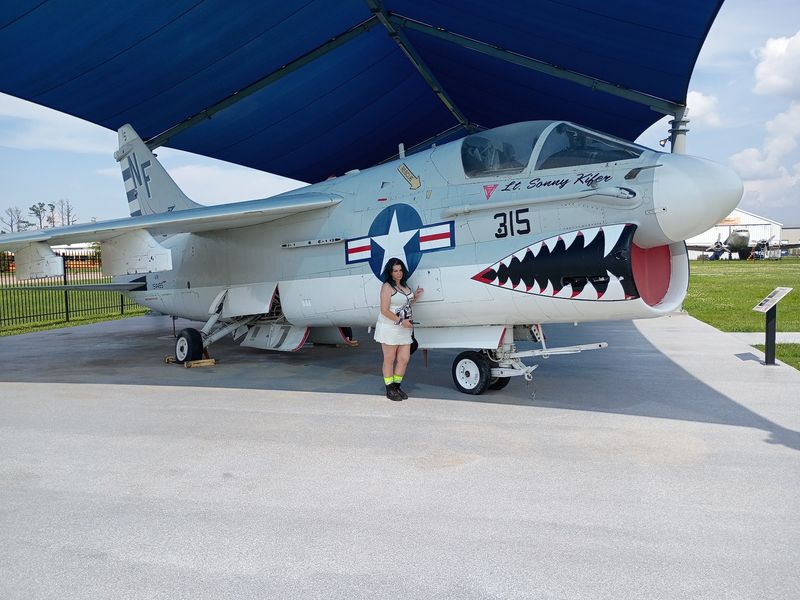
A MiG-15 and an F-86 Sabre parked in the same yard? That pairing alone is worth the trip, since those two jets famously faced off during the Korean War.
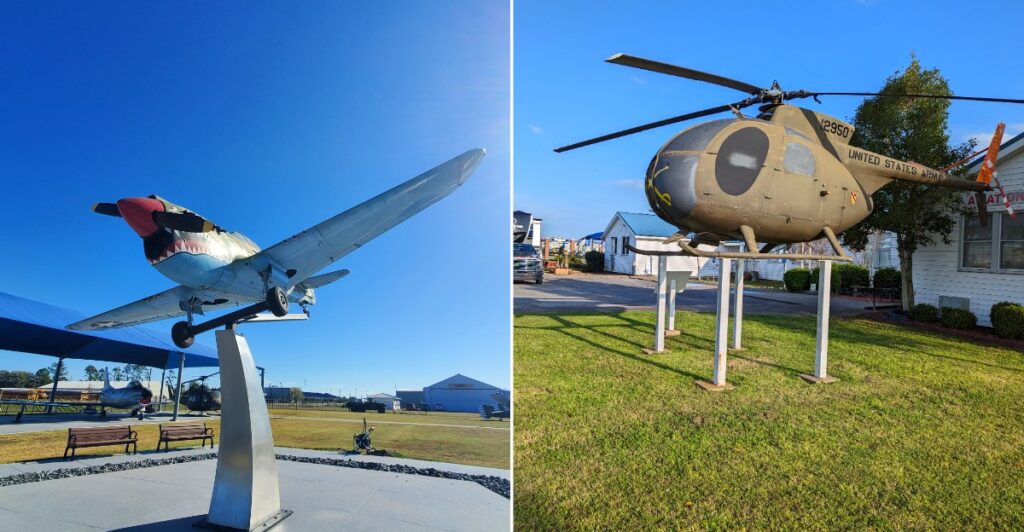
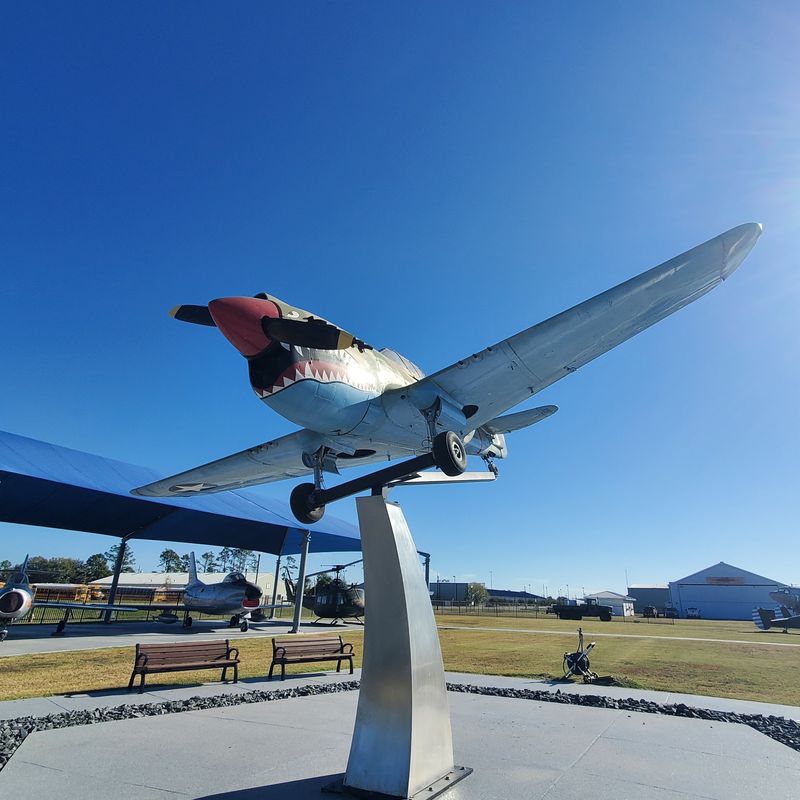
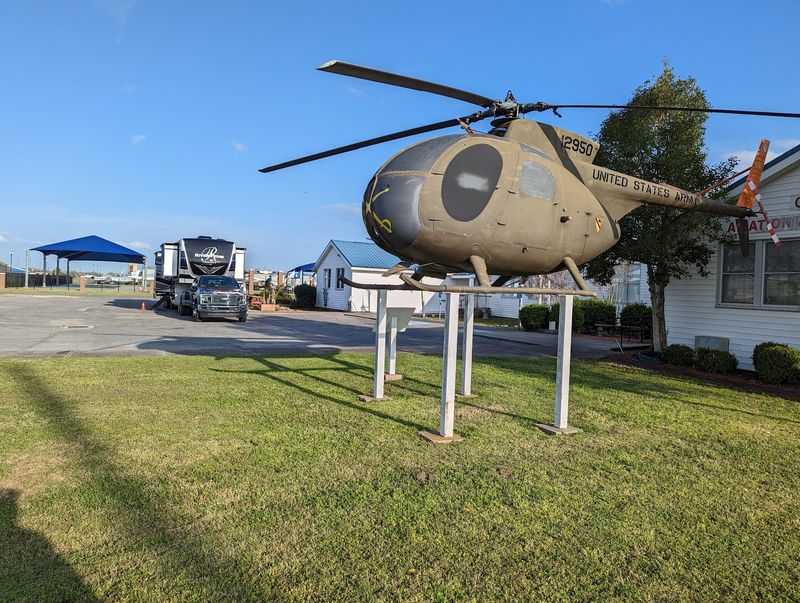
The outdoor aviation park holds seven restored military aircraft. The lineup includes a DC-3, an MR-18 Light Bomber, and a 3/4 scale P-40 Warhawk.
You’ll also spot an A-7B Corsair II and an OH-6 Cayuse helicopter, better known as the Loach. Each one represents a different chapter of flight history.
That P-40 deserves a closer look. It’s the type of fighter linked with the Flying Tigers, so it ties right back to the stories inside.
Paved walkways make it easy to move from plane to plane. Covered pavilions give you a shady break, which matters on a hot Louisiana afternoon.
Bring a camera or a fully charged phone. These aircraft make fantastic backdrops for family photos and serious close-up shots of rivets and paint.
A little tip: check the weather before you go. Clear skies make the outdoor park much more fun to explore at your own pace.
An Airline Giant Got Its Start Dusting Crops Nearby
Delta Air Lines, the giant with planes all over the world, started small. Really small. It began in Monroe as a crop-dusting service, spraying fields to protect farmers’ crops.
The Chennault Aviation & Military Museum traces that surprising origin in its exhibits. It’s one of those facts that makes you stop and reread the sign.
Crop dusting might not sound glamorous. Yet those low, careful flights over farmland helped launch one of the biggest names in modern air travel.
This exhibit adds a fun twist to your visit. Much of the museum focuses on military history, so the Delta story gives you a peek at aviation’s business side.
It also shows how northeast Louisiana shaped flight in more ways than one. Pilots trained here, legends came from here, and an airline took off from here.
Next time you board a Delta flight, you’ll have a great bit of trivia ready. Your seatmate may or may not appreciate it.
Kids especially enjoy this part. Connecting a tiny farm plane to a giant passenger jet helps them see how big ideas can grow.
Over 11,000 Artifacts Tell Stories From Every Military Branch
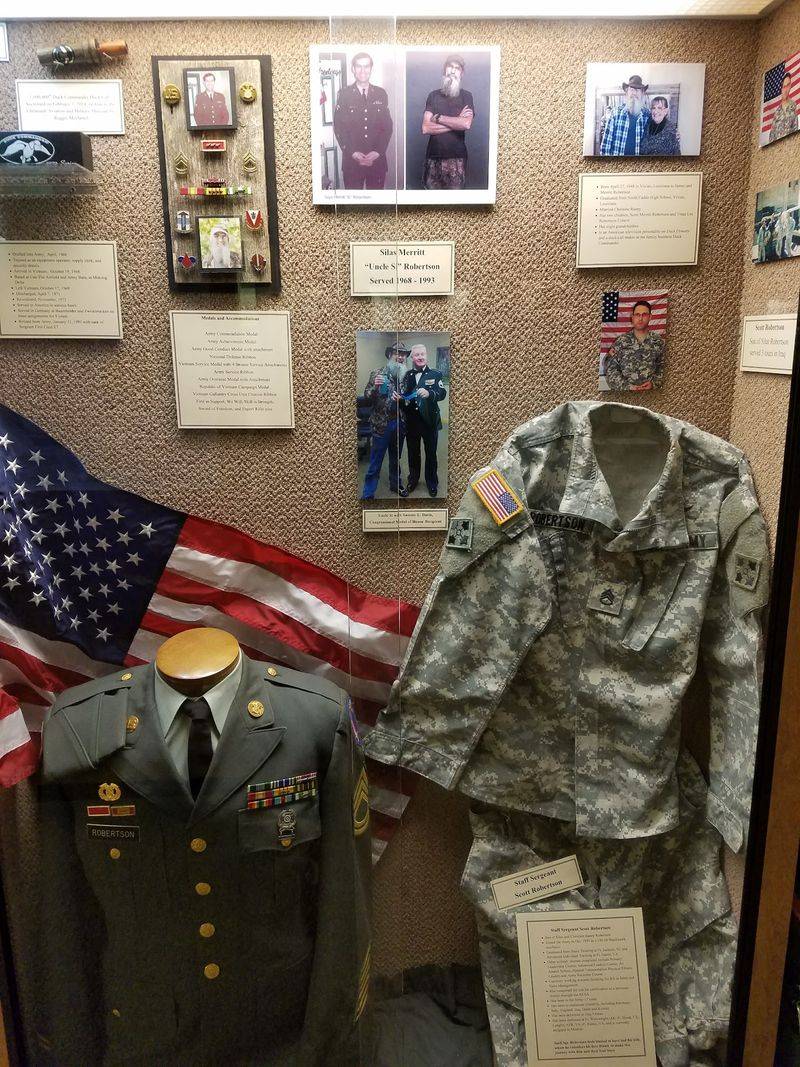
Eleven thousand artifacts is a lot of history to fit under one roof. The collection stretches from the Civil War all the way to present-day conflicts.
Dedicated sections represent all five branches of the U.S. military. You’ll find uniforms, weapons, photographs, documents, and personal stories from people who served.
A big focus falls on Louisiana’s contributions. Many displays highlight local servicemen and servicewomen, so the history feels personal instead of distant.
Those personal touches stand out. A letter home or a worn uniform can say more than any textbook paragraph about what service really meant.
Other Louisiana natives get attention too. Astronaut Jim Halsell has a feature, giving the story a jump from the battlefield into space.
The galleries now cover around 10,000 square feet. The building may look modest outside, but there’s plenty packed inside.
If you like reading every label, plan on a good chunk of time. Quick browsers can move faster, though most people find themselves lingering.
A research library is also part of the museum. That’s a great resource for anyone tracing family history or digging deeper.
Free Admission And Easy Access Make Planning A Breeze
Free is a beautiful word, and it applies to every visit here. Admission to the Chennault Aviation & Military Museum doesn’t cost a thing.
You’ll find it at 701 Kansas Lane, Monroe, Louisiana 71203. It sits right at the entrance to Monroe Regional Airport, which feels fitting for an aviation museum.
Hours run Tuesday through Saturday, from 9 AM to 4 PM. The museum closes Sunday and Monday, so plan around those days.
Accessibility gets real attention here. The museum is fully accessible, and wheelchairs are available at no charge for anyone who needs one.
Traveling with a group? Bus parking is provided, which makes school trips and reunion outings much easier to organize.
The museum is also family-friendly from top to bottom. Little ones and grandparents can explore together without anyone feeling left out.
Donations help keep the place running, so consider tossing a few dollars in if you enjoyed yourself. It supports the exhibits and the aircraft outside.
Before leaving, swing by the gift shop. A small souvenir makes a nice reminder of your trip into flight history.
Mark Your Calendar For Festivals, Races, And Veteran Support

Hot air balloons, live music, and vendors all show up for Chennault Fest. The 2026 festival is set for November 6 and 7, and it promises a lively weekend.
That’s just one highlight on the calendar. The annual Run for the Red, White, and Blue Race brings runners out to support the museum.
Since 2022, the museum has hosted the Red, White, and Blue Airshow too. Watching planes in the sky after seeing them up close feels like a perfect match.
Curious minds can join Coffee with a Curator. It’s a relaxed way to learn more about the collection from the people who care for it.
The museum also does serious work for veterans. It runs a veterans closet and offers bi-monthly PTSD clinics for those who served.
Partnering with the Library of Congress, the museum records veterans’ oral histories. Those voices get preserved for future generations.
Students benefit too. The museum serves as a regional judging site for National History Day and sponsors the Freedom Spirit Art Competition.
Check the schedule before you go. Lining your trip up with an event makes a great visit even better.