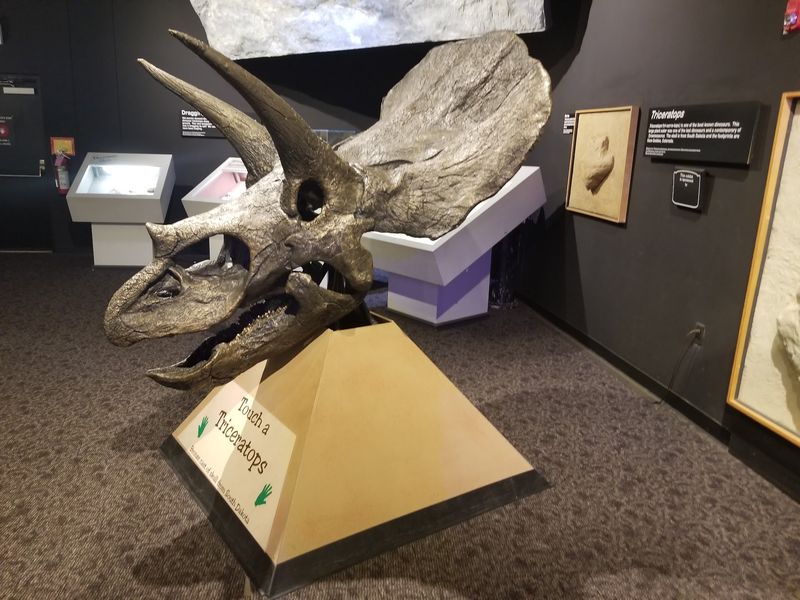
What could possibly be hiding behind a door you would normally drive right past? In New Mexico, one quiet roadside stop can turn a simple five-minute break into an unexpected journey millions of years into the past.
Step inside and suddenly you are surrounded by ancient creatures, fascinating fossils, and the chance for kids to get their hands dirty while searching for real prehistoric treasures. That is what makes this kind of detour so memorable.
You arrive expecting nothing more than a quick stretch, then find yourself lingering, exploring, and wondering what else you might have missed along the road. I love discovering stops that turn an ordinary drive into a story worth telling, especially when the experience feels this hands-on.
Sometimes the smallest detour ends up being the highlight everyone remembers.
Where The Road Trip Takes A Prehistoric Turn
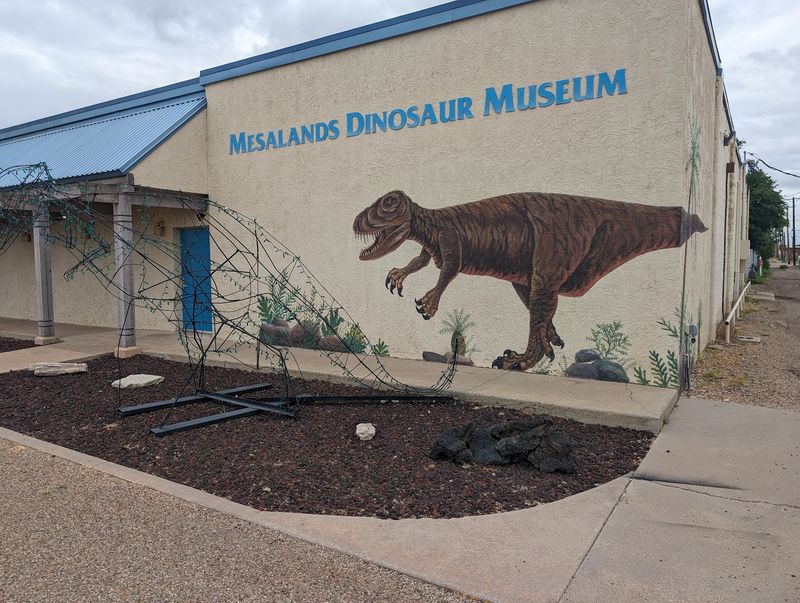
Tucked at 222 E Laughlin Ave in Tucumcari, this museum sits along old Route 66 country, where flat mesas stretch toward the horizon and the sky feels enormous. Plenty of travelers spot a roadside sign and pull over on impulse.
Run in partnership with Mesalands Community College, the museum is officially the Mesalands Dinosaur Museum and Natural Sciences Laboratory. That college connection gives it a working-classroom energy you do not usually find in tourist stops.
Regulars who pass through every few years say it fits the old saying about not judging a book by its cover. The neighborhood is humble, the building unassuming, and then you step inside and realize how much is packed within these walls.
Visitors describe leaving genuinely surprised, calling it one of the better mid-sized dinosaur collections around. It is the sort of find that makes you feel a little clever for stopping, like you stumbled onto a secret the guidebooks skipped.
For a town of its size, that is no small feat.
A College Museum With A Working Heart
Belonging to a community college changes everything about how this place feels. Instead of a stuffy institution, you get a lively space where learning is happening in real time, and admission proceeds help support the school itself.
Money spent here does double duty. Families appreciate that their entry fee helps fund the college programs, which adds a warm, community-minded layer to a simple afternoon visit.
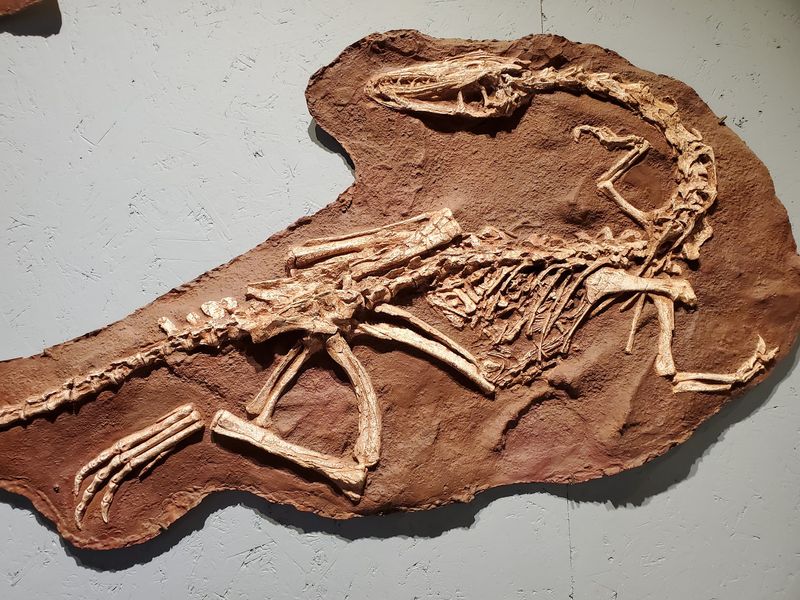
Because it doubles as a teaching lab, the exhibits change and grow over time. The staff have mentioned building new displays, including a petrified wood exhibit, so return visitors often notice fresh additions between trips.
Guests frequently mention how welcome the team makes them feel, from friendly greetings to patient explanations. One traveler even recalled being let in near closing time without a fuss, which speaks to the easygoing hospitality.
That blend of scholarship and kindness gives the museum a personality all its own. You are not just wandering through glass cases; you are stepping into an active place where curiosity is the whole point and everyone seems glad you showed up.
The Fossil Pit Where Kids Become Diggers
Hand a child a small shovel and watch their whole face light up. The dig pit is easily the star attraction for younger visitors, filled with crushed walnut shells that hide bones waiting to be brushed free.
Little ones from toddlers to grade-schoolers dive right in. Families with a two-year-old and a ten-year-old both report that digging for bones kept everyone happily busy, which is a rare win with mixed ages.
What makes it click is that it feels like real work, not a gimmick. Kids record their finds, brush away the shells, and get a taste of what actual field paleontology involves.
Parents love that it burns energy while teaching something. Instead of a screen or a fidgety wait, children get their hands dirty and walk away feeling like genuine explorers.
Several visitors call it the highlight their kids talk about long after. When a museum turns learning into a treasure hunt, the lesson tends to stick, and the smiles come easy in this sandy little corner.
Touch The Past With The Little Green Hand
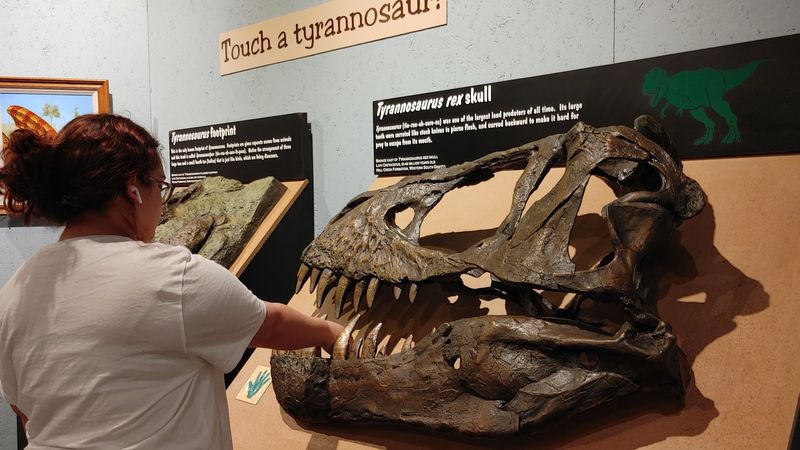
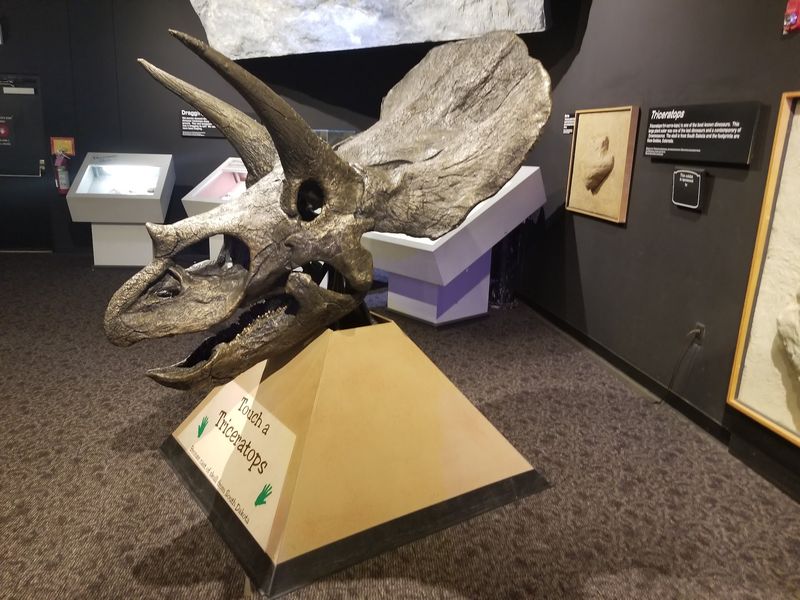
Most museums bark at you to keep your hands off. Here, a clever little green hand symbol marks the displays you are actually invited to touch, turning the whole visit into a scavenger hunt.
Families have made a game of it. One parent described sending the kids to find the green go-hand so they could feel each piece, which kept small hands busy and small minds engaged.
Among the touchable treasures is a huge ammonite, its spiral shell smooth under curious fingers. Feeling something that old up close hits differently than staring through glass.
The approach matters most for the youngest guests. A three-year-old obsessed with dinosaurs can finally reach out instead of just looking, which makes the experience feel personal and real.
Grown-ups get pulled in too, running their palms over fossilized shells and stone. There is a quiet magic in physically connecting to something from millions of years back.
By turning off the usual do-not-touch rules, the museum lets wonder lead. That simple green hand might be the friendliest invitation in the whole building.
The 40-Foot Torvosaurus That Steals The Show
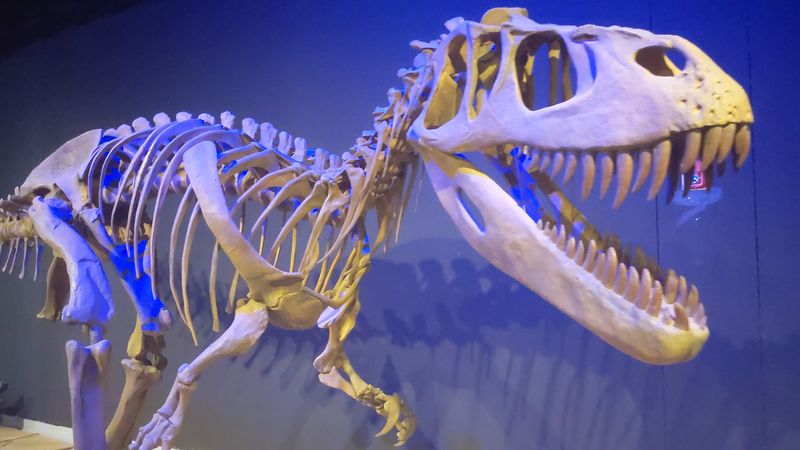
Nothing quite prepares you for the moment you round a corner and meet a 40-foot Torvosaurus skeleton towering overhead. It is the kind of centerpiece that makes both kids and grown-ups stop mid-sentence.
Stretching across the room, this giant anchors the museum’s focus on the Mesozoic era, often called the Age of Dinosaurs. Every bone tells a story about a time when creatures like this ruled the land.
Standing beneath it, you get a real sense of scale that photos never capture. Suddenly the words tall and long take on new meaning when the animal above you could fill a small house.
Visitors describe the skeleton as breathtaking, one of those sights worth the detour on its own. It gives the space a jaw-dropping wow factor the moment you walk in.
For dinosaur-loving families, this is the postcard moment. Kids crane their necks, point, and pepper their parents with questions, which is exactly the reaction a museum hopes for.
The Torvosaurus turns a casual stop into an unforgettable encounter with deep history.
Bronze Dinosaurs Cast By Student Artists
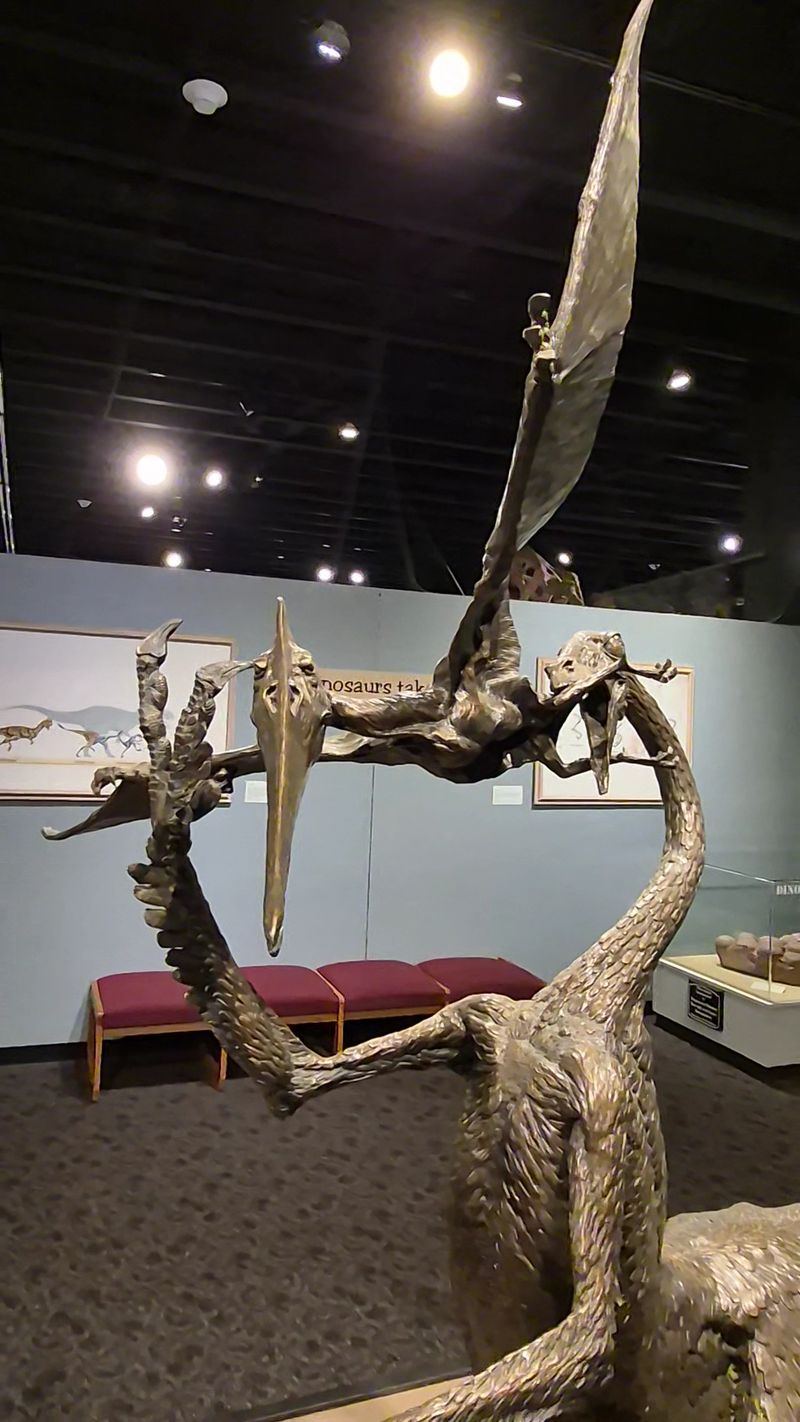
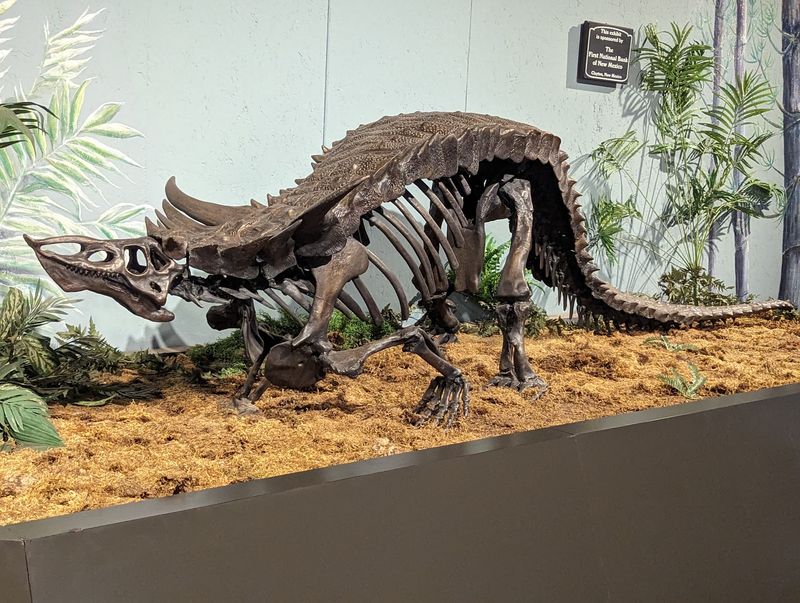
Here is a twist you will not see coming: many of the dinosaurs here are cast in gleaming bronze. These are not factory replicas but works crafted by students in the college’s Fine Arts Bronze program.
Combining art and science under one roof gives the museum a distinctive flair. The life-sized bronze sculptures blur the line between exhibit and gallery piece, and they catch the light in ways plain casts never could.
Guests often single out the bronze work as unexpectedly stunning. One rock-hound visitor marveled at fossils painstakingly cast in metal, calling the statues breathtaking and the skeletons in bronze a genuine highlight.
There is something special about knowing local students shaped these pieces. It ties the museum to the town and the college in a tangible, lasting way that feels earned.
The craftsmanship rewards a slow look. Fine details in the metal reveal the skill behind each figure, turning what could be a quick glance into a real appreciation.
Blending paleontology with fine art, the bronze collection proves this museum has ambitions well beyond the ordinary roadside stop.
A Peek Through The Lab Window
Ever wonder how a dusty rock becomes a museum-ready fossil? A big viewing window lets you watch the answer unfold, peering into a working lab where students and the curator preserve real specimens.
Seeing actual technicians at their tables adds a jolt of realism. This is not a staged scene; it is the genuine, careful work of cleaning and assembling fossils happening right before your eyes.
Visitors find the window fascinating, describing the chance to watch students uncover and prepare new pieces as one of the museum’s more unique offerings. It pulls back the curtain on a science most people never see.
For curious kids, it plants a seed. Watching real people do the painstaking work might just spark a future paleontologist, or at least a very good school report.
The window also reinforces that this is a living, working institution. Fresh finds keep flowing into the exhibits, which explains why the displays evolve between visits.
Standing there quietly, you feel like an insider getting a backstage look. It turns passive viewing into something closer to eavesdropping on discovery itself.
Real Digs Beyond The Museum Walls
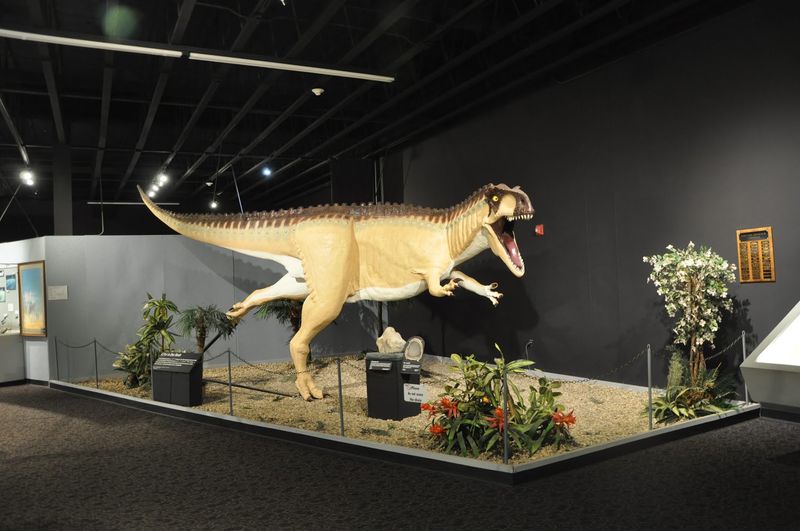
For families who catch the digging bug indoors, the adventure can stretch much further. The museum runs Summer Field Classes and arranges customized digs for organized groups out in the field.
The action heads about 25 miles from Tucumcari to the Redonda Formation, a stretch of ancient rock rich with vertebrate fossils. Out there, participants search, record data, and excavate genuine finds.
Real tools come into play. Instead of walnut shells, you handle field materials and dig for actual specimens, then help examine, clean, and assemble them back in the lab.
Few museums offer this kind of authentic, boots-on-the-ground experience. It bridges the gap between a fun pit for kids and the serious science of paleontology.
Groups and schools especially benefit, since the digs can be tailored to a class or organization. It transforms a lesson into a hands-on expedition nobody forgets.
Anyone dreaming of unearthing something buried for millions of years will find this the ultimate step up. The museum’s dig pit may be the appetizer, but the field classes are the main course.
Exhibits That Walk You Through Deep Time
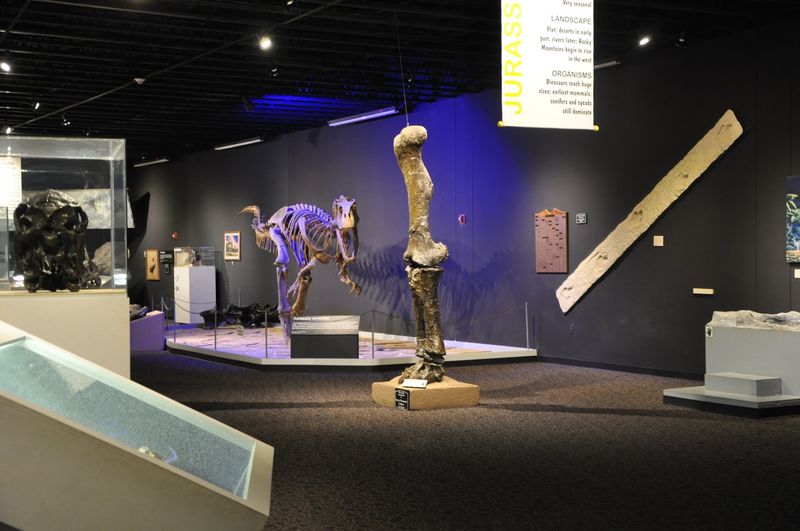
Beyond the headline creatures, the museum lays out earth’s story in tidy chapters. Each geological period gets its own outline, complete with the conditions and animals present at the time.
The layout earns real praise for its thoughtfulness. Visitors call the organization superb, noting how you can trace the flow of time from one era to the next without getting lost.
Displays range widely: natural rocks, fossilized trees, ancient shells, dinosaur bones, and detailed dioramas that recreate long-vanished scenes. There is far more here than dinosaurs alone.
Clear labels sit beside nearly everything, so you are never left guessing what you are looking at. That attention to explanation makes the museum friendly to casual browsers and serious scholars alike.
One thoughtful section even connects past and present, using materials about climate change to show how ancient shifts once reshaped life on earth. It gives the collection a reflective, thought-provoking edge.
Whether you skim the highlights or read every panel, the exhibits reward your pace. The whole place is built to teach without ever feeling like a lecture.
A Gift Shop Kids Will Beg To Enter
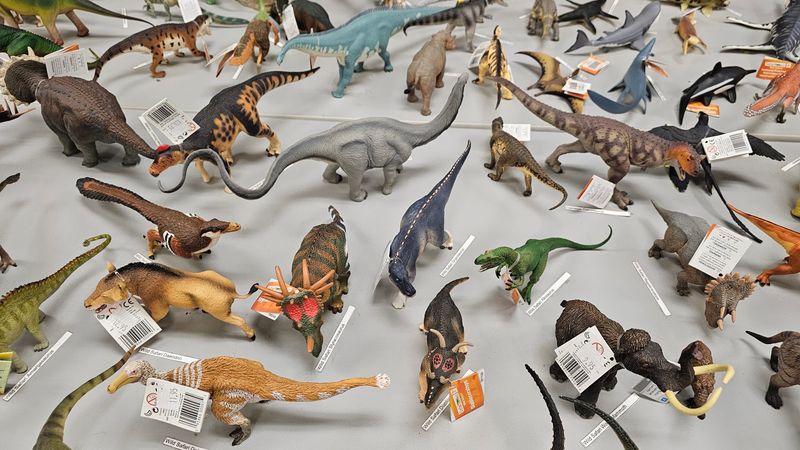
Good luck getting a dino-loving kid past the gift shop without a souvenir. This little corner is stocked to the brim and clearly built with young explorers in mind.
Shelves hold an educational treasure trove: gems, coloring books, informational reads, building kits, lifelike dinosaur figures, games, t-shirts, and plush animals. There is even boxed water for thirsty travelers.
Most visitors find the prices reasonable, and the staff have worked to add plenty of budget-friendly items for kids with a few dollars to spend. The cute t-shirts get frequent shout-outs.
One administrator from Texas left with real classroom treasures, including a free DVD and an official License to Hunt Dinosaurs for her students. That kind of takeaway turns a purchase into a keepsake.
The shop leans educational rather than junky, so parents feel good about what ends up in the bag. It extends the museum’s spirit of learning right up to the exit.
Since proceeds support the college, every stuffed dinosaur does a bit of good. Browsing here becomes part of the fun rather than an afterthought.
Hours, Prices, And Planning Your Stop
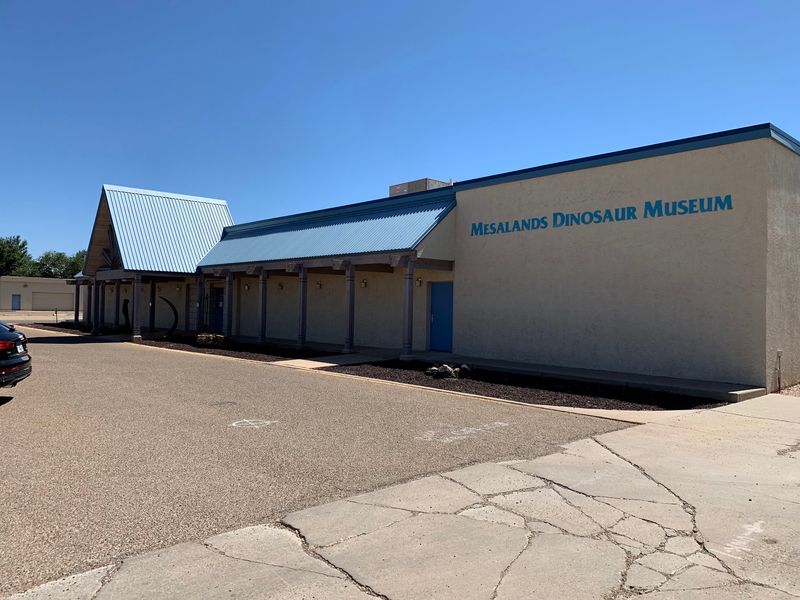
Timing your visit is easy once you know the rhythm. The museum welcomes guests Tuesday through Saturday from 10 AM to 4 PM, and stays closed on Sunday and Monday.
Aim to arrive with time to spare. One family slipped in about 30 minutes before closing and wished they had more time, so a late-afternoon dash may leave you rushing past the good stuff.
Affordability is a recurring theme. Guests repeatedly describe the entry fee as reasonable, even a bargain for a dinosaur museum, and note it is easy on a whole family’s budget.
Finding it is simple, since it sits at 222 E Laughlin Ave right off the interstate in Tucumcari. Signs along the highway help point road-trippers in the right direction.
You can move at any speed you like. Some travelers breeze through in under an hour to stretch their legs, while others linger to read every panel and dig longer.
To ask about field classes or group digs, a quick call to 575-461-6627 sorts out the details before you go.
Why This Detour Earns Its Place On The Map
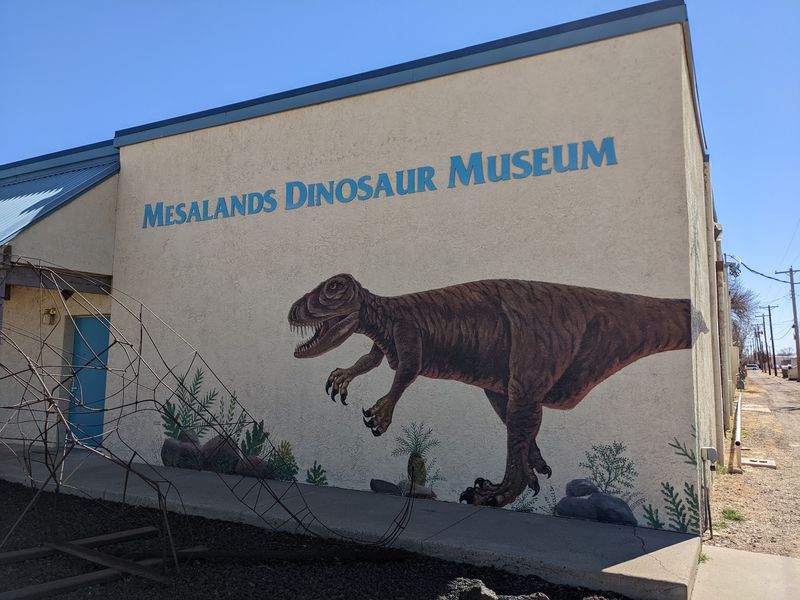
Some stops surprise you so completely they rewrite the whole day. Travelers who expected a quick leg-stretch keep saying they were glad they pulled over, often leaving more impressed than they ever expected.
What makes it work is the mix. Little kids dig and touch, older kids and grown-ups soak up the exhibits, and a 74-year-old guest happily called himself a kid at heart while wandering the halls.
Cleanliness, friendly staff, and fair prices come up again and again. Those small comforts make it an easy, low-stress stop for families crisscrossing New Mexico.
The setting adds to the charm. Off the beaten path in a modest Tucumcari neighborhood, it rewards anyone curious enough to give it a chance.
Whether you love fossils, chase road-trip gems, or just need to entertain restless kids, this place delivers well beyond its size. It is the kind of find that leaves you a little proud you knew to stop.
Next time the highway carries you through eastern New Mexico, let the dinosaurs pull you off the road. You will not regret the detour.