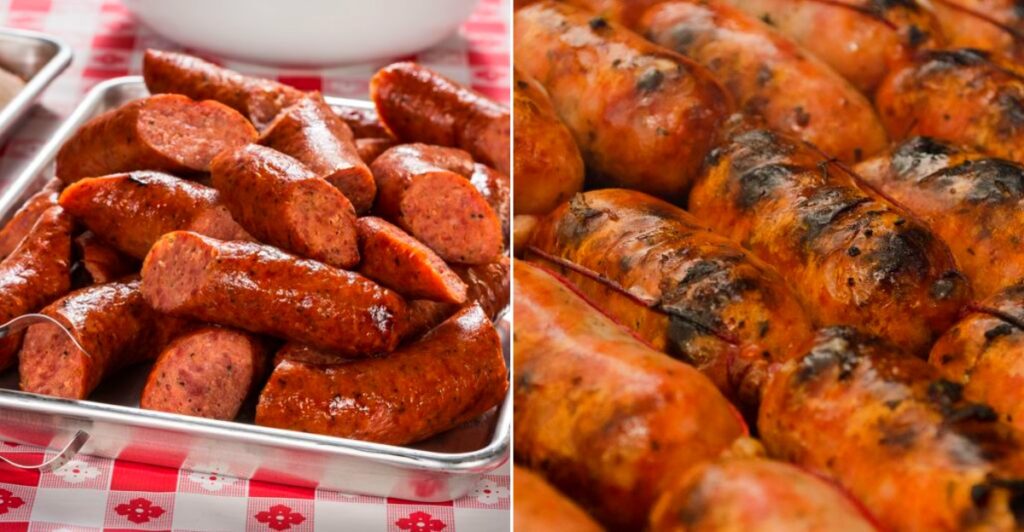
The highway runs through a stretch where gas stations double as meat markets, plus the smell of smoked pork drifts across the parking lot before the pump shuts off. This town built its identity around a sausage made with rice, pork, plus enough cayenne to make the next bite mandatory.
Boudin rolls share display cases with smoked links, cracklins sold by the bag, plus pepper jelly that no visitor leaves without. The butcher counter moves faster than the fuel island during lunch hours.
Locals stop in for a link plus a soda the way other towns stop for coffee.
Visitors slow down expecting a quick snack plus end up filling a cooler. The sausage appears in breakfast plates, lunch specials, plus dinner entrees because one preparation does not capture what multiple cooking methods can.
Every gas station on the highway proves a rice-and-pork sausage made this town worth pulling over for in Louisiana.
Boudin Capital Of The World
The road signs make a bold promise, and Scott backs it up with remarkable confidence. In 2012, the Louisiana State Legislature officially named it the Boudin Capital of the World, a title locals wear like a clean white apron.
That label is not just civic bragging. It reflects how deeply boudin shapes business, family routines, and the town’s public identity.
What struck me most was how normal all this fame feels once you arrive. Boudin is not treated like a novelty food for visitors.
It is breakfast, a quick errand stop, a tray for gatherings, and a reason people pull off Interstate 10. Scott also has one of the highest concentrations of boudin shops per person in the state, helping produce millions of pounds each year.
Come hungry, because the town means exactly what it says.
Exit 97 Is Where Acadiana Starts Talking
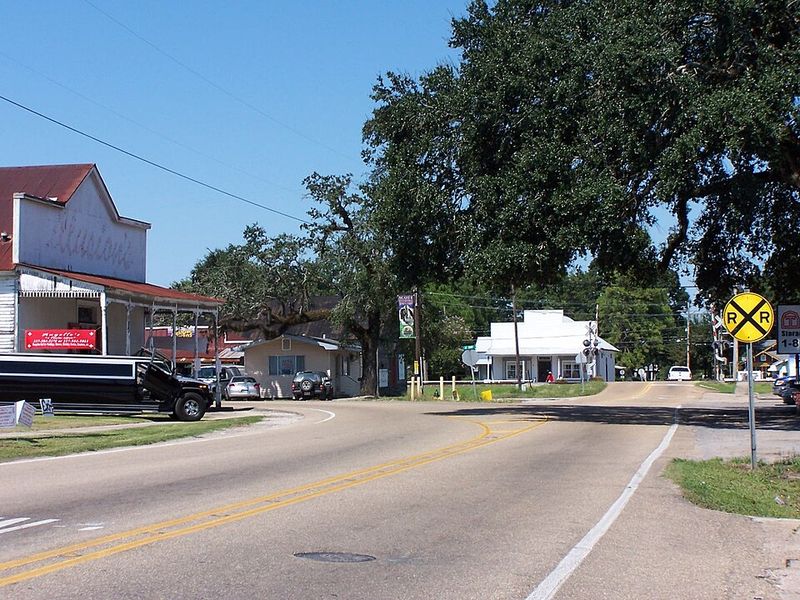
Scott sits just west of Lafayette, Louisiana, directly along I-10 in the heart of Acadiana. Take Exit 97 for LA-93 and head south into town, with the Begnaud House visitor center providing an easy first landmark almost immediately after leaving the interstate.
Continue toward Benoit Patin Road and the restored Acadian house beside Scott’s Arboretum. From here, the older neighborhoods and historic core lie farther south, while the town’s boudin shops and other stops spread along the surrounding streets and highway corridors.
Pull in at the visitor center to get oriented before continuing through Scott. The property serves specifically as the city’s tourist information center and provides maps and local information, making it a useful starting point rather than an arbitrary downtown pin.
Historic Roots In Every Bite
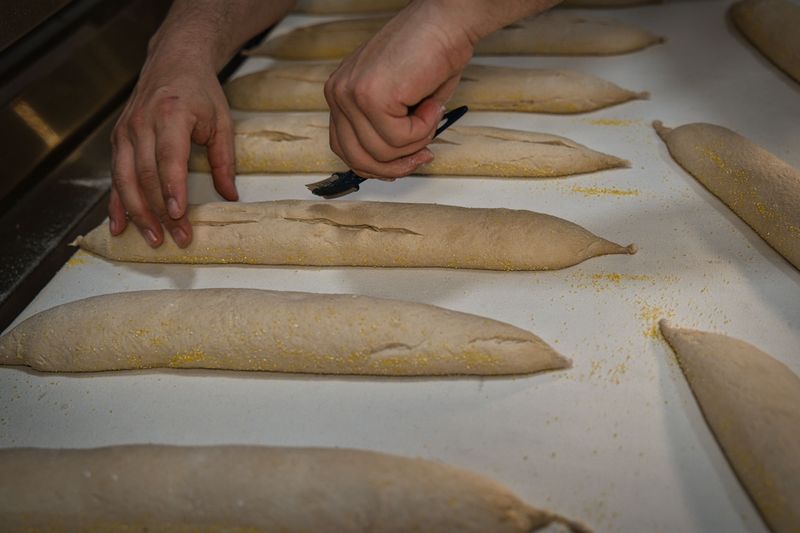
Boudin in Scott carries a long story inside a very short casing. Its roots reach back to France, where older forms such as boudin noir and boudin blanc appeared centuries ago.
After Acadian settlers came to Louisiana, they adapted sausage traditions to local ingredients and local tastes. Later, German sausage-making skill and the region’s growing rice industry helped shape the version that became a Cajun classic.
That history matters when you take your first bite. The rice is not filler here.
It is part of the dish’s identity, binding pork, seasoning, and old-world technique into something distinctly South Louisiana. Knowing that makes a market stop feel bigger than lunch.
You are tasting a food built from migration, adjustment, and thrift, which explains why Scott guards it with such pride and keeps the craft firmly in daily use.
What Goes Inside The Link
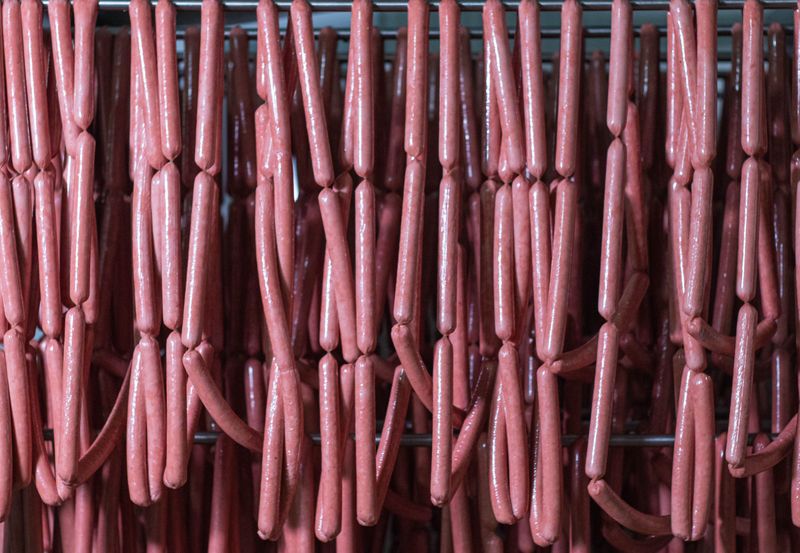
Tearing open a fresh link in Scott releases a warm, peppery smell that gets your full attention fast. Good boudin is usually made with pork, rice, onions, bell peppers, celery, and seasonings, and many recipes also include liver for depth.
The filling should be moist and spoon-soft, not dry or crumbly. That balance is where skill shows up.
If you are new to boudin, start with a classic pork version before chasing specialty flavors. Watch the casing too.
Some people squeeze the filling out; others bite straight through. Either way works, and nobody in Scott seems interested in policing the method.
What matters is freshness and texture. A warm link tells you more than a menu ever could about seasoning, rice ratio, and confidence in the kitchen.
Pair that first taste with plain crackers or nothing at all, so the spices and savory richness come through clearly.
Everyday Food, Not A Souvenir
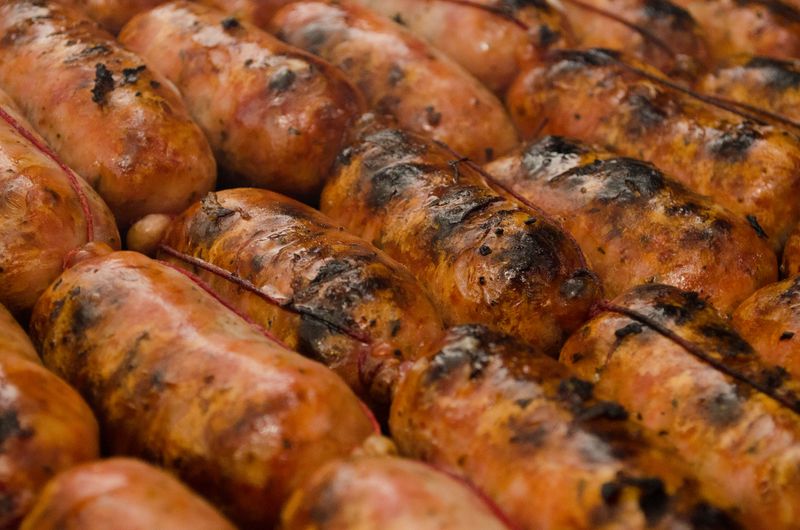
One useful thing to understand before visiting Scott is that boudin is everyday food, not a staged attraction. People pick it up on the way to work, carry it home for family meals, and bring it to parties without a second thought.
That casual role says a lot about the town. When a dish becomes part of errands and routines, you know it belongs to the place in a real way.
I liked how little fuss surrounded it. Nobody needed to explain why it mattered, because the answer sat in every hot case and drive-thru line.
For travelers, that means the best approach is simple. Do not overplan or wait for a formal meal.
Stop when you smell something promising, order a few links, and eat while they are still warm. Scott reveals itself best through ordinary habits, and boudin is one of the clearest.
Boucherie Traditions Still Echo
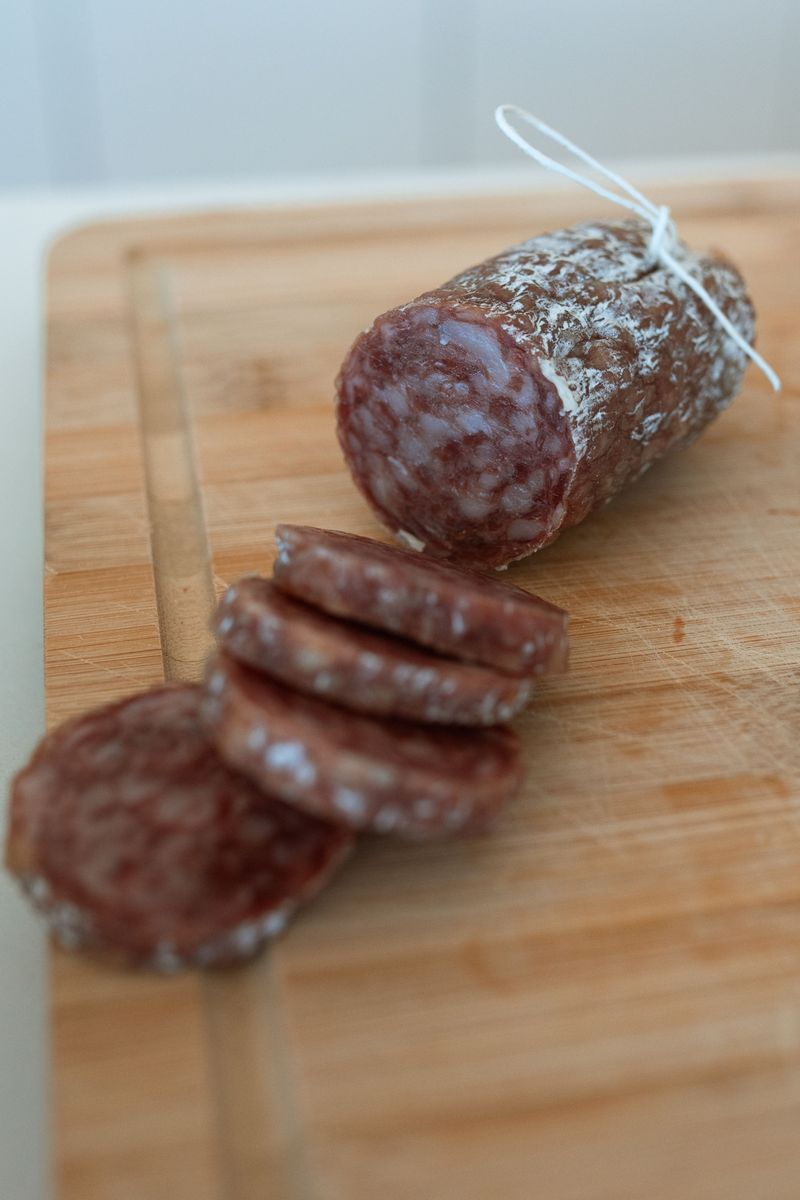
Behind Scott’s busy meat markets sits an older community custom called the boucherie. These hog butchering gatherings once brought families and neighbors together to use every part of the animal with care and skill.
Food was the goal, but fellowship mattered just as much. Recipes were taught by doing, not by printing, and that practical tradition still echoes through the town’s best boudin.
Thinking about boucheries changes the way a sausage counter looks. What seems like a quick purchase today comes from a culture built on sharing labor, wasting little, and seasoning boldly.
Many local recipes trace back to family methods shaped in those gatherings. That helps explain why boudin in Scott often feels personal even when sold at scale.
If you visit, ask about house specialties and family history. You may hear how one small link still carries the rhythm of an older rural Louisiana way.
Build Your Own Boudin Trail
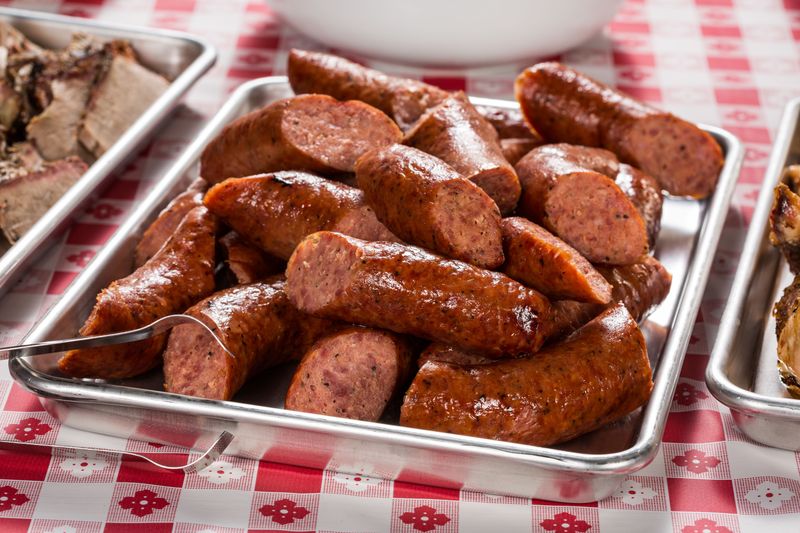
Scott’s informal boudin trail is one of the easiest food adventures in Louisiana. Several well-known stops sit close to Interstate 10, including Don’s Specialty Meats, Billy’s Boudin and Cracklins, and The Best Stop Supermarket.
Each shop has loyal fans and its own texture, seasoning blend, and side offerings. That means comparison is part of the fun, not a sign that one place must defeat the others.
My best advice is to pace yourself and share orders. Buy one classic link at each stop instead of loading up too early, then notice small differences in pepper, rice softness, smoke, and richness.
Parking lots become tasting rooms here, and plenty of boudin gets eaten before it ever reaches a kitchen table. Go earlier in the day if you want the widest selection and the freshest hot items.
A cooler helps too, especially if Scott is only one stop on a longer drive.
Catch The Festival If You Can
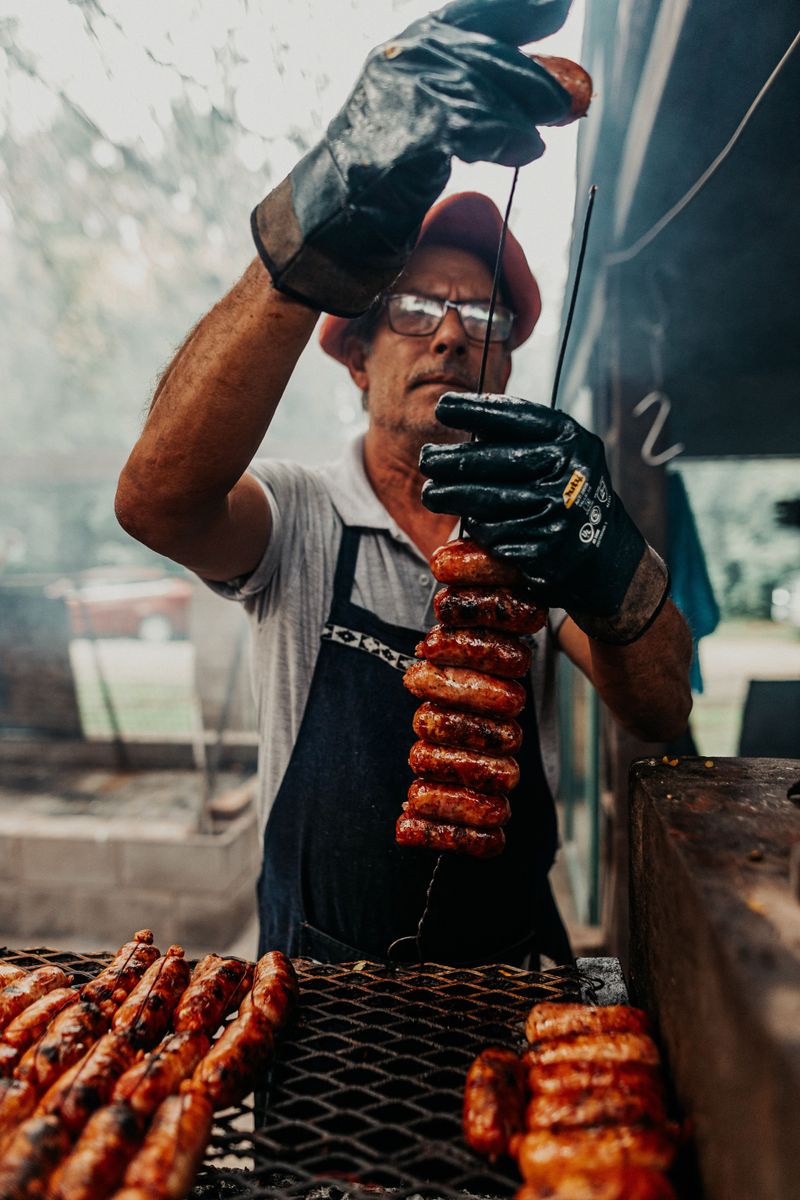
Spring gives Scott an extra layer of energy when the Scott Boudin Festival rolls around. The event celebrates the town’s signature food with family-friendly fun, music, crafts, rides, and plenty of chances to taste different styles of boudin.
It feels less like a polished food expo and more like a community party that happens to smell fantastic from several directions at once.
Festival time is useful for first-time visitors because many local traditions gather in one place. You can sample classic links, look for cheese or pepper variations, and watch how seriously people take a food that still knows how to be playful.
Crowds are part of the experience, so wear comfortable shoes and give yourself time. If you prefer a calmer visit, come on a regular weekend instead.
Either way, the festival makes clear that boudin in Scott is culture before it is trend.
Try More Than One Style
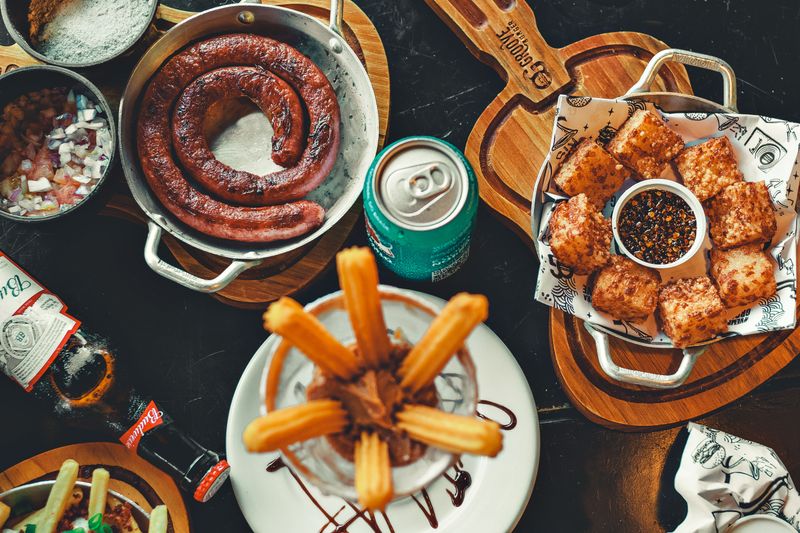
A link may be the headline act in Scott, but it is not the whole show. Shops often sell boudin balls, smoked boudin, and sometimes seasonal seafood versions, all built from the same local idea of seasoned filling done right.
Boudin balls are especially handy for newcomers because the crisp coating makes them easy to share and easy to eat on the go.
Trying a few formats teaches you how flexible the recipe can be without losing its identity. Smoked boudin tends to bring a deeper, firmer character, while seafood versions reflect South Louisiana’s wider pantry.
Still, I would not skip the plain original in favor of novelty. Start with the standard, then branch out so you can tell what changed.
That order helps you appreciate technique instead of just chasing variety. In Scott, experimentation works best when it still respects the warm, seasoned heart of the tradition.
Pair It With Cracklins
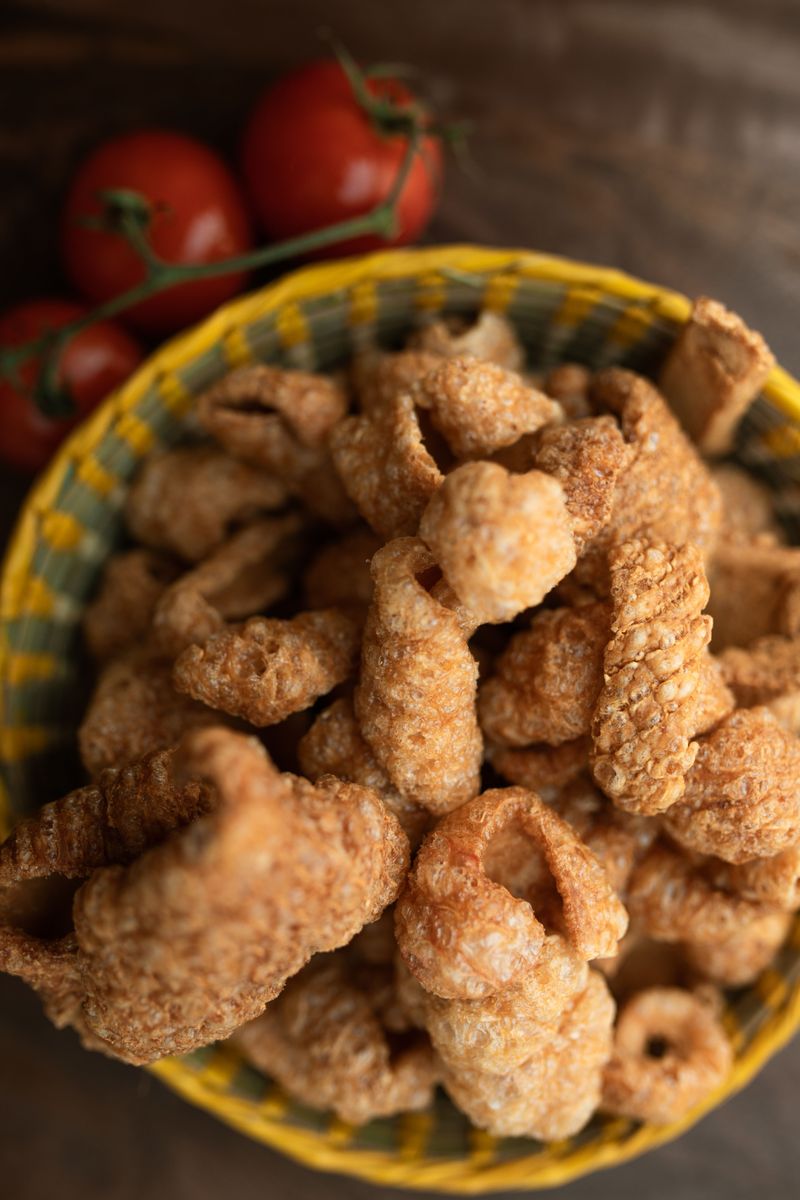
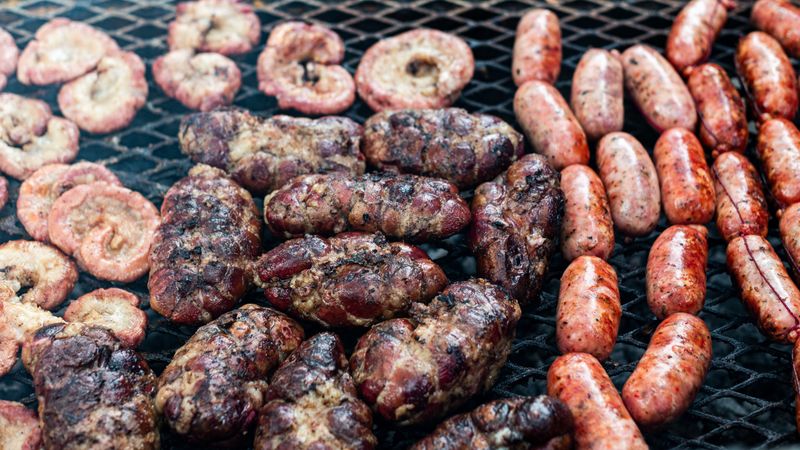
The smartest side order in Scott crackles before you even see it. Cracklins, those crisp pieces of fried pork skin, fat, and sometimes meat, are the classic partner for boudin.
The pairing works because the textures do opposite jobs. One is soft, savory, and rice-filled; the other is crunchy, salty, and intensely rich.
Together they feel less like a snack and more like a short lesson in Cajun balance.
If you are choosing for a group, order both and let people alternate bites. That rhythm keeps the richness from feeling heavy and makes each item taste more complete.
A fresh batch of cracklins should have audible snap and deep color without tasting burnt. They are easy to overbuy, though, because the smell does persuasive work in Scott.
Keep a few napkins handy, eat them hot, and accept that your car may carry the memory home with you.
Visit Like You Belong There
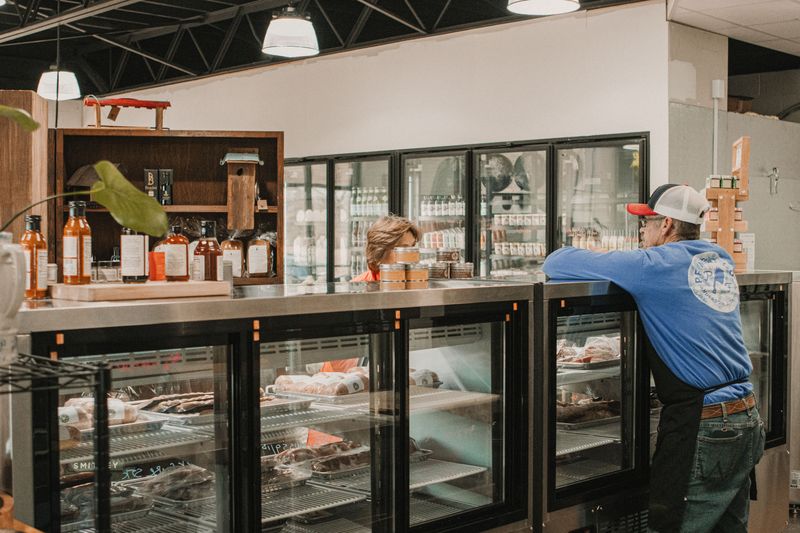
Half the fun of Scott is realizing that the best plan is not much of a plan at all. Pull off the interstate, follow the smell of smoked meat and warm spice, and leave a little room for impulse.
Boudin culture here is relaxed, practical, and confident. You do not need a ceremony, a reservation, or a complicated tasting sheet to understand why the town cares so much.
A few small habits will help. Go hungry but not starved, so you can compare shops thoughtfully.
Order classic boudin first, then add cracklins or boudin balls if you still have space. Bring a cooler for take-home purchases, and do not be shy about eating in the parking lot while everything is hot.
Locals do it because freshness matters. Most of all, pay attention to the ordinary details: drive-thru windows, family names on signs, and the steady flow of regular customers.
Scott explains itself best in those simple, flavorful moments.