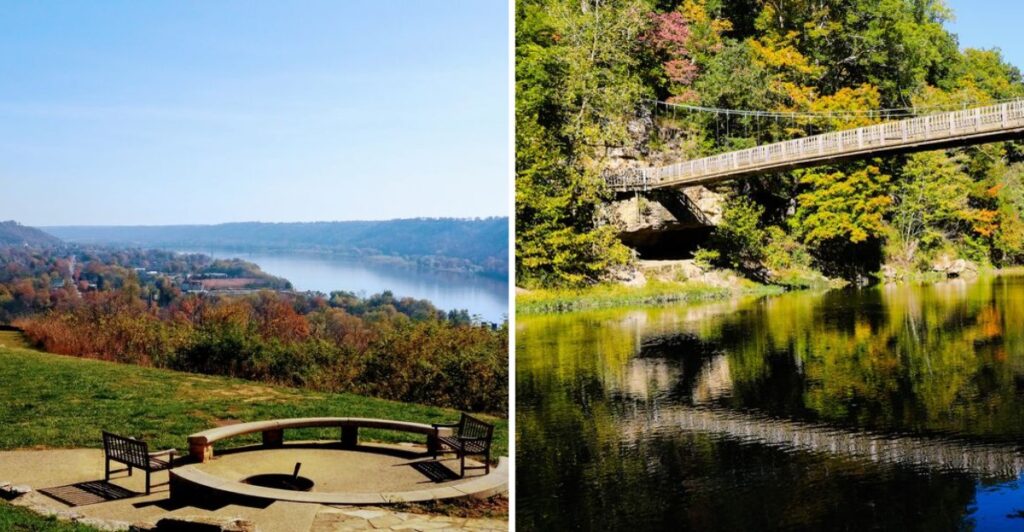
Fall in Indiana can turn a free afternoon into a surprisingly full day.
Maybe the mood calls for a trail. Maybe a festival wins. A quiet scenic drive can be enough too, especially once the leaves start doing most of the work.
The best part is how little planning some of these outings need. You can chase waterfalls, wander through history, or simply follow the color for a while without turning the trip into a production.
Different corners of the state bring different energy, so no two fall days have to feel alike.
I’d pick one good excuse to leave the house and let the season handle the rest.
1. Brown County State Park
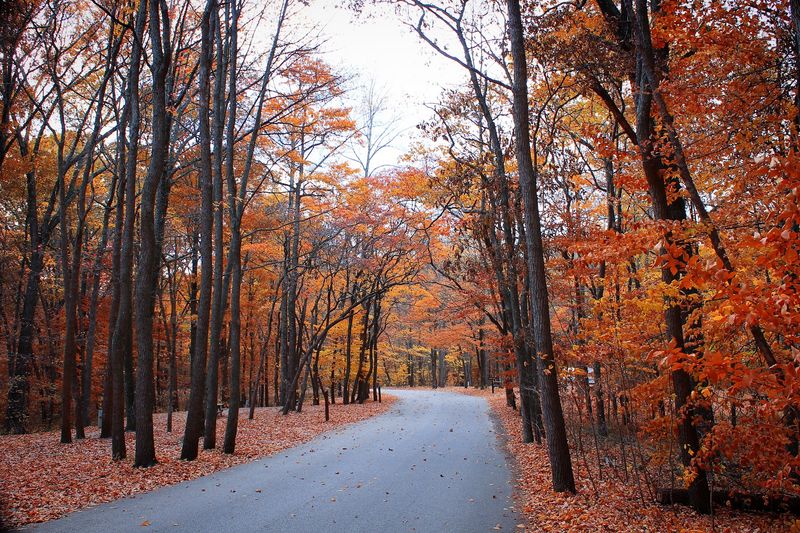
A 90-foot fire tower can turn a simple foliage drive into a much broader look at southern Indiana. From above, the hills roll out in layers, giving autumn color far more scale than a single roadside overlook can offer.
Brown County State Park is Indiana’s largest state park, covering nearly 16,000 acres of wooded ridges, lakes, scenic roads, hiking routes, mountain-bike trails, and horse trails.
Nearly 20 miles of tree-lined roads also make the park approachable for visitors who would rather see the landscape from a series of stops than spend the whole day on foot.
Ogle Lake Trail offers a wooded route around the water, while other trails climb through the hills or connect with higher viewpoints. The combination of lakes, ridges, and overlooks makes this one of the most visually varied fall destinations in the state.
Several overlooks along the park roads make stops easy between longer hikes.
Drivers with RVs or trailers should use the west entrance because the historic covered bridge at the north entrance has strict height and weight limits. Standard state-park vehicle admission applies.
2. Clifty Falls State Park
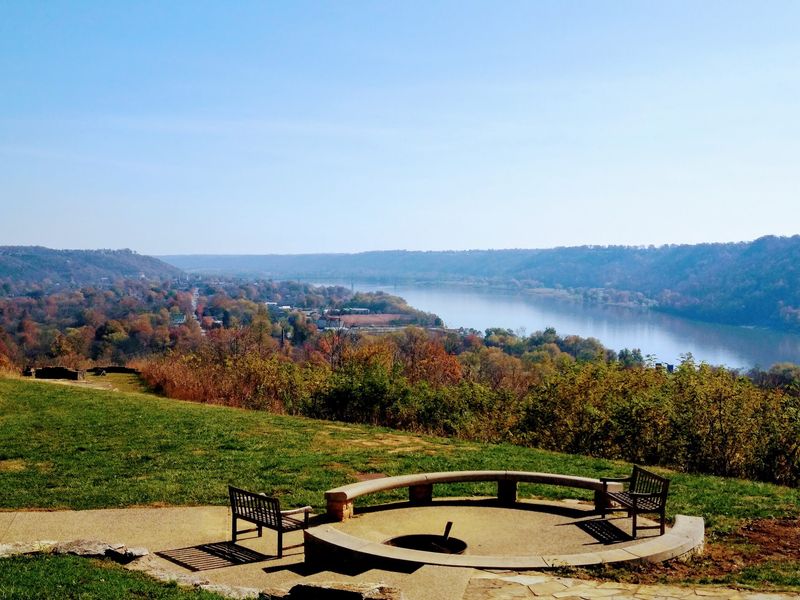
Water gives this park a different autumn personality. Instead of broad ridge views, the landscape narrows into a canyon where rock walls, creek beds, and waterfalls cut through the changing woods.
Several routes lead toward the falls, with terrain ranging from easier approaches to rugged sections with steep grades and rocky footing.
Seasonal water levels can noticeably change the appearance of the waterfalls, so the experience is tied as much to recent conditions as to the calendar.
Waterfall flow varies with rainfall, so recent weather can reshape each visit.
One current limitation matters in 2026 at Clifty Falls State Park. Brough’s Tunnel remains closed indefinitely because of rockfall concerns near the entrances.
Trail 5 remains open, so the closure does not eliminate access to the surrounding canyon landscape or the rest of the park’s trail system.
The result is a fall stop that feels more dramatic than leisurely: narrow terrain, changing elevations, exposed rock, and moving water all compete with the foliage for attention. Standard state-park vehicle admission applies.
3. Spring Mill State Park
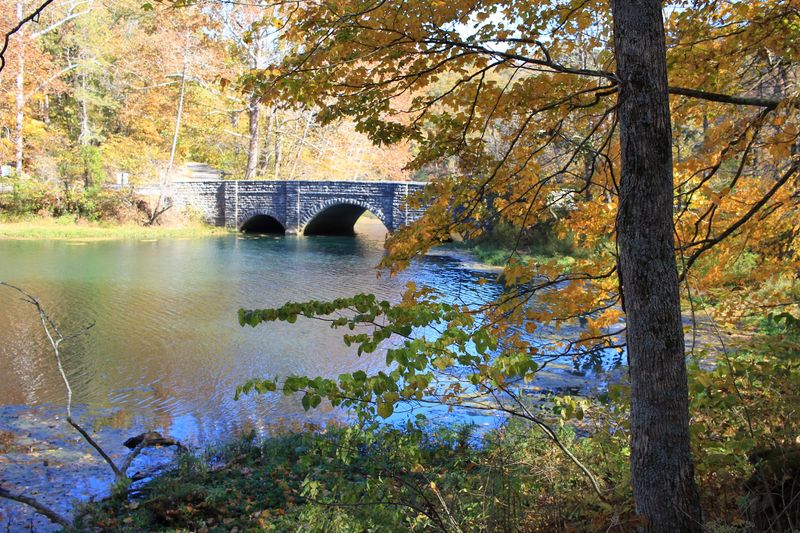
At Spring Mill State Park, the first attraction is not a trail but a village. The restored Pioneer Village was founded in 1814 and includes 20 historic buildings, with an 1817 three-story limestone gristmill at its center.
The mill still grinds cornmeal, while heritage interpreters demonstrate crafts connected with the village’s nineteenth-century setting.
Because the Pioneer Village remains open daily from mid-April through the last full weekend of October, much of Indiana’s fall season lines up with its regular operating calendar.
The day then shifts sharply from pioneer history to the space age. The Gus Grissom Memorial focuses on the Indiana astronaut and his career, adding an entirely different layer to the park.
That contrast is part of what makes this stop unusual: an outing can move from a working water-powered mill to artifacts connected with early American spaceflight without leaving the property.
Pioneer Village and the Grissom Memorial create two very different historical stops.
Wooded trails and natural features fill the space between those two stories, so the park never feels like a single-theme historical attraction. Standard state-park vehicle admission applies.
4. Cataract Falls State Recreation Area
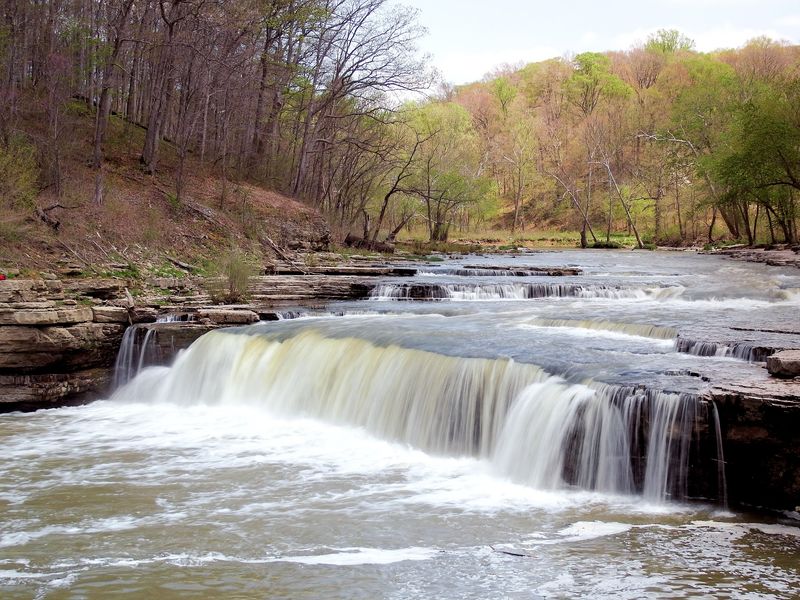
Upper falls or lower falls? Both are part of the experience here. Cataract Falls is divided into two main sections, giving the landscape a natural progression rather than one single viewpoint.
Mill Creek feeds the falls before continuing toward Cagles Mill Lake, a 1,400-acre reservoir completed in 1952 as Indiana’s first flood-control reservoir.
Around the falls, exposed rock ledges, moving water, and hardwood forest create a compact mix of scenery that works especially well in autumn.
Cataract Falls State Recreation Area is also more approachable than some of Indiana’s more demanding canyon parks.
The attraction is concentrated around the water and overlooks rather than built entirely around a strenuous trail system. That makes the upper and lower falls useful as separate stops within the same outing.
Water levels influence the look and intensity of the falls, so the scene can shift from one visit to another. Autumn adds another layer as the surrounding woods change around the creek and rock formations. Standard recreation-area vehicle admission applies.
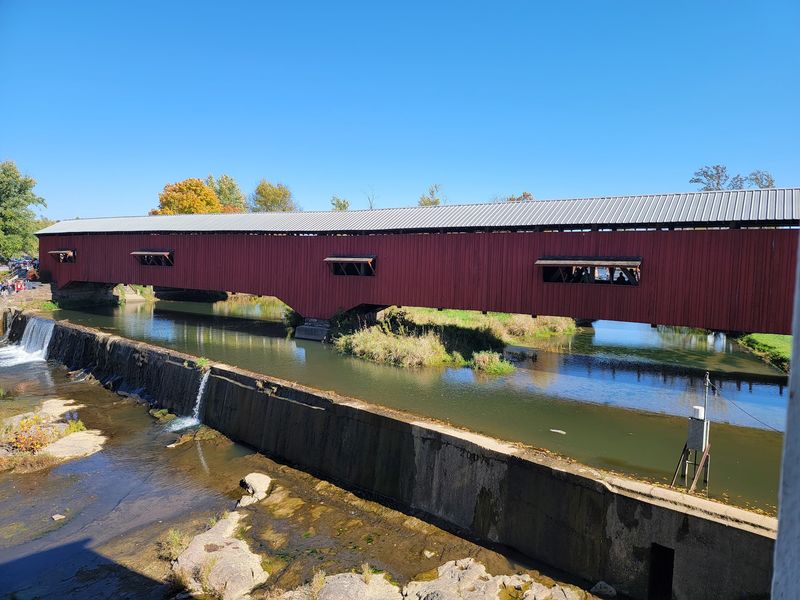
5. Bridgeton Covered Bridge And Parke County Covered Bridge Festival
Upper falls or lower falls? Both are part of the experience here. Cataract Falls is divided into two main sections, giving the landscape a natural progression rather than one single viewpoint.
Mill Creek feeds the falls before continuing toward Cagles Mill Lake, a 1,400-acre reservoir completed in 1952 as Indiana’s first flood-control reservoir.
Around the falls, exposed rock ledges, moving water, and hardwood forest create a compact mix of scenery that works especially well in autumn.
Cataract Falls State Recreation Area is also more approachable than some of Indiana’s more demanding canyon parks.
The attraction is concentrated around the water and overlooks rather than built entirely around a strenuous trail system.
That makes the upper and lower falls useful as separate stops within the same outing.
Water levels influence the look and intensity of the falls, so the scene can shift from one visit to another. Autumn adds another layer as the surrounding woods change around the creek and rock formations. Standard recreation-area vehicle admission applies.
6. Metamora Canal Days
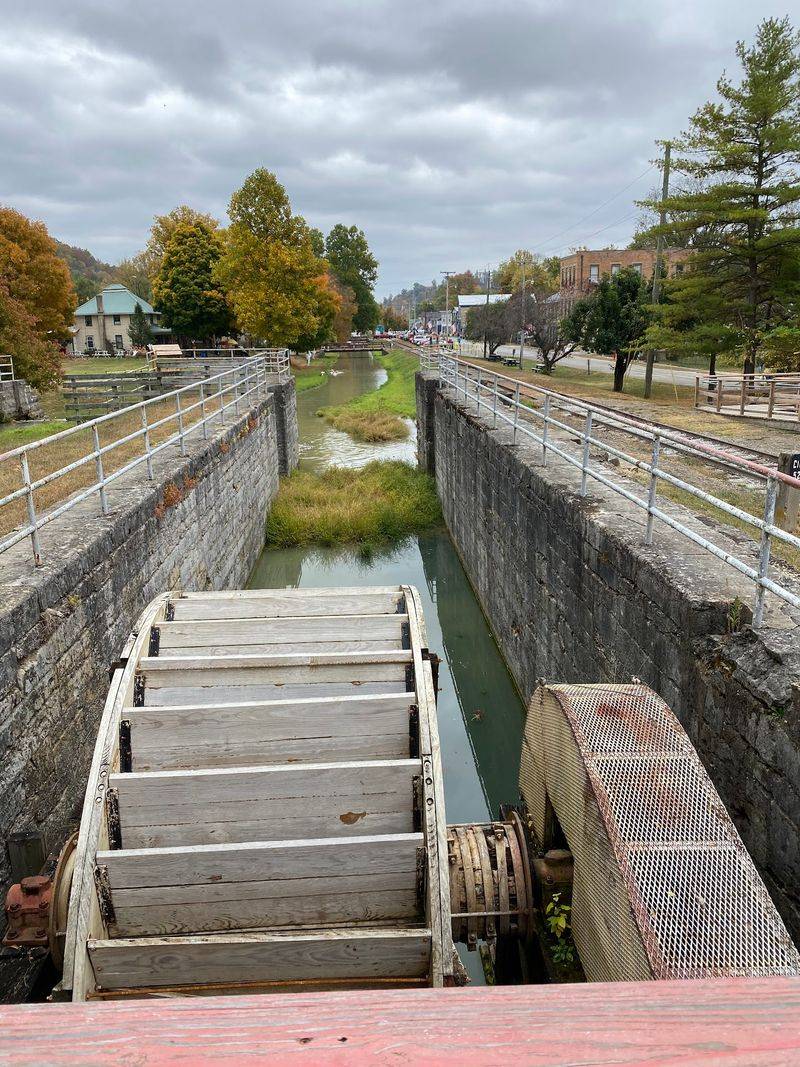
A canal town changes the pace completely. Metamora Canal Days runs October 2 through October 4 in 2026, filling the historic center with antiques, collectibles, handcrafted goods, and food vendors.
The festival has been held for more than 50 years, but the setting does as much work as the market itself.
Main Street, Mill Park, and the Whitewater Canal create a route that naturally moves between vendor areas and older landmarks rather than concentrating everything in one field or fairground.
Festival browsing naturally overlaps with canal scenery, historic buildings, and the mill.
The Whitewater Canal State Historic Site gives the day its historical anchor. The canal and gristmill connect the festival directly to the transportation and milling history that shaped Metamora, adding context to the storefronts and old buildings around town.
Because the festival stretches through the historic district, browsing and sightseeing blend together instead of feeling like separate activities.
One block may hold antiques, while the next opens toward canal views or the mill.
That variety is what keeps the day from becoming a simple shopping trip.
7. Nappanee Apple Festival
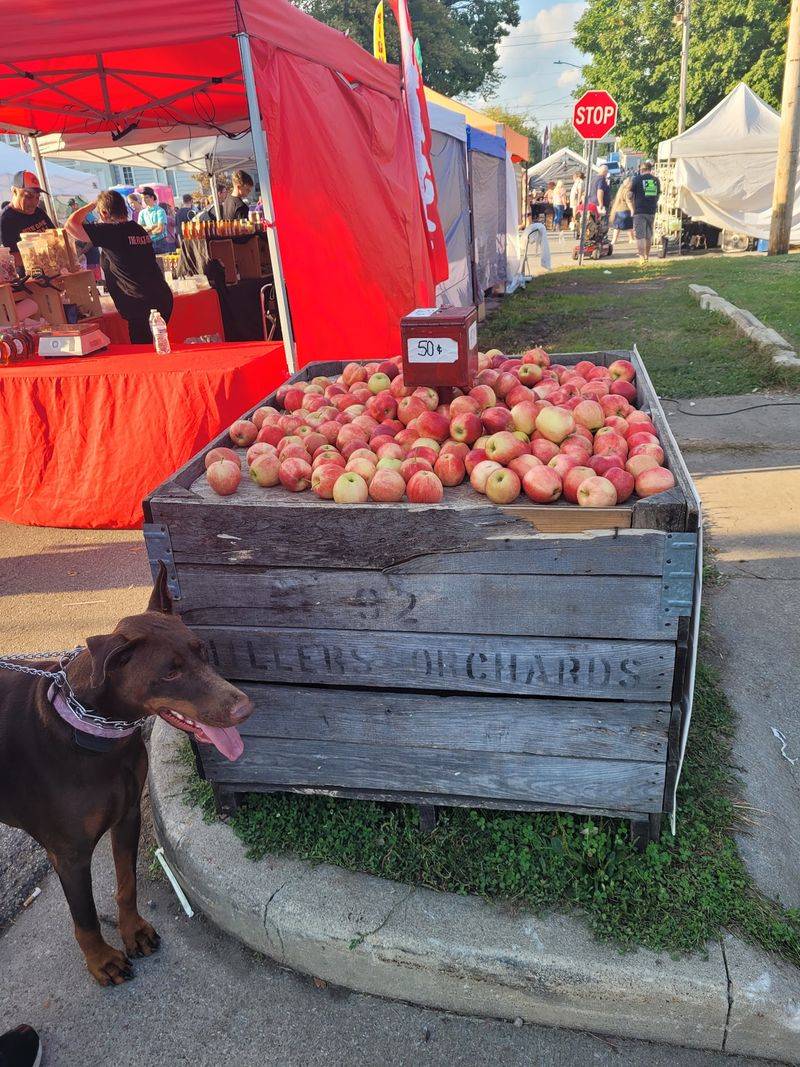
The seven-foot baked apple pie gets most of the attention, and understandably so. The oversized pie is one of the festival’s signature traditions, with slices available during the event.
The 50th annual Nappanee Apple Festival runs September 17 through September 20, 2026. Downtown fills with carnival rides, exhibitors, food vendors, entertainment, contests, and a Saturday parade.
The festival attracts an average of more than 80,000 visitors, giving it the scale of a major regional event rather than a small neighborhood gathering.
Apple foods tie the event together, but the experience reaches well beyond one ingredient. Scheduled entertainment, the parade, vendor areas, rides, and contests spread activity through the downtown footprint over four days.
The September date also gives the Nappanee Apple Festival a different place in Indiana’s fall calendar.
It arrives before the heavy run of October festivals, making it an early-season option for anyone ready to start autumn before peak foliage reaches much of the state.
tGeneral admission is free, while some individual activities are separate.
8. Pokagon State Park
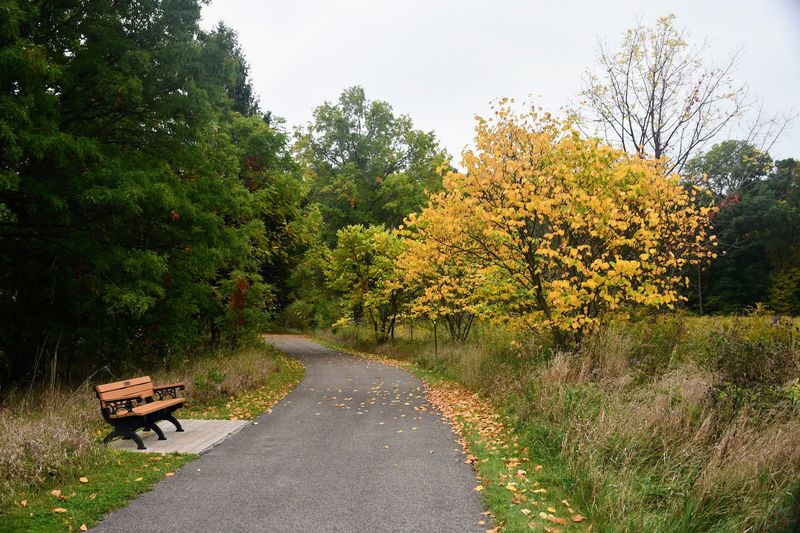
Lake James gives this northern Indiana park a visual advantage as the leaves start to turn. Trails move through wooded terrain, but the water keeps reappearing between the trees, creating a softer backdrop than the canyon parks farther south.
Pokagon State Park covers about 1,260 acres and includes hiking trails, a nature center, beaches, and access to the surrounding lake landscape. Its setting near Angola gives the list a true northern Indiana entry rather than another variation on the hills around Brown County.
One September weekend adds something completely different. The Indiana Seaplane Pilots Association’s annual Splash-In is scheduled for September 26 and 27, 2026, with Sunday open to the public.
Aircraft arrivals, demonstration flights, ride drawings, and departures are part of the planned Sunday schedule.
Outside that weekend, the appeal returns to the lake itself. Shoreline views, wooded trails, and open stretches around Lake James give the park enough variety for a full fall outing without relying on a special event. Standard state-park vehicle admission applies.
9. Yellowwood State Forest
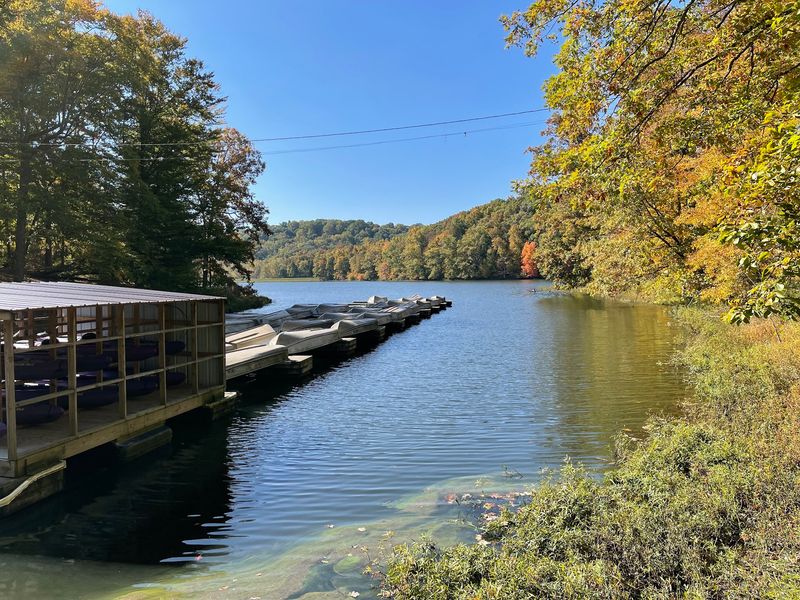
Quiet is the defining feature here. A 133-acre lake sits inside a forest covering more than 24,000 acres, leaving plenty of room for a fall outing that feels removed from festival crowds and busier park overlooks.
The property was created in 1940 after federal land was leased to Indiana. Earlier Civilian Conservation Corps and Works Project Administration projects produced three lakes, a shelter house, and a residence that remain in use.
Yellowwood Lake itself was completed in 1939.
Today, the lake acts as the natural center of Yellowwood State Forest. Hiking, fishing, forest roads, and seasonal boat rentals spread activity across the property without giving any single attraction too much emphasis.
One current trail restriction matters for 2026. A section of the Tecumseh Trail remains closed until further notice because the route cannot reconnect with state land at that point. Other forest roads and recreation areas remain available.
For travelers who prefer space over spectacle, Yellowwood offers a different kind of fall day: fewer scheduled events, fewer concentrated attractions, and a much larger landscape to explore at an unhurried pace.
10. Turkey Run State Park
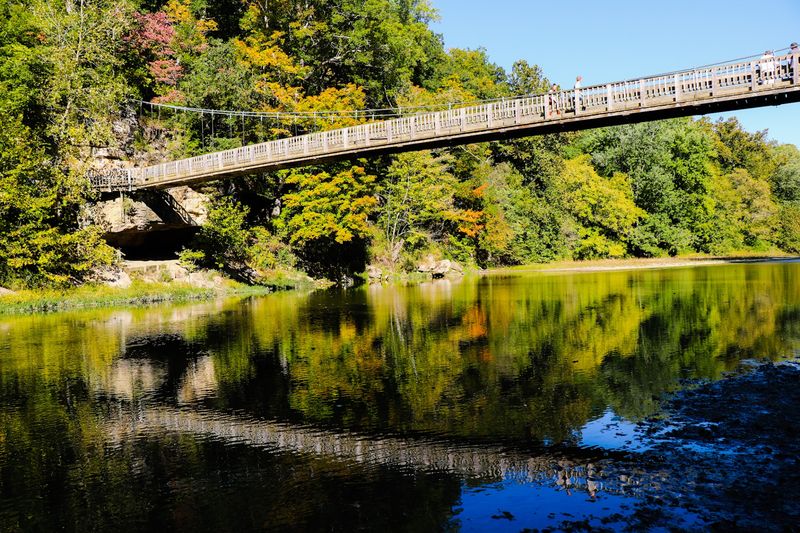
Sandstone ravines make Turkey Run feel unlike almost every other stop on this list. Trails drop from mature forest into narrow rock corridors, cross streambeds, and follow Sugar Creek through terrain that can turn a state-park visit into a genuine hiking challenge.
The official Five Mile Challenge crosses three canyons and includes a ladder, a suspension bridge, and the park’s first steward’s home. It generally takes a few hours, and portions can become impassable after heavy rainfall.
Current conditions matter at Turkey Run State Park in fall 2026. Trail 7 is closed, while Trail 9 has reopened after repairs following an extended closure. Other trails remain available, although muddy stretches can develop after heavy rain.
Visitors do not need to tackle the full challenge to see the park’s signature scenery. Shorter routes still reach ravines, the suspension bridge, and areas along Sugar Creek, giving the landscape plenty of impact without requiring the longest itinerary.
Shorter routes still reveal ravines, creek views, and mature forest scenery nearby.
The mixture of ladders, stone passages, creek views, and mature forest makes this the most physically demanding trip in the group—and one of the most distinctive. Standard state-park vehicle admission applies.