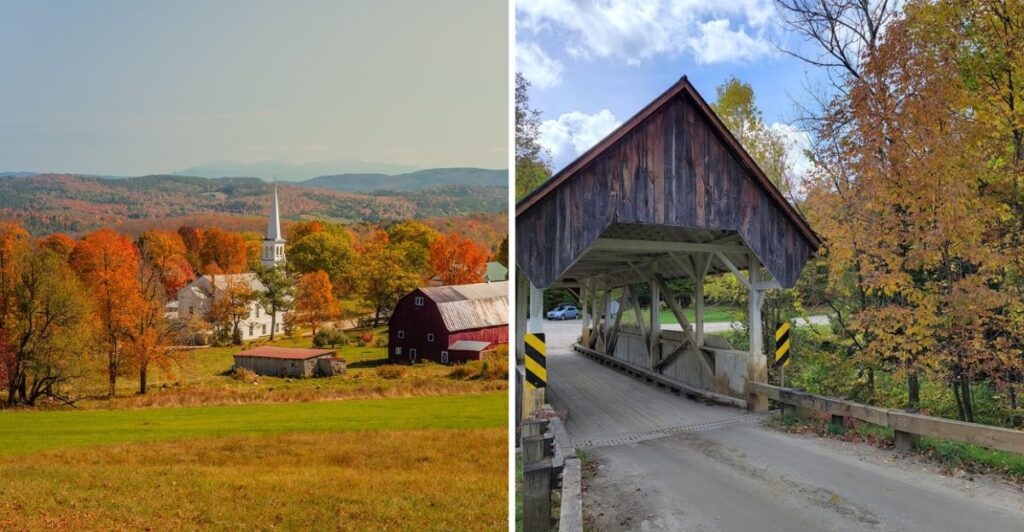
Some towns get a movie cameo. One Vermont town got temporarily rewritten.
In 1986, cameras rolled into this quiet corner of the state and turned ordinary streets, churches, and country roads into part of “A Return to Salem’s Lot.”
The strange part is how little the setting needed to change.
White steeples, old roads, a covered bridge, and everyday buildings already had the right look for a fictional Maine town with a much darker reputation.
Decades later, those places are still part of normal Vermont life.
No recreated sets. No horror attraction. Just familiar-looking scenery with a surprisingly creepy résumé.
And once you know which ordinary landmarks made it onto the screen, this peaceful corner of Vermont starts looking very different.
Peacham Became The Heart Of Salem’s Lot On Screen
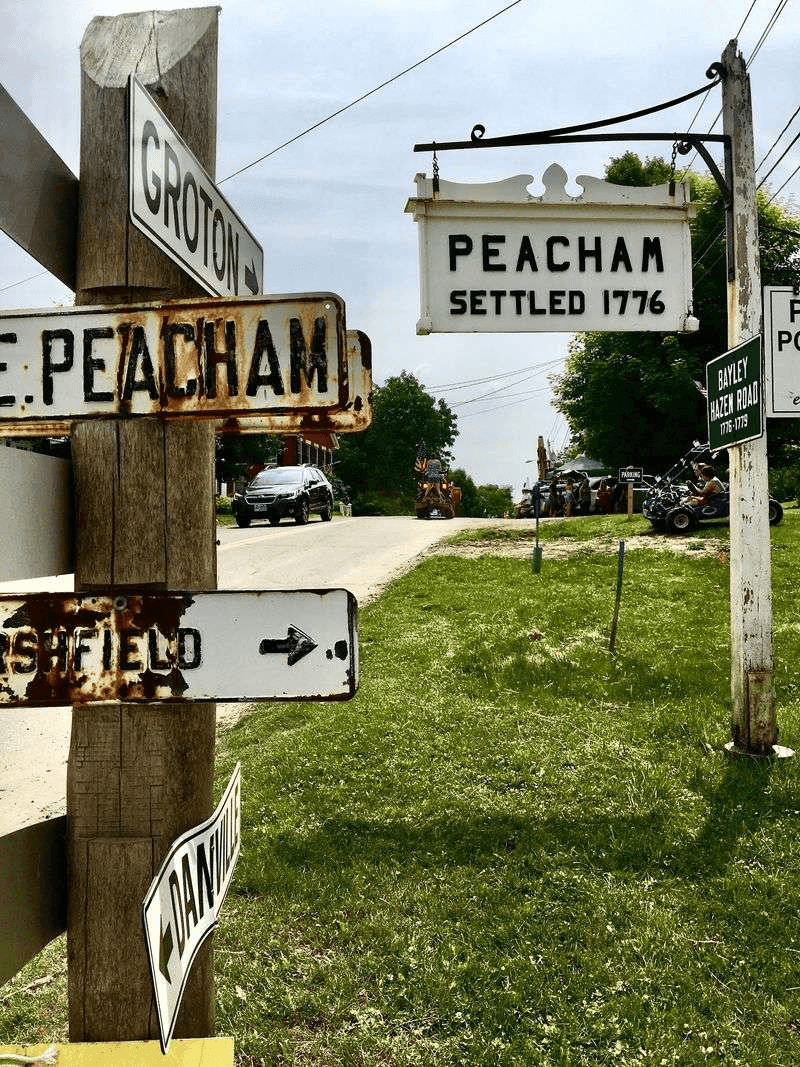
Peacham had the right look long before a movie crew showed up.
White houses, open hills, narrow roads, and a compact village center gave the production a ready-made New England backdrop. Much of the filming happened here in 1986, a year before A Return to Salem’s Lot reached audiences.
The village center around Church Street and Bayley Hazen Road became especially important to the production. Local residents were also recruited as extras, which meant the town contributed more than scenery.
That is an unusual bit of movie history to carry around for a community this small.
Today, Peacham still looks unmistakably rural. The film connection does not dominate the town or announce itself with giant signs. You have to know what you are looking for.
That is half the fun.
A church steeple suddenly looks familiar. A road starts resembling a shot you remember. The village stops being simply picturesque and picks up another identity entirely.
You are not visiting a horror attraction.
You are walking through the real Vermont town that briefly became Salem’s Lot.
The 1806 Meetinghouse Became One Of The Film’s Standout Backdrops
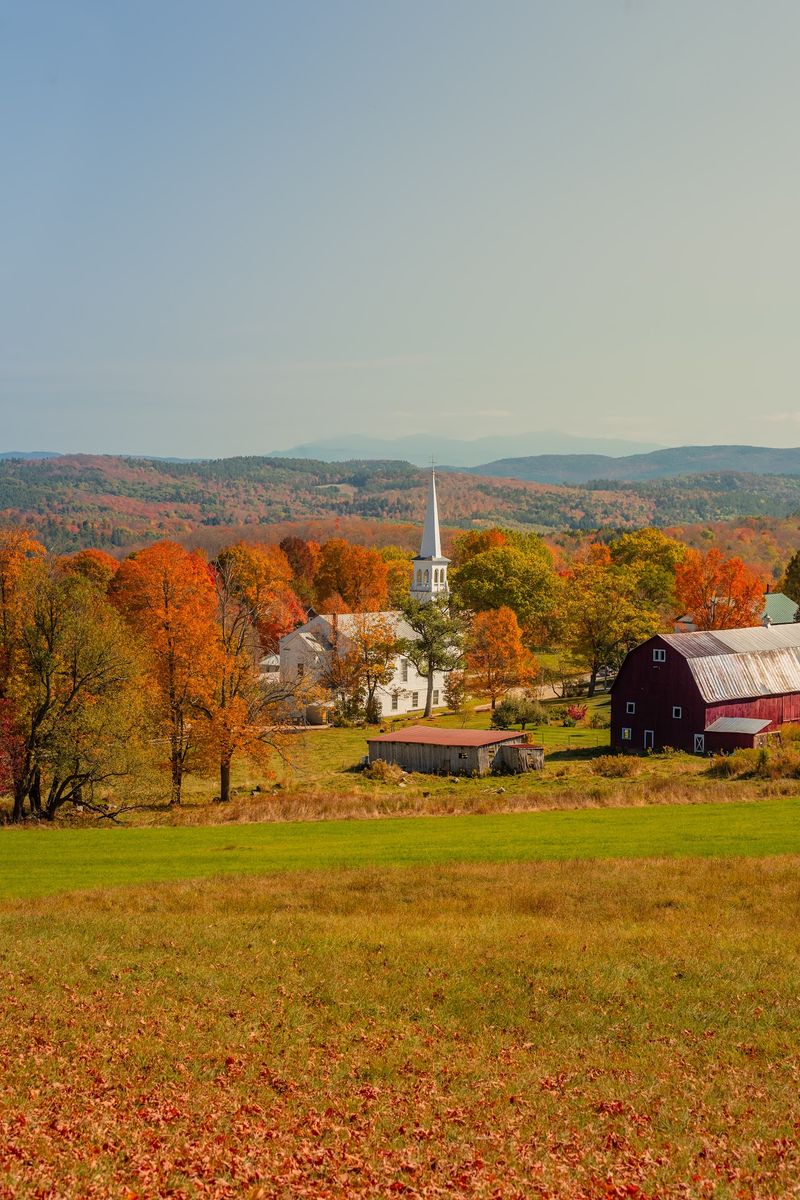
The Peacham Congregational Church is one of the easiest landmarks to recognize.
Its white meetinghouse and tall steeple rise from the village center with exactly the classic New England profile filmmakers could use without much help from a set department.
The building dates to 1806 and was moved to its current location in 1844.
By the time the movie crew arrived, the meetinghouse had already been part of Peacham for generations.
It remains an active church today, which creates an interesting contrast with its place in horror-film history. Sunday services still happen here. Community life continues.
Meanwhile, movie fans may recognize the exterior from a much darker fictional setting.
That split personality is hard to ignore once you know the story.
In daylight, the building looks calm and familiar.
On screen, the same architectural style helps create the unsettling small-town atmosphere associated with Salem’s Lot.
You do not need fog machines or fake cobwebs to appreciate the difference.
Sometimes all it takes is knowing what the camera once saw.
Bayley Hazen Road Still Looks Ready For Another Camera Crew
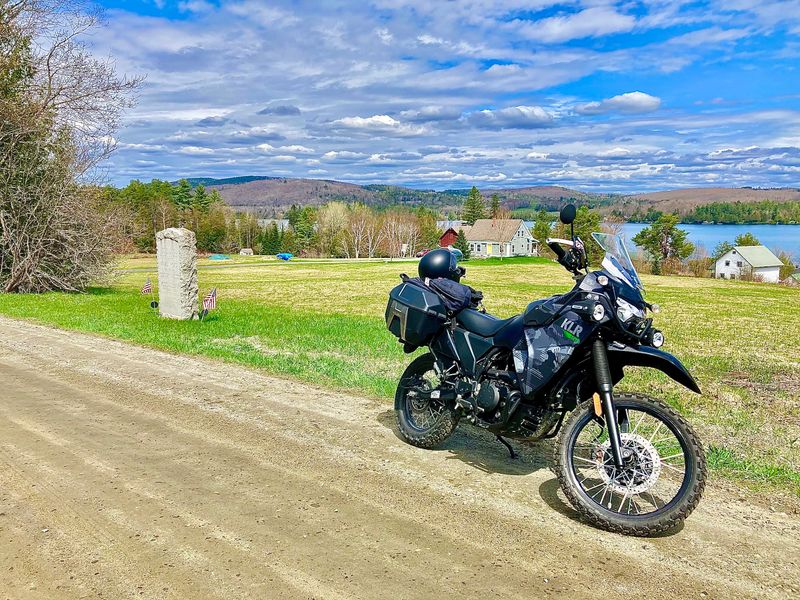
Bayley Hazen Road carries the movie trail beyond the village center.
Historic homes, open countryside, and long rural stretches gave the production more room to build the fictional town beyond one church or cluster of buildings.
A house along the road appears among the identified filming locations connected with A Return to Salem’s Lot.
Drive the route today, and the surroundings still look refreshingly ordinary.
That is exactly what makes the connection so effective.
The film did not need a fantasy landscape. It needed somewhere believable enough to pass for a small Maine community where strange things could happen behind familiar doors.
Bayley Hazen Road supplied that kind of setting.
There is no attraction entrance here, and there should not be. The road remains part of a working residential area, so the best way to experience it is simply to notice the landscape from public roads and keep moving.
The movie history is there quietly.
No admission ticket. No souvenir stand.
Just a country road with a surprisingly creepy résumé.
Newbury Added An Everyday Piece Of The Fictional Town
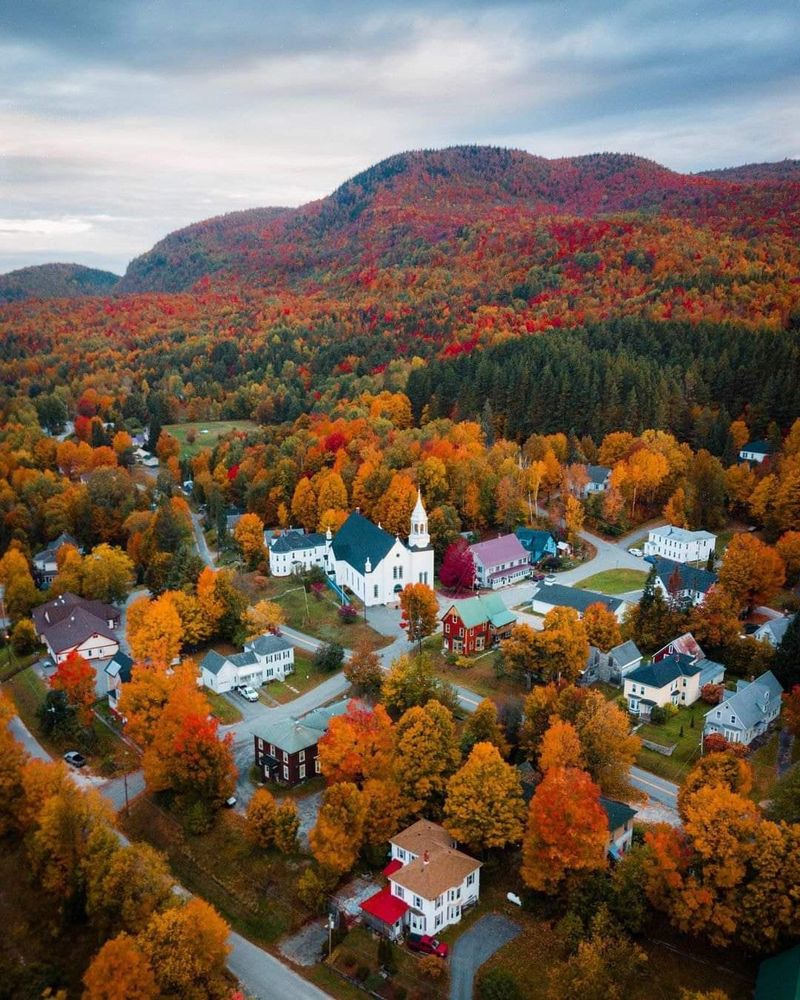
Not every movie location looks dramatic.
Newbury Elementary School proves that an ordinary community building can end up carrying an unexpectedly interesting screen credit.
The school appears among the Vermont locations identified with the production and remains open today.
That makes this one very different from a preserved landmark or scenic overlook. Students and staff still use the building for its original purpose, while its movie history sits quietly in the background.
It is the kind of detail that can make a film-location trip more interesting.
Churches and covered bridges almost look like they were designed for old New England stories. A working school is another matter entirely.
Yet places like this helped give the movie its believable small-town texture.
Newbury also helped expand the production beyond Peacham, adding another real Vermont community to the fictional geography.
If you pass through, there is no reason to treat the school like a tourist attraction. A quick look from public areas is enough.
Sometimes the best movie trivia is hiding in the most ordinary building on the road.
St. Johnsbury Gave Salem’s Lot A Bigger Main Street
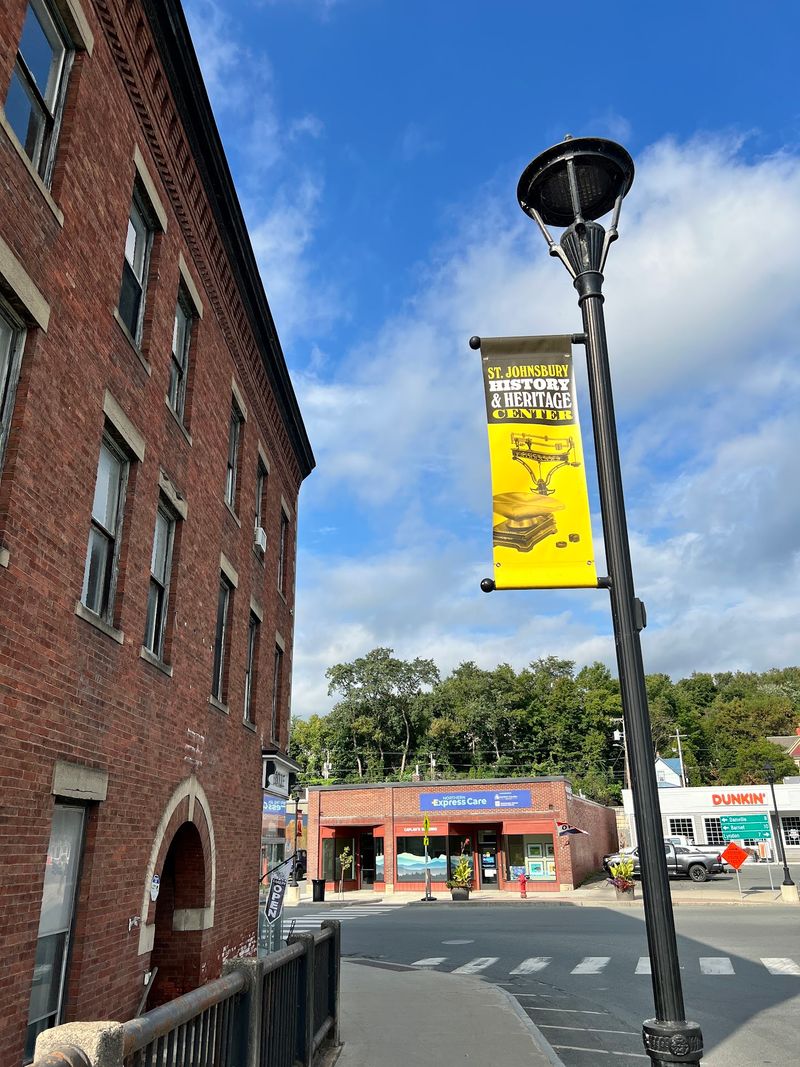
St. Johnsbury changes the scenery again.
The town is larger than Peacham and brings a broader mix of historic streets, brick buildings, and established architecture to the route.
Main Street appears in filming-location documentation connected with A Return to Salem’s Lot, giving the fictional community a more developed side.
After Peacham’s rural roads and village center, St. Johnsbury almost feels like the movie has widened the lens.
You can walk past storefronts, historic facades, and old civic buildings while knowing that parts of the same streets once belonged to an imaginary Maine town.
That overlap is especially entertaining because St. Johnsbury never stopped being itself.
The buildings did not become permanent movie props after filming wrapped. They returned to ordinary town life, leaving the screen connection behind for anyone curious enough to notice it later.
You do not have to recreate exact camera angles to enjoy the stop.
Look around, then imagine a 1980s film crew trying to turn the same streets into somewhere much more sinister.
That is enough to make Main Street seem a little different on the walk back.
Greenbanks Hollow Covered Bridge Added A Perfectly Suspicious Detour
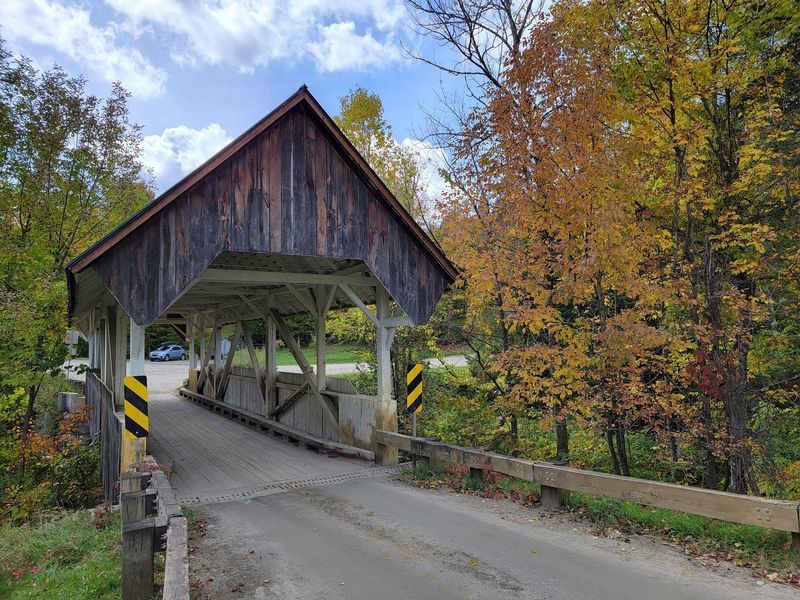
A covered bridge in a horror movie almost seems unfair.
Greenbanks Hollow Covered Bridge in Danville already comes with the kind of setting that makes you wonder what might be waiting beyond the other end.
The bridge dates to 1886 and uses a Queenpost truss design. It is also listed on the National Register of Historic Places.
Its history reaches much farther back than the movie.
By the time A Return to Salem’s Lot was filmed, the bridge had already spent roughly a century crossing the water in rural Vermont.
The production simply borrowed the atmosphere.
Wooden walls, an enclosed span, surrounding trees, and water below give the scene plenty to work with before any fictional scares enter the picture.
Today, it is still a historic bridge first and a movie location second.
That makes it an easy change of pace after village streets and town buildings. You get water, woods, and nineteenth-century engineering in the same stop.
Then the film connection sneaks back into your head.
A peaceful covered bridge in daylight is charming.
Give it a Salem’s Lot connection and suddenly crossing it alone sounds much more negotiable.
Lyndon Center Baptist Church Brings The Trail Back To A Steeple
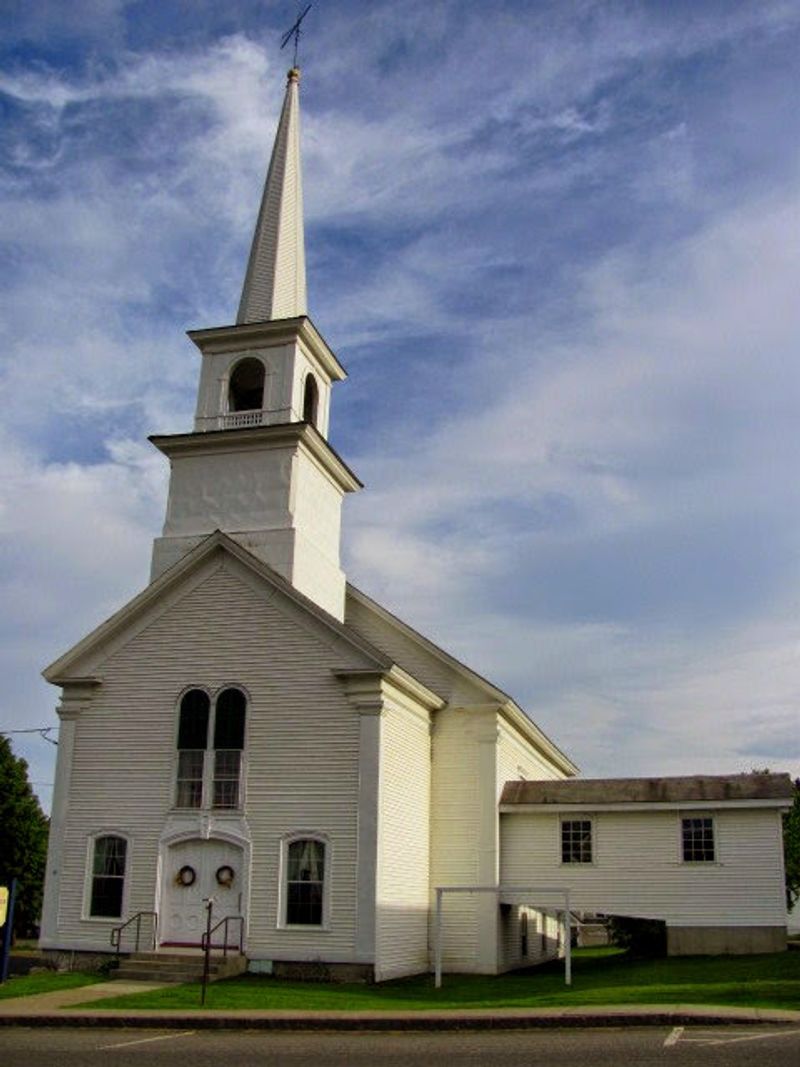
The Vermont filming trail eventually leads back to another white church.
Lyndon Center Baptist Church appears among the identified locations tied to the movie, giving the production one more piece of traditional New England architecture.
The church remains active today.
Its white exterior, tall steeple, and straightforward design fit naturally beside the other towns and buildings used throughout the production.
By this point in the route, the movie’s visual language becomes easier to recognize.
There was no need for one enormous landmark to carry the whole fictional town. Salem’s Lot came together from many smaller pieces: roads, churches, schools, bridges, village centers, and historic streets.
That is what makes tracing the locations so entertaining.
You keep running into places that still have lives completely separate from the movie.
For a useful starting point, the Peacham Congregational Church stands at 56 Church St, Peacham, VT 05862.
From there, the film trail spreads outward through several northern Vermont communities.
The driving between stops becomes part of the experience too. Rural roads give way to compact villages, historic streets, woods, and small-town buildings that still look convincingly connected even though the movie stitched them together decades ago.
By the end, you may find yourself looking at every white steeple a little differently.
So, would you rather follow the Salem’s Lot trail in bright afternoon sunshine, or wait until the shadows start getting longer?