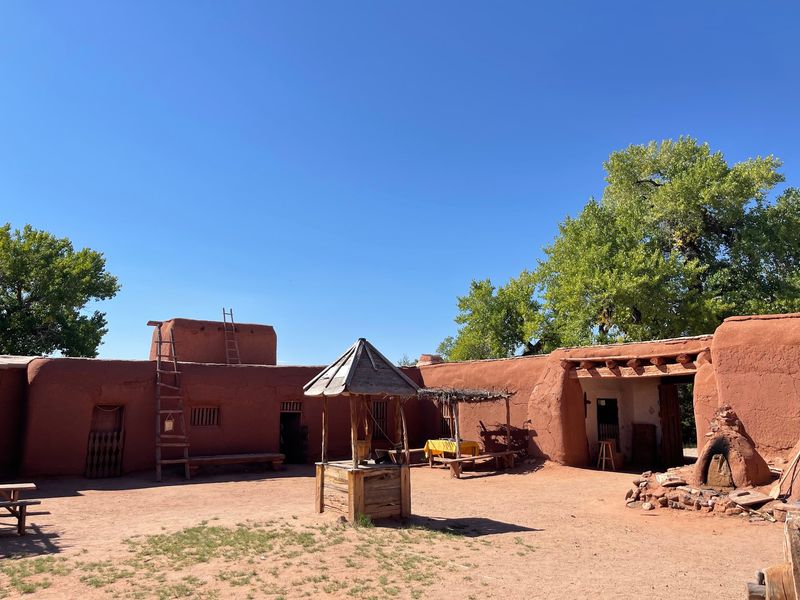
Fresh bread pulled from a beehive-shaped oven, sheep grazing beside adobe walls, and the soft clatter of a weaver’s loom greeted me before I’d even glanced at a map. Somewhere in New Mexico, a working ranch has kept the rhythm of the 1700s and 1800s alive, complete with costumed villagers who chat like the calendar never flipped past that era.
I came expecting a dusty exhibit and left feeling like I’d time-traveled. Turns out the most memorable history lesson doesn’t happen in a classroom – it happens outdoors, with a warm slice of hacienda bread in hand.
A Living Village Just South of Santa Fe
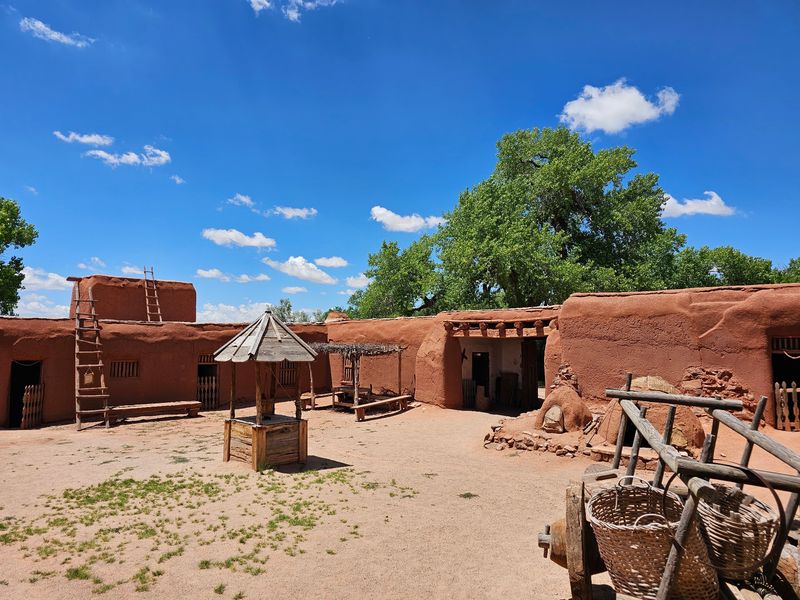
Roughly fifteen minutes south of Santa Fe, off Los Pinos Road, sits a place that trades glass display cases for real dirt paths and living animals. El Rancho de las Golondrinas isn’t your average museum.
Locals often call it a living history site, and that label fits perfectly.
Spread across a wide, open stretch of high desert, the ranch recreates a Spanish colonial village complete with a hacienda, a village store, a schoolhouse, a blacksmith shop, and a working mill. Costumed workers move through the grounds, going about tasks folks would have handled centuries ago.
What makes it special is how hands-on the whole experience feels. Because the buildings are careful re-creations rather than fragile originals, you can touch nearly everything and truly step inside the past.
Visitors describe it as one of the best museums in the state, praising how the layout brings early New Mexico to life. With animals wandering, water stations dotting the paths, and demonstrations underway, the ranch feels less like a lecture and more like a village that simply forgot to modernize.
Centuries of Spanish Colonial Roots
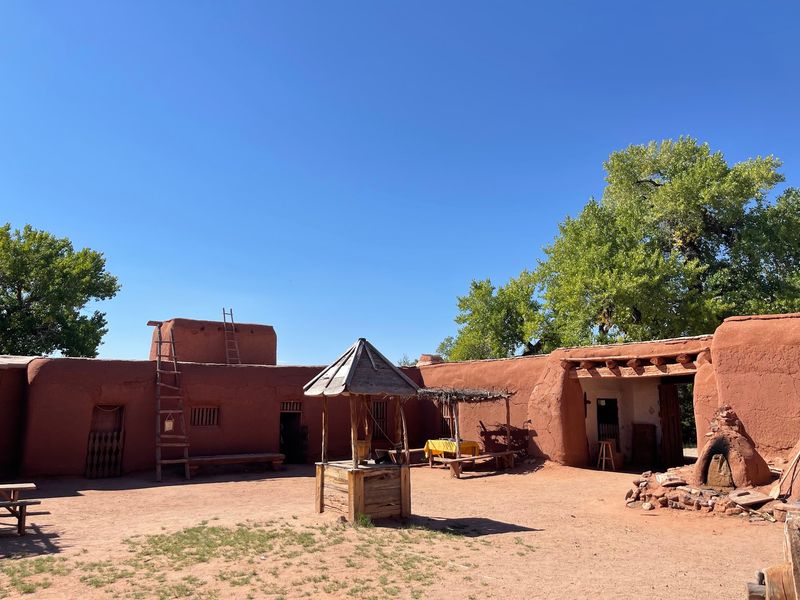
Long before New Mexico became a state, and even before it joined the United States, families here carved out a rugged life along the trade routes running north from Mexico. The ranch tells that story with remarkable care, spotlighting daily survival in the 1700s and 1800s.
Visitors often mention how the site captures a time when churro sheep and water power weren’t luxuries but lifelines. Every structure reflects how communities leaned on the land, their animals, and one another to make it through each season.
Guides and docents fill in the gaps that maps can’t. Regulars note that knowledgeable interpreters explain rural life in a way that makes the era feel close enough to touch, not tucked away behind velvet ropes.
One thing that surprises first-timers is how much the buildings invite exploration. Because they’re re-creations, the focus lands squarely on teaching and sharing local heritage rather than protecting antiques.
Wandering from the hacienda to the schoolhouse, you start to sense the resilience baked into this corner of the Southwest, where Spanish, Native, and Mexican influences quietly blended into something lasting.
Costumed Villagers Bringing the Past to Life
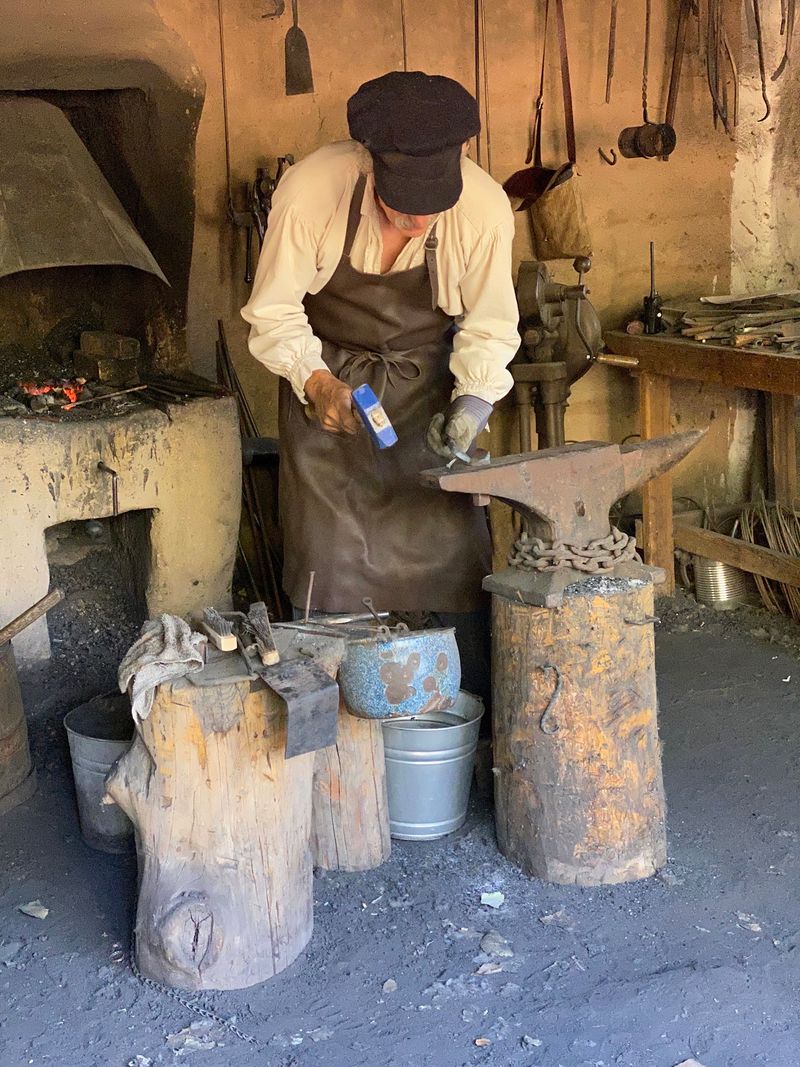
Timing your visit for the full season unlocks the ranch’s real magic: villagers dressed as 18th-century Spanish colonists who don’t just stand around looking authentic. They weave, bake, and hammer away, offering live demonstrations that shift depending on the day.
Guests consistently rave about the volunteers. One family recalled a staff member spending twenty full minutes walking their group through several buildings, sharing historical details that weren’t printed in any guidebook.
The interactions can get genuinely hands-on. Younger visitors have tried carding wool, weaving on demonstration looms, and grinding corn the old-fashioned way, turning a simple stroll into an unforgettable classroom without walls.
Regulars especially praise how the interpreters connect with kids. Field trips and living museum days let students dive into activities like crafting tin stars, which reportedly become such a hit that the workshop turns into a friendly bottleneck.
Not every day offers full staffing, though. Weekday visits tend to be quieter with fewer demonstrators, while festival weekends bring the whole village buzzing to life.
Either way, chatting with a costumed colonist is what many travelers remember most.
Fresh Bread From Traditional Hornos
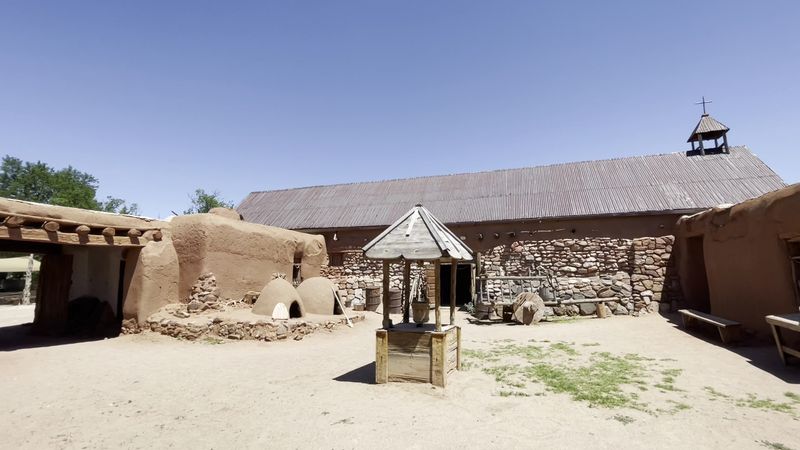
Around eleven o’clock each morning, something delicious happens near the hacienda. Bread baked in traditional beehive-shaped ovens comes out warm, and visitors go out of their way to grab a piece.
Word about this bread spreads fast among guests. Time and again, people call it amazing, delicious, and absolutely worth building your schedule around so you don’t miss it fresh.
Baked using methods that blend Spanish techniques with indigenous know-how, the loaves connect directly to the culinary heritage the ranch celebrates. Biting into a still-warm slice is history you can actually taste, which is a rare treat at any museum.
The front entrance also houses a small gift shop and café. One repeat visitor recommends the homemade ice cream sandwiches, two cookies pressed around ice cream and sprinkles, as a sweet reward after all that walking.
A gentle heads-up from seasoned guests: the café menu leans toward indulgent rather than health-forward. Plenty of folks pack a picnic instead and settle beneath a shady tree, though almost everyone agrees the fresh bread is non-negotiable.
Sheep, Burros, and a Working Ranch
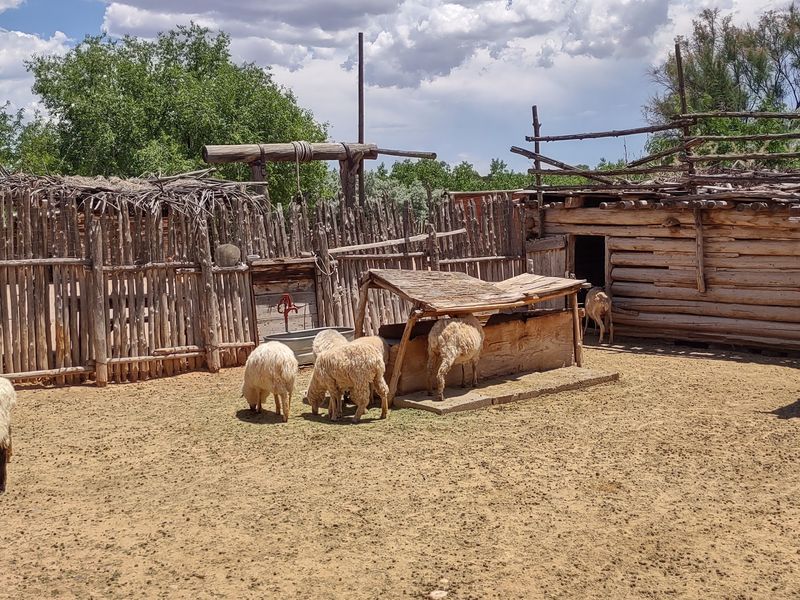
Live animals are a big part of what makes this village feel real rather than staged. Sheep, burros, and goats roam the property, adding gentle background noise and plenty of photo opportunities.
Historically, churro sheep were essential to survival here, and the ranch still honors that legacy as a working sheep operation. One visitor praised how clean and well-kept everything looked, especially impressive given it’s a functioning farm.
The critters give the whole place a heartbeat. Kids light up spotting animals between the adobe walls, and the presence of livestock reinforces just how self-sufficient early families had to be.
Water power shows up too, with a mill and water wheel demonstrating another lifeline of the era. Together with the animals, these features paint a vivid picture of how a village kept itself fed and functioning.
And yes, the name has meaning. Golondrinas refers to swallows, and guests have noticed swallow nests tucked around the property alongside the grazing herds.
Between the birds overhead and the animals underfoot, the ranch stays lively in the most authentic way possible.
Wetlands, Nature Paths, and Wide-Open Beauty
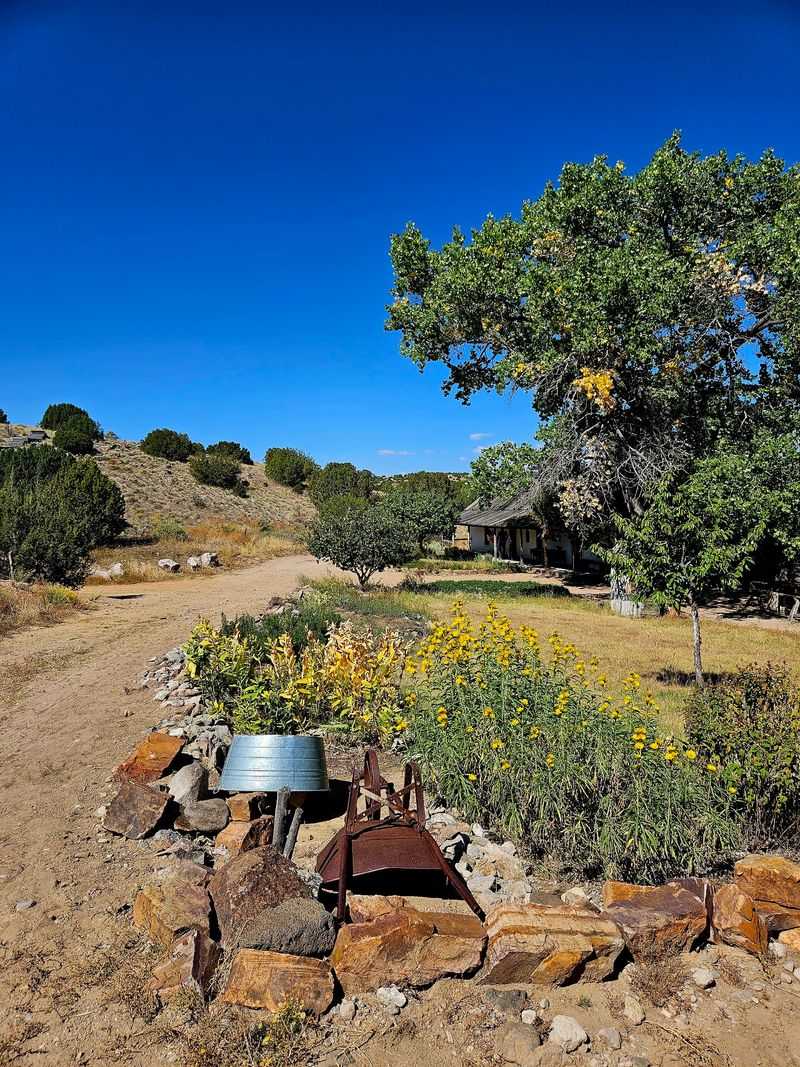
Beyond the buildings lies a surprise many visitors don’t expect: a peaceful wetland reserve laced with nature paths. Even folks who aren’t history buffs find plenty to love wandering these trails.
The expansive property practically begs you to slow down. Guests describe it as a wonderful place for photography, painting, or simply connecting with the natural beauty of New Mexico under wide desert skies.
Autumn turns it especially lovely. One October visitor marveled at the changing leaves, and several families return each fall specifically to snap pictures against the seasonal color.
The paths wind past buildings, through wetlands, and up toward a chapel on a hill, giving you room to explore at your own pace. Regulars suggest allowing at least two hours, since there’s far more ground than you’d guess from the entrance.
A useful tip from stroller-pushing parents: most routes handle wagons and scooters fairly well since the ground is smooth, though the climb to the hilltop chapel is stairs-only. Stick to the flat, tree-lined path if you’re rolling wheels, and you’ll still soak up the serene scenery.
Festivals That Fill the Village
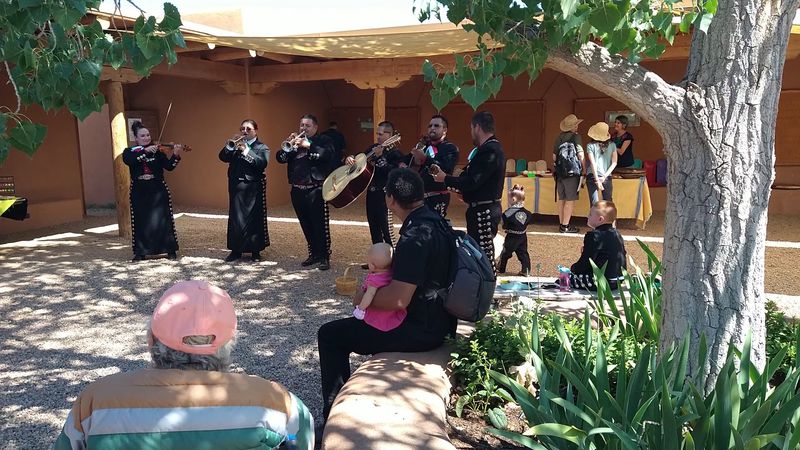
Certain weekends transform the ranch from quiet homestead into a bustling celebration. The Santa Fe Harvest Festival ranks among the favorites, and families plan whole days around it.
Picture kids picking pumpkins from a patch, climbing aboard hay rides, and stomping grapes from the vineyard, all while costumed volunteers demonstrate crafts nearby. One mom loved it so much she booked family portraits there for the perfect fall backdrop.
Seasonal events keep things fresh throughout the year. The Spirits of Halloween gathering draws crowds in October, when changing leaves make the grounds especially photogenic, and living museum days pack the calendar with hands-on fun.
Many guests specifically recommend visiting during a festival to catch demonstrations in period costume. Weavers, bakers, and blacksmiths all come out, turning ordinary walkways into a lively cross-section of colonial daily life.
These bigger days can move fast, so plan accordingly. One festival-goer wished the event had started earlier just to fit everything in.
Arriving near opening gives you the best shot at seeing it all before the crowds and afternoon warmth settle in.
Planning Your Visit and the Final Word
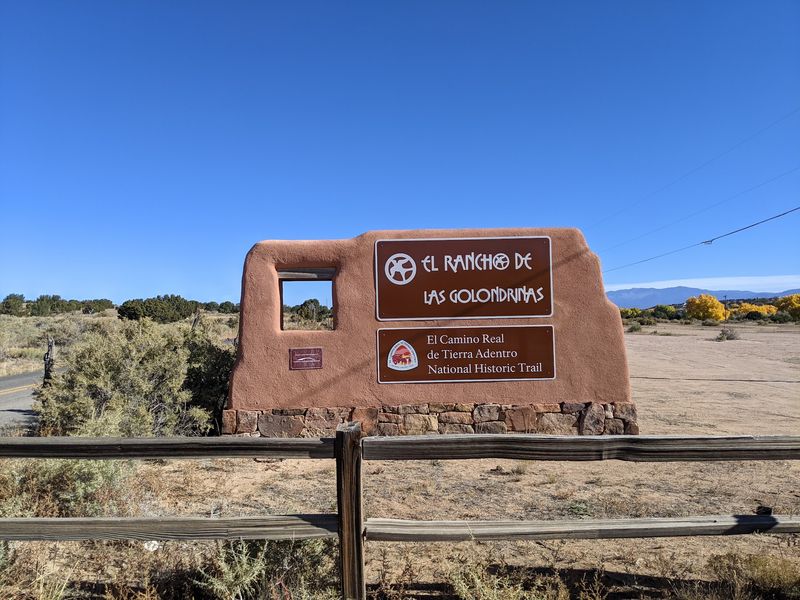
Getting the details right makes all the difference here. The ranch sits at 334 Los Pinos Rd, just south of Santa Fe, and opens Wednesday through Sunday from 9 AM to 3 PM, staying closed Monday and Tuesday.
A generous perk: entrance is free for New Mexico residents, so locals can wander whenever the mood strikes. Guided docent tours draw high praise, and if you want one, buying tickets ahead is wise, though walk-in groups have joined tours too.
You can reach the ranch at +1 505-471-2261.
Come prepared for the outdoors. Visitors stress good shoes and lots of water, since there’s plenty of walking and the afternoon sun gets strong.
Refillable stations are scattered throughout, and clean restrooms earn appreciative mentions.
One honest note: earlier in spring, before the full season begins, only self-guided walks may be available with many buildings locked. Aim for the full-operation months to catch costumed demonstrations.
Would I go back? Absolutely.
For a couple of unhurried hours steeped in old New Mexico, warm bread, and friendly interpreters, this village quietly outshines fancier attractions and leaves you feeling like an insider.