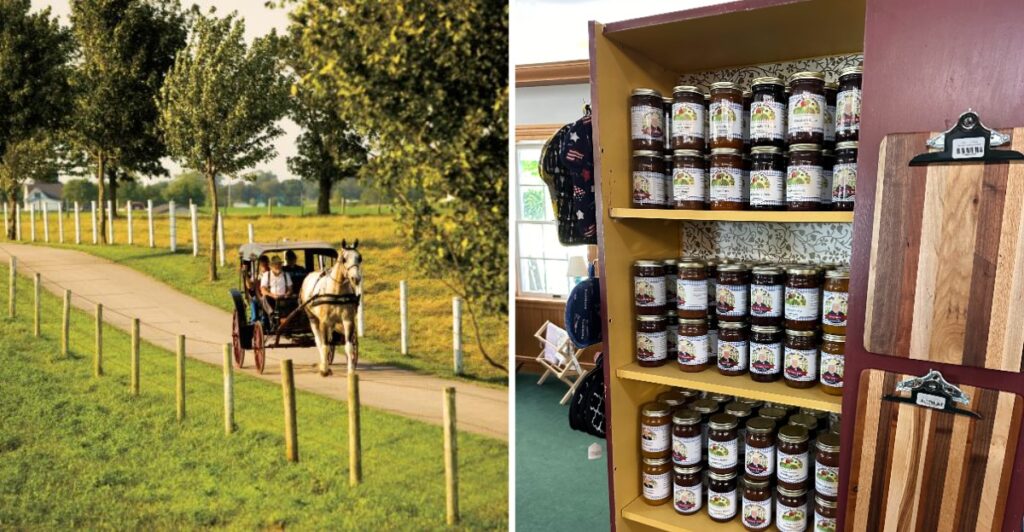
I am very easy to distract when a hand-painted sign points down a country road.
In northern Indiana, that is a real scheduling problem.
The shopping is scattered across backroads, small workshops, farms, and cottage shops instead of packed into one main strip.
You might start with furniture and end up thinking about fresh bread. A quilt shop can lead to a leather workshop. Then a roadside stand appears and suddenly the route has rewritten itself again.
The county sits inside Indiana’s largest Amish settlement, so the scale goes far beyond one town or one attraction.
This is one of those days where getting sidetracked is basically the point.
Indiana’s Largest Amish Settlement Reaches Across The County
The Elkhart/LaGrange settlement dates to 1841 and extends beyond a single town or county line. In 2025, the Young Center for Anabaptist and Pietist Studies estimated its population at 29,905, placing it behind only the Lancaster County area in Pennsylvania and the Holmes County area in Ohio. Within Indiana, no other Amish settlement comes close to that size.
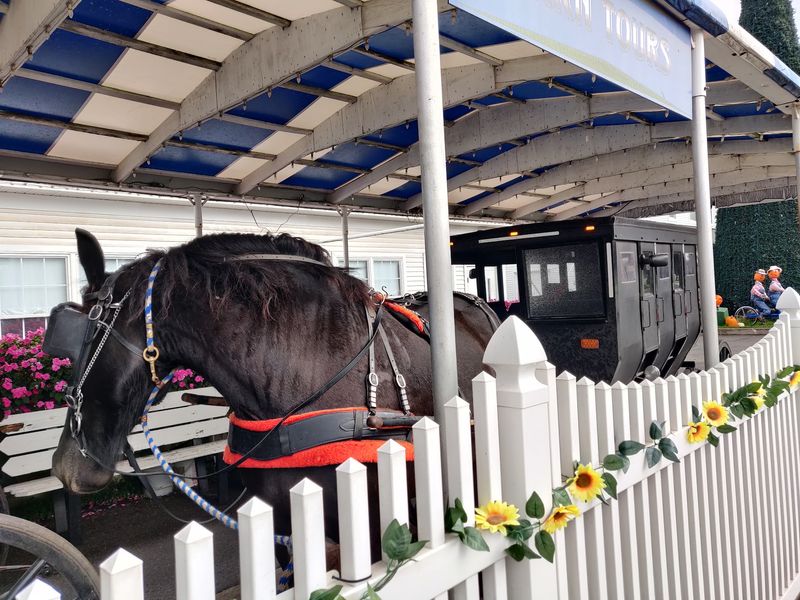
LaGrange County sits inside that larger settlement, and the concentration becomes obvious once you leave the busiest streets. Horse-drawn buggies share county roads with cars, while farms, homes, workshops, schools, and businesses sit throughout the countryside.
That changes how you should explore. Rather than treating Amish life as something contained inside a museum or shopping district, expect ordinary daily routines to continue around you. Slow down for buggies and bicycles, give them generous room on the road, and do not assume every farm or workshop is a visitor stop.
The scale is easier to understand when you let the drive connect the pieces. Shipshewana may be the best-known name, but the wider settlement continues through rural LaGrange County and neighboring areas. One afternoon can introduce the region.
A full day gives you more room to notice how spread out it really is.
More Than 100 Amish Cottage Shops Sit Along The Backroads
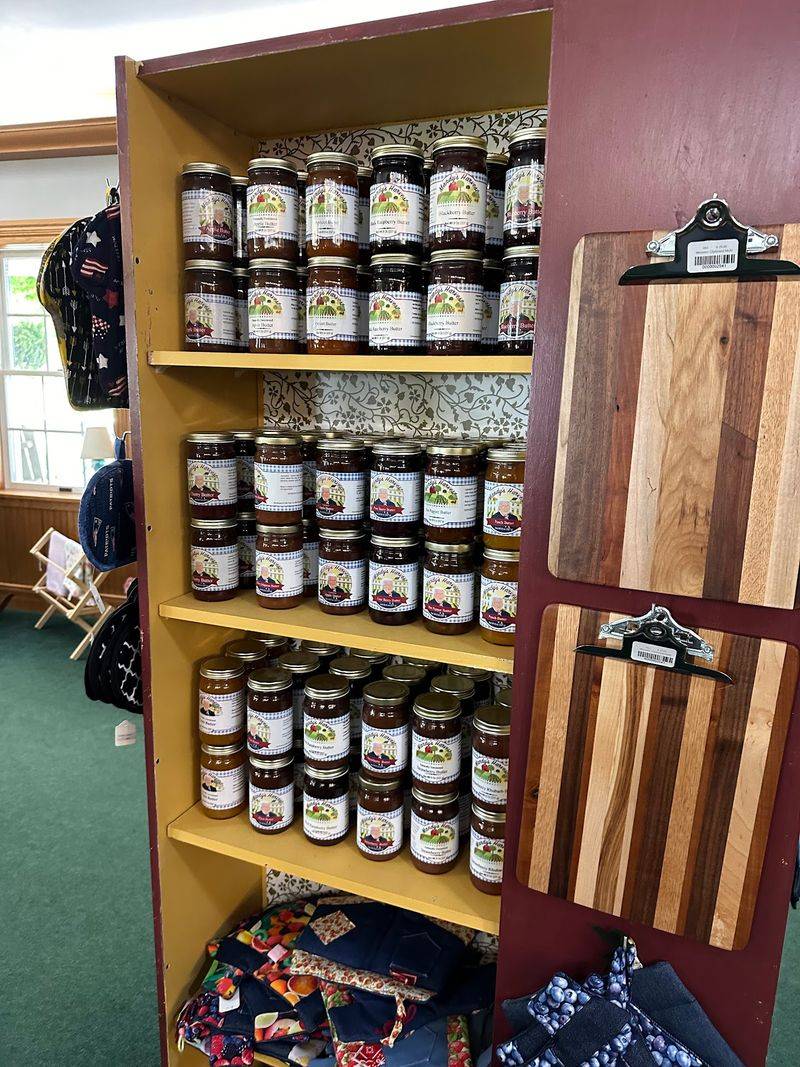
The county’s current Off the Beaten Path route includes more than 100 Amish cottage shops. These are typically small Amish-run businesses near homes or workshops, and the merchandise can range from leather goods and furniture to toys, candles, food, rugs, baskets, quilts, produce, and other locally made products.
That variety makes a shopping list useful, but not rigid. If furniture is the priority, mark those stops first. If you would rather browse smaller items, build the route around leatherwork, household goods, food, or crafts.
The shops are scattered enough that trying to visit them in numerical order can waste time.
Some businesses are tiny seasonal stands. Others are established workshops or stores operating through much of the year. That difference matters because hours and merchandise can vary from one stop to the next.
The easiest approach is to choose one part of the county and work outward rather than chasing every sign you see. Give yourself permission to skip a stop when the day is getting too full.
Cottage shopping works best when the route stays flexible. One workshop may take ten minutes. Another can hold your attention much longer, especially when you arrive with a specific furniture piece, gift, or household item in mind.
Woodworking Represents A Major Part Of The Local Economy
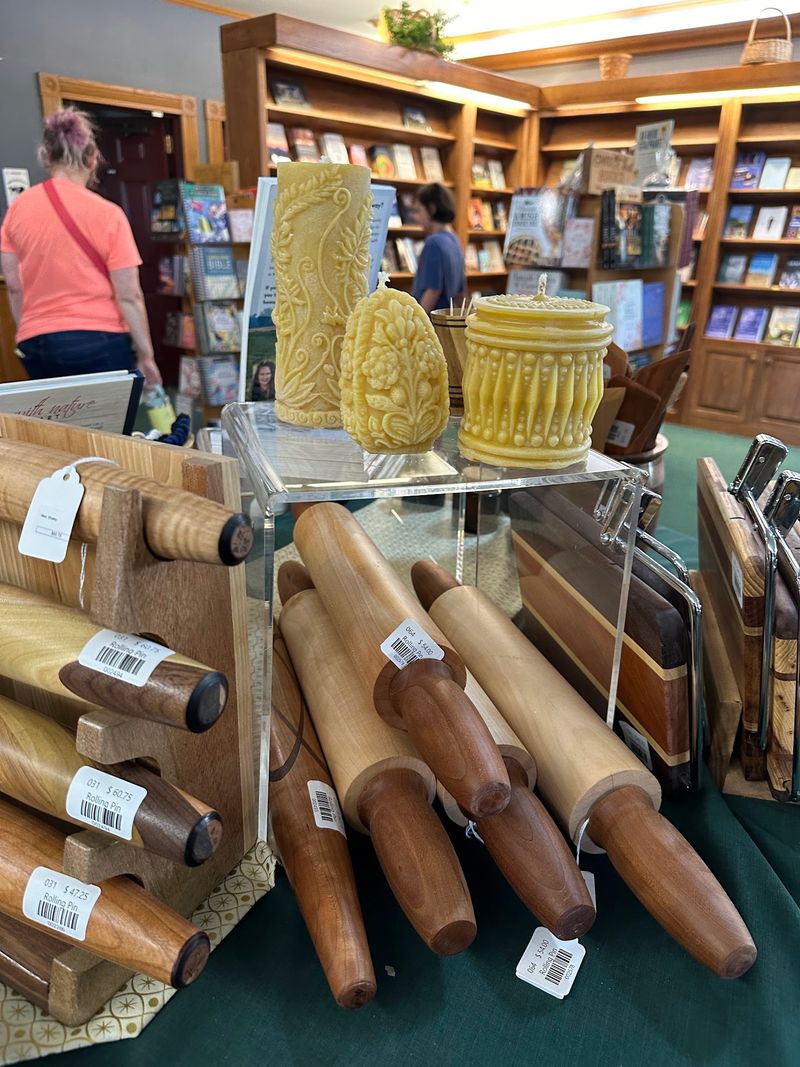
Furniture and woodworking deserve their own place in the plan because this is more than an occasional craft business. The Northern Indiana Woodcrafters Association represents more than 90 Amish woodworking businesses, while additional Amish-owned wood shops operate outside the association.
The range extends beyond one familiar style of dining table or rocking chair. LaGrange County woodworkers produce home furnishings, cabinetry, commercial furniture, fixtures, and other wood products. That means a furniture stop can be as practical as it is interesting.
If you are seriously shopping for a large piece, decide what information you need before you leave home. Measurements matter more than enthusiasm once you are looking at a table, cabinet, bed frame, or other substantial item. Ask the individual business about its own purchasing, ordering, pickup, or delivery arrangements rather than assuming every shop handles large pieces the same way.
You can also keep the woodworking portion of the day small. A traveler who has no room for furniture can still look for smaller locally made pieces or simply choose another category of cottage shop.
The number of businesses explains why woodworking appears repeatedly along the backroads. It is not confined to one showroom or one commercial block. The workshops form part of a larger manufacturing economy spread throughout the county.
Shipshewana Makes A Useful Base Without Being The Whole Trip
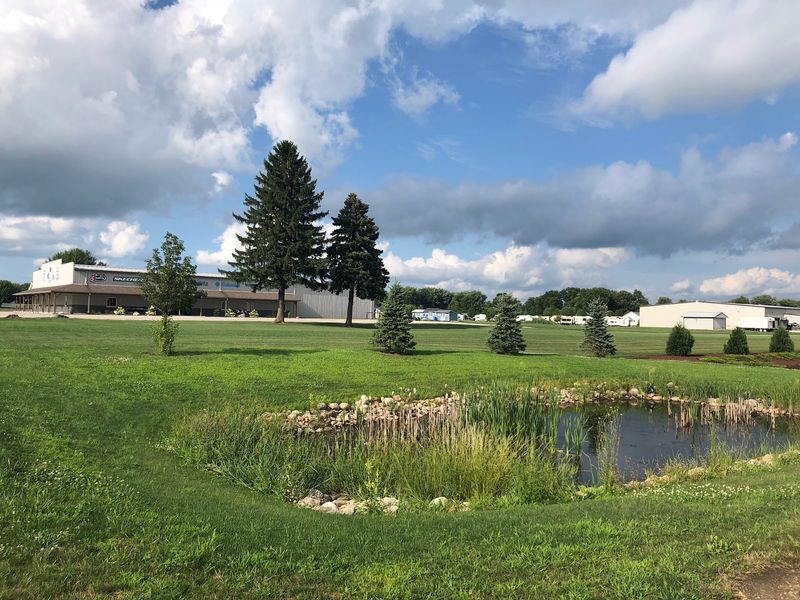
The 2020 Census counted 839 residents in Shipshewana, yet the town functions as the commercial and visitor hub of the surrounding Amish country. Shops, dining, lodging, the flea market, and visitor resources are concentrated within a relatively small area.
That concentration is useful on arrival. You can get oriented, decide how much time you want downtown, and then choose whether the rest of the day belongs to the surrounding countryside.
Do not confuse convenience with completeness. The cottage shops on the county backroads are the reason to leave the main commercial area. LaGrange, Topeka, and rural roads throughout the county add businesses and landscapes that you will not see by staying in central Shipshewana.
Think of the town as the place to organize rather than the place where every stop must happen. A morning can begin there, move into the countryside for several cottage shops, and return later for another meal or activity.
That rhythm also keeps the drive manageable. Instead of bouncing randomly between distant businesses, use Shipshewana as one anchor and build one backroad loop around it. You will cover fewer miles twice and spend more time actually looking around.
The Off The Beaten Path Route Turns Shopping Into A Drive
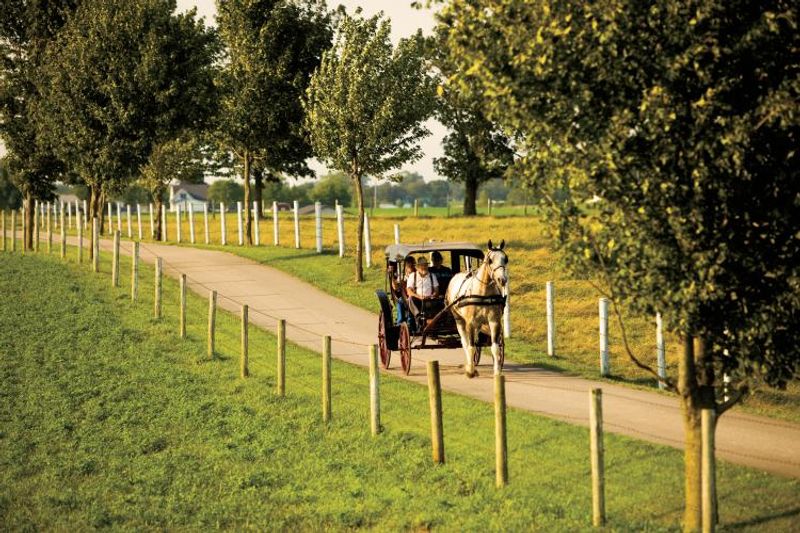
The free Off the Beaten Path experience is designed for travelers who want to move beyond the main streets. Its audio driving tour covers more than 90 miles of LaGrange County countryside and passes roadside stands, Amish cottage shops, working farms, small towns, and other rural points of interest.
You do not need to finish the entire route in one sitting. The audio can be paused, and individual shop stops naturally change how long the drive takes. Treat the route as a framework rather than a challenge to complete every mile.
Road conditions also deserve attention. Some county roads may be gravel or rougher than major routes, and buggies, bicycles, and pedestrians share the roadway. Slowing down is not only courteous; it gives you more reaction time when traffic ahead is moving at a very different speed.
Pick a few shops before you begin, then let the route connect them. That gives the day enough structure without turning every mile into a deadline.
A full-day outing works better than an overpacked checklist. If one shop takes longer than expected, keep going at the same pace and drop something later. The county will still be there for another visit.
The Visitors Center Can Help You Build A Smarter Route
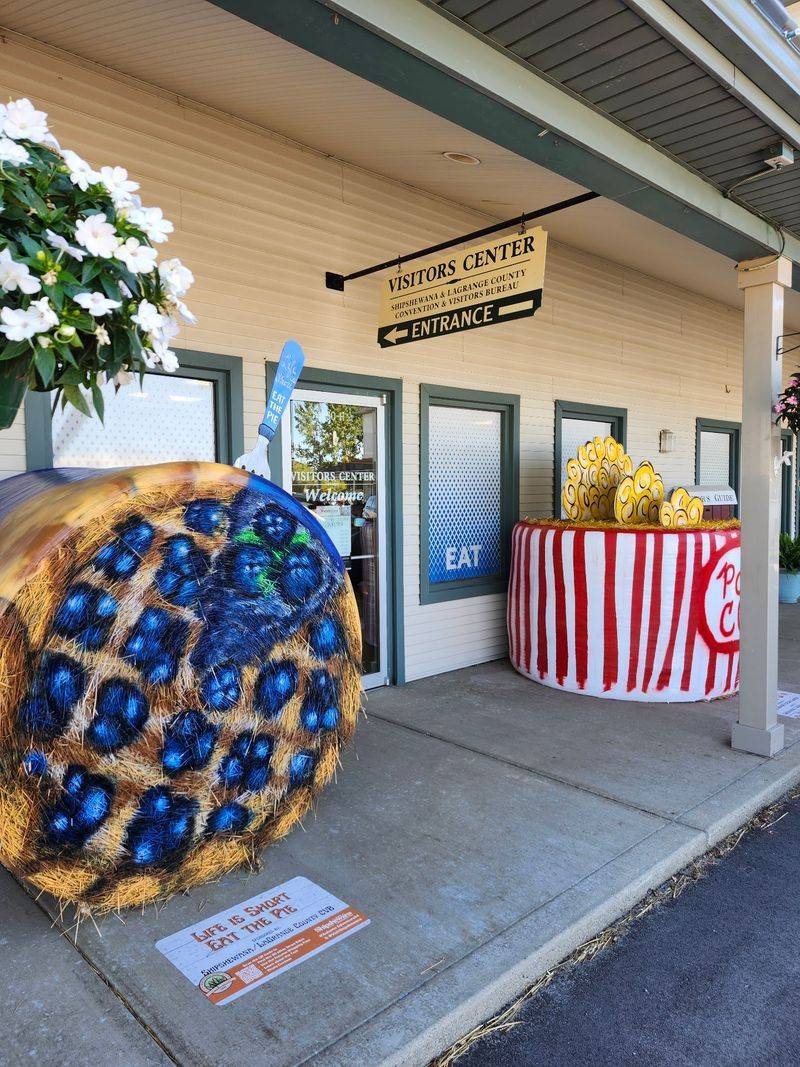
Before heading deep into the backroads, the Shipshewana/LaGrange County Visitors Center is a practical place to collect the current Off the Beaten Path information, regional maps, visitor guides, event details, and local referrals. The center is at 350 S Van Buren St, Suite H, Shipshewana, IN 46565.
Regular hours are Monday through Friday from 9 a.m. to 5 p.m. From May through September, Saturday hours run from 9 a.m. to 1 p.m. That makes a weekday morning the easiest time to stop when you want help shaping a full day.
Use the visit to narrow your choices rather than simply collecting brochures. Decide whether you want furniture, food, quilts, leatherwork, produce, crafts, or a broad mix, then match the route to those priorities.
This is especially helpful because individual Amish businesses do not all follow identical schedules. Store hours can vary, and some smaller operations are easier to find with current local information in hand.
Once the route is set, avoid trying to turn every recommendation into a mandatory stop. Pick a few priorities and leave room between them. The county’s backroads are part of the experience, and the day moves much better when you are not constantly racing the clock.
Cash, Sunday Closures And Photo Etiquette Matter Here
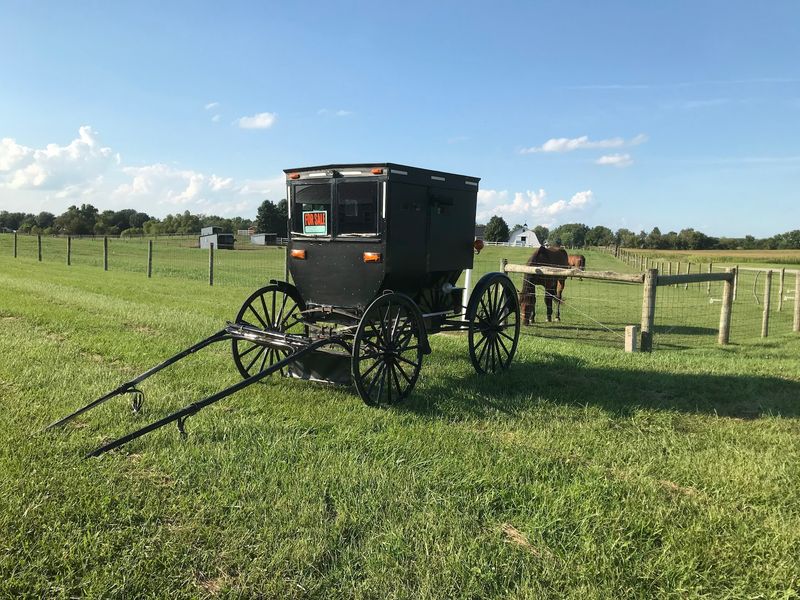
A little preparation prevents several common problems in Amish Country. Some Amish-owned businesses accept only cash or checks, while others accept cards, so bring enough cash before heading onto the backroads. Do not assume a card reader will be available at a small cottage shop or roadside stand.
Timing matters just as much. Amish cottage shops close on Sundays, and many keep limited hours on other days, often closing by late afternoon. Saturday hours can also be shorter at individual businesses.
If shopping is the main goal, a weekday gives you the broadest planning window.
Road manners deserve the same attention. Watch carefully for horse-drawn buggies, bicycles, and pedestrians, reduce speed early, and leave plenty of space when passing.
Photography is another place to slow down. Ask permission before taking photographs of Amish people. Many prefer not to have identifiable images taken, and respectful distance is better than treating someone’s ordinary day as a photo opportunity.
Those small choices make the trip easier for everyone. Bring cash, shop before Sunday, keep the schedule loose, and drive patiently. Then let the county reveal itself one workshop, backroad, and unexpected stop at a time.