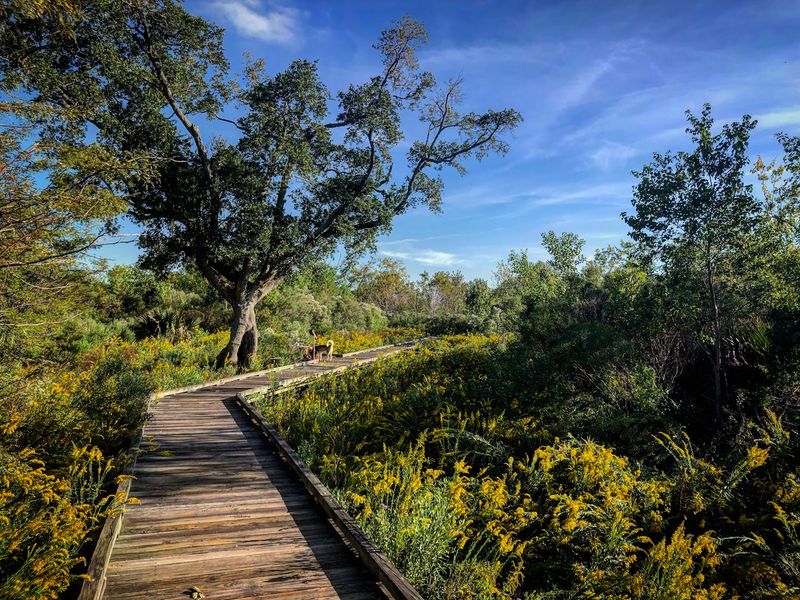
Just a short drive from the busy streets of New Orleans, there is a wild pocket of marshland where alligators sunbathe and wild grapes hang from the vines. Bayou Sauvage Urban National Wildlife Refuge lets you swap city noise for quiet boardwalks and free walking trails.
Come late summer, you might even fill a small bag with sweet wild muscadines. It is one of the easiest ways to feel like a real explorer without leaving town.
Where To Find This Marshland Escape
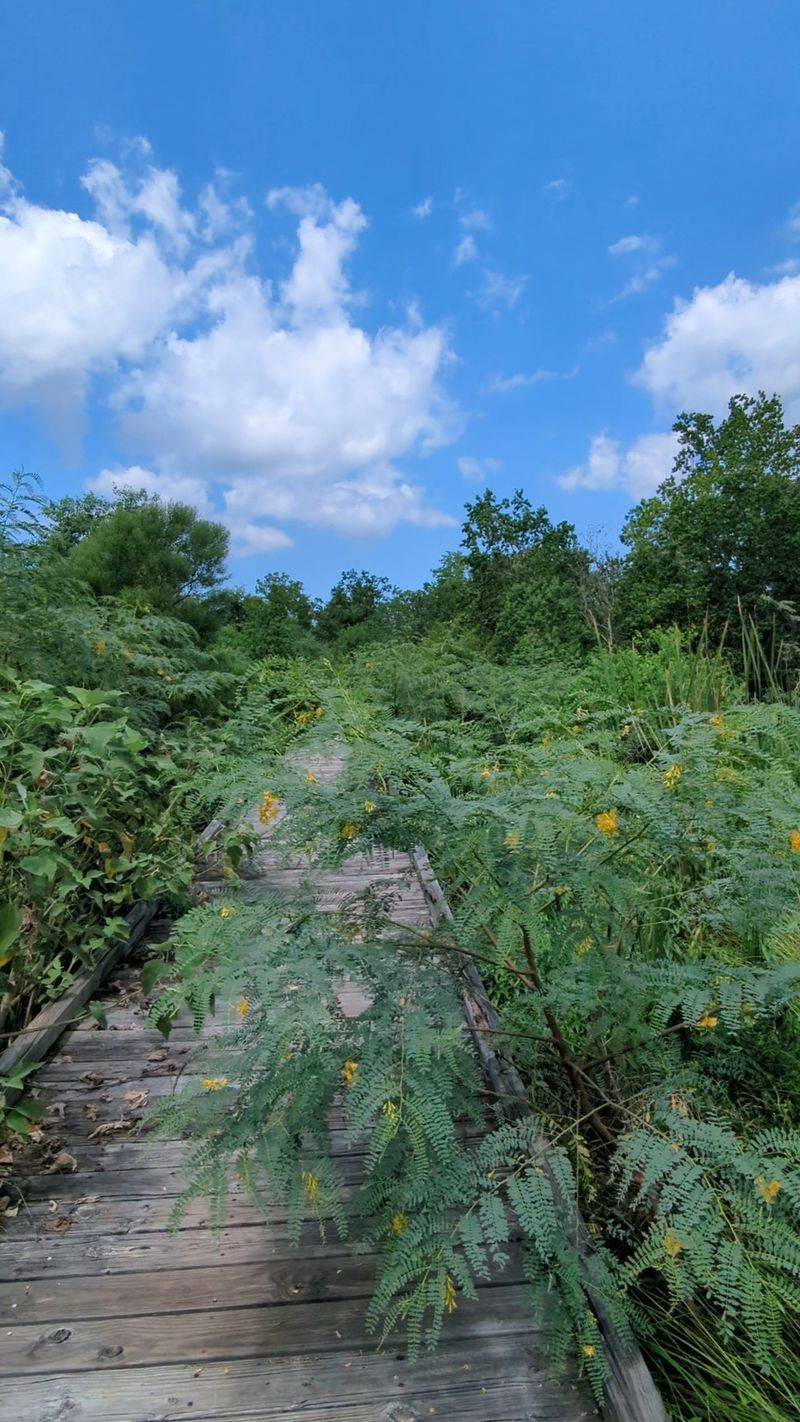
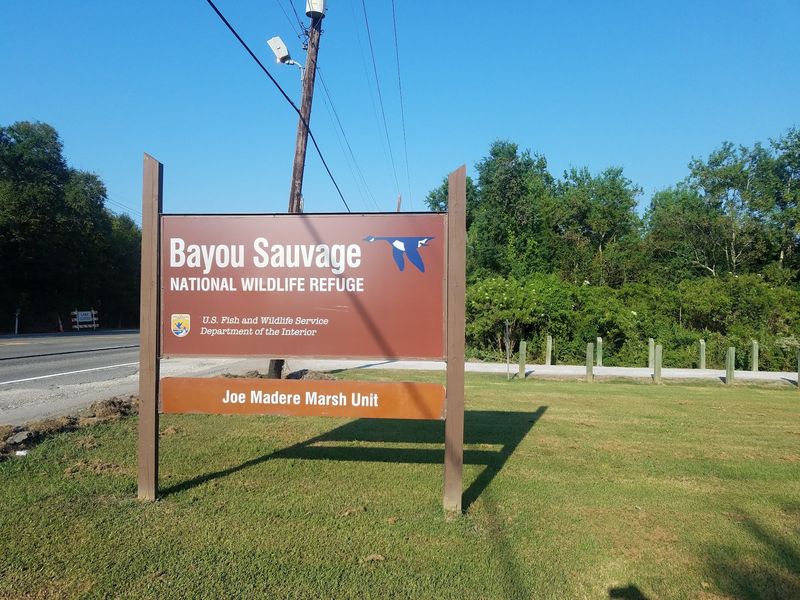
Tucked along Chef Menteur Highway at 17160 in New Orleans, Bayou Sauvage sits right inside the city limits, which makes it one of the largest urban wildlife refuges in the whole country. You are barely off the road, yet the moment you step onto the trail, the wetlands take over.
The refuge is part of the Louisiana Department of Wildlife and Fisheries and federal refuge system, protecting thousands of acres of marsh, canals, and oak groves. Visitors love that they can reach real swamp scenery without booking a tour or driving hours into the country.
You will find pull-offs and small parking areas near the boardwalks and boat launch. Regulars mention that the spot works perfectly as a quick stop when you are already out driving.
With a phone number of +1 985-882-2000 and an official website through the Fish and Wildlife Service, planning a visit is simple. It is the kind of place where nature and city sit surprisingly close together, and that closeness is exactly what makes it feel special.
The Story Of A Wild City Sanctuary
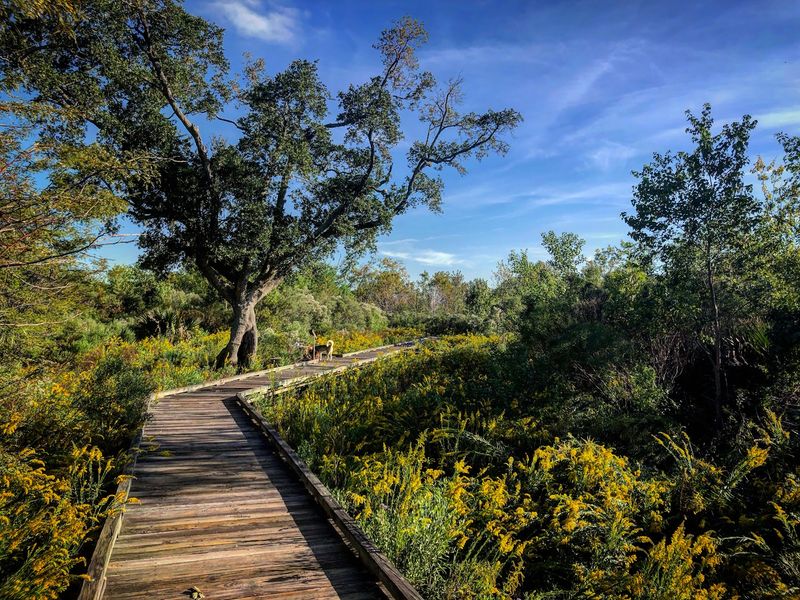
Long before it became a place for weekend walkers, this stretch of marsh was shaped by the slow push and pull of water flowing between Lake Pontchartrain and Lake Borgne. The land here has always been a mix of freshwater and salt, marsh grass and open canal.
Set aside as a national wildlife refuge, Bayou Sauvage now works to protect that fragile balance while giving people a front-row seat to it. Restoration projects have come and gone over the years, and a few visitors have noticed ongoing repair work as the refuge recovers from storms and heavy weather.
What makes the story so interesting is how the wild reclaims everything. One curious traveler even spotted a barnacle-covered SUV resting on a bank, slowly being swallowed by the marsh.
Nature is patient here.
The refuge stands as a reminder that even a busy city like New Orleans can hold onto its wild roots. That mix of history, water, and stubborn greenery gives the place a character you do not forget quickly.
Boardwalks That Float Above The Wetlands
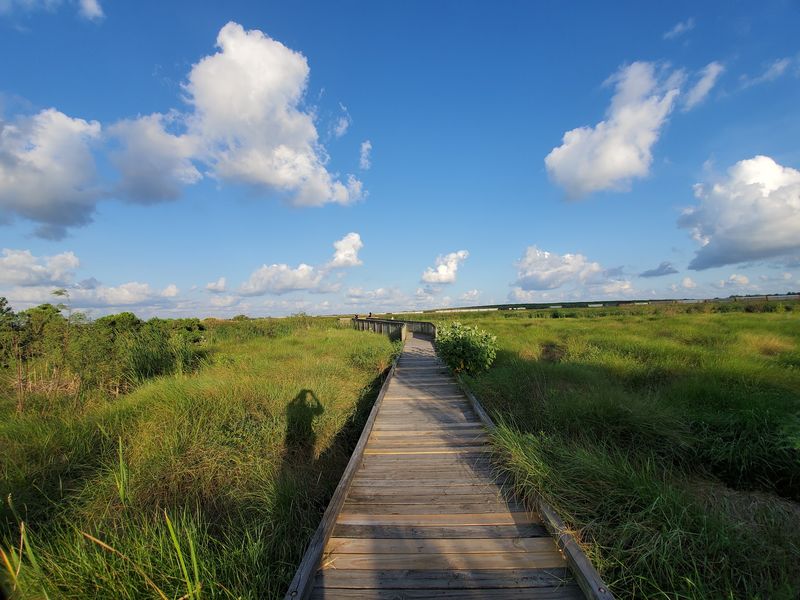
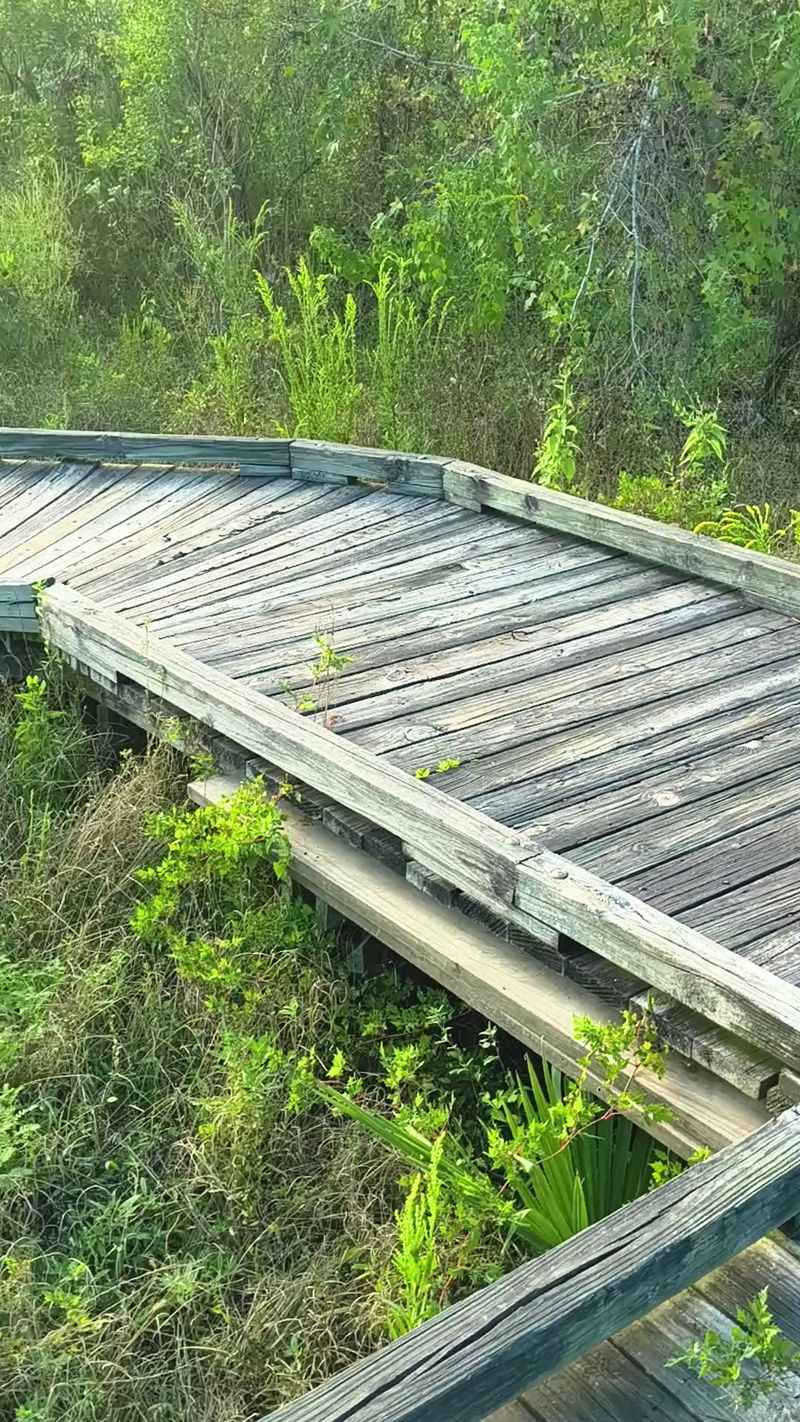
Stepping onto the raised boardwalks feels a little like walking on water. The wooden paths wind through different wetland zones, letting you get close to the marsh without sinking your shoes into the mud.
Visitors often call the boardwalks the highlight of their trip, and it is easy to see why. You cross grassy sloughs, peer down at still water, and watch dragonflies zip past, all from a safe and steady platform.
Many walkers appreciate that the plants along the way are labeled with little signs. More than one person mentioned learning something new about the trees and grasses they passed, which turns a simple stroll into a mini nature lesson.
The paths are gentle and easy, making them friendly for families and folks who do not want a tough hike. Some travelers wished for a printed pamphlet to carry along, but the signs still do a good job of explaining the scenery.
Year-round access means the boardwalks are always waiting, whether you visit in the cool of morning or the golden light of late afternoon.
Alligators Cruising The Canals
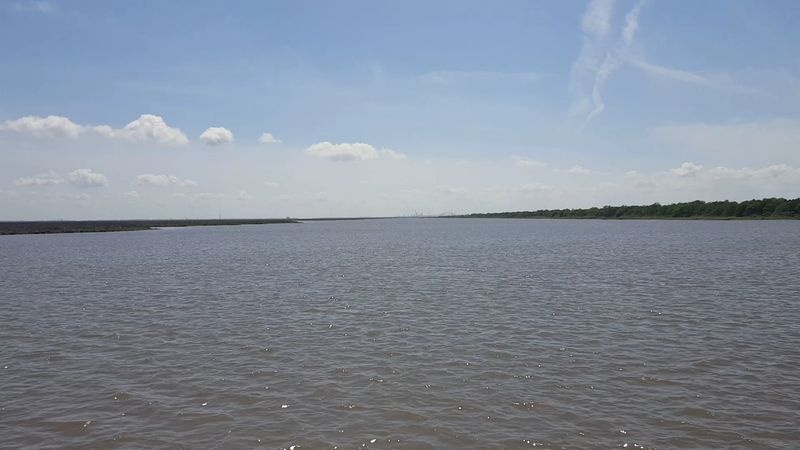
If seeing a real alligator in the wild is on your list, Bayou Sauvage delivers again and again. Gators are by far the most talked-about sight here, and plenty of visitors report spotting them on every single trip.
One paddler counted more than thirty alligators cruising the main canals in a single outing, losing track after a while. Others have watched them stir in the early morning near the boat ramp off the interstate, quiet and unbothered.
Even the little ones make an appearance. A few travelers were thrilled to see baby alligators near the water, tiny versions of the big reptiles that rule the marsh.
A word of care goes a long way, though. There are no fences or gates separating you from the water, so common sense matters.
This is the wildlife’s home, and keeping a respectful distance keeps everyone safe.
For people who wanted to see gators without paying for a swamp tour, this refuge became the perfect answer. Peaceful, uncrowded, and full of scaly residents, it offers a genuine wild encounter close to the city.
A Birdwatcher’s Quiet Paradise
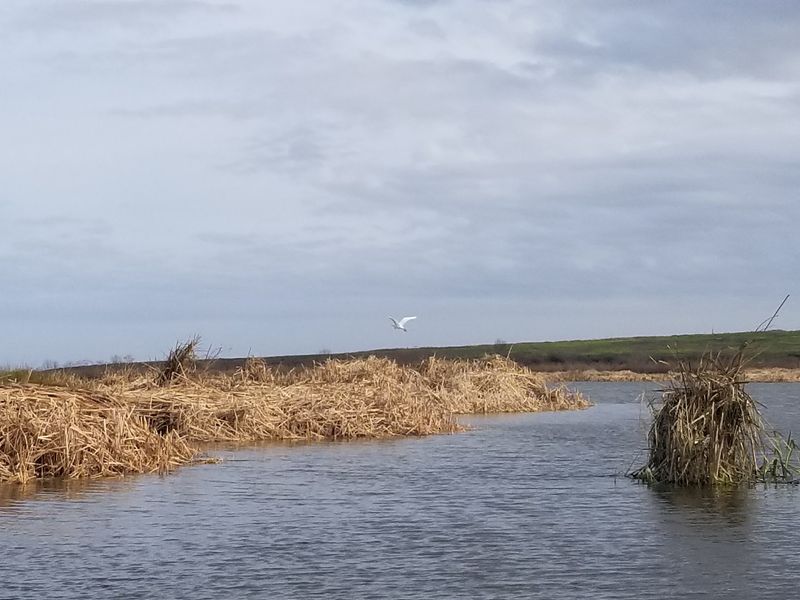
Bring your binoculars, because the sky and grasses here stay busy with wings. Bird lovers rave about the sheer variety, calling it some of the best birding around the New Orleans area.
Herons and cranes wade through the shallows, while raptors circle overhead and marsh fowl paddle among the reeds. Early risers have watched these graceful birds moving through the mist, a scene that feels both wild and calm at once.
Seasons make a real difference. Some visitors who came in the deep of winter found the marsh quieter, spotting only a few ducks and small critters.
Warmer months tend to bring far more activity, so timing your trip helps.
What makes birding here so relaxing is the peace. Without heavy crowds, you can stand still, listen to the rustle of grass, and let the birds come to you.
Whether you are a serious birder with a checklist or just someone who enjoys watching wings against the sky, the refuge rewards patience. Photographers especially love the chance to capture herons taking flight over the water.
Filling A Bag With Wild Muscadines
Come late summer, the refuge offers a sweet little treasure hunt. Wild muscadines, the native grapes of the southeastern United States, ripen on tangled vines throughout Louisiana’s wooded and swampy corners.
Look for them in August and September, when the ripe fruit turns dark purple to nearly black. Ripe muscadines slip off the vine easily, so gentle picking is all it takes to fill a small bag for personal use.
Berry-picking and wild-foraging are allowed activities on many of Louisiana’s public lands, treated as gentle, non-consumptive fun. Still, there are rules worth respecting.
Damaging or removing whole trees, shrubs, and wild plants without approval is generally not allowed, so pick the fruit and leave the vine happy and healthy.
Part of the joy is the search itself. Wandering the shaded edges of the trail, spotting a cluster of glossy grapes, and tasting one warm from the sun feels like a small victory.
It is a simple, old-fashioned pleasure that connects you to the land in a way few activities can. Just remember to bring your bag.
Regal Oaks Draped In Spanish Moss
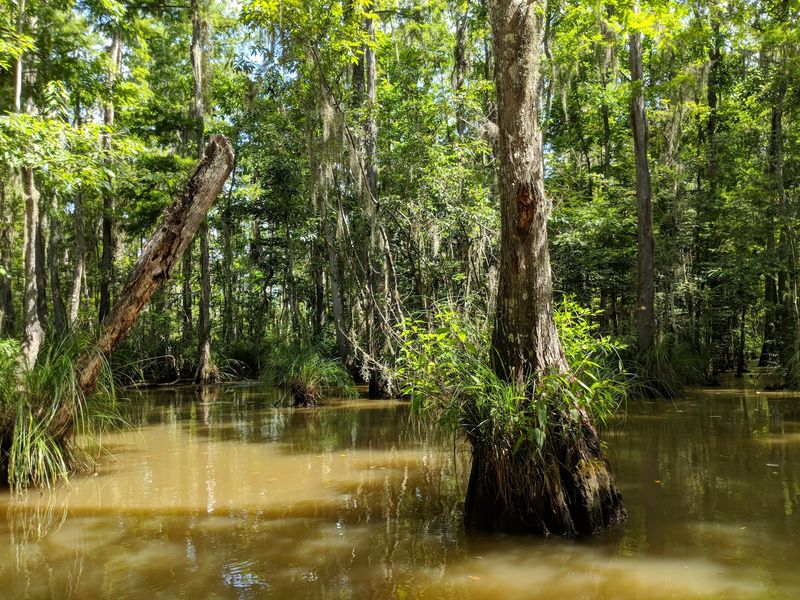
There is something timeless about the great oaks scattered across this refuge. Their broad limbs stretch wide, draped in curtains of Spanish moss that sway with the smallest breeze.
Visitors often describe these trees as regal, almost like guardians watching over the marsh. The moss gives them a dreamy, storybook look that fits perfectly with southern Louisiana’s slow, easy mood.
Beyond the oaks, the labeled plants along the boardwalk turn a casual walk into a learning stroll. People enjoy discovering the names of trees and flowers they might otherwise pass without a second glance.
Wildflowers dot the trail too, adding pops of color that make for lovely photos. One traveler happily remembered seeing both blossoms and baby alligators on the same afternoon, a mix only this kind of place can offer.
The local flora here is not just background scenery. It tells the story of how fresh and salt water shape what grows, and how tough these plants must be to thrive in the marsh.
For anyone who loves trees, greenery, and quiet natural beauty, the oaks alone are worth the trip.
Casting A Line From The Little Pier
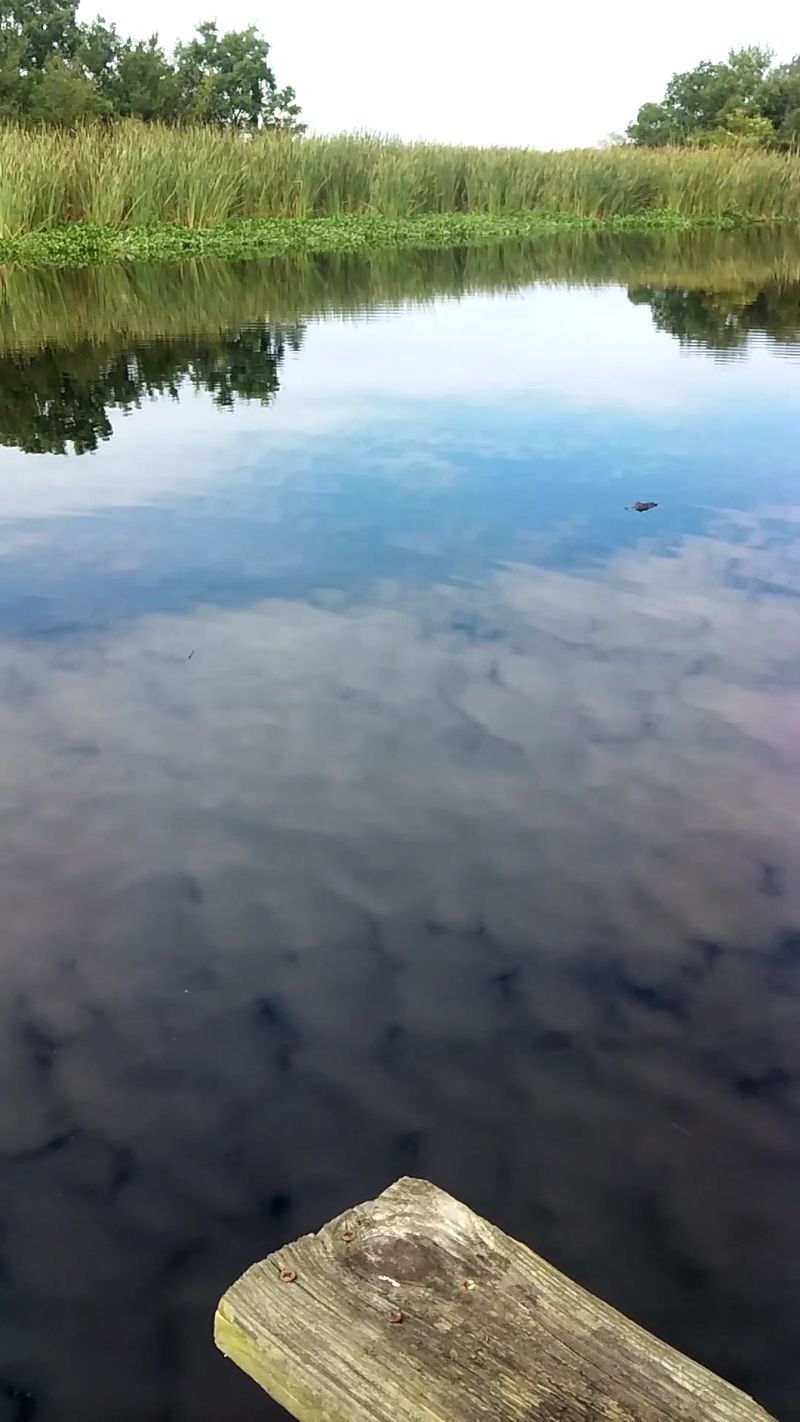
Anglers have their own reason to love Bayou Sauvage. A tidy little pier sits near the launch site, giving shoreline fishing fans a spot to drop a line into the wide canals.
The water here stays lively. One visitor noted plenty of big gar swimming through the channels, sharing the canals with the ever-present alligators and marsh birds.
Fishing comes up again and again as a favorite activity, mentioned by dozens of visitors who enjoy the calm and the catch. The open main canals are the easiest to reach, while the inner sloughs stay wilder and harder to enter.
Part of the charm is the peace of it all. You can stand at the pier, feel the breeze off the marsh, and simply wait, watching the water for movement.
Even folks who arrive planning to fish sometimes end up just soaking in the view instead. One person recalled a perfect day that started as a fishing trip and turned into a quiet drive through the refuge.
Bring your gear, your patience, and your camera, and the pier will treat you well.
Paddling Through Sloughs And Canals
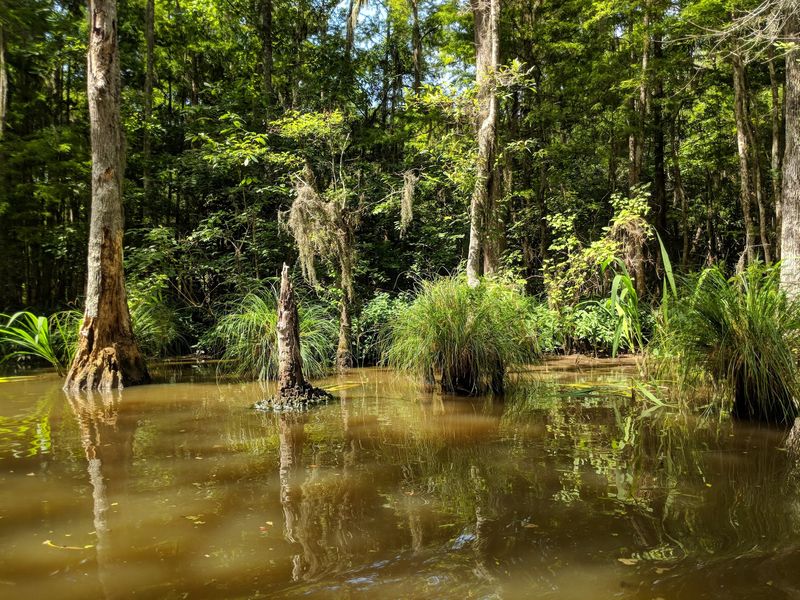
For those who like to explore by water, a small boat opens up a whole new side of the refuge. Paddlers can slip a pirogue or canoe into the canals and glide among the reptiles and birds.
The wide main canals are the way to go, since many of the inner bayous and sloughs stay blocked by thick invasive plants. Out in the open channels, though, the paddling is smooth and full of surprises.
One boater described losing count of alligators after thirty, all cruising past the canoe in easy, unbothered fashion. Add in big gar and swooping raptors, and every stroke brings something new to see.
Because this is a wildlife area, hunting is not allowed, so the animals here are used to sharing their home with quiet visitors. That makes for calm, respectful encounters rather than frantic ones.
Travelers often call it the perfect introduction to Louisiana swamps for anyone unfamiliar with them. Bring your camera and a sense of wonder, keep a safe distance from the gators, and let the water lead you deeper into the marsh.
Sunsets That Set The Marsh Aglow
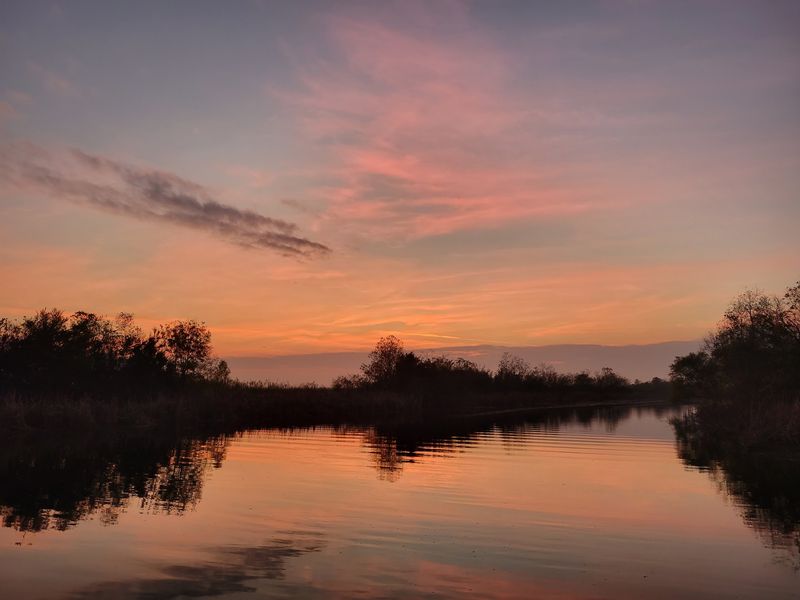
Some visitors time their trips for one reason alone: the sunsets. As the day winds down, the marsh catches fire with gold and orange light, and the whole scene turns almost magical.
People describe these evening views as amazing, with the low sun glowing behind moss-draped oaks and reflecting off the still canals. It is the kind of view that makes you stop talking and just look.
The levee near Little Irish Bayou earns special praise for its gorgeous vantage points. From up there, the open water stretches out, and the sky puts on a slow, colorful show.
Because the refuge stays open from sunrise to sunset, catching that final glow is easy to plan. Arrive an hour or so before dark, walk the boardwalks, and settle in for the finale.
Photographers especially treasure this window, when the light softens and the marsh feels hushed. Even casual visitors who came for gators or grapes often leave talking about the sky instead.
A peaceful sunset over the wetlands is a fitting way to end any visit, wrapping the whole trip in warm color.
Who Will Love This Peaceful Spot
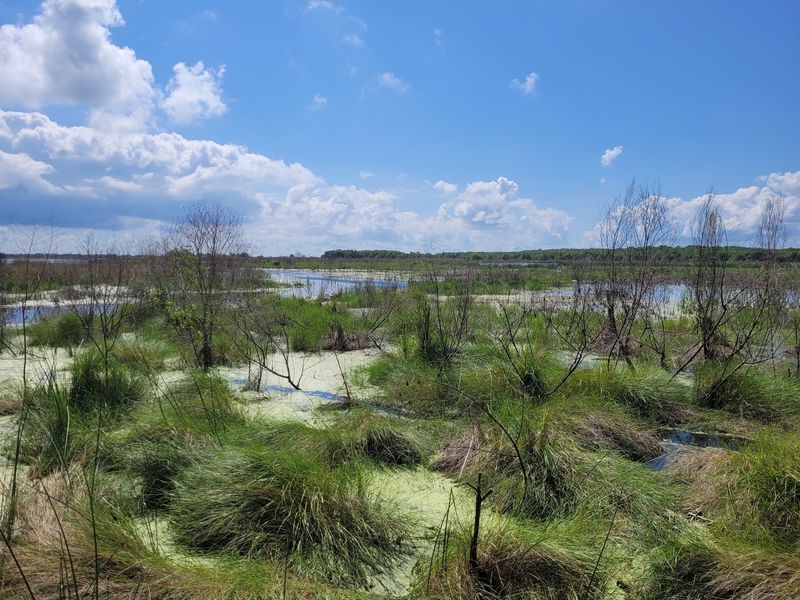
Calm, uncrowded, and easy to enjoy, this refuge suits a wide range of visitors. Families with kids find the flat, short trails simple to manage, while nature lovers get plenty to admire along the way.
Regulars often mention how quiet and peaceful the place feels. One person specifically wanted to escape the city and see wildlife without a busy swamp tour, and found exactly that here.
The walks are gentle, with most paths running under a mile, so you do not need to be a serious hiker. That makes it welcoming for older visitors, casual strollers, and anyone who just wants fresh air.
Photographers, birders, anglers, and grape-pickers all find their own reasons to return. There is even room to simply relax, with tables set up for a rest between wanders.
Because there are no fences near the water, it works best for people willing to stay alert and respect the wildlife. With a little common sense, though, it is a friendly outing.
Whether you are a local looking for a quick nature break or a traveler exploring New Orleans, this spot fits the bill.
Hours, Permits, And Getting There
Planning a visit is refreshingly simple. The refuge is open year-round, seven days a week, from sunrise to sunset, so you can pick almost any day that suits you.
Best of all, the trails themselves are free to walk. For activities like berry-picking on Louisiana’s public lands, visitors aged eighteen and older need a Wildlife Management Area Access Permit, available as an annual or five-day option.
Alongside that, all visitors should complete a Self-Clearing Permit, checking in before starting and checking out when they leave. You can do this using paper permits at on-site stations, the check-in and check-out app, or the online web portal.
Getting there is easy from New Orleans. The refuge sits at 17160 Chef Menteur Highway, with pull-offs near the boardwalks and boat launch.
To visit the nearby castle house that some travelers mention, you will need to park across the street.
Facilities have varied over the years, with a bathroom and tables noted on some trips. Pack water, sun protection, and your camera, and you will be set for a smooth outing.
Why This Refuge Is Worth The Stop
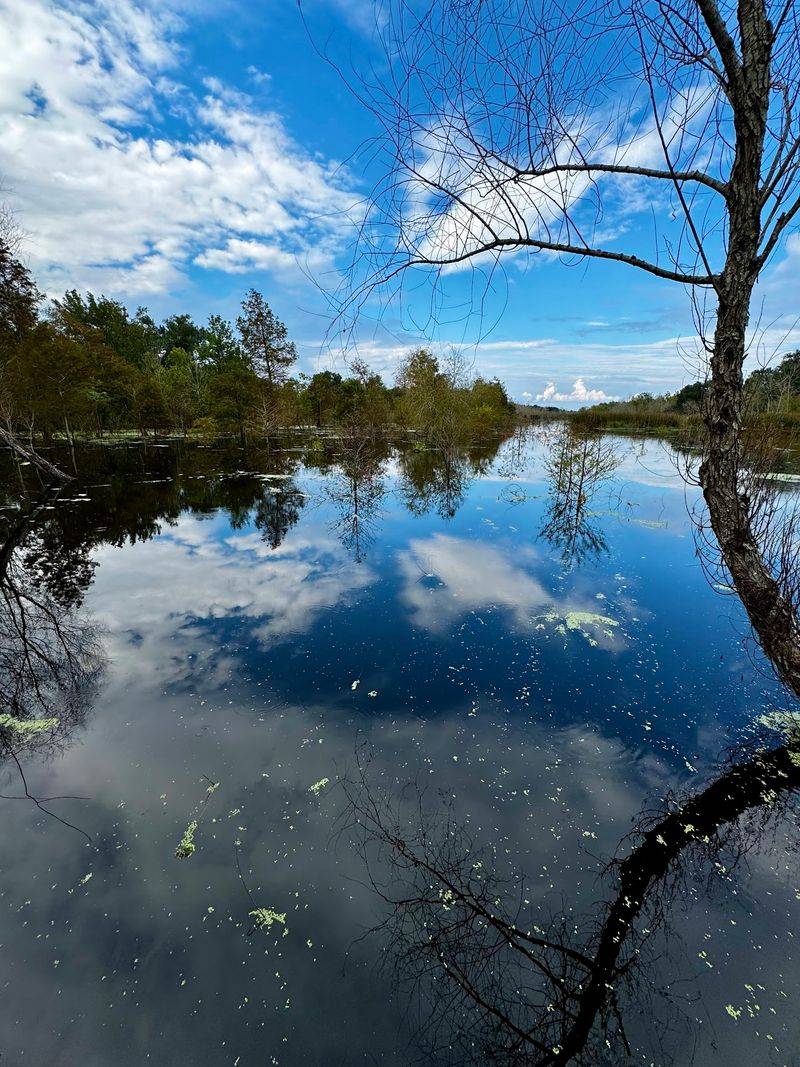
Few places let you brush against real wild Louisiana so easily. Bayou Sauvage packs boardwalks, gators, birds, oaks, and wild grapes into a spot barely outside the city, and that mix is hard to beat.
Yes, a few visitors have noticed it can look a little worn, with restoration work ongoing and, at times, litter that needs tending. The refuge staff manage a huge, storm-battered landscape, so a rough edge or two is understandable.
Even so, the overwhelming feeling people leave with is warmth. Travelers call it beautiful, peaceful, and well worth a stop, whether they are passing through or live nearby.
It shines brightest in the warmer months, when wildlife is active and muscadines hang ripe on the vines. Winter trips can feel quieter, so set your expectations with the season in mind.
For a free walk that ends with a bag of wild grapes, a pocketful of gator photos, and a glowing sunset, this refuge earns its place on any New Orleans nature list. Come with respect for the wildlife, and it will reward you generously.