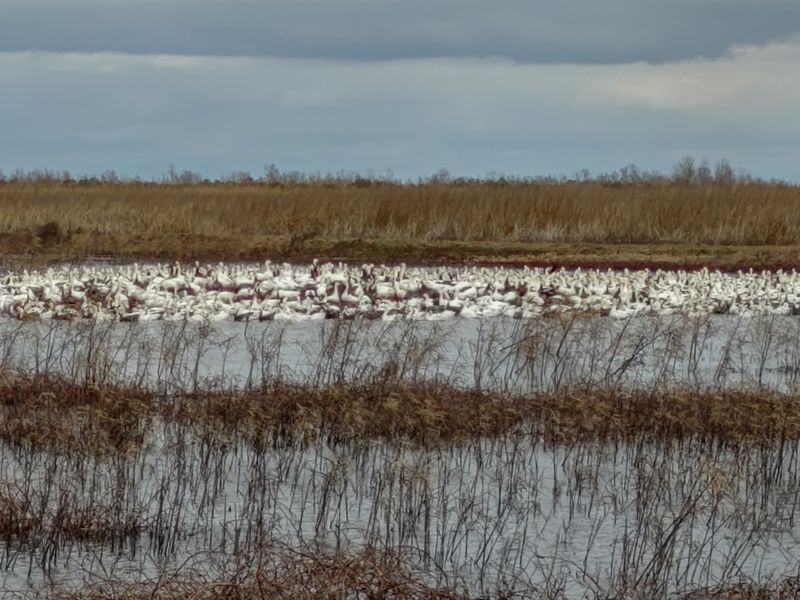
Louisiana sits at the bottom of a giant highway in the sky called the Mississippi Flyway, where millions of birds travel each fall. One of the best places to watch them land and rest is Cameron Prairie National Wildlife Refuge near Bell City.
Here, ducks, geese, egrets, and more fill the marsh from September through December. If you love nature, this is a spot worth putting on your calendar.
A Marshland Refuge On Louisiana Highway 27
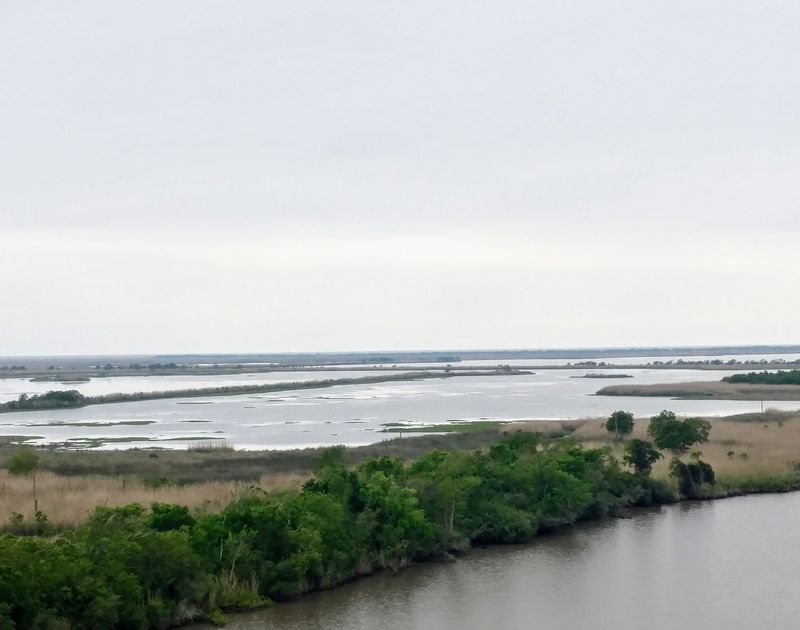
Tucked along LA-27 in Bell City, Cameron Prairie National Wildlife Refuge spreads across a stretch of coastal marsh that feels a world away from busy roads. The address, 1428 LA-27, puts you in the heart of southwest Louisiana, where wetlands meet open sky.
Run by the U.S. Fish and Wildlife Service, this refuge exists to protect wintering migratory water birds and the soggy grasslands they depend on.
It is a true waterfowl preserve, built around habitat rather than crowds.
The centerpiece is a marsh that fills with life as cooler months arrive. Visitors describe a calm, pristine landscape kept in great shape by hardworking staff.
There is a visitors center to help you understand what you are seeing, plus an auto tour that lets you explore from your seat.
Many travelers stumble onto the refuge while heading toward Creole or the coast and end up staying far longer than planned. With a rating of 4.7 stars from hundreds of visitors, this quiet corner of the flyway has earned its reputation as a can’t-miss autumn destination.
Where The Mississippi Flyway Meets The Gulf
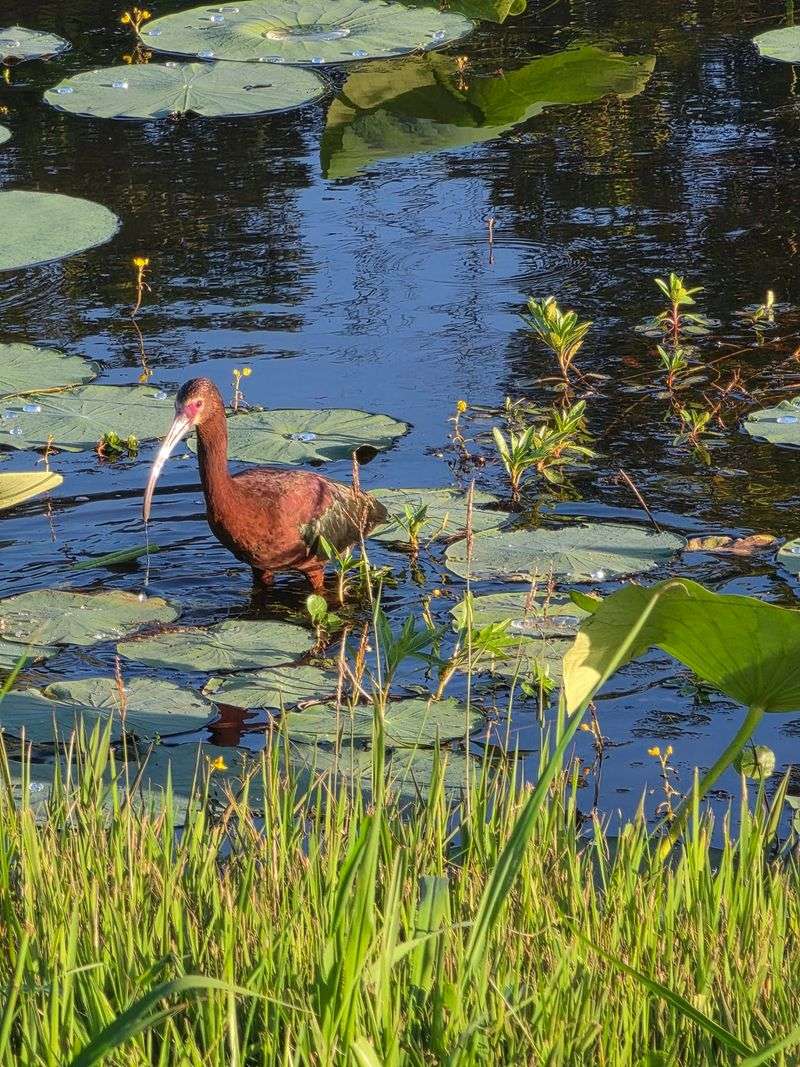
Geography is the secret behind this refuge’s fall spectacle. Louisiana sits at the southern end of the Mississippi Flyway, a massive migration route that funnels birds down the middle of the continent toward the Gulf of Mexico.
Before crossing that wide stretch of open water, birds need a place to eat, rest, and refuel. The marshes and wetlands here offer exactly that, packed with the food and shelter travelers require for the long journey ahead.
Fall migration in Louisiana begins early, with some shorebirds showing up as soon as July. The action stretches through early December, so the window to catch it is generously long.
Neotropical songbirds hit their peak from September through October, while large flocks of ducks and geese pour in during late November to spend the winter. Standing at the refuge, you are watching one of nature’s great commutes unfold.
Because this spot serves as a crucial stopover rather than a final stop, the cast of characters keeps changing week to week. Time your visit right, and you may witness the marsh transform almost overnight.
Cruising The Pintail Wildlife Drive
The star attraction that keeps families coming back is the Pintail Wildlife Drive, a scenic auto route that loops through the marsh. You stay in your vehicle and idle along at a gentle pace, roughly five miles per hour, so the car becomes a rolling blind.
Regulars swear by this slow-and-steady approach. Put the car in drive, let it creep forward, and wildlife appears on both sides without spooking.
One visitor described seeing over thirty alligators and countless birds simply by inching along the loop.
The drive is beautiful and peaceful, a favorite for photographers hoping to capture egrets, geese, and reptiles in their natural setting. Because everyone stays in their cars, it also works nicely for young kids and anyone who prefers not to walk far.
A friendly tip mentioned by frequent visitors: if you stop to shoot photos, pull over so others can pass. The route can get busy when the birds are thick.
For a place where you can see so much wildlife without ever stepping outside, this drive is remarkably rewarding and easy for all ages.
The Boardwalk Through Prairie Grass
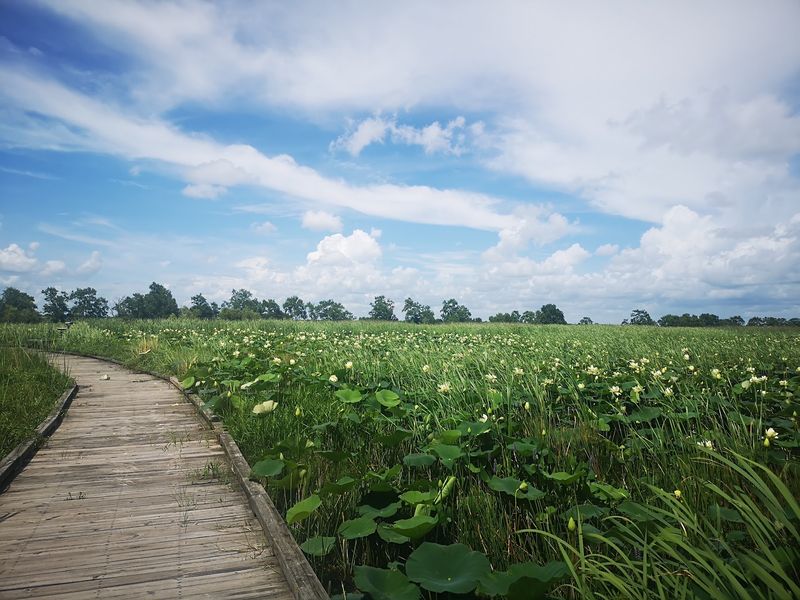
For those who want to stretch their legs, a raised boardwalk carries you right into the heart of the prairie grass. Visitors describe it as well kept and pristine, with benches spaced along the way so you can rest and simply take it all in.
Walking above the marsh gives you a different view than the drive. You are eye level with swaying grasses and close enough to hear the rustle of birds and the splash of hidden creatures.
Families use the boardwalk as an outdoor classroom. Homeschool parents mention gathering their kids here to talk about wetlands, ecosystems, and the animals that call them home, all while surrounded by the real thing.
Photographers love the vantage point too. From this elevated walkway, people have captured snow geese, egrets, turtles, and the occasional alligator sunning nearby.
A short walking loop circles what looks like a pond, adding a little more to explore on foot. Between the drive and the boardwalk, the refuge blends easy comfort with the reward of getting a bit closer to nature.
Ducks, Geese, And The December Rush
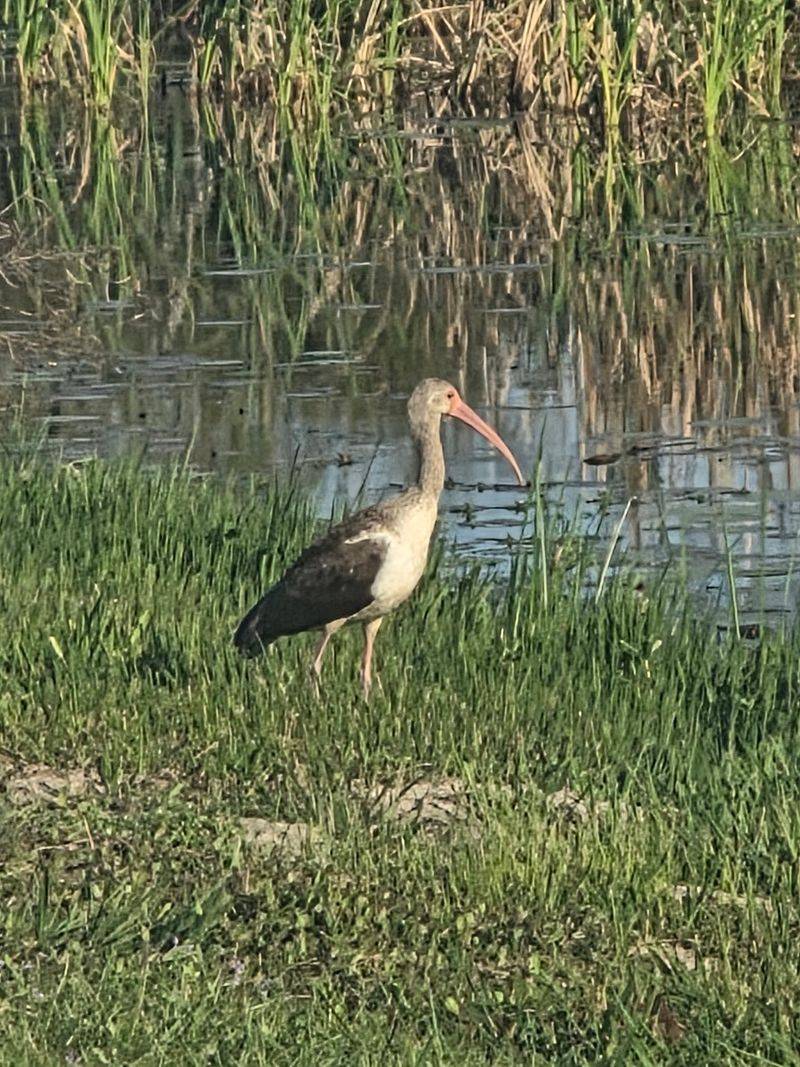
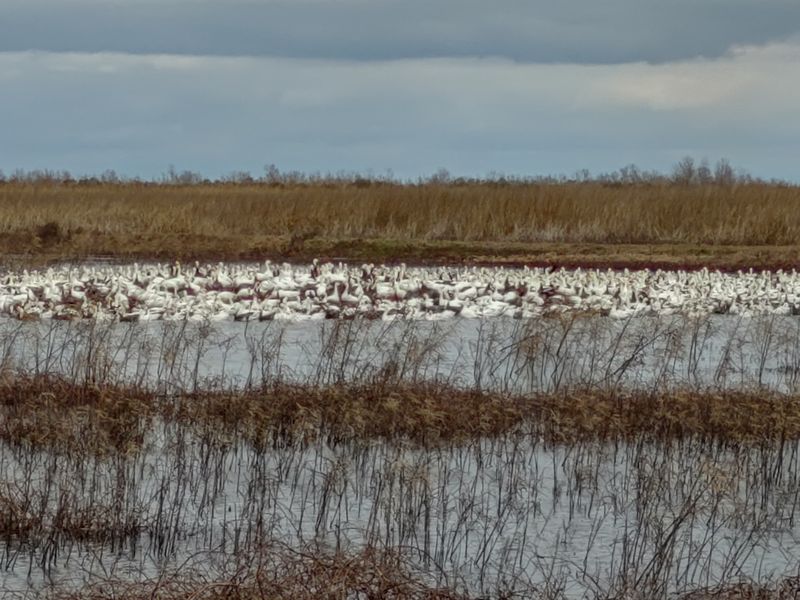
If sheer numbers thrill you, aim for late fall. December has long been a favorite month for regulars, who describe marshes bursting with geese, ducks, and countless other migrating birds.
Late November brings a wave of waterfowl settling in for the winter. Species commonly seen across Louisiana this time of year include Wood Ducks, Mallards, and Blue-winged Teal, along with snow geese that gather in impressive flocks.
Blackbirds add to the drama, sometimes numbering in the tens of thousands in nearby coastal rice fields during mid to late November. Watching a cloud of birds lift and swirl over the marsh is a sight that stays with you.
One honest note from a chilly November visit: on a very cold day, wildlife may hunker down and stay out of sight. Nature does not run on a schedule, so a little patience helps.
Still, the payoff during peak weeks is hard to top. When the waterfowl arrive in force, this quiet preserve turns into one of the liveliest winter gatherings in southwest Louisiana.
Alligators, Turtles, And Other Marsh Neighbors
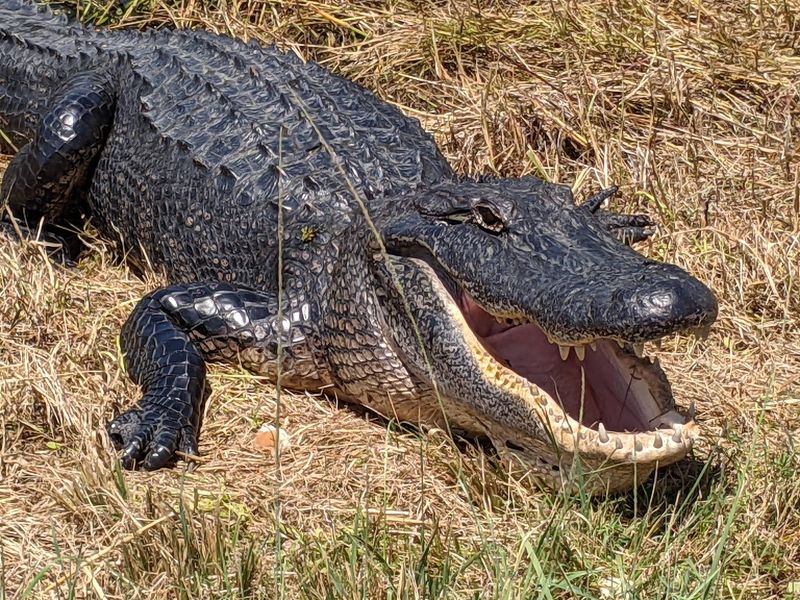
Birds may be the headline, but the alligators steal plenty of scenes. Gators are far and away the most talked-about sight here, spotted lounging in ditches along the roads and basking on the banks.
People report seeing anywhere from a dozen to more than thirty on a single loop, ranging from tiny babies to sturdy mid-sized adults. One visitor joked that spotting so many was like watching dinosaurs with your own eyes.
They are not alone. Turtles pile onto logs, nutria paddle through the water, and now and then a snake slips across the path, rounding out the marsh’s quirky cast of residents.
Because these are wild adult alligators, a few visitors caution that the spot may not suit pets or very young children who might wander. And please, never feed the gators.
Heading south from the refuge adds a bonus: large osprey often perch atop telephone poles near the bridge. From reptiles to raptors, the variety of creatures makes every trip feel a little different from the last.
A Paradise For Wildlife Photographers
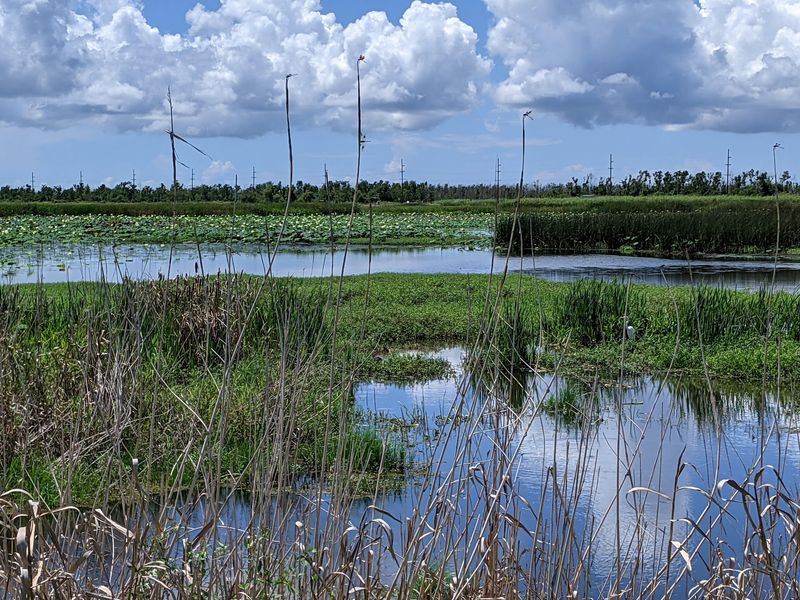
Shutterbugs, take note: this refuge has earned a loyal following among wildlife photographers. The mix of birds, reptiles, and open marsh light creates endless chances for a memorable shot.
From the Pintail drive, your car doubles as a portable hide, letting you frame snow geese, egrets, turtles, and sunbathing alligators without disturbing them. The boardwalk offers a second angle, perfect for close-ups of prairie grass and the creatures tucked within it.
Fans of the place recommend patience and a slow pace. Idling along at a crawl gives you time to spot subjects and steady your camera before they move.
One thoughtful reminder from the regulars: when you stop for that perfect frame, pull over so other drivers can pass. Courtesy keeps the loop enjoyable for everyone.
Golden light over the wetlands, reflections in still water, and the drama of migrating flocks all add up to rich material. Whether you shoot with a big lens or a phone, you will likely leave with a memory card full of keepers and a strong urge to return.
A Calm Escape For Families And Curious Minds
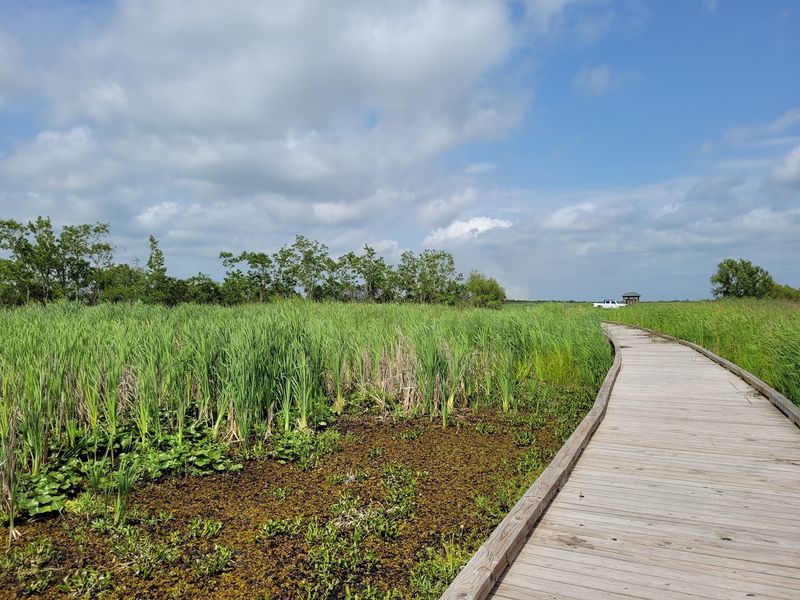
There is a soothing quality here that visitors mention again and again. Driving through the refuge feels peaceful, a slow exhale away from the noise of everyday life.
Homeschool families treasure it as a place where learning happens naturally. Kids can watch an alligator resting along the marsh, spot birds gliding overhead, and chat about how wetlands and wildlife fit together, all in one gentle afternoon.
The stay-in-your-vehicle setup makes it welcoming for a wide range of visitors, including those who cannot walk far or who feel cautious around wild animals. You control how much you explore.
Because adult alligators are present, some parents suggest keeping a close eye on little ones and leaving pets at home if you plan to step outside. A dash of common sense keeps everyone comfortable.
Whether you come for birdwatching, photography, or simply a quiet spot to wander with your kids, the refuge delivers a wholesome, unhurried outing. Families report returning many times, and it never seems to disappoint.
For curious minds of any age, it is a small window into a wild and wonderful ecosystem.
Hours, Contact, And Getting There
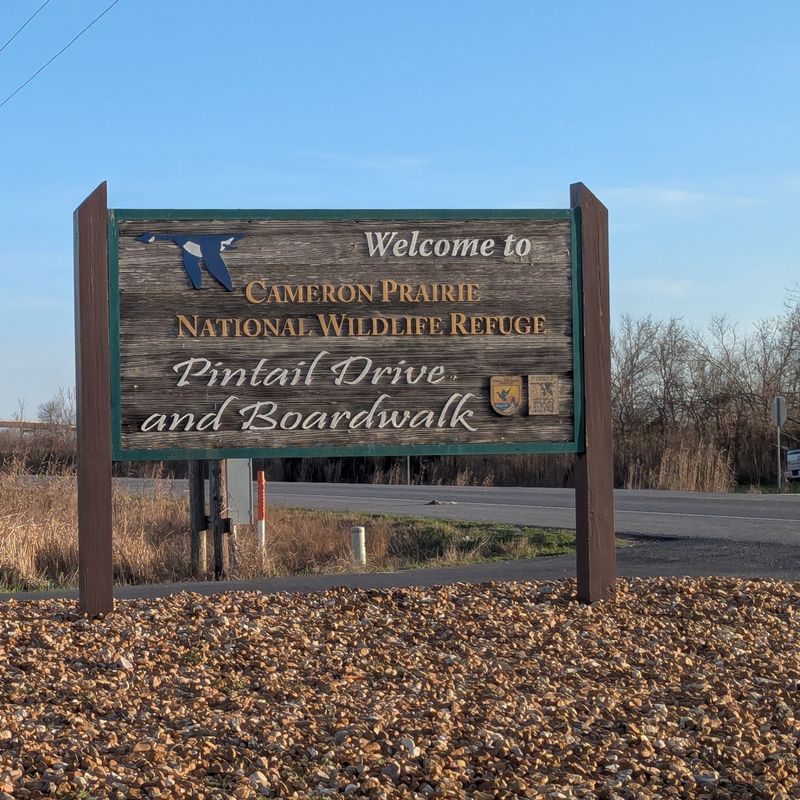
Planning a visit is refreshingly simple. The refuge sits at 1428 LA-27, Bell City, LA 70630, an easy stop for anyone traveling toward Creole or the southwest Louisiana coast.
Doors open at 7:30 am Monday through Friday and stay open until 4 pm. Saturdays run a bit shorter, from 9 am to 4 pm, and the refuge is closed on Sundays, so plan around that day.
Because much of the appeal is a free-flowing auto tour and boardwalk, this makes for a budget-friendly outing. A visitors center on site helps you get oriented and learn about the marsh before you head out.
Want to check details or ask about current conditions? You can call ahead at +1 337-598-2216 or browse the official page at fws.gov/refuge/cameron-prairie.
One practical tip from experienced visitors: if you plan to leave your car, bring insect repellent, since the marsh can attract bugs. A little preparation goes a long way toward a comfortable trip.
With a location right off the highway and generous weekday hours, fitting this refuge into a road trip is easy.
Why This Refuge Belongs On Your Fall List
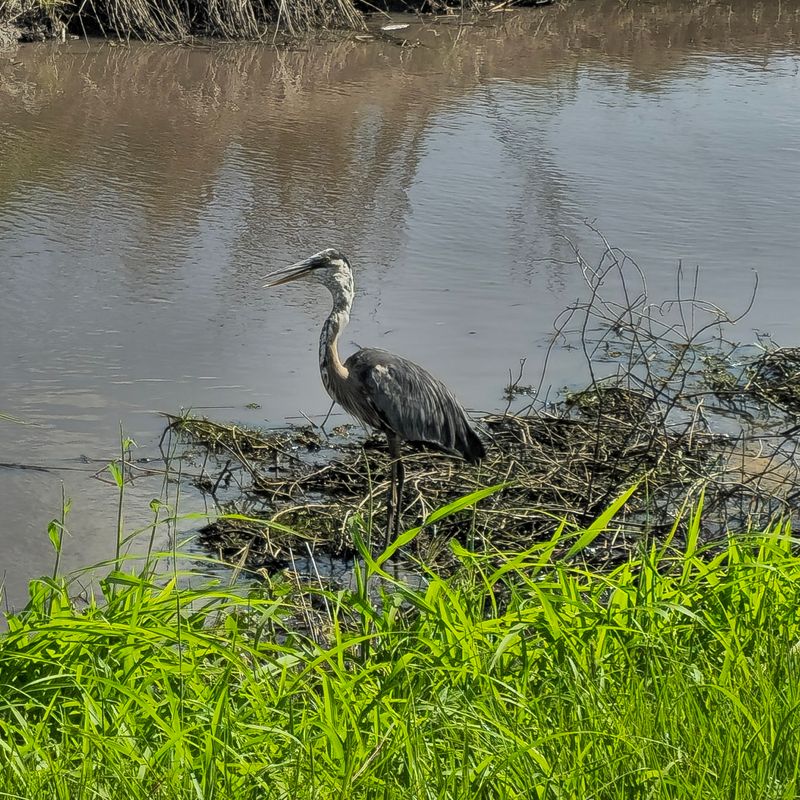
Some places try to dazzle you. This one simply invites you to slow down and look.
Between the migrating flocks, the sunbathing gators, and the hush of the marsh, Cameron Prairie rewards visitors who arrive with a little patience.
The magic peaks in fall and early winter, when the Mississippi Flyway sends waves of ducks, geese, and songbirds down to these wetlands. Time your trip for September through October or the late-November rush, and you may witness the marsh come alive with wings.
It is easy to reach, gentle on the budget, and flexible enough for photographers, families, and anyone who craves a peaceful drive through wild country. The high praise from hundreds of visitors speaks to how memorable those quiet loops can be.
Keep in mind that wildlife follows its own calendar, so a cold or off day might be sleepier than expected. Come back another week and the scene may look completely different.
For a genuine slice of Louisiana’s wild heart, this refuge is well worth planning your fall around. Pack your camera, bring some bug spray, and take it slow.