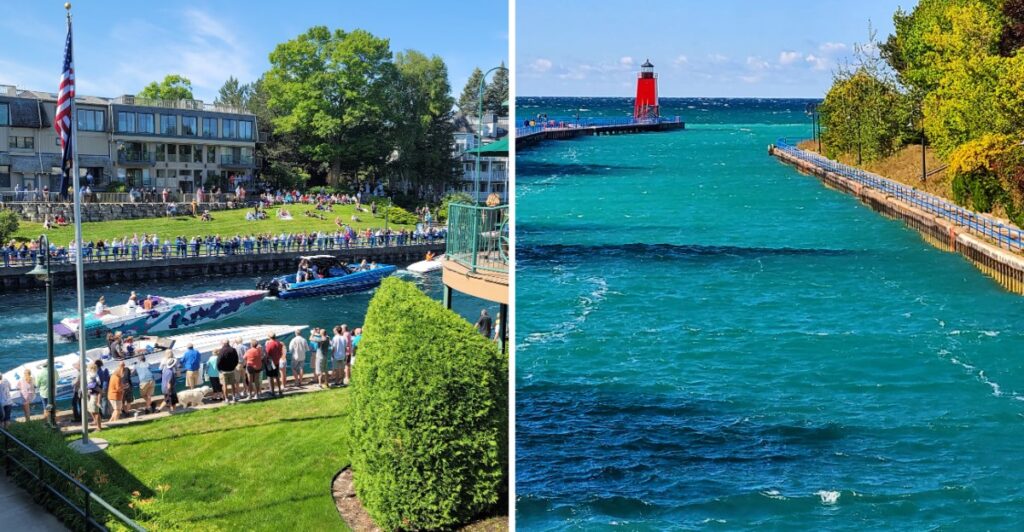
Some small towns seem to change personalities when summer shows up.
This northern Michigan community had just 2,348 residents in the 2020 Census, but that number feels very different once seasonal visitors arrive. Streets get busier, the waterfront fills in, and the pace picks up fast.
Then late fall changes the tone again.
Tourism supports local businesses, but it also brings bigger conversations about housing, traffic, and short-term rentals for the people who live here year-round.
That contrast is what makes this place interesting to me.
The lakes stay where they are. The streets do too. But the town you meet in July can feel almost unrelated to the one waiting in November.
Ready to see how much one small Michigan town can change with the calendar?
Summer Makes A Small City Feel Much Bigger
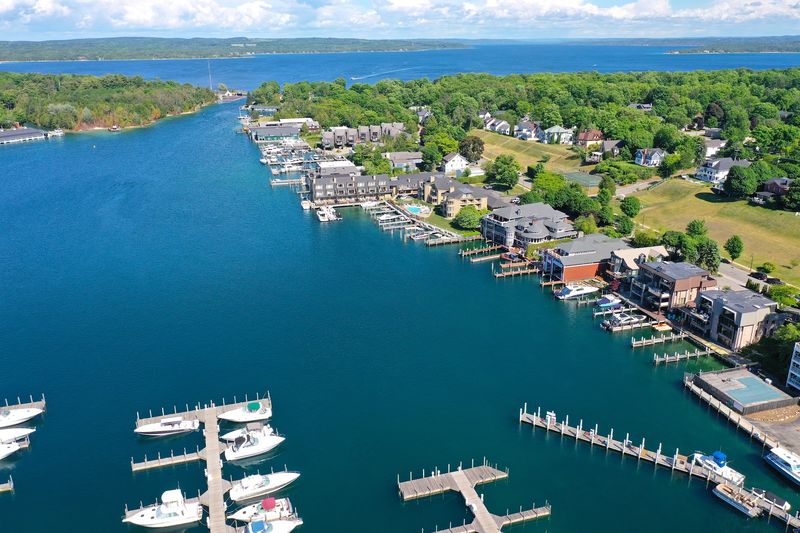
Charlevoix is small on paper. The 2020 Census counted 2,348 residents in the city, a number that helps explain why the summer change can feel so pronounced. Seasonal growth has been part of community life here for years.
The population rises dramatically during summer because of tourism and the large number of vacation and seasonal homes.
That influx supports commercial activity the year-round population alone could not maintain, giving downtown a very different rhythm during peak season.
Summer centers on boating, beaches, outdoor events, downtown shopping, and waterfront recreation, while tourism and recreation remain important pieces of the local economy.
That seasonal intensity also helps explain why downtown businesses, public spaces, and transportation systems can feel very different from one month to the next.
More visitors support shops, restaurants, events, and recreation, while the quieter months return the streets to a pace closer to the permanent population.
Summer brings the fullest version of the resort-town rhythm.
Water Explains A Lot Of The Seasonal Pull
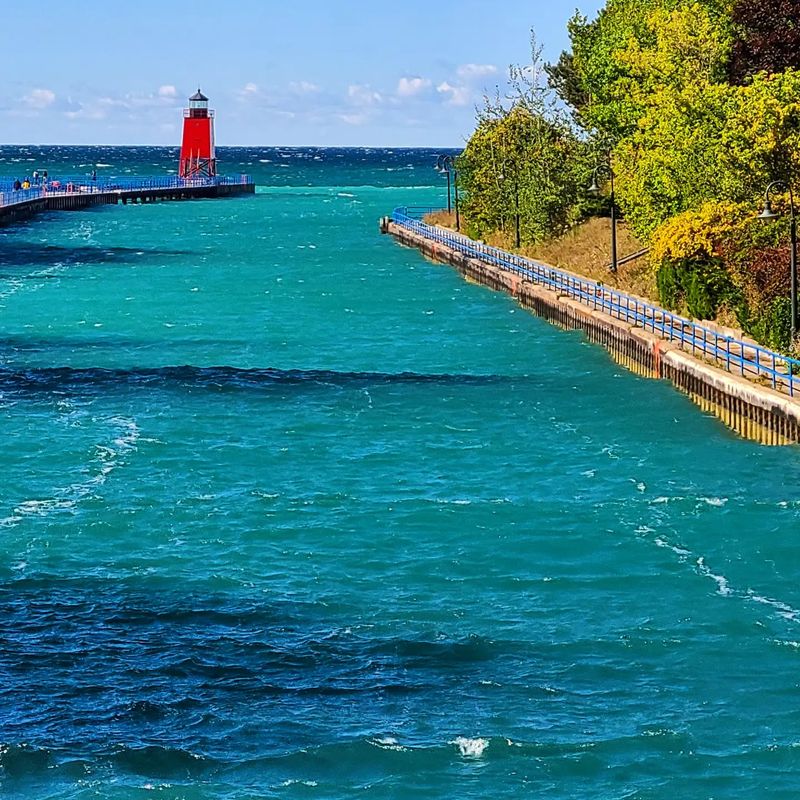
Charlevoix’s location does plenty of the tourism work before any event calendar gets involved. The city surrounds Round Lake and sits between Lake Michigan to the west and Lake Charlevoix to the east.
The Pine River Channel connects Round Lake with Lake Michigan, while the waterways keep downtown closely tied to boating and waterfront life.
That puts beaches, boating, fishing, marinas, and waterfront walks close to downtown.
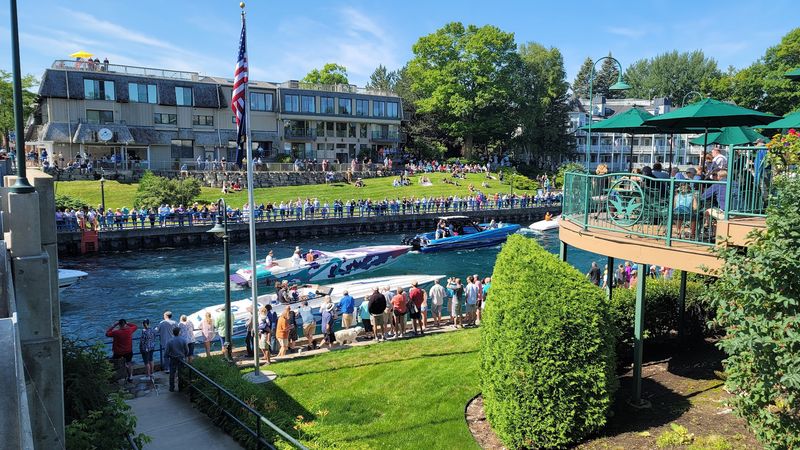
During summer, the drawbridge over the Pine River Channel opens on the hour and half hour for larger boats, and the resulting traffic backups are familiar enough that timing a trip around bridge openings can save a little waiting.
The contrast captures the seasonal trade-off without needing much drama. The same water access that brings recreation and business also changes how streets, parking, and travel work during the busiest months.
Charlevoix remains active beyond summer too. Fall shifts toward foliage and scenic drives, while winter brings snowy trails and seasonal recreation.
The lake-town identity stays put while the pace around it changes. If your ideal afternoon involves beaches and boats, summer makes sense. If you would rather walk downtown with a little more breathing room, another season can show you a quieter side.
During the busiest weeks, leaving a little extra time for bridge openings and downtown traffic makes the day easier. There is no prize for squeezing three waterfront stops into the time it takes the bridge to rise and fall.
Seasonal Homes Have Long Been Part Of The Housing Mix
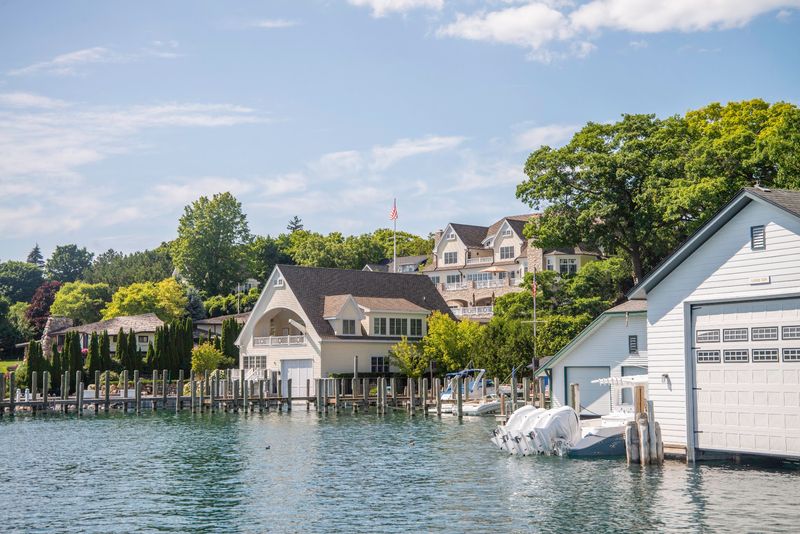
Vacation housing is not a new arrival in Charlevoix. Seasonal occupancy has a long history across the city, and many older homes were originally built with summer residents in mind.
By 2019, 920 housing units, or 42 percent of the city’s housing stock, were vacant. Of those vacant units, 778 were used for seasonal housing, showing how strongly part-time occupancy shaped the local housing picture at that point.
The exact share changes over time, but seasonal housing remains part of the community’s long-running housing story.
Limited supply adds another piece of the puzzle. Strong demand for desirable homes can push prospective residents to widen their searches beyond city limits when suitable properties are unavailable.
A housing market serving seasonal owners, renters, workers, retirees, families, and prospective year-round residents has several different jobs to perform at once.
That is where the lake-town postcard meets the practical side of housing. The water draws people in, but finding enough homes for different kinds of residents requires a much longer conversation than choosing a beach for the afternoon.
Short-Term Rentals Became A Bigger Policy Question
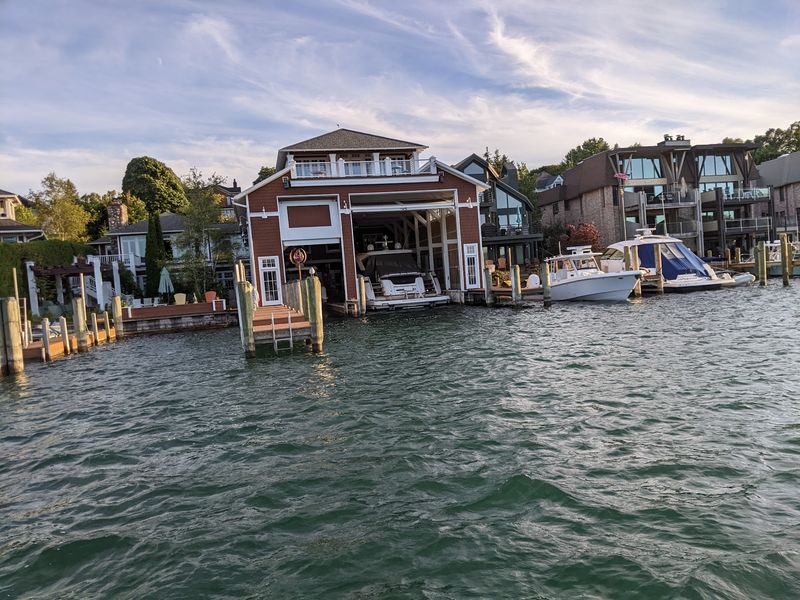
Online short-term rentals added a newer layer to an older seasonal-housing pattern. By 2022, some single-family homes that had once been owner-occupied were operating as dedicated vacation rentals without primary occupants.
Short-term rentals can bring economic benefits to property owners, businesses, and tourism-related workers. Poorly managed rentals can also affect neighborhoods, housing availability, health, and safety.
Charlevoix regulates the rentals rather than banning them citywide. Short-term rentals must be registered, comply with applicable requirements, and remain subject to local standards and enforcement. The number of rentals is capped within residential zones.
The city currently reports 80 active Business Short Term Rental licenses, with additional Personal licenses also in place.
For travelers, a weekend rental may simply be where the bags land.
For year-round residents and local officials, that same property sits inside a broader system involving housing supply, neighborhood activity, tourism income, and local rules.
If you stay in one, the simplest courtesy is also the most useful: treat the block like a neighborhood, not an extension of the vacation schedule.
The result is less a simple argument for or against rentals and more an ongoing question about how much seasonal lodging a small city can absorb while continuing to serve people who live there throughout the year.
The City Uses Caps And A Waiting List
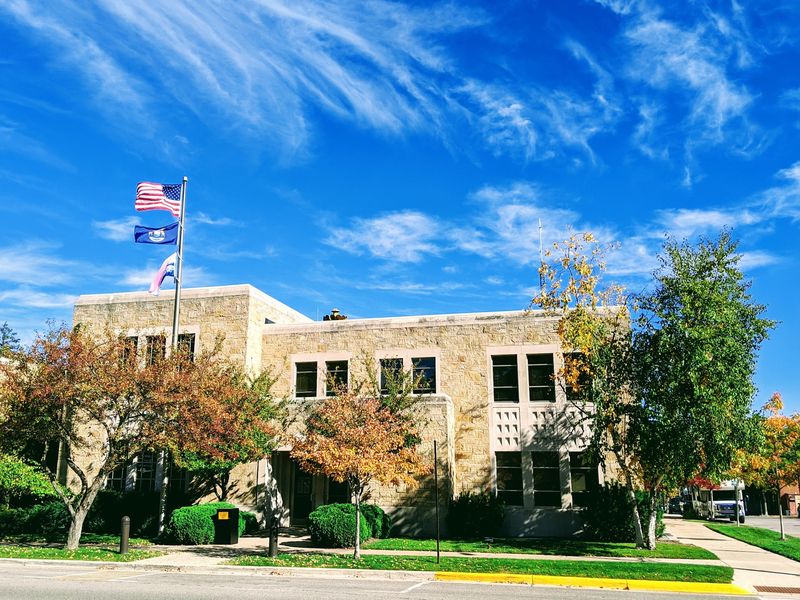
Short-term rentals are capped within Charlevoix’s residential zones. When the allowable number is reached, applicants can enter a waiting-list system rather than automatically receiving a license.
The current structure grew from rules first adopted in 2020. By 2021, the city had reached the maximum number allowed under that system, and a waiting list was in effect.
The process changed again in August 2025, when the City Council adopted Ordinance No. 860.
When a license becomes available, the first person on the relevant waiting list receives 30 days to accept it and pay the required fees, with the inspection scheduled within the required period. The ordinance also revised how the waiting list is maintained.
Those rules work alongside registration, capacity limits, building requirements, nuisance standards, and inspections. Together, they are meant to limit neighborhood and housing impacts while preserving the economic role short-term rentals play.
Tourism is not separate from Charlevoix’s economy, so the balancing act has real consequences in both directions. Visitors support lodging, restaurants, shops, recreation, and events.
Housing availability and neighborhood conditions matter to the people who keep the city functioning after peak season ends.
The rules turn that balancing act into something concrete: permits, caps, inspections, and a queue instead of an unlimited number of new rentals.
Tourism Also Shapes Everyday Movement
Housing is only one part of the seasonal equation. Charlevoix’s transportation rules also reflect the practical effects of heavy visitor activity.
Motor coaches and large buses now have designated routes and restrictions within the city. They can use approved streets and downtown areas but are generally restricted from residential streets unless an exception is authorized.
Public safety, congestion, road wear, noise, and residential conditions all factor into those rules while tourism transportation continues to be accommodated.
Busy pedestrian areas have their own limits. Certain downtown waterfront and shopping spaces are designated No Wheels Zones, restricting bicycles, e-bikes, scooters, skateboards, and similar devices where foot traffic is heaviest.
Even the drawbridge changes an ordinary trip. During the summer season, it opens on the hour and half hour for larger watercraft, temporarily stopping vehicle and pedestrian traffic.
City Hall is at 210 State Street, Charlevoix, MI 49720, where the municipal departments involved in planning, licensing, and local administration are based.
For a visitor, waiting through a bridge opening may simply become part of the afternoon. For a small city, moving residents, pedestrians, boats, tour traffic, and summer visitors through the same compact downtown requires considerably more planning.
Walking short downtown distances can take one more car out of the mix, and planning around the bridge can spare you a few minutes of staring at brake lights.
Charlevoix Is Managing Two Seasonal Rhythms At Once
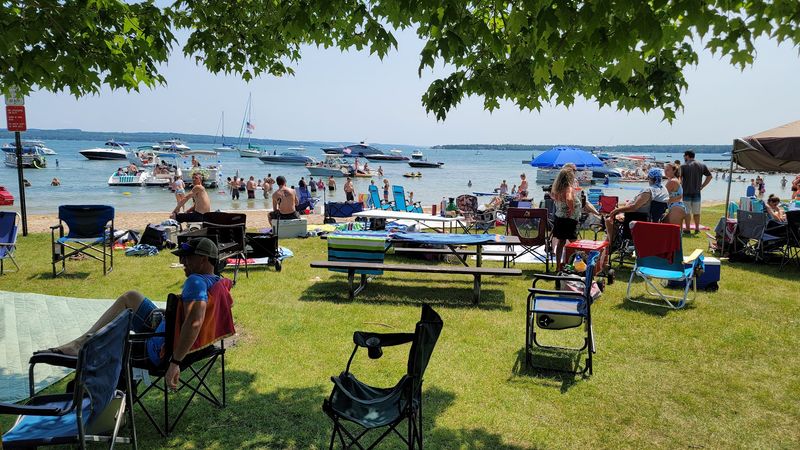
Charlevoix remains firmly connected to tourism in 2026. Summer still centers on boating, beaches, events, downtown shopping, and outdoor recreation, while the visitor calendar continues through fall, winter, and spring.
At the same time, year-round housing, neighborhood conditions, transportation, and local services remain part of the city’s ongoing work.
Short-term-rental caps are active, a waiting-list system remains in place, and seasonal traffic continues to influence how people move through town.
Tourism supports commercial activity that would be difficult for a city with such a small permanent population to sustain by year-round demand alone. The same seasonal economy can also create pressure on housing, streets, and neighborhoods.
Charlevoix is a small city built around water, seasonal travel, and a long resort tradition, now using modern rules to handle modern pressures.
Summer may bring the sharpest contrast, but the tourism calendar, housing policies, and transportation rules all show that seasonality is something the community plans around rather than a surprise that arrives each June.
If you visit, a little awareness goes a long way. Give the bridge time, follow rental rules, respect residential streets, and remember that the postcard is also somebody’s hometown. The town keeps its lake-town character by balancing both sides of the season.