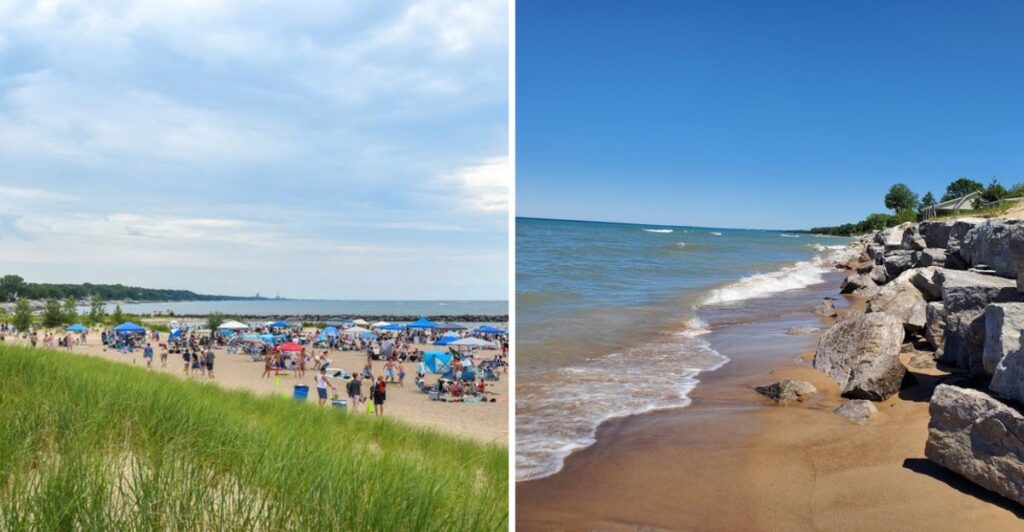
What happens when a tiny lake town meets a huge summer crowd?
In Michigan, this small city changes fast once warm weather arrives. The year-round population stays under two thousand, but the pace around the lakefront tells a very different story.
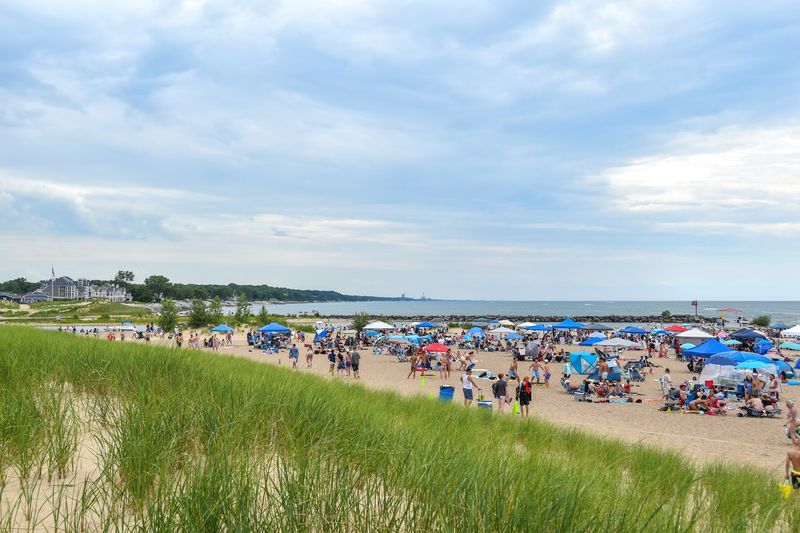
The beach fills. Parking gets competitive. Downtown moves faster, and the marina adds another stream of visitors arriving from the water.
That is a lot of activity for a place this compact.
Summer has pushed the city to rethink traffic, parking, and how its busiest spaces are used. Those changes are not abstract either. Residents, businesses, and officials have all had to adjust as the season grows busier.
The town is still small. The lake is still the draw.
So how does a quiet Michigan getaway keep its balance when summer starts changing the rhythm of everyday life?
A Tiny Population Meets A Very Big Summer
New Buffalo’s year-round population is just 1,708.
That number makes the seasonal shift easier to understand.
For most of the year, the city keeps the scale of a small Lake Michigan community. Then beach season arrives and far more people begin sharing the same streets, sidewalks, parking spaces, and lakefront.
The city sits in Berrien County, close to the Indiana state line, with Lake Michigan directly in front of it.
That location does a lot of the work.
You do not need a weeklong vacation to get here from the Chicago area. In light traffic, the drive can take around 90 minutes, which makes New Buffalo easy to choose for a quick getaway rather than a complicated trip.
Easy access also means visitors can arrive in large numbers over the same few hours.
The permanent population does not change, but the rhythm does.
A town built around fewer than two thousand residents starts handling beach traffic, shoppers, boaters, day-trippers, weekend visitors, and people passing through at the same time.
That is when a small city begins carrying a much larger summer workload.
Chicago Is Close Enough To Make A Beach Day Feel Spontaneous
The distance from Chicago helps explain why New Buffalo receives so much warm-weather traffic.
In favorable conditions, the drive can take around 90 minutes.
That is close enough to make the lakefront feel less like a vacation destination and more like an afternoon possibility.
Leave the city, follow I-94, cross into Michigan, and Lake Michigan appears before the drive has had time to feel like a major road trip.
New Buffalo is also one of the first notable beach-town stops many Chicago-area drivers reach once they enter Michigan.
For someone who does not want to continue farther up the shoreline, stopping here makes obvious sense.
Families can make it a day trip. Weekend visitors can arrive Friday and still have most of the evening left. A beach plan does not need months of preparation.
The trade-off is equally obvious.
The same short trip that makes New Buffalo convenient also directs a lot of people toward one small lakefront.
Convenience is wonderful until half the interstate seems to have noticed it too.
The Beach Packs A Lot Into Fifteen Acres
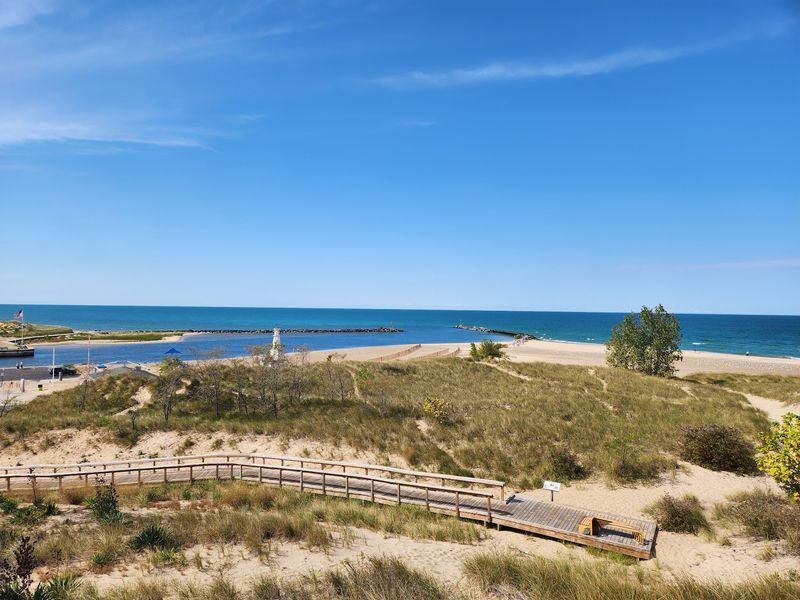
New Buffalo Beach and Lakefront Park sits at the center of the summer activity.
The park covers about 15 acres and includes roughly 800 feet of Lake Michigan shoreline.
Within that space are sand, dunes, walkways, trails, restrooms, and lake access. It is a useful amount of shoreline for a small city, but still a compact setting once summer demand rises.
The beach delivers exactly what many visitors came for.
You get broad lake views, sandy shoreline, dune scenery, and an easy connection back toward town.
The lake can change the mood of the day quickly.
One minute you are thinking about traffic.
The next, you are staring at blue water stretching to the horizon and wondering why the parking lot seemed so important five minutes earlier.
The lakefront sits at 200 Marquette Dr, New Buffalo, MI 49117.
From there, downtown is close enough that the beach does not have to be the only stop of the day.
About Two Hundred Parking Spaces Can Fill Faster Than You Think
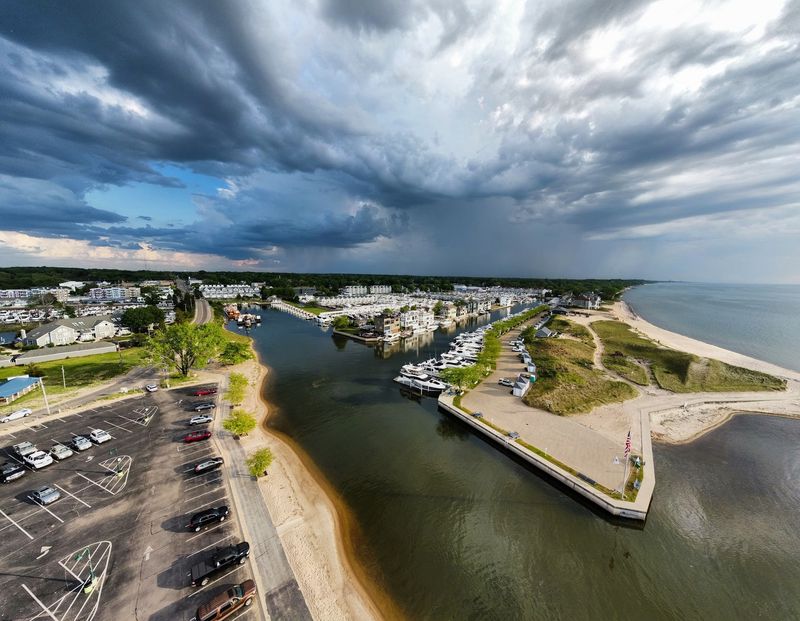
Parking is where a small lake town starts showing its limits.
The beach has roughly 207 parking spaces.
That sounds reasonable until a sunny weekend sends far more than 207 cars toward the same destination.
Then the math becomes personal.
New Buffalo has spent years trying to manage that pressure, especially as beach visitors and downtown activity compete for limited space.
By 2026, the city had a mix of paid parking, free short-term street parking, free all-day options, and holiday-weekend shuttle service.
That system gives visitors more choices than one packed beach lot, but it also shows how central parking management has become.
This is not a minor logistical detail sitting in the background.
Parking has been one of the clearest ways New Buffalo has felt the weight of summer popularity.
The city has had to think about turnover, access, traffic circulation, and how long cars remain in prime downtown spaces.
In a city this small, a few hundred vehicles can change the character of a block quickly.
Downtown Congestion Became A Real Local Debate
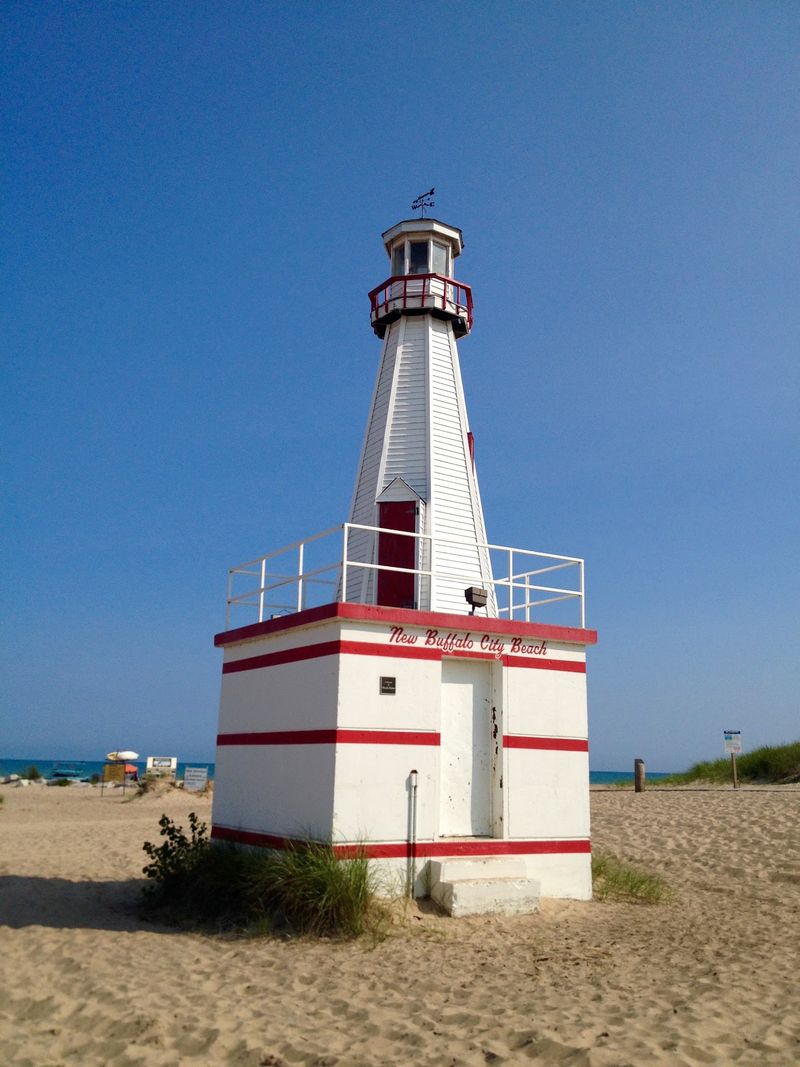
The parking question did not stay confined to the beach.
In 2025, New Buffalo officials moved toward paid parking in the central business district as a way to manage congestion and limited downtown spaces.
Then the proposal met resistance.
Local business owners and residents raised concerns during public discussions, and the plan was paused while officials reconsidered the approach.
That back-and-forth gives a clearer picture of the pressure than any vague statement about the town getting popular.
The issue was specific enough to produce policy proposals, town-hall discussion, and changes to how parking would be handled.
By 2026, the city had moved toward a more detailed system rather than one simple solution.
The updated setup included several parking categories and additional transportation options during peak periods.
The conflict is easy to understand from both sides.
Visitors need somewhere to leave the car.
Businesses need turnover near storefronts.
Residents still need the streets and downtown to function as part of everyday life.
Nobody gets an extra city block just because July showed up.
Boaters Bring Their Own Version Of The Summer Rush
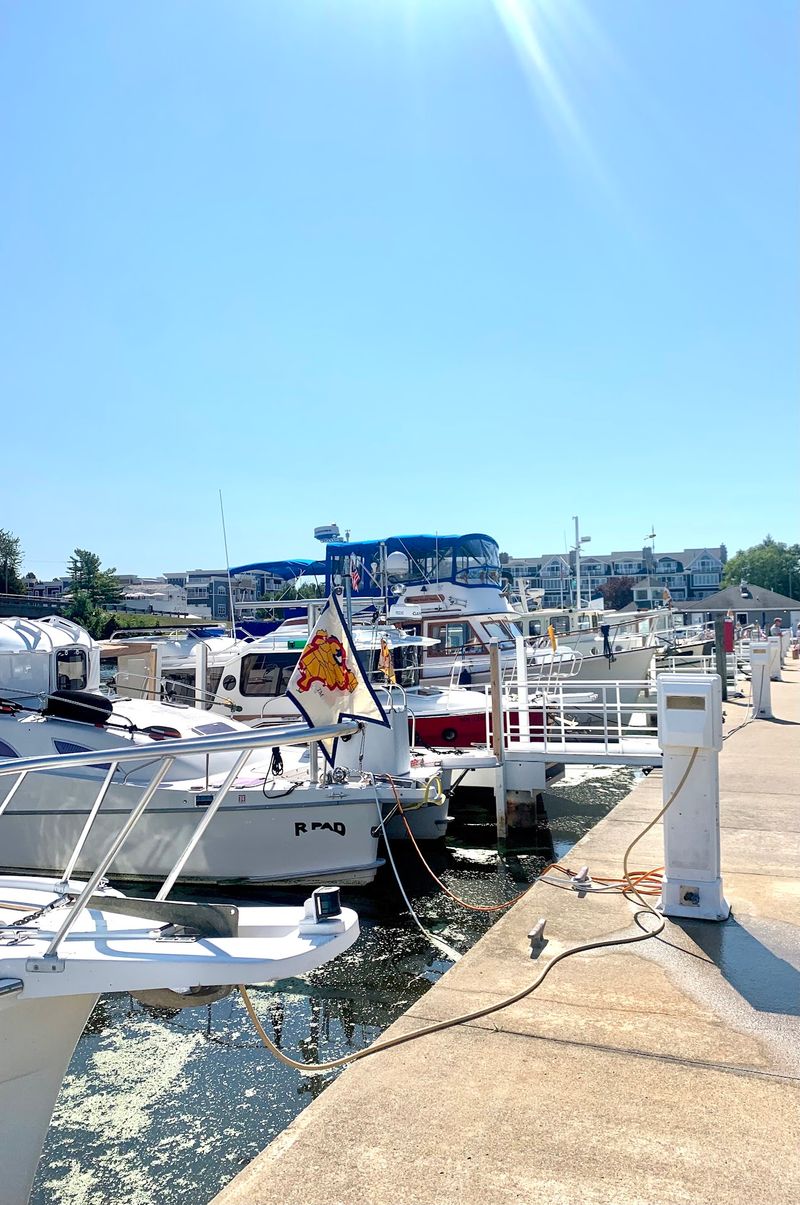
Not everyone arrives by interstate.
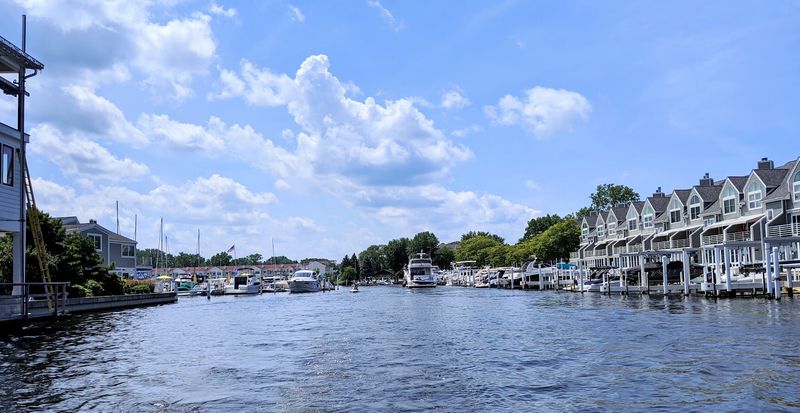
New Buffalo’s municipal marina adds another stream of visitors directly from the water.
The marina has 30 transient slips for visiting boaters, giving people cruising Lake Michigan a place to stop without committing to a permanent berth.
From there, downtown and the lakefront are close enough to continue on foot.
That changes the way the town works during boating season.
Cars are not the only source of seasonal traffic.
People can arrive by boat, tie up, and step directly into the same compact area already serving beach visitors and downtown shoppers.
It is a useful reminder that New Buffalo’s summer popularity comes from more than one direction.
The lake is not just scenery.
It is transportation too.
For boaters, that makes the city easy to fold into a day on Lake Michigan.
For New Buffalo, it means another group arriving to use the same restaurants, sidewalks, shops, and public spaces.
Thirty transient slips may not sound like a huge number.
In a city of 1,708 residents, small numbers start looking different.
New Buffalo Is Learning How To Stay Small While Summer Gets Bigger
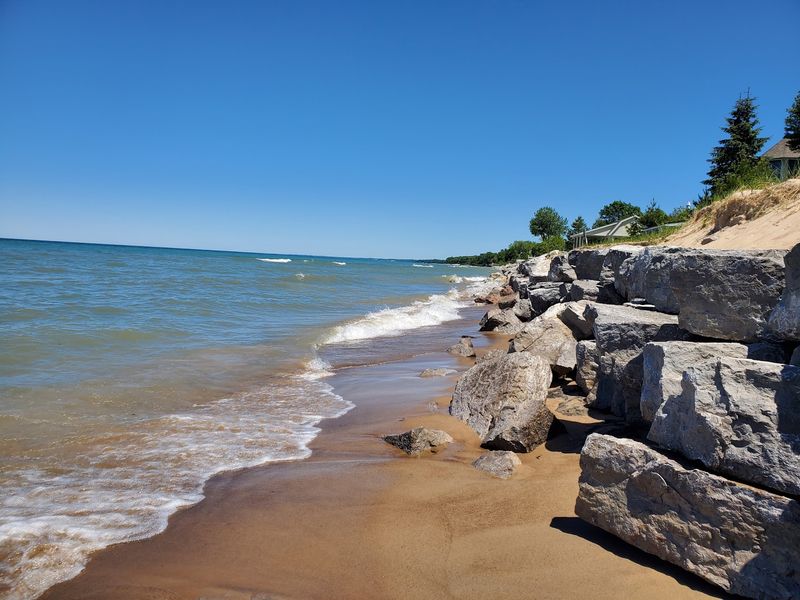
New Buffalo has not stopped being a small Michigan lake town.
That may be the strangest part.
The year-round population remains modest. Downtown is still compact. The beach still occupies the same shoreline.
The municipal marina still serves the same waterfront.
What changes is the number of people trying to use everything at once.
Summer puts more pressure on parking, traffic flow, the beach, downtown streets, and marina access than quieter months ever need to handle.
City officials have responded with parking changes, public discussions, updated maps, and shuttle options.
Residents and businesses have pushed back when proposed solutions created new concerns.
That does not mean the city has lost its identity.
It means popularity has practical consequences.
New Buffalo now has to balance the access that brings people in with the everyday needs of the people and businesses already there.
And because Chicago sits so close, the next wave of visitors is never very far away.
The lake is still there. The town is still small.
The summer crowd is the part that keeps changing the equation.
The same closeness that makes the town easy to enjoy also makes busy periods obvious. There is no enormous commercial strip absorbing the overflow several miles away.
Beach traffic, downtown activity, and marina arrivals all meet within a relatively small footprint, so changes in visitor volume become visible quickly.
For visitors, that contrast is easy to notice in real time.
You can stand on the beach looking across Lake Michigan and feel far from the city, then walk back toward downtown and remember exactly how many other people had the same idea.
New Buffalo has not become a giant resort town.
It has become a very small town carrying a very large summer.