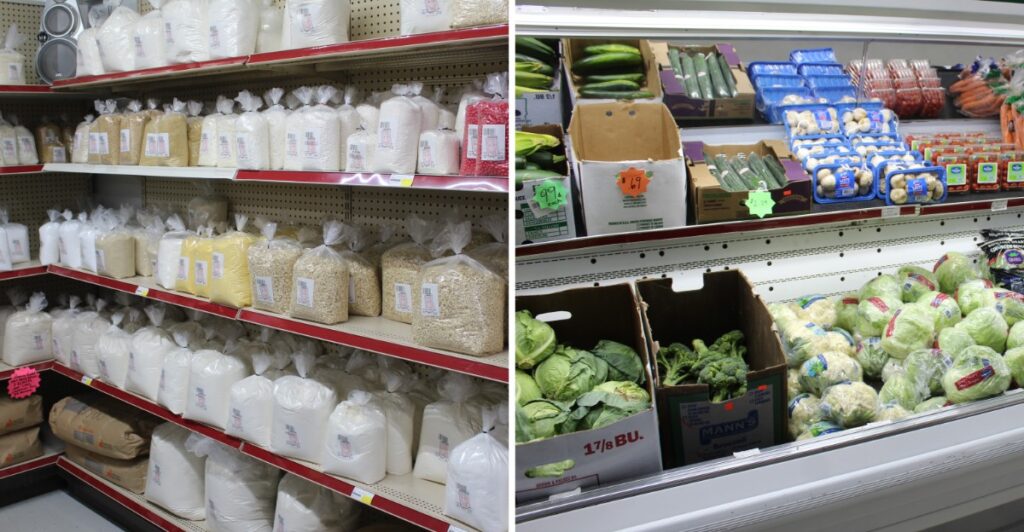
Most grocery stores do not get a plot twist twenty years in.
This northern Indiana one did.
It started in 2004 with salvage groceries and surplus goods, then spent years becoming something much bigger. A major move in late 2024 gave it room to spread out without sanding off the reason people liked it in the first place.
Prices still matter. So does the possibility that today’s shelves look a little different from last week’s.
That is the part I would pay attention to.
You can handle the normal grocery stuff, sure, but the real entertainment is spotting something useful and immediately texting somebody, “Do we need six of these?”
Maybe the answer is no, but the price tag may have other ideas.
The Store Started In A Family Milk Barn
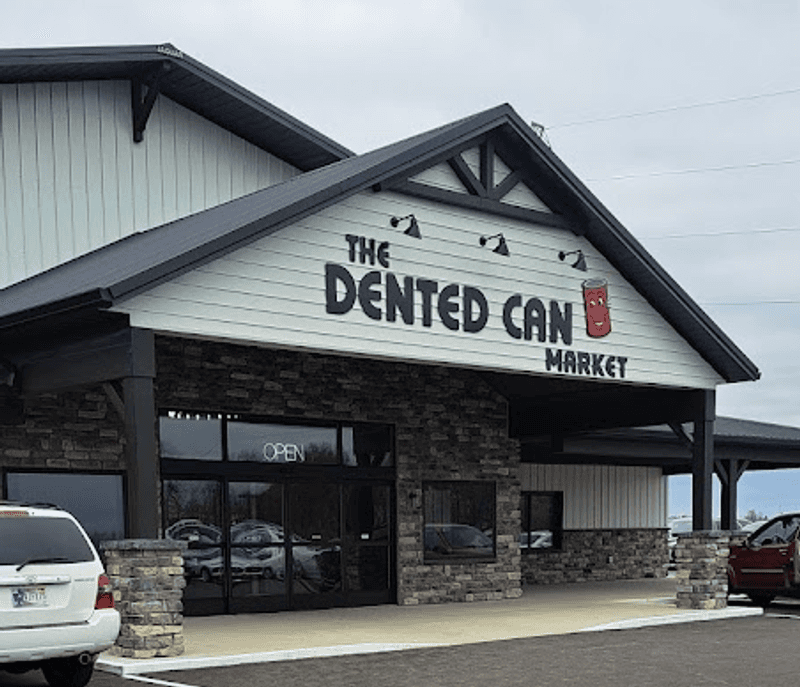
The Dented Can began in 2004 when Paul Royer opened a discount grocery business in his family’s former milk barn near Goshen.
The early operation centered on dented and damaged canned goods along with surplus groceries, bulk foods, deli items, and baked goods.
That first space carried the store for roughly twenty years. Over time, the assortment grew beyond cans and shelf-stable bargains, adding fresh produce, dairy products, meats, and other everyday grocery categories.
Paul’s son, Brenton Royer, later took ownership and continued the family operation. The handoff kept the business within the Royer family while the store moved toward a broader full-market format.
For your own visit, that history explains why the shelves can look different from a conventional supermarket. Some sections are dependable categories, while individual surplus products can come and go.
Bring the ordinary list, but do not expect every brand or package to stay identical from week to week. That little bit of flexibility is part of the salvage-grocery rhythm, and it keeps the trip practical rather than predictable.
Surplus Groceries Keep The Bargain Side Changing
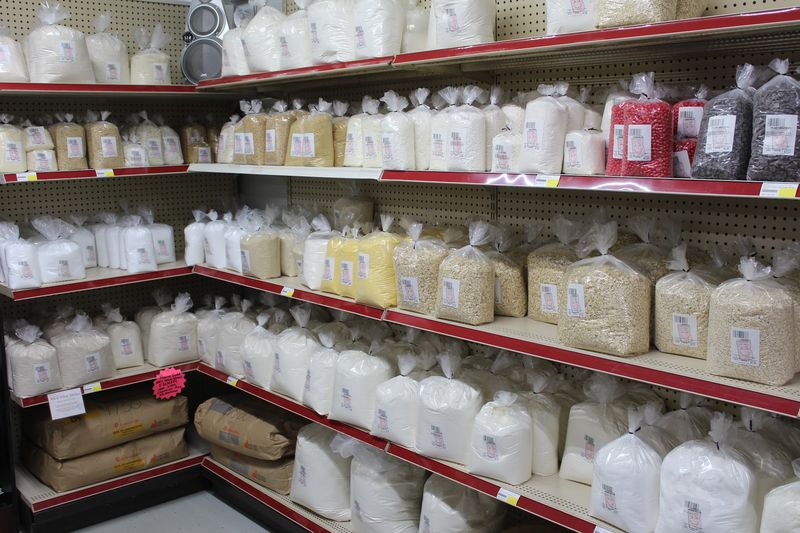
Surplus groceries remain one of the core parts of The Dented Can Market. The store also has a dedicated aisle for discounted products approaching their best-by dates, adding another place to look for lower-priced packaged goods.
That makes label-reading especially useful. Check the date, package condition, quantity, and whether the food fits something you will actually use soon. A bargain works better when it solves a real pantry need instead of simply looking cheap on the shelf.
Best-by dates generally relate to quality rather than serving as automatic safety cutoffs. Package condition is a separate concern, so damaged seals, swelling, leakage, or signs of spoilage deserve their own attention.
The changing assortment is easiest to handle when you separate needs from opportunities. Put the items you came for in the cart first. Then look through the surplus section for something that solves a real meal, snack, or pantry need.
That approach keeps bargain shopping from becoming bargain collecting. A low price is much more helpful when the package gets opened at home instead of spending six months behind the cereal.
The discount side can be unpredictable, but the broader market now gives you more dependable departments to fall back on.
The New Store Added Much More Room
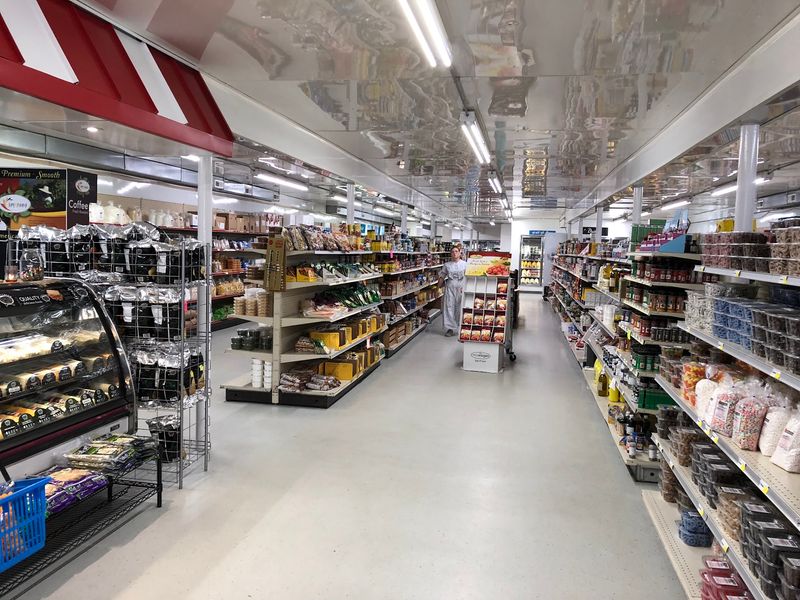
In December 2024, The Dented Can marked twenty years in business with a move into a much larger building. The new market has about 12,000 square feet of retail space, another 8,000 square feet of warehouse space, and a 476-square-foot enclosed entrance.
The expansion changed more than the walking space. Extra freezer and cooler capacity allowed the store to carry a larger range of chilled and frozen groceries, including deli meats and cheeses.
The business also adopted the name The Dented Can Market as the operation grew into a more complete grocery stop.
That gives you more ways to build an actual weekly shopping trip around the store instead of treating it only as a place for occasional bargain finds.
A larger warehouse also matters behind the scenes. Surplus buying depends on having room for changing inventory, and the expanded storage area gives the business far more space than the original milk-barn location.
For shoppers, the practical advantage is simpler. You can move from pantry goods to the deli, then into refrigerated, frozen, or fresh categories without needing another grocery stop for every basic ingredient.
The newer building did not change the store’s salvage roots. It simply gave the operation more room for both bargain goods and regular grocery departments.
Bulk Foods And The Deli Cover Everyday Staples
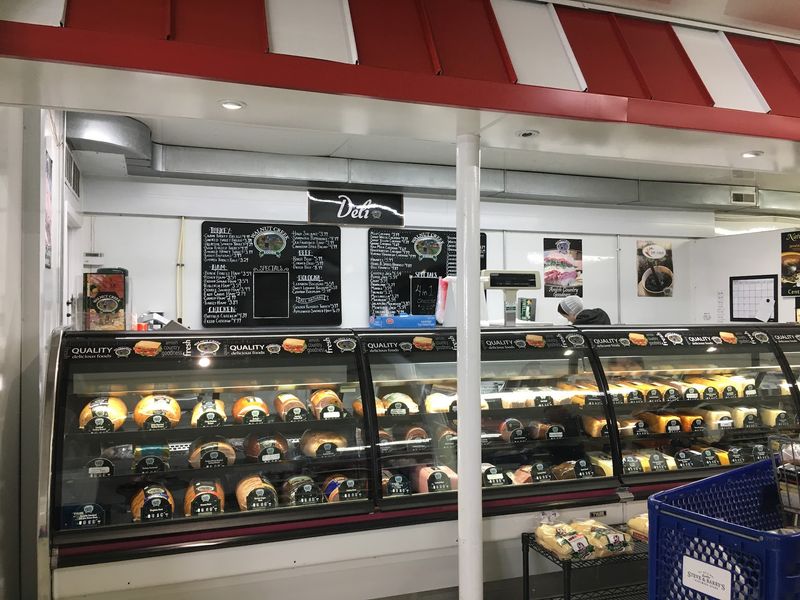
Bulk foods have been part of The Dented Can since its early years and remain part of the current market. Dry goods and baking staples give scratch cooks another place to fill the pantry while the surplus shelves handle more unpredictable finds.
The deli adds a steadier source of meats and cheeses. The expanded building created more cooler space for those products, making the counter useful for sandwich ingredients, quick lunches, and groceries that can carry through several days.
Homestyle preserves, bakery items, frozen foods, and household essentials also broaden the assortment beyond cans, boxes, and marked-down shelf goods.
There is an easy order for tackling these departments. Start with whatever needs refrigeration, choose deli quantities based on how many lunches you will actually make, then move into dry goods once the cold items are handled.
Bulk buying deserves the same restraint as any other bargain. More product does not automatically mean more value if half of it sits untouched.
Choose amounts that match your storage space and cooking habits. A well-stocked pantry is useful. A pantry that requires excavation equipment is another matter entirely.
That small bit of restraint leaves room for a new preserve, loaf, or deli item without turning one grocery run into a storage project.
Fresh And Cold Foods Turn It Into A Fuller Grocery Stop
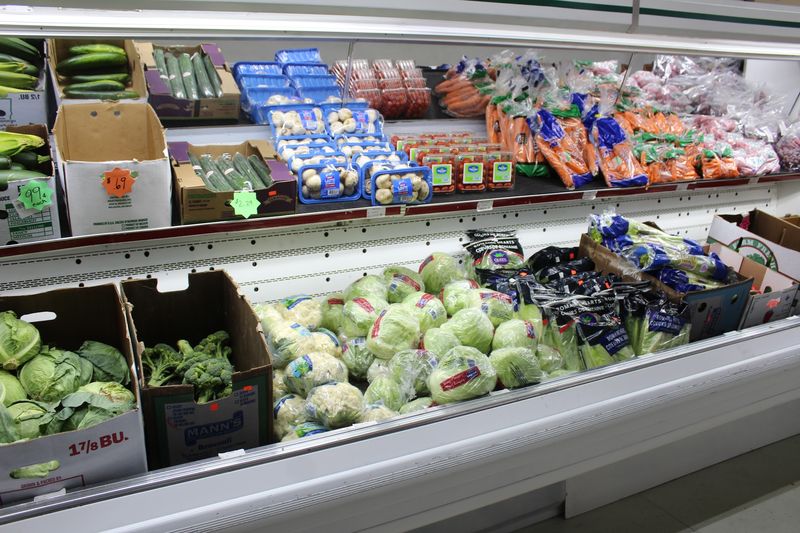
The larger market has enough cooler and freezer space to support a much broader fresh-and-cold selection than the original outlet could handle. Produce, dairy products, meats, deli cheeses, and frozen foods now sit alongside the bulk and surplus sections.
The expansion also created room for more locally sourced items, including products from a Goshen coffee roaster. That gives the shelves another regional element without changing the store’s bargain-grocery focus.
That mix makes the market easier to use for real meal planning. Pantry bargains may handle pasta, snacks, canned goods, or baking ingredients, while produce and cold foods can cover the ingredients that need to be used sooner.
Shop the most temperature-sensitive items near the end if you expect to browse for a while. If the ride home is long, a cooler in the car is a simple way to protect chilled and frozen groceries.
Fresh sections are also where a rigid list can become frustrating. Availability can move with deliveries and seasonality, so it helps to have one backup vegetable, fruit, or protein in mind rather than making dinner depend on a single exact item.
Cover the meal first. The surprise bargains can join it afterward.
Current Hours Make A Weekday Or Saturday Visit Easy
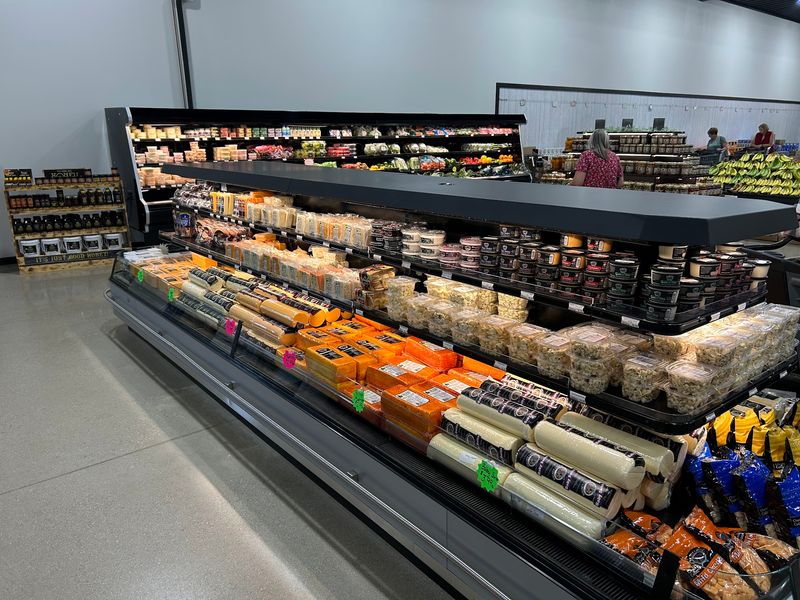
Current hours are Monday through Friday from 8 a.m. to 5:30 p.m. and Saturday from 8 a.m. to 3 p.m. The store is closed Sunday.
The Saturday closing time is the one most likely to matter if you are combining the trip with other errands. An early start gives you more room to browse the changing surplus section without watching the clock.
Weekdays offer the longest shopping window. If the goal is only deli meat, bulk staples, or a few cold items, the trip can stay quick. If you enjoy checking every bargain shelf, give yourself more time.
If frozen or refrigerated groceries are part of the plan, bring a cooler when the trip home includes extra stops. That keeps the cold items handled while you finish the rest of the day.
The larger building gives you enough departments to make a proper grocery run out of the visit, but that does not mean every aisle needs a contribution to the cart.
Once you reach 25941 State Road 119, Goshen, IN 46526, let the shopping list handle the necessities and give the surplus shelves only the space that remains.
A Little Strategy Makes Salvage Shopping More Useful
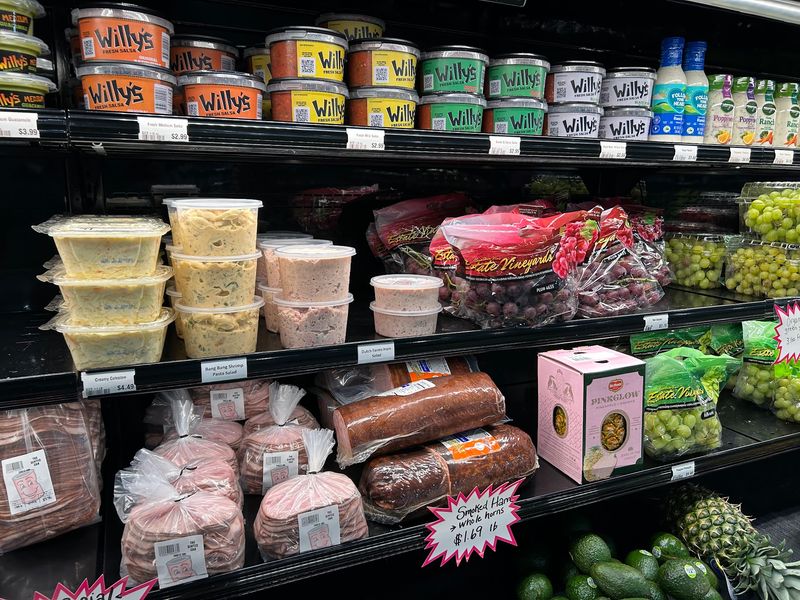
A salvage grocery trip gets easier when you treat the changing inventory as an advantage rather than a promise.
The Dented Can Market has enough regular departments now to cover plenty of ordinary grocery needs, but surplus stock still depends on what becomes available.
Begin with a short list of essentials. Check the deli, bulk foods, fresh items, dairy, meat, and frozen sections for anything that belongs in the week’s meals. Then look through the discount shelves for useful extras.
Read dates and inspect packaging before buying. That small habit matters in a salvage setting, especially when products may be discounted because of surplus inventory, cosmetic damage, or their place in the retail cycle.
Do not buy six of something unfamiliar just because the price is tempting. One package can audition for the pantry first.
The same rule works with bulk foods. Buy enough to be useful, not enough to require a new storage system.
Two decades after the business started in a family milk barn, the bigger market offers far more than dented cans.
The formula still rewards the same kind of shopper: arrive with a plan, stay flexible, check what you are buying, and let the good finds earn their space in the cart.