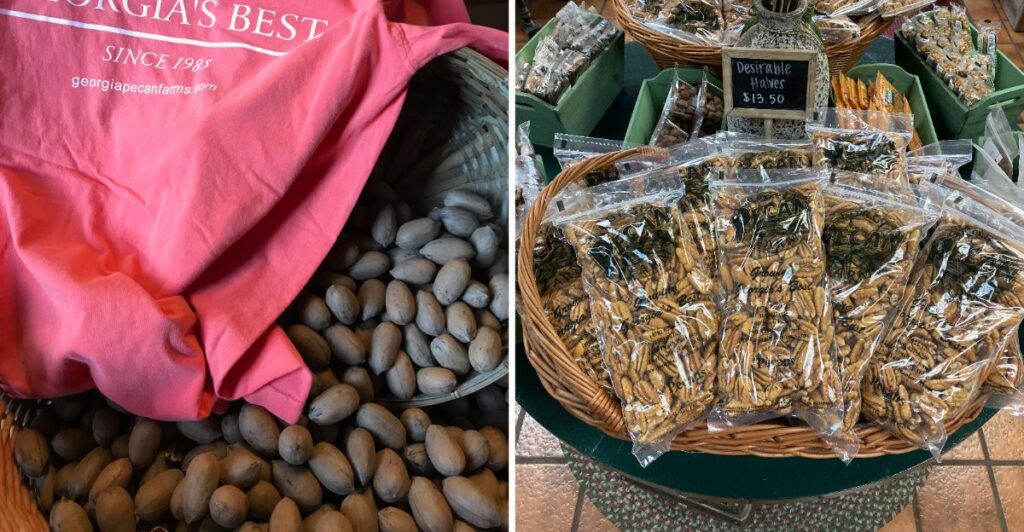
Apparently, pecans believe in making an entrance.
This Middle Georgia farm does not keep its gift shop open year-round.
The doors return around harvest season, when the fresh crop finally gives everyone a reason to start paying attention again.
For 2026, that means waiting until mid-October.
I kind of like the suspense.
Different varieties arrive on their own schedule, so the first weeks can feel a little like checking the bakery case before everything has come out of the oven.
One visit may be about fresh nuts. Another could send you home thinking about holiday baking far earlier than expected.
Behind that small retail stop is a working farm with more than 1,500 acres of pecan trees, so this is not exactly a hobby operation.
The shop may be seasonal.
The pecans are clearly taking their comeback seriously.
More Than Forty Years Of Pecan Growing Sit Behind The Shop
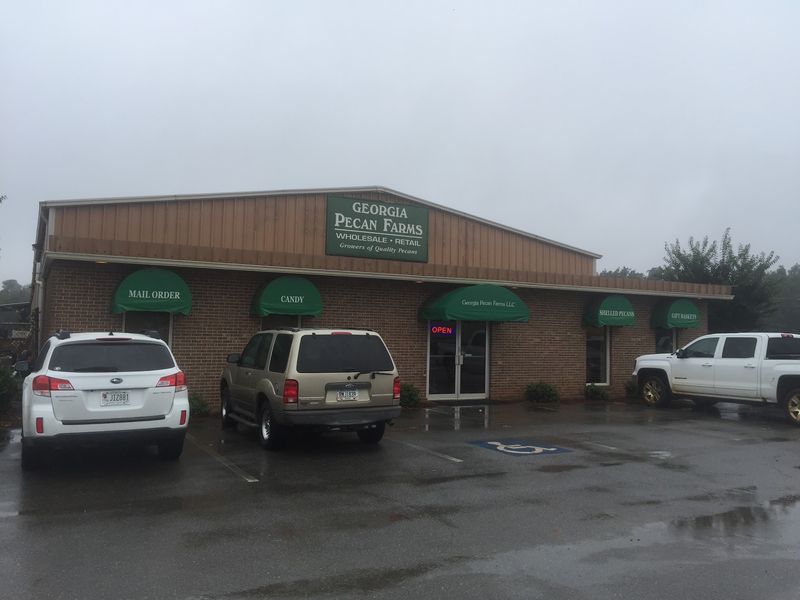
Georgia Pecan Farms is owned and operated by Frank, Newt, and Bert Hiley, and the family has more than 40 years of experience growing pecans.
What looks like a compact seasonal retail stop is tied to orchards spread across Middle Georgia and a farming operation that now covers more than 1,500 acres.
That scale becomes easier to appreciate when you stop thinking about pecans as one uniform crop.
Different varieties mature at different times, shells vary in thickness, kernels vary in size, and harvest timing can shift with weather.
The farm works across that moving calendar rather than waiting for one single harvest day.
For a shopper, the easiest question is what the pecans need to do once they get home. Baking calls for shelled pecans. Cracking pecans at the table points toward in-shell varieties.
Gift shopping moves the decision toward packaged options that do not require another stop on the way home.
There is no need to memorize the orchard acreage while standing in the shop. It simply explains why the selection can change as fall moves along.
One week can bring one variety into focus, while another part of the season can introduce a different shell, size, or flavor profile.
The Gift Shop Follows The Pecan Calendar
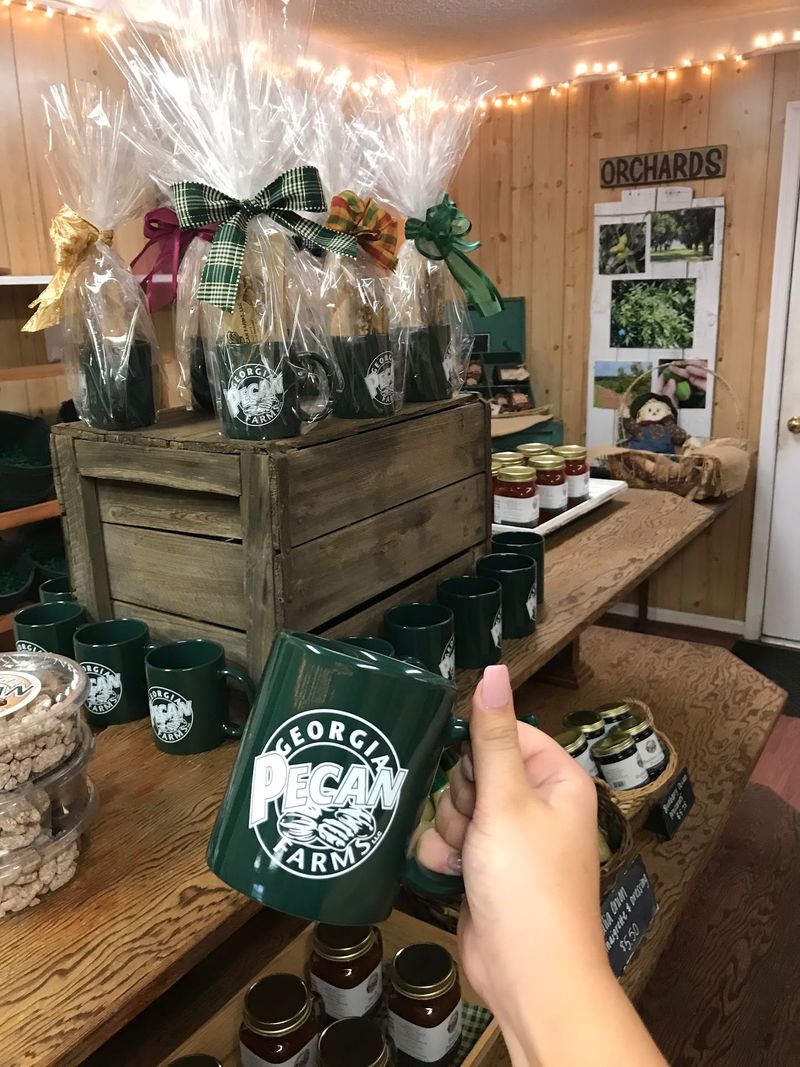
This is not a year-round shop with the same routine in every month. The retail shop is seasonal, and it is currently closed until mid-October.
Pecan season primarily runs from October through December, while harvest itself can stretch from late September into January depending on variety, weather, and the year.
That makes the calendar your first planning tool. An early-fall drive may be too soon for the retail shop. A later visit lands closer to the period when more products and fresh-crop pecans become available.
Online inventory follows the season as well. Products are added as they become available, and a sold-out item can simply mean that its season has not arrived or has already passed. That is useful to remember when a specific variety is the whole reason for the trip.
The seasonal gift shop is at 1488 Peach Parkway, Fort Valley, GA 31030. Once mid-October arrives, the practical move is to check the current shop schedule before setting out, especially if the visit depends on a particular variety rather than a general pecan run.
Pawnee Pecans Get The Season Moving Early
Pawnee is one of the farm’s earliest pecan varieties, usually harvested around the end of September. Georgia Pecan Farms sells Pawnee in the shell, and the variety is known for a large nut, relatively easy cracking, golden kernel color, and a rich, buttery profile.
It is also a variety that rewards earlier planning. Pawnee often sells out by Thanksgiving and sometimes disappears sooner, which makes it a natural choice for anyone who likes to buy fresh-crop pecans before the holiday baking rush gets fully underway.
If cracking nuts sounds like part of the fun, Pawnee makes sense. If the goal is a pie that needs to get into the oven quickly, shelled pecans may be the easier route. Let the kitchen plan make the decision rather than choosing by name alone.
Pawnee also offers a useful introduction to the farm’s harvest rhythm. It arrives early, while Schley is harvested later. Between those points, other varieties move through their own windows.
A first visit in October and another closer to the holidays may not present exactly the same choices.
That is less an inconvenience than a reminder that pecans are a crop, not a warehouse product with an identical shelf every week.
Nine Named Varieties Give Pecan Fans Plenty To Compare
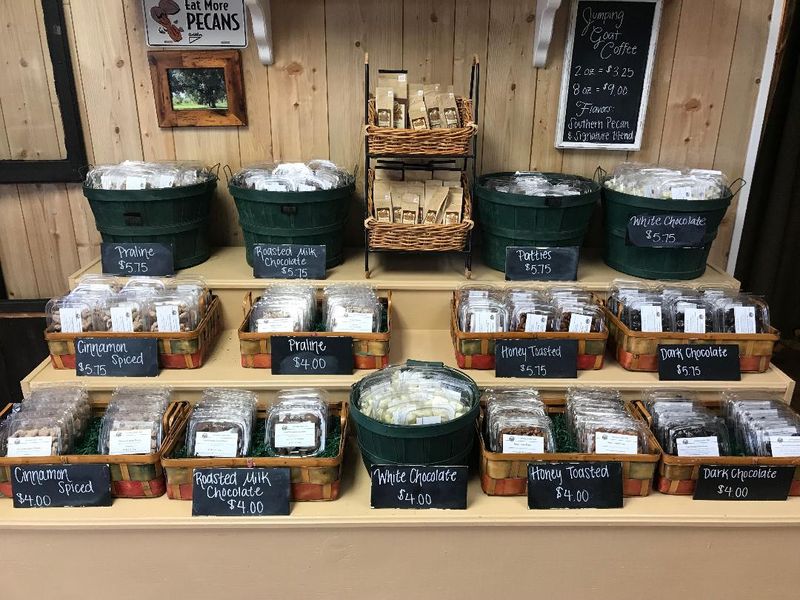
The farm grows and sells a broad group of pecan varieties, including Pawnee, Desirable, Elliot, Schley, Stuart, Caddo, Oconee, Kiowa, and Creek.
They are not interchangeable copies of the same nut. Size, shell thickness, shape, oil content, and kernel characteristics vary from one to another.
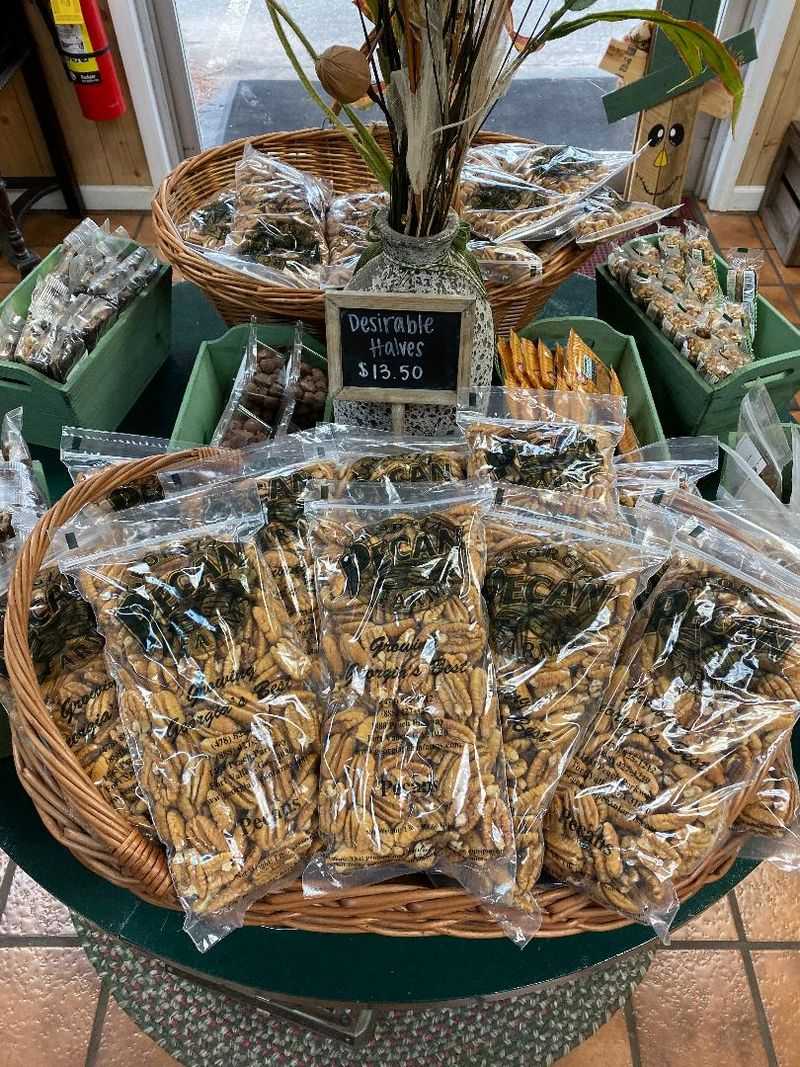
Desirable has a large kernel and light color. Elliot is smaller, rounder, and protected by a harder shell. Schley is long and slender with a notably thin shell.
Stuart lands in the middle in size with a moderately thick shell, while Oconee stands out for its large kernel and relatively thin shell.
That gives the curious shopper a better question than simply asking which pecan is “best.” Do you want something easy to crack? Large halves for a baking project? A smaller nut with a firmer shell?
The answer can change depending on what is happening in the kitchen.
Availability changes through the season, so a specific variety may require more planning than a general bag of pecans. The farm keeps a call list for shoppers looking for a particular type.
If comparing varieties sounds like too much homework, keep it simple. Choose what is available, note the name, and see whether the shell, size, and texture suit the way you actually use pecans.
In-Shell And Shelled Pecans Cover Two Different Kitchen Plans
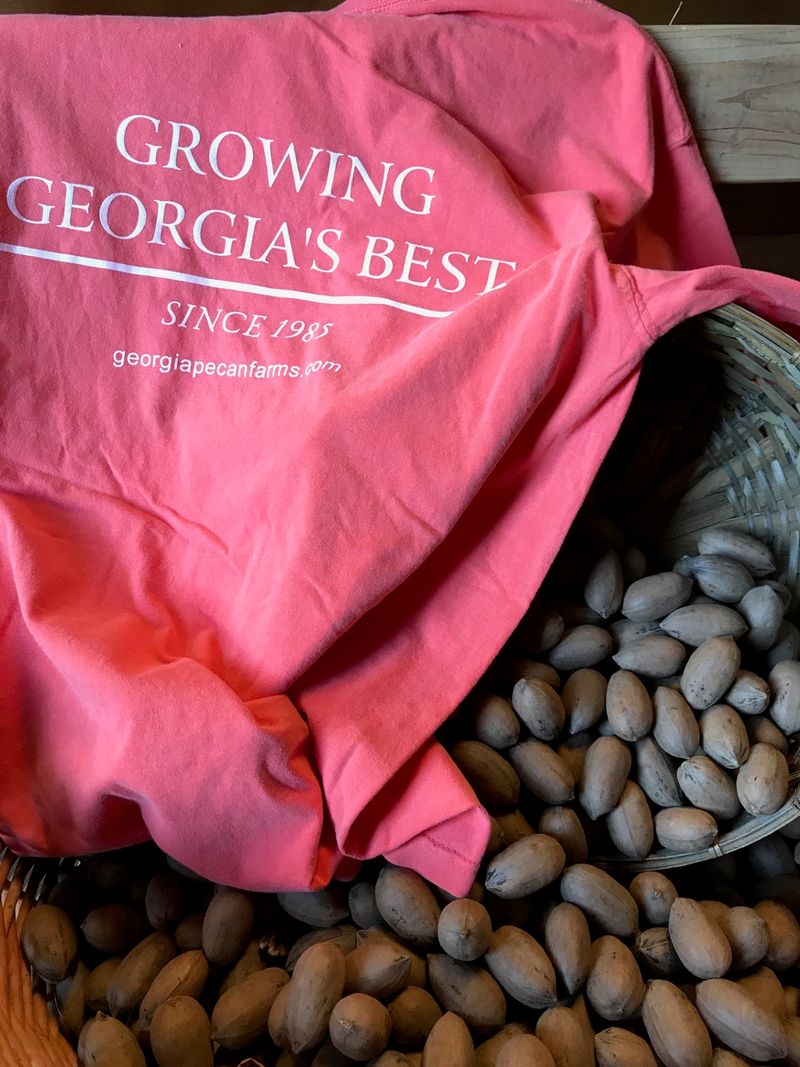
Some people enjoy the ritual of cracking pecans. Others want the pie in the oven before the kitchen counter disappears under shells. Georgia Pecan Farms accommodates both approaches with in-shell and shelled pecan categories.
That distinction is more practical than it sounds. In-shell nuts suit slower snacking or anyone who enjoys doing the work by hand.
Shelled halves are the quicker choice for baking, topping breakfast, adding to salads, or portioning into recipes without another preparation step.
Storage changes with the format too. In-shell pecans can be kept longer than shelled halves under comparable conditions, and refrigeration or freezing extends their life considerably.
Keeping them in an airtight container helps protect quality, while frozen pecans should return to room temperature before preparation to help prevent the pecans from sweating.
The easiest shopping strategy is to picture the next month rather than tonight. Holiday baker? Shelled pecans remove one job.
Slow snacker? In-shell nuts make the process part of the evening. Buying for both? Split the difference.
Just remember that individual varieties appear at different points in the harvest. The bag that makes sense in October may not be the same one you find closer to December.
Candy And Gift Options Give Bakers Some Competition
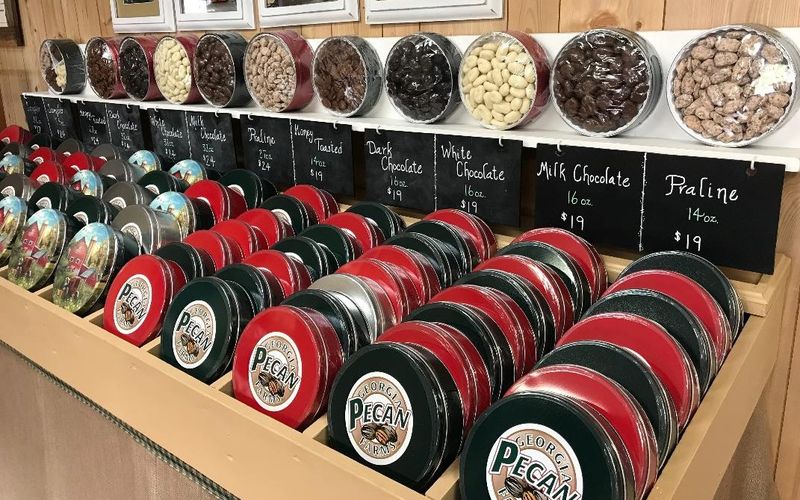
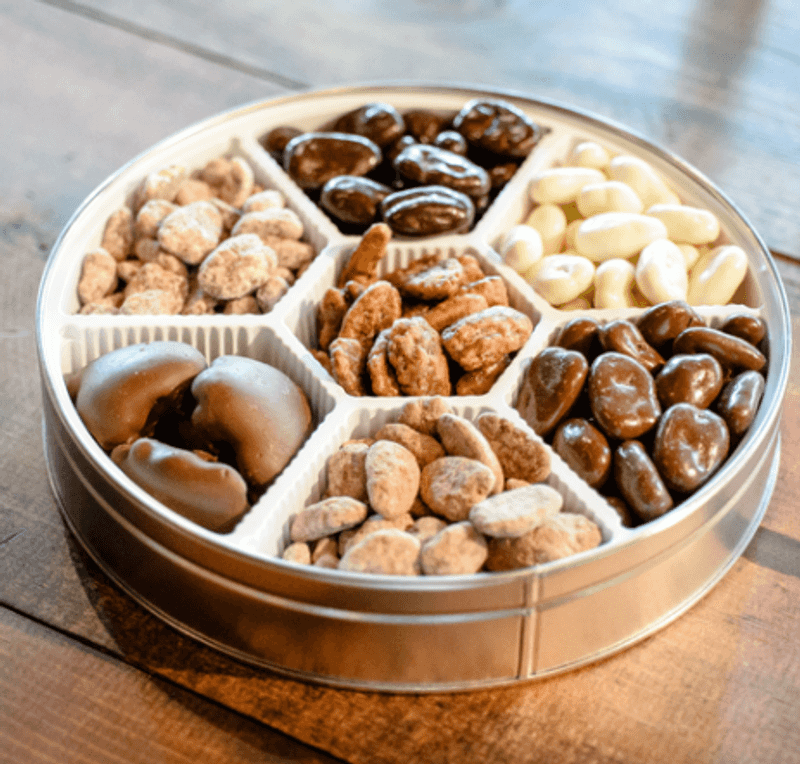
Plain pecans are only part of the retail picture. The seasonal shop offers in-shell pecans, shelled pecans, candied pecans, gift baskets, and other pecan products, while the farm’s online store separates its offerings into pecans, sweets, and gift ideas.
That can derail a very disciplined baking trip in about thirty seconds.
If a recipe is waiting at home, start with the plain pecans before looking at the sweeter side. If the mission is a present, packaged gifts make more sense than buying ingredients and promising yourself that homemade candy will somehow happen later.
Corporate and group gifting are part of the business as well, with custom gift orders available for customers, clients, and co-workers. Large orders can include personal touches such as a note, business card, or logo item.
For an ordinary visitor, though, the decision can stay much smaller. Pecans for the pantry, something sweet for the ride home, or a packaged gift for someone else. Choose two of those and the shopping bag can fill quickly enough.
Because products come and go with availability, the exact assortment can change. That is another reason to treat the shop as seasonal rather than assuming every item will be waiting on every fall visit.
Let Harvest Timing Decide When You Go
Pecan harvest at Georgia Pecan Farms begins around the end of September and can continue into January.
The main retail season centers on fall, with pecan season primarily running from October through December. Weather, variety, crop size, and growing conditions can all shift the timing.
That means a visit works better when the goal matches the calendar. Early in the season, Pawnee is the variety to watch. Later weeks bring other choices forward.
By the time holiday baking arrives, some early varieties may already be gone.
The current mid-October reopening also gives this year’s trip a clear starting point. There is little reason to race to Fort Valley before the seasonal gift shop is ready. Save the drive for the period when the retail side is open and the harvest is moving.
Once there, keep the shopping decision practical. Need pecans for a recipe? Start with shelled nuts.
Want the cracking experience? Look at the in-shell choices available that day. Shopping for someone else?
Move toward the gift section before buying three pounds for yourself.
Fall provides enough decisions already. The good news is that this one comes down to timing, shell preference, and how much pecan baking you plan to do before winter.