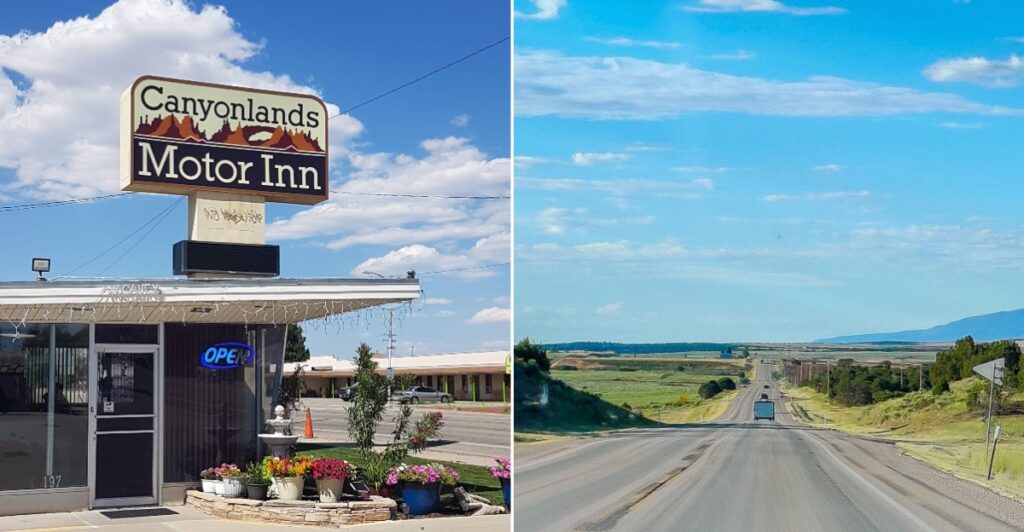
A tuft-eared squirrel is a surprisingly good reason to remember a mountain town. Around the ponderosa forests of southeastern Utah, Abert’s squirrels add a little personality to a landscape already loaded with high country, wooded trails, and canyon country nearby.
Their oversized ears make them look mildly offended by everything, which honestly only improves the encounter. The town itself keeps things easy, offering enough everyday conveniences to make a road trip comfortable without drowning the surrounding scenery in noise.
History and nature sit close together here, so the day can shift from forest roads to local landmarks without much planning. Travelers exploring this corner of Utah can reach remarkably different landscapes without spending hours reorganizing the itinerary.
That flexibility is especially useful when nobody in the car agrees on what comes next. Follow the mountains, watch the pines for furry locals, and keep the schedule loose enough for an unexpected detour.
A Town Where The Map Suddenly Feels Manageable
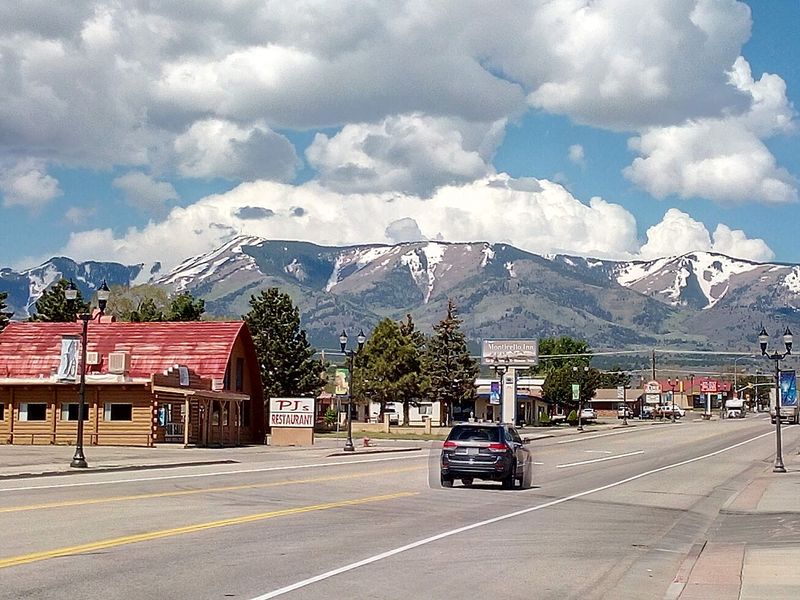
Some travel plans behave like overpacked suitcases, but Monticello, Utah keeps things refreshingly plain. The city is the county seat of San Juan County and sits in the southeastern part of the state, where high country and red rock country begin having a polite conversation.
Monticello gives road trippers a useful pause without asking them to solve a vacation puzzle. You can understand its appeal quickly: a small city, mountain views, nearby public lands, and enough services to make a stop feel sensible instead of improvised.
Its population was 1,824 at the 2020 census, so nobody should arrive expecting a giant resort scene. That scale is part of the point.
Monticello, Utah works best for travelers who like breathing room, practical errands, and scenery that does not need a slogan.
The town also helps families, couples, solo drivers, and weekend planners make easy decisions. Stay awhile, gather information, fuel up, or use it as a calm base before wandering toward nearby landscapes.
The reward is not flash. It is the relief of a place that makes a trip feel possible again, which is rarer than it sounds today.
Abert’s Squirrels Bring The Whimsy
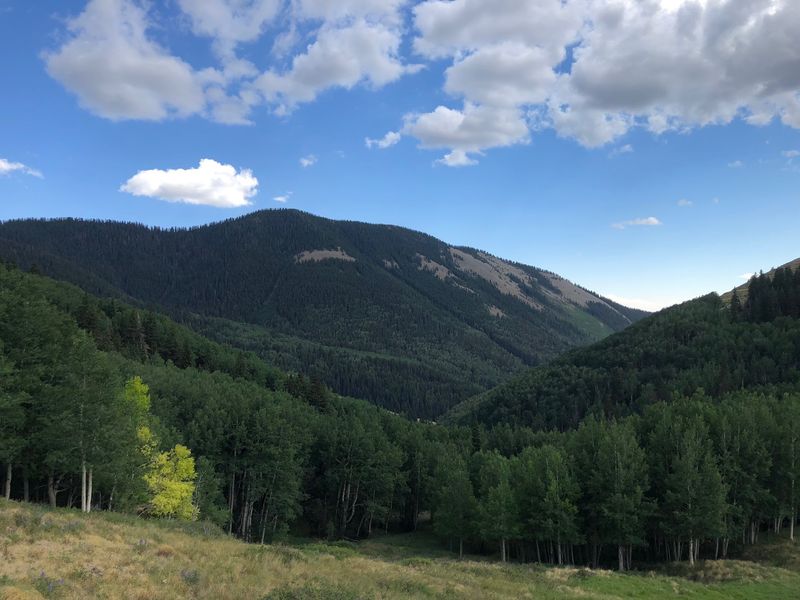
Abert’s squirrels look as if nature gave them formal ear accessories and then sent them into the pines. Around Monticello, Utah, their presence is linked to the ponderosa pine habitat found in the Abajo Mountains area, which gives the town its wonderfully specific wildlife angle.
These squirrels are not random backyard extras. Abert’s squirrels are strongly associated with ponderosa pine forests, where they feed on items such as cones, buds, seeds, and inner bark.
Their tall ear tufts, especially noticeable in colder months, make them easier to recognize than many common squirrels.
Wildlife watching here should stay patient and respectful. Bring binoculars, keep distance, and do not feed animals, even if one appears to have the confidence of a tiny mayor.
Feeding wildlife can change natural behavior and create problems for animals and people.
Monticello is not a zoo, which is exactly why the squirrel connection feels fun. Spotting one is never guaranteed, but knowing they belong to the local forest system adds a small quest to an ordinary outing.
It turns a pause in Utah mountain country into a sharper, more observant kind of stop.
The Abajo Mountains Give Monticello Its Backbone
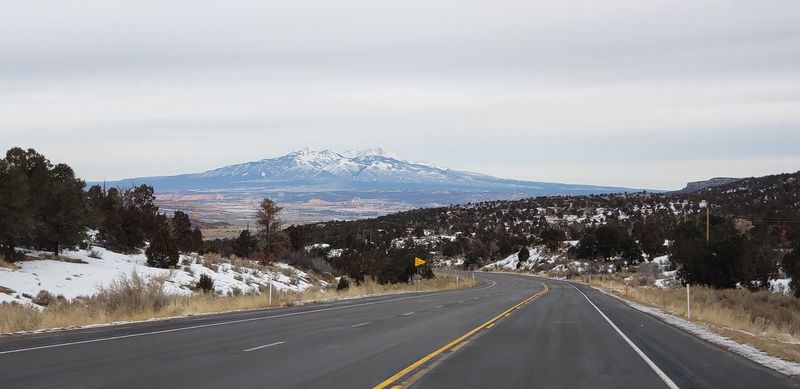
The Abajo Mountains do more than decorate the horizon around Monticello. They shape the town’s identity, its climate, and the kind of traveler who ends up lingering longer than planned, which is a very respectable way for a map dot to win.
Monticello sits at a high elevation on the Colorado Plateau, commonly listed at about 7,000 feet. That position helps explain why the area feels different from lower desert communities in southeastern Utah.
The nearby mountains support forests, including ponderosa pine habitat important to Abert’s squirrels.
The range is also known locally as the Blue Mountains, a name that appears in regional references and fits the way many residents orient themselves. For visitors, the mountains provide a visual anchor.
You are not just passing through open space; you are beside a real highland landscape.
Practical planning still matters. Higher elevation can mean cooler temperatures than nearby lower areas, and conditions may change with season and weather.
Pack layers, check road conditions when heading into mountain areas, and keep expectations flexible. Monticello, Utah rewards the traveler who understands that mountain towns run on terrain first and wishful thinking second.
Pioneer Roots Still Give The City Shape
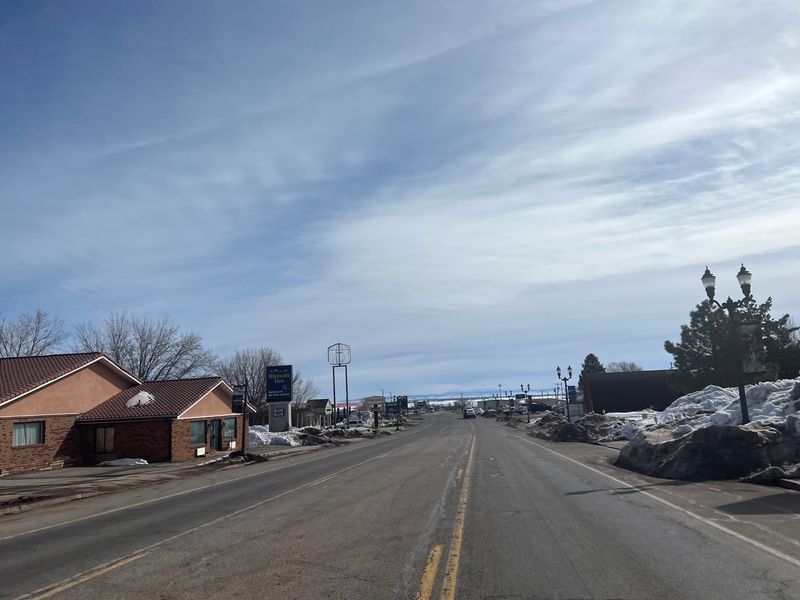
Monticello, Utah did not appear just to give modern travelers a pleasant place to stretch their legs. The area was settled in July 1887 by pioneers from The Church of Jesus Christ of Latter day Saints, and that origin remains part of the city’s public story.
The city later became an important community in San Juan County, where it now serves as the county seat. That role matters because it gives Monticello a practical function beyond tourism.
Courthouse business, local services, schools, and regional errands help keep the city grounded in everyday life.
History here is not only a plaque problem, thankfully. Monticello has also been shaped by ranching, farming, regional travel, and twentieth century industry, including uranium activity in the broader area.
Those layers help explain why the town feels useful rather than staged.
Visitors who enjoy context should treat the city as more than a gateway. Read local markers when available, stop at official visitor resources, and remember that small places often carry complicated timelines in plain sight.
Monticello, Utah is interesting because it is still doing civic work while travelers pass through looking for mountains, squirrels, and a decent excuse to slow down.
A Practical Base For Canyon Country Wandering
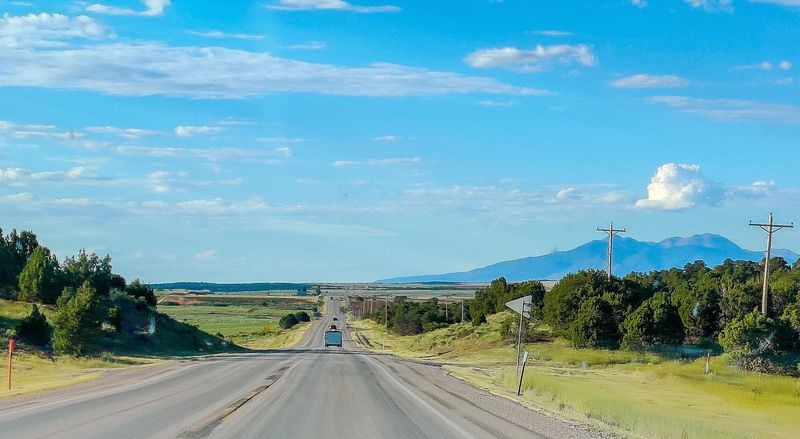
Not every good base camp needs to announce itself with a souvenir archway. Monticello works because it sits within reach of major southeastern Utah landscapes while still feeling like a functioning town where travelers can reset, regroup, and stop pretending granola is a complete meal.
The city is commonly used by travelers exploring the wider Four Corners region, including canyon country and mountain areas. Canyonlands National Park’s Needles District lies to the west, while other public lands and scenic routes spread across San Juan County.
Distances should always be checked before leaving, because Utah has a talent for making maps look smaller than the drive feels.
Monticello, Utah gives visitors a sensible place to sleep, refuel, gather supplies, and make weather aware plans. That matters for families with tired kids, couples comparing route options, solo travelers managing daylight, and professionals trying to turn a weekend into something less spreadsheet shaped.
The key is using the town honestly. It is not trying to replace the parks, forests, or archaeological landscapes around it.
Instead, Monticello gives those trips a steadier starting point. A quiet base can be the difference between a rushed drive and an outing that actually leaves room to notice where you are.
Small City Services Make The Stop Easy
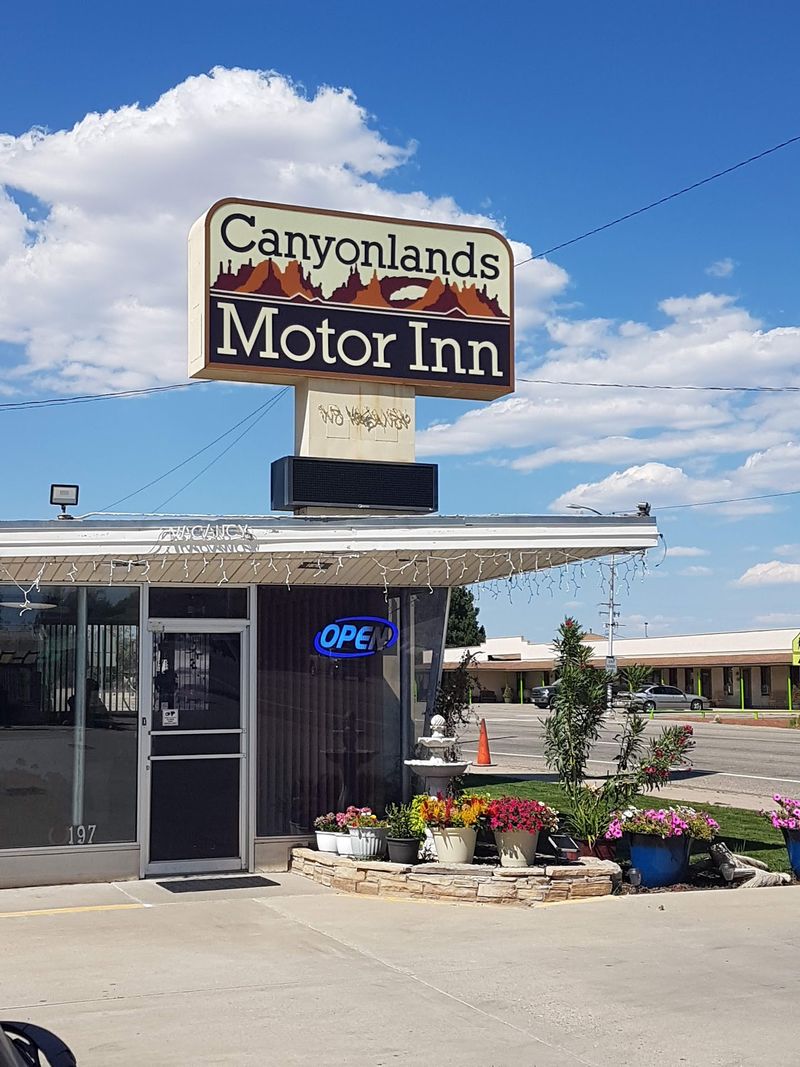
A traveler does not always need spectacle. Sometimes the winning feature is a place where basic needs line up neatly: food, fuel, lodging, visitor information, and enough breathing space to decide what comes next without conducting a parking lot summit.
Monticello has that practical side. As a small city and county seat, it supports residents first, which also helps visitors.
Road trippers can use it for ordinary tasks before heading toward forest roads, canyon drives, or longer stretches of southeastern Utah where services are more spread out.
That usefulness makes a quick stop while already in town feel natural. Pick up supplies, check maps, confirm road conditions, and make sure everyone in the car understands the next leg.
Nobody gets a medal for discovering too late that snacks were theoretical.
Monticello, Utah is especially helpful because it does not force every outing to become an event. Families can keep plans simple, solo travelers can make calm decisions, and couples can avoid turning navigation into a personality test.
The town’s value is quiet but real: it gives a mountain and canyon country trip a human scale, with practical services close to the landscape people came to see.
Wildlife Watching Works Best With Patience
The Abert’s squirrel angle is delightful, but it asks visitors to slow down. That may be the most Monticello lesson possible.
The reward is not a scheduled performance; it is noticing the connection between animal, forest, and mountain setting.
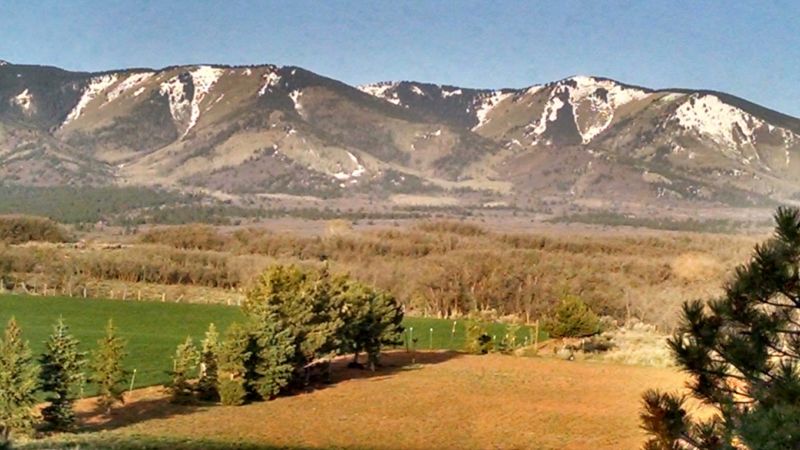
Abert’s squirrels depend heavily on ponderosa pine ecosystems, so forested areas in the Abajo Mountains are the right kind of habitat to understand. Look for them from a respectful distance and avoid disturbing trees, nests, or feeding areas.
Good wildlife watching is mostly self control with binoculars.
Families can turn the search into a simple nature lesson. Kids can learn why ear tufts, food sources, and habitat matter without needing a long lecture.
Adults may appreciate the same lesson, especially if it comes with fewer worksheets and more fresh air.
Monticello, Utah makes the idea approachable because the wildlife story is tied to the town’s actual setting. The squirrels are not mascots pasted onto a brochure.
They point back to ponderosa pines, elevation, and the mountain environment nearby. That is better than gimmickry.
It gives visitors a reason to look carefully at ordinary branches, which is where many good travel memories begin behaving suspiciously like small discoveries.
The Quiet Memory Is The Point
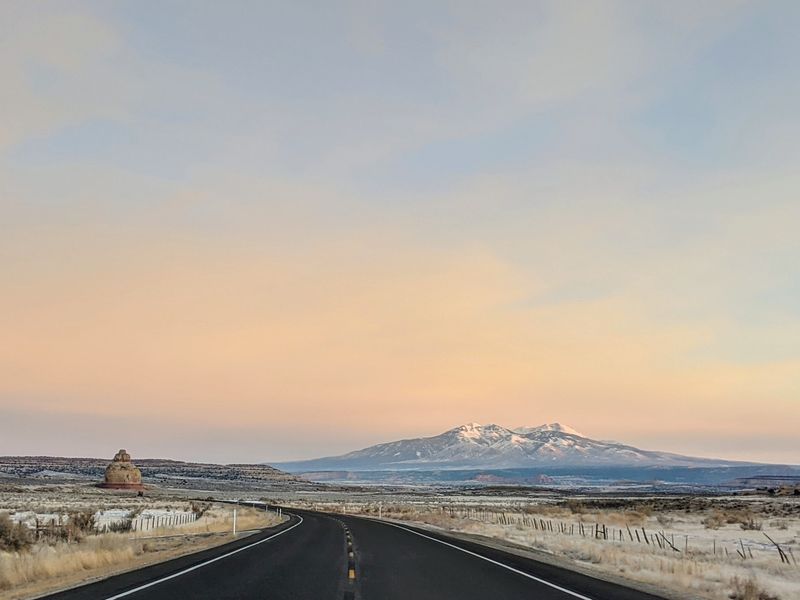
Monticello, Utah leaves a different kind of souvenir than the loud destinations. It gives travelers a place where the details do the work: a county seat with pioneer roots, a high mountain setting, ponderosa pine habitat, and a squirrel with ears fancy enough for a portrait.
The city’s strongest appeal is how naturally those pieces fit together. The Abajo Mountains explain the forests.
The forests help explain the Abert’s squirrels. The town’s services explain why road trippers, families, couples, and solo visitors can actually use the place instead of merely admiring it from a distance.
That practical beauty is easy to underestimate. Monticello does not need to compete with Utah’s larger name attractions to matter.
It offers orientation, calm, and a closer look at a part of the state where mountain country and canyon country sit within the same travel conversation.
Leave time for simple things here: checking the horizon, reading local history, watching the pines, and making the next plan without rushing. Monticello, Utah is memorable because it lets the landscape stay in charge while the town quietly helps you meet it.
Text a friend this: come for the mountains, then keep an eye out for the squirrel with the ridiculous ears.