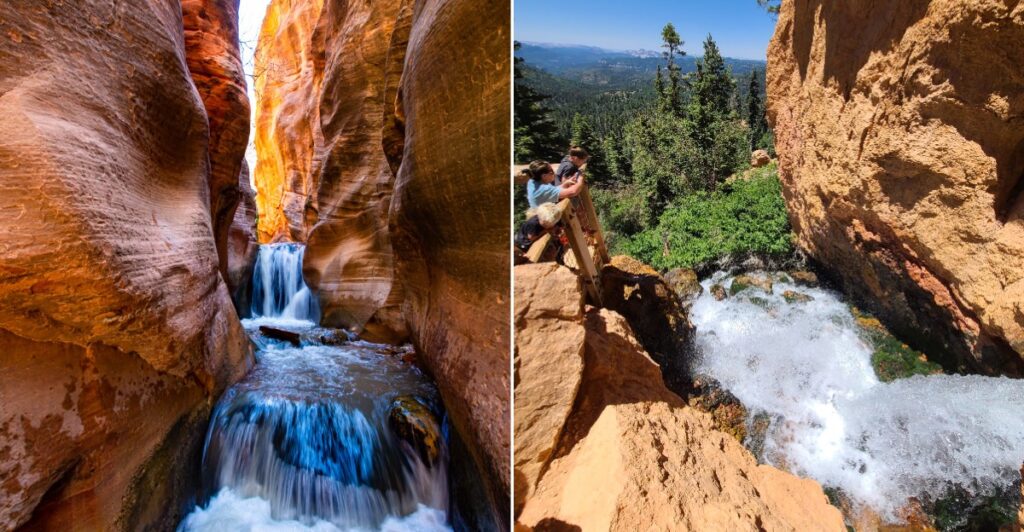
Water is a very effective trail designer. Give it enough time, and suddenly you have waterfalls, carved rock, hidden pools, narrow passages, and viewpoints that make the climb feel like a fair trade.
For hikers across Utah, these routes turn an ordinary walk into something with a proper payoff at the end. Some are gentle enough for a family outing, while others ask for better shoes, stronger legs, or a little patience with uneven ground.
The fun is in not knowing exactly when the scenery will shift. One bend might reveal a cascade, another a cave, and the next a canyon wall glowing in afternoon light.
By warmer months, many trails throughout Utah become especially tempting when moving water joins the landscape. Check conditions before heading out, pack for the terrain, and leave room for one thing the itinerary cannot control: the moment everyone stops talking because the view finally takes over.
1. Fifth Water Hot Springs Trailhead, Springville, UT
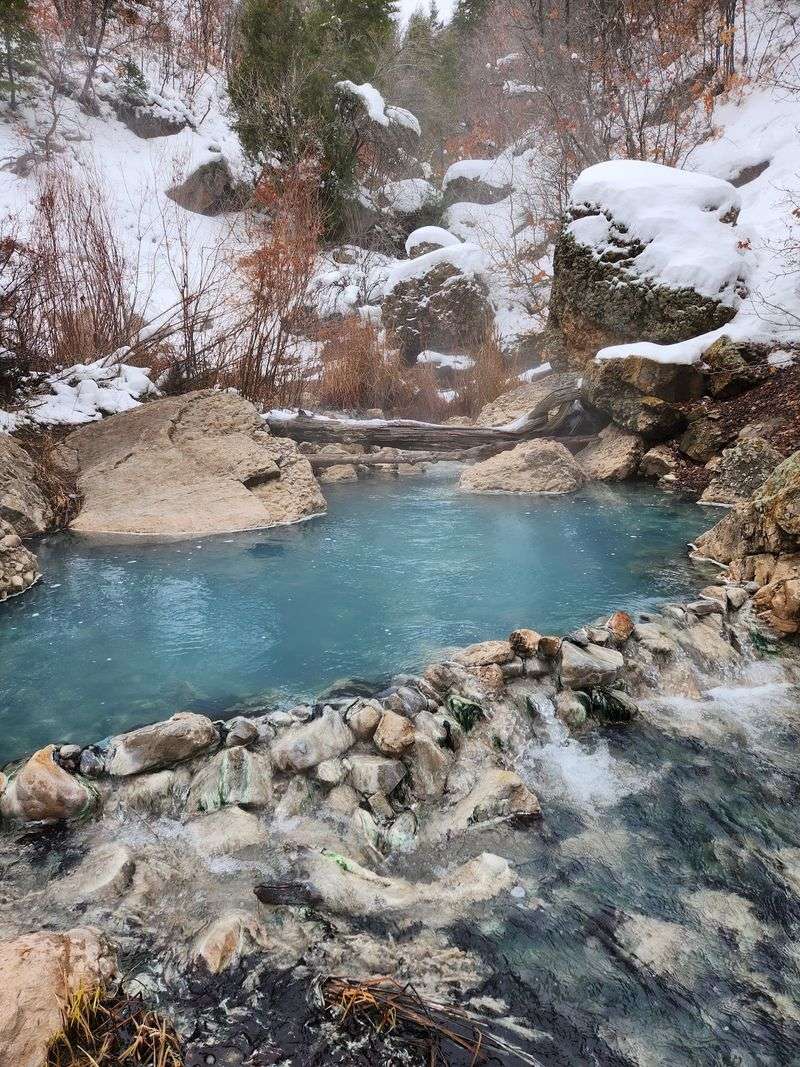
Warm water at the end of a hike feels almost suspiciously generous, like the canyon packed a spa day by mistake. Fifth Water Hot Springs Trailhead starts along Diamond Fork Road near Springville and leads about 2.5 miles to hot spring pools and a waterfall in a forested canyon setting.
The trail is known for multiple pools, small cascades along the route, and a waterfall near the upper soaking area. The waterfall water is cooler than the warmer pools, which makes the stop feel more interesting than a simple out-and-back walk.
Fifth Water Hot Springs Trailhead is often described as moderate, and the distance can still feel like real work, especially for hikers expecting a casual stroll. Dogs are allowed outside, and parking options in the area may include paid lots or paid street parking, so bring a payment method instead of relying on optimism.
For Utah hikers who like a destination with a little variety, this one checks several boxes: canyon walking, wildlife possibilities, many mini waterfalls, soaking pools, and a final waterfall scene. Treat the area carefully, pack out trash, and keep expectations flexible when canyon conditions change.
2. Adams Canyon Trailhead
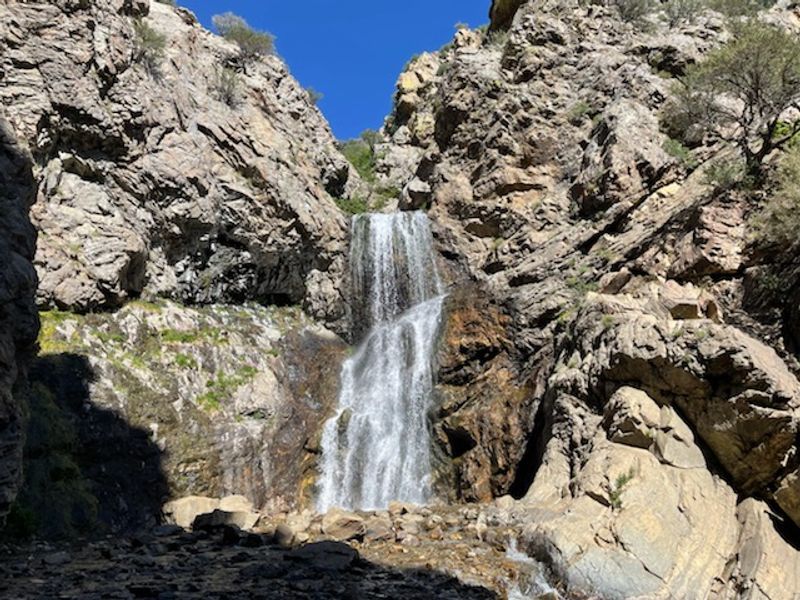
The first sandy switchbacks at Adams Canyon Trailhead have a way of reminding hikers that waterfalls are rarely handed out like drive-through fries. Starting in Layton, the route climbs from open views toward a wooded canyon where the trail follows water, cascades, and rocky terrain.
Adams Canyon Trailhead is known for a challenging sandy-and-rocky hike to a waterfall and other cascades, including a main waterfall often described at about 40 feet. Before the canyon section, hikers can get wide views toward the city and the Great Salt Lake, a useful excuse to pause while pretending to admire geography.
The trail is open 24 hours, and dogs are allowed outside. Parking may include free lot spaces, free street parking, and some paid parking options, so check signs before wandering off toward the creek.
Recent high water can affect parts of the route, and sections near the stream may require shoes that handle wet footing. That practical detail matters more than looking trail-catalog stylish.
Among northern Utah waterfall hikes, Adams Canyon offers a strong mix of workout, water, canyon shade, and a clear payoff at the end.
3. Stewart Falls
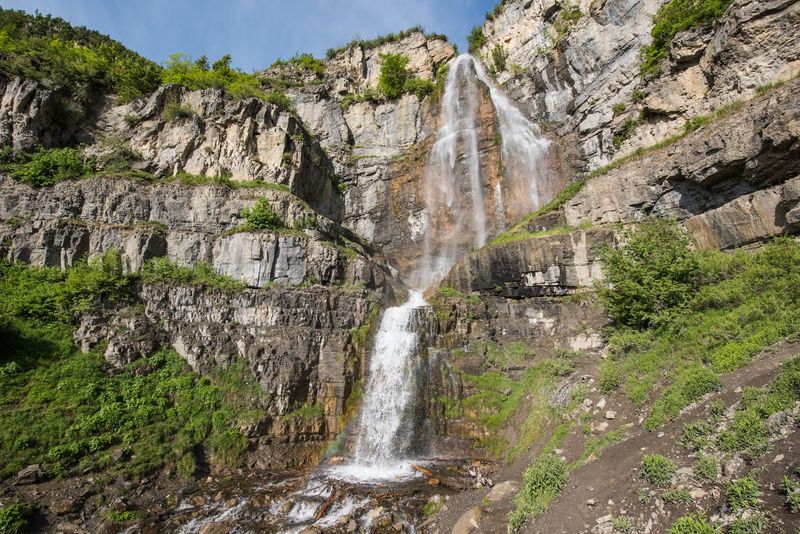
A waterfall that keeps peeking into view before the finale has better timing than most road trip playlists. Stewart Falls, in the Provo area, is reached by a shaded trail commonly described as about 2.5 miles one way or roughly 4 miles out and back, depending on route details.
The path is popular with hikers of many skill levels because it is well marked, not overly punishing, and still delivers a large scenic waterfall. Along the way, the route passes through forested terrain with views that help the mileage feel less like a chore and more like a steady reveal.
Stewart Falls is open 24 hours, and dogs are allowed outside. Parking can vary between free lots, paid lots, and paid street parking, so it is smart to confirm the current access point before leaving home.
The waterfall itself is the clear anchor here, with cold mountain water at its base and a setting that feels more substantial than the moderate effort might suggest. For Utah travelers trying to balance family ability, trail reward, and mountain scenery, Stewart Falls lands in a useful middle ground: memorable, manageable, and not pretending to be a wilderness survival exam.
4. Battle Creek Falls Trail Head
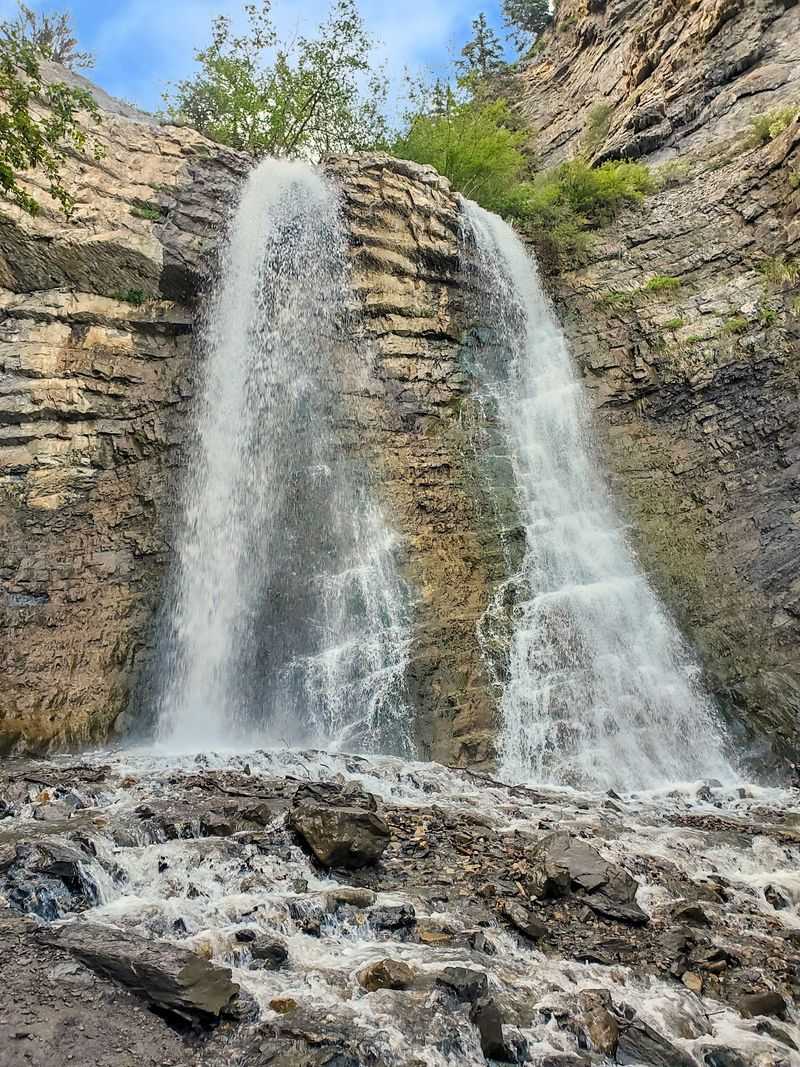
Battle Creek Falls Trail Head gives impatient hikers a rare gift: a real waterfall without demanding half the contents of a garage. Located in Pleasant Grove, the route follows a creek into a forested canyon with mini waterfalls before reaching the main falls.
The hike is often treated as a shorter outing to the waterfall, with a climb that becomes steeper near the end. The canyon also connects to higher mountain trails for those who continue beyond the falls, where the elevation gain becomes much more serious.
Battle Creek Falls Trail Head has dogs allowed outside and parking options that may include free lot spaces, free street parking, and paid parking. The area is known for rugged cliffs, streams, and waterfall views, plus some rappelling areas, though casual visitors should not confuse watching rock walls with suddenly becoming rope experts.
Near the falls, the base is rocky rather than a swimming-style pool, so plan for looking, cooling off carefully, and keeping footing in mind. The route also offers views toward Utah Lake, giving this Pleasant Grove hike a second visual reward before the canyon narrows around the water.
5. Bell Canyon Waterfall, Sandy, UT
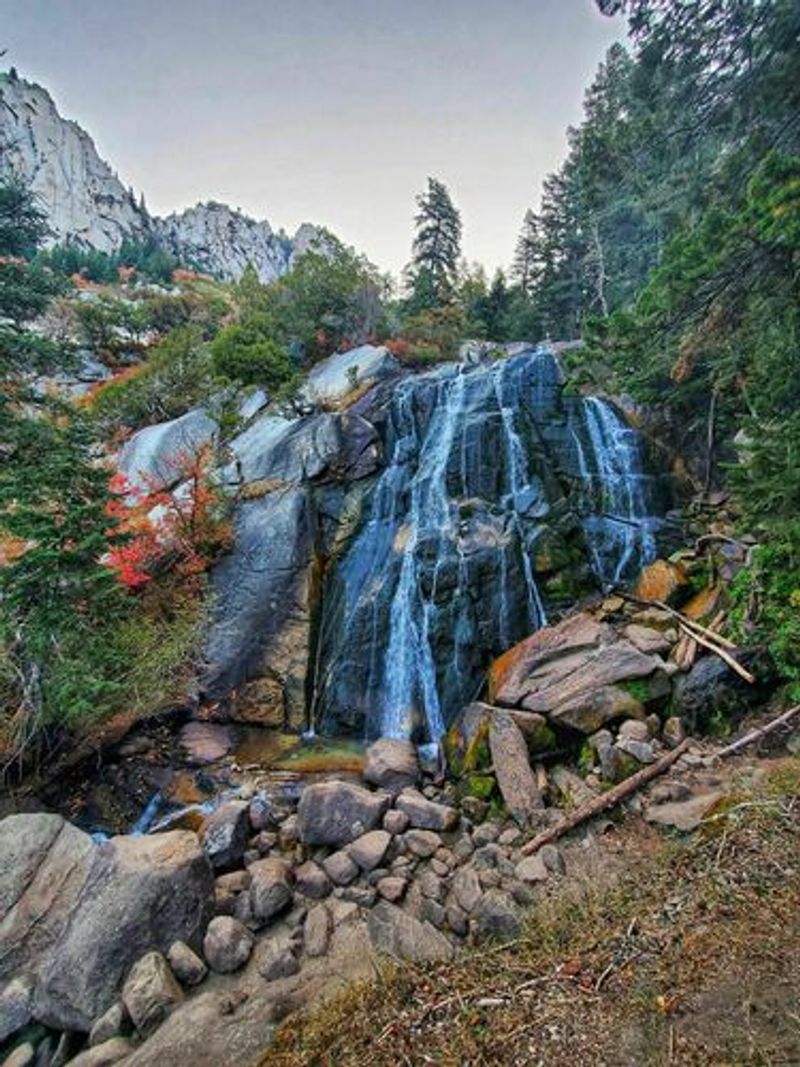
Bell Canyon Waterfall does not hide the effort, which is refreshingly honest for a trail with a pretty ending. The hike follows Bell Canyon Trail in Sandy and is known as a challenging route featuring a waterfall, a reservoir, and a lake.
Lower Bell Canyon Reservoir is one of the route’s memorable early landmarks, and catch-and-release fishing is noted there. Beyond the reservoir, the climb toward the lower waterfall becomes more demanding, with the full outing to the falls often described around 4.8 miles round trip and about 1,500 feet of elevation change.
Bell Canyon Waterfall is listed as good for kids and kid-friendly hikes, but that does not mean every child will cheerfully enjoy the steeper sections. Dogs are allowed, and parking options may include free and paid lots, so checking the Sandy parks information before going is a sensible move.
The payoff is a waterfall in a canyon setting, along with strong valley views that remind hikers how quickly the Wasatch can rise above the Salt Lake area. For Utah visitors who want a tougher day with a clear target, Bell Canyon Waterfall brings effort, scenery, and just enough leg burn to make lunch feel earned.
6. Lower Calf Creek Falls Trailhead, Boulder, UT
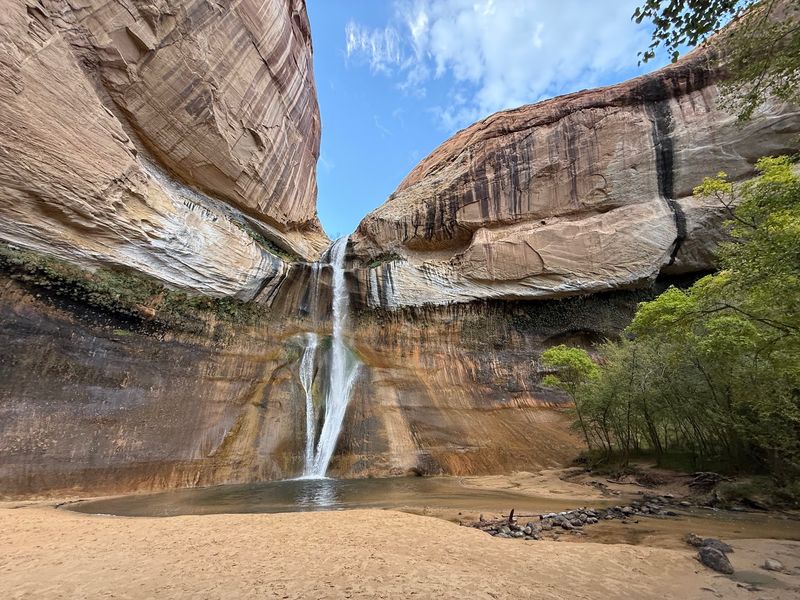
Desert hikes can be sneaky. One moment the trail is soft sand and canyon country, and later Lower Calf Creek Falls Trailhead delivers a large waterfall that feels almost improbable against the dry landscape.
Located along Calf Creek near Boulder, this trail is known as a maintained out-and-back route through multiple ecosystems before ending at the falls. The sandy stretches can make the hike feel longer than the mileage suggests, so footwear and water matter more here than heroic trail talk.
Lower Calf Creek Falls Trailhead has a paid parking lot, and bathrooms are available at the trailhead. That last detail is not poetic, but road trippers know it is the kind of fact that quietly improves an entire day.
The waterfall is the main prize, yet the route also gives hikers canyon views and changing plant communities along the way. In southern Utah, where rock often gets top billing, flowing water changes the whole mood of a hike.
Lower Calf Creek Falls Trailhead belongs on this list because it turns a desert walk into a destination with scale, contrast, and a finish that explains why people keep talking about the final bend.
7. Kanarra Falls, Kanarraville, UT
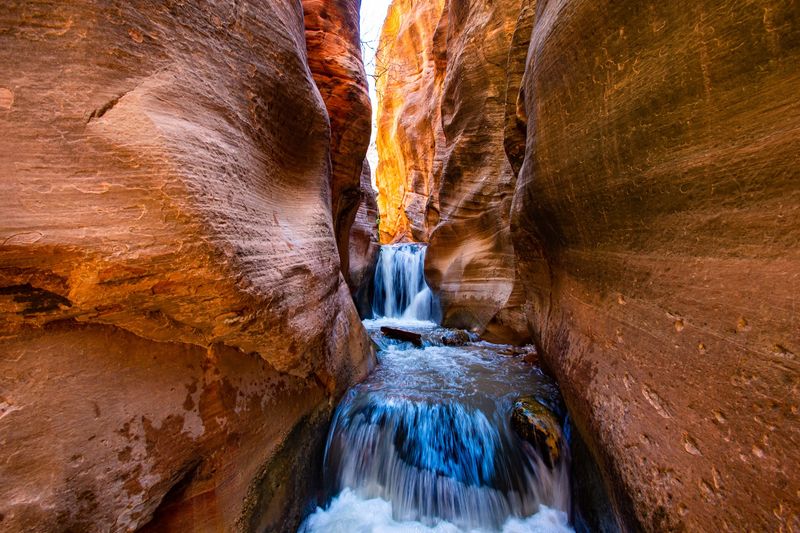
Kanarra Falls feels like the trail planner spilled several adventures into one narrow canyon and decided not to clean it up. Starting in Kanarraville, the hike leads through red rock slot canyon walls, creek walking, and cascading waterfalls.
The official Kanarra Falls experience is managed with a daily limit of 200 hikers, which makes advance planning more important than simply waking up and following a whim. The route includes multiple stream crossings and ladder climbs near waterfall sections, adding a playful obstacle-course quality without turning it into a casual sidewalk stroll.
Kanarra Falls is listed as a moderate out-and-back hiking route, and parking options may include free lot spaces, free street parking, and paid parking. Because hikers spend time in water and canyon terrain, shoes with grip and a willingness to get wet are practical, not optional fashion choices.
The setting is the reason this Utah trail stands apart: red cliffs, moving water, and tight canyon passages that lead the eye forward. Families with capable hikers, couples wanting something more active, and road trippers near Kanarraville should treat the permit limit and wet footing as part of the planning, not as fine print.
8. Donut Falls Summer Trailhead
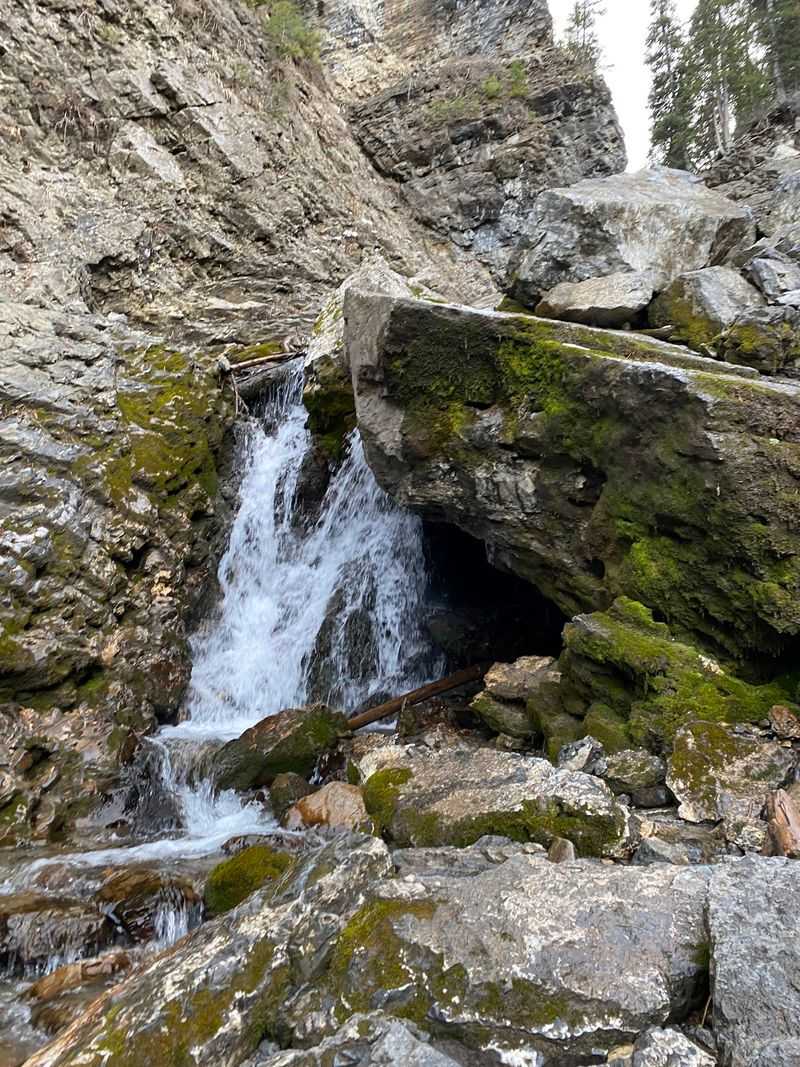
A waterfall named for pastry sounds like a joke until the geology gets involved. Donut Falls Summer Trailhead, in the Salt Lake City area, leads through mountain forest toward a waterfall known for flowing through a hole in the rock into a cave-like space.
The main route is popular and generally approachable, but the closer scramble to see the donut-shaped feature can be steep, rocky, and not right for every experience level. From below, hikers still reach a waterfall area, while the up-close view requires more comfort on boulders and wet rock.
Donut Falls Summer Trailhead is open 24 hours and has parking options that may include free lots, free street parking, and paid parking. The trailhead is associated with an easy out-and-back walking or hiking route, but the final rocky section is where the outing changes personality.
The actual donut feature can be easy to miss if hikers do not know what they are looking for, so studying the route ahead of time helps. For Utah waterfall seekers, the appeal is not just water at the end; it is the odd little rock-window trick that gives the trail its name.
9. Mossy Cave Trailhead, Tropic, UT
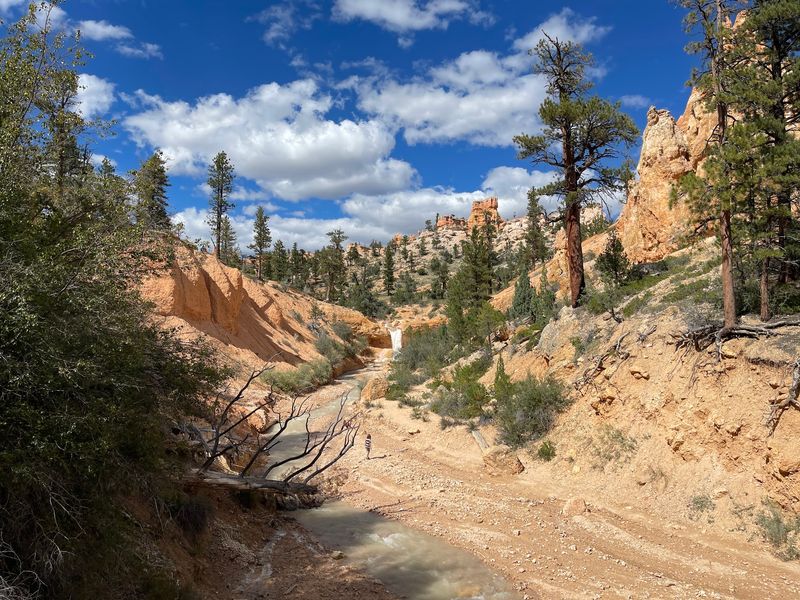
Mossy Cave Trailhead is the rare short hike that refuses to be only one thing. Set along UT-12 near Tropic, it leads into a canyon area with hoodoos, a small waterfall, a creek, and a natural cave with mossy walls.
The route is commonly described as a 0.9-mile out-and-back trail, which makes it approachable for families or travelers who have already spent plenty of energy elsewhere. The trail runs alongside water, then branches toward the cave and waterfall viewpoints.
Mossy Cave Trailhead has parking options that may include free lot spaces, free street parking, and paid parking. The small side trail to the cave can become muddy or slippery after rain or snow, so even a short route deserves decent shoes and a little attention.
This is not the longest or grandest hike in the Bryce Canyon region, and that is part of its practical role. Mossy Cave Trailhead works well when time is limited but curiosity is not.
The combination of hoodoos and water gives visitors a compact look at southern Utah contrast, where carved rock formations and a modest waterfall share the same quick walk.
10. Cascade Falls Trailhead/Virgin River Rim Trail, Duck Creek Village, UT
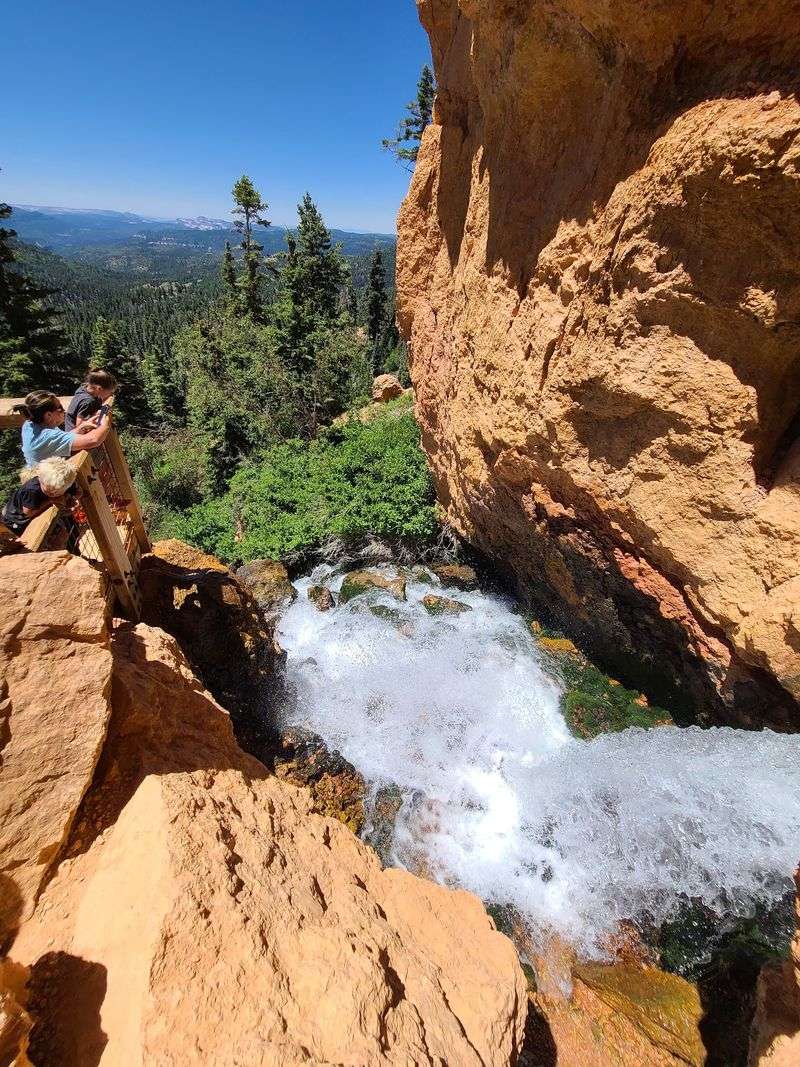
Cascade Falls Trailhead/Virgin River Rim Trail proves that a short hike can still think big. Located on FR054 near Duck Creek Village, the trail is known for a waterfall plus wide views of the Cedar Mountains, Zion National Park, and Kolob Canyon.
The outing is commonly described as easy and popular, with some hikers completing the round trip in about 40 minutes. The route follows a viewpoint-style path toward Cascade Falls, where water flow can vary by season and recent conditions.
Dogs are allowed outside, and the trail is listed for easy hiking, walking, and out-and-back use. Some sections can be narrow, with steep drop-offs noted in the area, so the easy label should not cancel out basic caution, especially with children or anyone distracted by taking photos.
Cascade Falls Trailhead/Virgin River Rim Trail earns its place by combining a waterfall stop with a bigger landscape lesson. The views connect this corner of Utah to the high country around Duck Creek and the famous canyon country beyond.
It is a good reminder that not every waterfall hike needs to be long; some simply lead you to the edge of a much larger map.