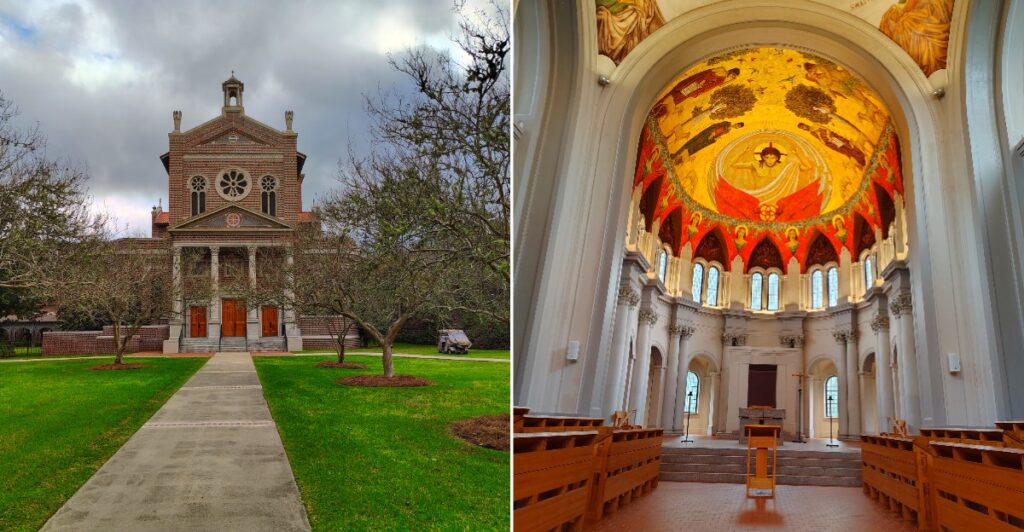
The phone stays in the car. Conversation stops at the front desk. From that moment forward the only sounds are pine trees in the wind, birdsong, plus the distant chanting of monks who have prayed five times daily on this land since 1889.
The retreat center sits on 1,100 acres of pine forest along a river, offering 30 rooms where adults of any faith can spend a weekend in complete silence.
The monks follow a rule written in the sixth century prescribing times for common prayer, meditative reading, plus manual work. You can join them for the liturgy of the hours or simply walk the wooded paths without speaking to anyone.
The rooms were renovated recently with queen beds, private baths, plus double-insulated windows that block even the sounds of the forest.
Monks have kept a rhythm of silence on 1,100 Louisiana acres since 1889, and the retreat welcomes anyone.
Follow The Monastic Clock
Bells and prayer times shape the day here more than phones or appointments, and that change can feel wonderfully strange. The Benedictine rhythm is built around the Divine Office, with monks gathering five times daily for communal prayer and celebrating Mass at midday.
Guests are welcome to join, which turns observing into participating.
Even if you are new to this pattern, simply showing up and listening carries you along. The chants, pauses, and repeated prayers create a structure that is steady rather than stiff.
I found it helpful to stop thinking about productivity and treat each service like a marker in the day. Bring a watch if you need one, arrive a little early, and let the community set the pace.
The abbey does not rush, and that is exactly the lesson.
River Road Is Where The Noise Falls Away
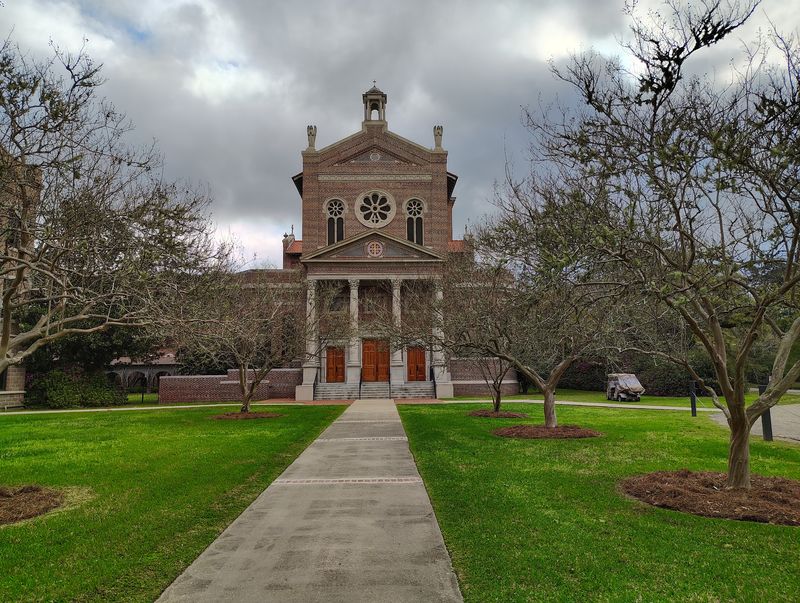
Saint Joseph Abbey Retreat Center sits at 75376 River Road in Saint Benedict, Louisiana, on the wooded Saint Joseph Abbey campus. U.S. 190 and North Lee Road get you into the right part of St. Tammany Parish, then River Road handles the final 2.6-mile approach.
The last stretch gets noticeably quieter as the road leaves the busier Covington area behind and the abbey’s pine-covered grounds take over. Once the campus entrance appears on the right, you are at the correct property rather than looking for a separate roadside retreat building.
Drive onto the abbey campus and stop first at the Welcome Center inside Benet Hall to check in and get directions to the Retreat Center. From there, follow the campus roads to the retreat facilities and designated parking.
Respect The Hours Of Silence
Silence at Saint Joseph Abbey is not a gimmick. It is part of the spiritual practice, and the abbey asks guests to keep quiet every morning until after breakfast and again in the evening after Compline.
Fridays are even more hushed, with silence continuing from Vespers until after breakfast on Saturday.
That sounds strict on paper, but in practice it feels generous. Without constant talking, small things grow louder: footsteps on a path, a page turning, birds beyond the window, your own nervous thoughts settling down.
Keep your voice low in hallways and common spaces, even outside formal quiet periods. If you come with a friend, decide beforehand that you will not narrate every reaction.
The whole point is to give your mind less to chase and more room to rest.
Book A Stay, Not A Marathon
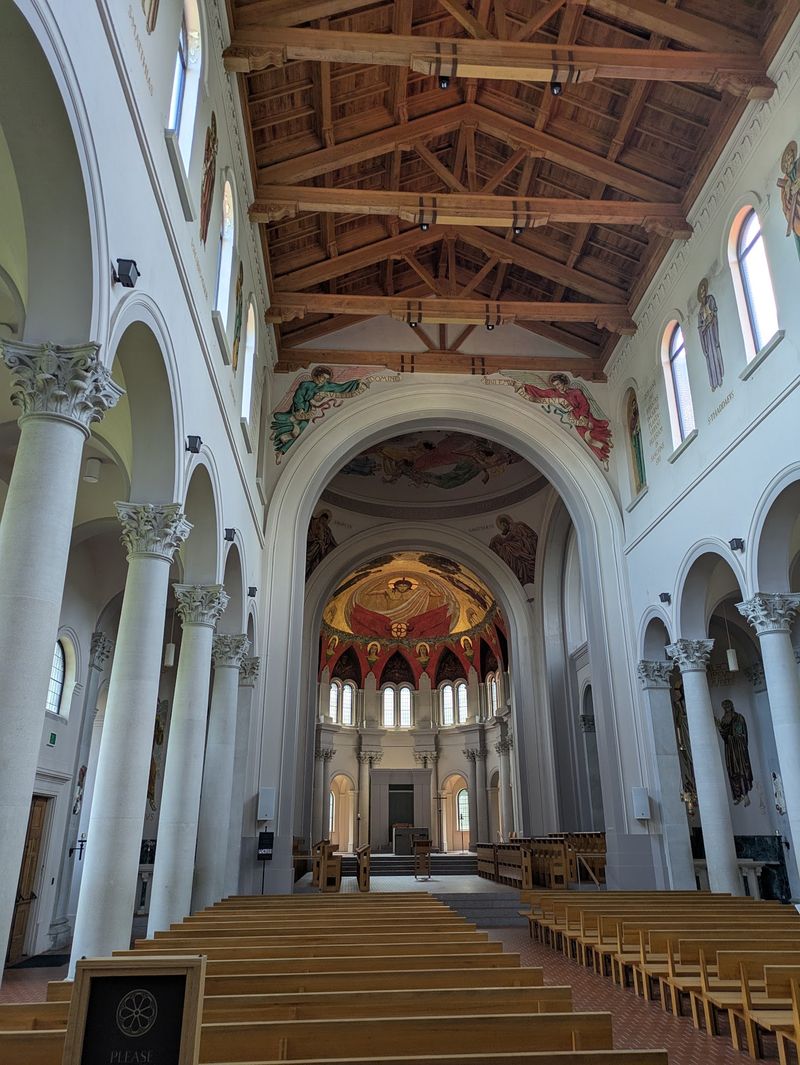
Comfort matters more than people admit when they are trying to be reflective. Saint Joseph Abbey’s Retreat Center, renovated in 2017, includes 30 guest rooms with a queen-size bed, a pullout sleeper sofa, a private bathroom, and an individual thermostat.
That means the stay feels simple, but not punishing.
The abbey often recommends a Friday to Sunday or Tuesday to Thursday rhythm. That is wise, because silence takes a little time to stop feeling awkward and start feeling useful.
Do not cram the retreat between too many other obligations if you can help it. Leave some breathing room before and after, especially on the drive.
A place like this works best when you give it enough time to settle into your system. Two nights can do a surprising amount of good.
Learn The Story In The Bricks
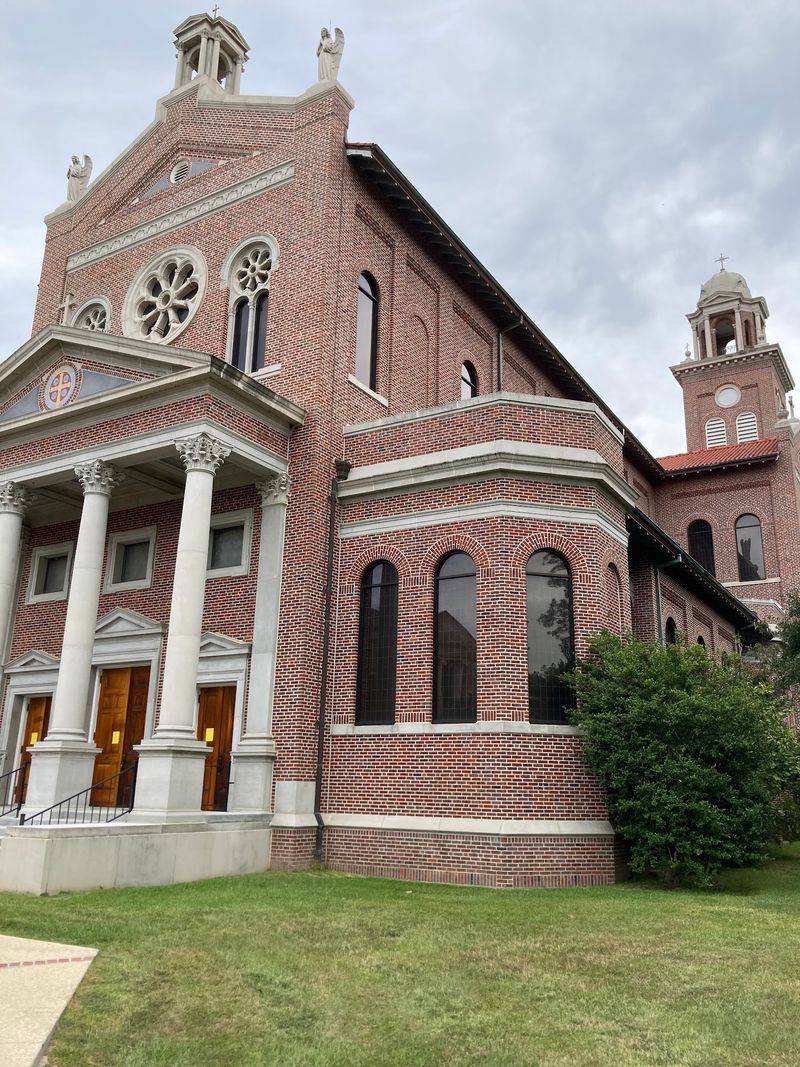
History sits plainly on these grounds, especially in the big brick buildings that look solid enough to outlast your bad mood. The Benedictine community was founded in 1889 by monks from Saint Meinrad Abbey in Indiana.
After starting near Ponchatoula, they moved to the present St. Tammany Parish site in 1902 because the first land was too marshy for farming.
Then came a setback with teeth. A fire destroyed the wood-frame campus in 1907, and the current large brick main building rose in 1908.
Knowing that story changes the way you see the place. What looks calm today was built through adaptation, loss, and patient rebuilding.
If you are tempted to treat the abbey as only a pretty backdrop, pause. Its quiet has roots, and the architecture tells part of that stubborn, practical faith.
Spend Time Looking Up In Church
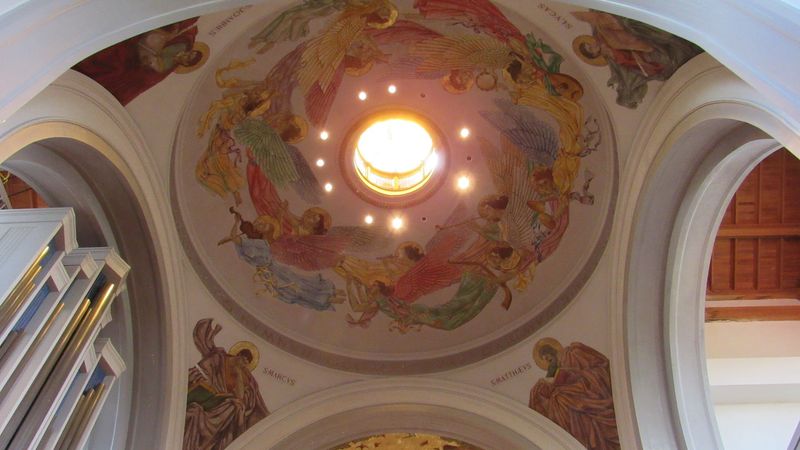
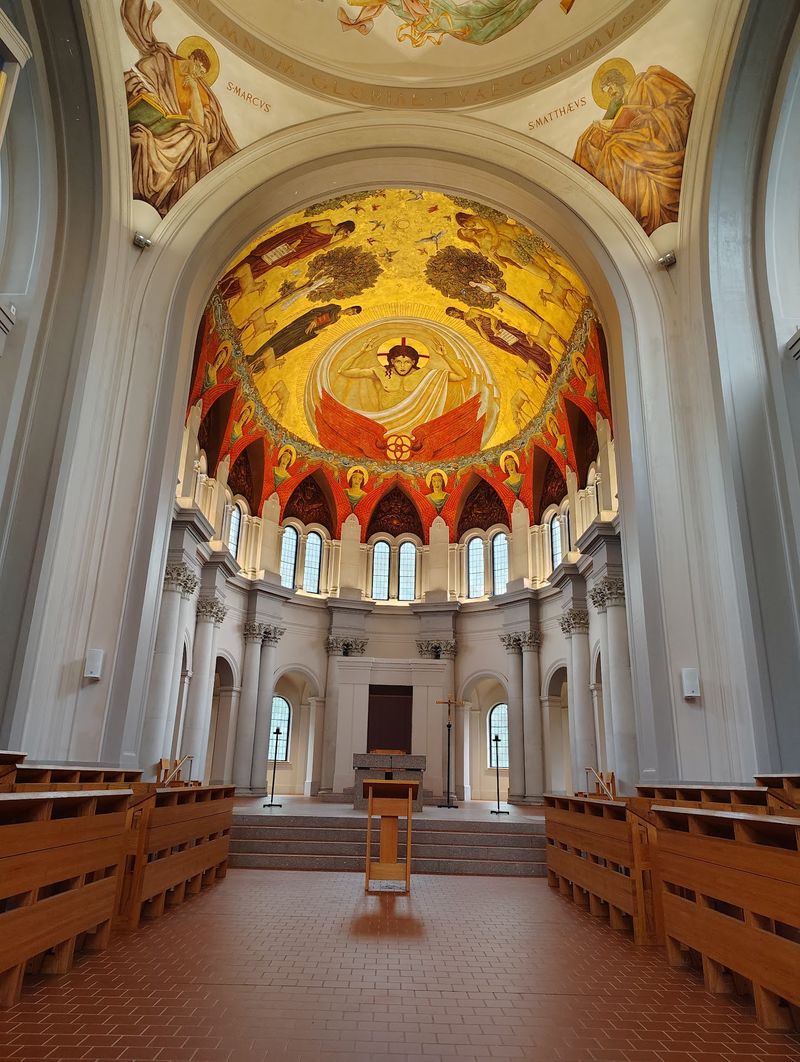
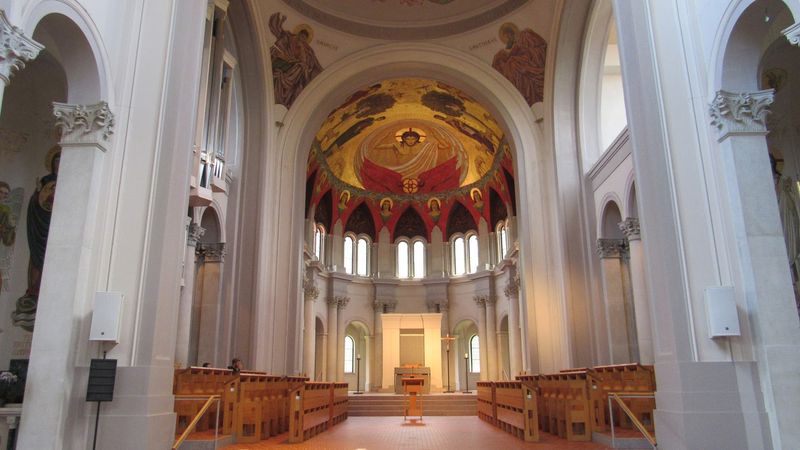
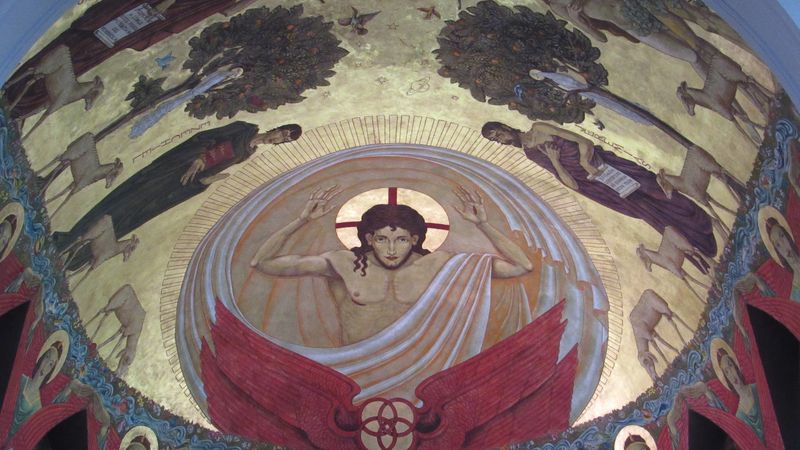
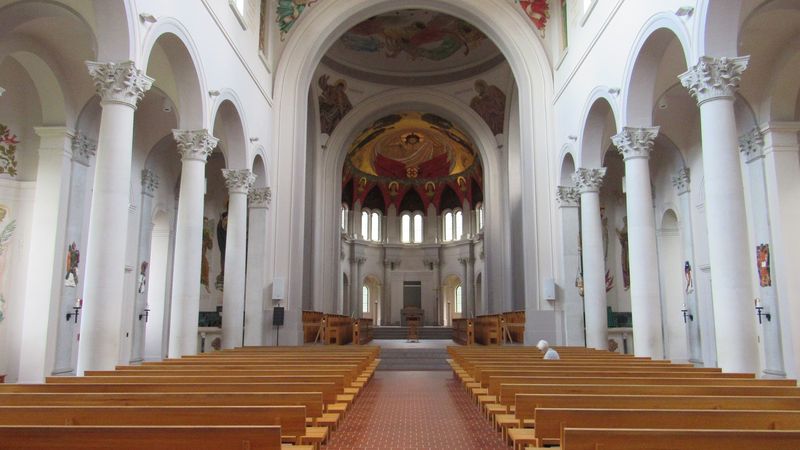
Inside the Abbey Church, the silence suddenly has color. The murals are the great visual surprise of Saint Joseph Abbey, painted by Benedictine artist Dom Gregory de Wit between 1945 and 1955.
He covered thousands of square feet with scenes of saints and biblical stories, creating a church that feels both devotional and richly alive.
What makes the work even more interesting is the practical side. De Wit developed special paint mixtures so the murals could stand up to Louisiana humidity, and that care helped preserve them remarkably well.
Do not rush through the church as if it were a quick photo stop. Stand still long enough for details to emerge from the walls and ceiling.
The building teaches in two languages at once: prayer in the air, and art all around you. Both reward patient attention.
Dress Like You Mean To Be There
Clothing sounds like a small detail until you arrive somewhere that treats shared space with real seriousness. Saint Joseph Abbey asks guests to dress respectfully for communal prayer, Mass, and meals in the monastic dining hall.
For men, that generally means button-up shirts, polos, or sweaters with slacks, khakis, or jeans. For women, shoulders should be covered, necklines modest, and skirts, dresses, or pants should fall at or below the knee.
None of this feels fussy once you are there. It simply fits the tone of the place, like lowering your voice in a library without being told twice.
If you are unsure, lean a little more formal and a little less sporty. Closed-toe shoes are a sensible choice too.
Respect here is visible, and getting dressed is part of participating in it.
Treat Meals As Part Of The Retreat
A quiet meal can feel oddly dramatic when you are used to eating with chatter, screens, or background noise. At Saint Joseph Abbey, meals are generally taken in silence, except for Sunday lunch and supper.
Instead of making the dining hall feel cold, that practice turns eating into part of the retreat itself.
You notice the small mechanics of the moment: plates being set down, chairs moving, gratitude before food, the simple fact that nourishment does not need commentary to be real. It is a humble but memorable shift.
If silence at meals makes you uneasy, give it one full day before judging it. The discomfort usually fades.
What replaces it is attention, and attention is one of the abbey’s quiet specialties. Eat slowly, stay present, and let the stillness do its plain, unflashy work on your thoughts.