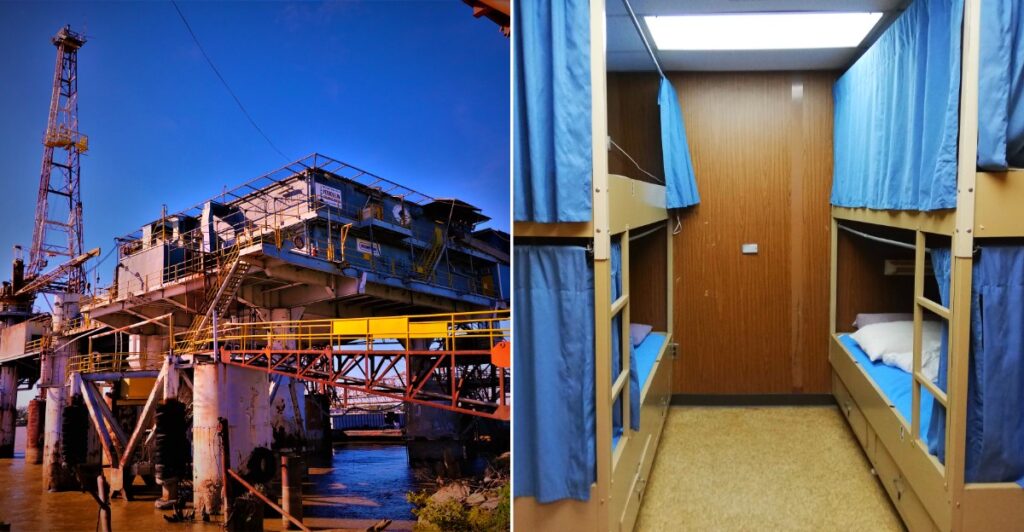
Ordinary people are not supposed to walk the decks of an offshore drilling rig. Yet one spot in Louisiana is the only place in the world where the public can climb aboard a real one.
This steel giant isn’t a replica built for show. It drilled hundreds of wells along the Gulf Coast from 1954 until 1986, and it was the first rig of its kind anywhere.
I love that the tour goes beyond the drill floor. You get to peek at where crews slept, where they ate, and how they stayed safe out on the water.
Find out how does a retired workhorse from the 1950s end up welcoming visitors in a small river town.
A Bold 1950s Idea Started On A Shipyard In New Orleans
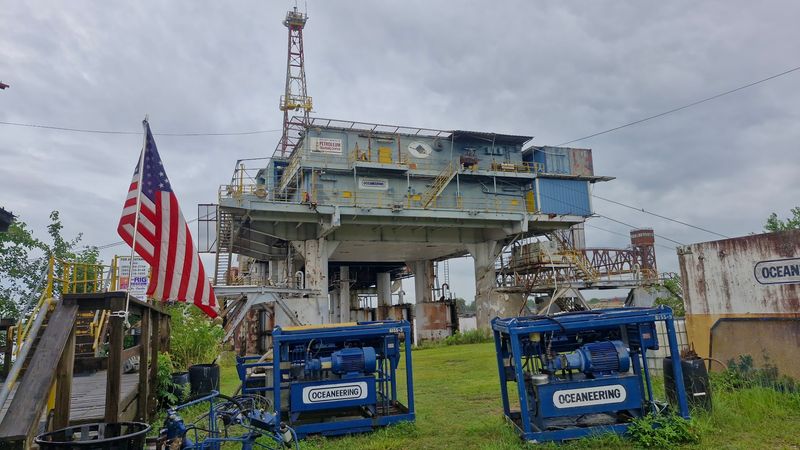
Every great invention needs a stubborn dreamer. For Mr. Charlie, that dreamer was a man named Alden “Doc” Laborde.
Laborde designed the rig at a time when offshore drilling was clumsy and expensive. Crews often had to build fixed platforms for each new well, which took serious time and money.
His answer was a rig that could float to a site and then settle onto the seafloor. When the job ended, it could float again and move to the next spot.
Construction began in 1952 at Alexander Shipyards in New Orleans. Workers finished the massive build in late 1953, and the rig launched in 1954.
Its first job came from Shell Oil Company. Mr. Charlie headed to East Bay, near the mouth of the Mississippi River, and got to work.
That’s a pretty dramatic debut for something made mostly of steel and bolts. Plenty of people doubted the idea, yet the rig proved them wrong almost right away.
Knowing this backstory makes the tour richer. You aren’t just looking at old machinery, you’re standing on a risky idea that actually paid off.
You Can Actually Walk Aboard The Only Offshore Rig Open To The Public
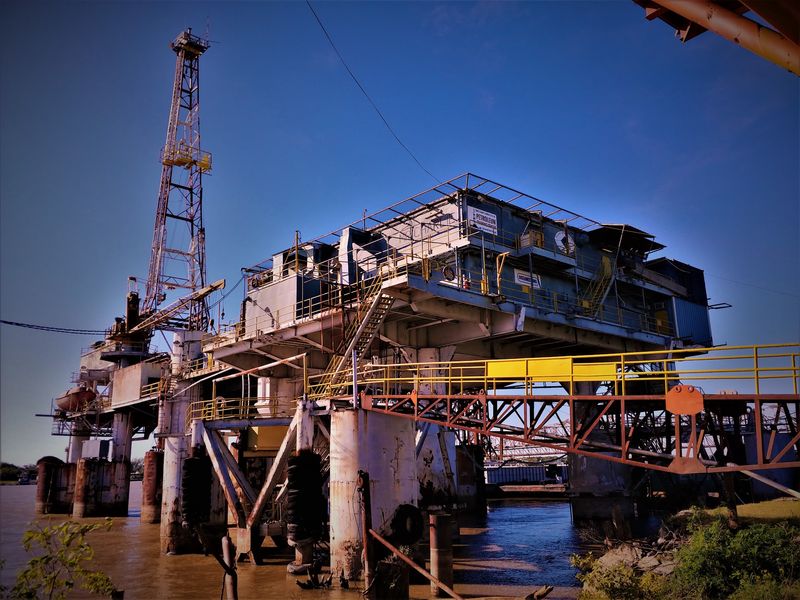
The International Petroleum Museum is at 111 First Street in Morgan City, Louisiana. Head toward downtown Morgan City from U.S. Highway 90 and follow the local streets to the waterfront and First Street.
The preserved Mr. Charlie drilling rig towers above the surrounding buildings and is the unmistakable landmark as you near the museum. This is a full-scale structure, not a small exhibit in a conventional gallery.
Go to the museum’s visitor access point at the First Street property and follow staff instructions for boarding or touring the rig. Contact the museum to confirm tour arrangements before visiting.
This Rig Changed Offshore Drilling Around The World
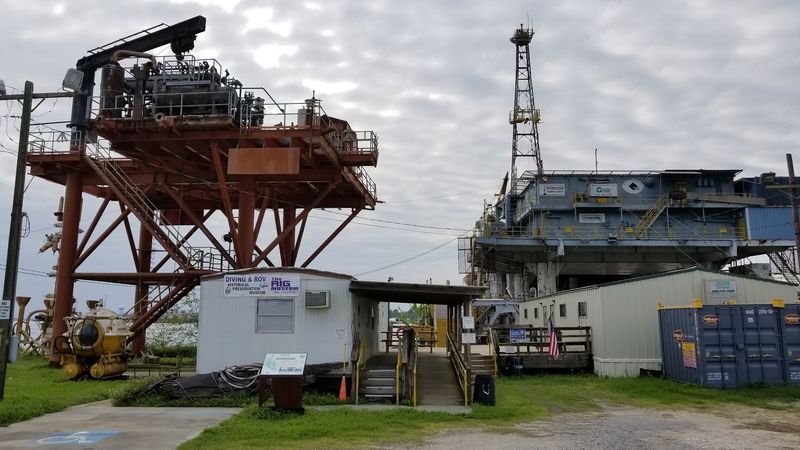
Call it the great-grandparent of modern offshore rigs. Mr. Charlie was the world’s first fully transportable, submersible, and self-sufficient offshore drilling rig.
That mouthful of words simply means it could move, sink into place, and support its crew on its own. Before this, offshore drilling looked very different and far less flexible.
Engineers now call this type of machine a Mobile Offshore Drilling Unit, or MODU. Mr. Charlie holds the title of the first and longest-operating MODU on the planet.
The numbers are impressive. Over its career, the rig drilled hundreds of wells and logged roughly 2.3 to 2.5 million feet of drilling.
It worked for several oil companies along the Gulf Coast from 1954 to 1986. Few machines stay useful for more than three decades, especially in salty, stormy conditions.
So why did it finally retire? Drilling moved into water deeper than its 40-foot limit, and Mr. Charlie simply couldn’t follow.
Its design influenced drilling technology worldwide. When you stand on its deck, you’re standing on the blueprint that inspired generations of rigs that came after it.
Wear Good Shoes Because You Will Be Climbing Several Decks
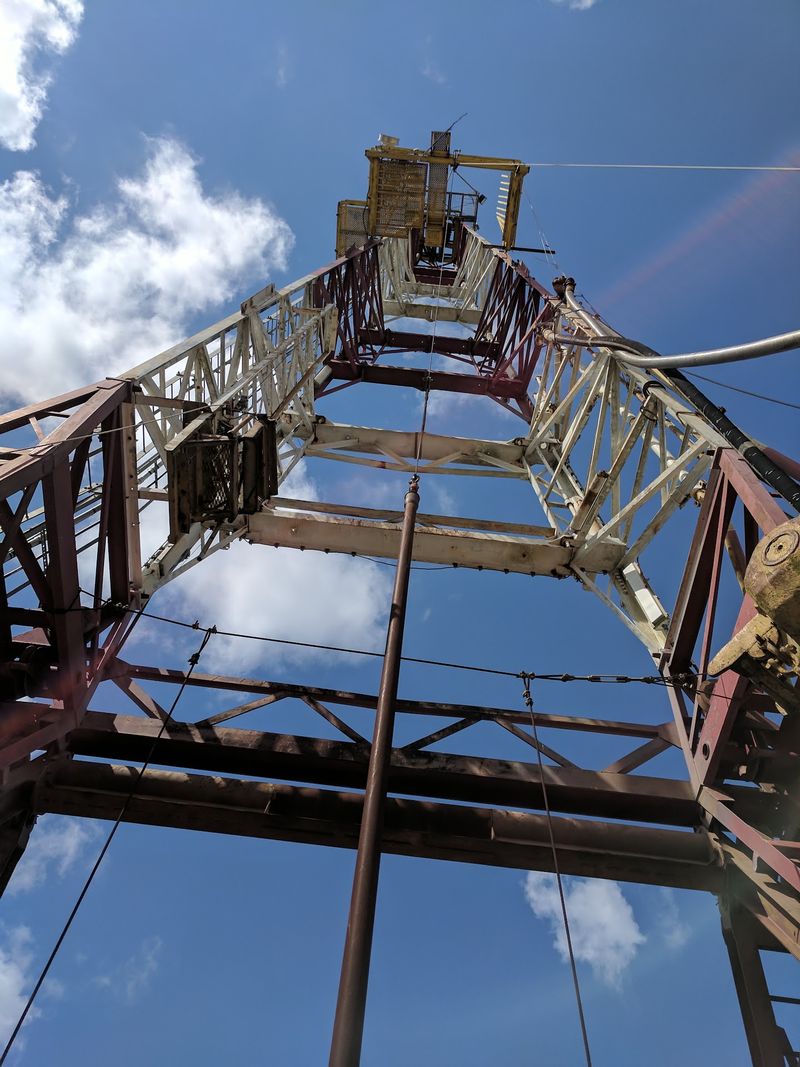
Flip-flops and oil rigs are not friends. Sturdy closed-toe shoes are the smart choice here, since the tour covers multiple levels of real working steel.
You’ll explore drilling decks, heavy machinery, work platforms, and control rooms. Each level shows a different piece of how the rig actually operated.
The machinery is the real deal, not shiny props. Seeing it up close helps the whole drilling process finally make sense.
Getting around takes some effort. Stairs, ladders, and narrow passages are part of the experience, just like they were for the crews.
That authenticity has a trade-off worth knowing before you go. Accessibility is limited, so anyone with mobility concerns should plan carefully.
Summer in Louisiana can make metal decks feel extra toasty. A hat, water, and a little patience will make the climb more comfortable.
The payoff is worth every step. Few people ever get to stand where roughnecks once worked, and here you can trace their path deck by deck.
Take your time on each level. The details tucked between the pipes and gears tell the best stories.
Peek Into The Bunks And Galley Where Crews Really Lived
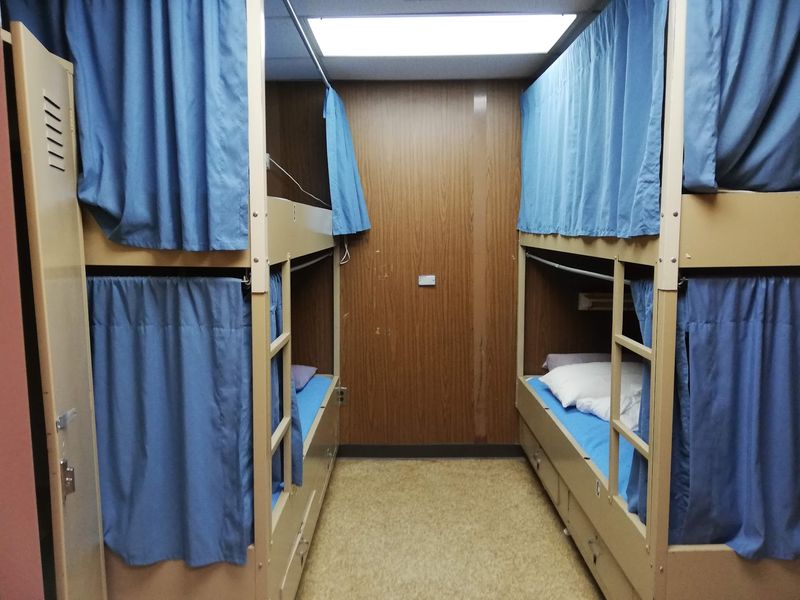
Drilling a well is only half the story. The other half happens off the clock, when tired workers needed a place to eat, rest, and recharge.
Mr. Charlie lets you see that side of rig life up close. The tour includes the crew living quarters, the galley, and the safety areas.
The living quarters show how workers shared space far from home. Life on a rig meant long shifts and close neighbors, with very little privacy.
The galley was the heart of the rig after a hard day. A good meal mattered a lot when you were stuck on a steel island for days.
Safety areas add another layer to the story. Offshore work came with real risks, and these spaces show how crews prepared for emergencies.
I like how this part of the tour turns machines into people. Suddenly the rig feels less like an industrial site and more like a floating neighborhood.
Families with kids may find this section especially relatable. It’s easy to compare these cramped bunks with your own bedroom and feel thankful for extra elbow room.
Guided Tours Bring The Oil Patch Stories To Life
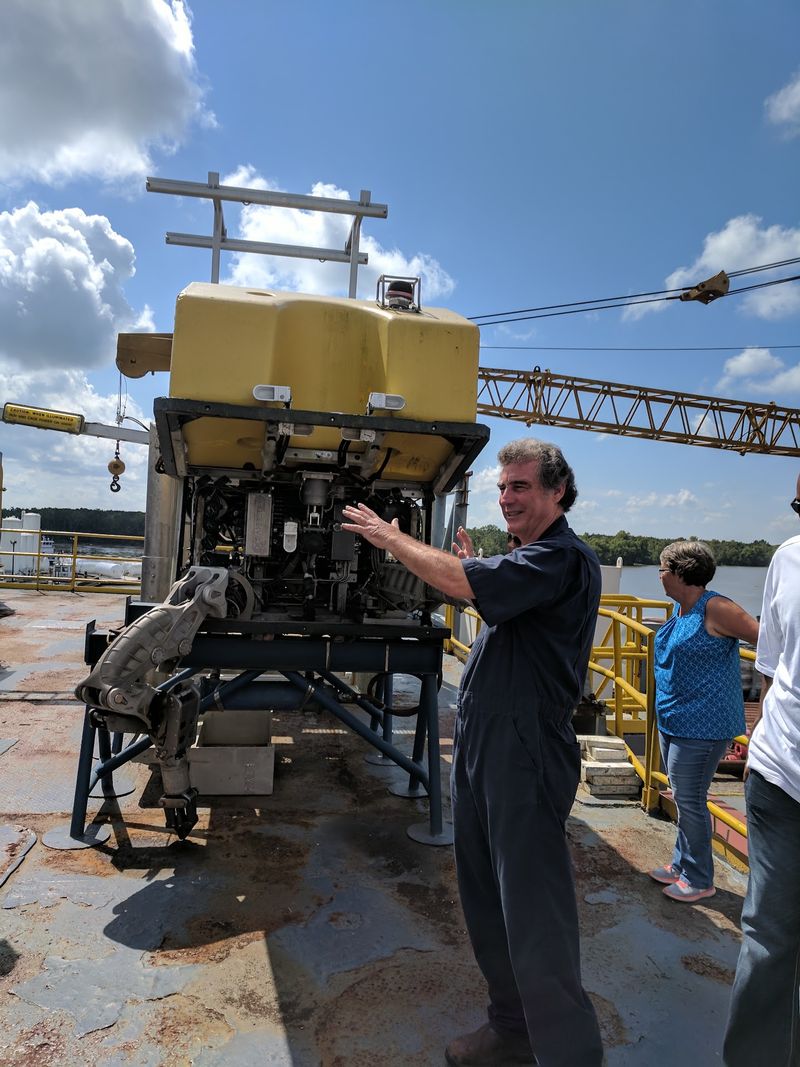
Here’s a tip that will save you some frustration. Plan around tour times, because the rig is explored with a guide rather than on your own.
Tours generally begin at 10 a.m. and 2 p.m., Monday through Saturday, weather permitting. The museum closes on New Year’s Day, Thanksgiving, Christmas Eve, and Christmas Day.
Since hours can shift, checking ahead before a long drive is a wise move. Weather in Louisiana can change quickly, and safety comes first on an open steel deck.
The guides do much more than point at equipment. They explain how the oil industry grew, how the rig worked, and how drilling technology evolved.
You’ll also hear stories from the early days of offshore oil. Those tales make the rusty gears and giant pipes feel alive again.
Got a question you think sounds silly? Ask it anyway, since these tours are built for curious people with zero oilfield background.
Engineers, students, and history buffs all have plenty to chew on. Even someone who barely knows what a derrick is can walk away feeling like an expert.
Few Machines Earn Honors Like A National Historic Landmark
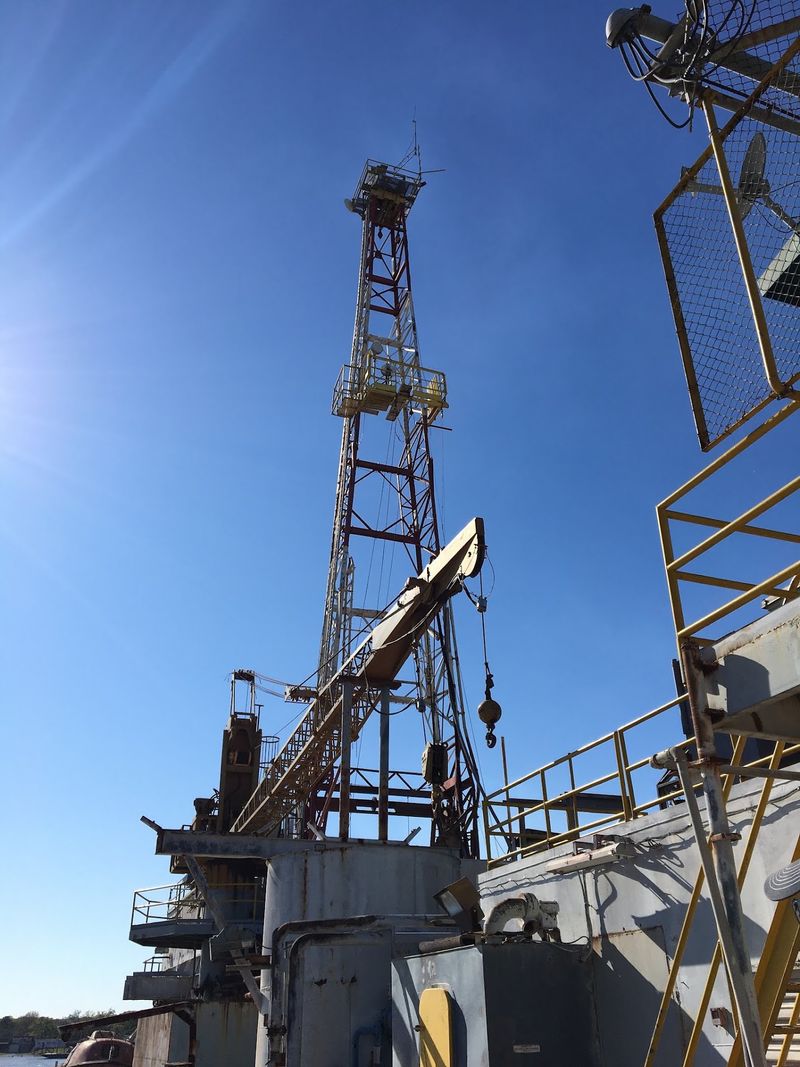
On December 13, 2024, Mr. Charlie earned a major honor. The Secretary of the Interior officially named it a National Historic Landmark.
That decision made history in two ways. It became the first MODU on the National Register of Historic Places, and the first National Historic Landmark in St. Mary Parish, Louisiana.
This wasn’t the rig’s first award either. Back in 2012, the American Society of Mechanical Engineers named it a Historic Mechanical Engineering Landmark.
Engineers don’t hand out that title for fun. It goes to machines that truly changed how the world builds and works.
The rig might have disappeared without local effort. After its retirement in 1986, oilmen and former workers in Morgan City pushed to preserve it.
Their hard work turned a retired drilling unit into a public treasure. That kind of community pride deserves a little applause.
Knowing about these honors adds weight to your visit. You’re touring a national landmark that sits right alongside famous historic sites, just with more bolts and a lot more steel.
The Rig Still Has A Day Job Training Offshore Workers
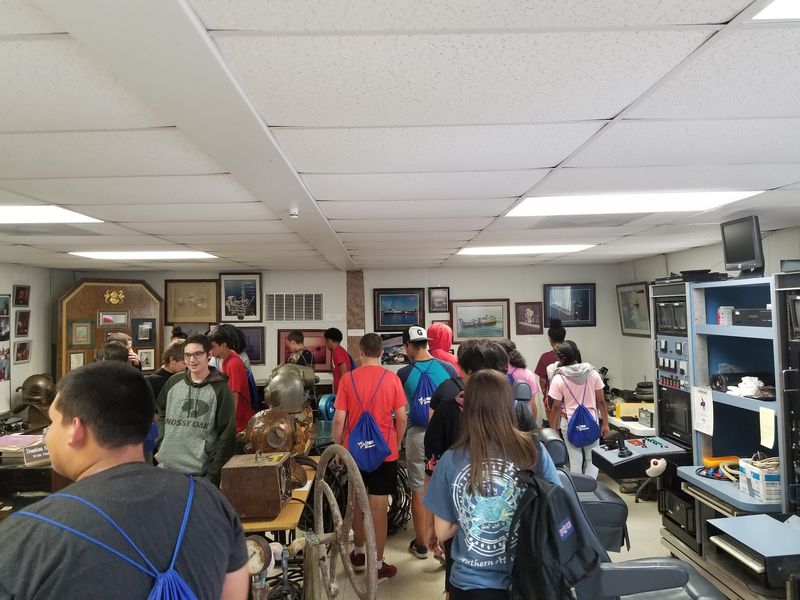
Retirement looks a little different for Mr. Charlie. The International Petroleum Museum and Exposition also serves as a training center for the offshore oil industry.
That means the rig still plays a role in preparing real workers. Not many museum pieces can say they still help people build careers.
This mix of history and hands-on training gives the place a unique energy. It feels connected to the present, not frozen in the past.
Students thinking about future jobs may find the visit eye-opening. Seeing a real rig can help them picture what offshore work actually involves.
Photographers will appreciate one friendly policy. Photos are permitted throughout the rig, so snap away from the drill floor to the bunks.
Those towering steel views make striking pictures. Your social media feed probably hasn’t seen anything quite like it.
Before leaving, stop by the gift shop. It carries oil industry memorabilia, books, and souvenirs that keep the story going once you get home.
A good book about the oil patch makes a smart pick. It lets you relive the tour long after the drive back.
Make Morgan City Part Of Your Next Louisiana Road Trip
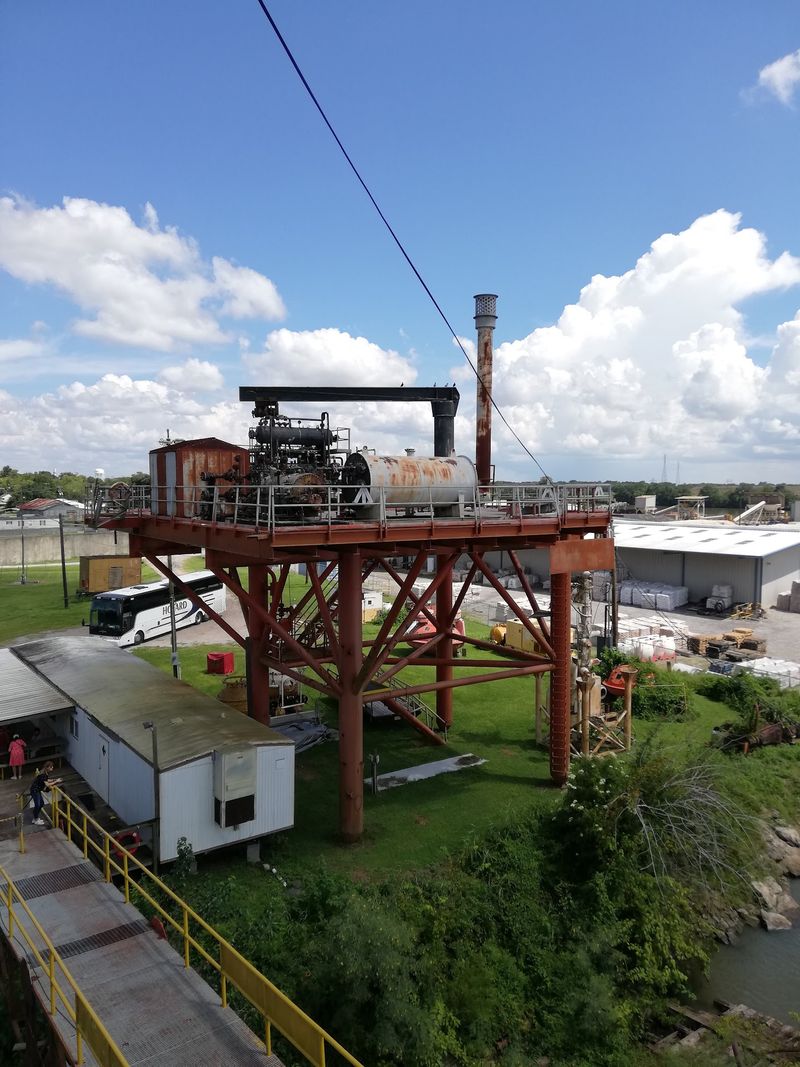
Morgan City sits on the Atchafalaya River, and its oil history runs deep. The town played a big part in the growth of offshore drilling, so the rig fits right in here.
You’ll find the museum at 111 First Street, Morgan City, Louisiana 70380. It’s an easy detour for travelers heading across the southern part of the state.
Mr. Charlie makes a great anchor for a day trip. The tour takes a good chunk of time, so leave room in your schedule.
Arriving a bit early is smart, since tours start at set times. Missing the morning group means waiting until afternoon for the next chance.
Pack for the weather, especially in the warmer months. Steel decks and Gulf Coast sunshine can team up fast.
I believe this stop works for almost anyone. History fans, engineering nerds, and curious families all get something real to take home.
The International Petroleum Museum and Exposition proves that big history can sit in a small town. And honestly, how many people can say they’ve boarded an offshore rig without ever leaving dry land?