Smoke drifted across a small-town parking lot long before I ever saw a menu, and it smelled like red oak and sizzling beef. From the outside, the building looked like it had not changed much since my grandparents were young.
Inside, the plates arrived so loaded with food that I wondered if the kitchen had misheard my order. California has plenty of fancy steakhouses, but this humble Central Coast spot proved that a wood fire and a generous hand can beat white tablecloths any day.
A Steakhouse on Thompson Avenue, Halfway Between Two Big Cities
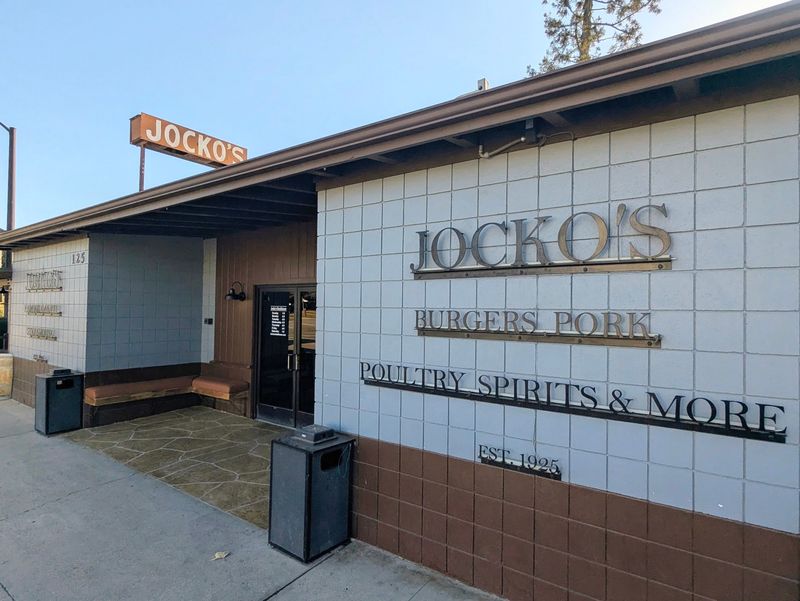
Halfway down the coast between Los Angeles and San Francisco, a low-slung building at 125 N Thompson Ave in Nipomo keeps a grill fire going nearly every afternoon. Jocko’s is an old-school steakhouse, and it wears that label proudly.
You will not find white tablecloths, foam garnishes, or a menu that needs a translator.
Nipomo itself sits in southern San Luis Obispo County, a quiet Central Coast town surrounded by farmland and rolling hills. Plenty of travelers zip past on Highway 101 without a second glance.
Those who pull off the freeway often discover why locals have been lining up here for decades.
The pitch is simple. Jocko’s cooks meat over red oak in the Santa Maria barbecue tradition, serves it in big portions, and includes nearly everything you need for a full meal in the price of dinner.
The restaurant is laid-back and a little rough around the edges, which is part of the charm. Think of it as a road trip reward, the kind of stop that turns a long drive down the Central Coast into a story you tell at home.
Family Roots Reaching Back to 1883
Long before anyone in Nipomo talked about ribeyes, Emery Knotts was running a business in town back in 1883. That early venture planted the family roots that still anchor Jocko’s today.
Few restaurants in California can trace a story that stretches across three different centuries.
His son, Ralph Knotts, went by the nickname Jocko, and he became a big part of local life. The name stuck so well that it eventually went up on the sign.
In 1957, Jocko’s sons, Fred and George Knotts, opened the restaurant that carries their father’s nickname.
Five years later, in 1962, the business moved into its current building on Thompson Avenue. That is the same spot where diners still gather under wood-paneled walls and old photographs.
Walking in feels a bit like stepping into a family album that happens to smell like grilled steak.
Perhaps the most impressive detail is that Jocko’s remains family-owned and operated by Knotts descendants. Longtime regulars talk about visiting for twenty, thirty, even forty years.
Some say the feel has shifted a little over time, which happens anywhere with this much history, but the fire and the family name have both held steady.
Red Oak Fire and the Santa Maria Method
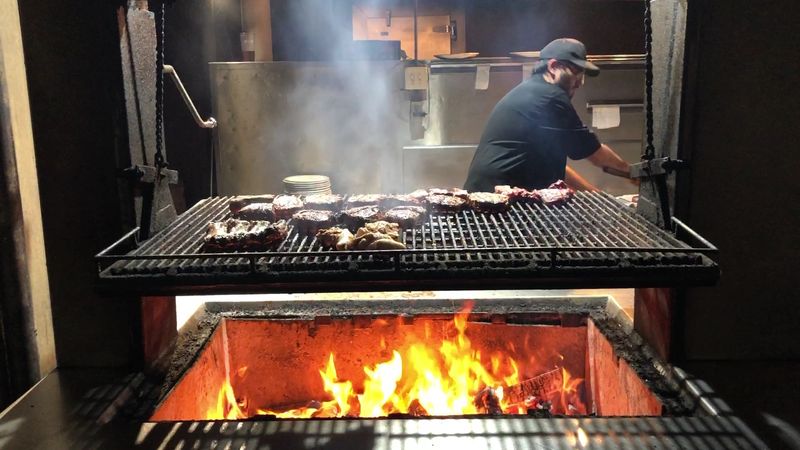
Red oak is the secret, and it is not much of a secret at all. Cooks at Jocko’s build their fires from California red oak in open pits, then work the meat right over the live flames.
The result is a smoky, savory crust that visitors rave about long after the drive home.
Santa Maria-style barbecue grew up right here on the Central Coast, and it follows a few simple rules. Seasoning stays basic, usually just salt and pepper, so the wood does the talking.
Pit masters control the heat by raising and lowering the grill grates, a hands-on method that takes real skill and plenty of practice.
Step out of your car in the parking lot, and you will probably smell it before you reach the door. Diners often mention that the aroma of sizzling steak greets them the moment their doors open.
One regular summed up the pull by saying the flavor might make other steakhouses feel a little disappointing afterward. Not every guest agrees on every cut, since rustic open-fire cooking can produce a chewier bite now and then.
Still, most people come for that unmistakable red oak smoke, and it rarely lets them down.
Spencer Steaks, Sirloins, and a Serious Filet
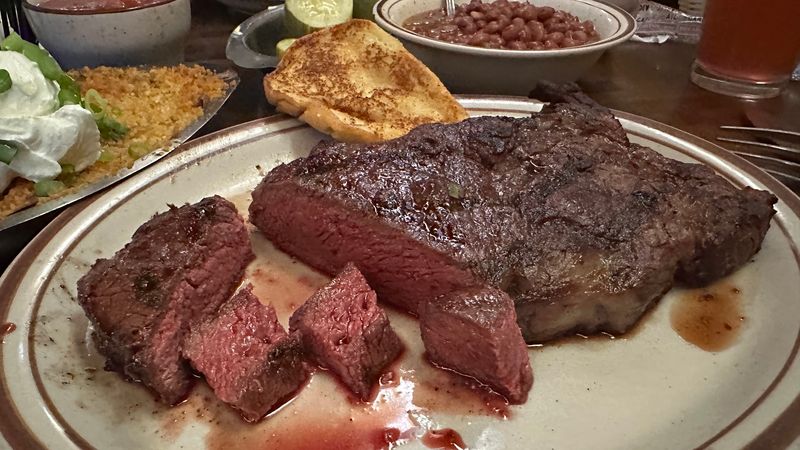
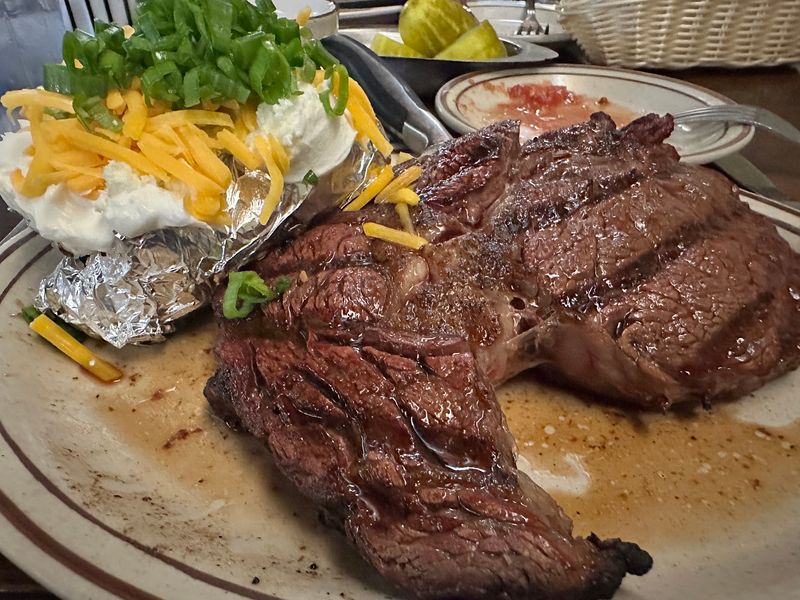
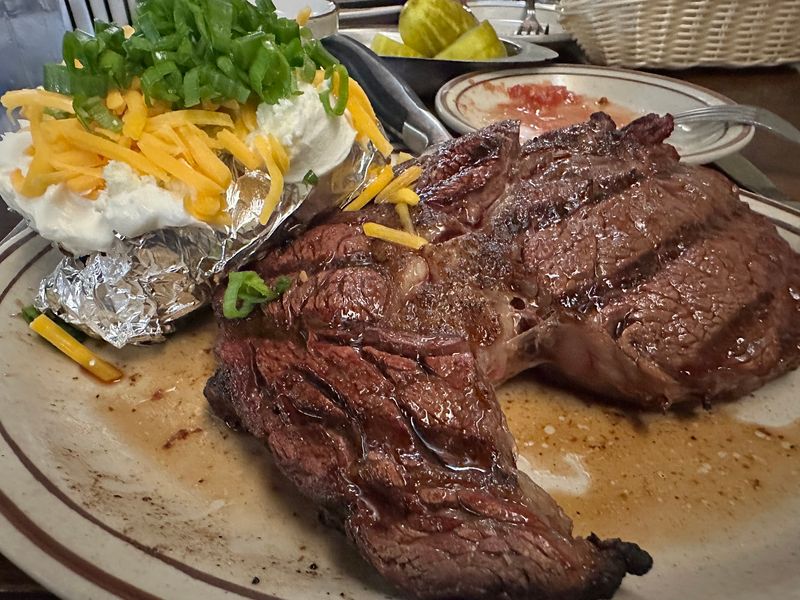
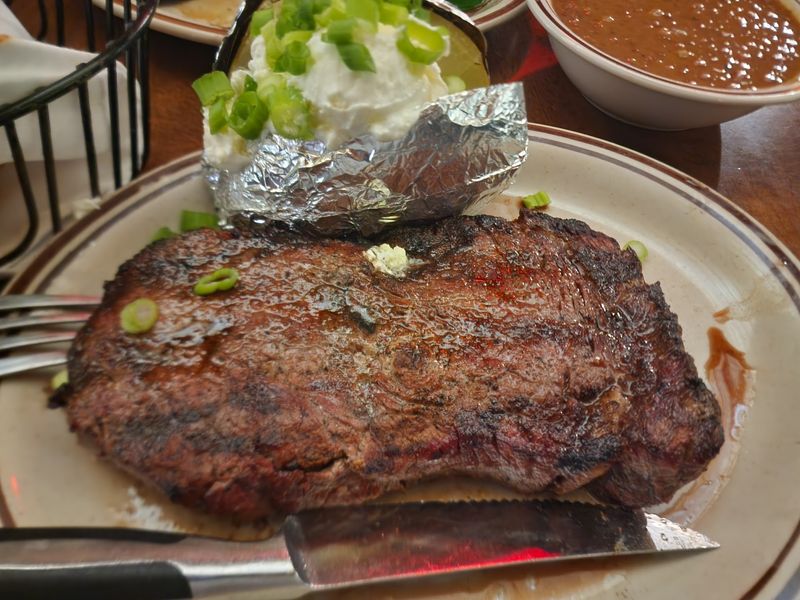
Ask a Central Coast local what to order, and the answer often starts with the Spencer. That is Jocko’s name for the ribeye, a richly marbled cut that soaks up oak smoke beautifully.
Many visitors call it the best ribeye they have ever tasted, which is high praise in a state full of steakhouses.
The red oak pit menu also covers a New York strip, a top sirloin, and filet mignon. Top sirloin gets plenty of love from guests who want bold beefy flavor without quite as much richness.
Filet fans mention ordering a 10-ounce cut and finding it tender and satisfying.
Hungry but not starving? A small Spencer weighs in at 8 ounces, and one diner reported paying about $40 for it, with the full dinner lineup included.
For a steak cooked over live fire and served with salad, beans, a side, and dessert, that price feels refreshingly fair.
Medium rare is a popular choice, letting the pink center balance that smoky, crackly crust. A spoonful of the house salsa on top is a local habit worth copying.
The fresh kick cuts through the richness and makes every bite taste a little brighter.
Pork Chops, Lamb, and Other Reasons to Skip the Steak
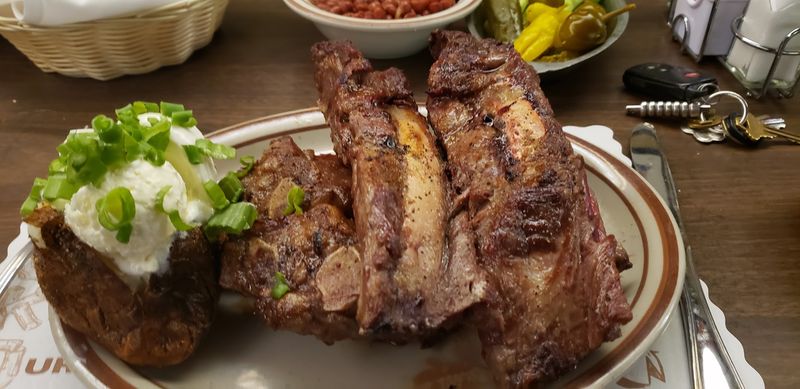
Plenty of regulars will tell you, a little mischievously, that the steak is not the only star here. Pork chops come up in conversation almost as often as the beef, and guests who want the full red oak experience often order one.
The smoke clings to the chop’s edges and gives it a flavor that is hard to recreate at home.
Lamb chops earn their own fan club. Diners describe them as massive and cooked just right, which is a tall order for such a delicate meat.
Beef ribs and pork ribs also make appearances, so rib lovers have options too.
Craving something besides a chop? The pan-fried chicken has surprised visitors, including a guest who swore a single wing looked about the size of a chicken breast.
The Jocko’s cheese steak sandwich is another winner, and it is filling enough that half of it often ends up as tomorrow’s lunch.
Grilled artichokes deserve a special mention, a fitting choice on the Central Coast, where artichoke fields are part of the landscape. One diner even ordered a grilled lobster tail as an extra and paid $29.95 for a huge portion served with melted butter.
A Dinner That Arrives in Waves
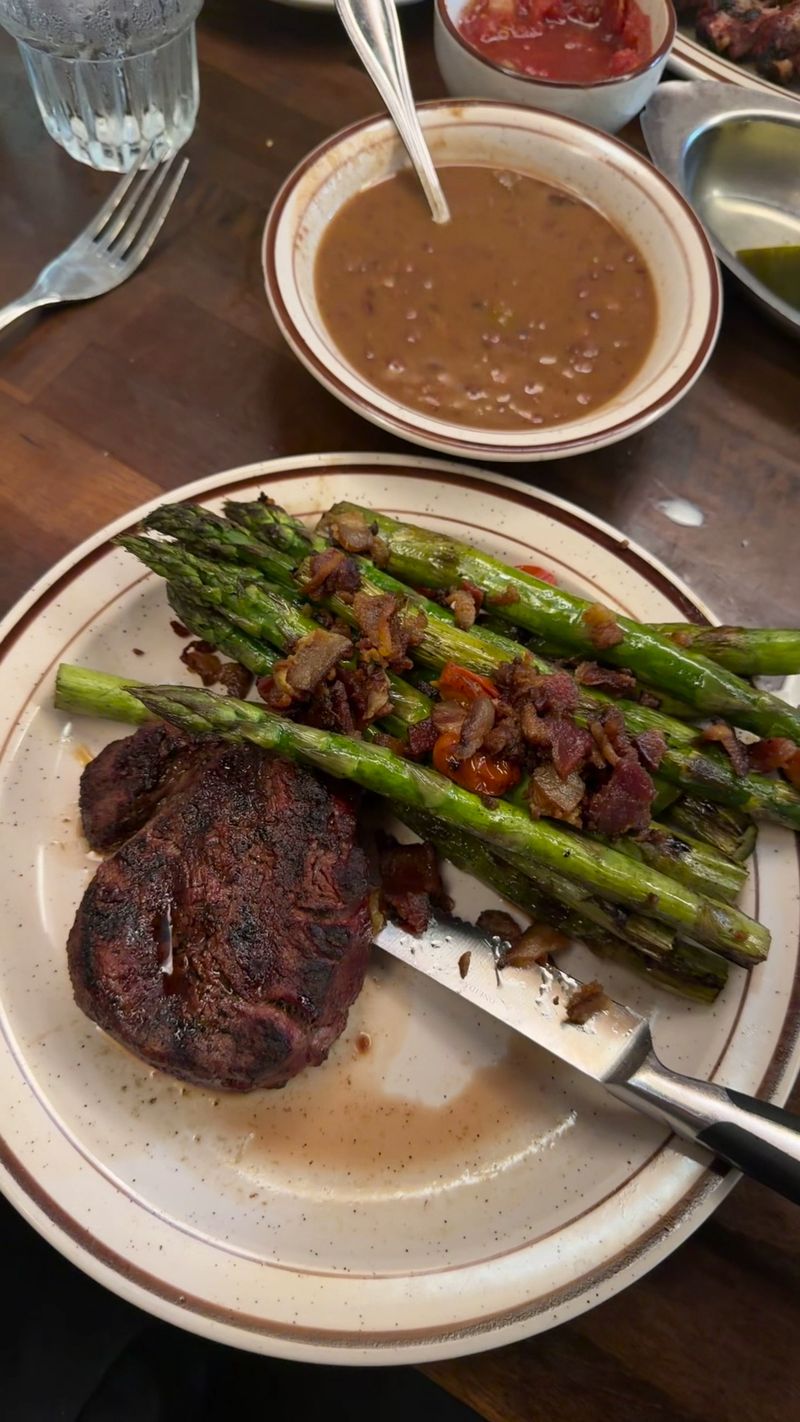
First come the crackers. Before any steak hits the table, servers bring out a plate of crackers, thick dill pickle slices, butter, and a bowl of Jocko’s homemade salsa.
Guests who love pickles tend to get very excited at this stage, and honestly, who could blame them?
Next up is a salad with house-made dressing, followed by the famous Pinquito beans. These small pink beans are a Santa Maria Valley specialty, and at Jocko’s they pick up a smoky edge from the fire.
Grilled garlic bread rounds out the early courses, perfect for mopping up salsa.
Then the main event lands alongside your choice of side. Options can include a baked potato, fries, rice, or seasonal vegetables, and some diners go all in with a loaded baked potato piled with bacon, cheese, sour cream, and chives.
The hash brown casserole has a small but loyal following, and smoky grilled asparagus with bacon wins praise too.
Finally, dessert shows up without anyone asking. A small scoop of ice cream, sometimes spumoni, rainbow sherbet, or salted vanilla caramel, closes the meal.
Most people leave with a to-go box, because the portions here are famously generous.
Wood Paneling, Cattle Brands, and a Crowd of Locals
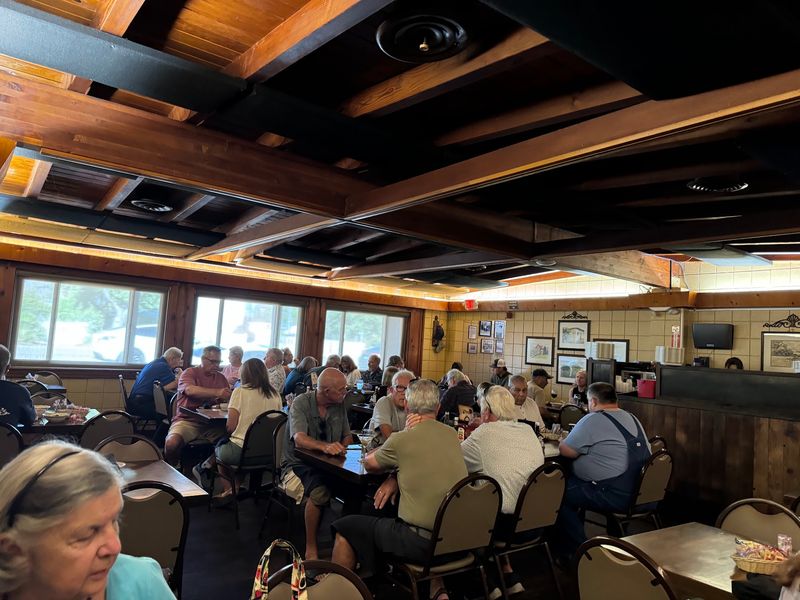
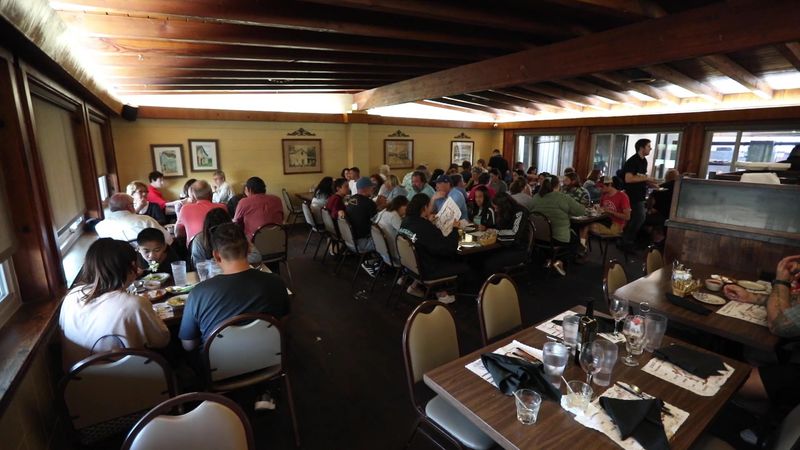
Forget mood lighting and designer chairs. The dining room at Jocko’s leans into a simple mid-century look, with wood-paneled walls, comfortable seating, and decor that includes local cattle brands and vintage photographs.
Visitors often describe it as homey, a bit like a small-town diner that happens to specialize in steak.
On a busy night, the energy runs festive and loud in the best way. Local farmers and cowboys mix with families, road trippers, and couples celebrating birthdays.
Everyone seems to settle in quickly, because nobody here is trying to impress anyone.
Who will love it most? Hearty eaters, fans of old California traditions, and anyone curious about Santa Maria barbecue will feel right at home.
Families with big appetites do well too, and one server reportedly helped a group choose a family combo that fed the whole table.
Travelers hoping for polished, modern decor may find the room dated, and a few longtime guests feel the old-fashioned western character has faded somewhat. Service can vary on packed holidays, too.
For most diners, though, friendly and fast servers keep things moving, and the unfussy setting simply lets the food take center stage.
Hours, Reservations, and What to Budget
Timing matters more than you might expect. Jocko’s opens at 4 p.m.
Monday through Friday and at 1 p.m. on Saturday and Sunday, with the doors closing at 9 p.m. every night. Weekend afternoons are a smart window for anyone who wants an earlier supper after a morning at nearby beaches.
Reservations are strongly recommended, and guests regularly describe the dining room as packed. Even with a booking, waits can stretch, so arrive with patience and an appetite.
One solo diner managed to snag a seat without a reservation by showing up within ten minutes of opening, a handy trick for small parties.
Prices run fair for what you get, since dinners bundle salad, beans, garlic bread, a side, and ice cream into the cost of the entree. Expect roughly $40 for a small ribeye dinner, with larger cuts and extras like lobster costing more.
Big group celebrations can add up quickly, so plan accordingly.
Getting there is easy from Highway 101, and an ample parking lot sits right outside. At least one visitor mentioned the restaurant only accepts cash, so bringing some along is a wise backup plan.
The Case for Making the Drive This Weekend
Honestly, Jocko’s is not trying to be the fanciest dinner in California, and that is exactly why it works. The formula has barely budged in decades: red oak fire, simple seasoning, big plates, and a table full of extras.
For many families, it is less a restaurant than a Central Coast ritual.
Is every visit flawless? No place this busy can promise that, and some longtime guests notice changes in service or style over the years.
Yet the smoky steaks, the Pinquito beans, and that homemade salsa keep pulling people back from Los Angeles, the Bay Area, and everywhere in between.
Seasons only make the trip sweeter. A crisp autumn or winter evening feels made for a hot plate of oak-grilled meat, while spring brings green hills and wildflowers along Highway 101.
Summer visitors can pair a beach day at nearby Pismo or Oceano with an early weekend dinner.
So book a table for this weekend, gas up the car, and bring your biggest appetite. Wear something with a forgiving waistband, too.
Chances are good you will leave full, happy, and already planning a return visit.