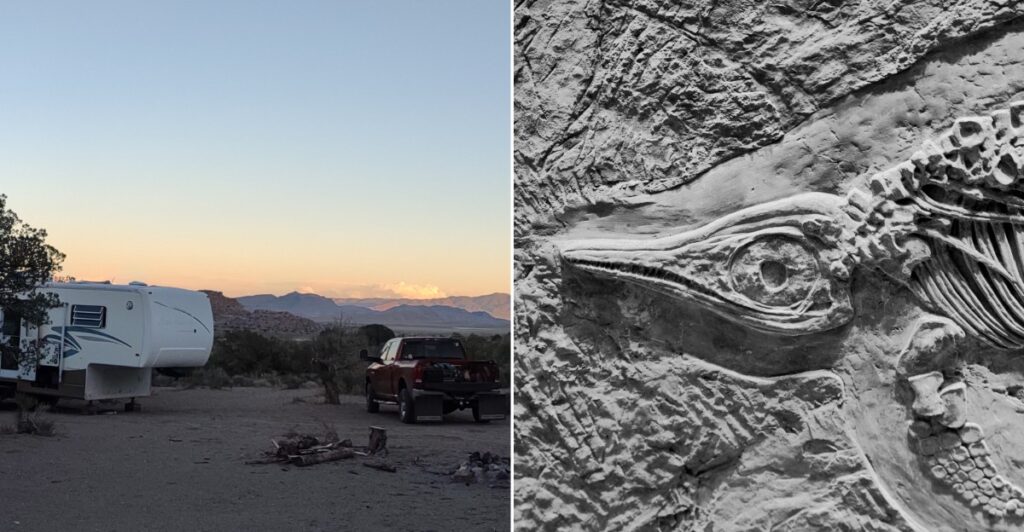
Most fossil hunts sound like they require a permit, a toolkit, and the patience of a museum curator. This one is refreshingly different.
On public land in western Utah, ancient marine fossils can still turn an ordinary desert stop into something much stranger and more memorable. Trilobites and other traces of long-gone sea life are the prize, but the rules matter as much as the discovery.
Visitors may collect certain common fossils for personal use under federal guidelines, yet that does not mean unrestricted digging or excavation. The landscape is remote, exposed, and far less forgiving than a roadside attraction with a gift shop.
Bring water, know the route, and check current land-use rules before heading out. For anyone curious about deep time, the desert reaches of Utah offer a rare chance to hold a piece of ancient ocean history without turning the outing into a full archaeological expedition yourself.
A Fossil Hunt Without An Admission Booth
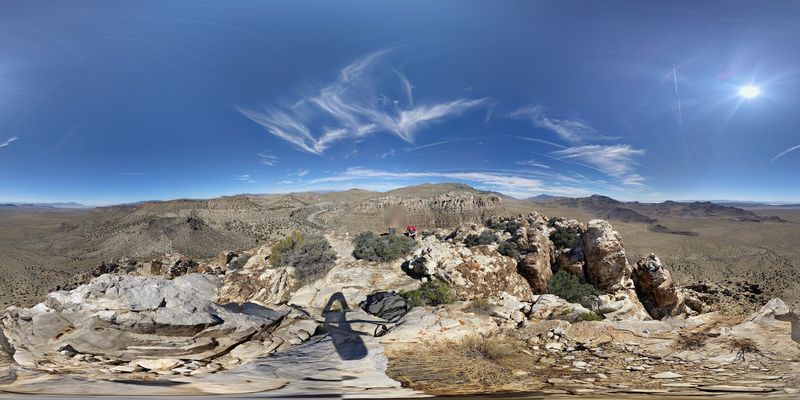
The easiest part of planning this trip is deciding why to go. It offers a clear goal: search rocky ground for fossils left by marine animals long before Utah had anything resembling its present desert landscape.
There is no admission booth to build a day around, and the site is public land rather than a commercial fossil quarry.
Finding it takes more thought. This is a peak in Millard County, not a storefront with a street number.
Save a reliable map before leaving areas with dependable service, and check current land management guidance for access and collecting rules. A map pin identifies a mountain; it does not promise a suitable road all the way to the exact collecting area.
That distinction makes the outing both appealing and unusually honest. You are not buying a guaranteed specimen in a gift shop.
You are choosing a remote place where looking carefully is the activity. Allow enough daylight for the drive, the search, and the trip back.
Bring water and practical footwear rather than treating the visit like a quick stop beside a highway. The ancient sea is the attraction, but modern logistics still get a vote before you leave home.
Why Trilobites Are The Main Attraction
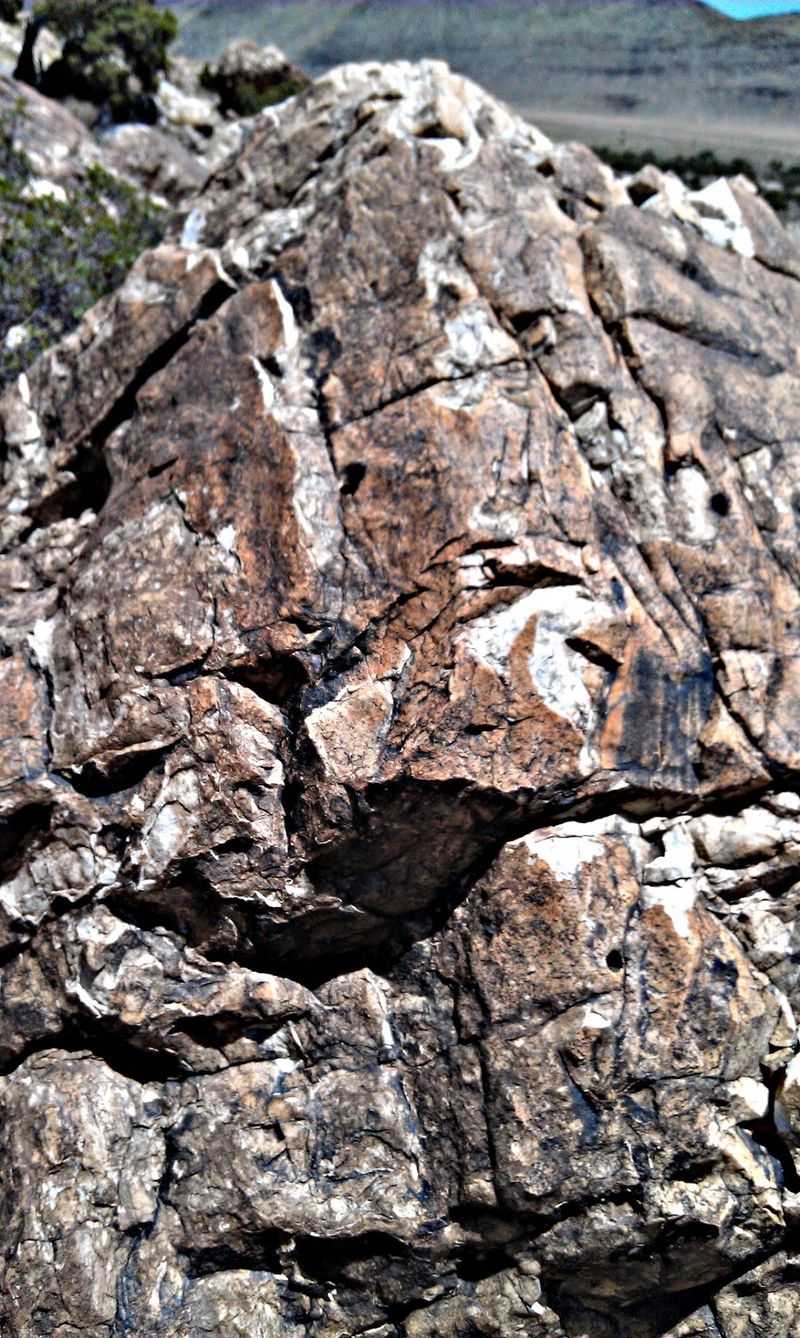
Trilobites give Fossil Mountain its easiest story to tell. These ancient sea animals had segmented bodies and hard outer shells, features that could leave recognizable shapes in rock.
They lived hundreds of millions of years before people, cars, or the first person to forget a water bottle on a desert outing.
The title’s figure of 485 million years points toward the early Ordovician period, but it should not be treated as an exact age for every fossil found here. Rock layers span time, and different specimens may come from different layers.
Fossil Mountain is also known for other ancient marine invertebrates, so a find that is not a trilobite can still tell part of the same sea story. Identifying a fragment confidently may take more than a glance.
Go in with a searcher’s patience, not a shopping list. Examine loose pieces carefully and compare shapes without assuming every patterned stone is an animal.
Photograph interesting finds where you see them, keeping a scale reference such as a coin in the frame. That simple habit makes it easier to look up an identification later.
Even an empty pocket can come with a better sense of what the ground contains, which is more satisfying than pretending every curious mark is a fossil.
The Confusion Range Sets The Scene
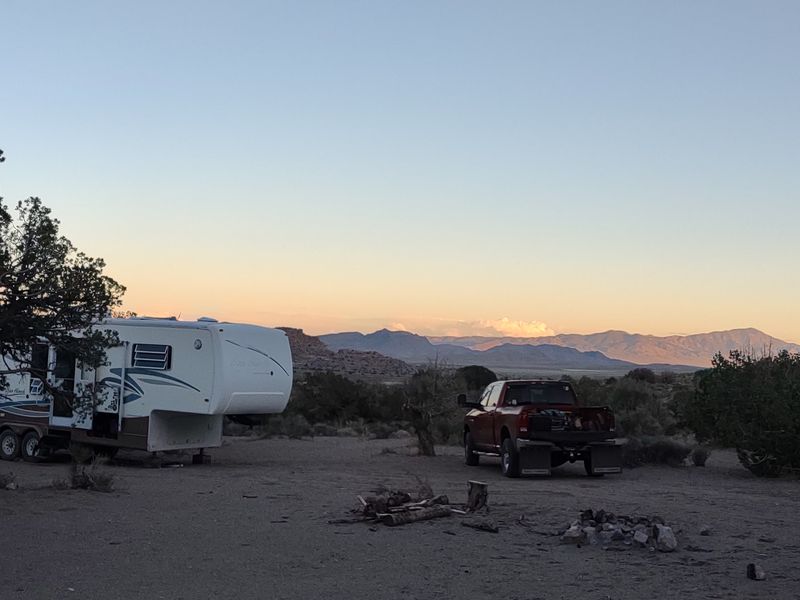
The name Confusion Range sounds like a comment from someone reading a road map, but it is the real mountain range containing Fossil Mountain. Here in western Utah, exposed rock is central to the visit.
The fossils are part of a landscape, not objects arranged beneath museum lights with tidy labels explaining what you found.
Expect uneven natural ground rather than a prepared exhibit. The supplied visitor information places collecting interest on slopes and in washes around the mountain, while the map identifies the peak itself.
Neither detail means every slope is suitable for walking or collecting. Pick a route that matches your group, watch your footing, and leave enough time to return without rushing.
Remote terrain rewards ordinary caution more reliably than confidence.
The geological contrast is the reason the setting holds attention. Land that looks far from any ocean now contains evidence of marine life from an ancient one.
Trilobites and other sea creatures once occupied environments preserved in rock; today those layers are exposed in Millard County. You do not need to memorize geological periods to appreciate that change.
Look at the rock, then look at the surrounding desert. Fossil Mountain makes the distance between those two scenes feel less like a textbook number and more like something a careful visitor can actually investigate.
The Word Dig Needs A Closer Look
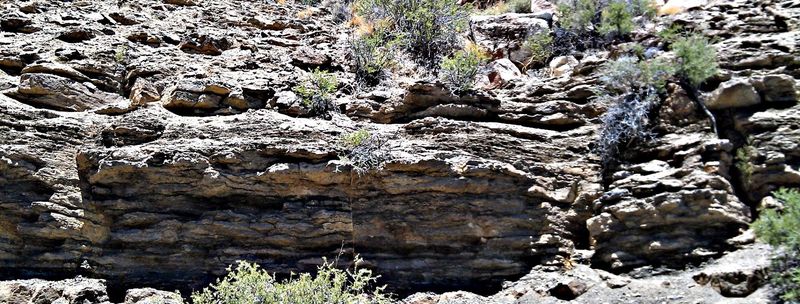
Here is the detail that changes how to pack: a headline about digging should not be read as an invitation to excavate. Fossil Mountain is associated with surface fossil hunting, and the supplied site information says digging is prohibited in its collecting area.
Before visiting, confirm current rules with the Bureau of Land Management, including where personal collecting is allowed and what may be taken.
Good To Know: A fossil lying loose on the surface is not the same as one embedded in a rock face. Rules can differ by fossil type, land designation, and exact location.
Do not assume that finding a fossil makes it yours to remove. Leave anything uncertain in place while you check the applicable guidance.
That small pause protects both the site and your plans.
Surface searching has a quieter rhythm anyway. Rather than bringing heavy tools and expecting a dramatic reveal, scan loose rock patiently and handle potential finds with care.
A photograph can be a useful record even when a specimen stays where it was found. This approach leaves the ancient record less disturbed for the next curious person.
The appeal of Fossil Mountain is real, but its public access works only when visitors pay as much attention to the rules as they do to shapes in the stone.
One Search, Several Ways To Enjoy It
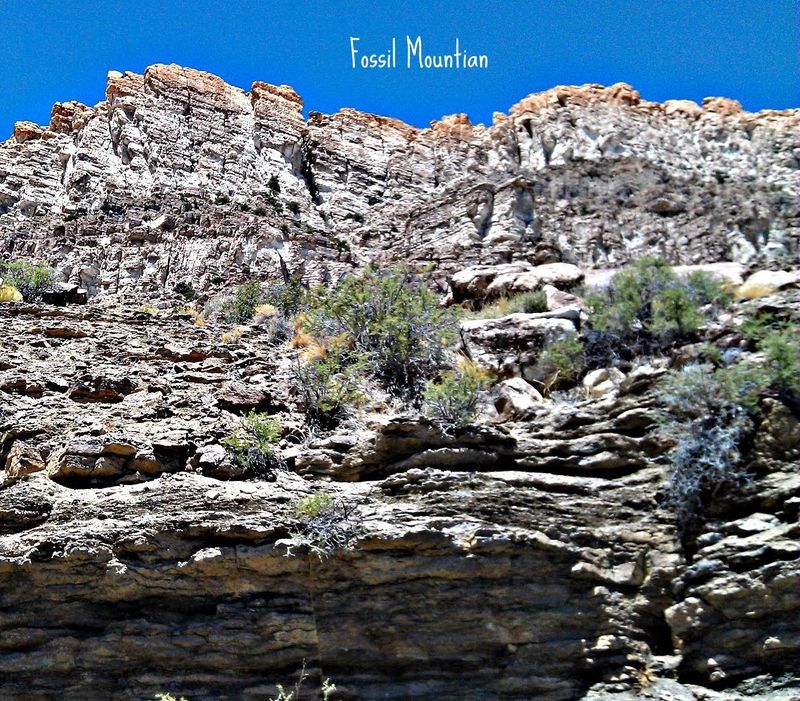
A family can turn the search into a simple observation game: who can spot a repeated pattern, a shell shape, or a layer that looks different from its neighbors? Fossil Mountain supplies the subject matter.
Adults supply the boundaries, especially on uneven ground and around any question of what may legally be collected.
Couples can work side by side without needing a schedule of activities. Solo visitors may enjoy setting their own pace, though a remote trip calls for letting someone know the route and expected return time.
Weekend travelers can make the fossil search the main reason for the journey instead of squeezing it into a packed list of stops. None of those plans requires a guaranteed find to make sense.
The common ingredient is curiosity rather than expertise. You can learn the rough outline of a trilobite before leaving, then compare what you see with a field guide or a saved reference image.
Bring a way to record where you found an interesting specimen, but avoid sharing precise collecting locations without checking land guidance. Utah’s desert gives everyone room to focus, yet it does not remove the practical limits of distance and terrain.
Choose a search area and visit length that suit the least experienced person in your group.
Getting There Is Part Of The Plan
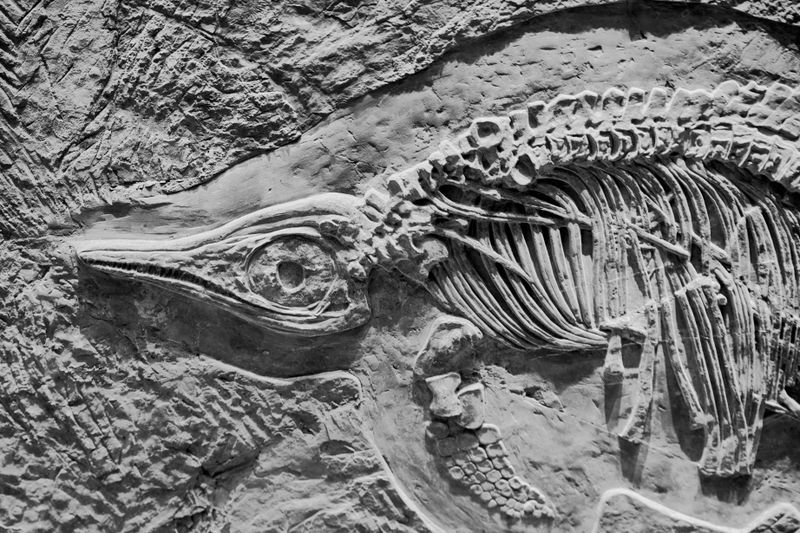
Put Fossil Mountain on a map before putting it on a Saturday calendar. It has no verified street address; the mapped peak is approximately 38.875787, -113.4694155.
Directions in the supplied visitor information approach from Delta by way of US Highway 6/50 and roads through Blind Valley. Because remote road conditions and access can change, confirm your route with current land management information rather than relying on a single pin.
A simple Saturday detour sounds pleasant until the detour turns out to be a long drive on unpaved roads. Check weather and road conditions, allow generous travel time, and avoid assuming that a normal passenger car can handle every segment.
Bring plenty of water, sun protection, sturdy footwear, and directions that work without a signal. Tell someone where you intend to go, particularly if traveling alone.
These are ordinary preparations for remote Utah travel, not evidence that a visit needs to become an expedition.
Keep the outing focused. You do not need to add another attraction or a complicated meal plan to justify the drive.
Reach an appropriate access point, follow current collecting rules, and leave time to return while you can still navigate comfortably. Fossils reward patience; an overfilled schedule tends to give it a deadline.
The least glamorous item in your bag, a dependable map, may be the most useful one.
A Small Find With A Long History
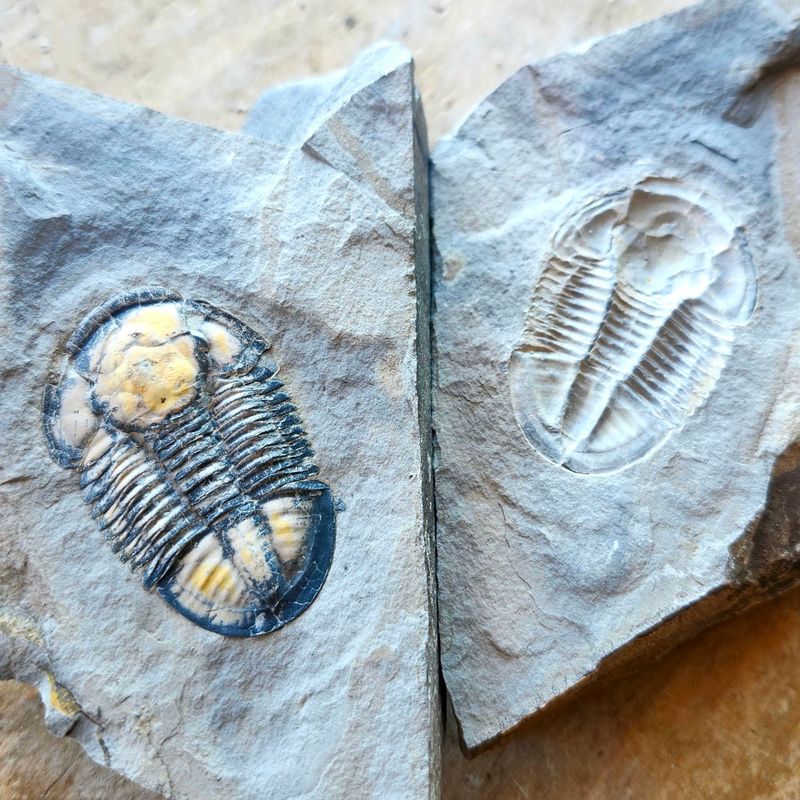
A good visit to Fossil Mountain need not end with a pocket full of fossils. One clearly identified surface find, where collection is permitted, can be more interesting than a pile of stones gathered without a second look.
If you take a specimen home, record where it came from and learn what you can about it. If the rules or identification are unclear, leave it and keep the photograph.
That choice fits the place. The attraction is not merely owning an old object; it is recognizing that rock in today’s Utah desert can preserve a record of sea life from hundreds of millions of years ago.
A trilobite makes that enormous span of time easier to picture because it has a shape you can look for. Fossil Mountain gives the lesson a real setting, with exposed ground replacing the usual display case.
Plan carefully, travel within your limits, and let the search move at its own pace. Those habits make room for the small discovery the title promises without turning every stone into a prize.
The site is free to visit, but it asks for something more useful than a ticket: attention to the land and to the rules that protect it. Tell a friend the short version: bring a map, look for ancient sea life, and ask before you dig.