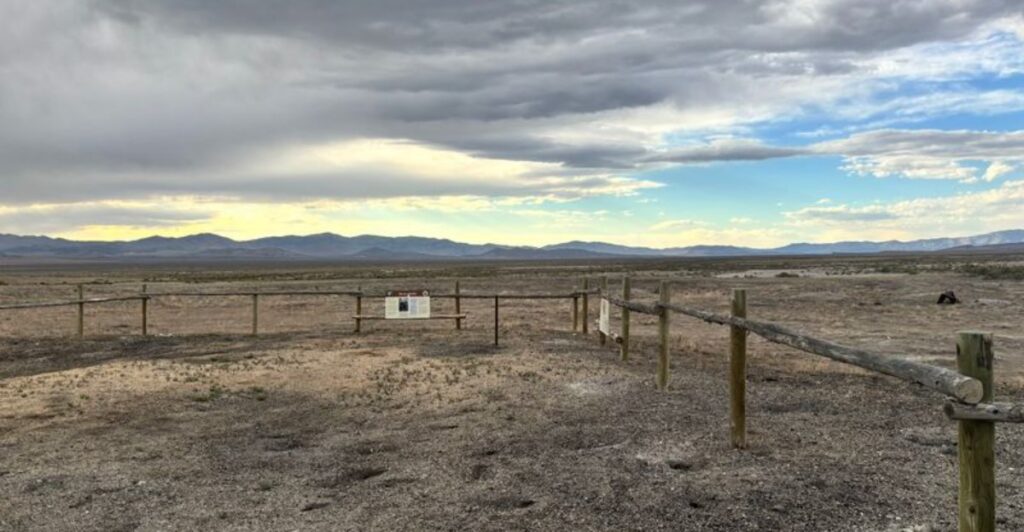
A desert railroad town once had a 16-stall roundhouse and a giant turntable for spinning steam locomotives around. Today that turntable is a round dent in the Utah dirt, and the nearest gas station sits more than 40 miles away.
I love that. The town once held up to 1,000 people, plus hotels, a library, a school, and a Wells Fargo office.
Every building is gone now, but the ground still remembers.
Getting there means following the actual grade of the first transcontinental railroad. Old wooden ties lie scattered beside the dirt road like the crew just stepped away.
I can’t imagine a better excuse for a long, dusty drive. The only real question is simple.
How good are you at reading a landscape that whispers instead of shouts?
The Turntable Pit Still Spins Your Imagination
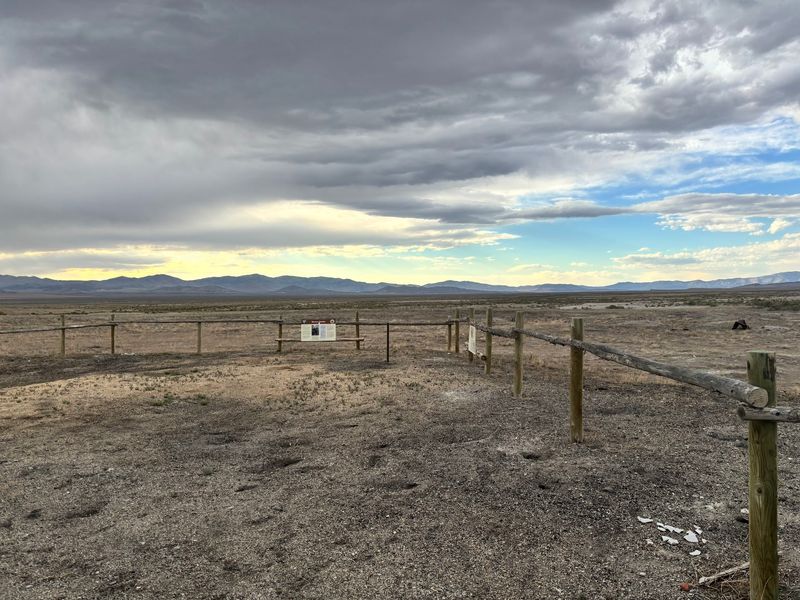
Steam locomotives could only run forward with ease, so railroads built turntables to flip them around. At Terrace Ghost Town, one of those turntables sat beside the main line.
Let’s be honest about the title right away. The turntable no longer moves, because only its circular depression and foundation remain.
That round hollow is still the star of the show, though. Stand at its edge and your brain starts doing the spinning for you.
Heavy engines once rolled onto a bridge here and rotated toward the roundhouse stalls. Workers then sent them back out to pull trains across the West.
Next to the pit, the old railroad bed runs straight and raised above the sagebrush. Seeing both together helps the whole layout click into place.
Bring a printed photo or sketch of a working turntable before you go. Holding it up against the real site makes the scale far easier to grasp.
Kids especially enjoy this kind of detective work. A hole in the ground becomes a puzzle once they know what used to sit inside it.
Honestly, a turntable that still worked would be cool. A turntable you have to rebuild in your head might be even better.
A Sixteen-Stall Roundhouse Left Its Fingerprints Behind
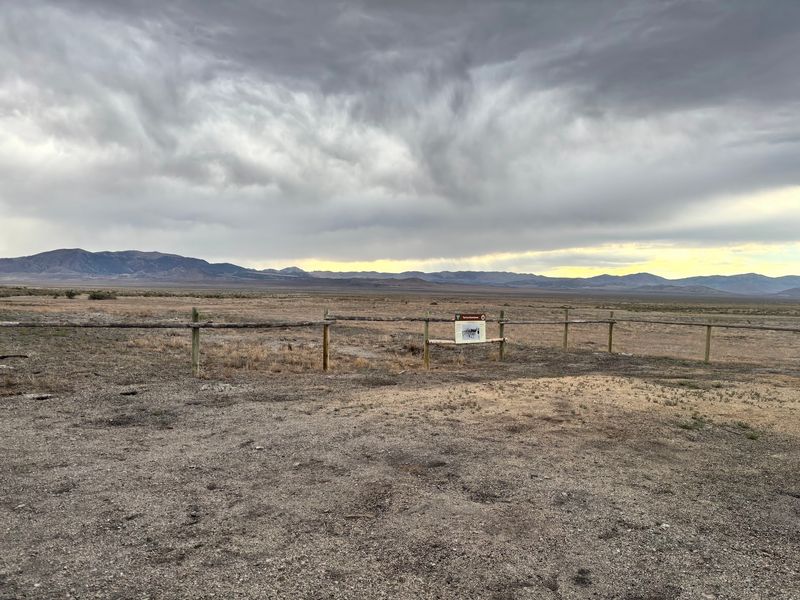
Sixteen locomotives could rest under one roof here. That fact alone tells you Terrace was no sleepy little whistle stop.
The roundhouse curved around the turntable like slices of a giant pie. Each stall held an engine waiting for repairs, cleaning, or its next run.
Today, you’ll find remnants and depressions in the ground instead of walls. Low morning or evening light helps those shapes pop, since shadows fill the dips.
Terrace served as the main maintenance and repair headquarters for the Central Pacific’s Salt Lake Division. Machine shops and water facilities kept the whole operation humming.
So when you look at the empty ground, think noise. Hammers, hissing steam, and shouting crews once filled this quiet stretch of Utah.
A drone shot can reveal patterns that are hard to see at eye level. Just check current federal rules before flying over public land.
Walk slowly and stay on established paths around the features. The site is fragile, and the clues only work if they stay where they are.
It’s a strange kind of sightseeing. You’re basically admiring the outline of a building, yet somehow it still feels impressive.
The Drive In Is Half The Adventure
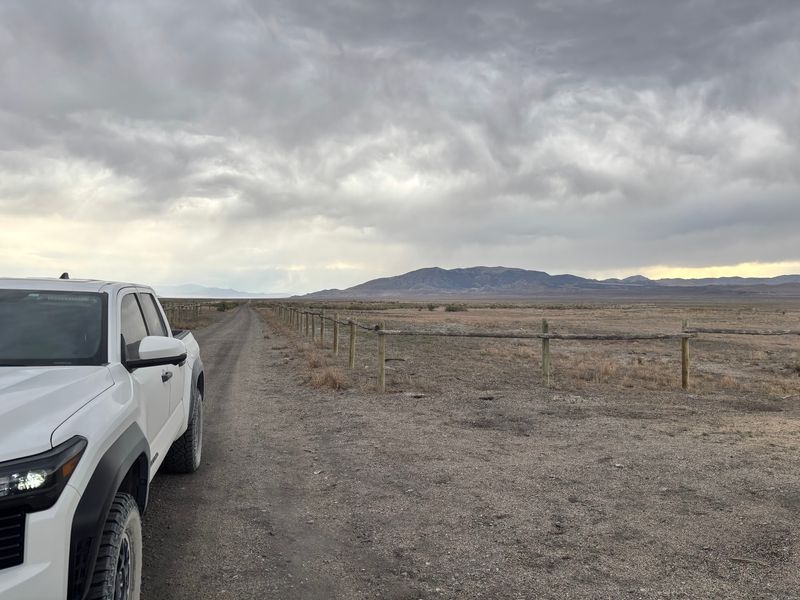
Your road to town is the railroad itself. The Transcontinental Railroad Back Country Byway follows the original Central Pacific Railroad grade through the desert.
That means long, straight stretches and gentle curves engineers laid out in the 1860s. You’re literally driving where trains once thundered past.
Keep your eyes on the shoulders as you go. Old railroad ties lie scattered along the route, and you’ll spot remnants of track and old trestles.
Many travelers reach Terrace Ghost Town from Utah Highway 30 near Park Valley. From that access point, the site sits roughly 22 miles down the byway.
Twenty-two miles sounds quick until you meet the gravel. Rough patches and washes slow things down, so plan for a leisurely pace.
The Bureau of Land Management recommends high-clearance vehicles for this trip. Four-wheel drive may be needed at times, especially after storms change the road.
Pull over now and then just to look around. Wide skies, sagebrush, and distant mountain ranges make the slow pace feel like a bonus.
Fast drivers might grumble out here. Patient ones get a rolling history lesson with no tour guide required.
Pack Like The Desert Owes You Nothing
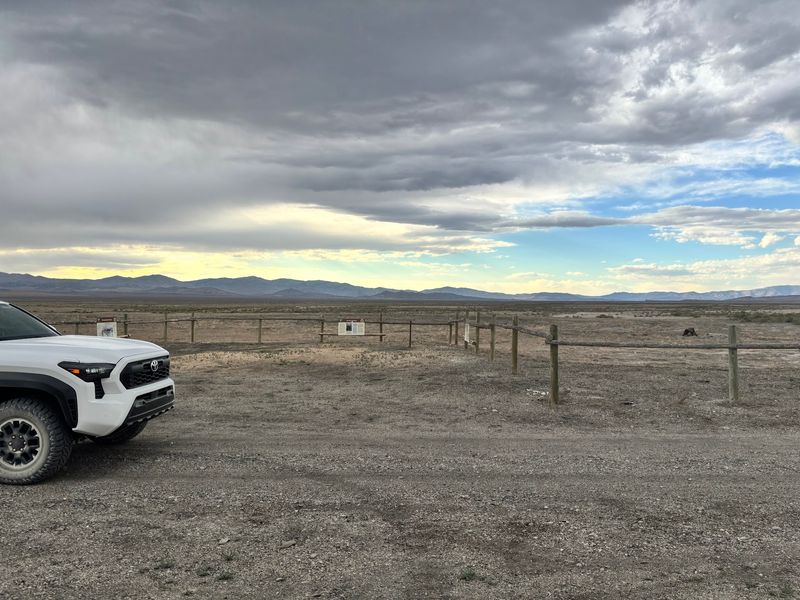
More than 40 miles separate this ghost town from the nearest gas pump. Read that twice before you leave home.
There are no services along the byway at all. No stores, no snack bars, and no friendly attendant waiting with a squeegee.
Fill your tank fully before turning onto the gravel. Toss in extra water too, more than you think a few hours could need.
A spare tire is a must, and one is the minimum. Sharp rocks and rough sections can ruin a carefree afternoon in seconds.
Cell service can be spotty out here, so download offline maps first. A paper map makes a great backup when phones lose interest.
Tell someone your route and when you plan to return. It’s simple, and it gives everyone peace of mind.
Wet weather deserves serious respect in this part of Utah. Roads can become impassable after rain, so check the forecast and skip stormy days.
Snacks, sunscreen, and a hat round out the kit nicely. Prepared travelers get to enjoy the silence instead of worrying about it.
Once Upon A Time, Ten Trains A Day Rolled Through
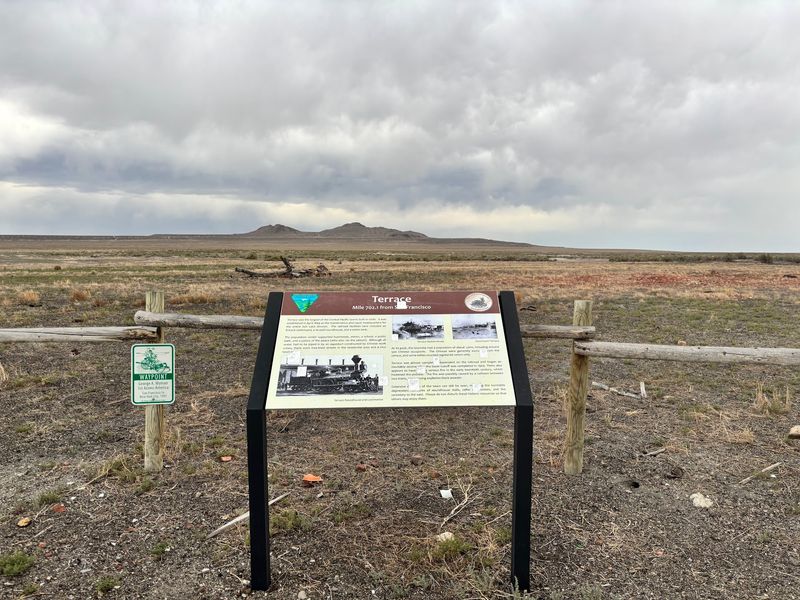
April 1, 1869, marks the birthday of Terrace. The Central Pacific Railroad founded it just weeks before the famous Golden Spike ceremony.
No, the date wasn’t a prank. The town quickly became a key division point on the First Transcontinental Railroad.
At its peak, up to 1,000 residents may have lived here. That crowd needed far more than tracks and engines to get by.
Terrace grew hotels, a school, a library, and a post office. A Wells Fargo office and a public bath joined the lineup too.
Then came 1904 and the Lucin Cutoff. The Southern Pacific built a shorter route straight across the Great Salt Lake.
Traffic dropped from about ten trains a day to three a week. You can guess how that went for business.
The railroad relocated its maintenance shops to Carlin, Nevada, as Terrace declined. In 1942, the remaining tracks were pulled up so the steel could be reused.
No original buildings stand today. Still, knowing the story turns a quiet field into a full-blown drama with a surprise ending.
Buried Treasures From A Desert Chinatown
Porcelain vases, medicine jars, and Chinese coins have come out of this dusty ground. So have Go game pieces and bamboo-leaf paintings.
Chinese workers made up a big part of the community at Terrace Ghost Town. Their labor kept the railroad running long after construction ended.
Archaeologists consider the town a landscape site. Much of its story survives underground rather than in standing buildings.
Excavations uncovered home foundations in the former Chinatown area. Each find adds a personal detail to lives the history books often skipped.
Some artifacts are planned for display at the Museum of Utah in Salt Lake City. Visiting there after the drive could round out the trip beautifully.
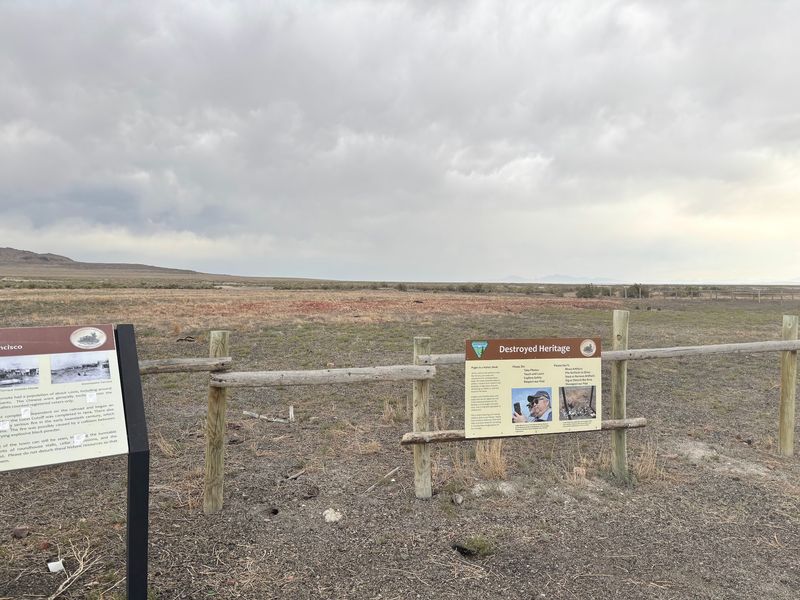
On site, you’ll notice fenced areas that protect sensitive spots. One Chinese worker’s house was fenced after vandalism and later reburied for safety.
That reburial is a gift to future researchers. Respect it by leaving every rock, shard, and nail exactly where you see it.
Picking up souvenirs might feel harmless. Here, though, a tiny bottle fragment could be a missing page in someone’s story.
Eight Tracks Of Switchyard Hide In Plain Sight
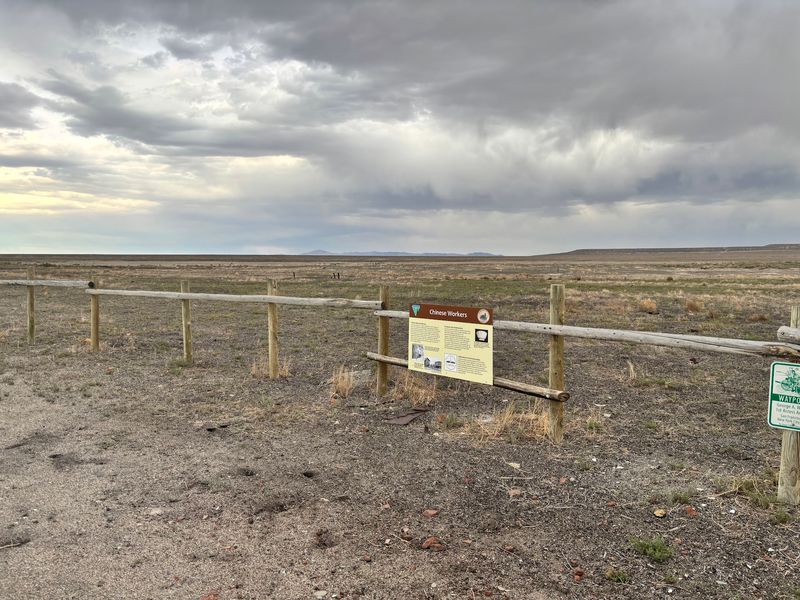
Railroad fans, this part is for you. Traces of the original eight-track switchyard can still be spotted at the site.
A switchyard works like a sorting center for trains. Cars got shuffled, grouped, and sent onward to their next stop.
Eight tracks side by side meant serious traffic in the town’s busy years. Crews here kept the Central Pacific’s western line organized and moving.
The location sits along the Transcontinental Railroad Backcountry Byway, Box Elder County, UT 84313. Some maps also list a Wendover mailing address, which can confuse first-timers.
Set your GPS to the coordinates instead of a street name. That trick saves a lot of head scratching in the middle of nowhere.
Once you arrive, look for straight, parallel lines across the ground. Signs and a fence help mark the area and explain what you’re seeing.
Bring binoculars to follow the lines farther out. The patterns become clearer when you step back and scan the whole flat.
It’s like a giant connect-the-dots game. The prize is suddenly seeing an entire rail yard appear in empty desert.
Keep Rolling To More Ghost Towns And The Golden Spike
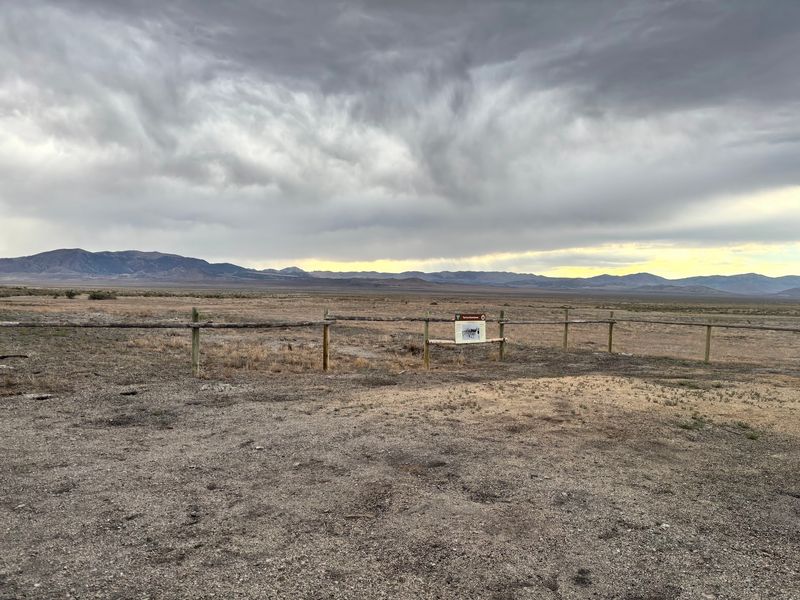
One ghost town is fun, but the byway offers a whole collection. Watercress, Old Terrace, Bovine, Matlin, Kelton, and Lucin all sit along the route.
Most are even quieter than Terrace Ghost Town. Some show only signs, scattered debris, or faint marks in the ground.
Heading east brings you toward the Golden Spike site at Promontory. That’s where the rails from east and west famously met in 1869.
Visiting both ends of the story makes a fantastic road trip. You see the celebration, then the quiet towns that kept trains moving afterward.
The Transcontinental Railroad Grade was listed on the National Register of Historic Places in 1994. In 1993, the BLM named it a Back Country Byway.
Stay on the byway corridor the whole way. Driving off-trail damages fragile desert and historic features that can’t be replaced.
Give yourself a full day, or even two, for the complete journey. Rushing through would waste the best part, which is the solitude.
Northern Utah rewards curious travelers with plenty of open space. Few drives anywhere let you follow history this closely, mile after dusty mile.