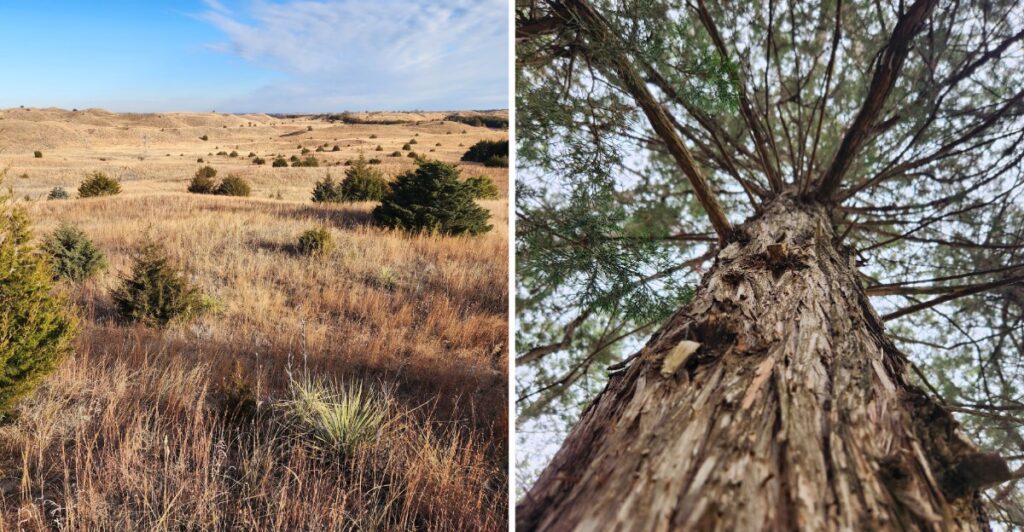
Somebody looked at miles of sandy grassland and thought, You know what this needs? A forest.
Oddly enough, it worked.
Pines now rise from the Sandhills where open prairie seems far more likely, creating the kind of view that makes you wonder whether you took a wrong turn somewhere.
You did not.
The trees were planted deliberately more than a century ago as part of an experiment to see whether forest could grow in the region’s sandy soil.
Nebraska ended up with a landscape that still feels slightly mischievous.
One stretch is all grass and open sky. Then the road bends and suddenly you are looking into woodland.
The dunes never disappeared.
They just learned to share.
A Planted Forest Rises Out Of The Sandhills
The first surprise is visual. Nebraska’s Sandhills are built from broad, grass-covered dunes, and the Bessey area places stands of pine right inside that rolling prairie. The forest does not erase the dunes.
Instead, trees and open grassland sit side by side, making the shape of the land easier to notice.
The area lies in the heart of the Sandhills, where long ridges and crescent-shaped dunes stretch across a landscape held in place by prairie vegetation.
Some dunes across the broader region rise hundreds of feet, which explains why the horizon here feels anything but flat.
That terrain changes even a simple drive. One rise hides the next, tree lines appear and disappear, and long views open whenever the road reaches higher ground.
The contrast between dark pine stands and pale grass makes the planted forest look even more unexpected.
You do not need a complicated itinerary to appreciate it. Stop where public access allows, look across the ridges, and notice how abruptly forest can give way to open prairie again.
The Bessey Area Spreads Across About 90,000 Acres
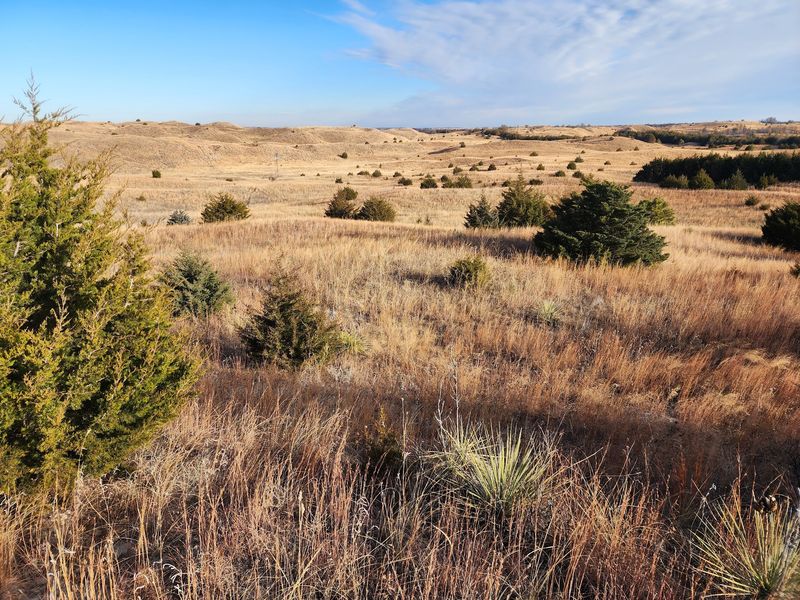
The Bessey geographic area includes about 90,000 acres of National Forest System land in central Nebraska. Open prairie makes up much of the scene around the planted forest, so the scale becomes easier to understand once you move beyond the recreation complex.
That amount of space gives visitors several ways to explore without trying to cover everything in a single day. Some people stay close to the campground and Middle Loup River. Others follow designated roads and trails farther into the district.
The Bessey OHV Trail System adds another option. It offers about 36 miles of designated routes for vehicles no more than 64 inches wide, making it one of the few public motorized trail-riding areas in Nebraska.
Sandy routes deserve respect, especially after changing weather. A stretch that feels firm in dry conditions can become softer or more difficult after rain. Downloading or carrying a current motor-vehicle map is useful before heading away from the developed area.
The smartest choice is to match the route to the vehicle, weather, and time available. There is plenty of country here without treating every backroad as a challenge that needs to be completed.
The Forest Began As An Early Planting Experiment
The trees have a story that reaches back more than a century. University of Nebraska botanist Charles E. Bessey believed trees could be established in the Sandhills, and his work helped build support for a much larger federal planting effort.
In 1902, the federal government created forest reserves in the Sandhills and established a nursery near Halsey to grow seedlings. The project aimed to test whether substantial forest cover could be developed in an area dominated by grassland and sandy soils.
The timber vision never developed exactly as originally imagined, but the effort created a landscape that still defines the Bessey area. The planted stands became one of the most unusual features of the Nebraska National Forest.
The Charles E. Bessey Nursery remains active. It produces bare-root and container-grown plants for reforestation, restoration, conservation, and related projects, keeping the original planting story connected to present-day work.
That history changes the way the forest looks. Those pine stands are not remnants of an ancient woodland. They are part of a deliberate experiment that began more than a century ago and reshaped a piece of the Sandhills.
Wildfire Has Changed The Forest’s Shape
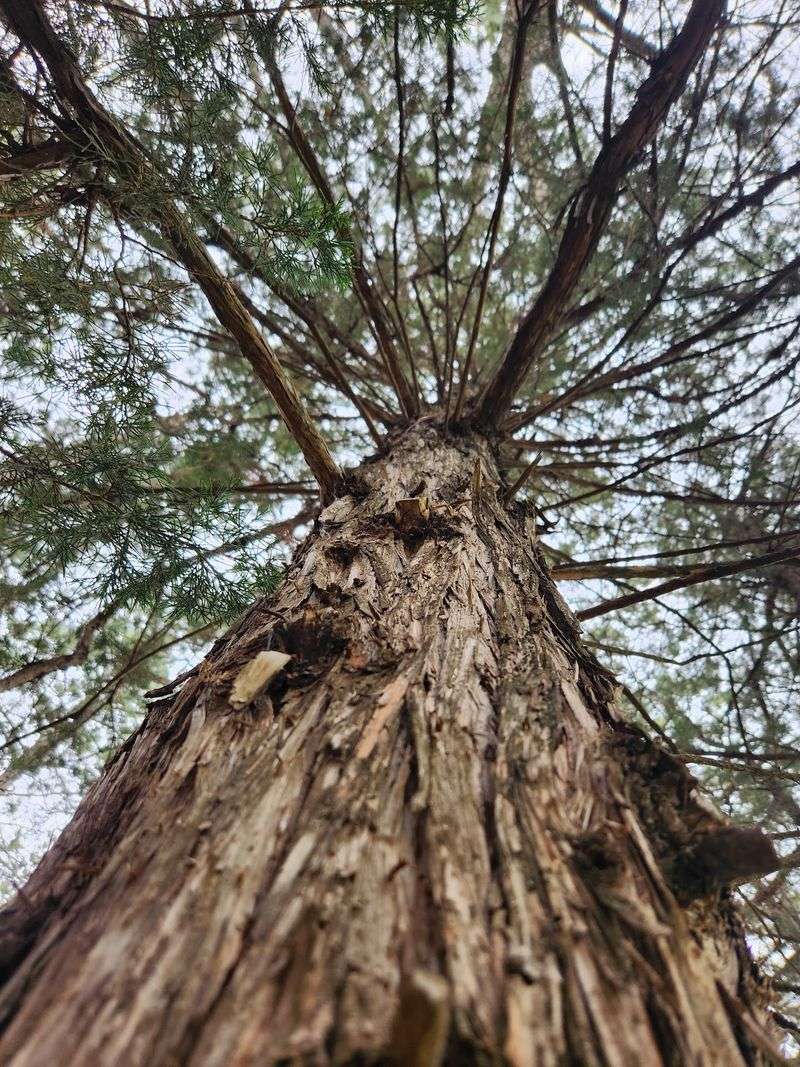
A planted forest can still change dramatically, and wildfire has repeatedly reshaped Bessey. The 2022 Bovee Fire left one of the most visible recent marks on the area.
The fire burned within the Nebraska National Forest near Halsey and damaged parts of the planted forest. It also destroyed the historic Scott Lookout Tower, a familiar feature that once gave visitors an elevated view across the surrounding hills.
The Charles E. Bessey Nursery was spared, but burned stands and more open areas remain part of the landscape. Green forest, prairie, and fire-affected sections can now appear within the same drive.
That means older photos may not match exactly what you see on the ground. The forest is still recovering in places, and vegetation continues to change as grasses, shrubs, and trees respond to the disturbance.
The Scott Lookout area remains part of the recreation landscape, but the former tower should not be expected to be standing. The view now comes from the surrounding terrain rather than the structure that once marked the site.
Bessey is not a static planting project frozen in the early twentieth century. Fire, weather, and recovery continue to shape what the forest looks like from one season to the next.
The Middle Loup River Adds A Different Kind Of Break
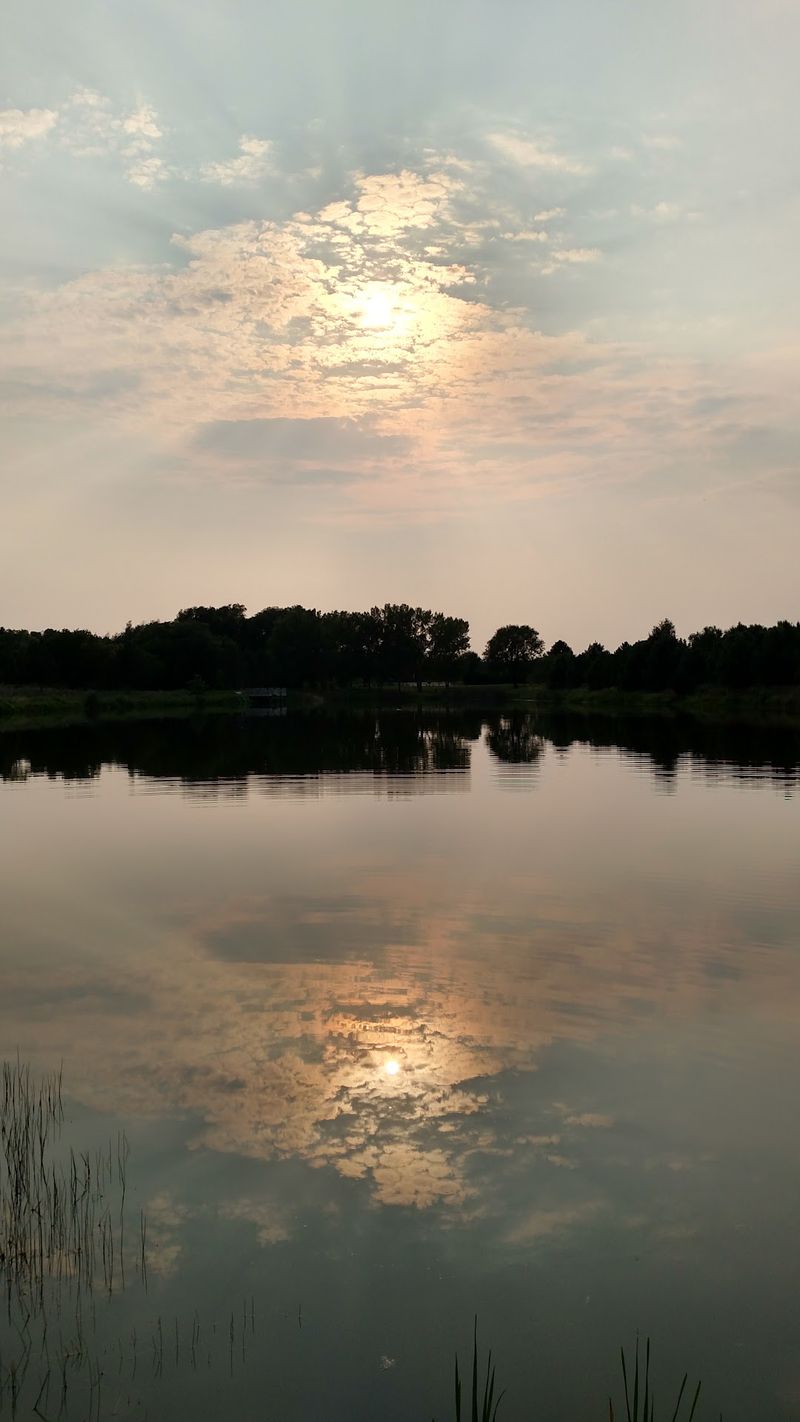
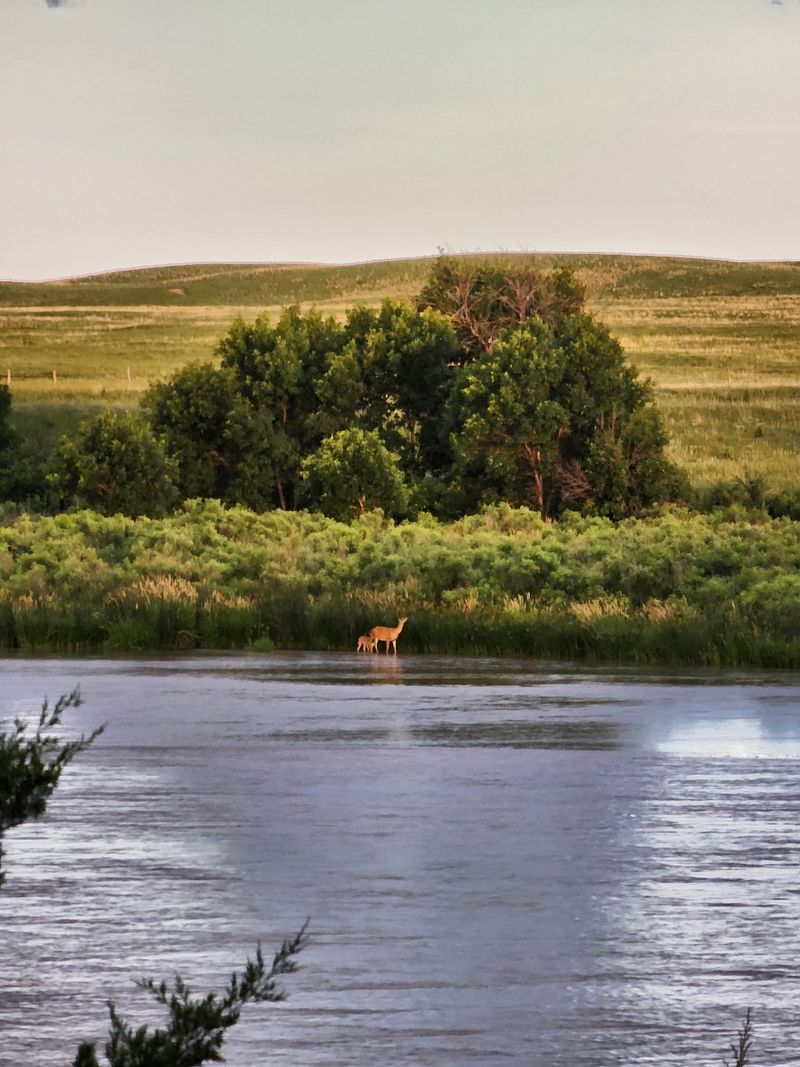
After sandy trails and open prairie, the Middle Loup River changes the rhythm. The Bessey Recreation Complex sits beside the river, giving campers and day visitors easy access to water without leaving the developed part of the forest.
Swimming is one of the recreation options here, and the sandy river corridor feels very different from the pine stands and grassy dunes nearby. Natural river conditions can vary, so depth, current, and weather deserve attention before stepping in.
Fishing is available at the Bessey Fish Pond just north of the Middle Loup. The pond is open to fishing year-round and is stocked periodically by Nebraska Game and Parks.
The Bessey Ranger District office and recreation complex are at 40637 River Loop, Halsey, NE 69142. From Nebraska Highway 2, the forest entrance is reached by turning south onto State Spur 86B.
Keep the river stop simple. Drinking water, sun protection, a towel, and footwear suited to sand cover most of the basics. If the day has already included dusty roads or a longer walk, slowing down beside the water can be the easiest decision of the trip.
Camping Keeps The Recreation Complex Open Through The Year
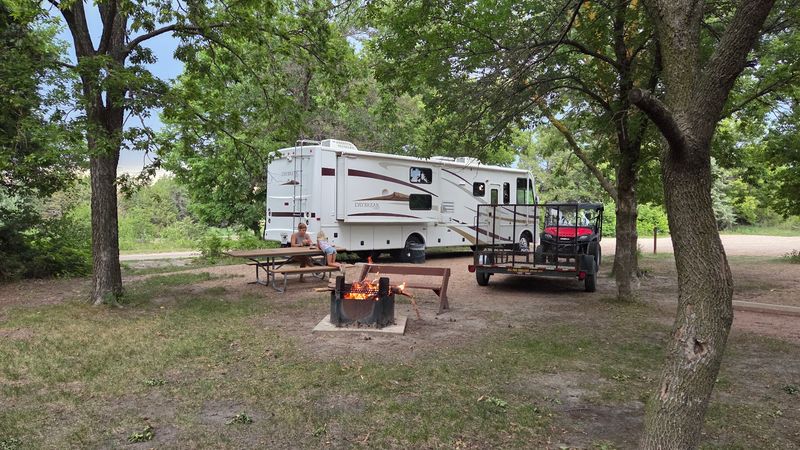
Bessey Recreation Complex and Campground is open year-round and operates 24 hours a day, seven days a week. Camping remains available through winter, although services change when temperatures drop.
The developed complex has tent and RV sites, including electric and non-electric options. Potable water is available year-round at the recreation building rather than at individual campsites.
Shower facilities generally operate from mid-May to mid-October, weather permitting, and are unavailable during the winter period. Vault toilets remain available year-round, so cold-season camping is possible with more self-sufficiency.
Day use carries a vehicle fee, while overnight campground rates vary by site type. Roughly half of the complex’s campsites can be reserved from mid-May through mid-October, subject to local conditions.
Most of the recreation complex is paved and wheelchair accessible, and two campsites are ADA compliant. That makes the developed area easier to use than the sandy backcountry routes farther into the district.
The season should decide how much gear comes along. A summer stay puts more services within reach and makes river time easier to add.
A winter visit brings fewer amenities and colder conditions, but the campground itself does not simply close when the temperature drops.
The Nursery And Dunes Still Define Bessey
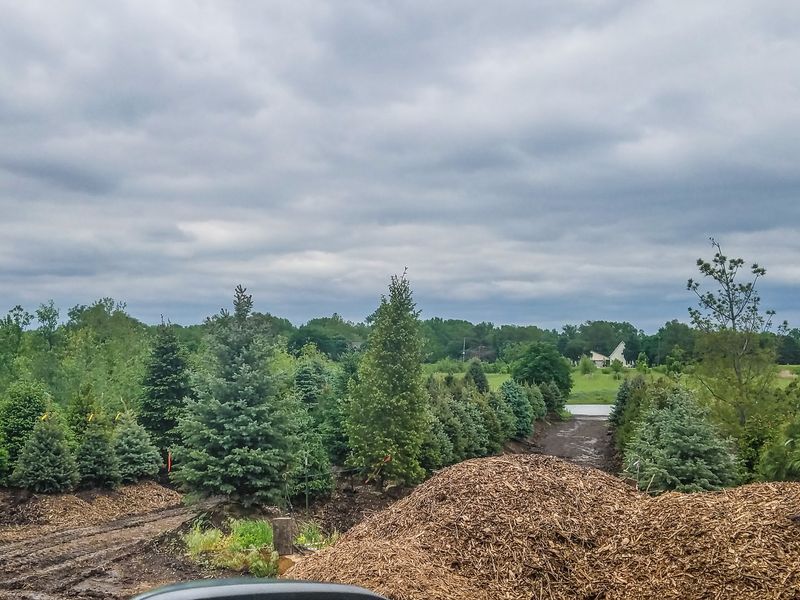
The most interesting part of Bessey is not one trail, campground, or viewpoint. It is the combination of features that seem unlikely to share the same landscape: grass-covered dunes, planted forest, a working federal nursery, a sandy river, and open Great Plains sky.
The Charles E. Bessey Nursery keeps the planting history active. Its facilities produce bare-root seedlings and container-grown plants used for reforestation, conservation, and restoration work, extending the nursery’s role far beyond the forest surrounding Halsey.
Around it, the Sandhills remain the dominant natural landscape. The dunes existed long before the planting project, and prairie continues to cover large portions of the district. Even where pines rise above the ridges, the shape of the sand underneath still controls the view.
Bessey Recreation Complex is associated with the world’s largest hand-planted forest, a landscape repeatedly altered by wildfire while retaining its unusual meeting of planted woodland and native prairie.
That is why a simple plan works well. Spend some time near the river, drive or walk into the district, and watch for the places where forest gives way to grassland again.
Nebraska can look dramatically different within a few miles here. Bessey does not hide the Sandhills beneath the trees. It puts forest and dune country beside each other, which is exactly what makes this corner of the state so unusual.