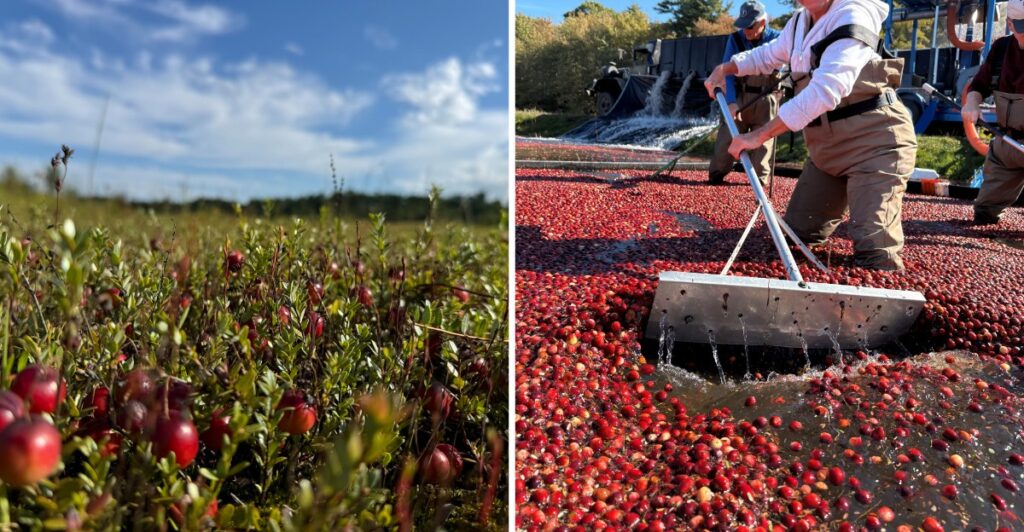
Imagine stepping into a pond and realizing the water is covered in cranberries.
That is a very specific kind of fall moment.
When wet harvest gets underway, ripe berries float across flooded bogs until the surface looks almost painted red. But this Massachusetts farm is still very much a working operation, so that famous view only appears at the right time.
There is more happening here than one spectacular photo.
The farm has been run by the same family for three generations, and visitors can learn how cranberries grow long before they ever start floating.
Regular tours follow the farming side of the story. Special harvest experiences get you closer to the red-water scene.
The color may get your camera out first.
The farming story is what makes you look twice.
The Famous Red Bog Appears During Wet Harvest
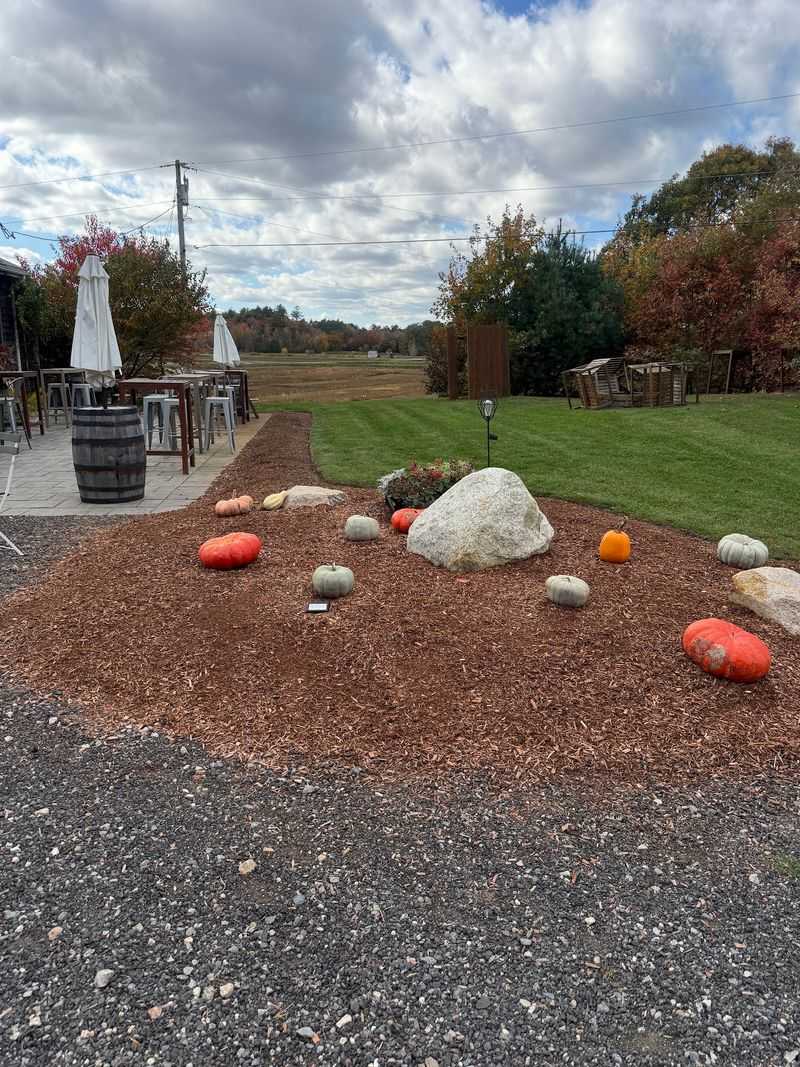
Cranberries do not spend the growing season floating in water. They grow on low vines in bog beds, and the dramatic flooded look arrives only when growers use the wet-harvest method.
That distinction matters at Benson’s Pond. Regular fall Discovery Tours are non-harvest tours. They bring visitors close to ripe berries on the vines and explain both wet and dry harvesting, but they do not promise a flooded bog full of floating fruit.
For that scene, choose one of the farm’s harvest experiences. Berry Bog Adventures are built around the wet-harvest setting, complete with waders and time in the bog among floating cranberries.
In 2026, those adventures are scheduled for selected dates in late September and October, including October 9 through 12 and October 17 and 18.
Harvest timing still follows the crop, weather, and farm work, so a scheduled event is the safest way to plan around the red-water experience.
When conditions line up, the effect is striking. Thousands of berries gather on the water while autumn color frames the surrounding fields and woods.
The trick is simple: book the experience that matches the view you actually want.
Cranberries Grow On Vines Before The Bog Is Flooded
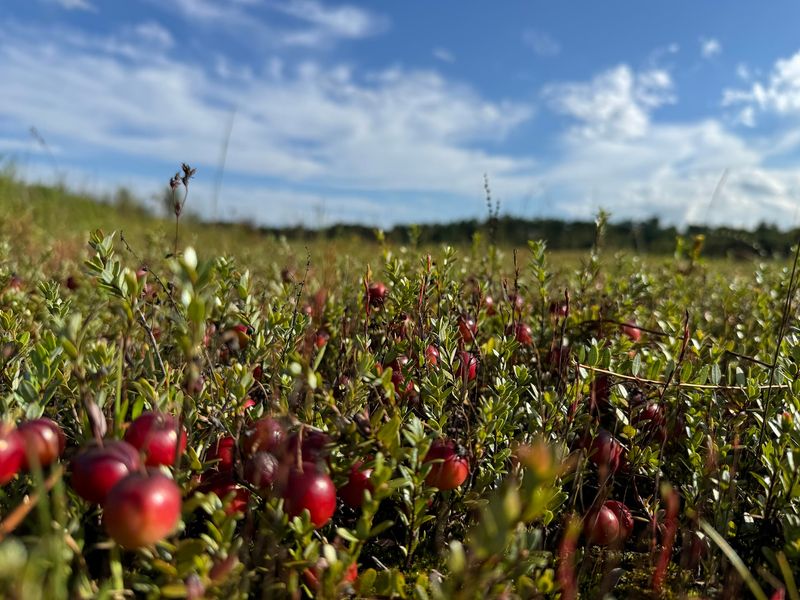
Those floating berries create one of farming’s great visual tricks. Cranberries are not aquatic fruit.
For most of the season, they grow on low evergreen vines in sandy bog beds. When the fruit ripens in fall, growers can flood a bog for wet harvest.
Cranberries float because small pockets of air inside the fruit give them buoyancy. Once the bog is flooded, harvesting equipment loosens ripe berries from the vines. The berries rise to the surface, where they can be corralled into concentrated rafts and collected.
That process explains why harvest photographs often make a cranberry farm look like a bright-red pond.
Wet harvesting is especially useful for fruit headed for processing, while dry harvesting is associated with berries intended for the fresh market. Benson’s Pond also demonstrates historic dry-harvest equipment during fall visits.
Seeing the vines before the flood makes the process easier to understand. The fruit begins close to the ground, not bobbing on water, and the flooded stage is part of harvest rather than the cranberry’s normal growing environment.
Once you know that, the red bog stops looking mysterious and starts looking like a clever piece of agricultural engineering.
Three Generations Of Growers Work The Farm
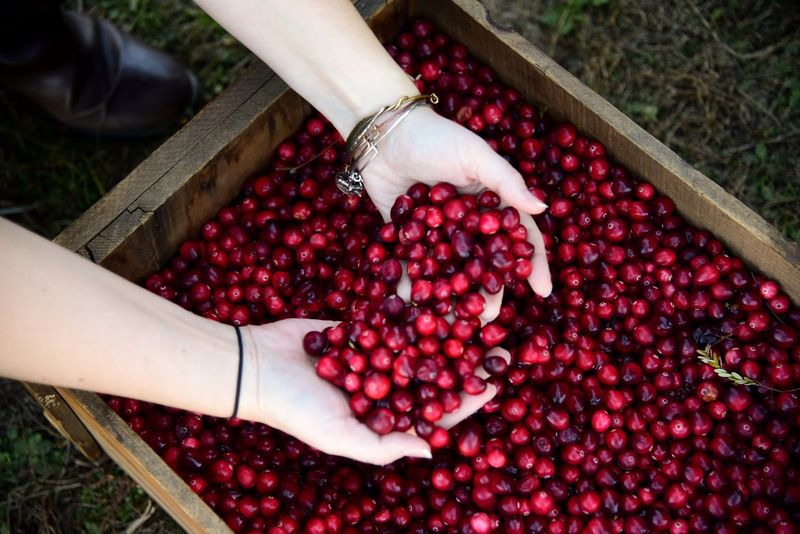
Benson’s Pond is owned and operated by the Gilmore family, third-generation cranberry growers in southeastern Massachusetts.
The farm is also part of the Ocean Spray Cooperative, linking this small working property with a much larger farmer-owned cranberry network.
About 80 acres make up Benson’s Pond, combining cranberry bogs with surrounding upland and woods. Around 45 acres are active cranberry bogs used for production and agricultural tours.
The family also uses regenerative and organic farming practices aimed at soil health, biodiversity, plant health, and water management.
On a cranberry farm, those subjects are closely connected because water is essential for irrigation, frost protection, winter management, and wet harvest.
A tour puts those moving parts into context. What looks like a simple field of low vines is really a managed system of bog beds, water control, equipment, seasonal timing, and crop decisions.
That is why fall is only one chapter. Winter brings dormant red vines. Spring and summer shift attention toward plant growth and crop development.
Autumn brings ripe berries and harvest work.
If you visit in October, you get the most famous color. The farm itself has been busy long before the berries turned red.
Berry Bog Adventures Put Visitors In The Water
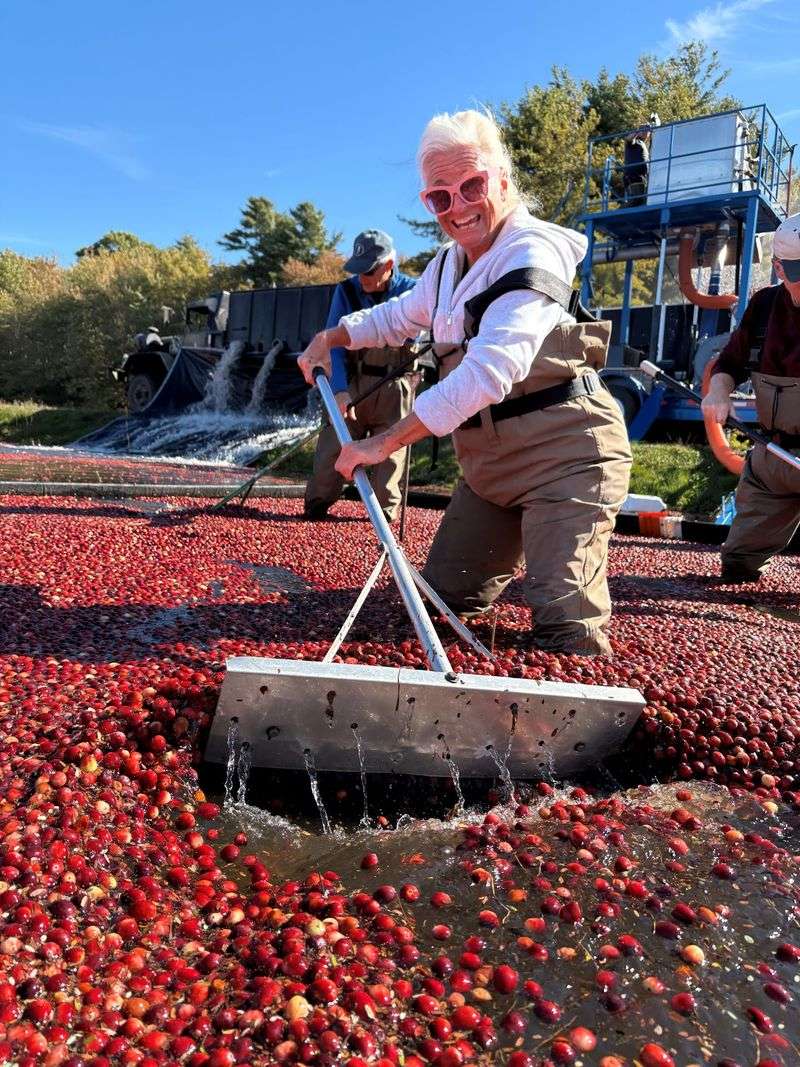
This is the experience for anyone who has pictured wearing waders in the middle of floating cranberries.
Berry Bog Adventures last about two hours and take small groups into the wet-harvest setting. Waders are provided, and participants can step directly into the flooded bog while berries float around them.
The experience also includes time with growers, harvest information, antique equipment, cranberry snacks, and fresh cranberries to take home.
The water itself comes from the farm’s reservoir or local waterways and can feel cool, especially on a crisp fall day. Layers under the waders make sense when the forecast leans chilly.
Phones and cameras can come along, but water and electronics remain a risky friendship. Waders have an internal pocket, and a waterproof case adds another layer of common sense.
The bog roads are hard-packed dirt, and weather can make farm surfaces damp or muddy. Supportive shoes are useful before and after the waders go on.
Most importantly, this is a scheduled experience, not something visitors can do by arriving and asking to step into a harvest bog.
If standing in the red water is the goal, reserve that specific experience rather than a standard farm tour.
Discovery Tours Focus On The Growing Cycle
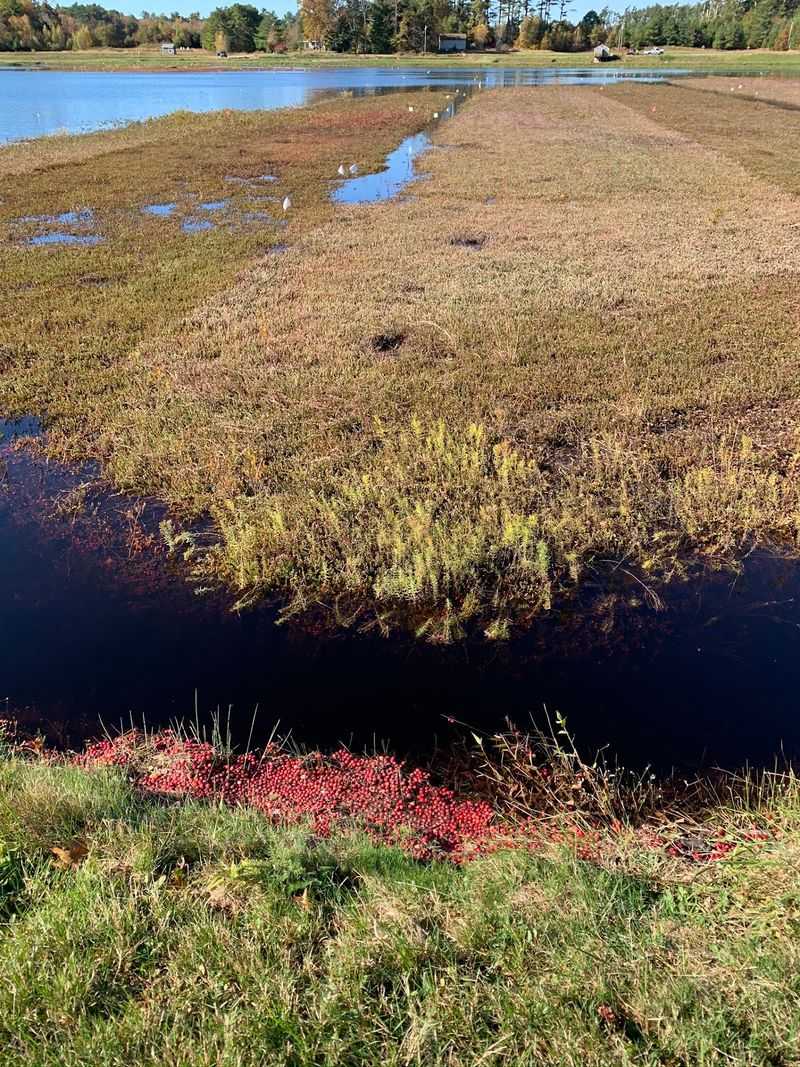
A Discovery Tour offers a different look at Benson’s Pond.
These guided visits take guests onto about 45 acres of cranberry bogs and explain cranberry varieties, seasonal growth, farming practices, and specialized equipment. Tours generally last about 60 to 90 minutes, depending on group size and questions.
Fall visits bring ripe berries on the vines, along with demonstrations and explanations of harvest methods. What they do not promise is an active wet harvest.
That makes the tour a good choice if you are more interested in understanding the farm than posing in a flooded bog.
Wear sneakers, boots, or waterproof shoes because much of the visit takes place outside on farm roads. Tours operate rain or shine, with indoor space available if heavy rain or thunder changes the plan.
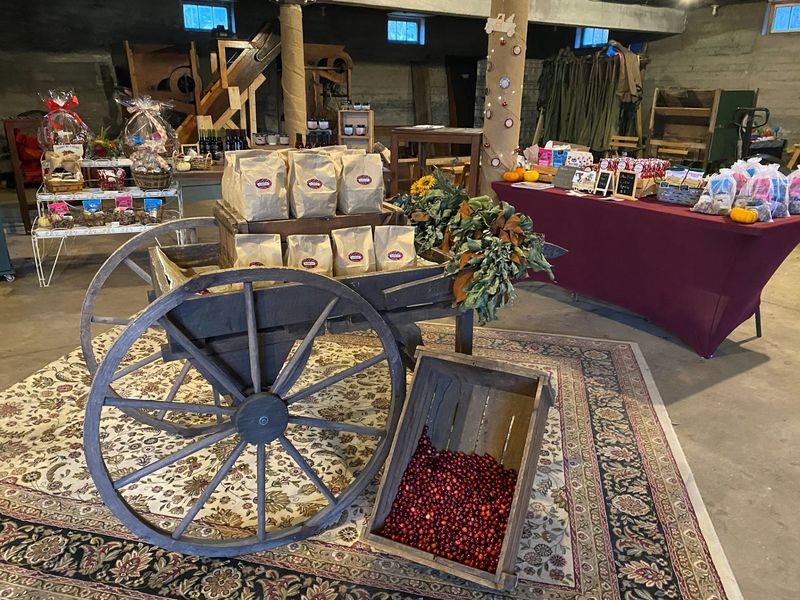
The farm also has a cranberry-themed store that opens during tours and selected farm days. Fresh Benson’s Pond cranberries are available there in fall, along with locally made products such as sauces, chocolates, candles, soaps, and crafts.
Treat the store as the last stop rather than the whole reason to visit. The useful part is seeing the crop before carrying any of it home.
This Is A Private Working Farm, Not A Drop-In Attraction
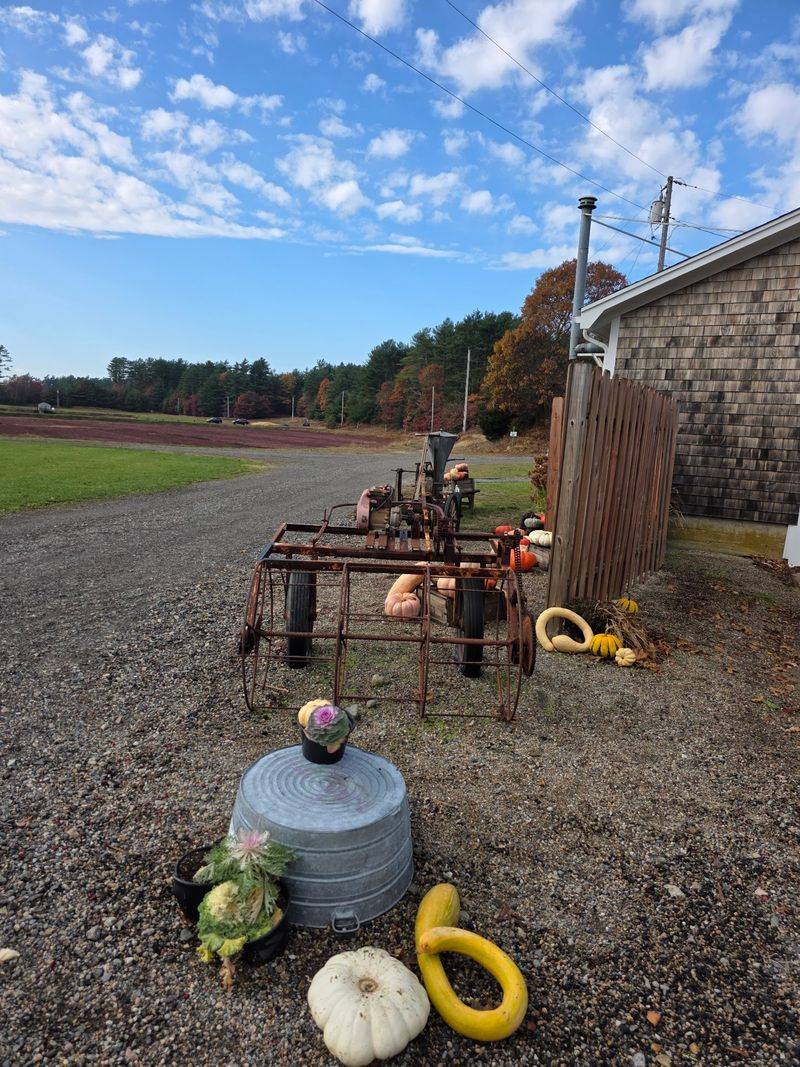
The address is easy enough to reach, but access is not casual. This is a private working farm, and visits are by appointment, scheduled tour, or ticketed event.
There is no regular drop-in cranberry bog tour. The farm does not keep the barn and tour operation staffed all day for spontaneous visitors, so arriving without a reservation can leave you outside the experience you came to see.
Discovery Tours can be booked in advance, and scheduled public dates appear during harvest season. Berry Bog Adventures use their own specific event dates.
Parking can accommodate cars, vans, and buses. Restroom facilities are available, including an accessible option, and the hard-packed bog roads can accommodate many visitors, though anyone with specific mobility needs should arrange details in advance.
Weather deserves a look before leaving home. Most tour time happens outdoors, and Massachusetts fall can move from mild sunshine to raw wind quickly.
Pack a water bottle, wear shoes that can handle farm ground, and give yourself enough time to arrive before the scheduled start.
Planning is not an extra step here. It is simply how visiting a working farm works.
Benson’s Pond is at 6 Pine Street, Middleboro, MA 02346.
October Is Harvest Season, But The Calendar Still Matters
Massachusetts cranberry harvest generally runs from mid-September into early November, putting October near the center of the action.
At Benson’s Pond, that does not mean every bog is flooded every day. Each cranberry bog is harvested once a year, and the schedule depends on crop readiness, weather, water, equipment, and the farm’s broader harvest plan.
That is why the phrase “October cranberry bog” can describe several different scenes. You might see ripe red berries still on vines, harvest equipment in use, a recently worked bog, or a wet-harvest event with berries floating across the water.
For 2026, Benson’s Pond has Berry Bog Adventures scheduled on selected late-September and October dates, while Discovery Tours continue into November.
Choose based on the experience rather than the month alone.
If the floating red berries are the priority, book a harvest event. If learning how the crop grows sounds better, a Discovery Tour gives you more room to focus on vines, equipment, seasonal cycles, and farm practices.
Either way, the bright-red harvest has a practical explanation behind it. Water, air pockets, careful timing, and a working cranberry farm turn an ordinary-looking field of vines into one of Massachusetts’ most recognizable fall scenes.