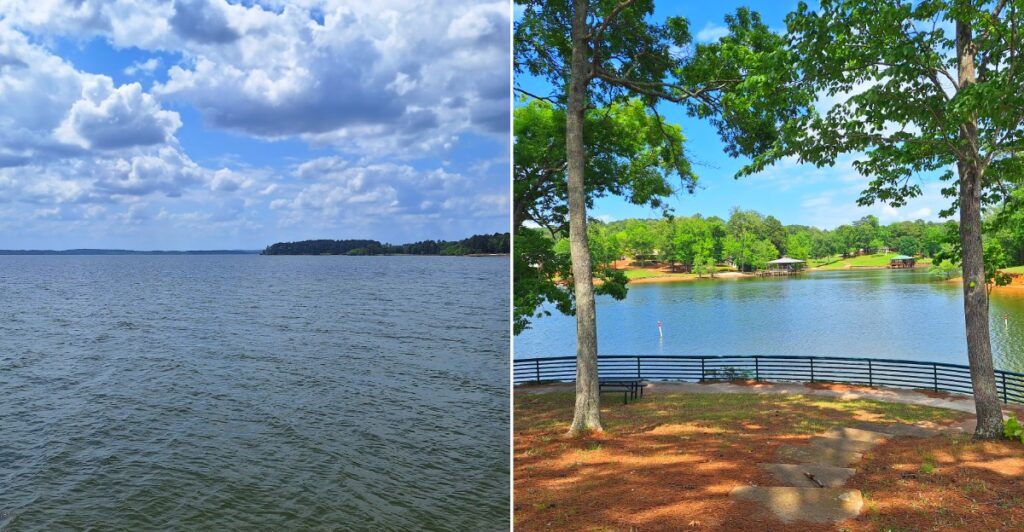
Wide water and quiet shoreline make this reservoir feel peaceful at first glance, but the landscape has a deeper story beneath it. What looks like an ordinary place to fish, swim, or watch the evening light now covers parts of an older Sabine River world, including roads and places where families once lived.
That hidden history adds a strange weight to an otherwise relaxing day by the lake. Beneath one of Louisiana’s largest reservoirs lies a changed landscape of former roads, homesteads, and communities reshaped by rising water.
What I find most compelling is that nothing dramatic announces it from shore. There are no ghostly rooftops poking above the surface, just calm water holding traces of what came before.
That contrast makes the place more memorable. You can still enjoy the park for what it is today while keeping in mind that the scenery carries layers no picnic table or boat ramp can fully explain.
Picture The Old Roads
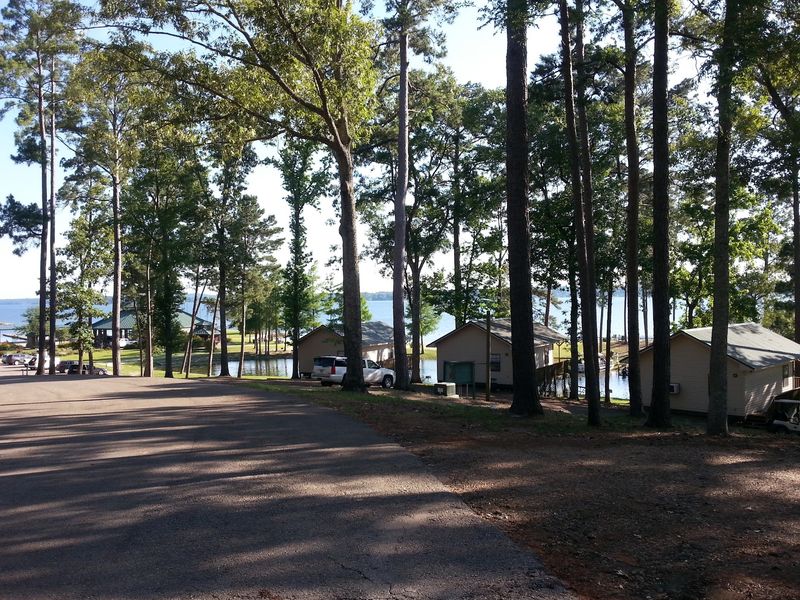
A road can vanish without leaving a signpost. Before Toledo Bend Reservoir existed, routes through the Sabine River valley connected homes, fields, and neighbors.
Water now covers parts of that older travel network. At Cypress Bend Park, the best way to understand this is not to search the lake for a roadbed, but to compare the shoreline with the paths people use today.
Walk only on open park routes and keep an eye on changing ground near the water. Imagine carrying groceries, visiting family, or getting to school when the valley was dry.
Ordinary trips made a community work, which is why a lost road matters as much as a famous building. If you want more detail, look for historical maps of the reservoir area before your visit.
They can show change more honestly than guesses made from the bank.
Start With The View
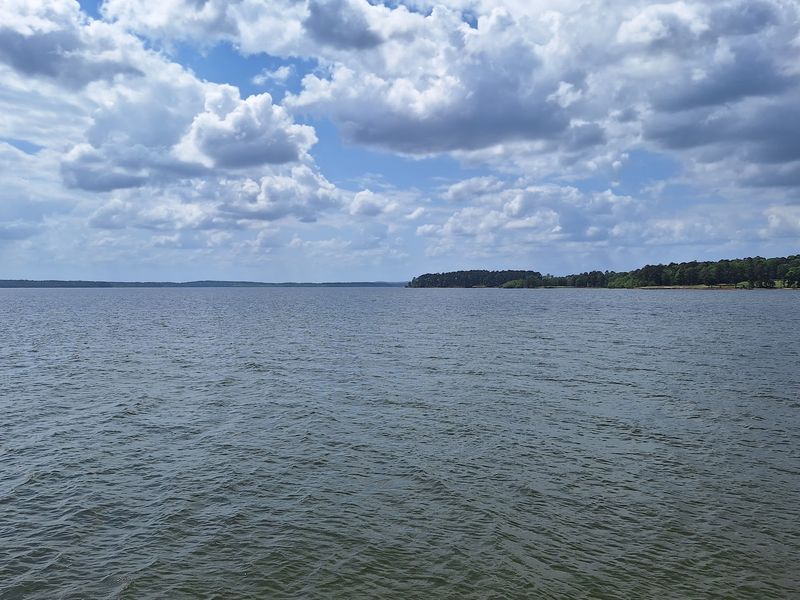
Cypress Bend Park sits at 3462 Cypress Bend Drive near Many, Louisiana, on the Toledo Bend Reservoir shoreline. Louisiana Highway 191 is the main approach, then Cypress Bend Road carries you the final three miles toward the park.
About halfway down Cypress Bend Road, you will pass the entrance to Cypress Bend Golf Resort. Keep going, the public park is another mile and a half farther down the same road, where the forest finally opens toward the reservoir.
Continue to the Cypress Bend Park entrance and follow the internal signs for the beach, cabins, RV sites, boat launch, or day-use areas. Once you reach the park gate, the different waterfront sections branch off from there.
Respect The Burial Grounds
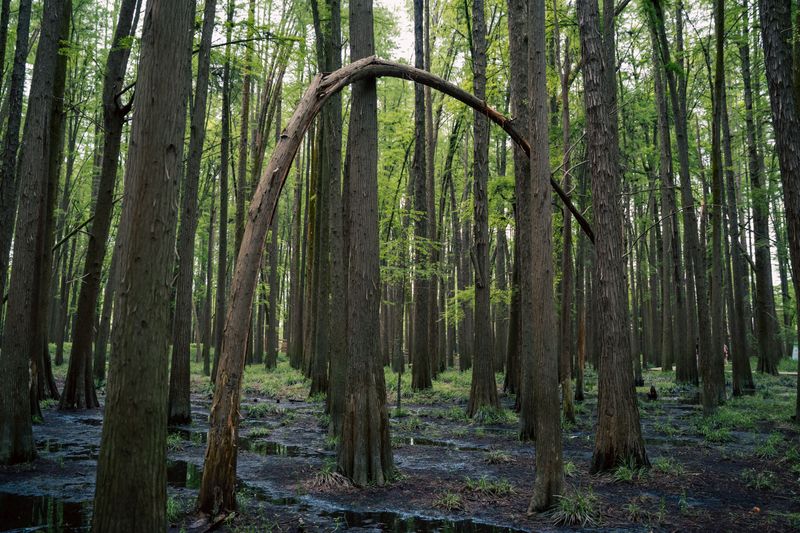
Some stories call for a quieter voice. The creation of Toledo Bend Reservoir affected burial grounds as well as homes and roads.
Graves were relocated in some areas before the water rose, but it is not safe to assume every family site has a known, marked location. From Cypress Bend Park, the right response is respect, not a hunt for something to collect or photograph.
Enjoy the lake while remembering that its history belongs to real families. Do not remove objects from exposed ground when water levels are low, and do not enter closed or unsafe areas.
If you are curious about a particular cemetery, consult reliable local records rather than treating a rumor as a map. Children often understand this quickly when it is explained plainly: places can matter deeply to people even when we cannot see them anymore.
A calm moment at the shore is enough.
Remember The Former Neighbors
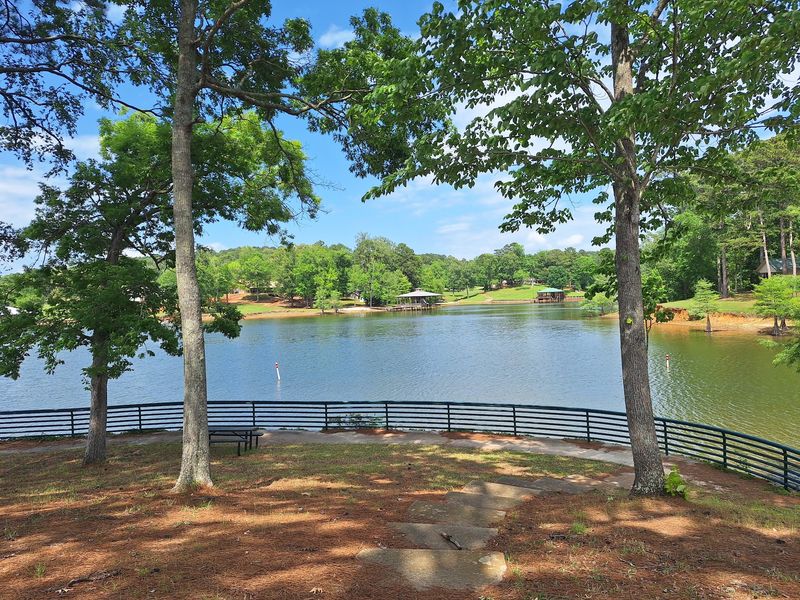
It is easier to picture a flooded field than a whole neighborhood of daily routines. People lived and worked in the Sabine River basin before the reservoir reshaped it.
Their lives included chores, visits, and familiar routes through the countryside. Cypress Bend Park gives you a place to pause with that idea while also enjoying the public spaces built for visitors today.
Try bringing a map of the region and finding the Sabine River, which forms part of the Louisiana-Texas boundary here. Then think about how a reservoir changes where people can live, travel, and meet.
Avoid naming a specific lost settlement as directly beneath the park unless a reliable map places it there. That small bit of care matters.
It keeps the story about actual neighbors, rather than turning their homes into a spooky lake tale told for an easy thrill.
Read The Shoreline Carefully
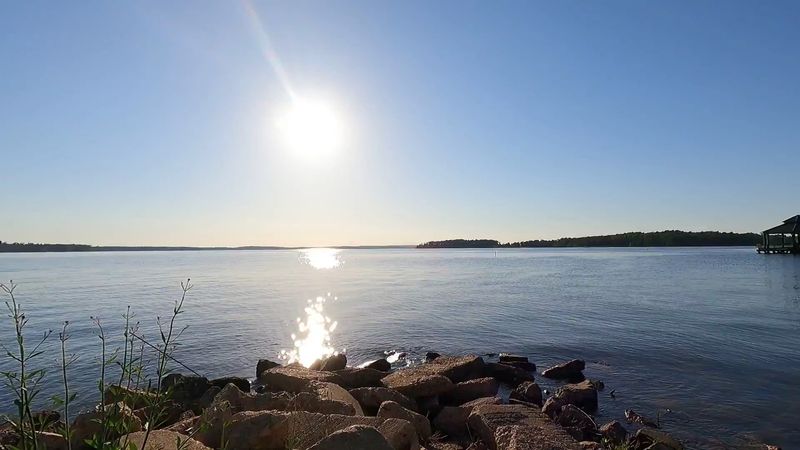
The waterline is a moving edge, not a history exhibit. Reservoir levels can change, and an exposed patch of ground may tempt visitors to make big guesses about what lies beneath.
At Cypress Bend Park, watch the shore for practical reasons first: wet banks can be slippery, and submerged objects may sit just beyond clear sight. Shoes with a firm grip are more useful than a dramatic theory about every stone.
If you notice something that looks unusual, leave it where it is. A photograph taken from a safe, permitted spot can help you remember what you saw without disturbing it.
Historical maps and records are better tools for identifying former roads or structures. Low water may reveal features in parts of Toledo Bend, but that does not mean a visitor can identify them from this park.
Curiosity works best when it travels with caution.
Launch With A Plan
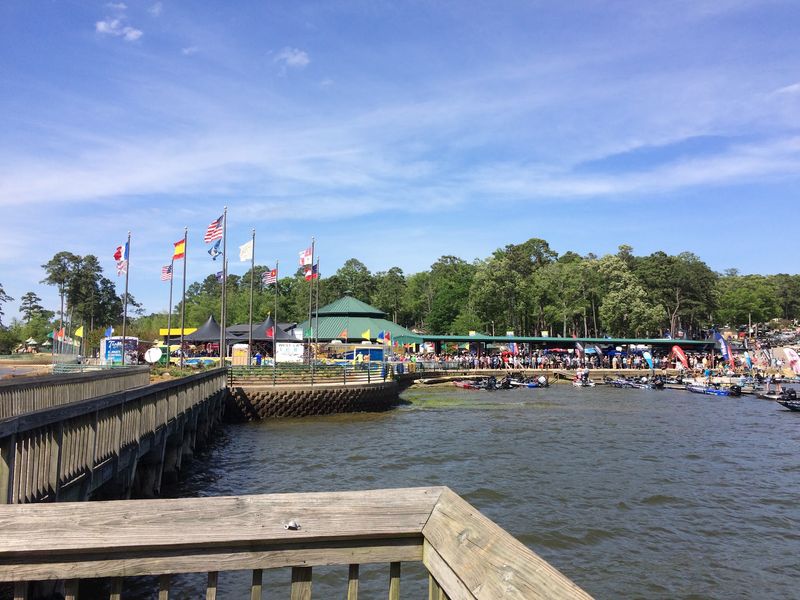
Boats make this enormous lake feel inviting, but size deserves respect. Cypress Bend Park has a boat launch, so it is a useful starting point for a day on Toledo Bend Reservoir.
Before heading out, check the forecast, your fuel, and current boating guidance. Let someone on shore know your route and expected return time.
A map or navigation tool can help, but neither replaces watching the water ahead.
The old valley beneath the reservoir gives the ride a thoughtful backdrop, not a reason to chase rumored underwater sites. Keep a safe distance from hazards and follow marked routes where provided.
Conditions can change faster than they appear to from a picnic spot. If you are new to the lake, choose a modest outing rather than trying to cover a huge distance.
The best trip ends with everyone back at the launch, still eager for another look.
Fish Without Losing The Story
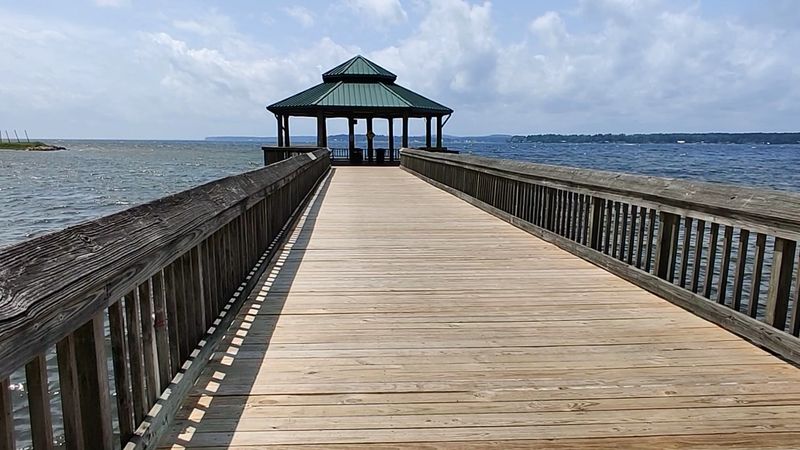
A fishing line has a way of making everyone look closely at the water. Cypress Bend Park offers places to fish, including a pier, and Toledo Bend is well known for its bass fishing.
While you wait for a bite, consider the difference between the lake people enjoy now and the river valley that existed before it. Both are part of the same place, even if only one is in view.
Check current fishing rules and license requirements before you cast. Give other anglers room, watch for hooks around children, and carry out used line so it cannot harm wildlife.
If your tackle catches on something underwater, do not assume you have found a piece of a lost community. Reservoirs contain many kinds of debris and natural snags.
A patient fishing day needs no grand discovery; the setting already gives you plenty to think about.
Pause At The Swimming Area
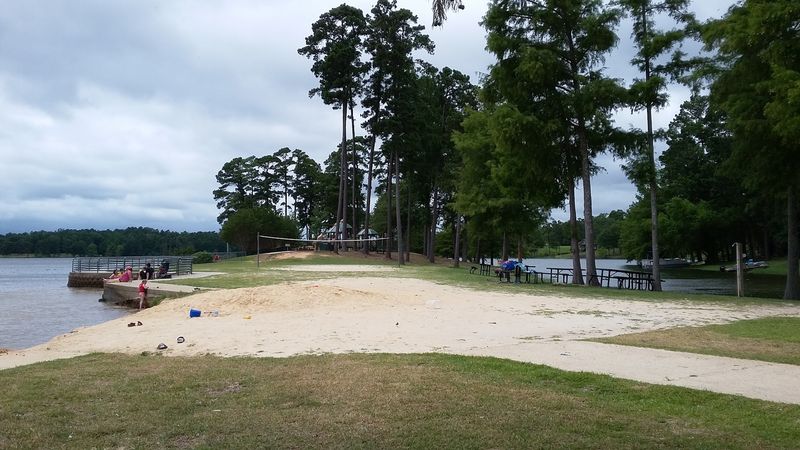
On a warm day, the swimming area brings the lake down to human size. Cypress Bend Park has a beach area where visitors can cool off, a very different experience from looking across miles of open water.
Stay within the designated area, supervise children closely, and check posted rules before entering. Conditions at a lake can change, and clear water near shore does not tell you what the bottom is like farther out.
History may be on your mind, but swimming is not a way to explore it. The roads and homes connected to the old valley are a reason to learn, not a reason to leave safe boundaries.
Pack a towel, drinking water, and shoes for the shore. When you take a break, look back across the reservoir.
It is possible to enjoy a lively afternoon while still holding a quiet thought for the landscape that came before.
Make Camp A History Break
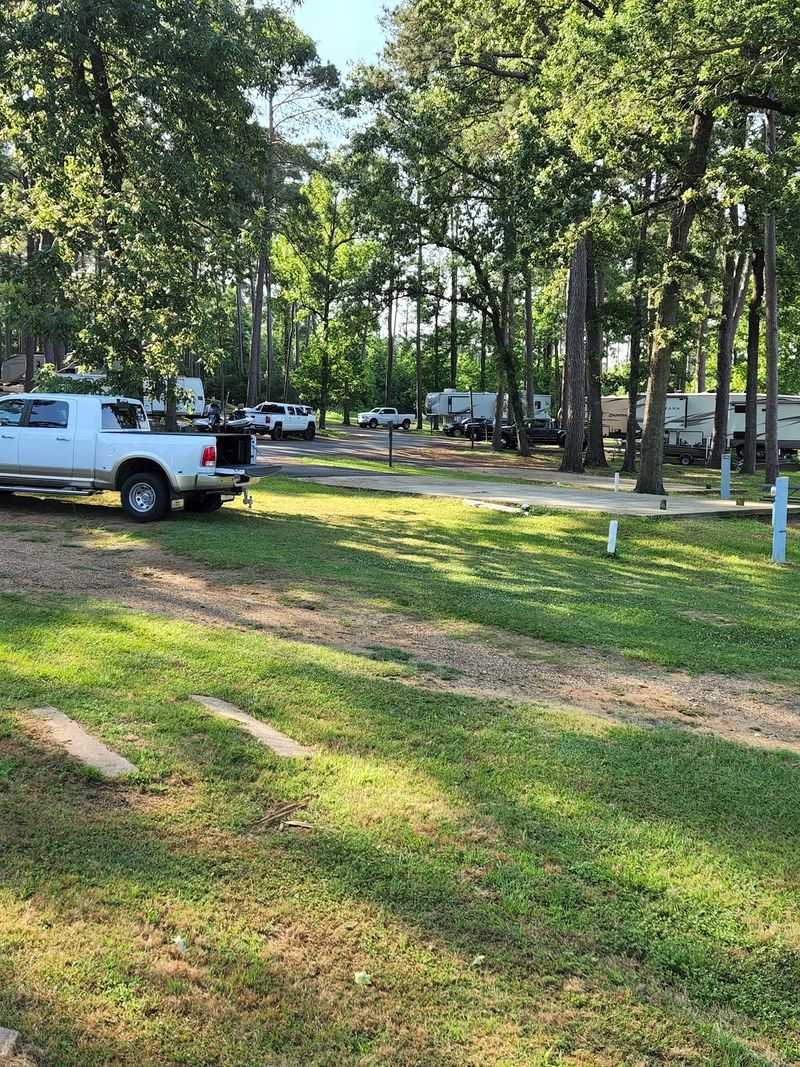
Camping changes the pace of a visit. Cypress Bend Park offers camping, giving you more time to notice how the lake looks in different light.
A morning walk and an evening rest can feel like visits to two different shores. Between them, read a little about the Toledo Bend project and how building a reservoir changed travel and settlement along the Sabine River.
Before packing, check the park’s current reservation details, site rules, and weather conditions. Bring the supplies you need rather than counting on a nearby shop to have a forgotten item.
Keep your campsite tidy and leave shared areas ready for the next family. The history here can feel large and hard to grasp, but camp life offers a helpful comparison.
Familiar routines matter to people. The families who once lived in the valley had routines, too.
Leave With Better Questions
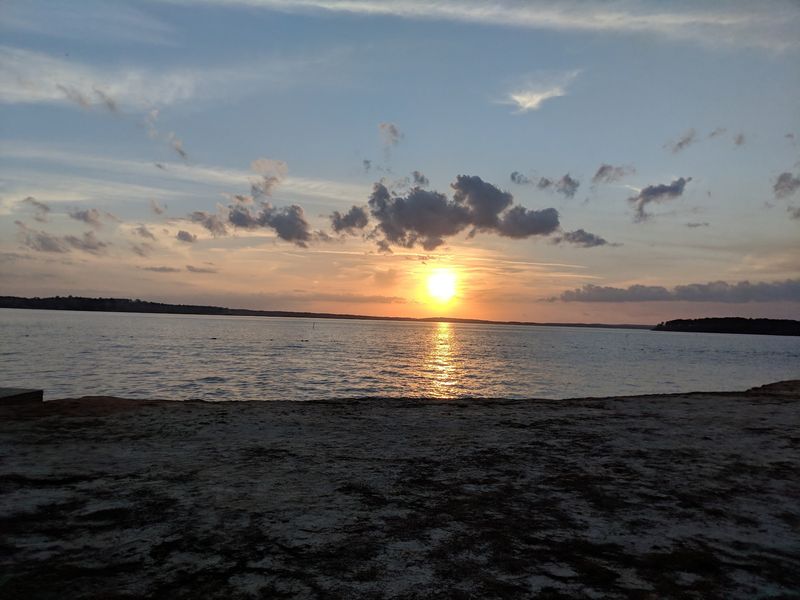
Sunset can make the whole reservoir look simple: water, sky, and a dark line of shore. After a day at Cypress Bend Park, that picture may feel fuller.
You have seen a place for boating, fishing, swimming, or resting, and learned that the lake also covers an older landscape. You do not need to find a hidden object to carry that story home.
Take one last look from a safe public spot and note what you want to learn next. Was a particular road rerouted?
How were families moved? Which records preserve the names of former communities?
Local histories, maps, and official sources can help answer those questions more carefully than lake legends can. Leave the shore as you found it, with no litter or objects taken away.
The most useful souvenir is a clearer sense of how one place can hold more than one history.