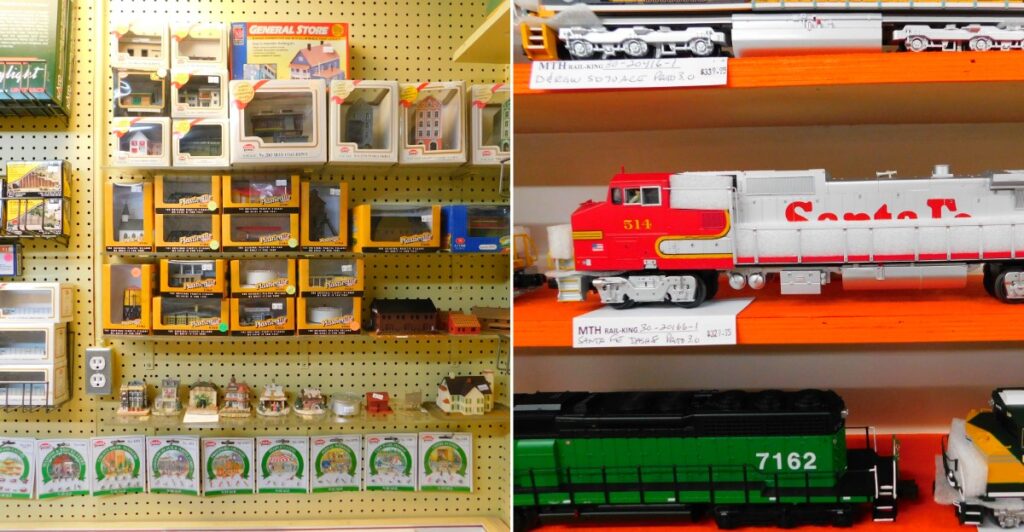
Tiny trains have a strange way of making time disappear. One minute you are examining a locomotive, the next you are debating track gauges and admiring miniature scenery with the seriousness of a civil engineer.
This locally owned shop gives that obsession plenty of room, with thousands of square feet devoted to model railroading.
HO trains share the space with several other scales, plus new equipment, older finds, repair services, and staff knowledge that can rescue a stalled project.
Across Louisiana, few hobby shops offer model railroad fans this much variety, hands-on expertise, and room to explore at their own pace.
What I like most is how welcoming the place feels to both beginners and longtime collectors. You can arrive with a parts list or simply browse until something catches your eye.
Either way, the shelves reward curiosity, and a quick stop can easily become the highlight of the day.
Give The First Look Some Room
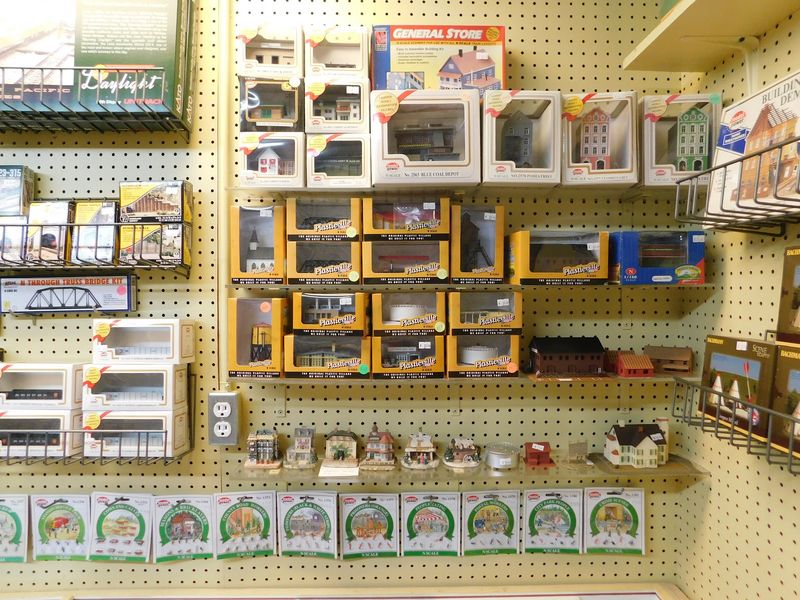
More than 4,000 square feet is a lot of room for objects small enough to fit in your hand. The shop is described as Louisiana’s largest full service train store, with inventory that reaches well beyond a few starter sets.
Take an initial look around before choosing what to buy. Locate the scale you use, then ask where related track, tools, and scenery supplies are kept rather than assuming everything follows one obvious arrangement.
A short list helps keep that first circuit useful: perhaps a locomotive, replacement track, and something for a bare corner of your layout. Leave a little room for unexpected finds, too.
Browsing a specialist store works best when curiosity has a job to do. The goal is not to inspect every box, but to discover which parts of the selection fit your railroad at home.
The Train Mural Faces Tower Road
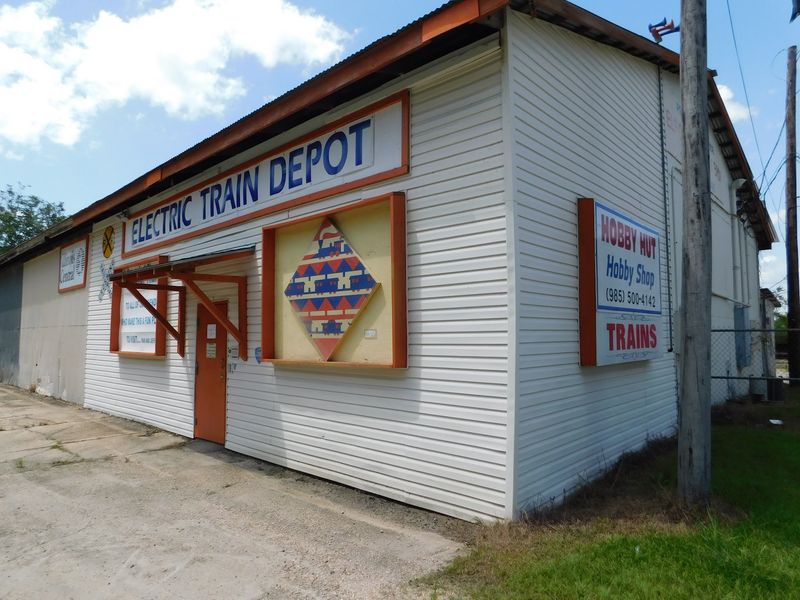
Electric Train Depot sits at 1111 Southwest Railroad Avenue in Ponchatoula, Louisiana, just outside the compact downtown core. Southwest Railroad Avenue gets you into the right area, with the shop set close to the rail corridor rather than along one of the town’s busier commercial strips.
The final clue is on the building itself. The storefront faces Tower Road, and a large train-themed quilt mural on the front makes the place much easier to pick out once you are close.
Pull into the property and use the private customer parking lot, then head toward the Tower Road-facing entrance. From there, the shop is only a few steps away.
Keep Your HO Plans Handy
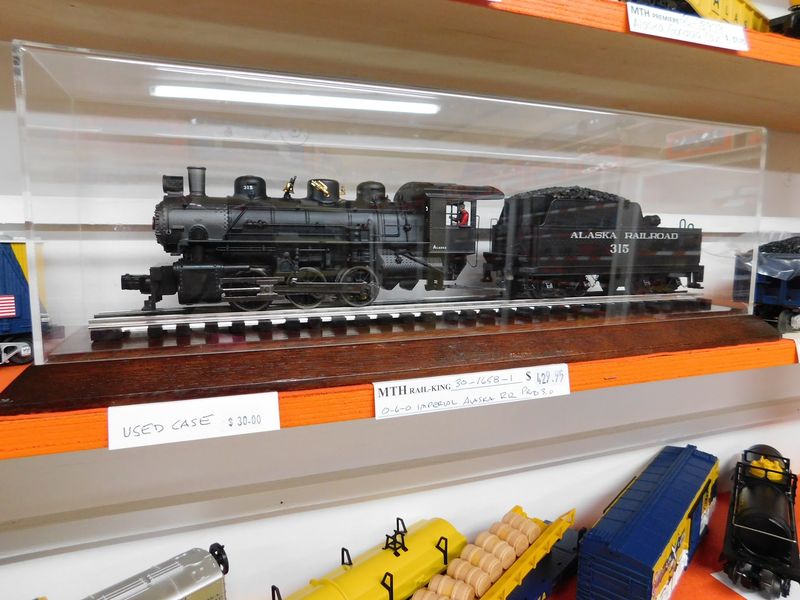
A handsome HO locomotive can be very persuasive, even when your layout has other ideas. HO is one of the scales carried at Electric Train Depot, making the shop a useful stop for engines, rolling stock, track, and related supplies.
Bring notes about your existing equipment before shopping. Your control system, track curves, couplers, and available space all help staff narrow the choices to models that suit your setup.
Photographs on your phone can explain more than a vague description of the train you already own. Ask about compatibility instead of assuming that every HO item will work together without adjustments.
For a specific model, check availability before traveling, since a broad selection does not guarantee one particular locomotive. A purchase should earn its place on your railroad, not merely look convincing through the lid of its box.
Compare Scales Before Committing
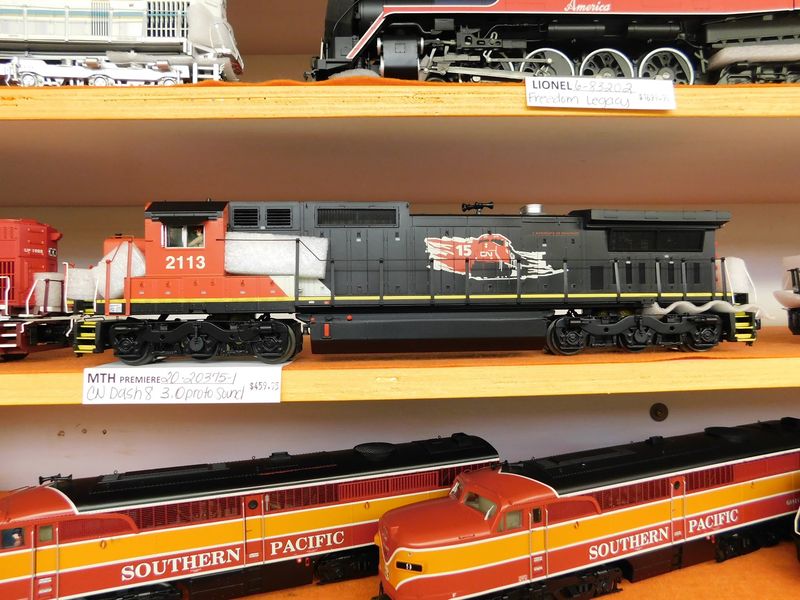
Tiny does not mean the same thing to every model railroader. Electric Train Depot carries N, HO, O, S, and G scales, so visitors can explore more than one approach to building a railroad.
If you are starting fresh, explain how much space you can use at home. A spare tabletop and a dedicated hobby room call for different choices, and the largest engine is not automatically the easiest starting point.
Ask staff to explain scale and track requirements before mixing purchases. Compare the size of cars, the room needed for curves, and how comfortable you feel handling small parts.
Families should also check each product’s age guidance rather than treating every train as a toy. Choosing a scale is partly about appearance, but the practical fit matters just as much once the boxes leave the store with you.
Search Older Stock With A Purpose
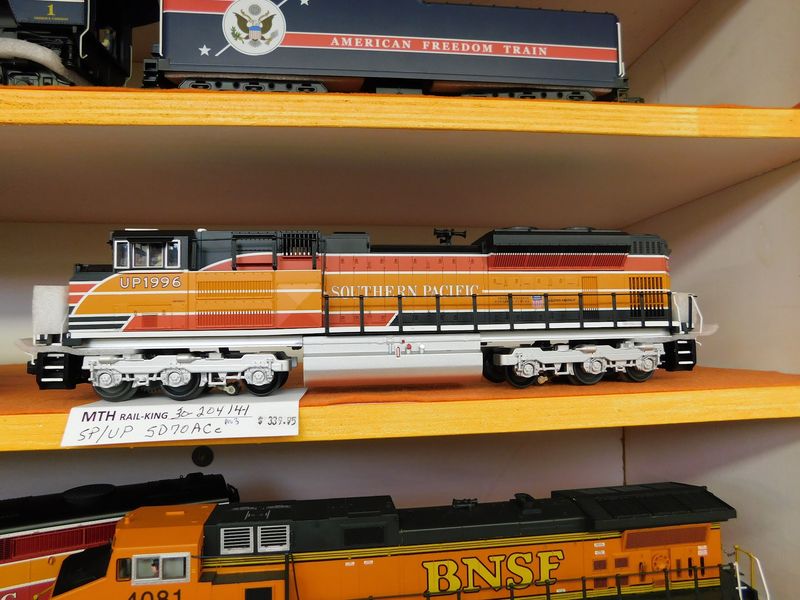
The model missing from your collection may no longer appear in a current catalog. Electric Train Depot specializes in out of production and rare train items, alongside new equipment, which gives collectors a reason to browse carefully.
Bring a manufacturer name, model number, or clear photograph when hunting for something specific. Details such as road name, paint scheme, and production version can separate a close match from the item you actually need.
Scarcity alone should not make the decision for you. Ask about condition, included parts, and any known operating issues before buying an older piece.
Original packaging may matter to a collector, while dependable running matters more to someone building a working layout. Decide which goal comes first.
A patient search is more satisfying than carrying home a nearly right locomotive simply because it happens to be uncommon.
Look Closely At Pre-Owned Finds
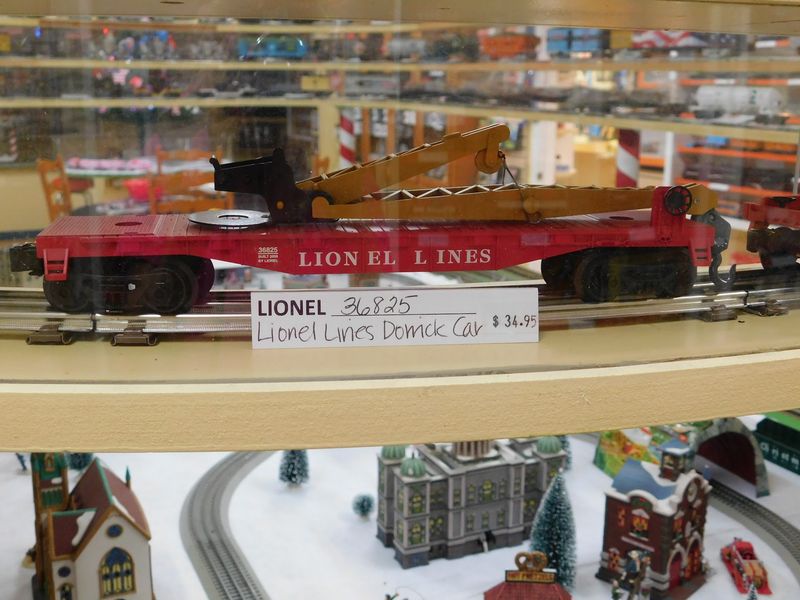
A previously owned train comes with questions that a sealed box may not answer. The shop carries used equipment as well as new stock, offering another route for finding models and expanding an existing collection.
Start with a careful visual check, asking permission before handling anything. Look for missing details, damaged couplers, worn wheels, or signs that parts have been changed.
Then ask what is known about operation and whether a demonstration is possible. Do not assume every piece has been tested or that every accessory is included.
Confirm the price and any applicable return terms before paying, especially when buying equipment that will need attention. Used stock can be a useful choice, but it rewards a calm inspection rather than a quick grab.
The best find is one whose condition matches both your expectations and your repair skills.
Let Questions Lead The Conversation
A useful question can save more money than a lucky discount. Electric Train Depot offers knowledgeable advice, with Jessica and Jeff among the staff named in the shop’s information.
Explain what you want your railroad to do, not just what you want to buy. Running a short passenger train, fixing unreliable track, and building a first layout are different projects, even if each starts with a locomotive.
Keep photographs, measurements, and model numbers ready so the conversation has something concrete to work with. Beginners need not arrive speaking fluent railroad shorthand; plain descriptions are fine.
Experienced hobbyists can make their questions more specific by noting what they have already tried. Listen for the reasoning behind a recommendation, and ask for clarification when needed.
That exchange is part of the value of visiting a specialist shop instead of guessing from pictures.
Bring Repair Details Before Equipment
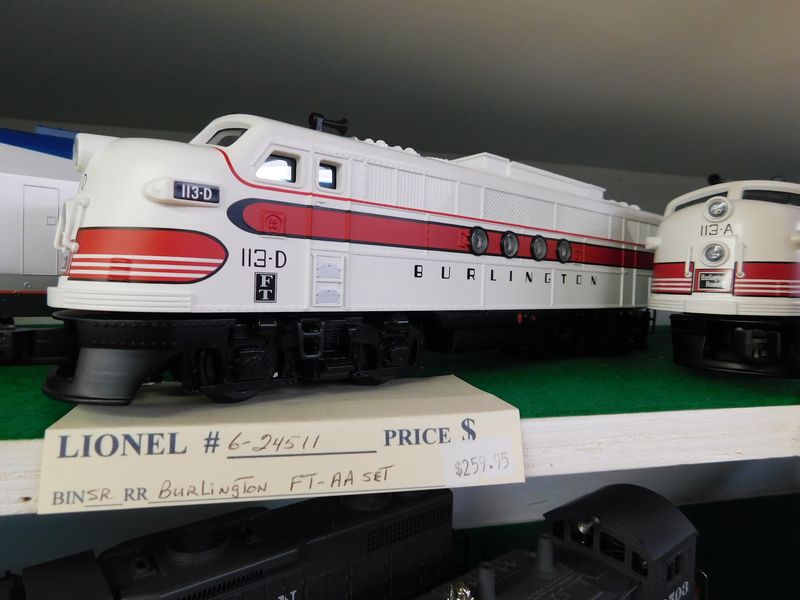
A silent engine does not always need to become a shelf ornament. Electric Train Depot offers repair services for Lionel trains and for HO, N, and G scale equipment.
Contact the shop before bringing in a locomotive, since different repair needs may involve different contacts. Describe the model, its control system, and the problem as clearly as possible, including whether lights or sound still work.
Write down when the trouble occurs and what you have already checked. Ask about assessment fees, likely costs, parts availability, and expected timing rather than assuming a repair can happen during your visit.
If staff advise bringing the train, pack it securely and include only the accessories they request. Older equipment can involve extra uncertainty, especially when replacement parts are scarce.
A clear conversation first helps both sides decide on the next sensible step.
Remember The Small Supporting Parts
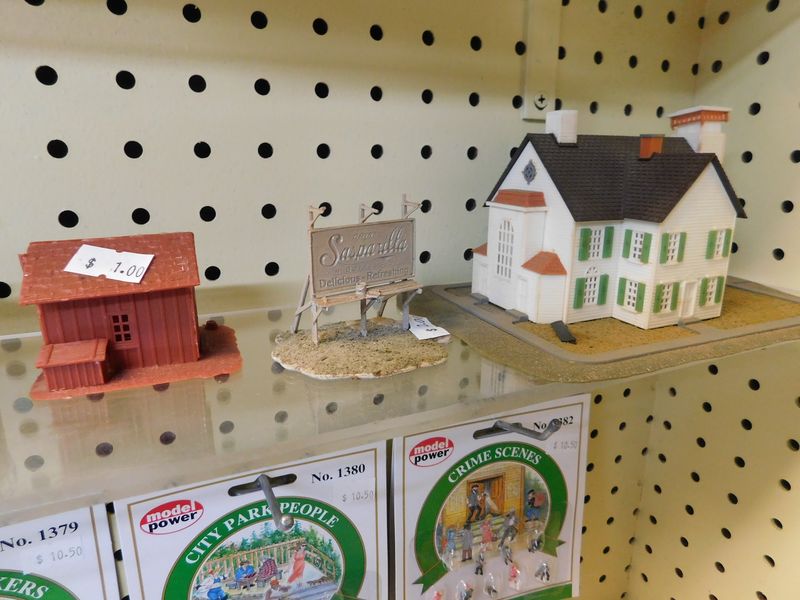
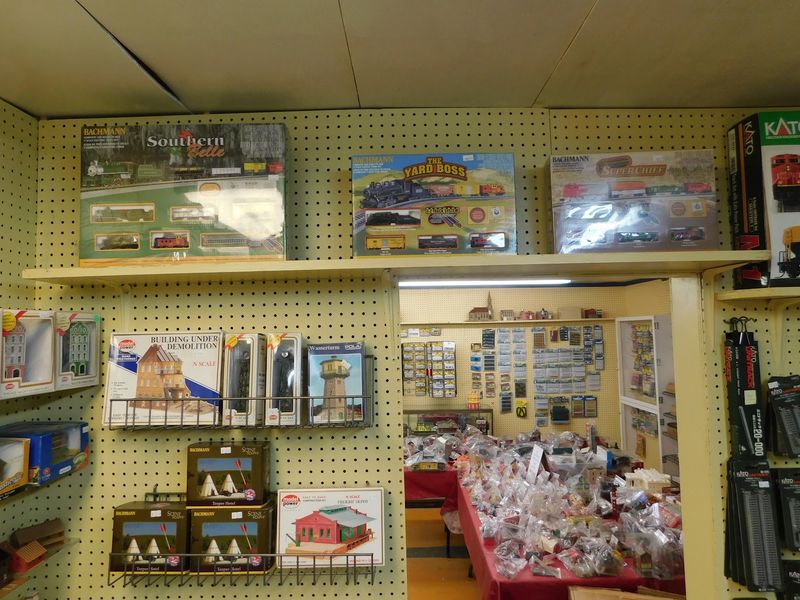
The locomotive gets the attention, but a missing track piece can stop the whole afternoon. Electric Train Depot stocks accessories, hobby tools, track, and scenery items, making the less glamorous shopping list worth bringing along.
Check your layout before leaving home. Note gaps, trouble spots, unfinished areas, and any supplies that have run low, then photograph the pieces you need to match.
For track purchases, record the brand, scale, and connection style instead of relying on memory. With scenery, decide whether you are filling a small space or planning a larger change before choosing materials.
Ask which tools suit the job, especially if you are new to cutting, wiring, or assembling models. A few well chosen supporting items can be more useful than another engine.
Sometimes the most satisfying purchase is the one that finally lets everything else run properly.
Choose A First Set Thoughtfully
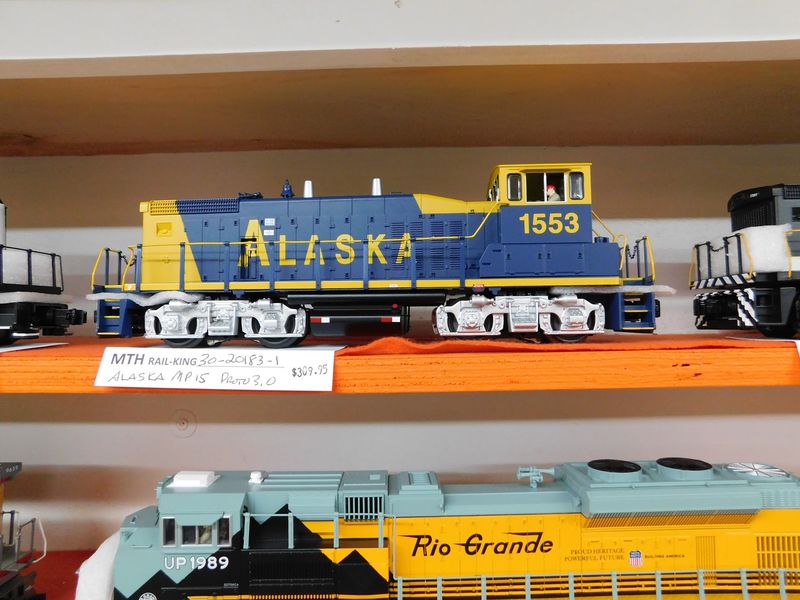
Starting small can keep a new hobby enjoyable instead of turning it into homework. The shop serves beginners as well as advanced railroaders and carries complete ready to run train sets.
Ask what a set actually includes before buying. Track, power equipment, and control needs deserve the same attention as the engine, because a cheerful picture on the box does not explain every setup detail.
For a child, check the manufacturer’s recommended age and discuss how much adult help will be needed. Fragile details and small parts call for care, even when a train looks inviting.
Measure the intended setup area and think about where the equipment will go between sessions. A manageable first railroad leaves room to learn.
Adding cars or scenery later can become part of the fun, rather than a requirement for enjoying the first afternoon together.
Discuss Trading Before Loading The Car
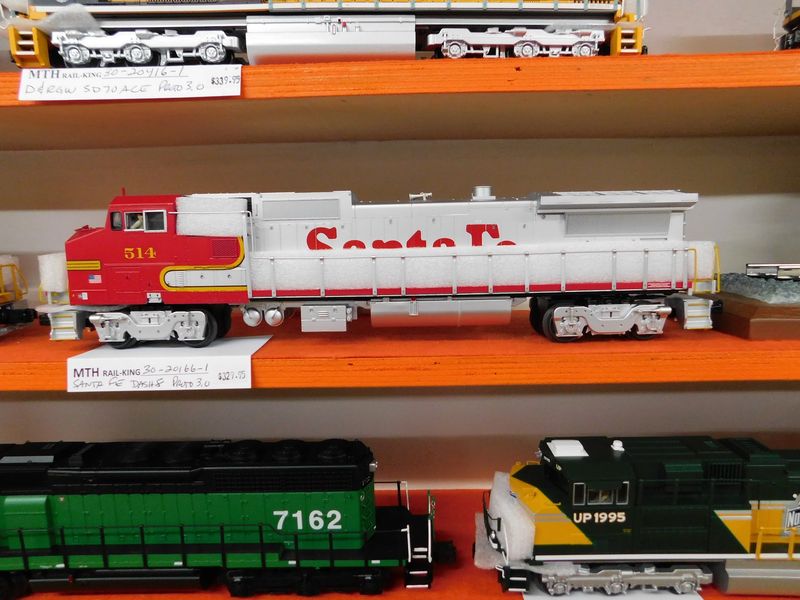
An inherited collection can fill a closet before anyone knows what is inside. Electric Train Depot buys, sells, and trades model trains, works with consignment sales, and purchases estate train collections.
Before transporting boxes, contact the shop to discuss what you have and whether it fits current needs. Make a basic inventory with scales, brands, model numbers, photographs, and notes about condition.
Keep original boxes and loose parts together where possible, but avoid attempting repairs just to make a collection look ready. Ask how direct purchases, trades, and consignment differ, including any fees or terms that apply.
An offer is not guaranteed simply because an item is old. Clear records help staff assess the collection and help you understand the options.
For families sorting unfamiliar equipment, that first organized conversation can turn a confusing pile into a much more manageable project.