A store in one Louisiana town still rings up sales on a cash register from 1910. Its freight elevator, inside an 1892 building, still goes up and down daily. I love that nobody felt the need to upgrade either one.
That stubborn charm shows up across the lake country here. One town has a steel drawbridge where Generals Eisenhower and Patton reportedly passed through. Another has a hotel where guests sleep near an old bank vault, teller window and all.
I can’t imagine a better road trip for anyone who misses front porches, courthouse squares, and slow mornings by the water. These towns sit beside oxbow lakes, cypress swamps, and quiet shorelines.
One restaurant has been feeding folks since 1926. A small museum keeps a log cabin and oil boom photos under one roof. So which old-fashioned lake town would you visit first?
8. Mandeville
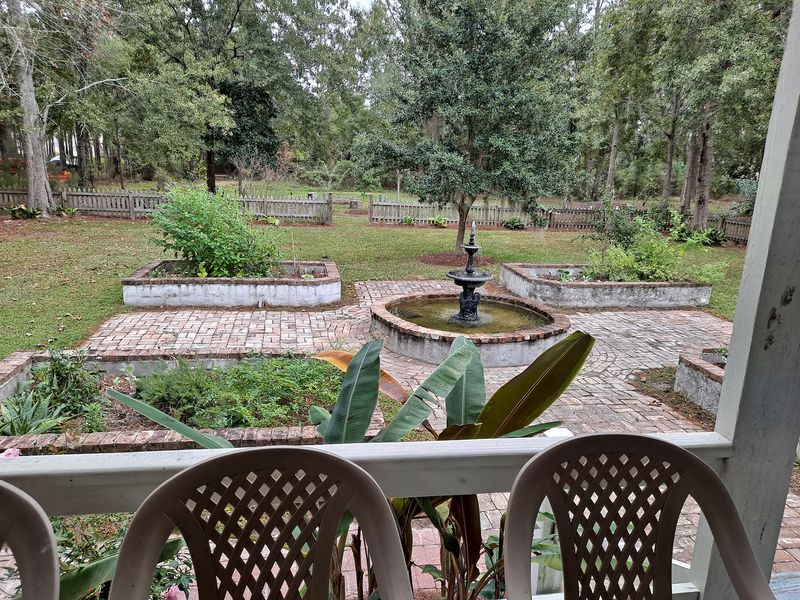
Wealthy New Orleanians once escaped the city heat by crossing the lake to Mandeville. Old Mandeville still holds onto that summer-retreat feel, and one little cottage tells the story best.
The Jean Baptiste Lang Creole House Museum was built between 1850 and 1852. Its builder was a tobacco merchant from Luxembourg, which is a fun surprise for a Louisiana lake town.
The house is a classic Creole cottage, and it’s one of the few Anglo-Creole structures still standing in Old Mandeville. It made it through the Civil War, then needed restoration after Hurricane Katrina in 2005.
Look closely at the craftsmanship once you’re inside. You’ll spot faux bois finishes, which are painted to look like wood grain, plus sturdy mortise-and-tenon construction.
Keep an eye out for the Creole Diamond mantle too. It’s the kind of detail that makes you wonder how long somebody spent getting it just right.
Exhibits explain the Lang family and the bigger history of Mandeville. That background helps the rest of the old town make more sense when you head back outside.
Small museums like this one feel personal in a way big city museums rarely do. You’re standing in an actual family’s summer home, not peering at it through glass.
History lovers who want extra attention can arrange a private tour. The gift shop also sells local items, so you can take home something better than a fridge magnet.
Plan a slow afternoon here and let the lakefront fill in the rest. Old Mandeville rewards people who stroll instead of rush.
Address: 605 Carroll Street, Mandeville, LA 70448
7. Natchitoches
Most cash registers retire after a decade or so, but one on Front Street has worked since 1910. It lives inside Kaffie-Frederick General Mercantile, Louisiana’s oldest general store.
The store has operated continuously since 1863. That means it was selling goods while the Civil War was still going on.
Its current home is an 1892 building on historic Front Street in Natchitoches. The original freight elevator still gets daily use, which is either charming or impressive, depending on how you feel about elevators.
Shelves here cover a surprising range. You’ll find hardware, housewares, and kitchen supplies sitting near classic toys and unique gifts.
Displays of antique merchandise add to the time-travel effect. It feels a bit like shopping and touring a museum on the same trip.
The store keeps its original appearance, so take a minute to look around before you start shopping. Old-fashioned service fits right in with the setting.
Natchitoches sits along Cane River Lake, and its historic district makes an easy walking tour. Front Street puts the store right in the middle of that scenery.
Kids who’ve only seen tap-to-pay screens may be fascinated. Adults might feel a little nostalgic, especially if their grandparents ran a shop.
Give yourself time to browse instead of rushing through. A store this old deserves more than a quick lap.
Grab a kitchen gadget or a toy for the grandkids. Then watch the 1910 register ring it up, because when else will you get to see that?
Address: 758 Front Street, Natchitoches, LA 71457
6. Farmerville
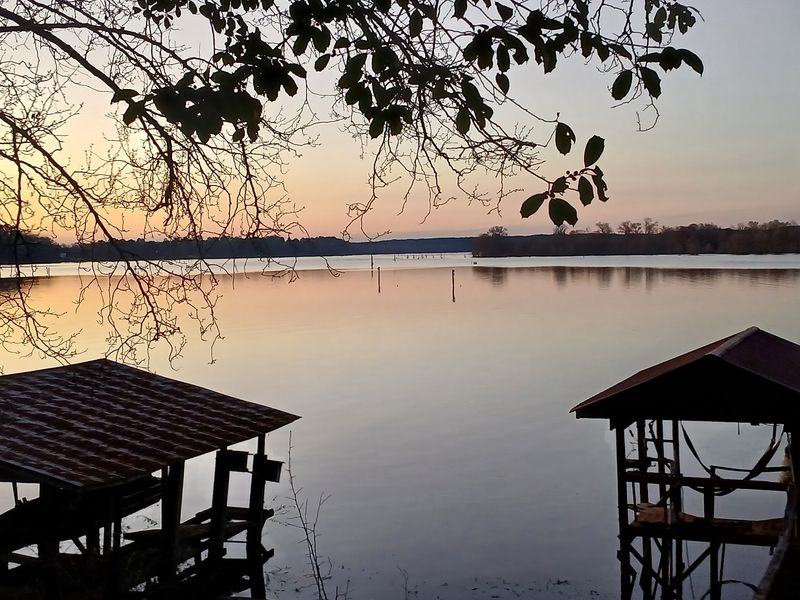
Lake D’Arbonne is the kind of place where a fishing pole counts as a full day’s plan. Farmerville sits right beside it, and the town has been the Union Parish seat since 1839.
That long history shows up downtown at the Union Museum of History and Art. Its collection includes prehistoric Native American objects, and it hosts events throughout the year.
Once you’ve had your history fix, head toward the water. Lake D’Arbonne State Park, just outside town, makes a natural home base.
The park is known for its fishing, and the lake is popular with anglers chasing crappie and bass. Fishing piers give you a spot to cast without needing a boat.
Overnight guests can stay in cabins or campsites. Waking up near the lake beats an alarm clock and a hotel hallway.
Trails wind through the pine woods if you’d rather stretch your legs. Picnic areas make it easy to turn lunch into a lakeside event.
The pace around Farmerville is slow in the best sense. Small-town Louisiana doesn’t get much more relaxed than a parish seat with a big lake next door.
Northeast Louisiana doesn’t always make the big travel lists. That’s a shame, because quiet lake towns like this one are easy to love.
Pair a museum stop with a park visit for an easy two-part day. You get the stories in the morning and the shoreline by afternoon.
Bring snacks, sunscreen, and a little patience for the fish. They keep their own schedule out here.
Address: 3628 Evergreen Road, Farmerville, LA 71241
5. Henderson
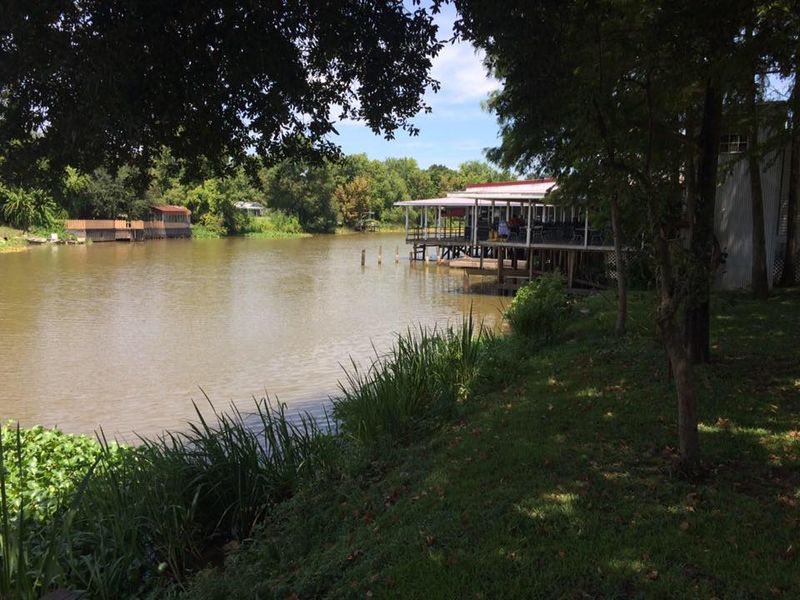
Few restaurants can say their founder also became the town’s first mayor. Pat Huval pulled off both in Henderson, and his restaurant is still serving Cajun seafood today.
Pat’s Fisherman’s Wharf Restaurant opened in 1948. Huval later led the town’s incorporation in 1971, so the restaurant is actually older than Henderson itself as an official town.
Recipes passed down from his mother still shape the menu. That kind of family cooking is hard to fake.
Start with gumbo if you want a classic. Stuffed crabs, crawfish etouffee, and fried frog legs give the adventurous eater plenty to try.
The restaurant sits on Henderson Levee Road, near the edge of the Atchafalaya Basin. Live music often plays, which turns supper into more of an evening out.
The complex also includes the Atchafalaya Club, a dance hall and music venue. If your feet start tapping, you know where to go next.
Need a place to sleep after all that dancing? Pat’s Edgewater Inn, a hotel on the same property, saves you the drive.
Kids and curious grown-ups will want to see the display of live alligators and turtles. It’s a very Louisiana kind of dinner entertainment.
Before you leave, grab some of the Cajun seasonings sold here. Your home kitchen may not match Pat’s, but it can certainly try.
Address: 1008 Henderson Levee Road, Henderson, LA 70517
4. New Roads
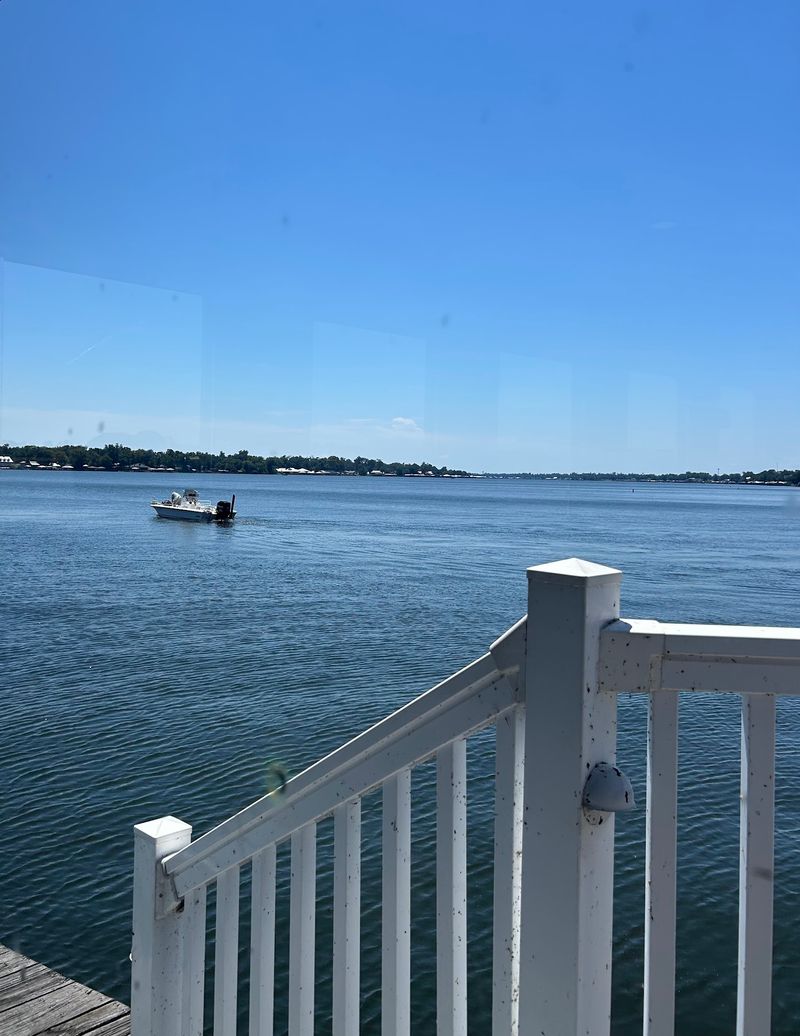
The Mississippi River once flowed where False River sits today. When the river changed course, it left behind an oxbow lake, and New Roads grew up along its shore.
Settled in 1822, New Roads ranks among Louisiana’s oldest communities. It’s also the seat of Pointe Coupee Parish, and its downtown keeps the water close by.
Morel’s Restaurant has been part of that downtown since 1926. The restaurant sits directly over False River, so the view comes with your meal.
The menu mixes a lot of influences. Southern, Cajun, Creole, West Indies, and Asian Fusion ideas show up in the kitchen.
Gumbo and bisque lovers will feel right at home. Fried prawns, ribeye, and other seafood dishes give the table some variety.
Ask about the daily local specialties before you order. Those can be the best way to taste what this corner of the state does well.
Planning a family reunion or party? Morel’s offers catering and can host private events, which beats cooking for thirty cousins yourself.
After lunch, take a slow drive along the water. Oxbow lakes curve gently, so the scenery keeps changing without asking much of you.
Nearly a century of serving the same town says a lot. Restaurants don’t last that long without giving folks a reason to come back.
Spending an afternoon here feels like flipping through an old family album. Just one with better gumbo.
Address: 210 Morrison Parkway, New Roads, LA 70760
3. Mooringsport
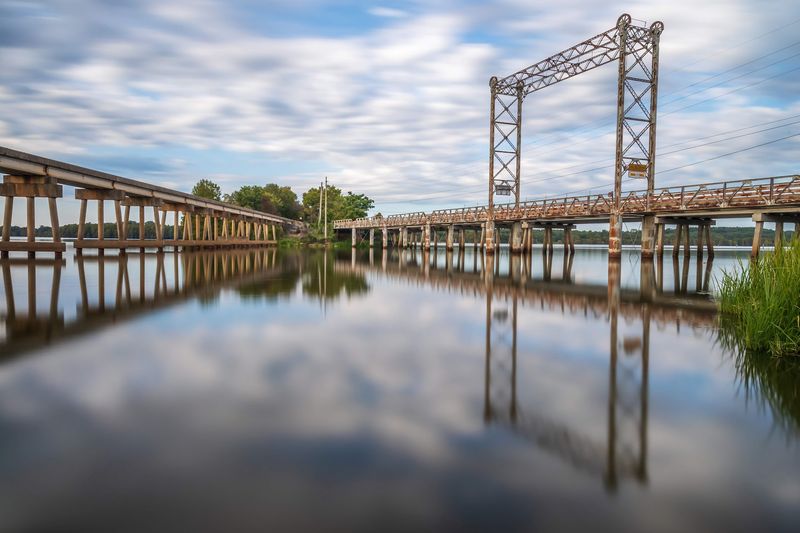
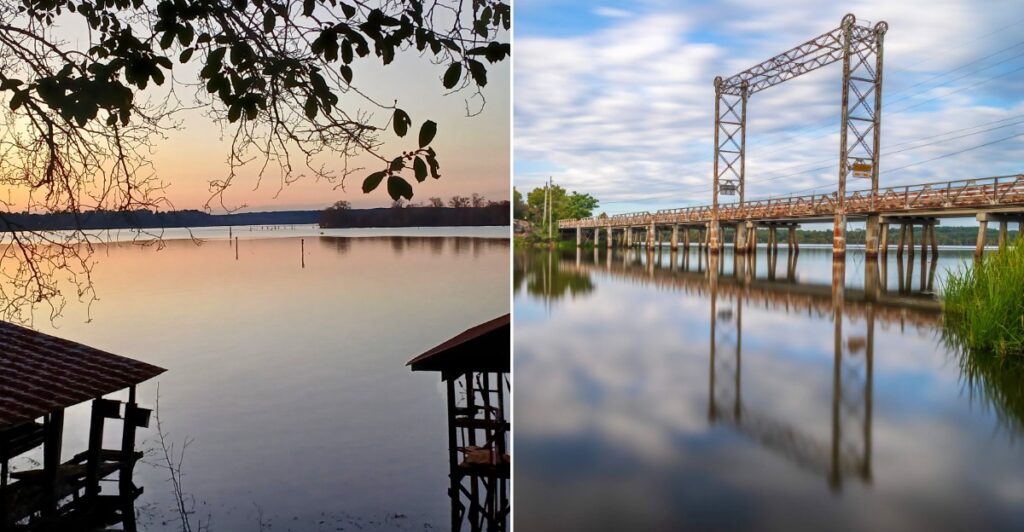
Oil derricks were too tall for an ordinary bridge, so Mooringsport got one with a middle that could rise. The Historic Caddo Lake Drawbridge opened in 1914, replacing a ferry.
The Midland Bridge Company built it as a Waddell vertical-lift bridge. Today it’s the last surviving bridge of that type in Louisiana.
The whole center span was designed to lift straight up. That let tall oil equipment pass through during the region’s oil boom.
The lift mechanism hasn’t worked since the 1940s. Still, the bridge has found a second career as a pedestrian walkway.
It’s open to the public from dawn to dusk. Come early for soft light on Caddo Lake, or show up late for sunset photos.
Got a history buff in the car? During World War II military maneuvers, Generals Eisenhower and Patton reportedly passed through.
The bridge joined the National Register of Historic Places in 1996. That recognition helps protect a structure that tells a big story in a small town.
Caddo Lake is famous for its cypress trees draped in Spanish moss. Standing on the bridge gives you a wide view of the water without needing a boat.
Wear comfy shoes and bring a camera. The walk is short, but you’ll probably stop more than you expect.
Mooringsport is tiny, which is part of the appeal. Few towns this small can claim a bridge with this much history.
Address: LA Highway 538 at Caddo Lake, Mooringsport, LA 71060
2. Lake Arthur
Most hotel guests never get to sleep near a real bank vault. At The Bank Hotel in Lake Arthur, the old vault entry is part of the decor.
The building once housed a Jeff Davis Bank. Now it’s a restored boutique hotel in the heart of downtown.
The past shows up in fun ways. The original teller window, night deposit safe, and vault entry are preserved in the aptly named Vault Room.
Eight luxury suites mix old character with modern comforts. You get history without giving up the conveniences you’re used to.
Covered porches stretch across both levels. Grab a seat out there and watch the small-town world go by.
Morning coffee on a porch beats a lobby breakfast line any day. A lake breeze is a nice bonus if the weather cooperates.
Lake Arthur Park is within walking distance. It has a sandy beach and a playground, which is great news for families with restless kids.
A beach in southwest Louisiana might surprise some visitors. It’s a nice reminder that the state’s lake towns hold plenty of little surprises.
The town was incorporated in the early 1900s, around 1903 and 1904. Spend some time wandering downtown after you check in.
Think of this stay as a mini vacation with a story attached. Few hotels let you joke about sleeping in a bank.
Book ahead, since eight suites don’t go far. Then pack light, because you won’t need much besides sunscreen and curiosity.
Address: 233 Arthur Avenue, Lake Arthur, LA 70549
1. Homer
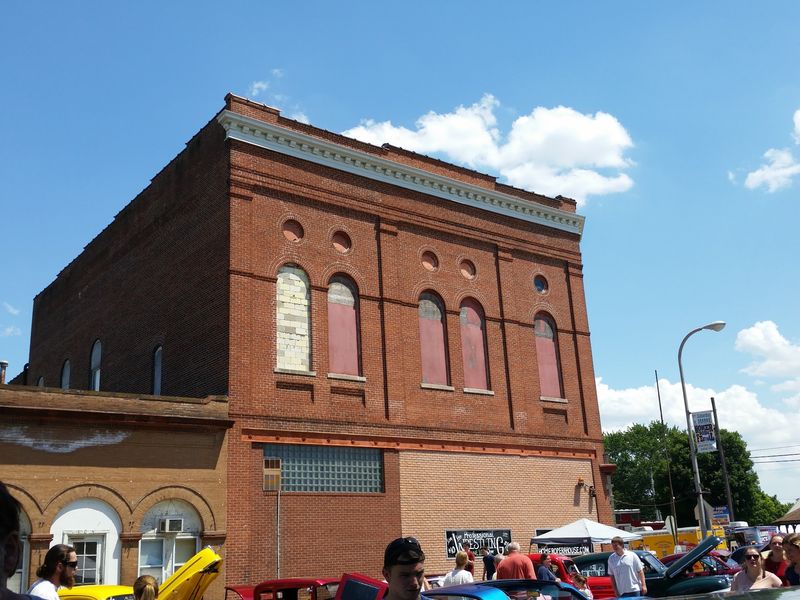
An 1890 hotel now holds a log cabin, a blacksmith shop, and a designer’s fashion exhibit. That mix lives inside the Herbert S. Ford Memorial Museum in Homer.
The museum occupies the historic Claiborne Hotel building. It traces the town’s story from early inhabitants to its twentieth-century changes.
Start with the displays on Native Americans and pioneer life. The log cabin dates to around the 1860s, and the blacksmith shop shows how hard daily work used to be.
Cotton mattered a lot here, and the Claiborne Cotton Industry exhibit explains why. Then the story shifts to the Black Gold oil boom days.
Historical photos show wooden oil wells from that era. They’re a striking reminder of how fast North Louisiana changed when oil arrived.
Vintage textiles and musical instruments add more texture to the visit. Fashion fans should save time for the exhibit on designer Geoffrey Beene.
Homer was incorporated in 1850 and sits among rolling hills. The Greek Revival Claiborne Parish Courthouse, built in 1861, anchors the town square.
Lake Claiborne lies just south of town for anyone craving water views. A museum morning and a lakeside afternoon make a fine small-town pairing.
Take your time in each room instead of rushing to the end. Small museums often hide their best stories in the corners.
Homer proves that a town doesn’t need to be big to have a big past. It just needs folks willing to keep the stories around.
Address: 519 S. Main Street, Homer, LA 71040