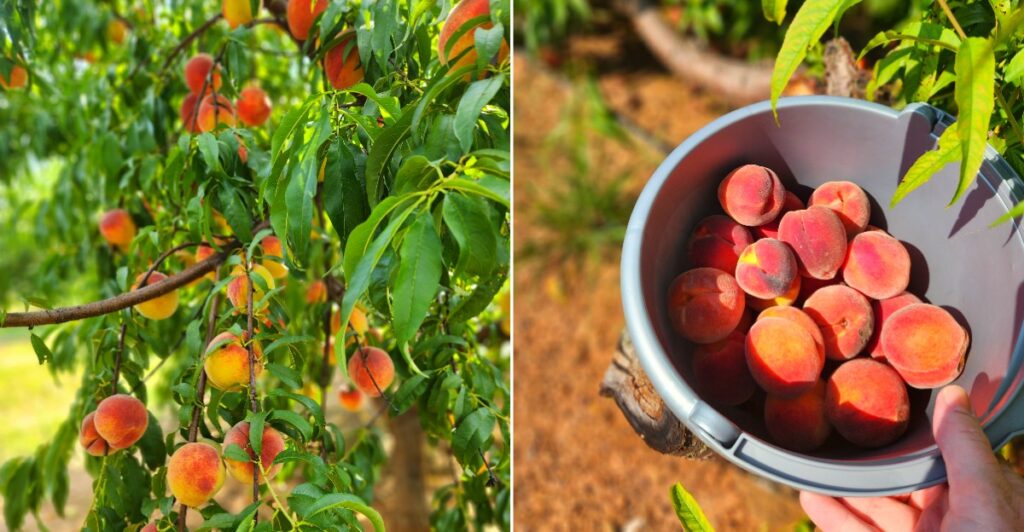
A peach craving can make an ordinary country drive feel wonderfully urgent, especially when fresh fruit, peach ice cream, and shelves of preserves are waiting at the other end. This family farm has been tied to the area’s peach-growing story since 1946, and that history gives the stop more charm than a roadside market.
The store leans into the fruit in all the right ways, from ripe peaches to sweet jars and frozen treats.
Few food stops capture Louisiana’s summer flavor as simply as fresh peaches, peach ice cream, and generations of family farming.
What I like most is the balance between nostalgia and practicality. You can browse, stock up, and leave with something ready for the drive home or your own kitchen.
Fresh-baked pies are not always guaranteed, so it is worth checking ahead before arriving with pie-shaped expectations. The peaches, however, are reason enough to make the detour.
A Family Story Rooted In Peaches
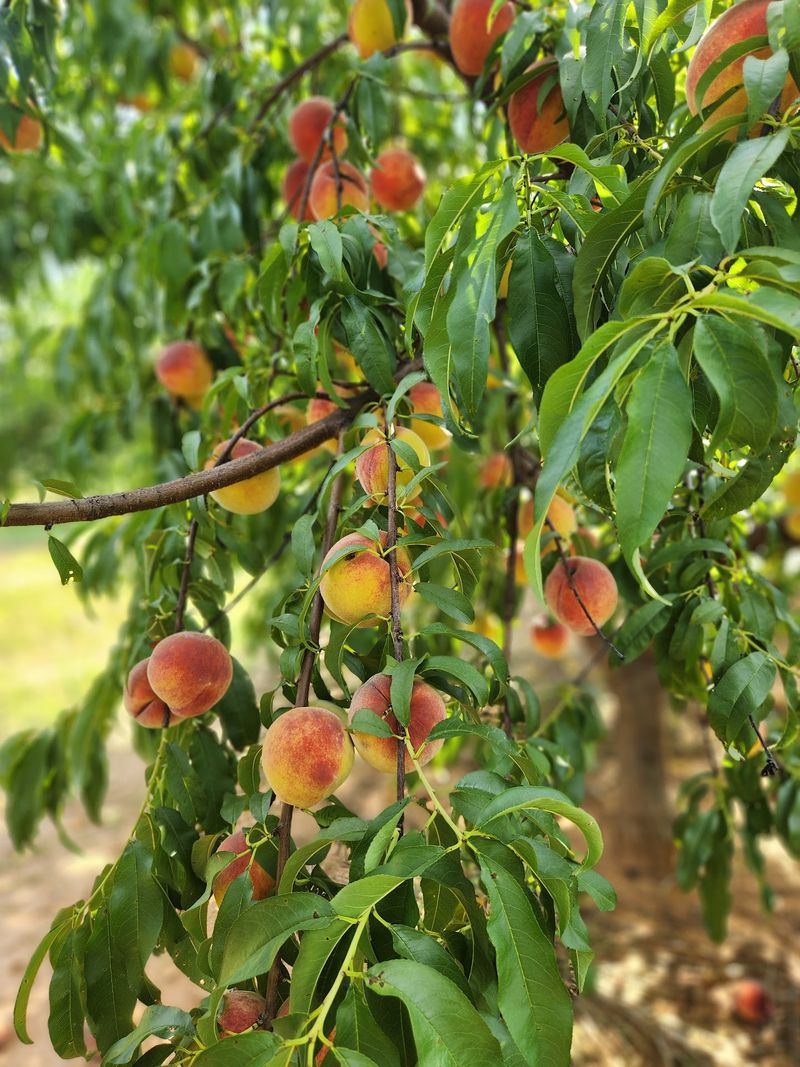
Long before jars and gift shelves entered the picture, peach trees were the main event here. Mitcham Farms traces its beginning to 1946, with J.E.
Mitcham establishing the orchard and the first trees planted in 1947.
The family connection gives the store a story beyond its checkout counter. Joe Mitcham Jr. is identified in the supplied farm information as the orchard’s operator, carrying that growing tradition into another generation.
The wooden Peach Store building followed in 1999, created to process and sell products made from surplus peaches. That detail explains why a visit can include both fresh fruit and preserved treats.
It also makes a useful shopping question: ask which current products use Mitcham-grown peaches. The farm’s history is real, but the origin of each jar deserves its own answer rather than an assumption based on the name above the door.
The Orchard Signs Take Over From Here
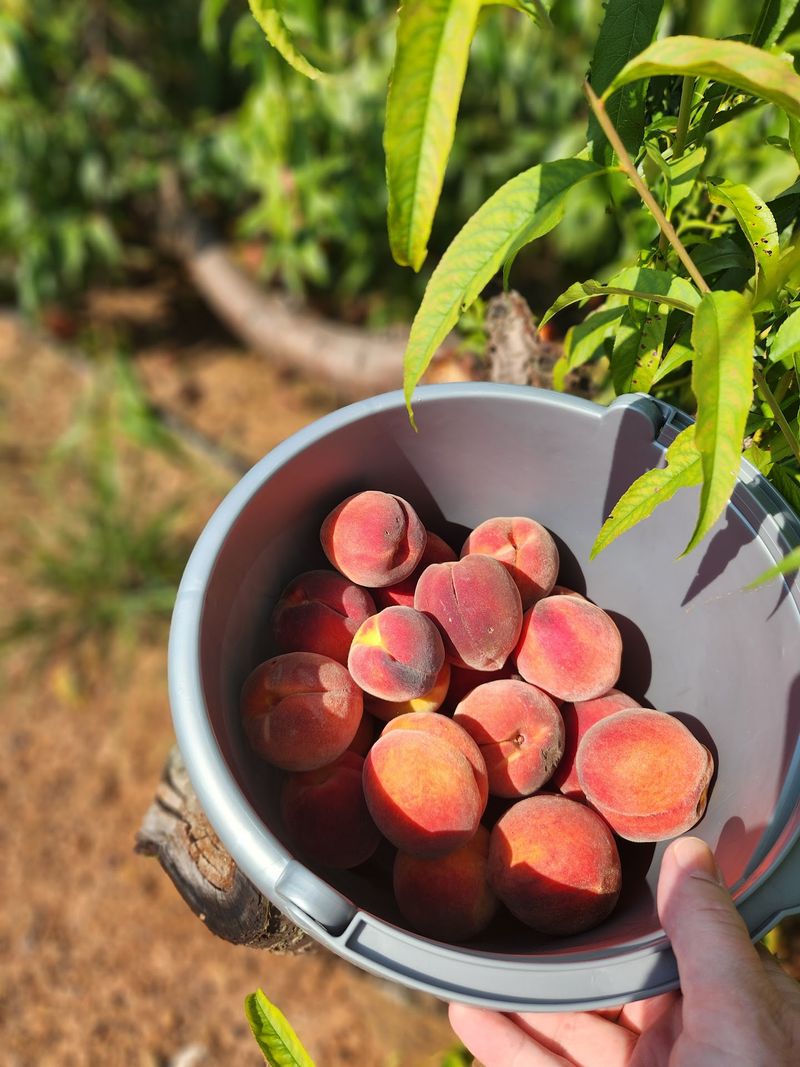
Mitcham Farms Peach Store sits at 1007 Woods Road in Ruston, Louisiana, northwest of town on the Mitcham Farms orchard property. From I-20, Exit 84 gets you into the right part of Ruston before West Kentucky Avenue and Mitcham Orchard Road handle the final approach.
The last stretch gets much more rural once you leave the busier city roads behind. Follow Mitcham Orchard Road toward the orchard, and the farm signs start doing the navigating as the road narrows toward the peach shed and store.
Keep going to the fork in the road, where the peach shed sits right in the split. Park around the farm store area, then walk straight over to the Peach Store from there.
Summer Sets The Fresh Fruit Schedule
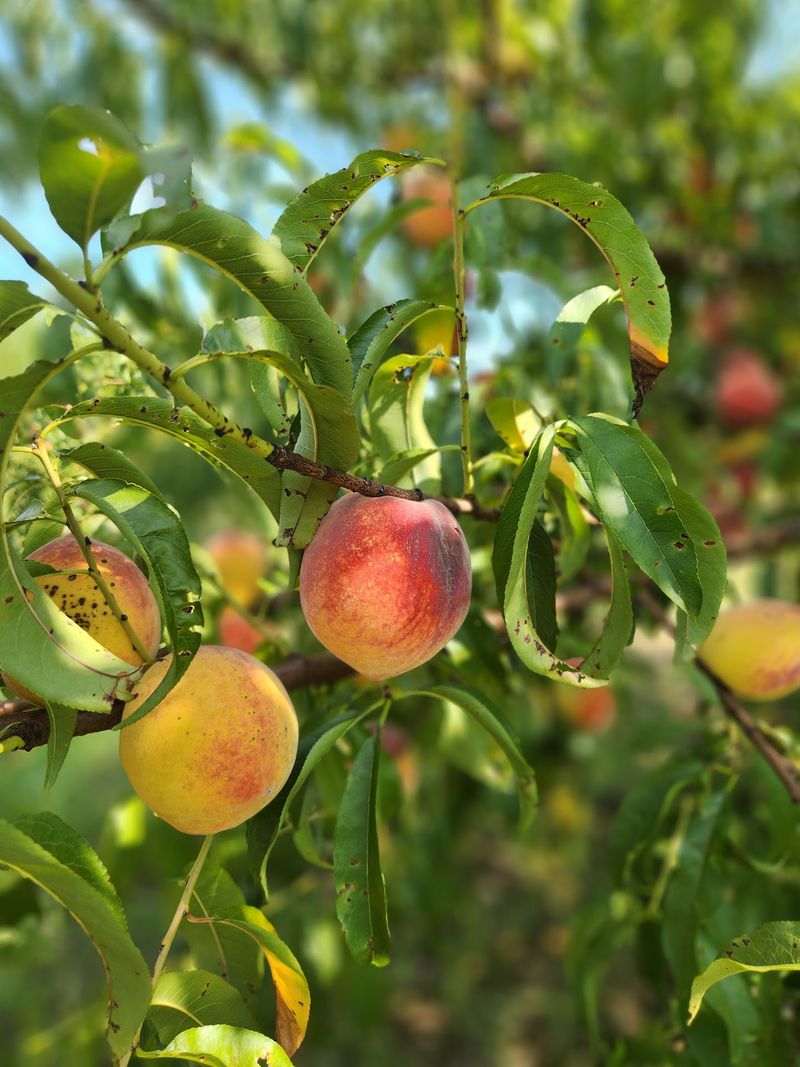
Peaches do not read vacation calendars, which is mildly inconvenient for anyone planning a long drive. The usual harvest window runs from late May into early August, with June and July often offering the best chance of fresh fruit.
Weather can shift that window or reduce the crop. A date on the calendar cannot guarantee full baskets, even when your visit falls during the usual season.
Check the farm’s website or call shortly before traveling, and ask what is being harvested now. If peaches are available, an earlier arrival gives you more time to shop and ask questions before closing.
Outside harvest season, the store’s preserved foods and gifts can still make a visit worthwhile. Just build the outing around what is actually stocked, not around a summer photograph that caught your attention months before you finally packed the car.
Make Room For Peach Ice Cream
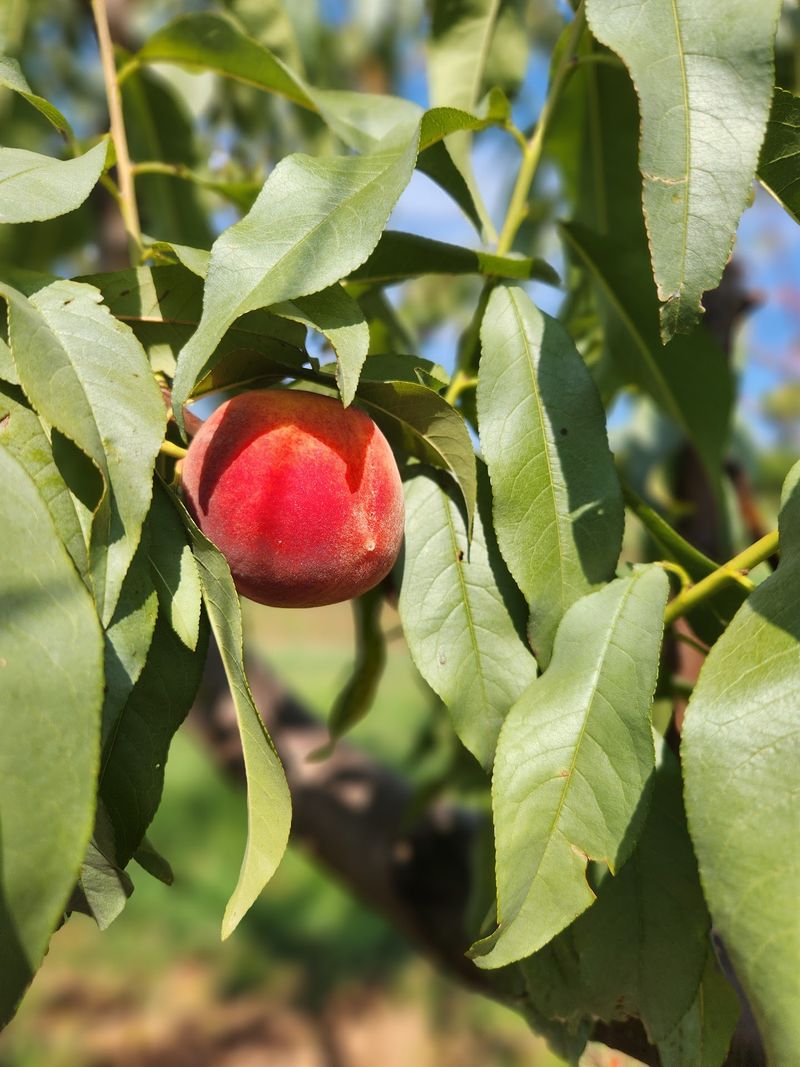
A cold dessert has a practical advantage over a whole pie: it asks very little planning of you. Peach ice cream is one of the store’s established offerings and a sensible treat to ask about when you arrive.
Check the serving size and price before ordering, especially if you are buying for several people. Ask how the peach flavor is prepared if fruit pieces, texture, or ingredients matter to you.
Eat it during your stop rather than expecting it to survive a warm car ride. Louisiana heat is not a patient dessert companion.
For a relaxed visit, browse first and order your frozen treat near the end, so shopping does not turn into a melting contest. The appeal here is simple: a peach-themed snack at the peach store, with no need to wait until you get home and turn on an oven.
Choose Peaches For Your Actual Plans
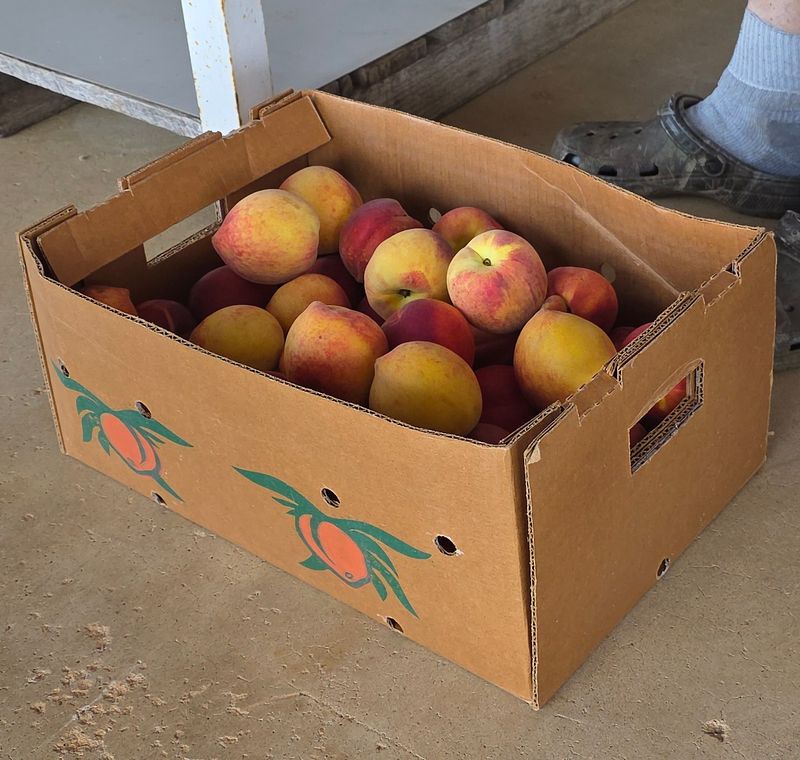
The best basket is not always the biggest one. A few peaches for tomorrow’s breakfast and a batch for weekend baking call for different amounts, and sometimes different stages of ripeness.
Tell the staff when you plan to use your fruit and ask which available peaches suit that schedule. For pie or cobbler, also ask whether the current variety is freestone or clingstone, since that affects how easily the flesh separates from the pit.
Look over the fruit gently before purchasing, without squeezing it hard enough to leave marks. Buy an amount you can realistically eat, bake, freeze, or share.
A large purchase only saves trouble if you have a plan for it. Back home, sort the softer peaches from the firmer ones so the fruit needing attention does not disappear beneath the rest of your harvest haul in the kitchen.
The Jar Shelf Has Its Own Appeal
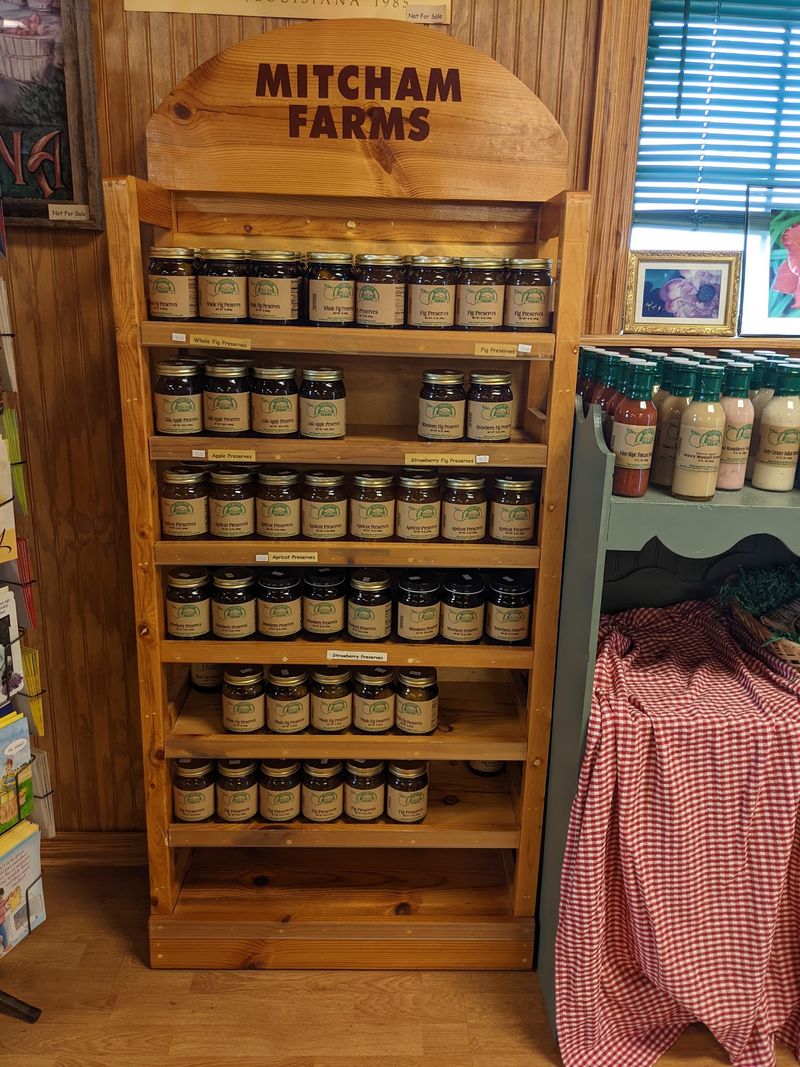
Summer fruit disappears quickly; a sealed jar gives it a longer chapter. The Peach Store carries peach preserves, jams, jellies, salsa, and cobbler products, making the shelves worth exploring even when fresh peaches are unavailable.
Read labels for ingredients, storage directions, and serving ideas instead of treating every peach product as interchangeable. A breakfast spread and a peach salsa have very different jobs, despite sharing the same favorite fruit.
Ask which items are made with peaches grown at Mitcham Farms. Not every packaged product sold in the store comes from the orchard, and the farm has explained that its fresh crop cannot supply every canned offering.
That distinction need not spoil the shopping. It simply helps you choose with clear expectations, whether you want a local orchard product, an easy dessert starter, or a useful pantry addition for the next rainy afternoon.
Beyond Peaches The Shelves Get Interesting
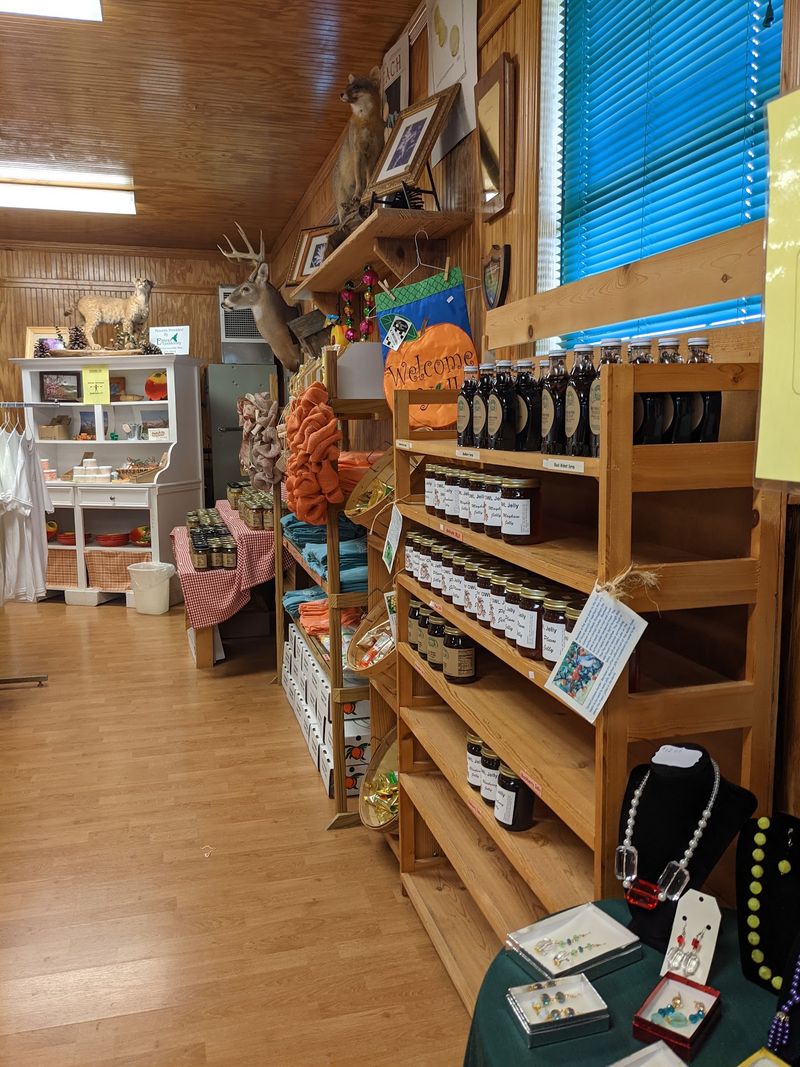
Some farm-store purchases have nothing to do with the fruit you came for. Mitcham’s selection also includes fudge, sauces, relishes, syrups, kitchen items, cookbooks, and gifts, so a quick produce stop can gain a few extra minutes.
Give yourself a small browsing budget before exploring. That keeps a cheerful impulse purchase from turning your peach run into a trunk full of things you did not mean to buy.
For gifts, choose something the recipient will actually use: a spread for a breakfast lover, a cookbook for a baker, or a small sweet for someone who enjoys dessert. Check labels and ask about the maker if local production matters to you.
Merchandise sold at a Louisiana farm store is not automatically made in Louisiana. A thoughtful choice beats a hurried souvenir, especially when you can explain why that particular item suited the person.
Woods Road Rewards A Planned Arrival
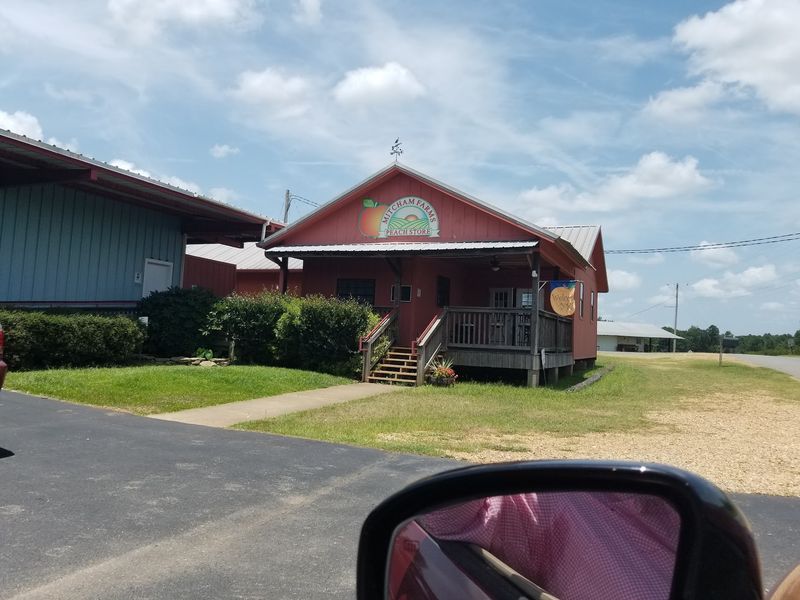
A rural address deserves a little attention before the engine starts. Set your navigation to 1007 Woods Rd, Ruston, LA 71270, rather than relying on a general search for peach farms around town.
The supplied business listing gives weekday hours as 8 a.m. to 4 p.m., Saturday hours as 8 a.m. to noon, and Sunday as closed. Confirm those hours directly before traveling, because seasonal operations and unexpected changes can affect a visit.
Saturday is especially easy to misjudge if you assume the store stays open all afternoon. Allow enough time to arrive, choose fruit, browse, and ask about products without rushing the last few minutes.
For a longer drive, pair your timing check with a stock check in the same call. Knowing both the closing time and the peach supply is more useful than knowing either one by itself today.
Orchard Views Are Not An Open Invitation
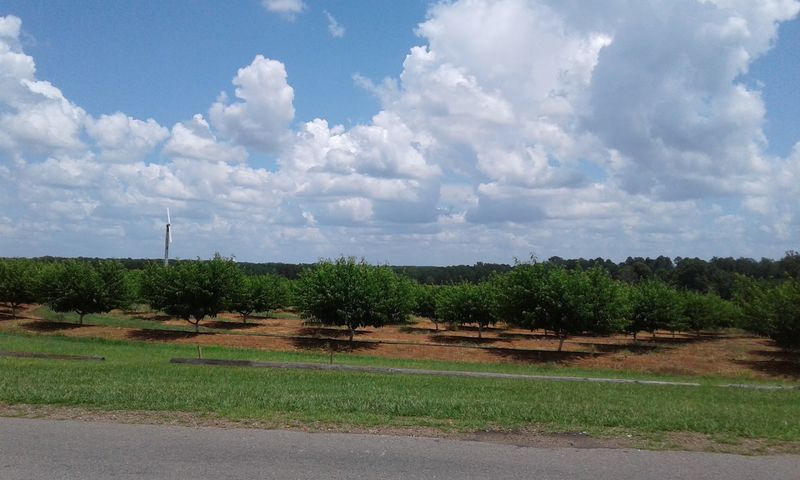
Rows of peach trees can make a shopping stop feel connected to the land. They also belong to a working farm, where growing and harvesting come before a visitor’s perfect photograph.
Ask where you may walk or take pictures before leaving the store area. Do not assume that visible trees mean public access, self-guided tours, or permission to pick fruit.
If peach picking interests your group, confirm whether it is offered on your chosen date and get clear instructions about approved rows, containers, and payment. Availability can change with the crop and daily work.
The same caution applies to any advertised seasonal activity: verify that it belongs to this Ruston location and is currently operating. A pleasant orchard visit does not require extra attractions.
Sometimes the better plan is buying good fruit, enjoying the view from an approved spot, and leaving the trees undisturbed.
Bring The Harvest Home Without Bruising It
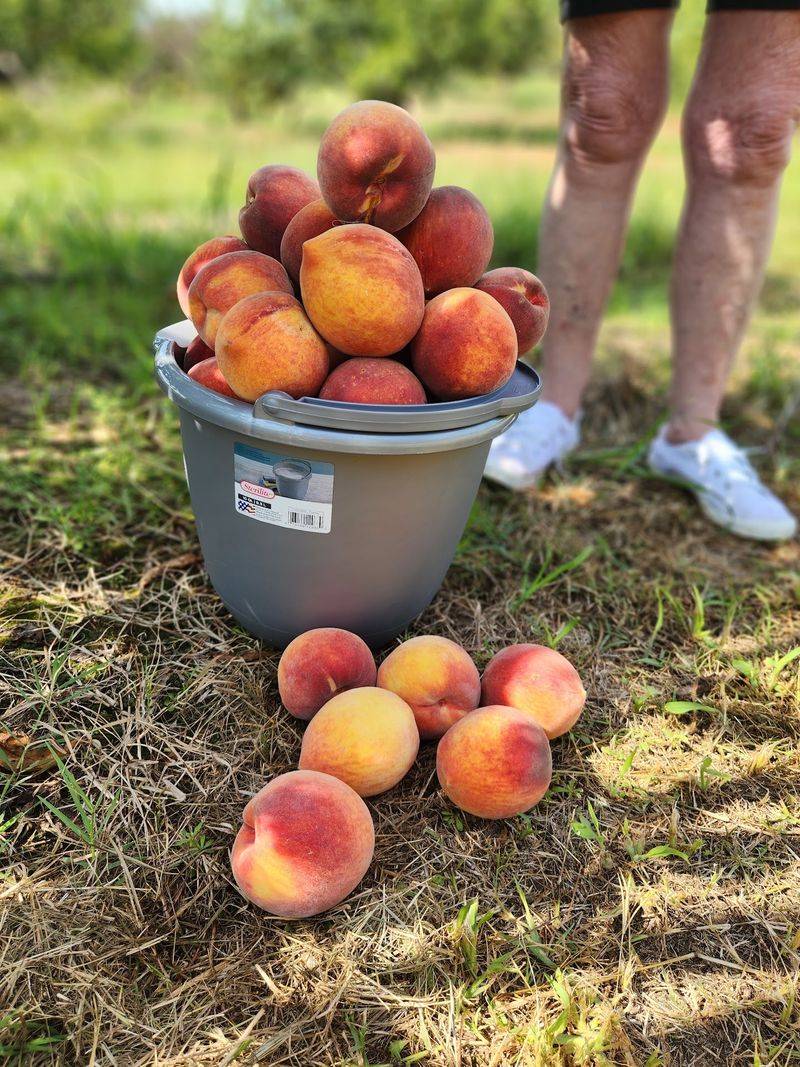
The ride home is part of caring for your purchase. Ripe peaches bruise easily, and a basket sliding around a hot trunk is not doing your future dessert any favors.
Bring a sturdy box or shallow container to help keep the fruit steady. Place it where other bags cannot fall on it, and avoid leaving your peaches in a parked car while you make a long additional stop.
At home, let firm peaches ripen at room temperature, checking them daily. Refrigerate ripe fruit to slow further softening, and wash peaches under running water before eating or preparing them.
If you bought more than you can use soon, plan a baking or freezing session instead of waiting for everything to become soft at once. Good handling is an unglamorous travel tip, but it protects the reason you drove to the orchard store.
Your Own Oven Can Finish The Trip
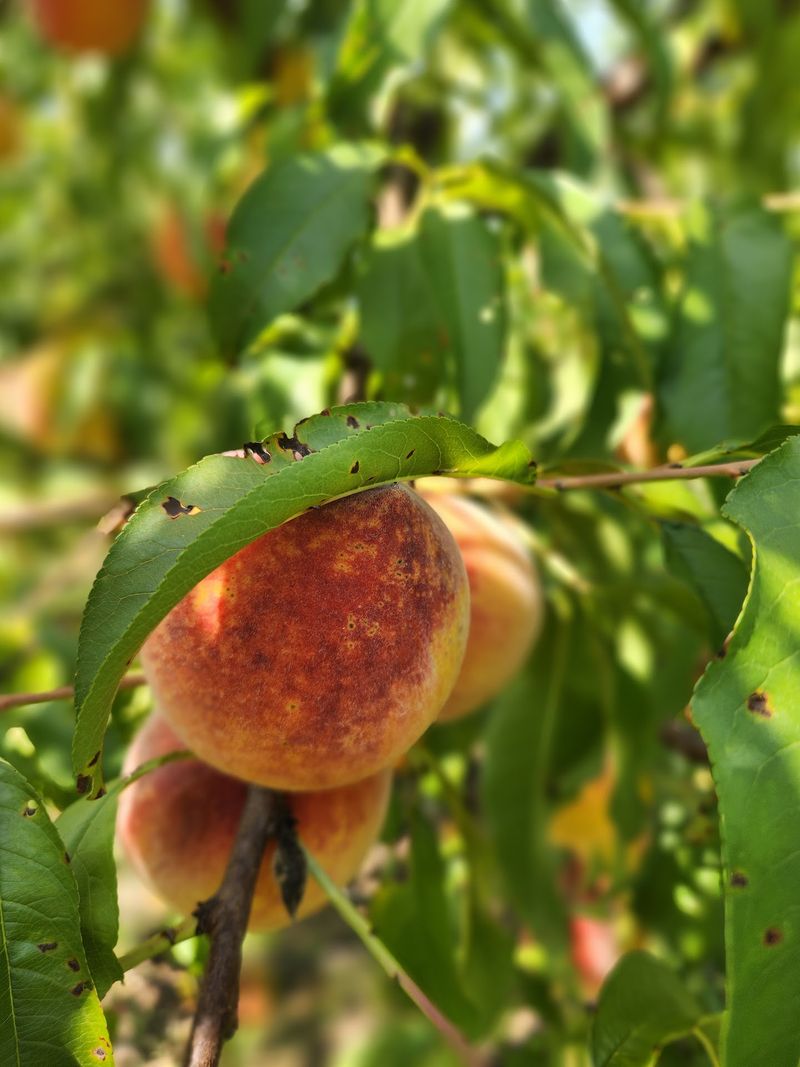
A bag of peaches can be the beginning of the pie story rather than its ending. Since regular fresh-baked pie sales at Mitcham Farms are unconfirmed, home baking is the clearest way to connect this visit with the title’s dessert promise.
Choose a tested peach pie recipe before shopping so you know how much fruit to buy. Ask about ripeness and variety, then allow time for firmer peaches to soften if they are not ready for slicing.
Keep the plan manageable: one pie, a simple cobbler, or a purchased jar product prepared according to its directions. You do not need to turn an afternoon outing into a full kitchen project.
The reward is bringing a piece of the Ruston visit to your own table, with clear expectations about what came from the farm and what you made yourself once you returned home.