A small town can feel different long before anyone checks the population numbers. A favorite storefront goes dark.
Fewer young families stick around. The faces at local events start looking a little older each year.
That kind of slow change is happening in several parts of New Mexico, where some communities have been losing residents while their populations age. Still, quieter does not mean forgotten.
Historic streets keep pulling people off the highway, longtime businesses hang on, and local traditions continue to give each place its own personality. In many cases, younger residents leave for school or better job opportunities, while older locals stay close to the places they have known for years.
You can feel that push and pull when driving through town. There is history here, but also change happening in real time, often one closed storefront or moving truck at a time.
1. Silver City
Mining built this mountain town, and mining still shapes its rhythm today. Silver City sits in Grant County in southwest New Mexico, ZIP code 88061, tucked near the edge of the vast Gila National Forest.
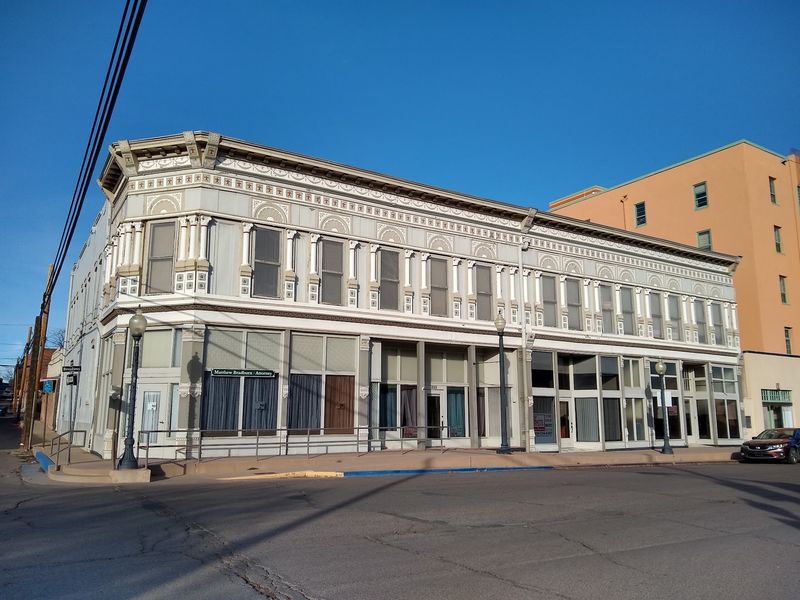
Its downtown is filled with old brick buildings that look like they stepped out of a history book.
The town began as a silver boomtown, and later copper mining nearby kept jobs flowing. Over time, though, mine work became less steady, and many younger families headed elsewhere to find careers.
Meanwhile, the town became a favorite spot for retirees who love cool mountain air and a slower pace of life.
One of the strangest sights in town is the Big Ditch. Long ago, floods tore through what used to be Main Street and carved a deep channel.
Today that ditch is a green park with walking paths, which I think is a clever comeback for a street that literally washed away.
Silver City also has a lively arts scene. Galleries, pottery studios, and craft shops line the downtown blocks, and many of the artists are older folks who moved here to follow a creative dream.
Western New Mexico University adds some younger energy, but students often leave after graduation.
Outdoor lovers have plenty to explore. The Gila Cliff Dwellings, built by ancient people in cliffside caves, are a scenic drive north of town.
Hikers, bird watchers, and stargazers all find reasons to linger in the wild country around the city.
History buffs might enjoy learning that a young Billy the Kid spent part of his childhood here. His family lived in Silver City for a while, and the town still points out spots connected to his early years.
It adds a dash of outlaw flavor to the town’s story.
As the population grays, local leaders are working to keep the downtown busy with festivals and small businesses. Remote workers have started to notice the town too.
The silver may be gone, but the sparkle is still hanging around.
2. Las Vegas
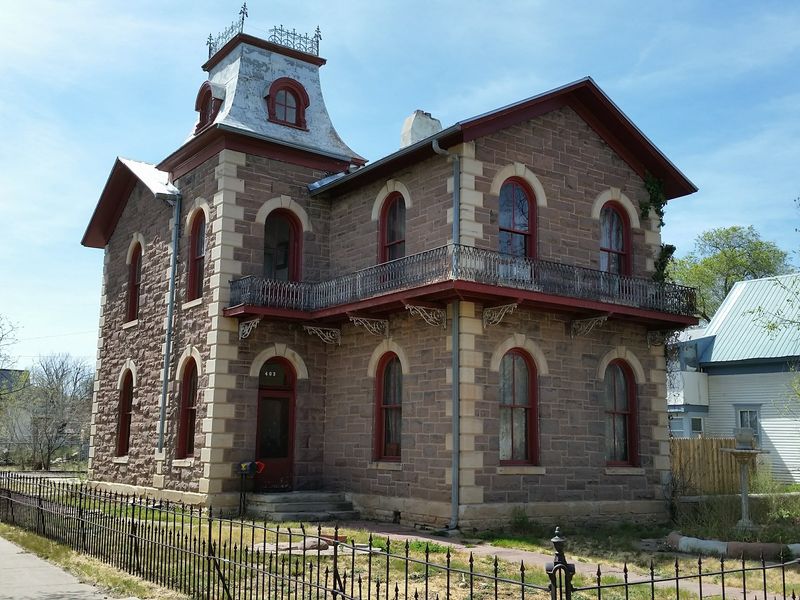
Forget the flashing lights and crowds. This Las Vegas, in San Miguel County, New Mexico, ZIP code 87701, is all about Victorian buildings, old adobe homes, and a peaceful town plaza.
It sits where the plains meet the foothills of the Sangre de Cristo Mountains.
Back in the railroad days, Las Vegas was one of the busiest towns in the Southwest. Trains brought merchants, cowboys, and builders who left behind hundreds of historic structures.
Many of those buildings still stand, and the town has more places on the National Register of Historic Places than most cities its size.
Times have changed, though. Jobs have become harder to find, and young adults often head to Albuquerque, Santa Fe, or out of state.
The people who remain tend to be older residents with deep family ties to the area.
Walking around the Plaza feels like flipping through an old photo album. The Plaza Hotel, a grand building from the railroad era, still welcomes guests.
Nearby streets are lined with fancy trim, tall windows, and painted porches that make me want to slow down and count every detail.
Movie fans might recognize parts of town. Las Vegas has appeared in many films and TV shows because its streets look so authentically old.
Westerns and modern dramas alike have used its plaza and storefronts as backdrops.
Two schools, New Mexico Highlands University and UWC-USA, an independent boarding school at nearby Montezuma, bring students from around the world. Still, many of them move on after finishing school.
Keeping talented graduates in town is one of the community’s biggest challenges.
Nature lovers can drive a short way to the Las Vegas National Wildlife Refuge, where birds gather on ponds and grasslands. Storrie Lake State Park, just north of town, offers fishing and windy days perfect for sailing.
Las Vegas proves that a small town does not need flashing lights to shine. Its quiet streets hold more stories than a quick drive might ever reveal.
3. Tucumcari
Neon signs buzz to life every evening along old Route 66 in Tucumcari. This classic road trip stop sits in Quay County in eastern New Mexico, ZIP code 88401.
For decades, it was the place travelers stopped to rest after long hours on the open highway.
Billboards once told drivers to stay in Tucumcari tonight, and thousands did. Motels, diners, and gas stations lined the main road, glowing in bright colors.
Then the interstate came through and let cars zip right past, and business slowly faded.
Since then, the town has been losing residents, and many who remain are older folks who remember the busy days. Some of the old motels have closed, leaving empty lots and faded paint.
Others have been lovingly restored by people who refuse to let the Mother Road be forgotten.
The Blue Swallow Motel is one of the most famous survivors. Its glowing sign and little garages for each room make it a favorite photo spot.
Honestly, I could look at pictures of those pink and blue lights all day.
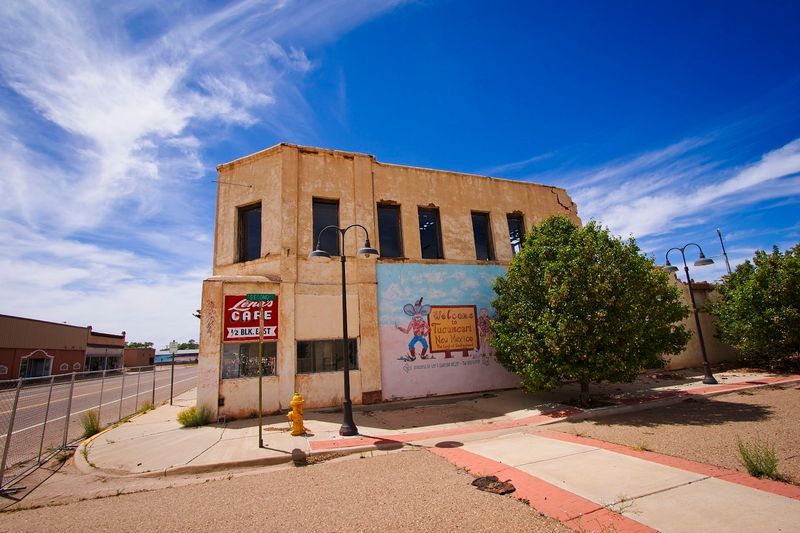
Tucumcari has also become a giant outdoor art gallery. Dozens of murals cover walls around town, showing classic cars, desert sunsets, and Route 66 memories.
Grabbing a camera and hunting for them is a fun way to spend an afternoon.
For something truly old, the Mesalands Dinosaur Museum shows off fossils and bronze dinosaur skeletons. Kids and grownups alike enjoy getting close to creatures that roamed the area long before any car rolled through.
Outside of town, Tucumcari Mountain rises above the flat plains. Ute Lake State Park and Conchas Lake State Park are both within driving distance, offering boating, fishing, and camping under wide skies.
Every summer, the town hosts the Route 66 Festival, bringing classic car fans and visitors back to its streets. For a few days, Tucumcari feels busy again.
When the neon flickers on at dusk, the old road still seems to hum a familiar tune.
4. Truth or Consequences
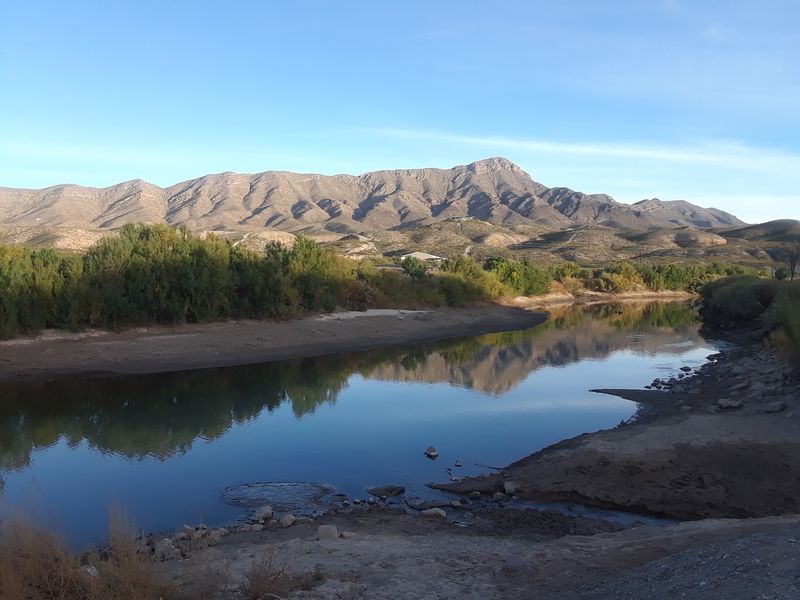
Talk about a name that starts conversations. Truth or Consequences, in Sierra County, New Mexico, ZIP code 87901, earned its unusual title from a popular radio game show.
The town used to be called Hot Springs before it agreed to the switch as a publicity stunt.
The show’s host promised to broadcast from whatever town would rename itself after the program. Hot Springs said yes, and the new name stuck.
I still find it delightful that a whole town decided to play along with a game show.
Locals usually just call it T or C, which is much easier to say. The town sits along the Rio Grande, and natural hot springs bubble up beneath the downtown area.
People have soaked in these warm mineral waters for a very long time, believing they help ease sore muscles and stiff joints.
Those soothing waters have drawn many retirees over the years. Combine warm pools, sunny weather, and a low cost of living, and it is easy to see the appeal for older adults.
Younger residents, however, often struggle to find steady work and move away.
Small bathhouses line the streets downtown, each with its own style. Some feel rustic and simple, while others are painted in bright, cheerful colors.
Visitors can book a private soak and spend a lazy hour in the warm water.
Beyond the springs, Elephant Butte Lake State Park sits just a few miles north. It is one of the largest lakes in the state, and summer weekends bring boaters, swimmers, and campers looking to cool off.
Space fans might be surprised to learn that Spaceport America is located in the desert not far away. The futuristic facility was built for commercial space travel, which gives this sleepy town a strange link to the stars.
Quirky shops, art galleries, and murals give the small downtown plenty of character. Truth be told, T or C wears its odd name with a big grin.
5. Raton
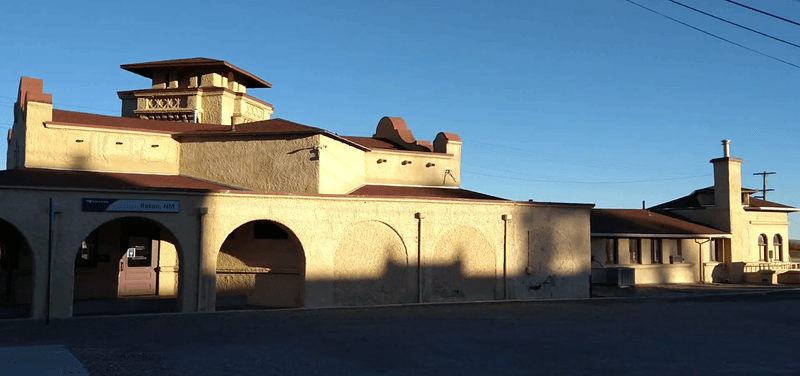
Up near the Colorado border, Raton greets travelers coming down from Raton Pass. The town sits in Colfax County in northeastern New Mexico, ZIP code 87740, surrounded by mesas, grasslands, and pine-covered hills.
Coal mining and the railroad helped Raton grow into a busy place. The Santa Fe Railway climbed over the pass here, and miners dug coal from the nearby hills.
As the mines closed and rail work shrank, many families packed up for jobs in other places.
Today, Raton’s population leans older, and the downtown has quieter days than it once did. Still, the historic district holds dozens of charming buildings that show off the town’s proud past.
The old train depot still serves Amtrak passengers riding the Southwest Chief.
The Shuler Theater is the crown jewel of downtown. This beautiful old opera house has a fancy interior with painted murals and elegant details.
It still hosts plays, concerts, and community events, which I find wonderfully stubborn in the best way.
Nature is never far away. Sugarite Canyon State Park, just outside town, offers hiking trails, fishing lakes, and colorful wildflowers in summer.
In winter, snow turns the canyon into a peaceful spot for snowshoeing.
A little farther away, Capulin Volcano National Monument lets visitors drive nearly to the top of an old volcano. From the rim, the view stretches across miles of open country dotted with other ancient volcanic hills.
Raton is also close to the NRA Whittington Center, a huge outdoor shooting sports facility, and Philmont Scout Ranch, a famous destination for Scouts. These places bring visitors through the area, giving local shops and diners a welcome boost.
Local groups are working hard to restore old buildings and bring new life to Main Street. Art walks and special events help pull people downtown.
For a town shaped by coal and rails, Raton keeps chugging along with steady determination.
6. Deming
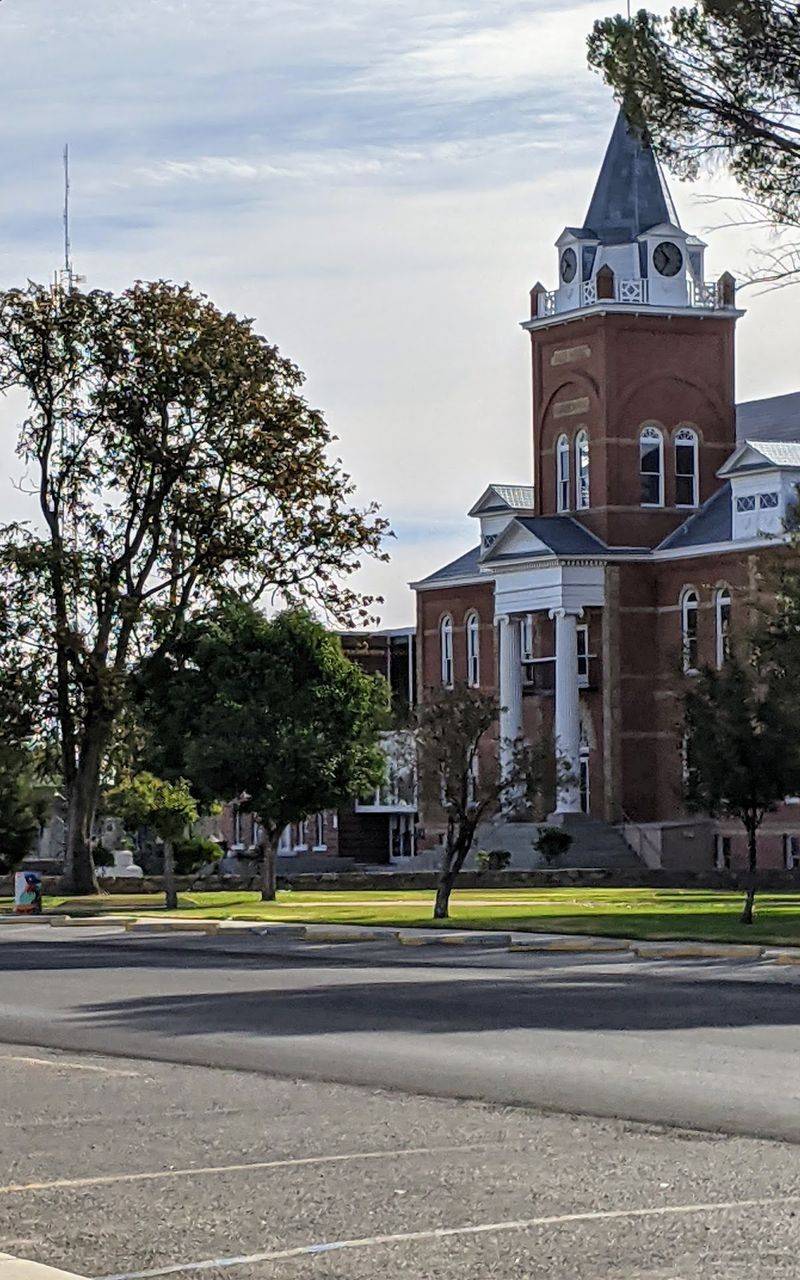
Ducks racing across the desert sound like a joke, yet Deming takes them seriously. This crossroads town sits in Luna County in southwest New Mexico, ZIP code 88030, not far from the Mexican border.
For years, the Great American Duck Race has been the town’s signature event. Ducks waddle and flap down a racetrack while crowds cheer them on.
I have to admit, a town that throws a festival for racing ducks wins major points for creativity.
Deming grew up as a railroad hub where two major rail lines met. Farming also played a big role, and the surrounding fields still grow crops like chile peppers and onions.
Over time, though, fewer farm and rail jobs meant many young people left to find work in larger cities.
Like other towns on this list, Deming has become popular with retirees and winter visitors. Mild winters, sunny skies, and affordable homes make it attractive for older adults escaping cold northern weather.
RV parks fill up during the cooler months.
Rock hounds love this area. Rockhound State Park, just outside town, is one of the few parks where visitors may collect a small amount of rocks and minerals to take home.
Hunting for geodes and jasper is a fun family activity.
Nearby, City of Rocks State Park features giant boulders that rose from ancient volcanic ash and slowly weathered into towers and columns. Campers can set up among the stones and enjoy amazing night skies.
Back in town, the Deming Luna Mimbres Museum shares the area’s history with displays of old quilts, dolls, Mimbres pottery, and railroad items. It is a great place to learn how the town took shape in the desert.
The Florida Mountains rise to the southeast, giving Deming a rugged backdrop at sunset. With open space and friendly faces, the town keeps its own easy pace.
In Deming, even the ducks know how to steal the show.