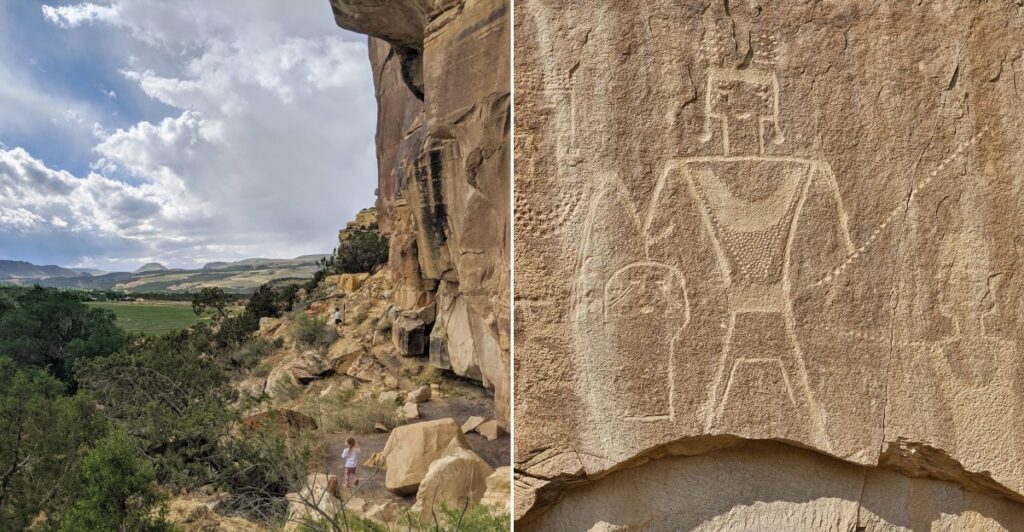
A short trail can hold centuries of human history when the rock itself becomes the record. Along this route, sandstone cliffs carry carved images connected to the Fremont people, turning an otherwise simple walk into something that asks you to slow down and really look.
The experience feels especially powerful in northeastern Utah, where the landscape makes the carvings seem inseparable from the place around them. This is not a difficult outing in the traditional sense, but that does not mean every step is effortless.
Rocky sections and small climbs can make sturdy shoes far more useful than the word “easy” might suggest. The reward comes from attention, not distance.
Shapes, figures, and markings reveal themselves gradually, and the more carefully you study them, the more the trail changes. For travelers curious about Utah’s deeper history, this is the kind of stop that proves a brief walk can carry a surprisingly long memory.
A Vernal Detour With History On The Cliffs
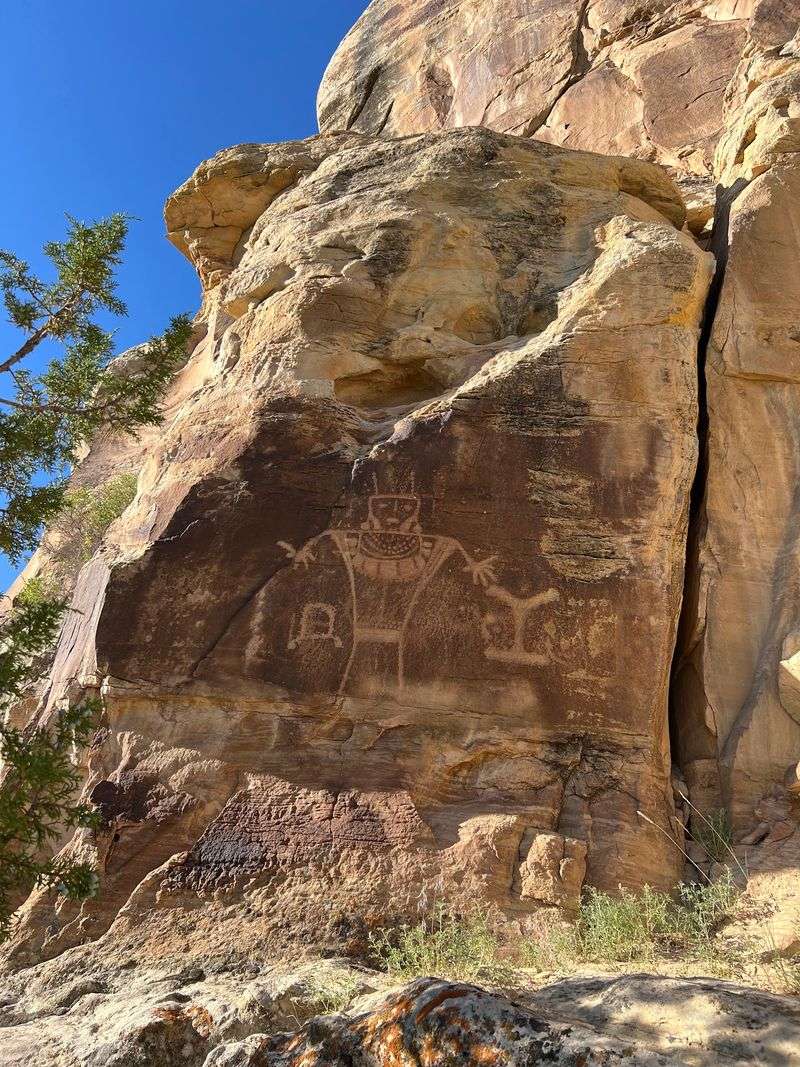
A day out gets simpler when the main attraction is already written on the landscape. Near Vernal, sandstone cliffs hold carved figures that turn an ordinary walk into a close look at an earlier chapter of human life.
The site lies in Dry Fork Canyon, where the rock faces, rather than a building full of displays, carry the story.
That distinction matters when planning your visit. You are heading onto private land with public visitor access, not into a staffed museum where every question comes with a printed answer.
The appeal is direct: follow the designated paths, look carefully at the cliffs, and give yourself time to notice individual images. Some details announce themselves quickly; others reward a second look.
For a Utah outing, the combination is practical without being dull. You can focus on one place instead of assembling a full day of stops, reservations, and competing suggestions.
Start by reading the information and access instructions provided at the property. Respecting those directions is part of the visit, especially because the chance to see these carvings depends on permission to cross privately owned ground rather than unrestricted access across the canyon.
Two Trail Choices Keep The Visit Focused
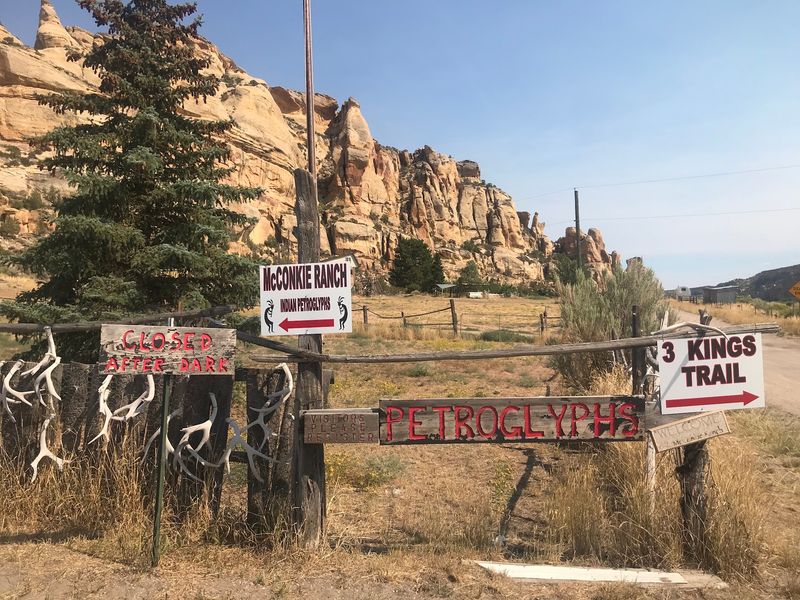
Nobody needs a committee meeting to understand the basic plan here: walk to rock art, then spend time looking. The self guided nature of McConkie Ranch Petroglyphs lets you set the pace without keeping up with a tour group.
Two main routes offer different experiences. The main panel route brings visitors toward carvings along the cliffs, while the Three Kings route leads to a panel viewed from farther away.
Choose according to your footing, energy, and available time rather than assuming both walks are equally easy. Short distances can still include rocky steps, narrow sections, and climbs.
The title’s promise works best with that small correction. Easy describes a relatively straightforward outing, not a smooth sidewalk or a guarantee that every visitor will find the terrain comfortable.
Study the trail information on arrival and decide which route suits your group. Starting with one path also leaves room to reassess before adding another.
Once underway, resist treating the carvings as a finish line. The point is not to collect a photograph and hurry back to the car; it is to look at shapes, details, and patterns that become more interesting when you stop watching the clock and let the rock faces hold your attention.
Dry Fork Canyon Supplies The Outdoor Gallery
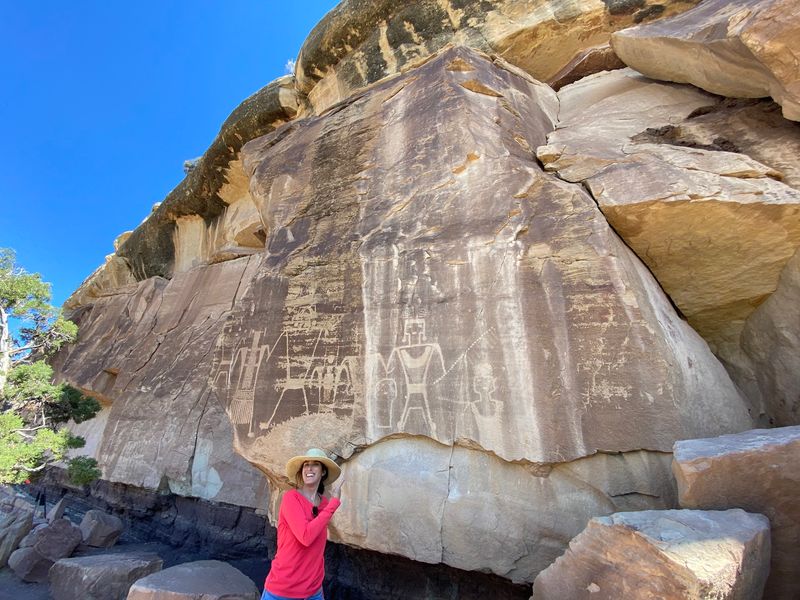
The canyon is not simply a background for the carvings. Its sandstone walls are the surfaces that made the images possible, and their height helps explain why some panels are easier to study than others.
At McConkie Ranch Petroglyphs, the setting remains a rural property rather than a room arranged around exhibits. Trails bring you through the landscape toward rock faces where the artwork stays in its original setting.
That gives the visit a particular kind of scale. A figure seen against an entire cliff can look different from the same figure cropped tightly in a photograph.
Pause occasionally to take in both views. First locate the panel within the rock wall, then examine the individual marks without leaving the designated route.
Utah sunshine also belongs in the practical picture, although the weather on your day cannot be promised. Limited shade makes water, a hat, and sun protection sensible additions to your bag.
Wear shoes with reliable grip for uneven ground. Looking upward at a carving and stepping forward at the same time is an ambitious combination, so stop your feet before giving the cliff your full attention.
The landscape asks for observation rather than speed. Leave room for both in your plans before arriving.
Fremont Figures Turn Looking Into Discovery
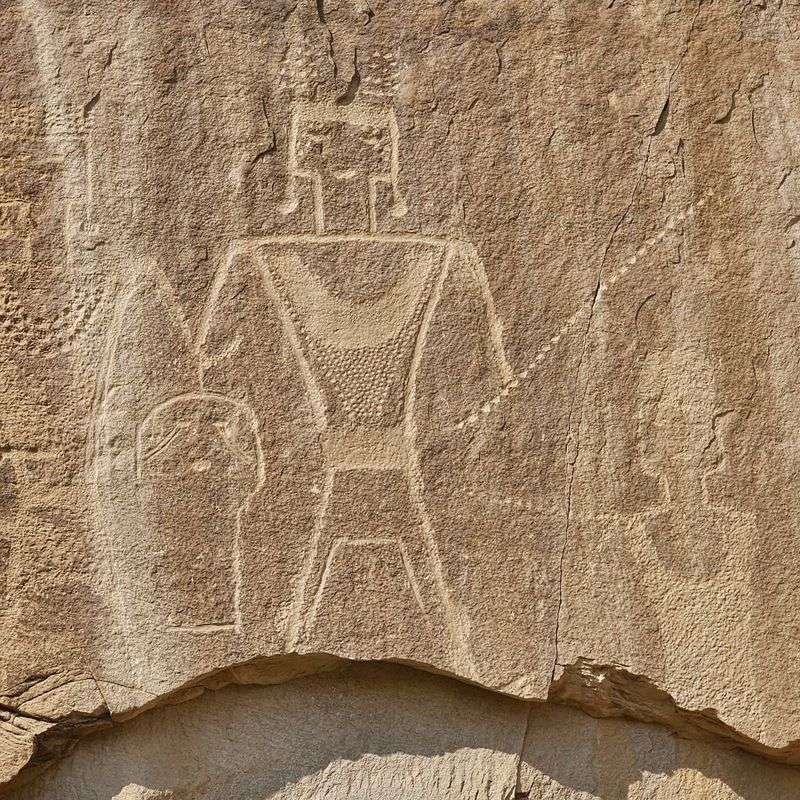
Once you begin comparing the figures, the walk gains another layer. Broad shoulders, narrower bodies, and carefully marked details help distinguish the Fremont imagery associated with the Classic Vernal Style.
McConkie Ranch Petroglyphs offers a chance to examine that visual language on the cliffs themselves. Human forms and other designs invite close attention, but attention is not the same thing as knowing exactly what each image meant.
Why It Matters: Ancient imagery can reveal skilled workmanship even when its full meaning remains uncertain. A useful visit leaves room for that uncertainty rather than turning every shape into a confident explanation.
Try comparing two figures instead of naming them immediately. Notice their outlines, the marks around their heads, and the way details differ from one panel to another.
Children and adults can both enjoy that exercise without needing a lesson in archaeological terms. It replaces the pressure to find the correct answer with the simpler task of looking closely.
Keep your hands off the rock art, and never trace, rub, chalk, or wet the images to make them stand out. Photographs and careful observation are enough.
The carvings are not props for a picture. They are cultural material left in place, deserving care beyond the moment of your visit.
The Three Kings Reward A Longer Look
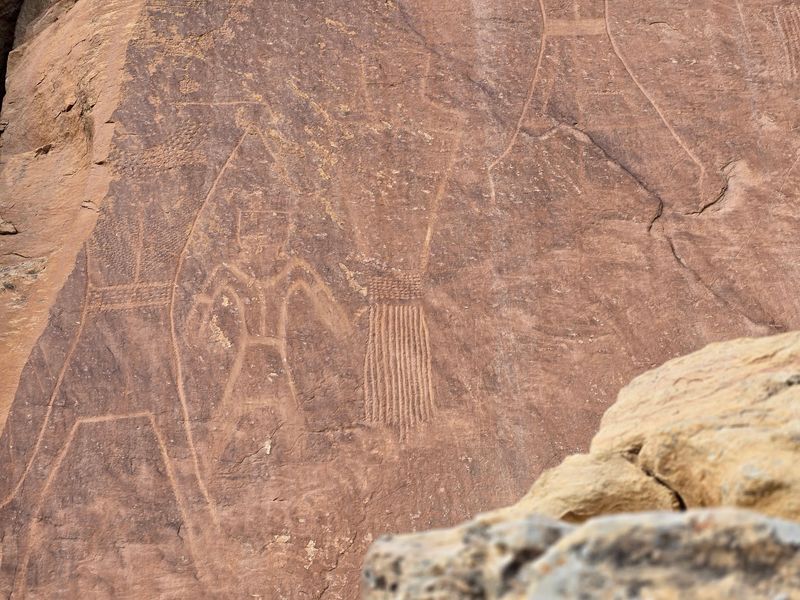
A pair of binoculars can do more here than another burst of phone photographs. The Three Kings panel sits high on the cliff, so its details are viewed from a distance rather than beside the rock surface.
That makes McConkie Ranch Petroglyphs interesting for groups with different ways of enjoying a walk. One person can study the larger arrangement while another uses binoculars to pick out smaller details.
Families should choose a route based on the youngest walker’s balance and stamina, not just the mileage. Rocky ground deserves adult attention, and a short walk can feel longer when every stone becomes a negotiation.
Couples can compare what they notice without needing to turn the outing into an event. Solo visitors have the freedom to linger over one panel or head back when their interest or energy changes.
For weekend travelers in Utah, the useful promise is flexibility, not universal ease. You can keep the visit focused on a manageable route rather than feeling obliged to complete everything.
Bring binoculars if the Three Kings is your main goal, and keep expectations realistic for phone images. A distant panel may offer more to your eyes through magnification than to a quick snapshot taken from the trail below.
A Saturday Plan Starts With Shoes And Water
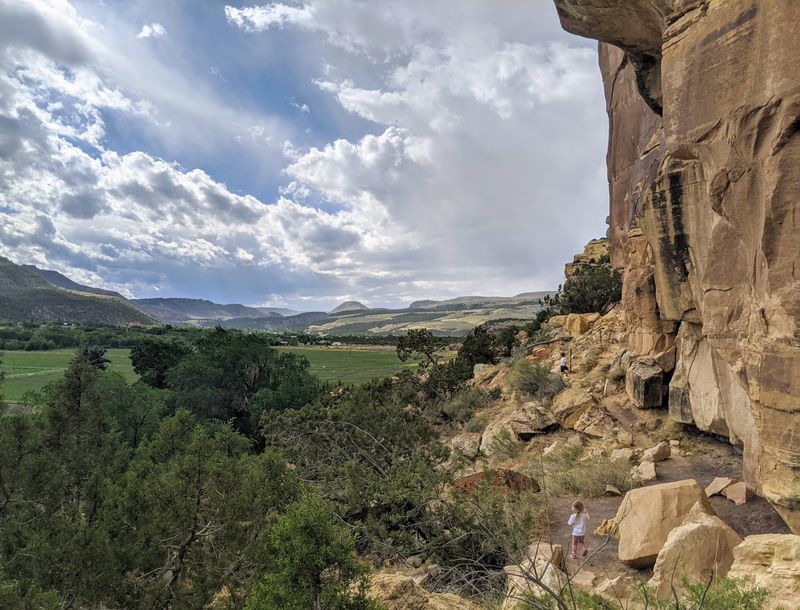
A simple Saturday detour still benefits from a little preparation. Put water, sun protection, and sturdy shoes ahead of anything that exists mainly to make your travel bag look impressive.
For navigation, use 6264 McConkie Rd, Vernal, UT 84078, United States. Check current access information from the property before driving out, especially when weather or seasonal conditions could affect the walk.
At McConkie Ranch Petroglyphs, read the posted instructions before choosing a trail. Follow the designated routes and respect any boundaries or areas marked as private.
Allow enough time to walk slowly and study the panels rather than setting a tight return deadline. Your pace will depend on the route, footing, heat, and how often you stop to look.
A donation system supports visitor access, but follow the current request posted at the site instead of relying on an old price mentioned elsewhere. Bringing a way to contribute is a sensible part of preparation.
Keep the rest of the day loose. You do not need an elaborate itinerary around Vernal to justify spending time with the carvings.
Before leaving the car, check that everyone has water and suitable footwear. Those two decisions will do more for the outing than a schedule packed with optimistic estimates and extra stops.
Leave The Marks And Take The Details
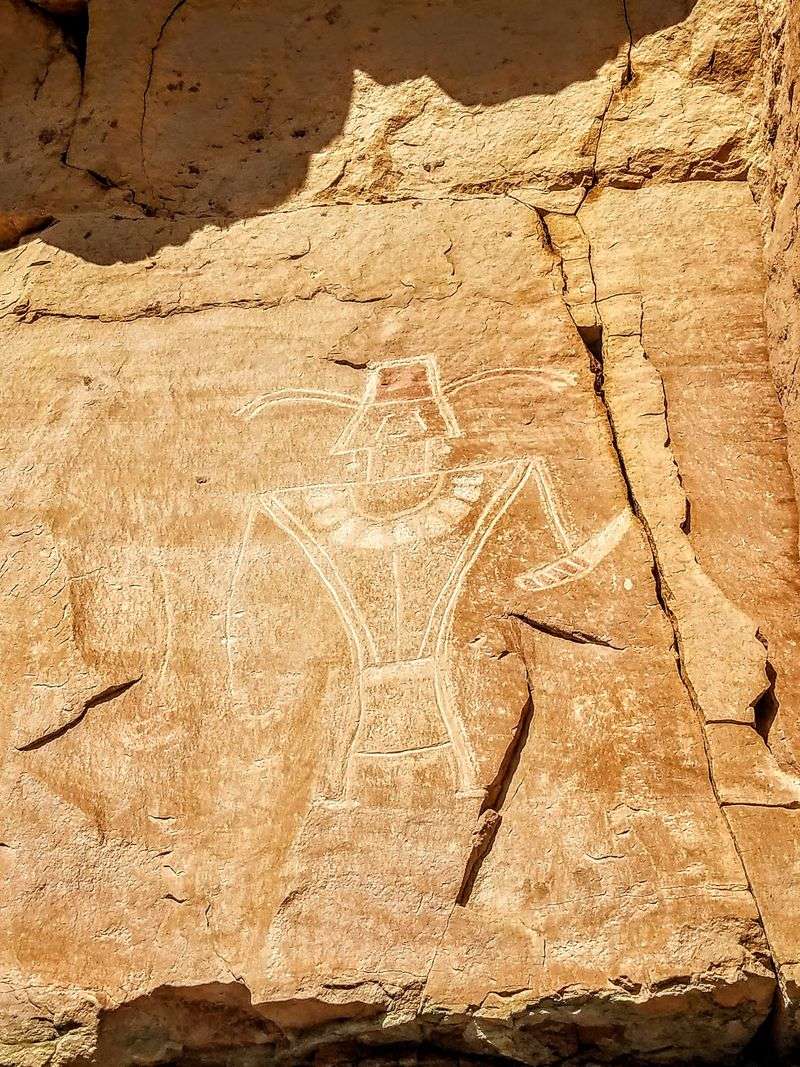
The useful souvenir is not a single perfect photograph. It is the detail you might otherwise have missed: a figure’s outline, a repeated shape, or the difference between seeing a panel nearby and studying one across the landscape.
McConkie Ranch Petroglyphs keeps those discoveries tied to their setting. The cliff is still the cliff, and the images remain where earlier people placed them.
That is the strongest reason to approach the outing with patience. A short trail can bring you to the artwork, but it cannot do the looking for you.
Remember the practical limits along with the appeal. Uneven ground requires good shoes, exposed stretches call for water and sun protection, and the Three Kings panel rewards bringing binoculars.
Respect for private land and the carvings belongs in the same plan. Stay on the permitted routes, follow current instructions, and leave every rock surface unchanged.
In Utah, a visit like this can fit into a modest day without feeling like a minor experience. You have walked through a landscape and spent time with work that still invites questions.
There is no need to solve those questions before heading back toward Vernal. Bring the binoculars, take your time, and leave the cliffs exactly as you found them.