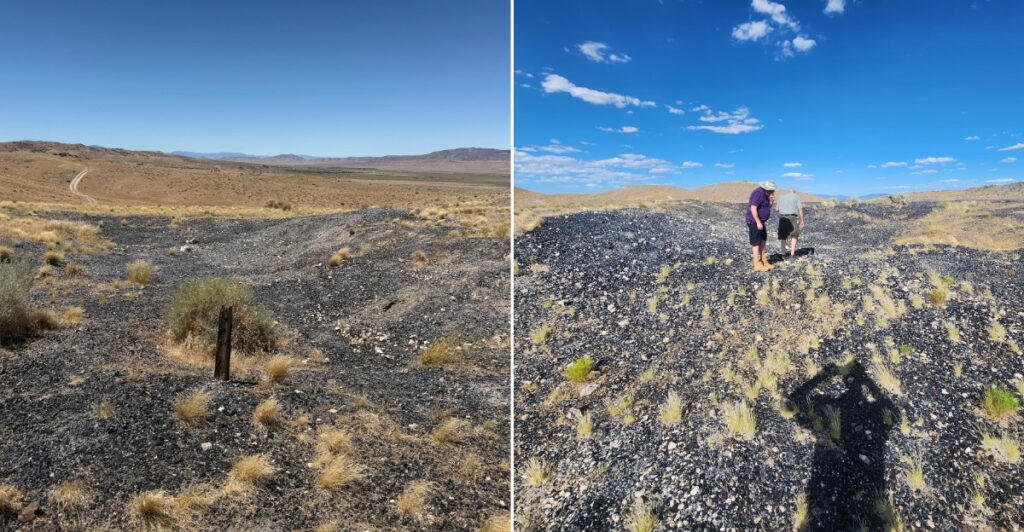
Imagine finding pieces of volcanic history scattered across the desert, glinting like shattered black mirrors beneath the sun. That’s obsidian, a natural glass formed when lava cools rapidly, and searching for it feels like uncovering fragments of an ancient eruption.
Near Delta, Utah, the Black Rock Desert holds stretches of ground where this remarkable material turns a simple walk into a geological treasure hunt. Some pieces catch the light beautifully, while others reveal surprising textures and shapes.
Suddenly, staring at rocks becomes genuinely fascinating. But the landscape demands respect.
Remote desert roads require careful navigation, and sharp obsidian edges are no joke. Bring plenty of water, check road conditions, and understand local collecting rules before pocketing anything.
The volcanic past of western Utah remains visible in these dark, glassy fragments, each offering a glimpse into the region’s fiery origins. Sometimes the most extraordinary discoveries are lying directly beneath your feet.
Delta Is The Starting Point, Not The Collecting Ground
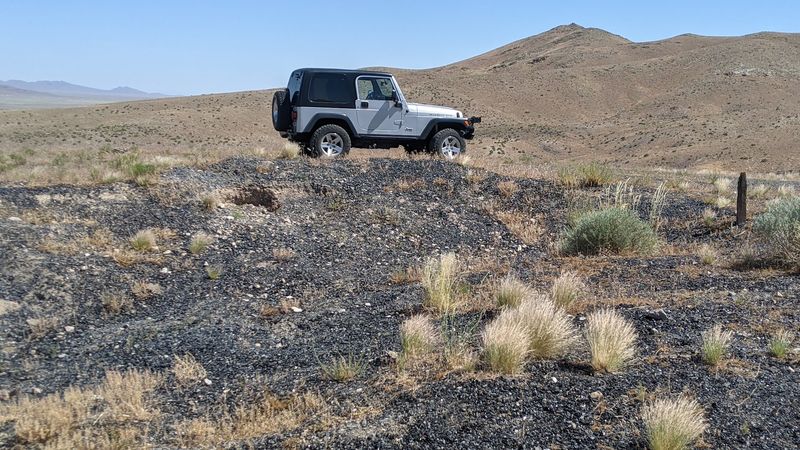
A weekend plan gets simpler when the goal is clear: head into the desert and look closely at the ground. Black Spring Obsidian Beds offers that kind of outing, though its location near Delta should not be mistaken for a stop within town.
The collecting area sits in the Black Rock Desert of Millard County, Utah. Delta works as a starting point for supplies and route planning, while the actual destination requires travel beyond paved town streets.
The Utah Geological Survey publishes directions to the obsidian area through its Rockhounder guide. Use that guide alongside a downloaded map rather than treating a phone pin as a complete set of driving instructions.
Unpaved approaches deserve a little respect, especially when road conditions change. Check current access information before leaving, and choose a vehicle suited to the route rather than assuming every desert track welcomes a passenger car.
There is no verified street address in the supplied location information, so geographic directions matter more than a building number. Think of the trip as a planned desert excursion, not a quick turn after buying groceries.
That distinction helps keep expectations sensible: the search can be simple even when reaching the search area takes preparation and careful navigation.
Black Spring Rewards A Careful Look At Loose Fragments
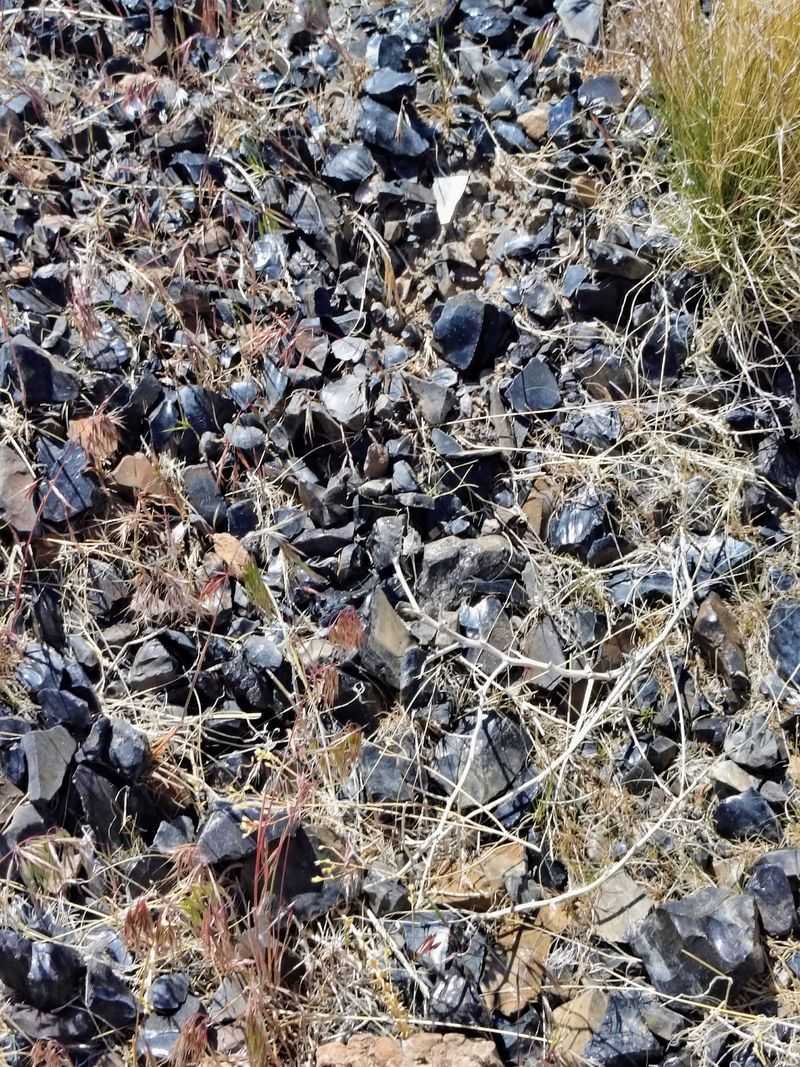
The attraction is not hidden inside a visitor center. Loose obsidian fragments are part of the collecting landscape, giving beginners a clear task: examine the surface and learn to recognize volcanic glass among ordinary stones.
At Black Spring Obsidian Beds, the main reward is observation rather than speed. A small piece with an interesting pattern can be more satisfying than a large chunk chosen only because it weighs more.
Start by looking without picking anything up. Notice which surfaces appear glassy, which edges curve, and how dark fragments differ from the surrounding soil and rock.
Once collecting is confirmed as allowed in your chosen area, select a few examples rather than gathering every promising piece. Surface searching also avoids turning a casual outing into an excavation project.
Bring a sturdy container and gloves, since broken obsidian can have very sharp edges. A pocket is convenient until its contents start behaving like broken glass, which is not the souvenir anyone intended.
Keep expectations flexible about size and abundance. Past collecting, weathering, and the exact patch you examine can affect what you find.
The useful promise is modest but appealing: you do not need to understand every rock before enjoying the process of learning to recognize one.
The Black Rock Desert Makes Volcanic History Visible
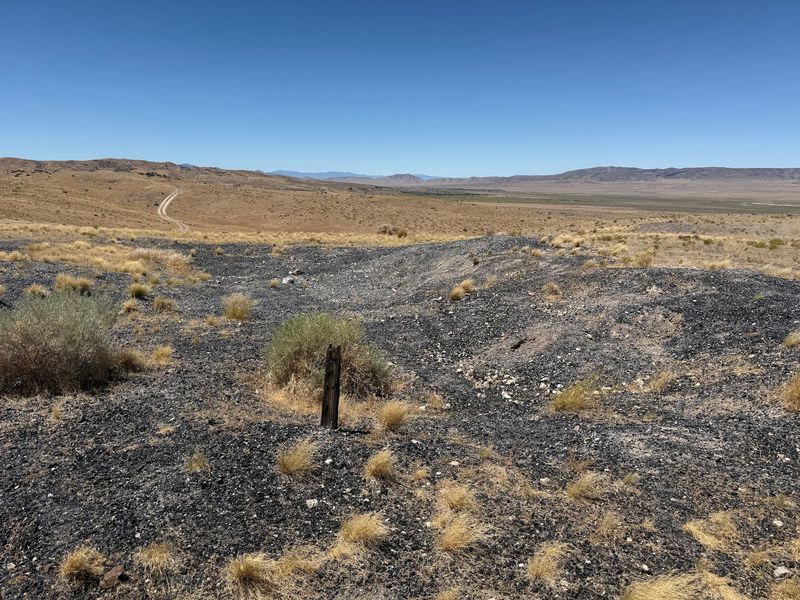
A shiny fragment has a much longer backstory than its size suggests. Obsidian forms when molten rock cools quickly enough that crystals do not have time to grow into the structure found in many other rocks.
That makes it natural volcanic glass, not a mineral crystal and not manufactured glass. Its smooth surfaces and curved breaks are clues to how the material formed.
The Black Rock Desert provides a real setting for that lesson. Volcanic deposits in this part of Utah include obsidian alongside other materials produced by eruptions, connecting a small collected sample to a broader landscape.
Black Spring Obsidian Beds is therefore more than a place to search for dark stones. It gives visitors a way to compare the material underfoot with the land around it.
A useful exercise is to photograph a fragment before moving it. Include nearby soil and stones in the frame, then take a closer picture that shows its surface.
Those two images answer different questions: where was it found, and what does it look like? Back home, they can help you remember details that a loose rock alone cannot preserve.
Skip dramatic guesses about exact eruption dates unless you have a reliable geological reference. The glass itself already supplies plenty to consider.
Mahogany And Snowflake Patterns Add Another Layer
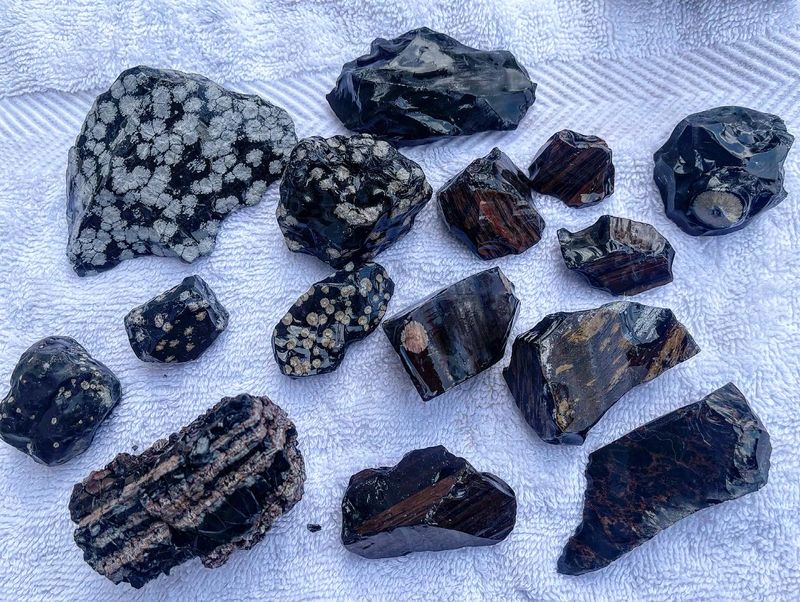
Color gives the search a second chapter. Black obsidian may be the headline, but mahogany and snowflake varieties add reasons to examine each fragment instead of sorting everything into one dark pile.
Mahogany obsidian has reddish brown areas mixed with darker glass. Snowflake obsidian contains pale crystal clusters that create rounded patterns against the dark background.
These names describe appearances, not three unrelated kinds of treasure. Comparing them helps explain how volcanic glass can vary while still belonging to the same general material.
At Black Spring Obsidian Beds, avoid assuming that every variety will appear in equal amounts or within the same small patch. Finding a particular pattern is a possibility, not a reservation the desert has agreed to honor.
Good To Know: A patterned fragment can be worth studying even when it is too small to become a display piece.
Look at specimens in ordinary daylight and photograph them from several angles. Reflections can hide color, while dirt can make a pale marking difficult to judge.
Leave uncertain pieces unidentified until you can compare them with a dependable reference. Calling everything snowflake obsidian may make a collection sound impressive, but careful labels make it useful.
The variety encourages curiosity without requiring a larger haul. Sometimes the better find is simply a clearer understanding.
A Black Spring Search Works At Your Own Pace
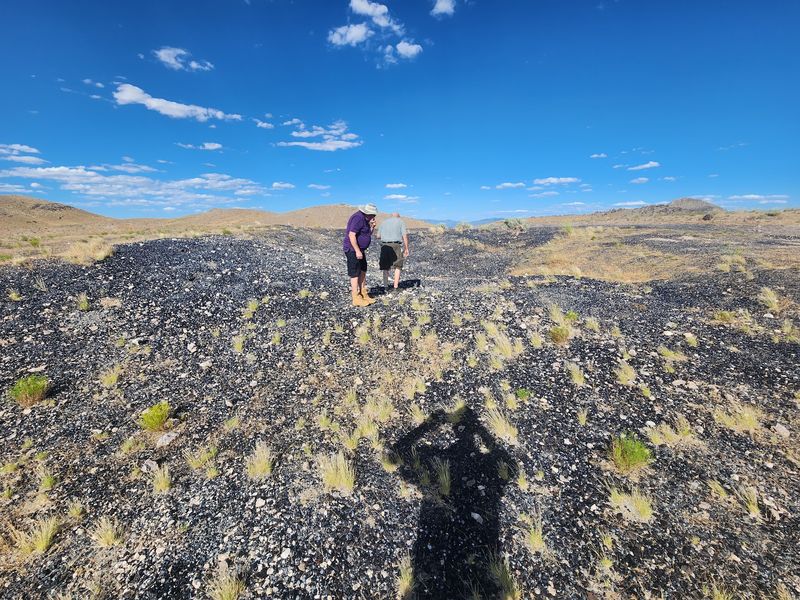
Not everyone needs to become the household geologist. One person can study patterns, another can take photographs, and someone else can decide that three interesting fragments are quite enough for one afternoon.
That flexibility makes Black Spring Obsidian Beds a reasonable option for different groups, provided everyone is comfortable with a remote desert outing. The activity is simple, but the setting still requires preparation.
Families can turn surface searching into a comparison game: glassy versus dull, dark versus patterned, rounded versus angular. Adults should handle sharp pieces and explain why rocks stay away from mouths and bare feet.
Couples can share a slow search without needing identical interests. A solo visitor can focus on photography or specimen notes, while weekend travelers can give the stop a defined place in a broader Utah drive.
Agree on a turnaround time before spreading out. Keep companions within a sensible distance, and make sure everyone knows where the vehicle is parked.
Mobility needs also deserve honest consideration. Natural collecting ground is not the same as a maintained walkway, so do not assume smooth footing or accessible facilities.
A shorter visit with good preparation is better than a longer one built around somebody else’s enthusiasm. Nobody needs to earn a certificate in carrying rocks.
Plan The Desert Drive Before The Saturday Detour
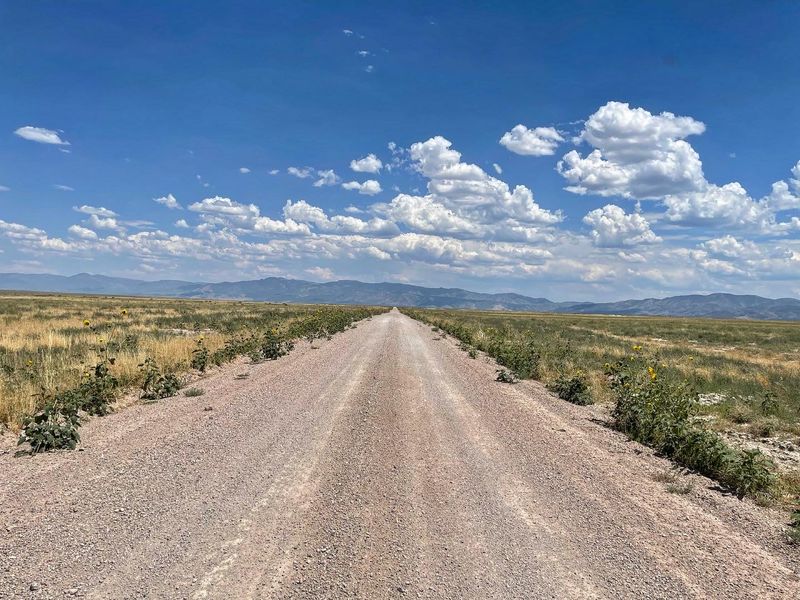
The least glamorous part of rockhounding may be the part that makes the whole outing work: checking the route, packing water, and making sure the vehicle has enough fuel. Rocks are patient; poor planning is less forgiving.
For a simple Saturday detour from Delta, build the schedule around the drive rather than only the collecting time. Black Spring Obsidian Beds lies beyond town, and unpaved travel can take longer than a map estimate suggests.
The supplied listing gives the address only as Utah, not a complete street address. Use the Geological Survey’s location guidance and a reliable map to identify the collecting area.
Download navigation before leaving dependable service. Do not follow an unfamiliar shortcut merely because a routing app draws a confident line across the screen.
Pack drinking water, food, sun protection, sturdy footwear, gloves, and a basic first aid kit. Plan as though you will need to supply your own comforts rather than finding them at the destination.
Check weather and road conditions, especially after precipitation. Turn around if the route exceeds your vehicle’s abilities or your comfort level.
Tell someone where you plan to go and when you expect to return. A modest plan, clearly shared, leaves more attention available for the actual search.
Leave Black Spring With A Small, Thoughtful Collection
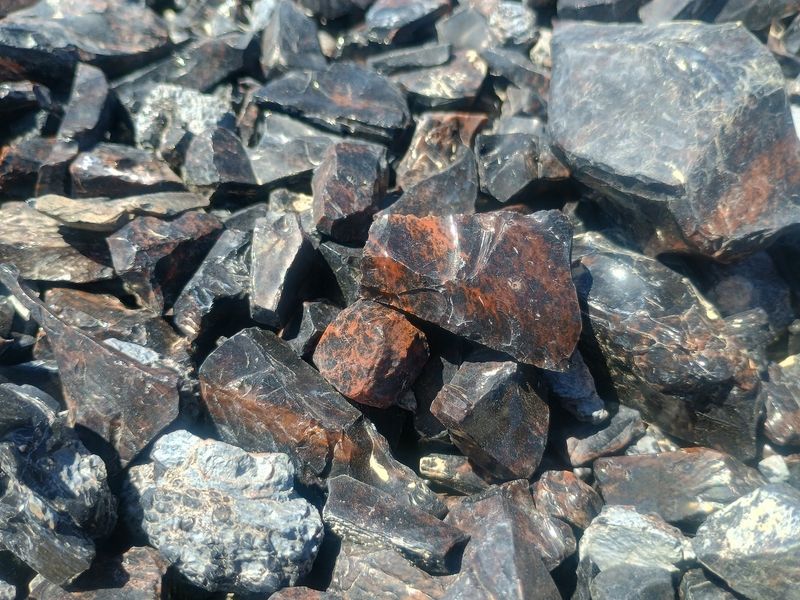
A good ending does not require a heavy bucket. A few carefully chosen fragments, photographs, and accurate notes can tell the story of the outing better than a collection too large to remember individually.
Before removing material from Black Spring Obsidian Beds, confirm the current collecting rules for the exact land you are using. General public land guidance is not a substitute for checking restrictions that may apply locally.
Keep personal collecting separate from commercial removal, and never assume a published daily allowance means every place permits collecting. Leave anything that could be an archaeological object where it lies.
Pack out all litter and avoid disturbing vegetation or creating new vehicle tracks. Respecting the setting matters as much as choosing a specimen, especially when the activity depends on ground that others will examine later.
At home, label your finds with the location and date. Add a short note about color, pattern, or the feature that caught your attention.
The strongest reason to remember this Utah outing is not the weight brought back. It is the chance to connect volcanic glass with the desert where you found it.
Black Spring Obsidian Beds rewards that smaller scale of attention. Bring water, take your time, and let a few good fragments be enough.