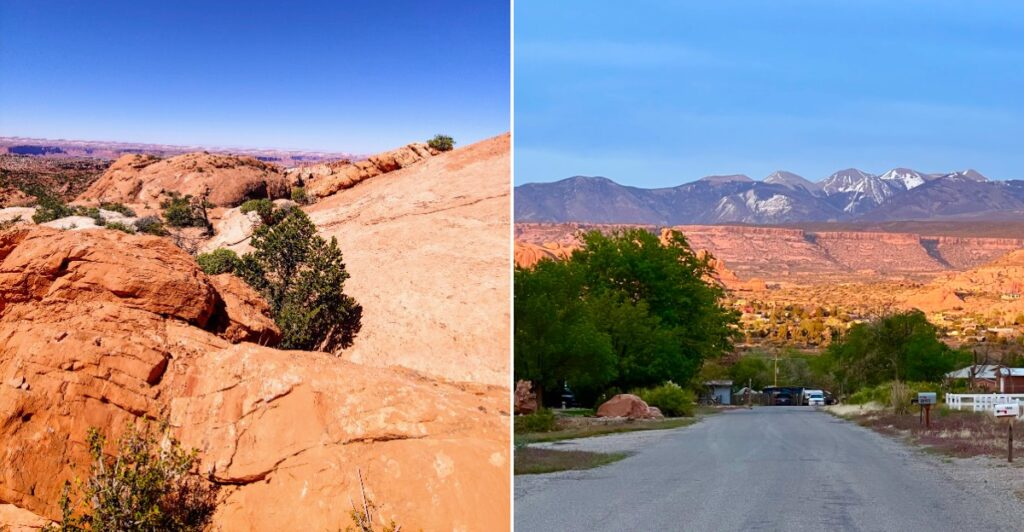
Beautiful places can become complicated when too many people fall in love with them at once. Red rock arches, desert trails, and mountain backdrops have made this corner of Utah a magnet for travelers, but every packed weekend also affects the community that lives there year-round.
More visitors can mean crowded roads, heavier demand on services, housing pressure, and a tourism economy that brings both opportunity and strain. That tension is worth understanding before treating the area like an unlimited playground.
A better trip starts with recognizing that vacation scenery is also somebody’s home. Across southern Utah, responsible travel can be as simple as respecting closures, avoiding unnecessary congestion, supporting local businesses thoughtfully, and leaving fragile landscapes exactly as you found them.
None of that makes the experience less exciting. It simply asks visitors to enjoy the desert with enough awareness that the people and places behind the postcard are not carrying the entire cost.
Moab’s Red Rock Appeal Comes With A Catch
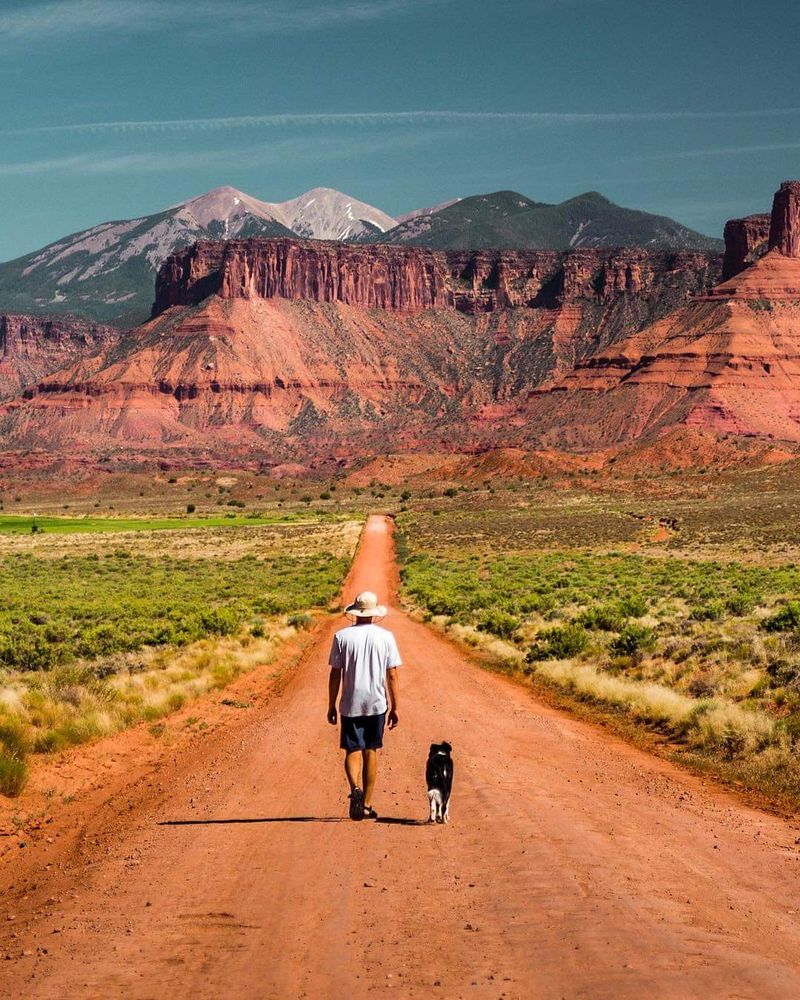
A vacation plan gets simpler when two national parks share the same home base. Moab offers access to Arches and Canyonlands, along with biking trails and the Colorado River.
The attraction is clear before anyone opens a spreadsheet.
Yet calling it a mountain town tells only part of the story. In southeastern Utah, the community sits in a desert valley with the La Sal Mountains nearby.
Sandstone, public lands, and outdoor recreation shape its identity as much as the peaks do.
That combination brings visitors with very different plans into one community. Hikers, cyclists, families, and road trippers all need places to sleep, eat, park, and prepare.
The landscape is vast; the town serving it is not.
Residents have expressed concern about tourism’s effects on daily life and the surrounding environment. Their point is not that nobody should come.
It is that a successful destination still needs to work as a hometown.
For travelers, that distinction changes the assignment. Book thoughtfully, leave room in your schedule, and treat streets and services as shared resources.
A red rock vacation should not require the people living beside those rocks to absorb every inconvenience. The scenery may be the draw, but the community makes the visit possible.
Arches Makes Popularity Easy To Understand
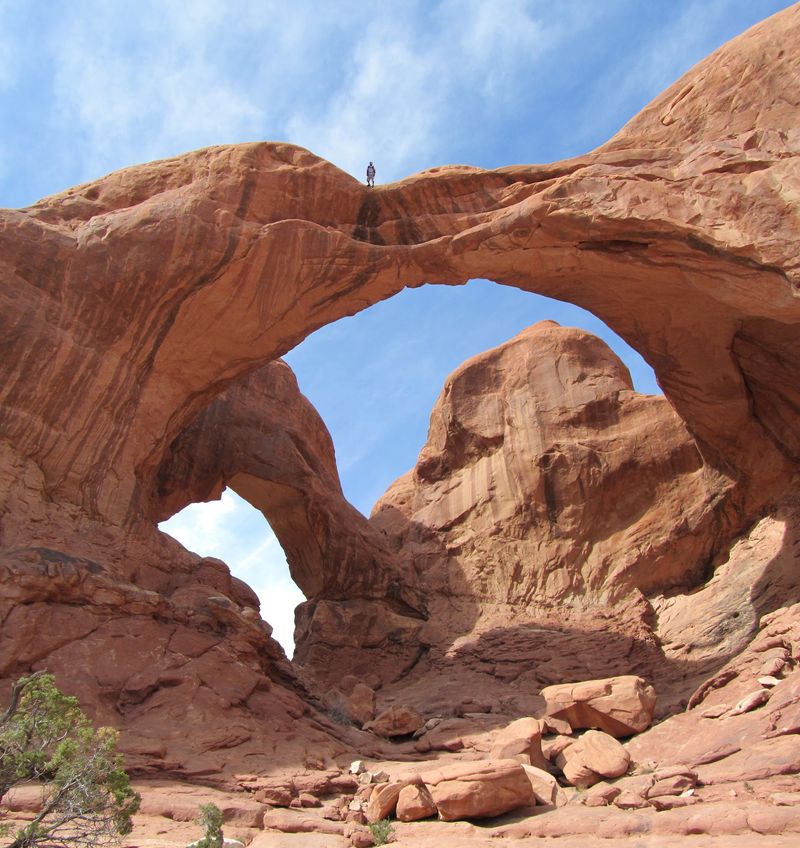
Sandstone arches are a convincing argument for taking a vacation. Arches National Park gives Moab a draw that needs little explanation: unusual rock formations, marked trails, and scenery that looks nothing like the office parking lot.
Canyonlands adds another reason to stay nearby, with broad views across mesas and river carved country. Together, the parks help explain why travelers choose the same base rather than spreading evenly across the region.
The catch is that famous scenery does not guarantee a simple arrival. Park access rules, road conditions, and parking availability can affect your day.
Check current National Park Service information before leaving, especially any entry reservation requirements for your dates.
Choose one main goal instead of treating both parks as boxes to tick before dinner. A shorter visit with time to walk, rest, and read the landscape can be more rewarding than collecting windshield views at speed.
Also remember that park entrances and individual trailheads are not the same destination. Distances inside these landscapes matter.
Download directions, carry water, and allow more time than a map’s first estimate suggests. The appeal is straightforward; the logistics deserve attention.
Planning ahead helps keep your holiday from becoming another last minute demand on a busy gateway community.
Highway 191 Shares Space With Everyday Life
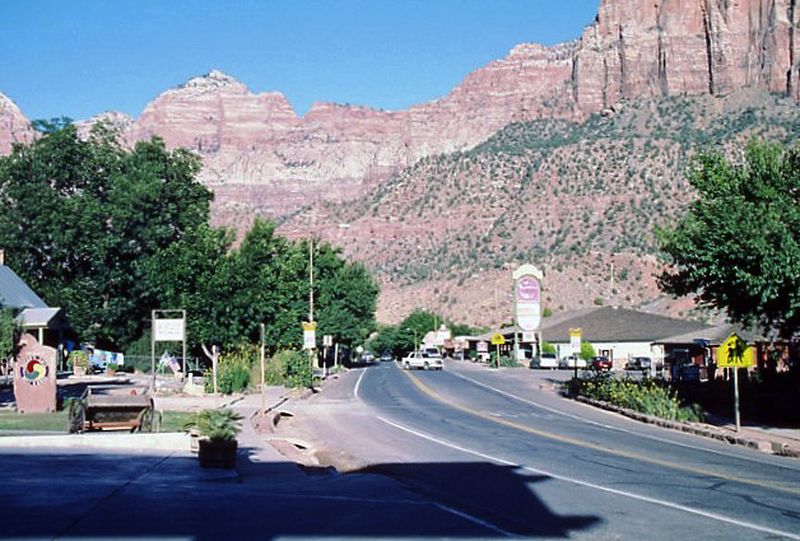
The road into adventure is also somebody’s route to work. U.S.
Highway 191 runs through Moab, where Main Street serves both travelers passing through and residents handling ordinary errands.
That overlap matters. Vacation traffic does not exist in a separate lane of community life.
A driver searching for a turn, a vehicle pulling a trailer, and someone heading to an appointment may all be using the same stretch of pavement.
The valley setting helps explain why growth and movement deserve attention here. Southeastern Utah offers enormous stretches of open country, but open country is not the same thing as unlimited street capacity.
The town cannot simply borrow another lane from the scenery.
Make your own arrival less awkward by checking lodging directions before reaching town. Know where you can park your vehicle, especially when carrying bikes or towing equipment.
Pull over legally before studying a map or changing plans.
Once parked, consider walking for nearby errands when the route and conditions suit you. Do not assume every destination is a comfortable walk, particularly in summer heat.
Small choices will not solve regional traffic concerns, but they reduce avoidable friction. Nobody needs a scenic holiday complicated by a hurried turn across traffic after missing their entrance.
Resident Concerns Reveal Tourism’s Other Side
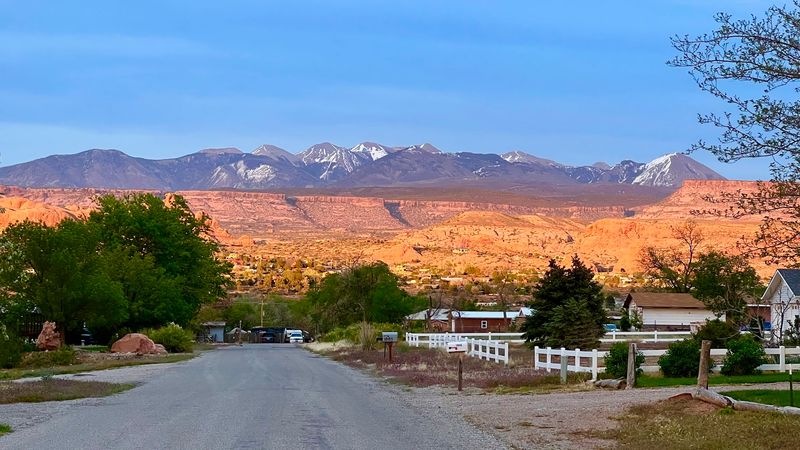
A place can welcome travelers and still question what tourism is costing it. That is the useful layer behind Moab’s popularity story, and it deserves more attention than a complaint about crowded vacation photos.
A 2022 resident survey documented dissatisfaction with tourism’s effects on quality of life and the natural environment. That finding should not be stretched into a claim that every resident thinks alike.
It does show that concerns extend beyond an occasional busy afternoon.
Tourism also supports the regional economy and jobs. The challenge is balancing those benefits with the needs of people who remain after visitors pack up.
A community is not merely the support desk for surrounding public lands.
Why It Matters: A destination’s success should improve local life, not just increase arrivals. That principle gives travelers a better way to judge their own choices.
Spend with businesses serving the community, respect residential space, and avoid treating workers as obstacles between you and your plans. Allow extra time when services are busy.
Courtesy cannot settle housing policy or tourism management, but it belongs in the conversation. The people answering questions, preparing meals, and maintaining facilities have lives beyond your itinerary.
Remembering that is a practical starting point, not a grand gesture.
Slickrock’s Fame Calls For A Lighter Footprint
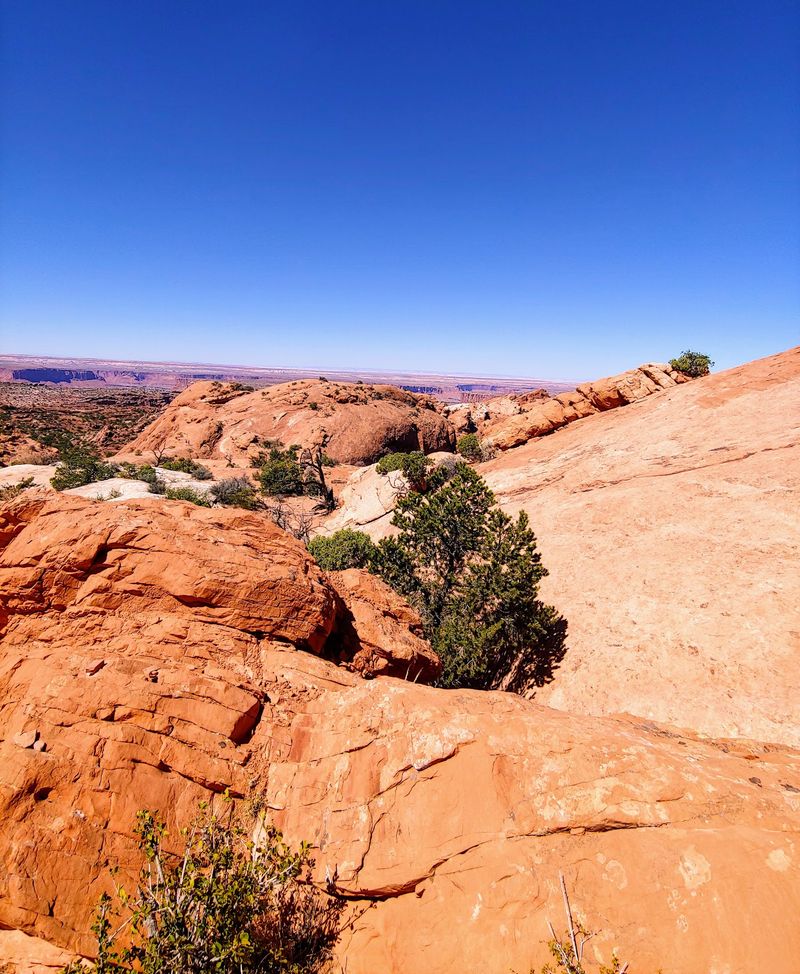
A trail can look tough while the ground beside it needs careful protection. Around Moab, sandstone recreation areas draw hikers, cyclists, and motorized visitors, making responsible route choices part of the experience rather than an optional extra.
The Slickrock Bike Trail is one recognizable example of the area’s outdoor appeal. Its sandstone terrain helps distinguish this corner of Utah from destinations built around forest paths or grassy parks.
Recognition, however, is not a substitute for preparation.
Choose activities that match your ability and equipment. Read route descriptions, check current land manager guidance, and understand whether a trail allows your planned use.
A bicycle route, hiking path, and motorized route are not interchangeable simply because they cross similar country.
Stay on designated routes and avoid stepping onto biological soil crust. Those living soil surfaces help stabilize desert ground and can be damaged by foot or tire traffic.
Carry out trash, including food scraps.
Families can make route rules part of the plan before children start exploring. Couples and solo travelers should do the same, without assuming that fewer people means less responsibility.
The useful souvenir is a better understanding of the desert, not a new track across it. Leaving the landscape intact keeps its appeal available.
A Smaller Moab Day Can Still Deliver
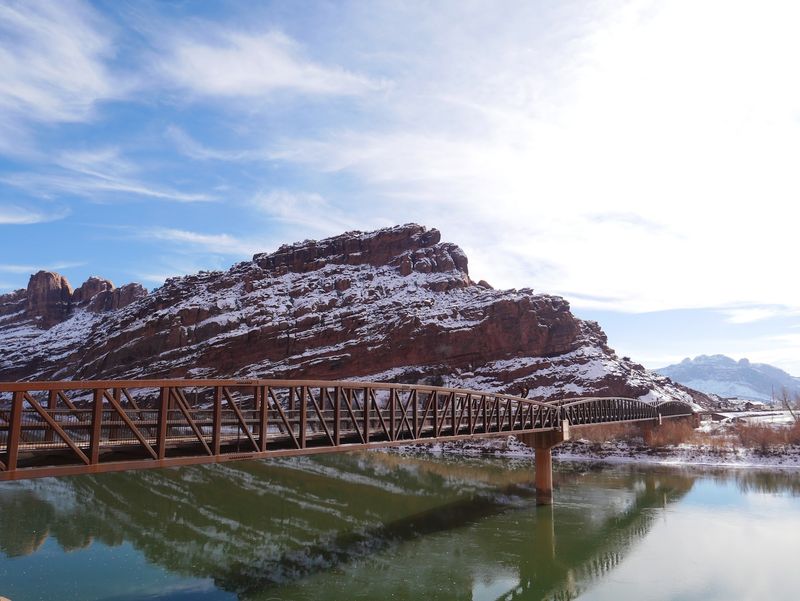
Not every desert day needs to become an endurance project. A short walk while already in town can fit comfortably between meals and preparations, giving your schedule some breathing room without adding another drive.
Moab works as a base for different travelers, but their days need not look identical. Families can choose shorter outings with reliable turnaround points.
Couples might agree on one main activity rather than negotiating six competing ambitions over breakfast.
Solo visitors should leave their plans with someone and avoid treating independence as a reason to skip basic preparation. Weekend travelers benefit from keeping their list short, especially when arrival and departure already take a substantial share of the trip.
Before heading out, check the forecast, trail information, and current access conditions. Carry water and protect yourself from the sun.
A flexible plan is useful in desert country, where heat can change what feels manageable.
Build in time for groceries, equipment checks, and rest instead of assuming those tasks will happen invisibly. They are part of the outing, not administrative errors.
Choosing less can also mean making fewer trips through town and fewer rushed decisions at trailheads. Your weekend does not need to prove anything.
One well chosen adventure leaves room to enjoy it.
Moab’s Future Needs More Than Another Visitor
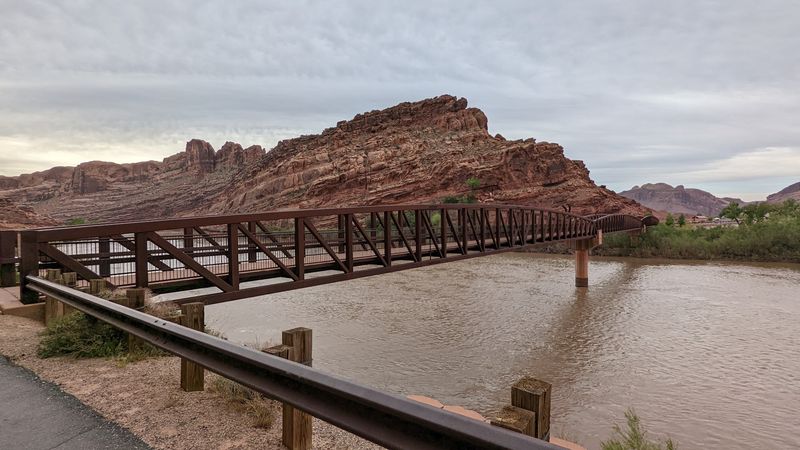
The strongest reason to care about this debate is also the reason people come: the landscape cannot be separated from the community supporting each visit. Parks, trails, roads, lodging, and local services form one connected experience.
Moab’s appeal is not in doubt. Access to sandstone country, the Colorado River, and nearby mountains gives it a clear identity within Utah.
The harder question is how to preserve that appeal without asking residents to accept every cost of its growth.
Travelers do not control the whole answer. Public agencies, local government, businesses, and residents have different roles in decisions about tourism.
Still, visitors control their timing, expectations, spending choices, and behavior on shared land.
Check access information before arrival. Keep plans realistic.
Respect designated routes and residential areas. Give workers time to help you, and remember that an unexpected delay is not evidence that the town has failed your vacation.
Those habits will not make a popular destination quiet again. They can make a visit more considerate and less wasteful, which is a reasonable goal for any trip.
The red rocks deserve attention, but so does the place where people buy groceries and get to work. Go for the sandstone, and leave room for the town to breathe.